Stay up-to-date with the antiques world

By subscribing, you are agreeing to the privacy policy. Unsubscribe anytime.

Barnebys

Barnebys HQ

Brahegatan 10
BOX 5038
114 37 Stockholm

Company

  • About Us
  • Join Barnebys
  • Our Partners
  • Press
  • Career

Explore More

  • Barnepedia
  • Buying / Selling at auction
  • Auction Houses / Dealers / Galleries

Support

  • FAQ
  • Terms of Use
  • Privacy and Cookies policy
  • Contact us
  • Barnebys Group AB
  • Barnebys.se
  • Barnebys.com
  • Barnebys.co.uk
  • Barnebys.de
  • Barnebys.fr
  • Barnebys.es
  • Barnebys.it
  • Barnebys.hk
  • All auction items
  • Categories
  • Auction results
  • Magazine
  • Ancient Art
  • Arts & Graphics
  • Asian Art
  • Books, Maps & Manuscripts
  • Carpets, Rugs & Textile
  • Coins & Banknotes
  • Contemporary Art
  • Ethnographical
  • Fashion & Vintage
  • Folk Art
  • Furniture, Design & Mirrors
  • Glass
  • Jewellery & Gems
  • Lighting
  • Medals, Arms & Armour
  • Miscellaneous
  • Music & Musical Instruments
  • Nautica, Technica & Optic
  • Photographs
  • Porcelain & Pottery
  • Postcards & Stamps
  • Sculptures
  • Silver & Gold
  • Sports & Leisure
  • Tin & Metals
  • Toys & Collectables
  • Vehicles
  • Watches & Clocks
  • Wine & Spirits
  • Works of art
  • All auction items
  • Auction results
  • Magazine
  • Get a valuation
  • Auction system

Barnebys Magazine

LatestEditor's picksTopics
Magazine/Works of Art/Paul Klee: 6 Facts to Know

Paul Klee: 6 Facts to Know

With his oeuvre ranging from Expressionism to Cubism to Surrealism, Paul Klee is one of the most important artists of the 20th century.

14 December 2020Gritta von Toll
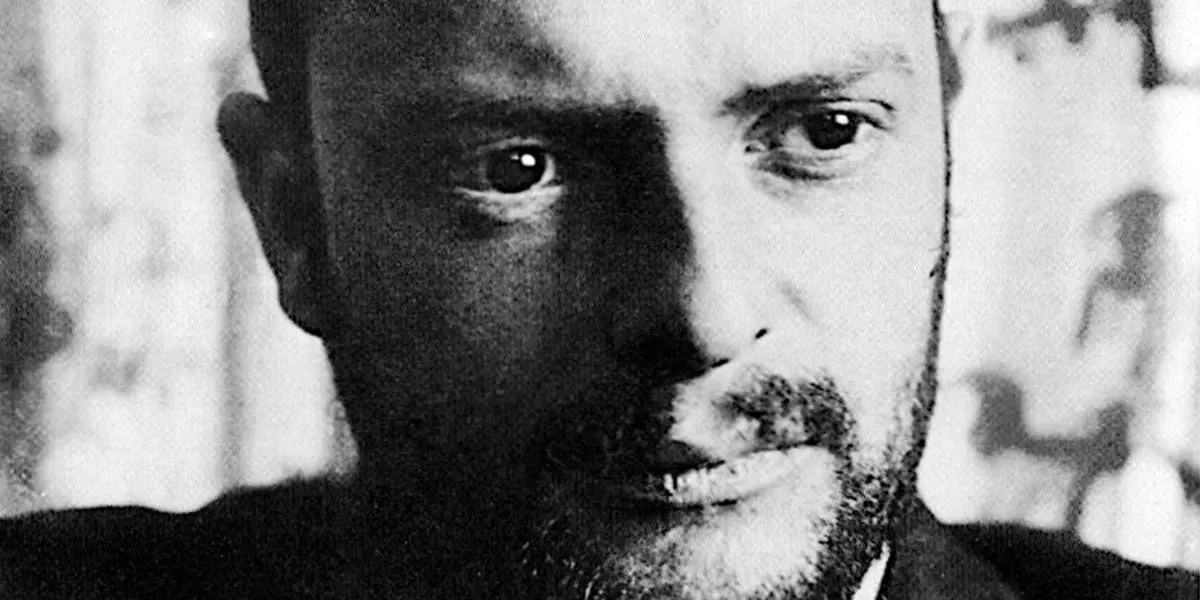
Paul Klee, photograph by Alexander Eliasberg, 1911. Photo public domain (detail)

Paul Klee, photograph by Alexander Eliasberg, 1911. Photo public domain (detail)

Paul Klee (1879-1940) is revered for his abstract, colourful paintings that employ geometry, his love of music and his creative, whimsical spirit. Here are six facts about the German artist that you may not know.

1. He was an excellent musician

Klee's parents were German music teacher Hans Wilhelm Klee and Swiss opera singer Ida Marie Klee, née Frick. Under these circumstances it is understandable that the Klee couple had in mind that their son would also embark on a musical career. And indeed it could have happened that way. Klee, who started playing the violin at the age of seven, proved to be extremely talented and within a few years had mastered the instrument. In his early days as an artist, he made his living as a violinist.

See also: The First Works of 10 Famous Artists
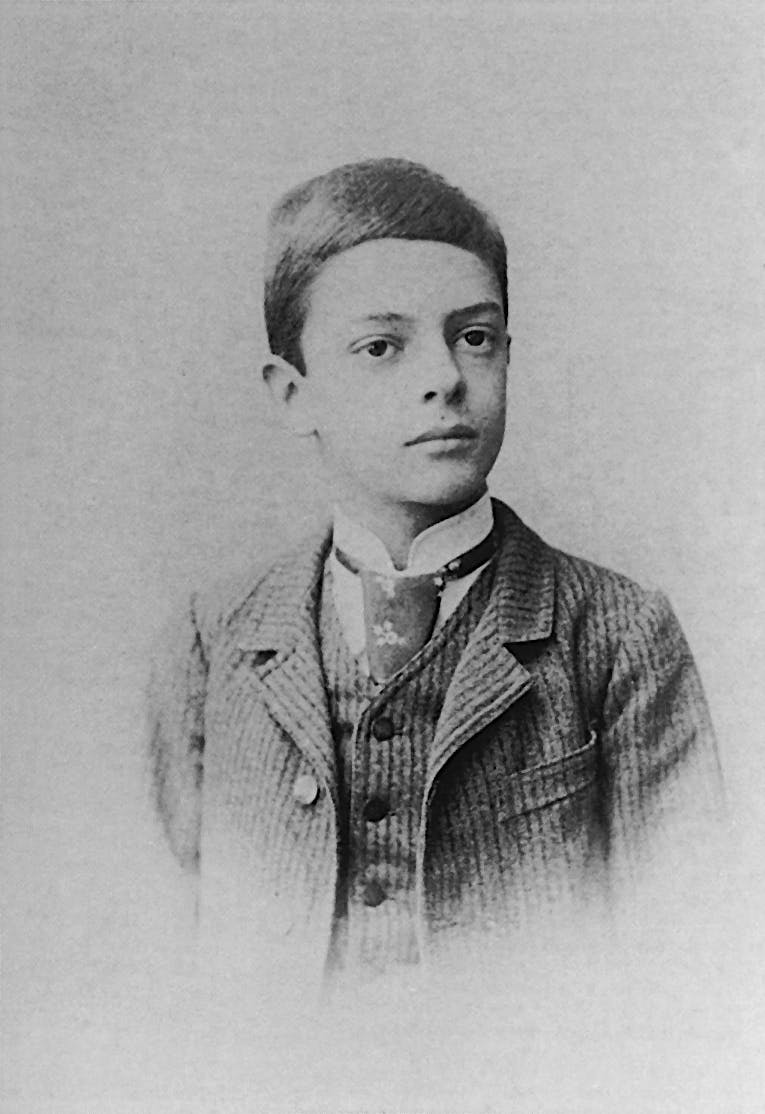
Paul Klee as a student, 1892. Photo public domain

2. Cats were his favourite animal

Klee was a big cat lover. Over the course of their lives, he and his wife Lily owned at least six cats: Fritzi, Bimbo I, Nuggi, Mys, Skunk and Bimbo II. How much the painter's heart was attached to his domestic cats can be measured by how much freedom he gave them. They were welcome guests in his studio and repeatedly served as a source of inspiration. He even allowed them to walk across his canvases.
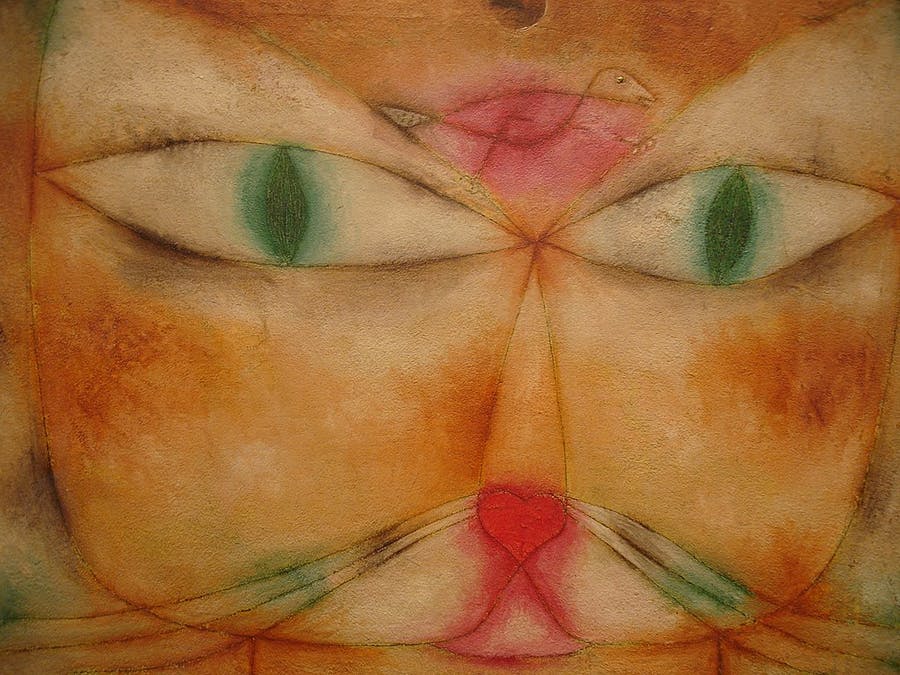
Paul Klee, Cat and Bird, 1928, Museum of Modern Art, New York. Photo public domain

3. A trip to Tunisia transformed his art

The trip to Tunisia that Klee took from 7-19 April 1914 with Louis Moilliet and August Macke is regarded as a significant turning point in art history. In general, it is viewed as the crossroads of Expressionism and abstraction in Germany; on the other hand, it was a personal epiphany for Klee. Before the trip, he had mainly worked as a graphic artist and draftsman, but he discovered painting more for himself due to the special lighting conditions and colours of Tunisia.

See also: Abstract Art: From Genre to Movement
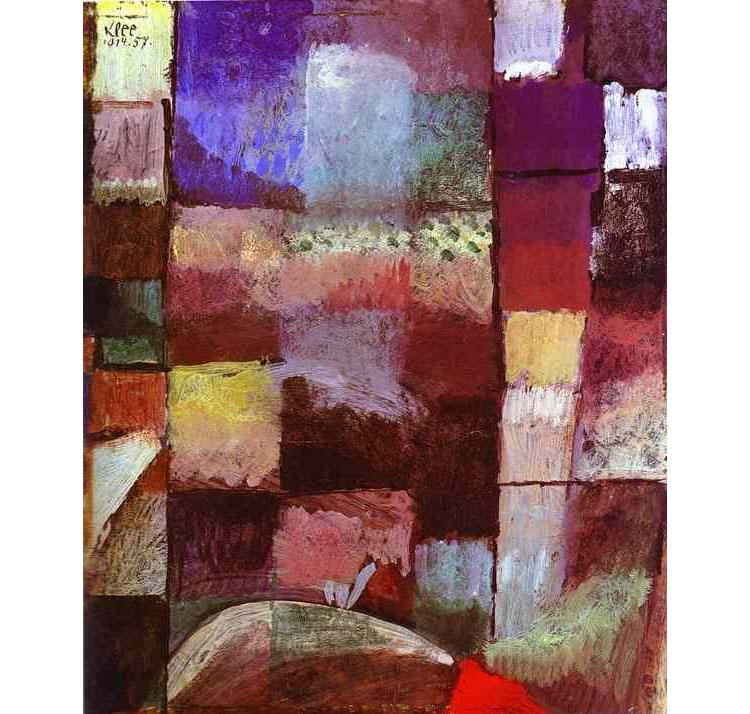
Paul Klee, motif from Hammamet, watercolour, 1914, Kunsthalle Basel. Photo public domain

4. He fought in World War I

Another turning point for art at the beginning of the 20th century was the First World War, which changed the way people viewed art and grappled with emotions. Many lost friends and family members at the front, including Klee. At the beginning of the war, August Macke, with whom he had travelled through Tunisia a few months earlier, died at the front. Klee found out about Franz Marc's death in Verdun, with whom he had worked together in the editorial community, on the day that he himself was called up for military service in 1916. Later, he channelled his grief into pen and ink drawings.

See also: Josef Albers: Thinking Outside the Box

5. He was a teacher at the Bauhaus

For ten years, Klee taught at the Bauhaus, the influential German school that ushered in a modern and integrated approach to architecture, art and design. He taught alongside Wassily Kandinsky and Lyonel Feininger, important pioneers of modern art and fellow members of Der Blaue Reiter. The school had significant effects upon his work. He focused on colour theory and incorporating geometric shapes, straight-edged lines and delineated curves into his art.
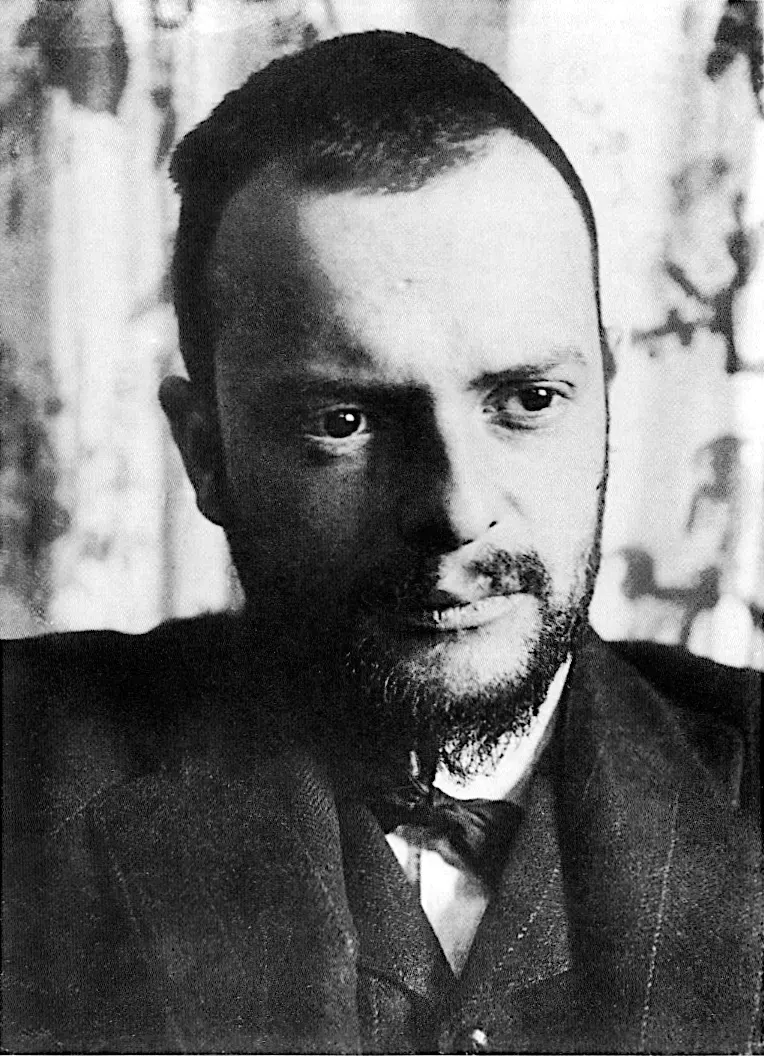
Paul Klee photographed by Alexander Eliasberg, 1911. Photo public domain

6. Paul Éluard wrote a poem about him

When Klee was in Paris in 1925 for his first solo exhibition in France, he got to know the Surrealists. He took part in one of their exhibitions, but was not accepted into the group. However, the surrealist poet Paul Éluard contributed a poem entitled Paul Klee to the catalogue for Klee's solo exhibition .

Discover more articles with Barnebys Magazine

This is an updated version of an article originally published on 11 December 2020

paul kleeexpressionismsurrealismbauhaus

Subscribe to Barnebys Magazine

By subscribing, you are agreeing to the privacy policy. Unsubscribe anytime.

About the author

Gritta von Toll

Gritta von Toll is the German Editor at Barnebys Magazine. She completed studies in pre- and early history and archaeology, and since 2015, after a short detour into the world of advertising, she has worked at Barnebys, where she immerses herself in art history in order to bring bygone epochs closer to today's readers.

Read more from this author
Gritta von Toll

Explore related articles

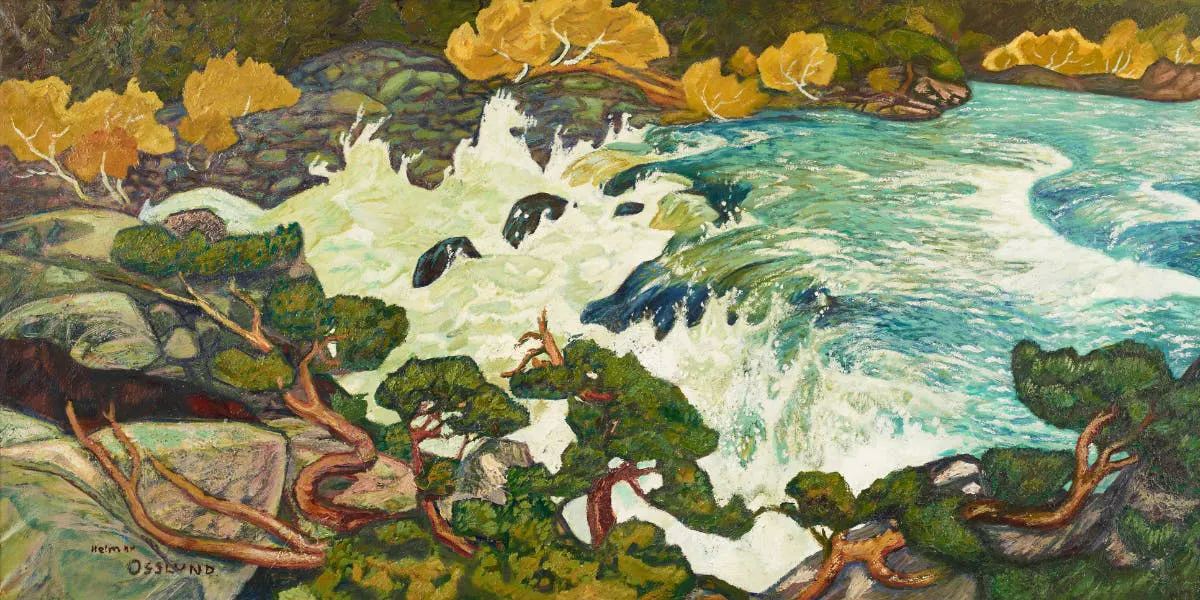
Helmer Osslund, 'Porjus - Waterfall with trees in autumn garb', oil on canvas (detail). Photo © Uppsala Auktionskammare
Painting

Helmer Osslund: the Swedish King of the Northern Expanses

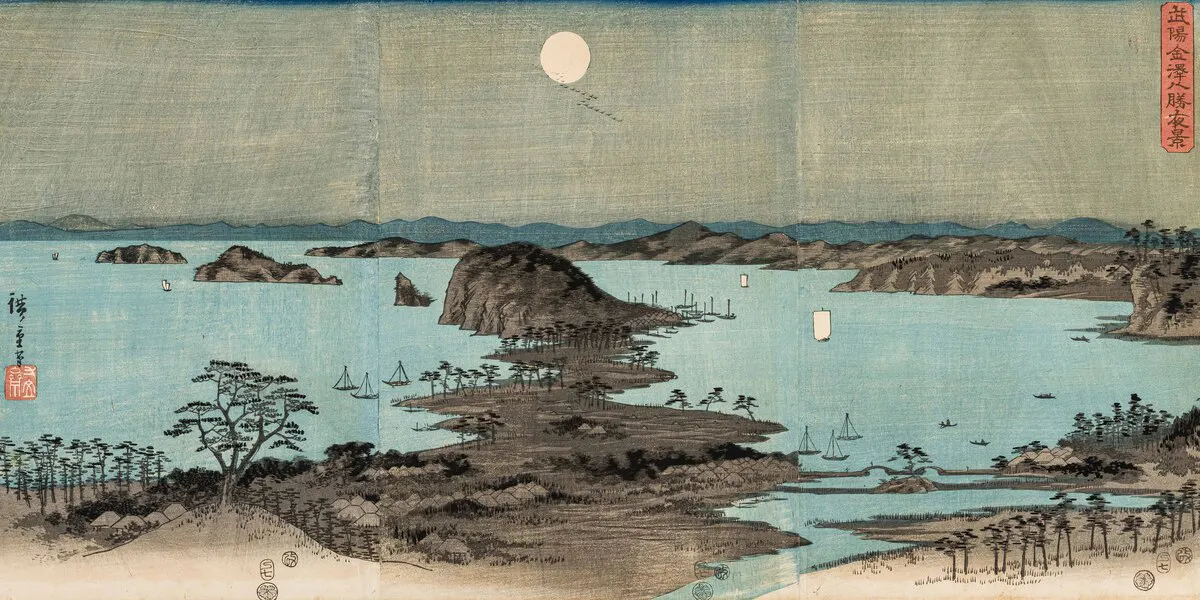
Utagawa Hiroshige (1797-1858), 武揚金澤八勝夜景 (Buyô Kanazawa Hasshô yakei, ‘Eight Night Views of Kanazawa’), triptych composed of prints in ôban tate-e format, Japan, 1857, from the series 雪月花 (Settsugekka, ‘Snow, Moon and Flowers’), 74 x 35.5 cm (detail). Photo © Piguet Hôtel des Ventes
Works of Art

A Treasure Trove of Paintings

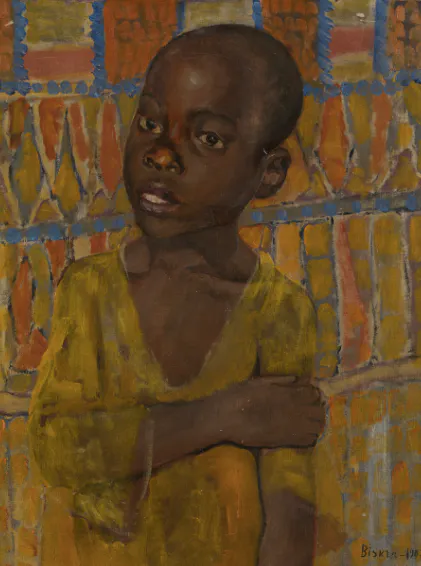
Early Petrov-Vodkin featured in MacDougall's June Russian Art Auction
Works of Art

Early Petrov-Vodkin featured in MacDougall's June Russian Art Auction

Discover similar items at auction

Paul Klee (1878-1940) - Journée d'hiver un peu avant midi

Paul Klee (1878-1940) - Journée d'hiver un peu avant midi

FR
Catawiki

150€

Details
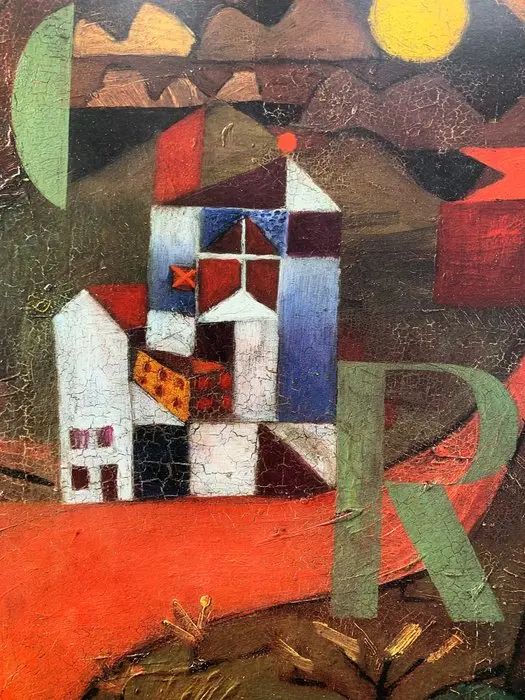
Paul Klee (after) - Villa R, 1919 - Bauhaus Artprint - 50 x 40 cm

Paul Klee (after) - Villa R, 1919 - Bauhaus Artprint - 50 x 40 cm

DE
Catawiki

150€

Details
CREATIVE_HUB - Pikachu in Woman with a Flower by Paul Gauguin

CREATIVE_HUB - Pikachu in Woman with a Flower by Paul Gauguin

IT
Catawiki

1€

Details
CREATIVE_HUB - Pikachu in Night Café in Arles by Paul Gauguin

CREATIVE_HUB - Pikachu in Night Café in Arles by Paul Gauguin

IT
Catawiki

4€

Details
Paul Klee

Paul Klee

DE
Dorotheum

20.000€

Details
Paul Klee

Paul Klee

DE
Lempertz

12.000€

Details

Bring your auction to collectors worldwide!