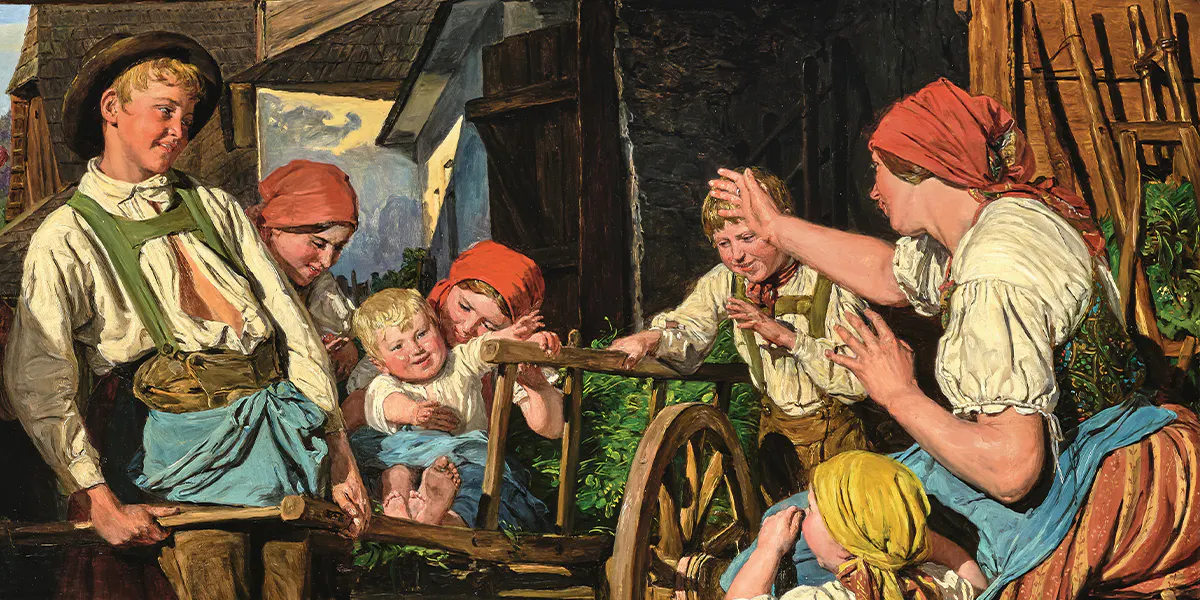
In 1830, Austrian painter Ferdinand Georg Waldmüller traveled to Paris, where he discovered the new plein air technique practised by artists of the emerging Barbizon School. Waldmüller was inspired by this technique and adopted it, though it was not universally welcomed in Vienna. He began experimenting with the effects of sunlight, including in his rural genre scenes. A fine example of this is Hansl’s First Outing (Homecoming Children) from 1858.
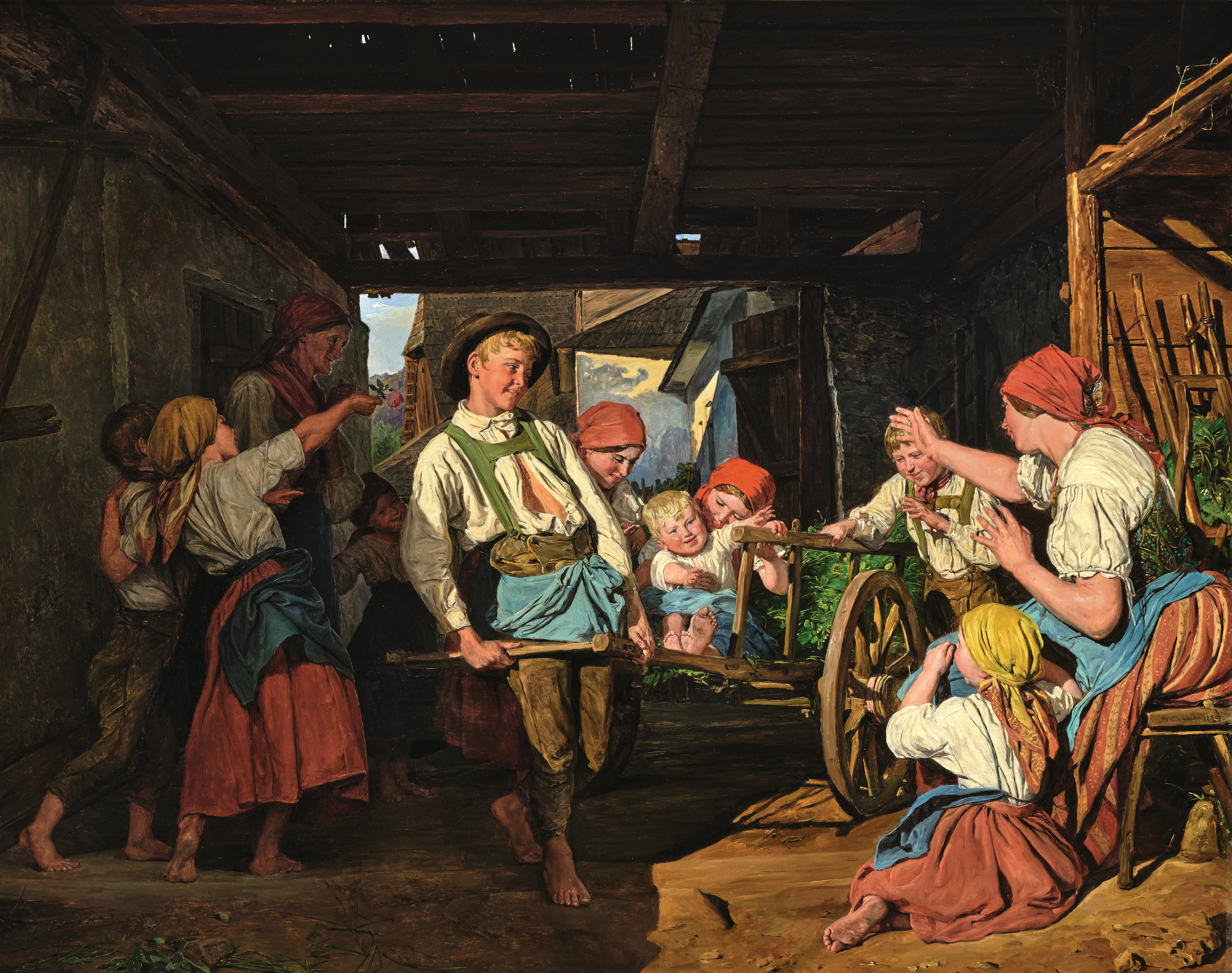
The oil-on-panel masterpiece had belonged to Karl and Grete Henriette Klein, a Jewish couple from Vienna and Mödling, since 1923. In 1939, they left Austria, having already been forced to sell some of their possessions below market value. The painting had been acquired by the Nazi regime in 1938 as part of the “Sonderauftrag Linz” (Special Project Linz) and stored in the Altaussee salt mine during the war. It was later discovered there by the Monuments Men of the US Army. After changing hands several times, it came into the possession of the Federal Republic of Germany, which returned it to the heirs of Grete Klein in July this year.
This month, Hansl’s First Outing (Homecoming Children) will be offered as one of the leading lots at Vienna’s Dorotheum, where it will headline the 19th-century paintings sale on 22 October. The auction forms part of Dorotheum’s Classic Week, which also features Old Master paintings on 23 October and furniture and antiques on 21 October.
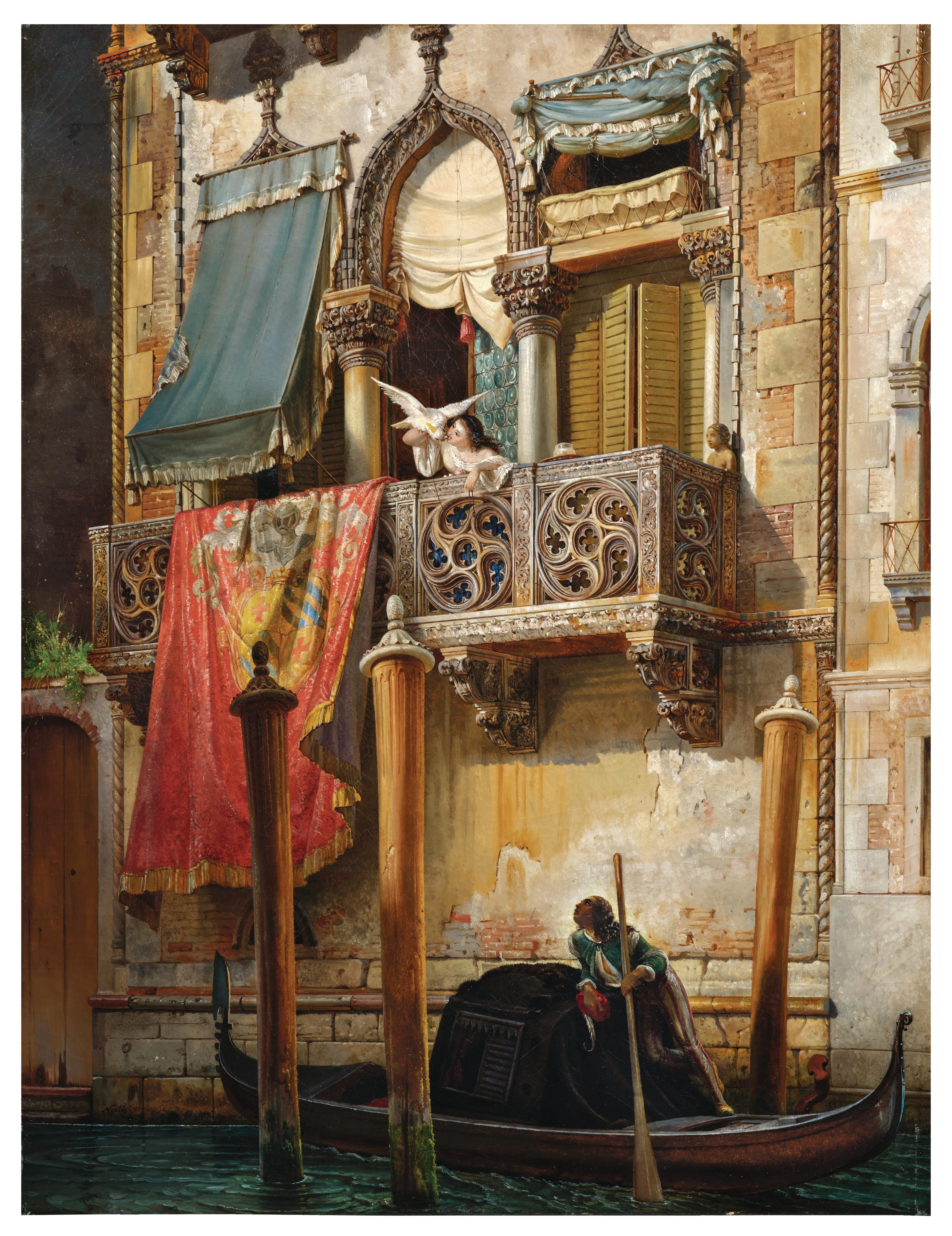
Another highlight on 22 October is a painting from the early 1850s by Friedrich Christian Nerly, who lived and worked in Venice from 1837 onwards. It shows a young woman on the balcony of one of the city’s grand palazzi, as a cockatoo takes a piece of sugar from her lips. A gondolier, gazing up from his boat, looks on wistfully, seemingly wishing to trade places with the bird. For the backdrop, Nerly used the façade of the Palazzetto Contarini Fasan on the Grand Canal, also known as the “Casa di Desdemona”, named after Shakespeare’s Othello, which is set in Venice.
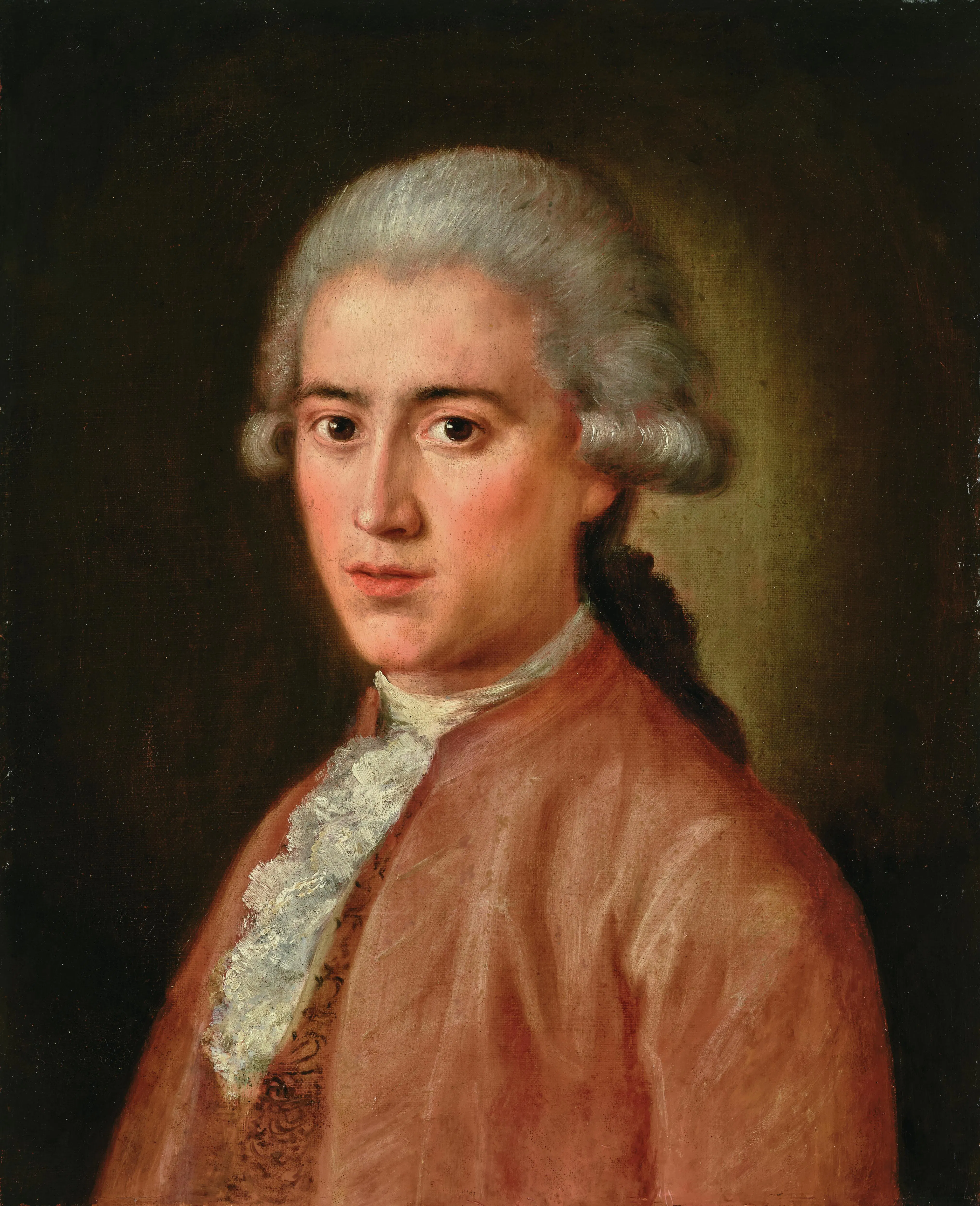
The Old Masters auction on 23 October will be led by a rediscovered portrait whose artist and sitter had long been unknown. The bust portrait of Don José Álvarez de Toledo Osorio y Gonzaga, Duke of Alba and 11th Marquis of Villafranca – whose wife was Goya’s muse and possibly his lover – was painted by Francisco de Goya around 1783. The work remained with the sitter’s family until the mid-19th century before being sold in Paris. After several misattributions, its provenance was carefully reconstructed, restoring the identities of both artist and subject. Following a presentation at the Museo Goya in Zaragoza in 2022–23, the painting can now be offered under its correct attribution.
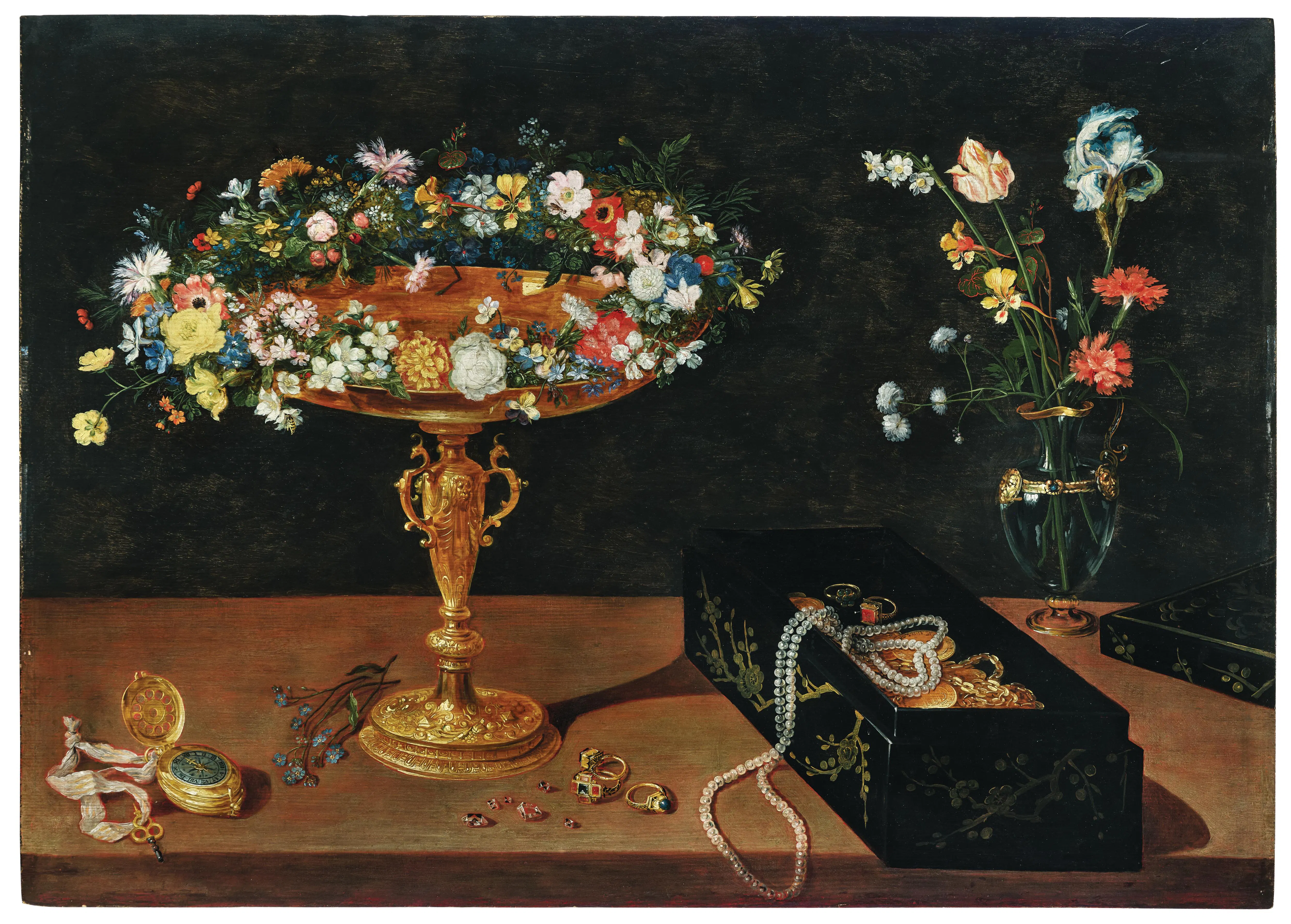
Also of note is a magnificent still life by Jan Brueghel the Younger. The composition features a gilded tazza adorned with a garland of flowers, a Japanese lacquer box filled with jewellery, and a delicate glass vase holding more blooms. Despite the opulence, the work includes a memento mori element typical of the time: a pocket watch symbolising the passing of time.
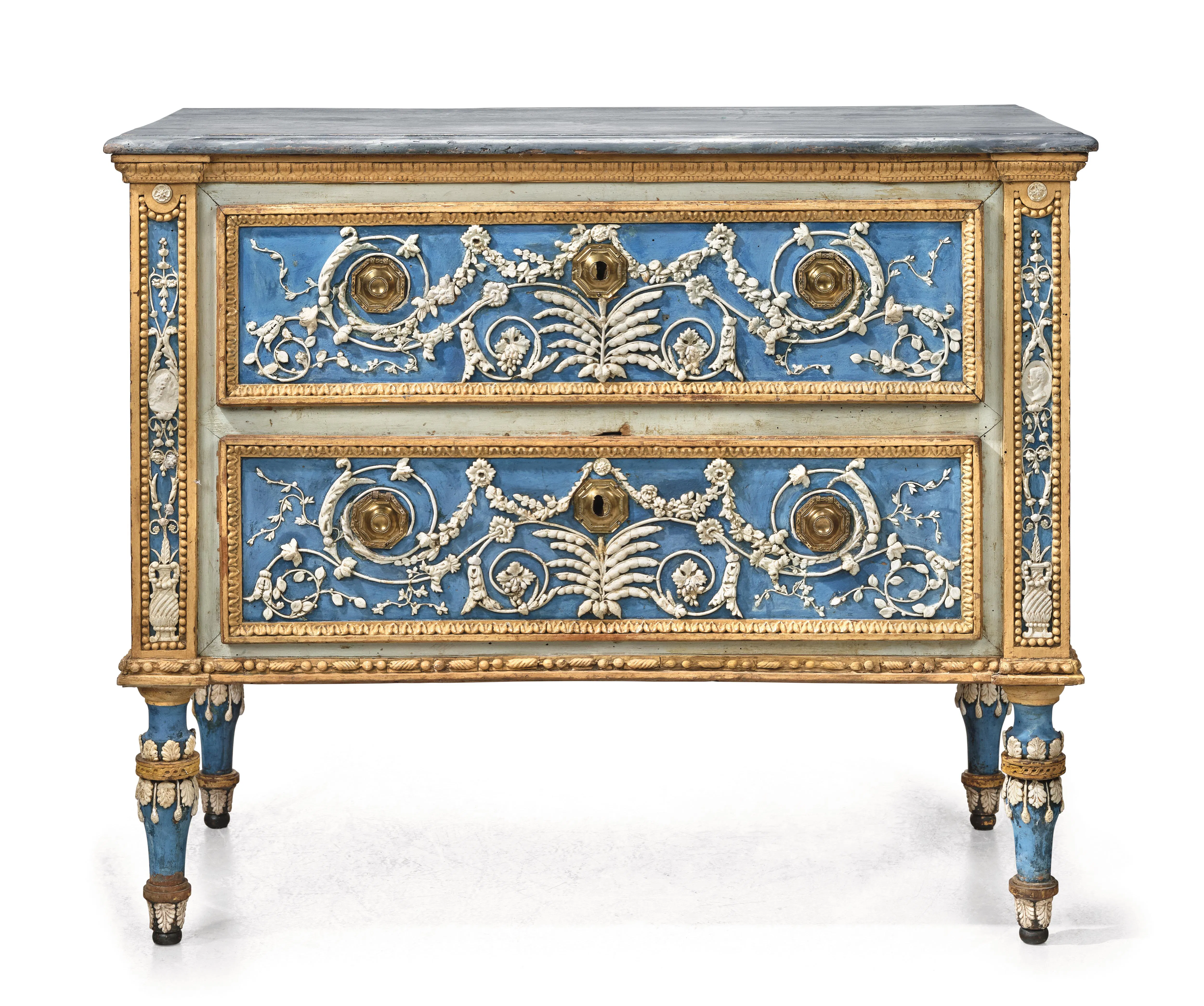
Classic Week begins on 21 October with an antiques auction, featuring a neoclassical chest of drawers of museum quality. A matching piece is held by the Metropolitan Museum of Art in New York. The example on offer comes from a private Italian collection and was designed by the Piedmontese architect Filippo Castelli, who took inspiration from blue and white Wedgwood jasperware.
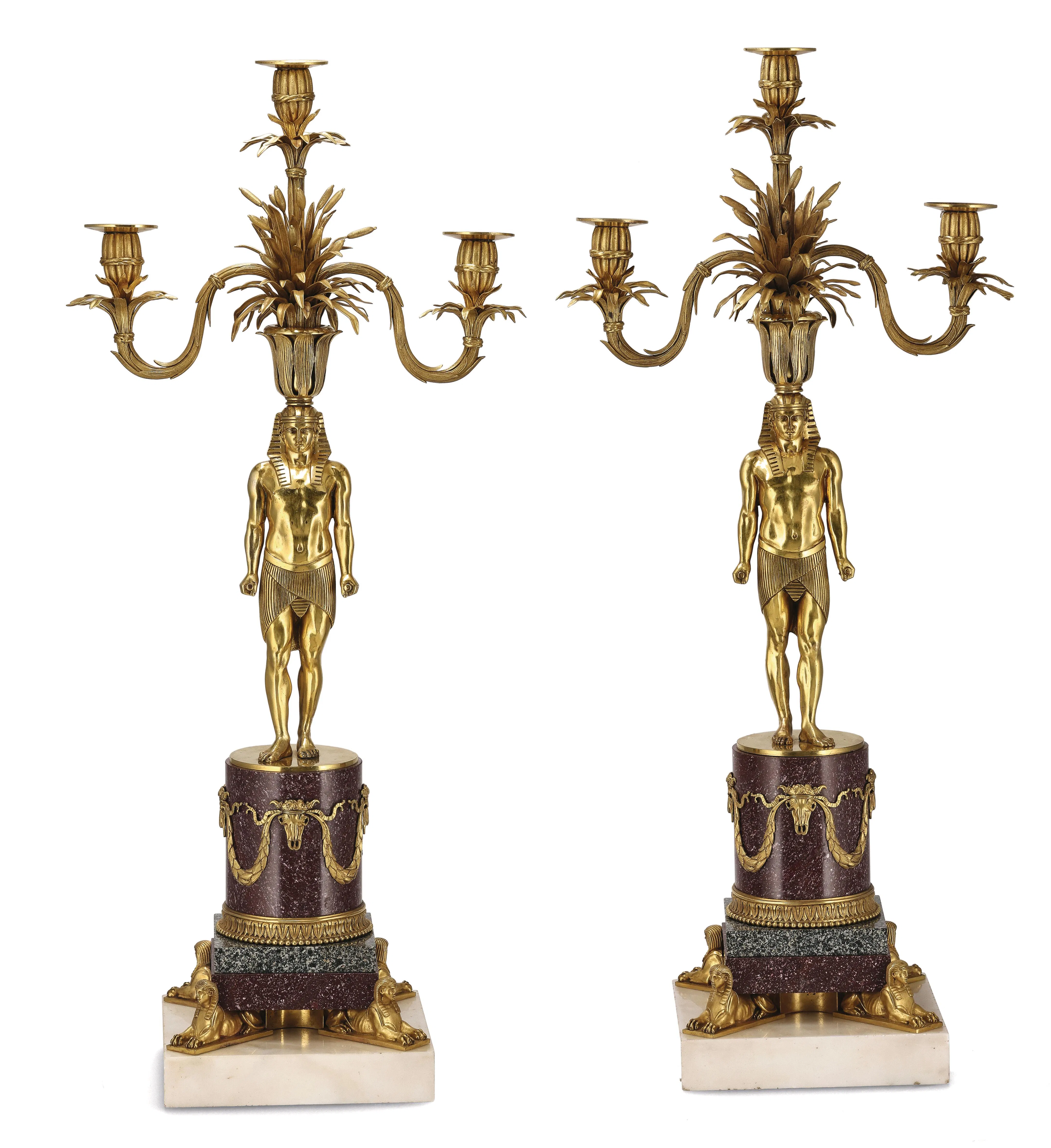
An exceptional pair of candelabra from the workshop of Francesco Righetti will also be presented. Originating from Italy, they reflect the vogue for Egyptian-inspired design that followed Napoleon’s campaign in Egypt. Each rests on a porphyry base, with a gilded bronze shaft featuring a male figure wearing a nemes headdress, part of the royal regalia of ancient Egypt.
Classic Week will take place from 21 to 23 October at the Palais Dorotheum, Dorotheergasse 17, Vienna. Previews will be available from 11 October.