From 5 to 10 November, Vienna's Dorotheum auction house will devote its full attention to Classic Week, which includes sales of antiques, 19th-century paintings and Old Masters artwork.
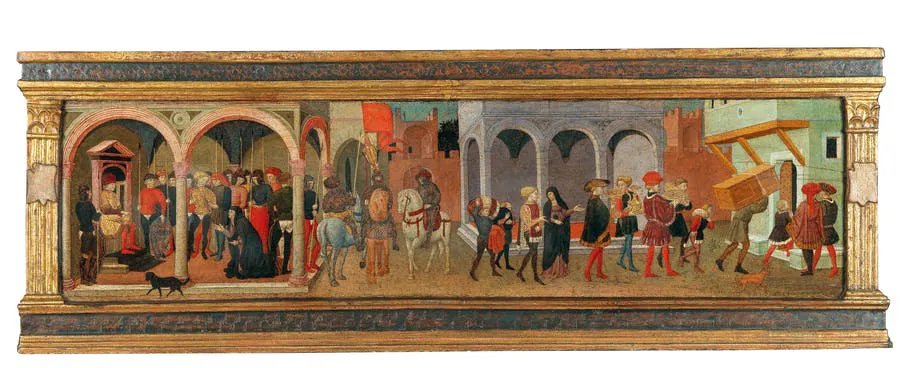
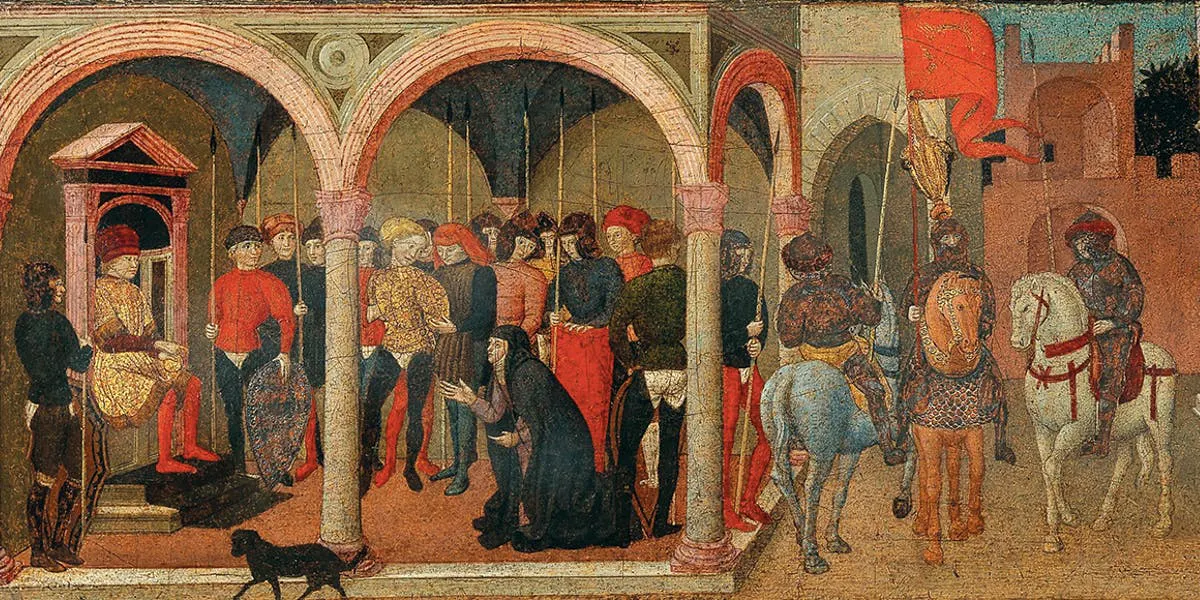
One of the highlights is a Cassone picture that is representative of the Florentine School and was executed in the 15th century. Cassone is the name given to the dowry chests that a bride brought to a marriage in Renaissance Italy. The contents of these chests also reflected the social and financial status of the bride and her family.
After the end of this tradition, the paintings with which the chests were decorated were often removed from their original context and used as individual pictures. The present example, long held in the possession of the Earls of Ashburnham, shows an episode from the life of the Roman Emperor Trajan in which a wedding procession and cassone are appropriately depicted.
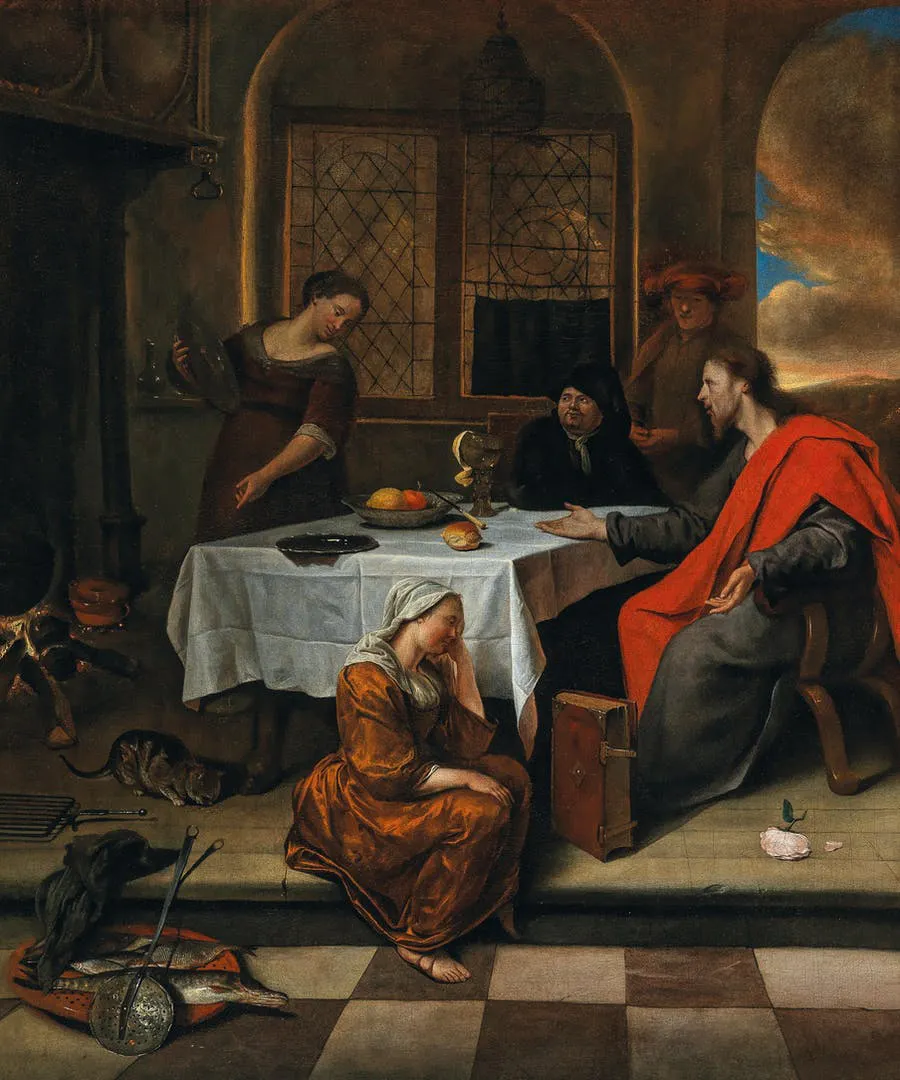
Dutch and Flemish painting is widely represented in Dorotheum's sale. The work Christ in the House of Martha and Maria by the baroque painter Jan Steen is one offer. In addition to genre painting, Steen also devoted himself to history painting. As in the present case, he often added small still lifes to his scenes.
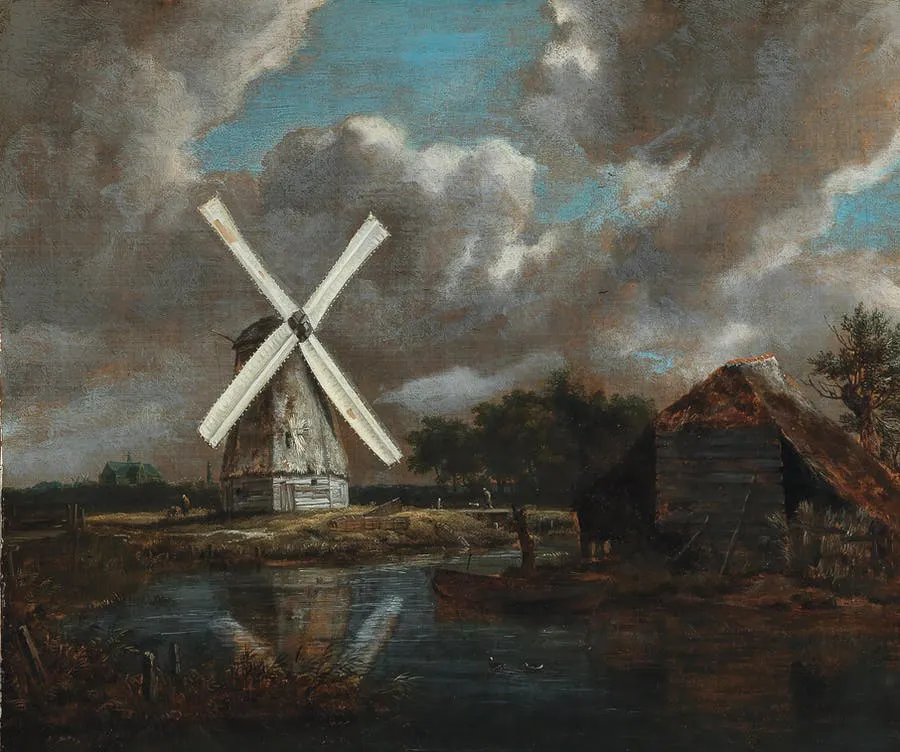
Abel Grimmer and Steen's contemporary Jacob van Ruisdael devoted themselves to landscape painting in these two paintings. Ruisdael's River Landscape with a Windmill and City in the Distance probably comes from the artist's early work before he left Haarlem for Amsterdam.
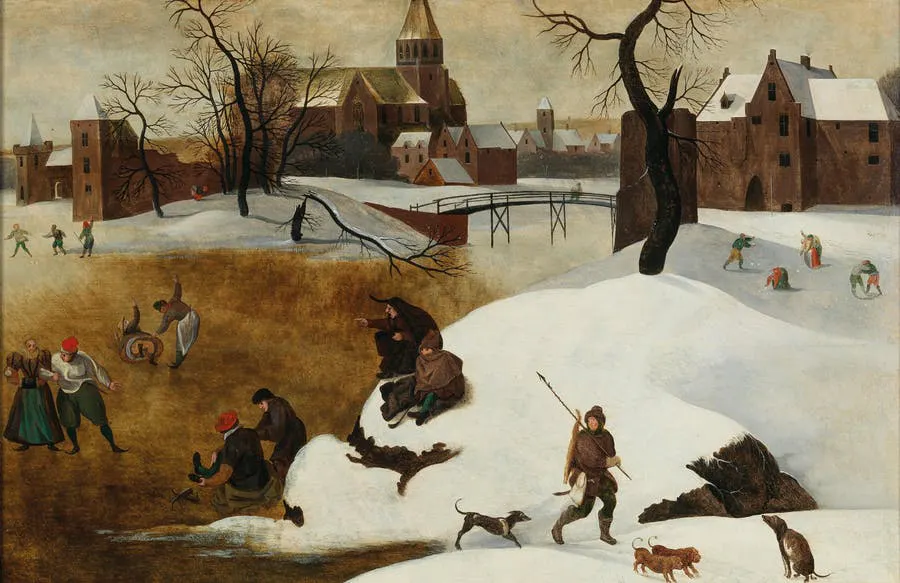
The Flemish Renaissance painter Abel Grimmer was trained by his father Jacob Grimmer, whose work is often reminiscent of Pieter Breughel the Elder. The present oil painting Winter Landscape with Ice Skaters by the younger Grimmer also points to this source of inspiration.
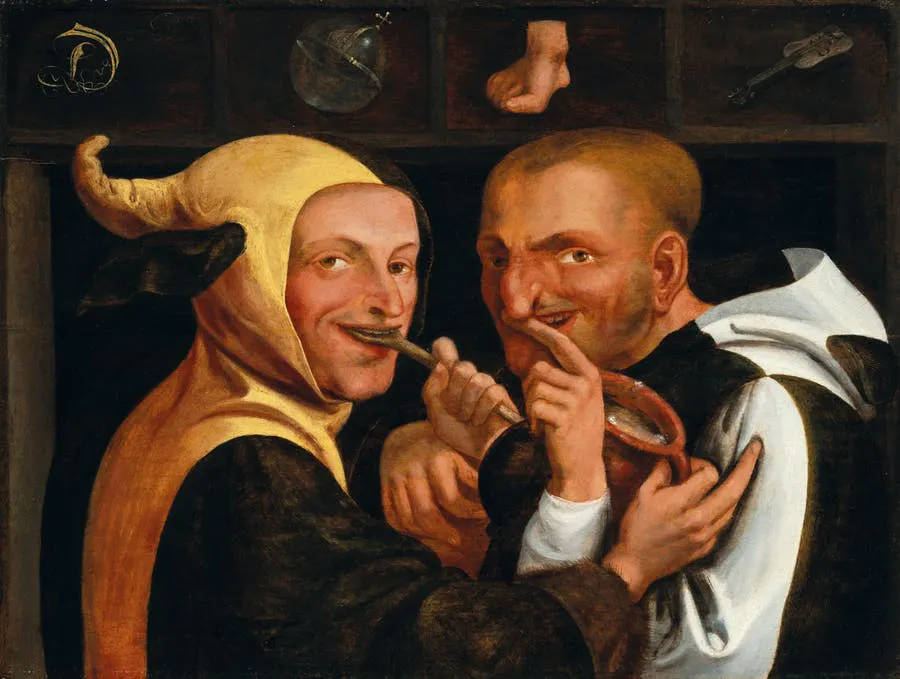
In Renaissance Flanders, moralising images were popular in high society and were often hung up as conversation pieces in dining rooms. De wereld voedt vele zotten ('The World Feeds Many Fools') by a Dutch painter of the 16th century fits perfectly this context.
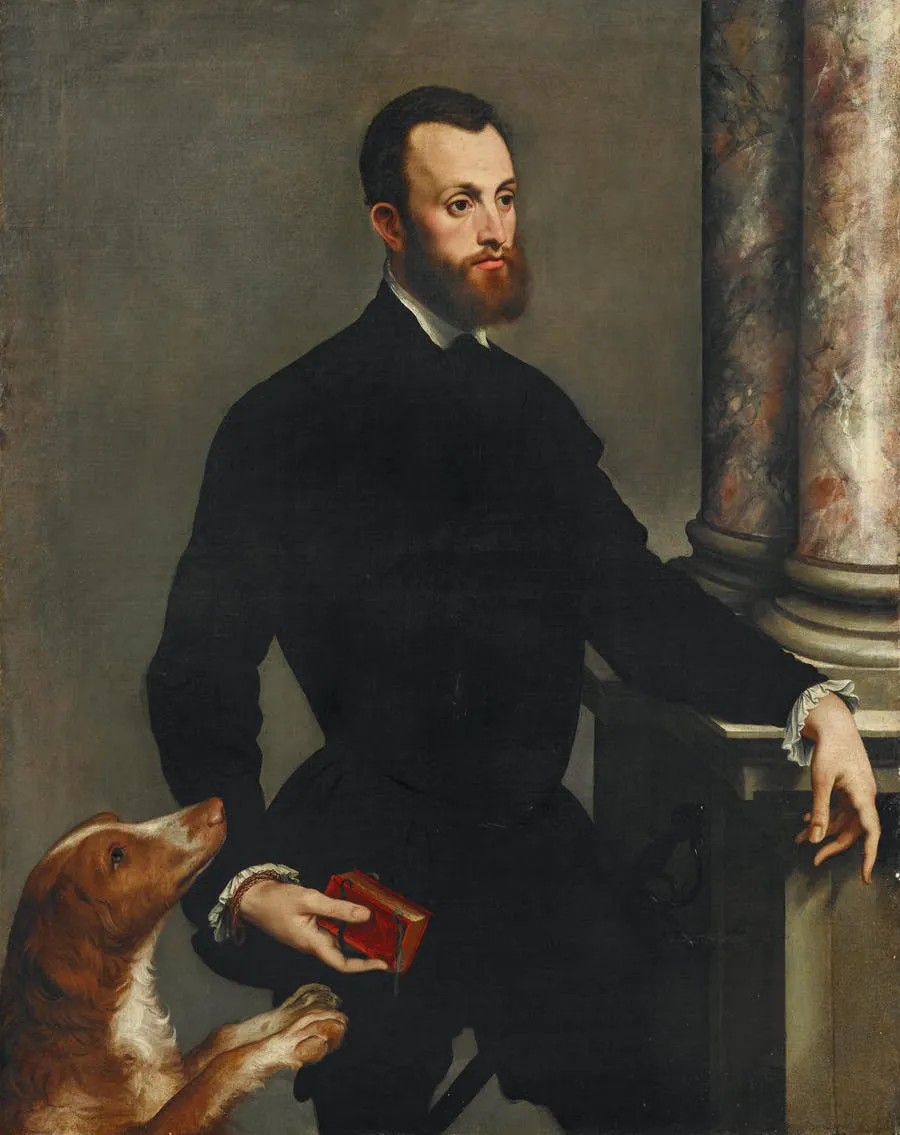
We return to Italy with this portrait of an unknown figure, but who is nevertheless certainly a high-standing man in black with a loyal dog. The work carried out in the 1550s by Bernardino Campi joins the list of best portraits by the artist.

A highlight of the 19th-century sale is a portrait of a lady in black and, like with the Cassone, was a wedding present. The portrayed woman is Maria Lebreton, daughter of the industrialist Andrea Antonini. He had commissioned painter Eugen von Blaas with this portrait that Maria received on the occasion of her wedding.
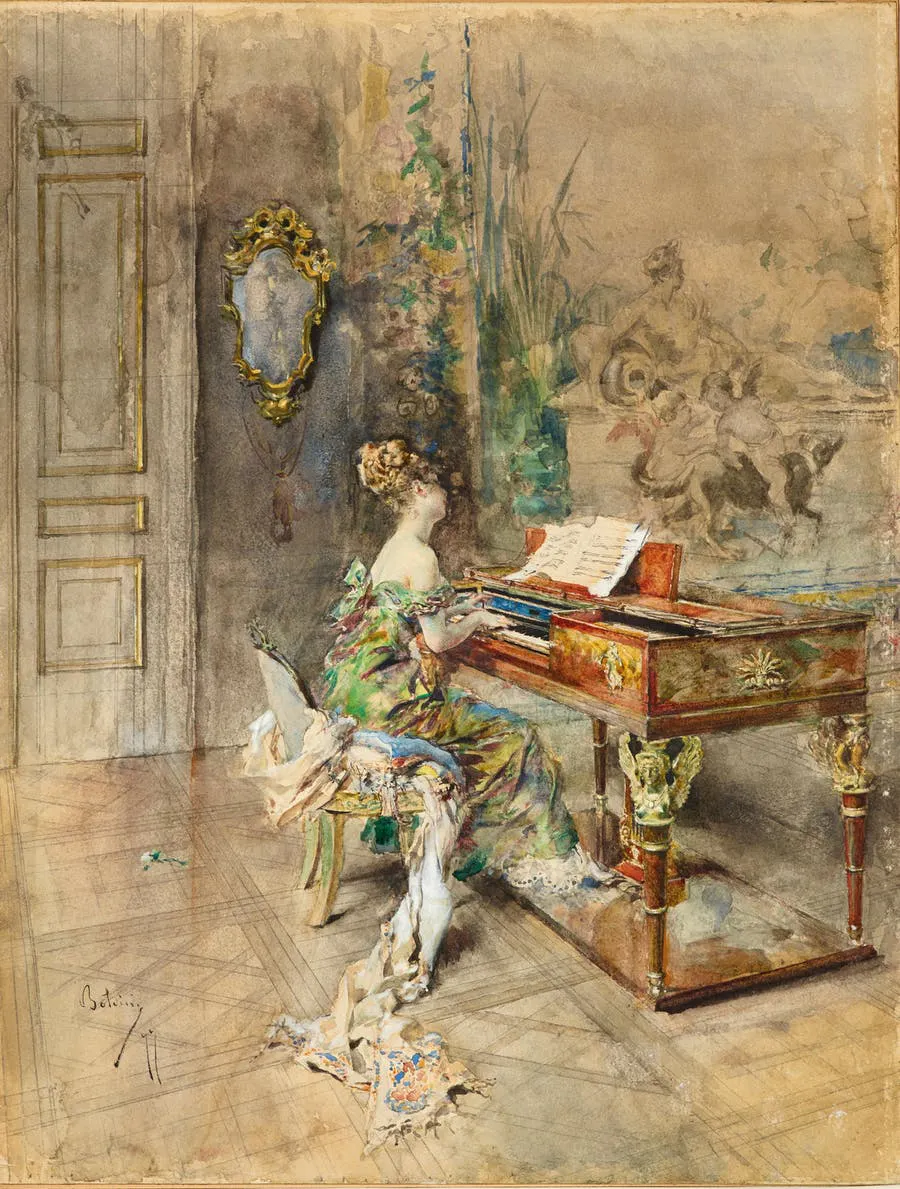
Giovanni Boldini was one of the most popular portraitists in Paris during the Belle Époque. He was especially famous for his depictions of women. In the 1870s, he executed a series of small-format cabinet pieces that show elegant women reading, embroidering or, as here, playing music.
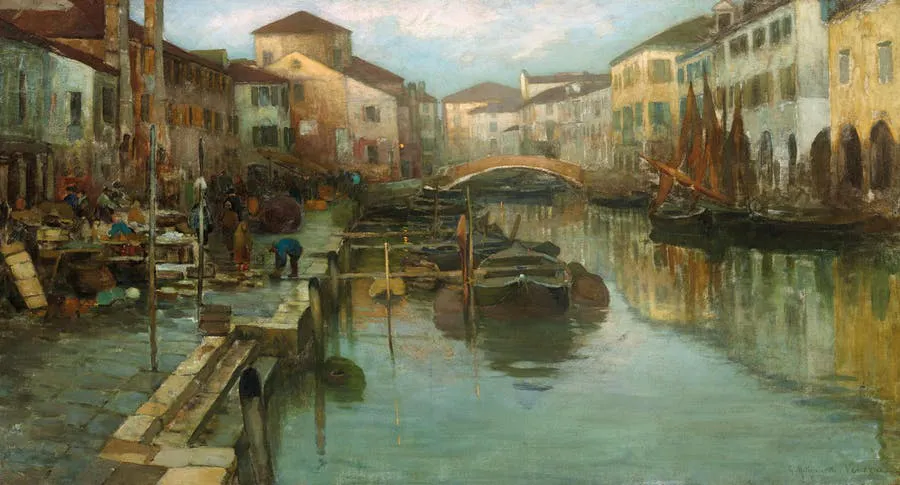
After moving to Venice in 1884, Giuseppe Miti Zanetti explored every corner of his adopted home by boat. In this way he also reached Chioggia in the south of the lagoon. The small town, also built on wooden stakes, is also known as 'Little Venice'.
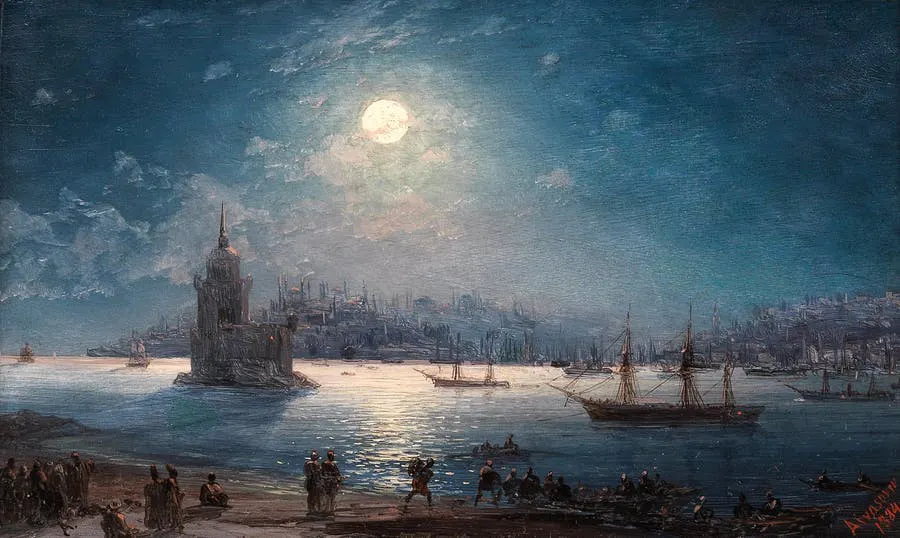
While Zanetti was moving to Venice in 1884, Ivan Konstantinovich Aivazovsky painted View of the Bosphorus with the Hagia Sophia and the Maiden's Tower in the Moonlight in Vienna. As a letter from the artist shows, he painted it for an old friend from Constantinople who was very homesick in the Danube metropolis.
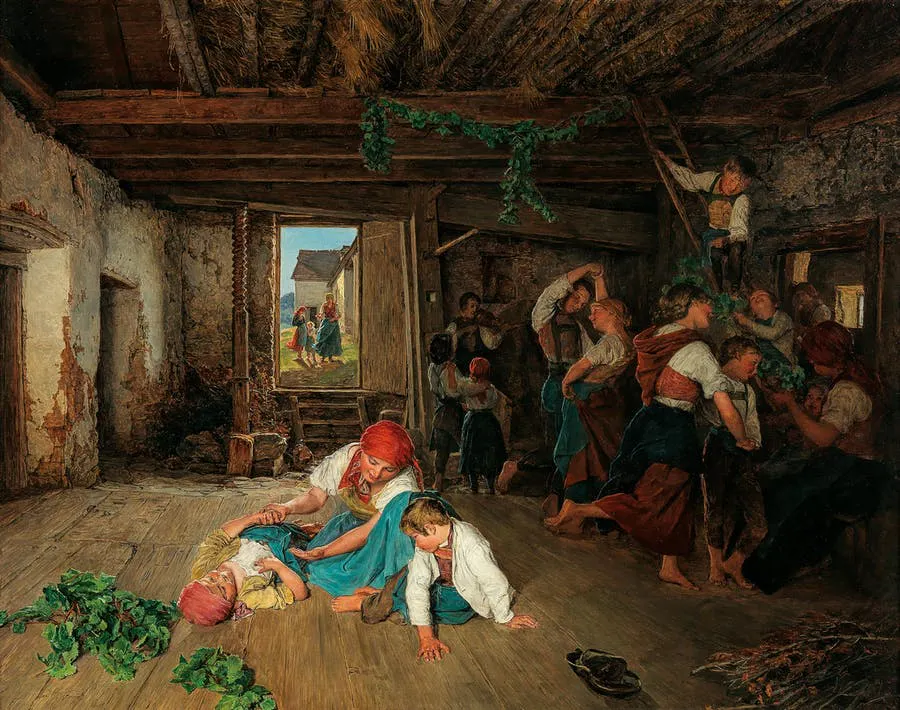
The genre pictures by Ferdinand Georg Waldmüller, two of which are being auctioned, are as sensitive as Aivazovsky's. Preparation for the Grape Harvest Festival, which is particularly impressive due to its extraordinary lighting, dates to 1860.

The image detail with which Olga Wisinger-Florian captured this cottage garden is typical of the Austrian painter. She often found her motifs outdoors, in nature. She painted them as she found them, without worrying about an artistic composition. The Farm Garden was part of the collection of the Bavarian Prince Regent Luitpold until 1912 and was passed into the possession of his heirs after his death.
Alongside these spectacular art sales, Dorotheum's antiques auction will open Classic Week on 5 November. All three auctions take place in the Palais Dorotheum at Dorotheergasse 17 in Vienna, where the exhibitions for the auctions can also be visited.