This year's edition of TEFAF (The European Fine Art Fair) concluded on 14 March in Maastricht. Throughout the fair, esteemed art and antiques galleries and dealers from around the world showcased and offered for sale the finest selections from their collections.
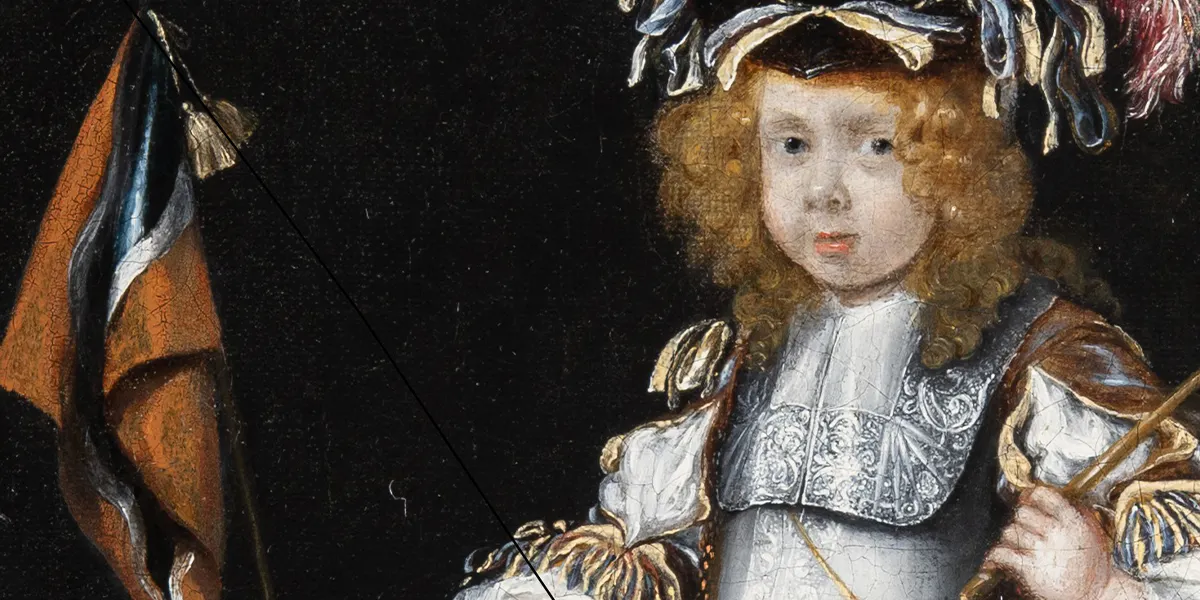
At the booth of Zebregs & Röell Fine Art (Amsterdam and Maastricht), the Rijksmuseum acquired a painting by the Dutch Baroque painter and draftswoman Gesina ter Borch (1631-1690). The €3 million sale was possible thanks to the support of the 'Women of the Rijksmuseum' fund. The painting, titled Portrait of Moses ter Borch as a Two-Year-Old, is not just the only signed canvas by the artist, but also an extremely intimate work with a touching back story.
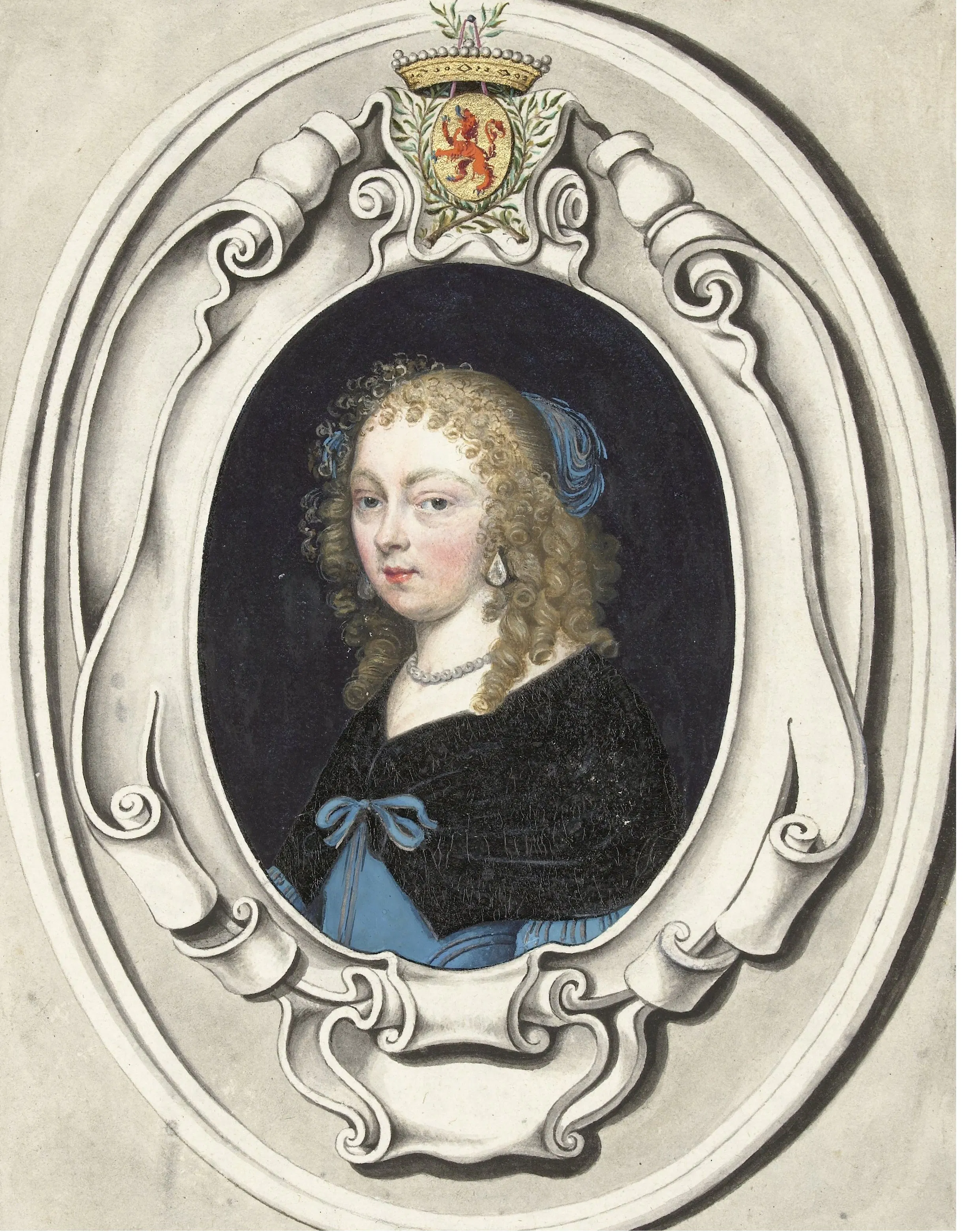
Gesina ter Borch was the daughter of the painter Gerard ter Borch (c. 1583-1662) from Zwolle, who taught painting and drawing to his many children. Besides Gesina, Harmen (1638-1677), the youngest Moses (1645-1667), and the eldest Gerard ter Borch the Younger (1617-1681) revealed their talent in art. The latter was particularly encouraged by his father and became the best-known member of the artistic family.
See also: On Rocky Paths: Female Artists from the Renaissance and Enlightenment
Gesina ter Borch distinguished herself primarily as a draftswoman and watercolour painter of sometimes humorous everyday scenes. Oil paintings by her are rare and works attributed to her have been put into question due to the lack of a signature.
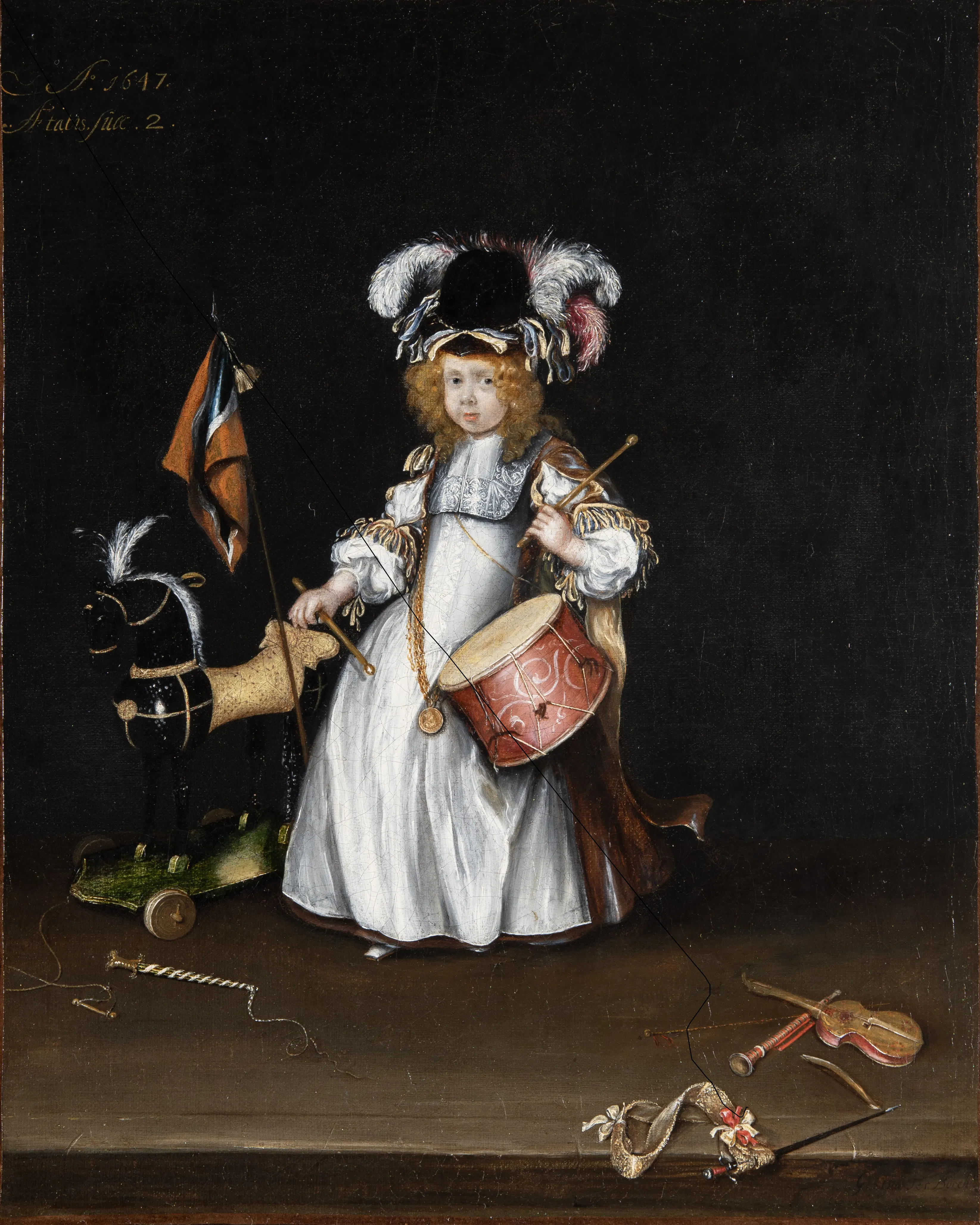
In December 2023, however, art dealer Dickie Zebregs from Zebregs & Röell Fine Art and Antiques stumbled upon an oil painting from a Parisian colleague who had acquired it from a private collector. The presence of the existing signature confirmed Gesina ter Borch's authorship. Yet, it's not just this historically significant detail that renders the painting remarkable, but also its subject matter.
See also: A Lost Masterpiece by Artemisia Gentileschi Rediscovered in Beirut
In the painting, Gesina's youngest brother Moses is portrayed, surrounded by an array of toys, at the age of two, as indicated by the year inscribed in the artwork, 1647. However, the painting was executed 20 years later, following Moses's passing in Harwich, England, where he served in the Dutch navy during the Anglo-Dutch War (1665–1667). The family endured profound sorrow, prompting Gerard the Younger and Gesina to collaborate on another posthumous portrait.
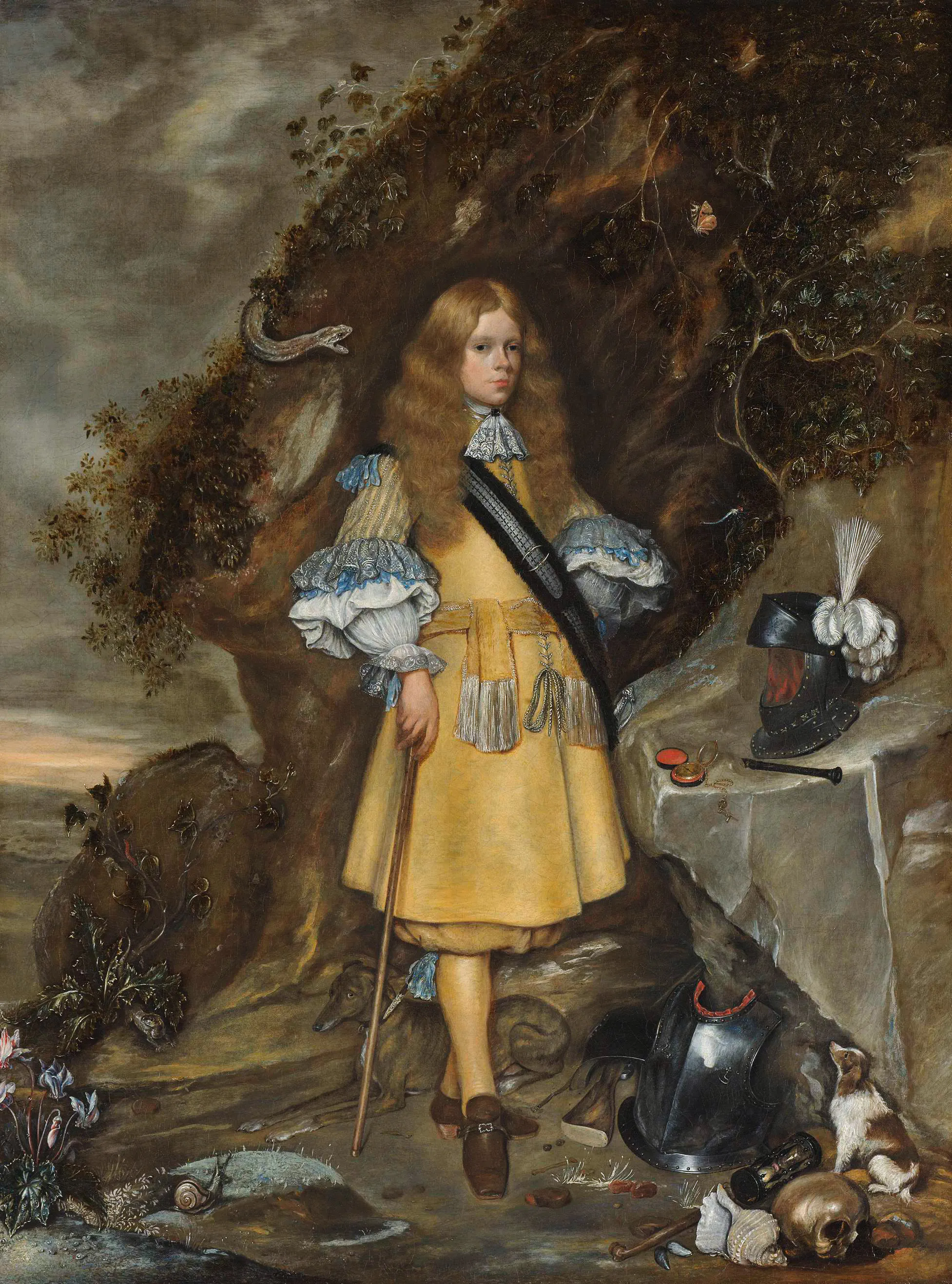
The recently discovered portrait of two-year-old Moses vividly illustrates the depth of the loss experienced by Gesina, who was 15 when Moses was born and had seen him grow. She opted to depict him in such a remarkable manner as a tribute to his carefree infancy.
Want more articles like this straight to your inbox? Subscribe to our free newsletter here!
Taco Dibbits, general director of the Rijksmuseum, said, "Gesina ter Borch painted this moving portrait of her brother, who was 15 years her junior, following his death. This crowning achievement in her artistic legacy also offers an intimate look into her personal life. The pain of loss and the importance of joy-filled memories are universal and still palpable in this 350-year-old painting."
Since 1886, the Rijksmuseum has owned the artistic estate of the Ter Borch family, which also includes numerous works by Gesina. Now, another important work has been added to the collection: the artist's only signed painting.