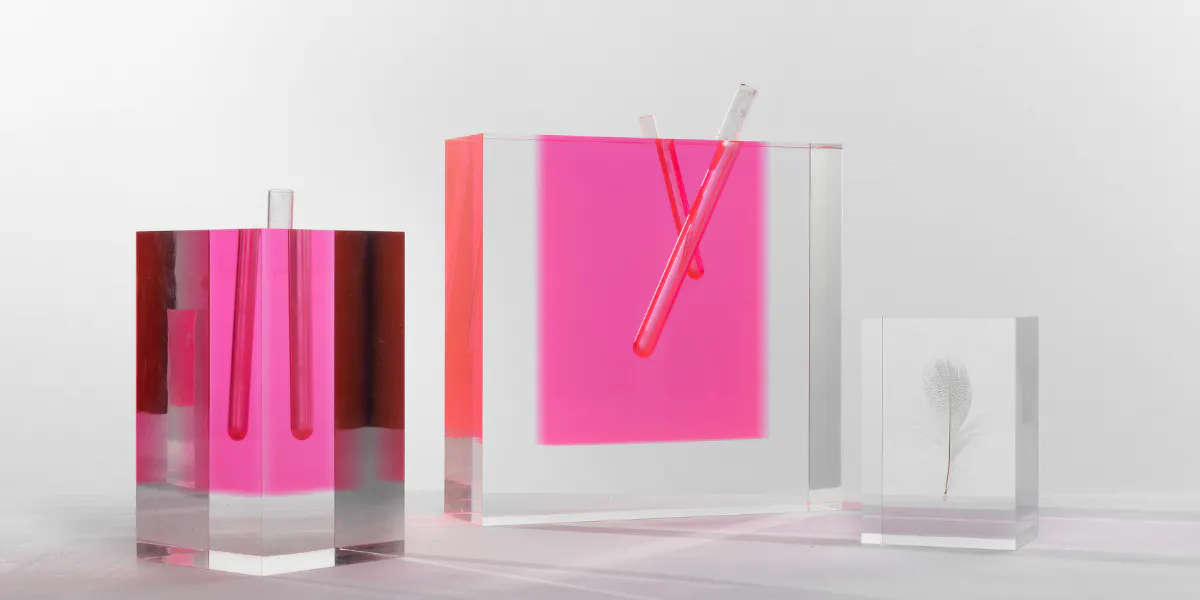
Having made his break designing Tokyo's bars and sushi restaurants in the 1970s, Shiro Kuramata (1934 – 1991) then became one of the few 20th-century designers whose furniture is sought after by collectors all over the world. His collaboration with the Milan-based Memphis Group is part of the history of design, and his pieces can be found in the collections of the Centre G. Pompidou in Paris, the MoMA Museum of Modern Art in New York, the Vitra Design Museum in Basel, the Victoria & Albert Museum in London, and the National Museum of Modern Art in Kyoto.
Tokyo Polytechnic and Post-War Japanese Design
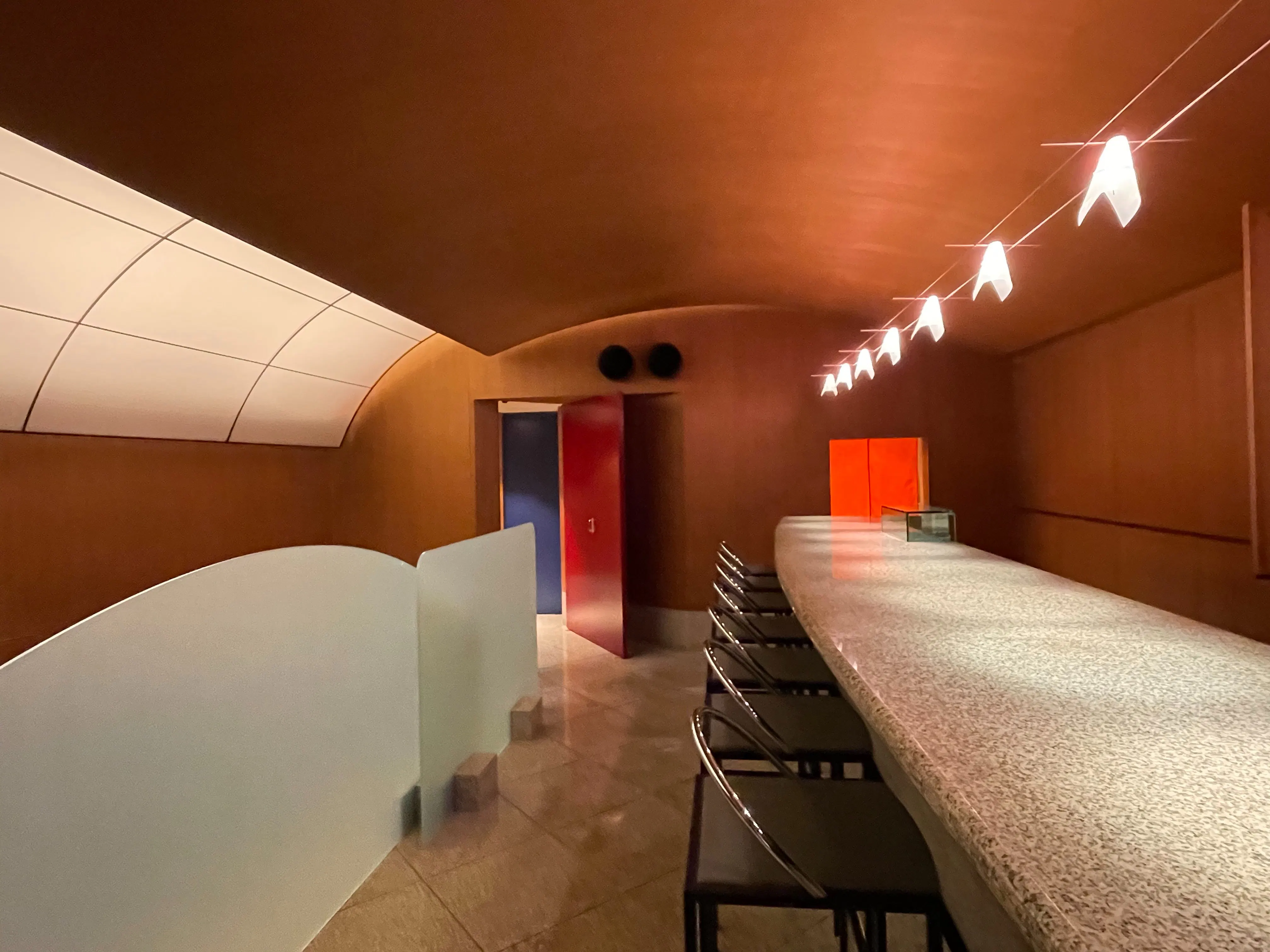
Shiro Kuramata studied architecture at the Tokyo Polytechnic, graduating in 1953, after which he started his career working for the Japanese furniture manufacturer Teikokukizai. Until 1956, he studied residential design at the Kuwazawa Institute for Design in Tokyo, and from 1957 to 1963, he worked for the Tokyo Department Store Maysuya. In 1965 he decided to break free from formal employment and start his own design studio, focusing on commercial projects and individual furniture items. In that period, he also designed the interiors of more than 300 bars and restaurants.
See also: 8 Must-see Design Museums Around the World
See also: Issey Miyake: The Art of Sculptural Fashion
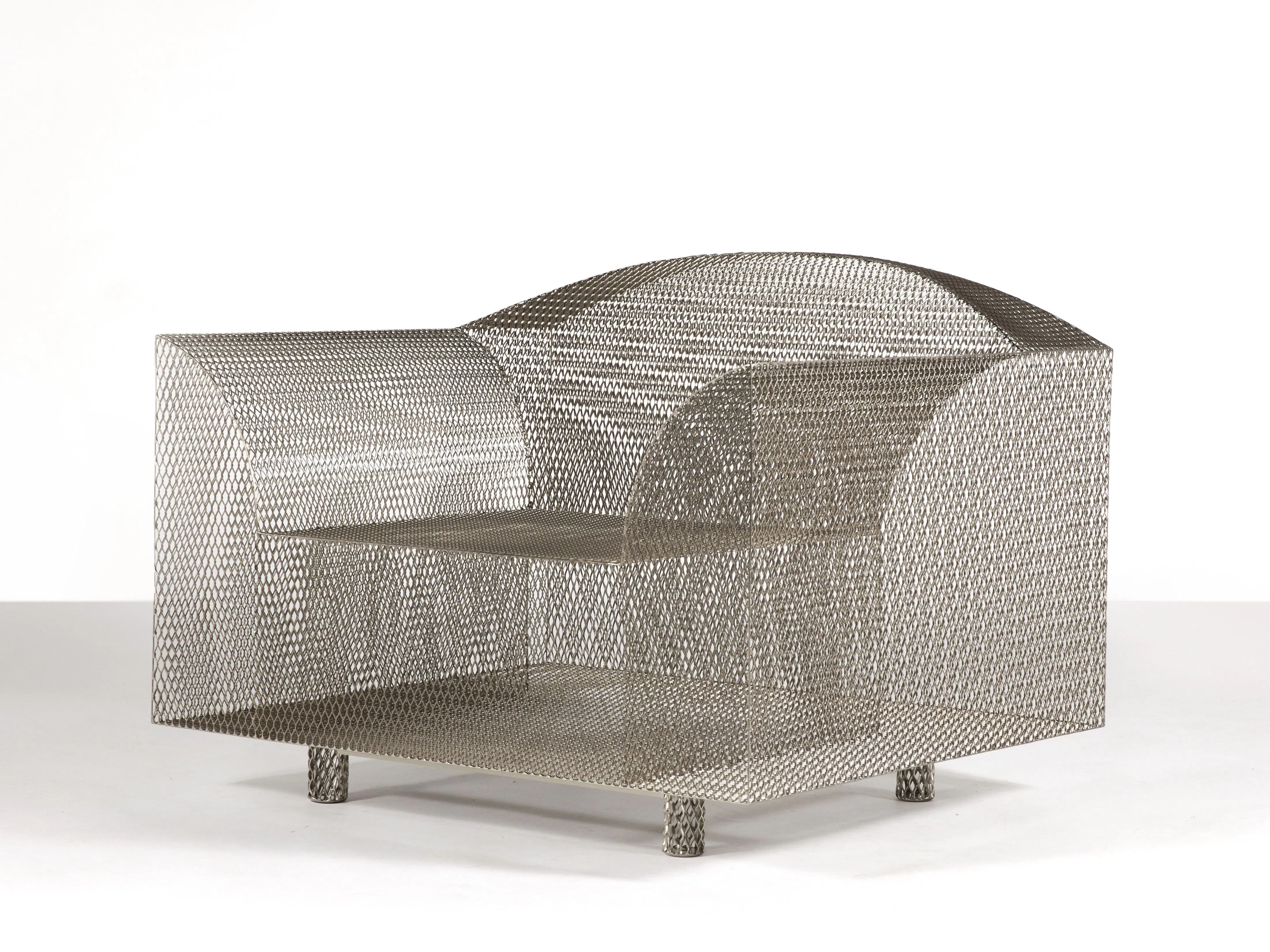
Kuramata belonged to the post-war generation of talented young Japanese creatives, including his friend and fashion designer Issey Miyake and architects Arata Isozaki and Tadao Ando, that was changing the way the world viewed Japan, opening up its history, tradition and aesthetics to modern taste. His design style was idiosyncratically Japanese in its simplicity and elegance, but was experimental in its use of materials – some of Kuramata's most recognisable creations are made of acrylic, glass, aluminium and steel mesh bent and moulded in innovative styles.
Ettore Sottsass and The Memphis Group
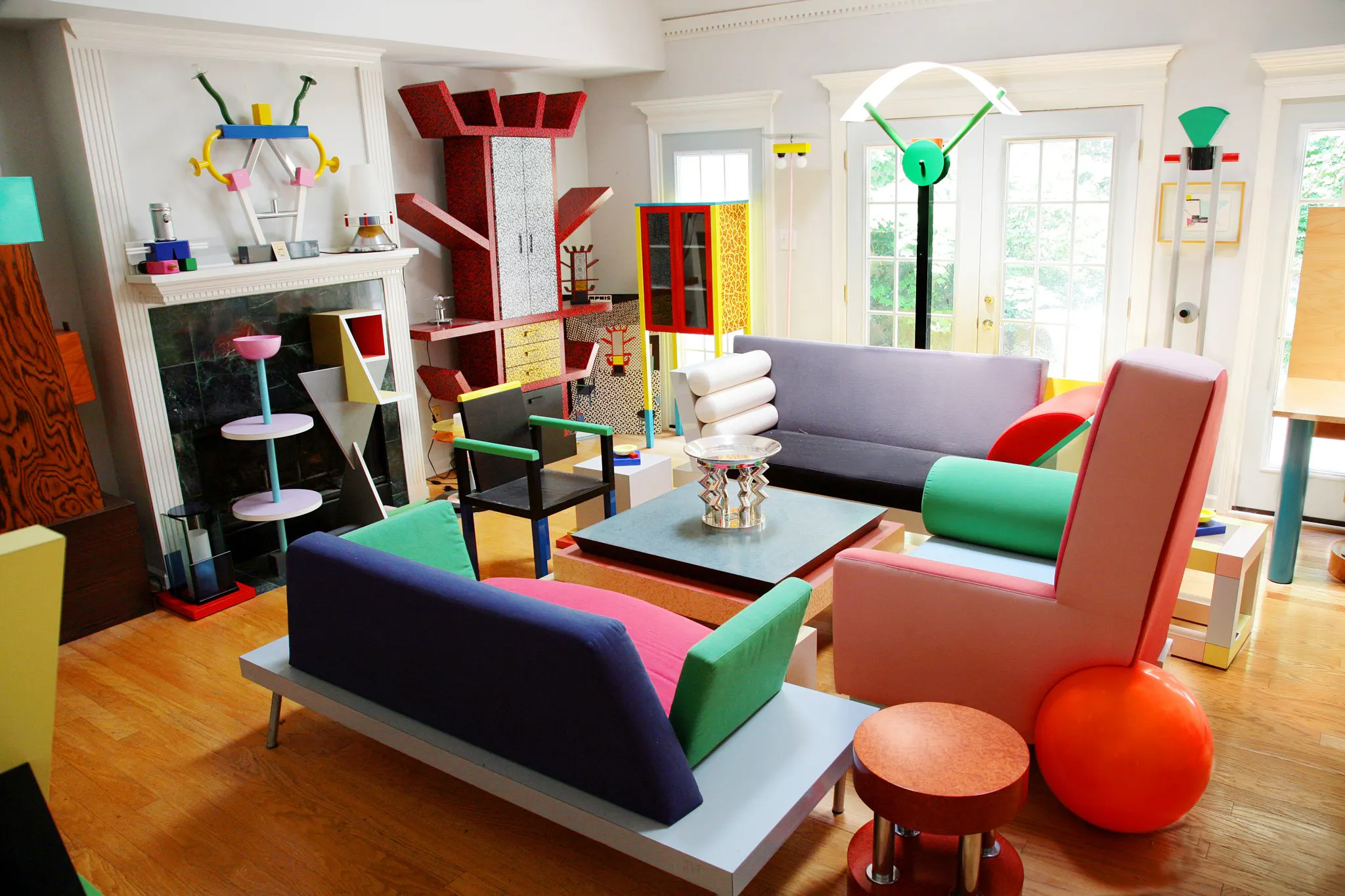
Endowed with a taste for playful and colourful design, in 1981 Kuramata joined Ettore Sottsass, one of Italy's great 20th-century designers, at the beginning of the establishment of the Memphis Group. Memphis was a Milan-based furniture and product design collective that would go on to define the history of design. The Memphis look was characterised by style over function and satisfied a certain fascination with sculptural design, with a strain of minimalism maintained throughout. Within the group, Kuramata's designs combined traditional Japanese aesthetics with the group's emphasis on colour and shape, giving rise to some of his most playful designs.
See also: Ettore Sottsass: The Sensory Thrill of Design
The Kyoto Table
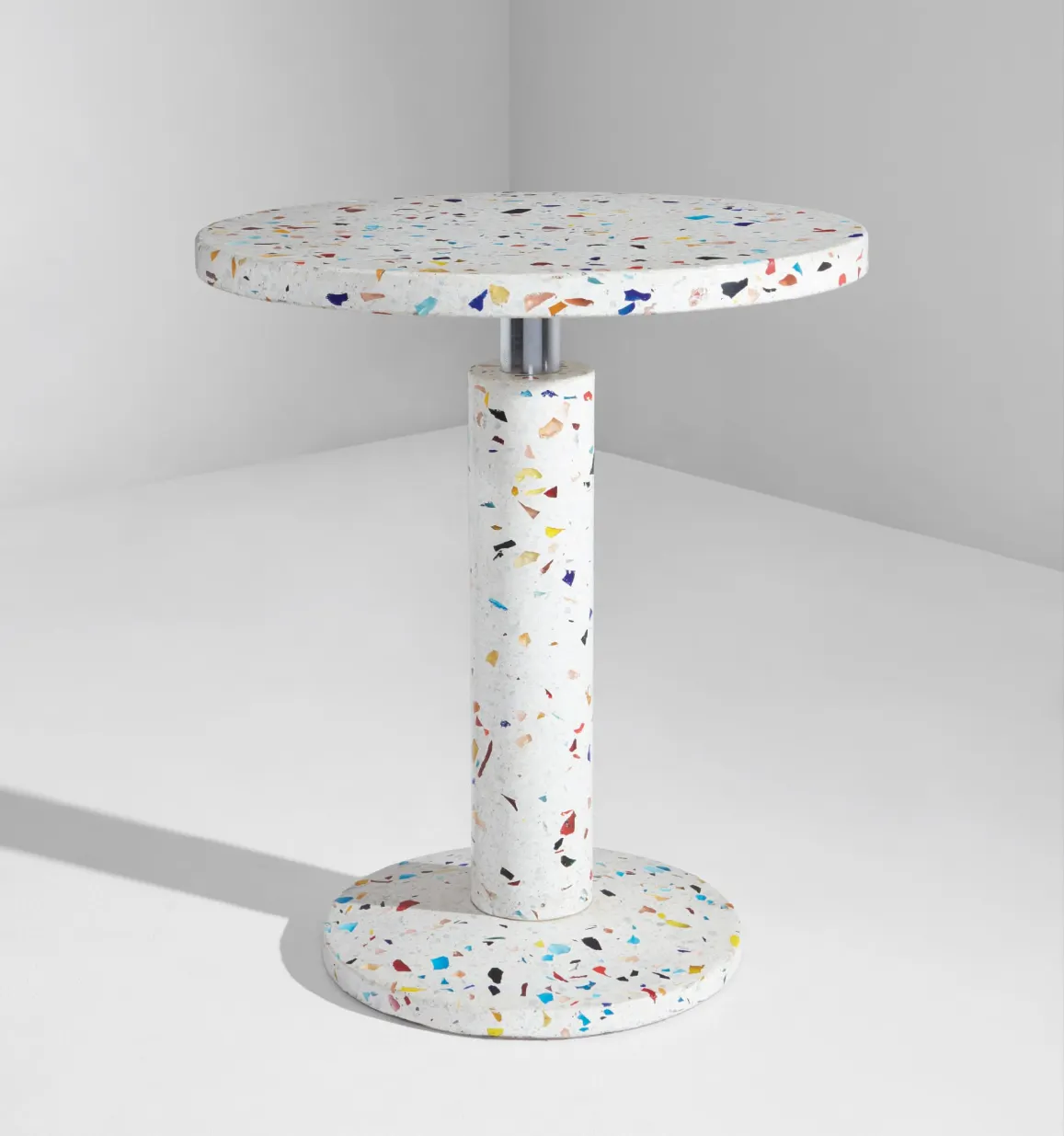
The Kyoto Table (1983) is one of Kuramata's most recognisable designs from his collaboration with the group and showcases his innovative use of concrete and glass in a minimalist table with an interesting surface. The table plays on Sottsass' own use of the terrazzo technique, but substitutes the typically darker stones with colourful shards of glass for a lighter look. Kuramata named the material 'star piece', saying it represented the 'debris of memory', and it later became a signature motif in his other interior design projects.
See also: The Noguchi Table: Art Meets Function
The Nikko Cabinet
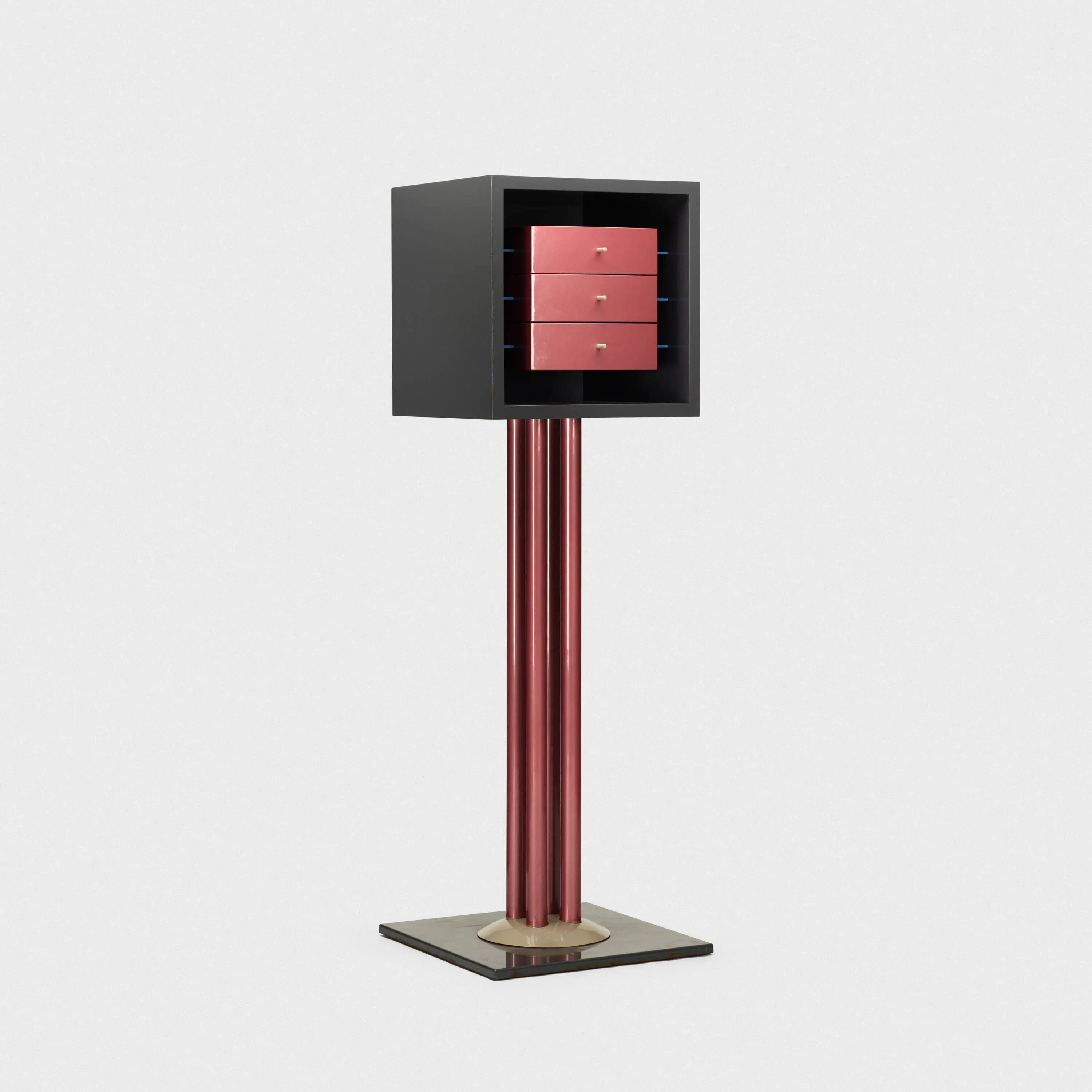
The sleek Nikko Cabinet (1982) combines lacquered wood and lacquered steel in a dreamy, retro pink. The cylindrical stand makes up most of the design, giving the cabinet a playful whimsical feel that demonstrates the influence of Ettore Sottsass and the Memphis collective.
See also: Memphis: All the Creativity, Irony and Freedom of the ‘80s
The Ritz Scrittoio
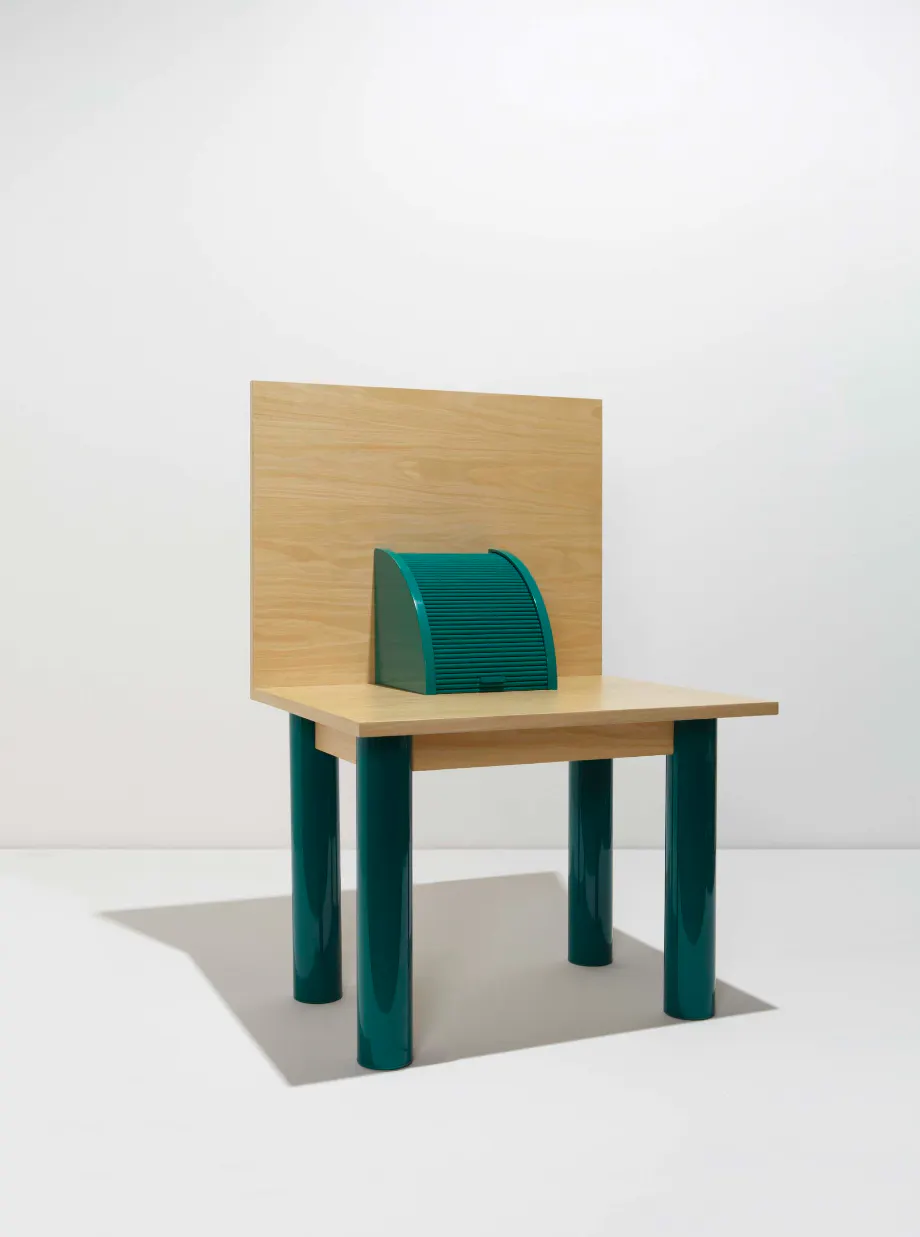
The Ritz Scrittoio (1980) is another of Kuramata's notable designs from his Memphis period, consisting of a geometric desk made of birch plywood, metal, and wood that combines a simple writing desk design with a central storage unit that almost interrupts the piece for a striking visual effect.
Late 1980s
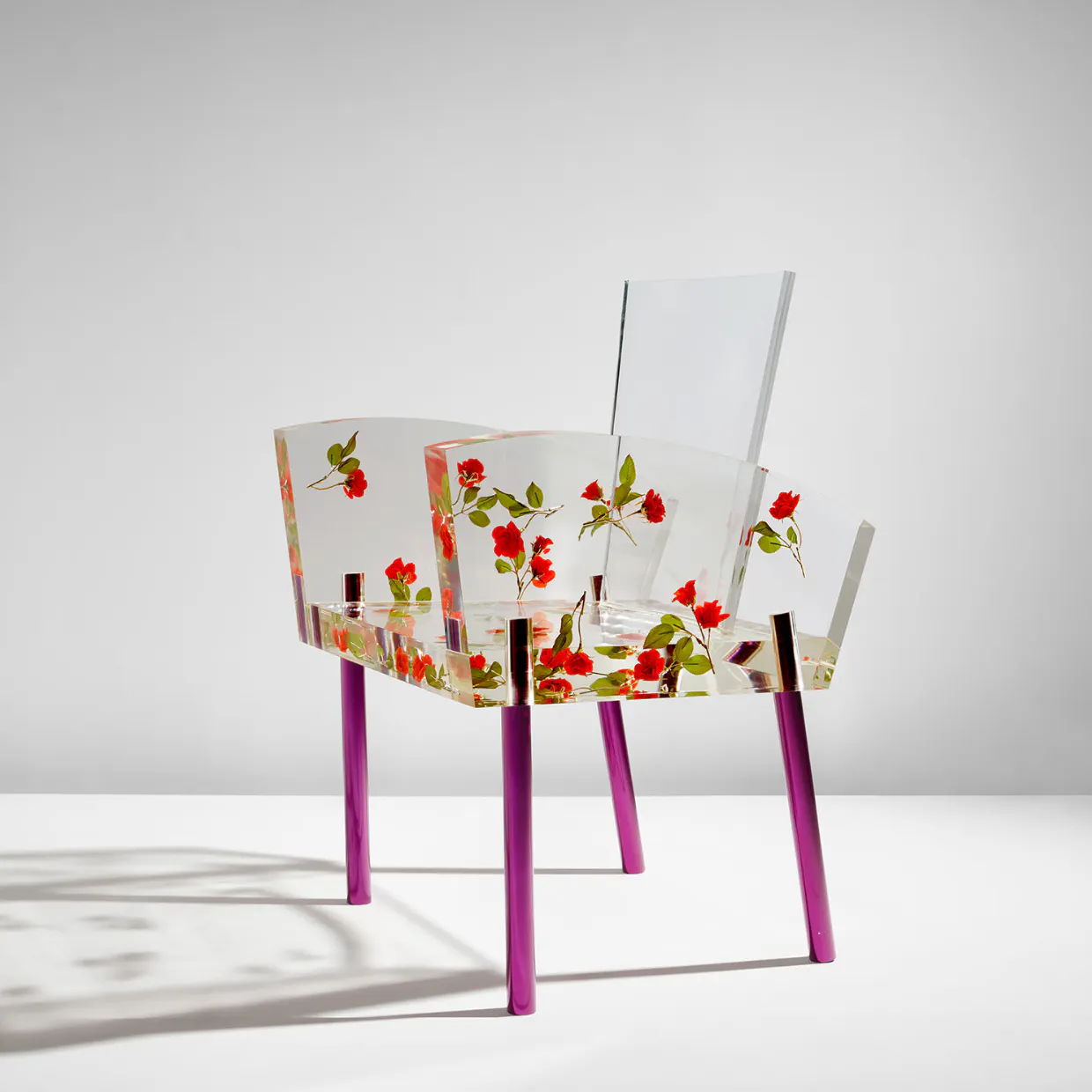
Other famous designs outside of his affiliation with Sottsass and the Memphis Group include the Cabinet de Curiosité (1989), a modern neon-coloured acrylic cabinet of curiosities that allows objects to be displayed as if floating; the Miss Blanche (1988) chair, an icon of modern design made of clear acrylic resin filled with rose petals and foliage that goes for six figures at auction; and the world-famous How High the Moon chair (1986), an armchair made of steel mesh with no interior frame or support that resides in the collections of both the Met and the MoMA.
See also: The Story of 'Dragons': The World's Most Expensive Chair
Kuramata's most sought-after designs come from the '80s, the period in which he reached the height of his fame, before he died prematurely in 1991, at the age of 56, just 2 years before he designed to settle in Paris and create his own studio there. He is remembered as one of the greatest post-modernist designers and conceptual artists who brought new energy to both Japanese and Western design.
Find more articles in Barnebys Magazine
This is an updated version of an article originally published on 20 March 2017.