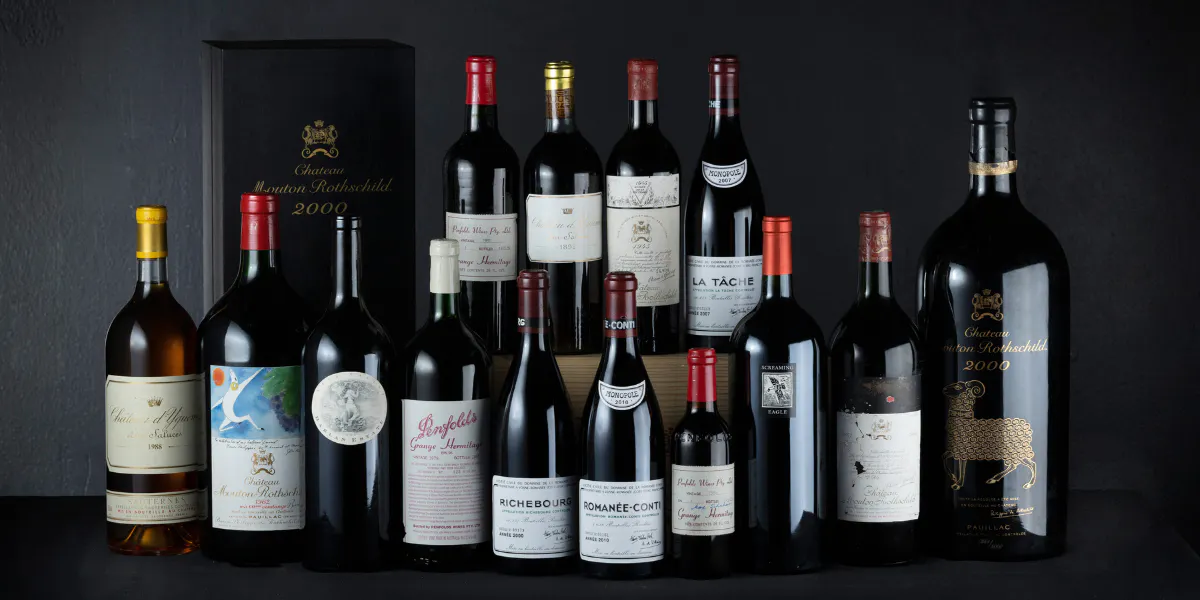
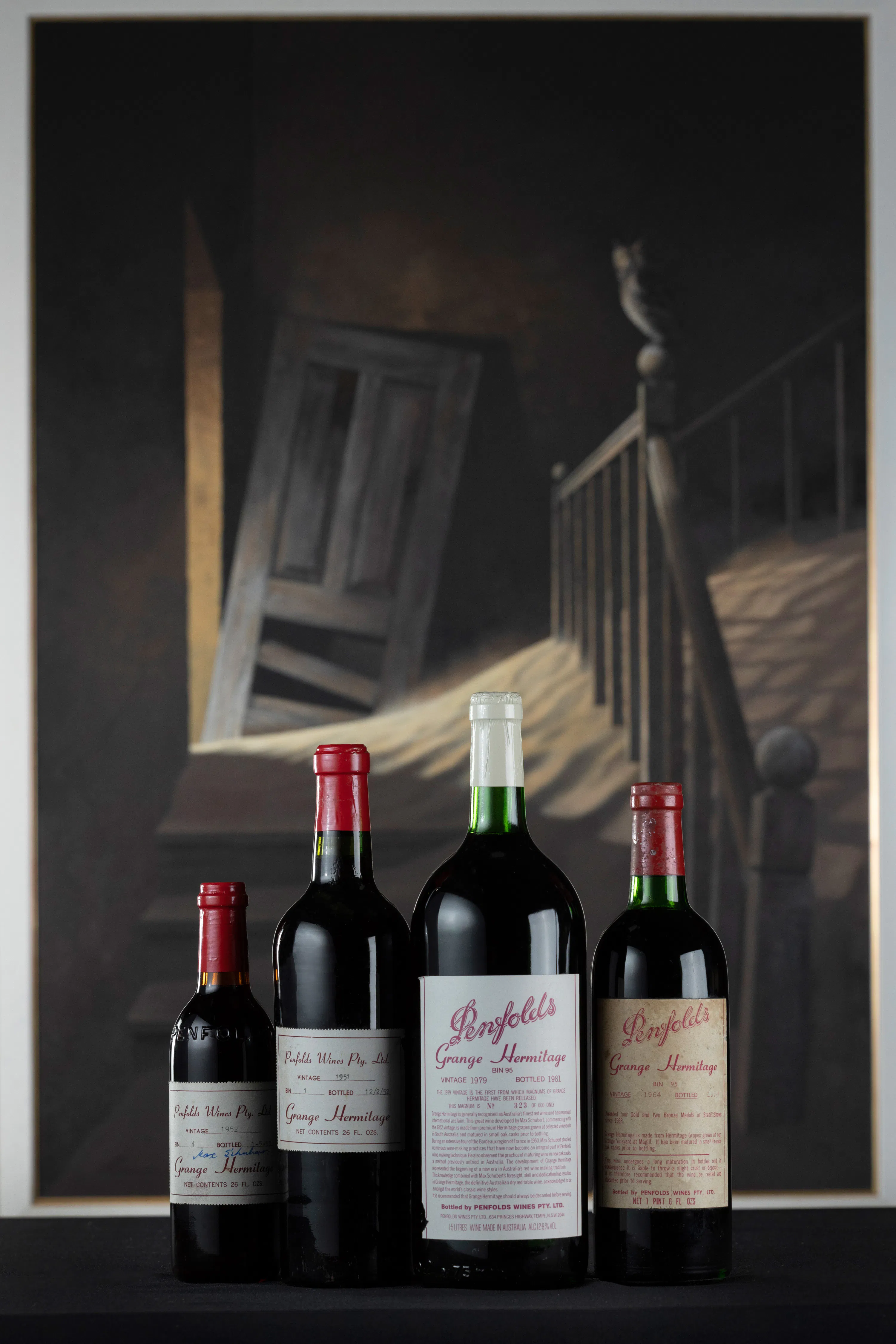
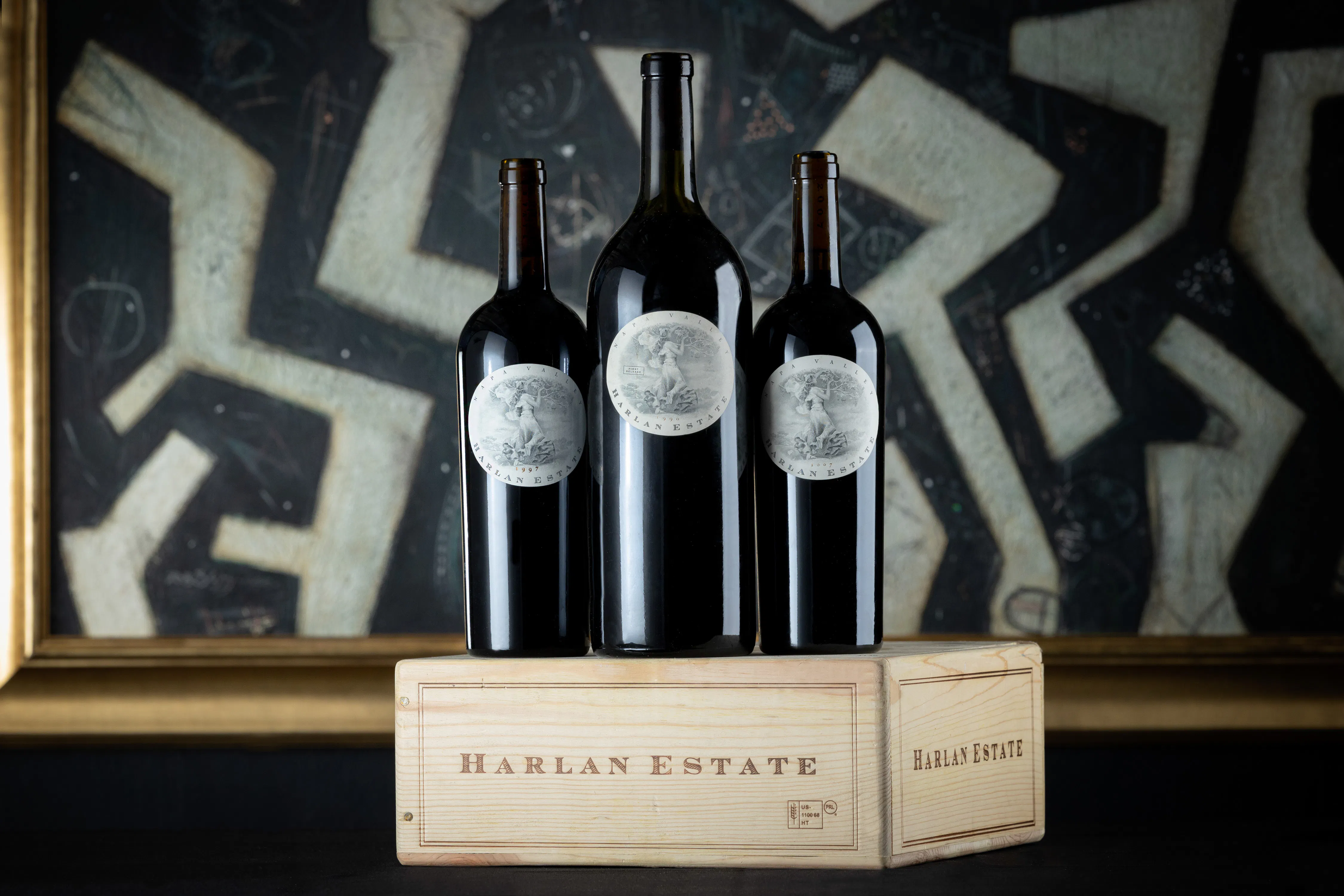
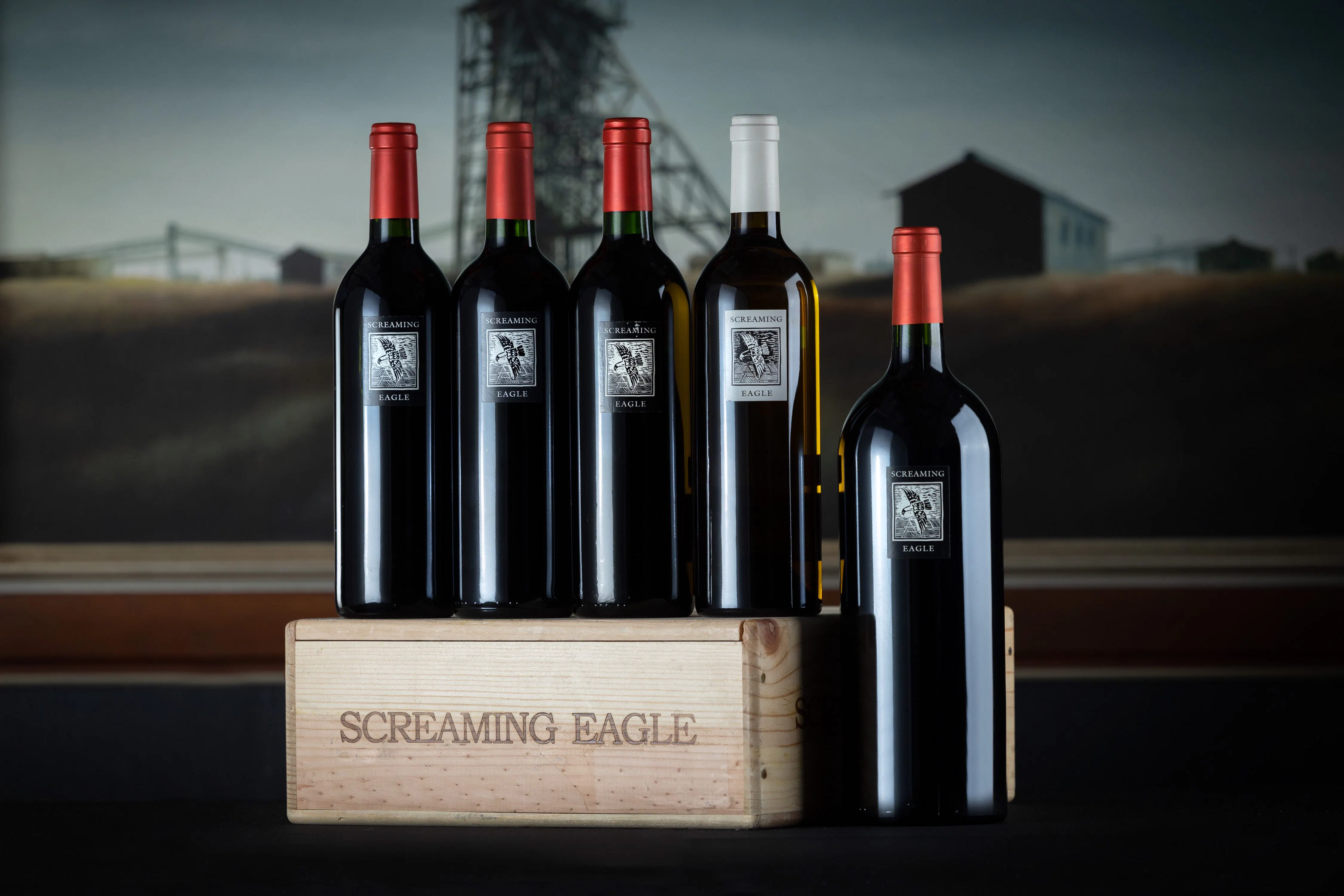
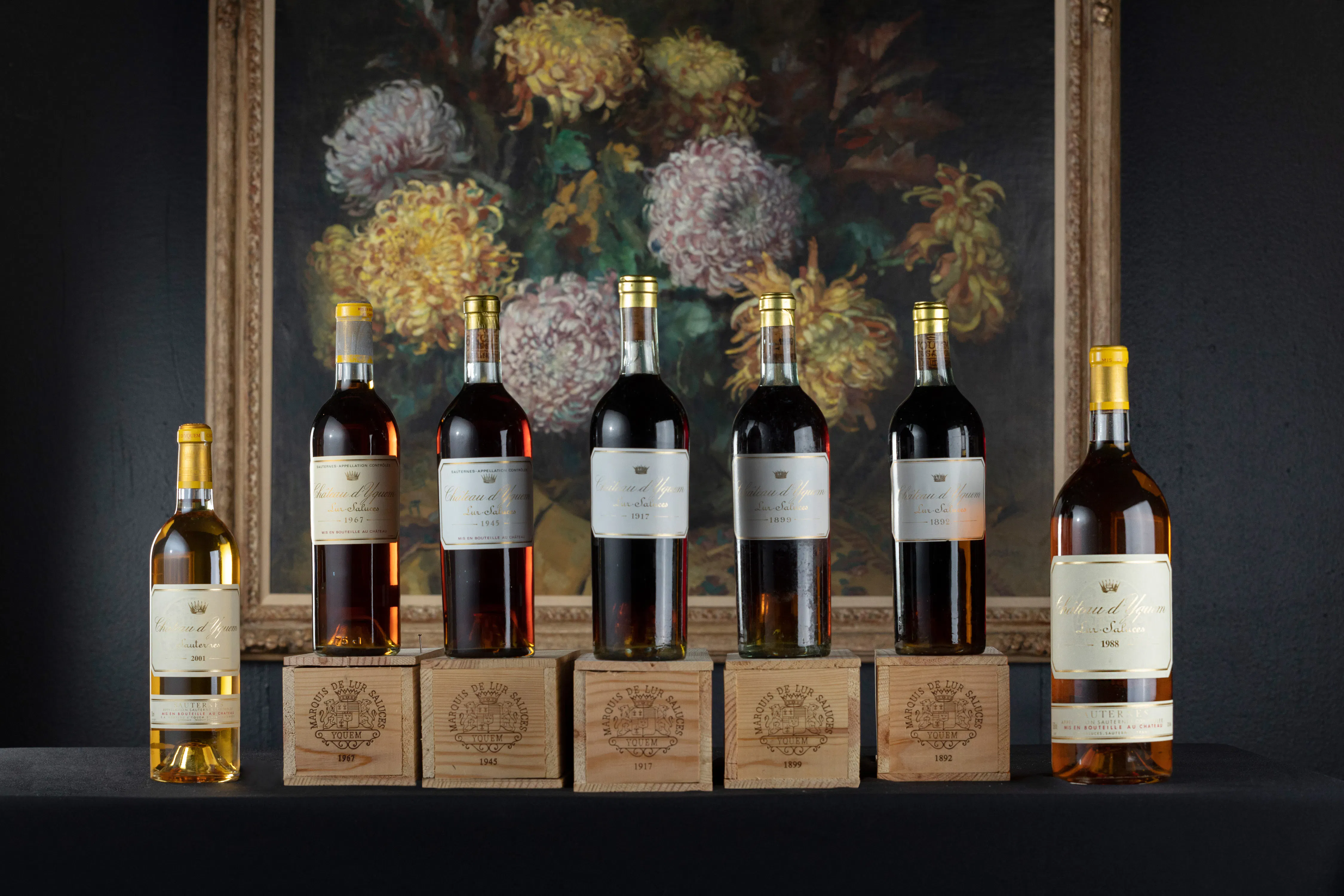
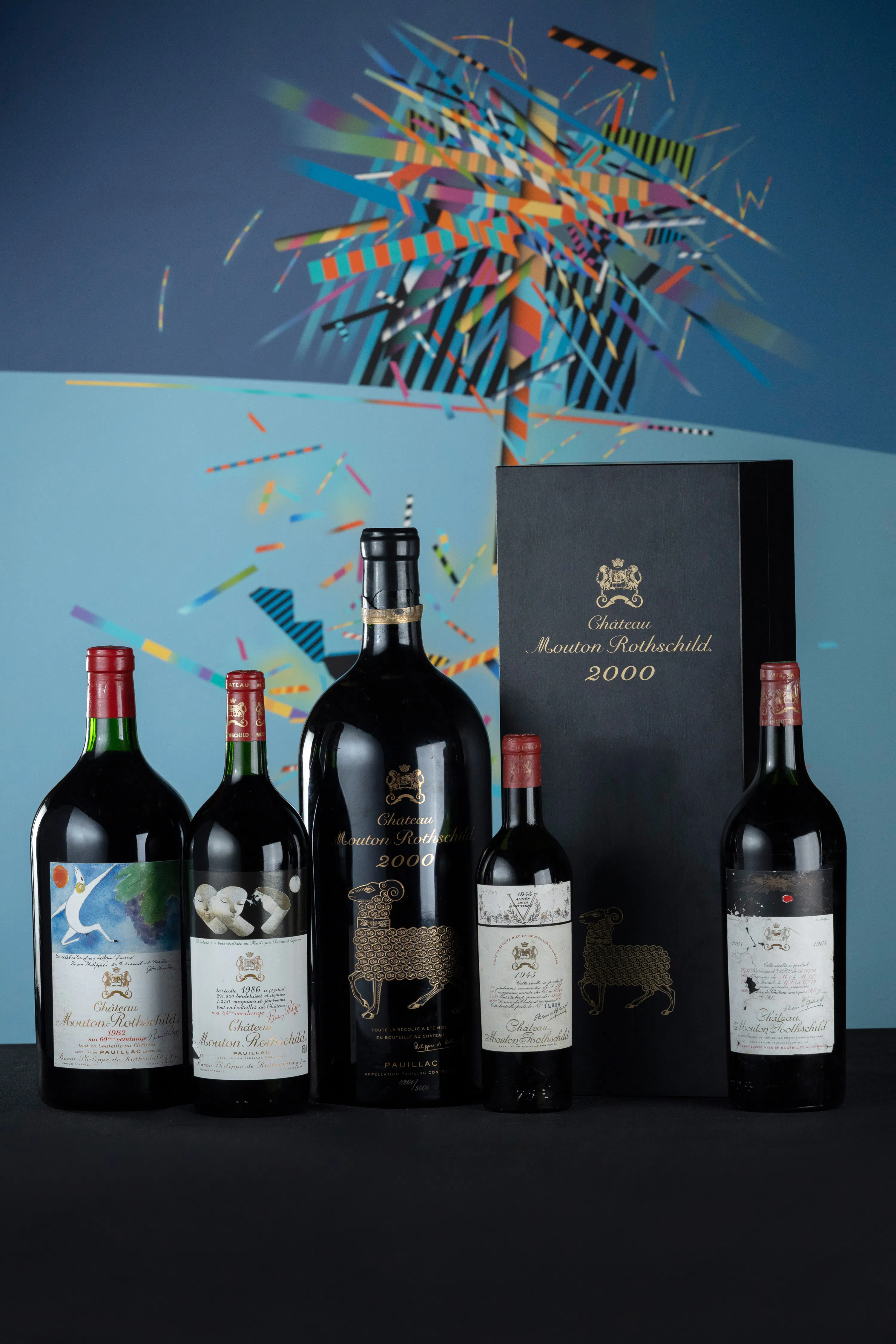
South Africa's leading auction house Strauss & Co has unveiled six collections of the world's greatest wines, which have also been minted as NFTs, to be sold online from Monday 19 June to Monday 10 July 2023. The collections come from The Coats Family Cellar and include some of the most prestigious wines on the planet: Penfolds Grange, Domaine de La Romanée Conti, Château Mouton Rothchild, Château d’Yquem, Screaming Eagle and Harlan Estate – the three best New World and three best Old Word producers.
Ahead of the illustrious sale, we spoke to Roland Peens, Strauss & Co Fine Wine Senior Specialist, who explained to us their provenance and characteristics, and why NFTs were chosen for this auction.
Barnebys: Can you tell us about the process of curating this auction of wines? How did you select the wines to be included in the sale?
Roland Peens: The Coats Family Cellar is arguably the most prestigious fine wine collection ever offered in South Africa. It contains an expansive range of the world’s finest and most sought-after wines spanning over 150 years.
Collected over many decades by the Coats family, as part of an extensive cellar, the wines were imported from Ireland into South Africa via refrigerated container and have been cellared professionally since.
Each bottle within the Coats Family Cellar was authenticated by Michael Egan in August 2022 and given an ID number for tracking. Michael Egan is a world expert in fine and rare wines with more than thirty-five years of experience. He was the principal expert for the plaintiff in the two major wine counterfeiting trials in Koch v. Eric Greenberg and United States v. Rudy Kurniawan, both of which occurred in 2013.
Along with Michael Egan, the Strauss & Co Fine Wine team have tasted extensively through the cellar and is confident of the wine storage and hence quality. The entire collection is currently stored at Wine Cellar in Cape Town, Africa’s largest fine wine cellar.
What criteria did you use to determine the value and rarity of the wines chosen?
The supply and demand within the wine market play a crucial role in determining value. Wines that are highly sought after by collectors and enthusiasts are likely to command higher prices. It is important to note that the value and rarity of wines can fluctuate over time due to changing market conditions, evolving preferences and other factors.
What wines do you think collectors will be most excited to get their hands on?
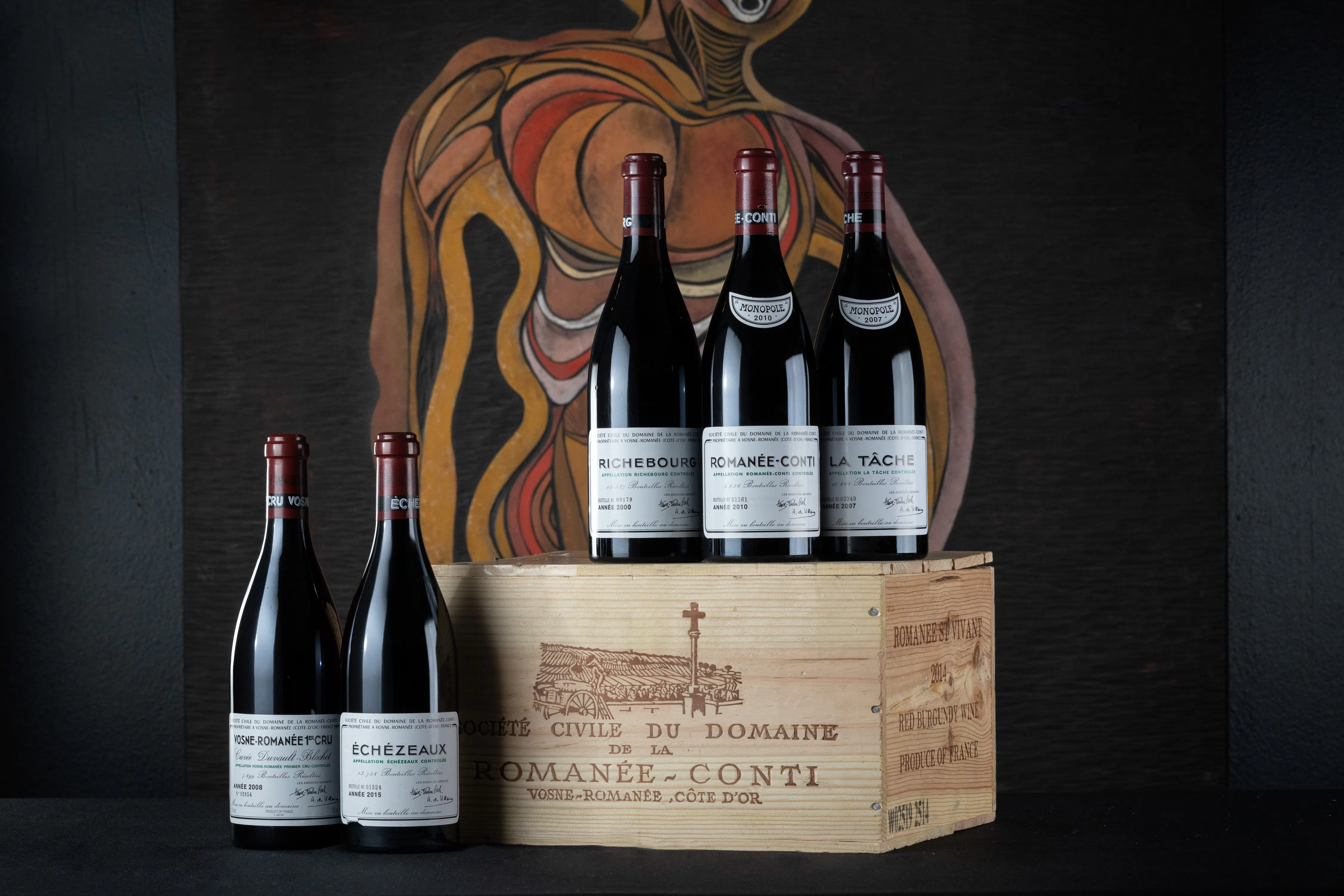
The world’s most hallowed producer, Domaine de La Romanée Conti, is minted into an NFT with 80 bottles from 1999-2015. This prolific period for Burgundy is highlighted by a mix of red wines from their various vineyards including 17 bottles of La Tâche, and 2 bottles each of the 2009 and 2010 La Romanée Conti.
With the emergence of NFTs as a new medium for buying and selling assets, what advantages do you see in using NFTs to auction off this collection of wines?
Considering the size and depth of these impressive, unique collections, and the critical need for authenticity, we saw the advantage of minting each wine as an NFT.
We authenticated and photographed each bottle with the information now stored on the blockchain. This is a chance to buy a super rare collection or invest in an alternative asset. Fine wine has proven to be an uncorrelated long-term asset with low volatility and the NFTs add further security.
Every single NFT is attached to an individual photograph of each bottle and a unique code, giving buyers 100% certainty that what they are buying is what they are getting.
Non-fungible tokens are a highly efficient way to package a collection of wines for long-term ageing or trading. The digital contract is stored on the Polygon blockchain and the NFT includes the critical information of the transaction regarding provenance, barcode, pictures, and pricing, along with sensorial and ageing information. Each bottle within the SIX NFTs is also minted as an NFT, allowing for the drinking or trading of single bottles at any time. Transactions on the Polygon blockchain are cheap, fast and consume marginal energy.
All wines are currently stored in the professional cellars of Wine Cellar, in Cape Town, Africa’s largest fine wine cellar. Professional worldwide shipping can also be arranged, at negligible costs considering the high value of the wines. Payment can be made in ZAR, USD, and GBP as well as BTC, ETH and stable coins.
In your opinion, how do you see the intersection of wine collecting and blockchain technology evolving in the future? Do you think NFTs will become a common method for trading and investing in rare wines?
Overall, blockchain technology has the potential to enhance transparency, trust, liquidity, and accessibility within the wine market. As the technology matures and adoption increases, we can expect to see innovative solutions and platforms emerge, revolutionising the way wine collectors engage with the industry.
Finally, if you could keep a bottle for yourself, which one would you choose?
It would be the Mouton Rothschild 1945: widely regarded as one of the greatest vintages in Bordeaux, the 1945 Mouton Rothschild is legendary and highly sought-after by collectors (Wine Advocate 100-point score).