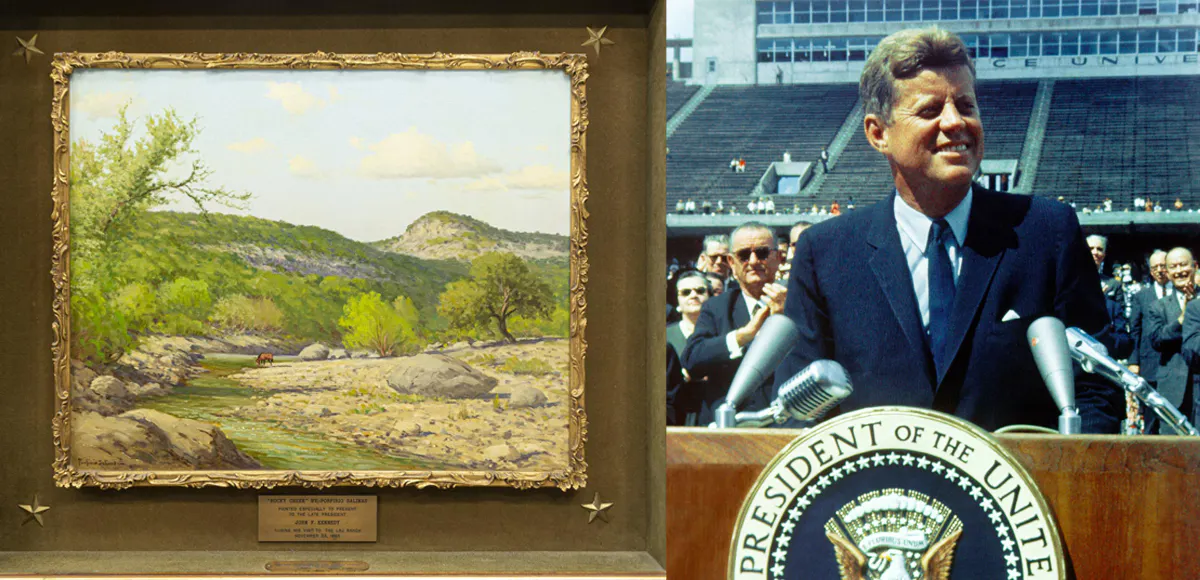
![Claude Monet (1840–1926), 'Spring', 1886, oil on canvas, 64.8 x 80.6 cm, [detail], The Fitzwilliam Museum, Cambridge. Photo public domain](https://images.prismic.io/barnebys/90a24398-0e4b-4bcb-ac9f-5c146a8db6d3_s11.jpg?auto=compress,format)
A season symbolising rebirth and fertility, spring denotes the revival of nature with colourful flowers blooming, warming temperatures and longer days. Not surprisingly, this time of year has inspired many painters to capture such springtime scenes in their artworks. Here are the ten most famous depictions of spring.
10. Sandro Botticelli, Primavera
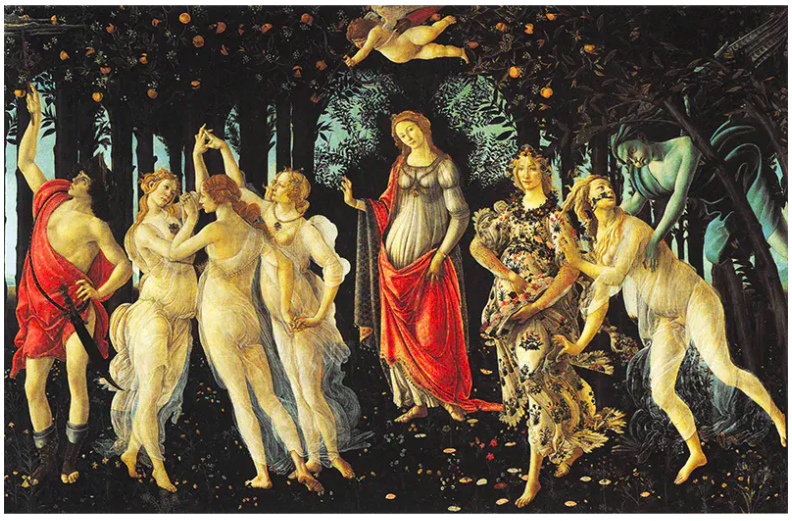
One of the most celebrated paintings by Sandro Botticelli (1445-1510) is this highly allegorical work. In the centre is Venus, surrounded by Cupid, the Three Graces, Mercury, Zephyr, the Nymph Clori and Flora, dressed in flowers, which she also spreads around herself and onto the world. The work is open to interpretation, but according to many critics it represents youth, passion, fecundity, the age of love and reproduction and ephemerality of spring (the Three Dancing Graces in this case would represent the hours that pass quickly).
See also: How The Medici Influenced Renaissance Florence
9. Giuseppe Arcimboldo, The Spring
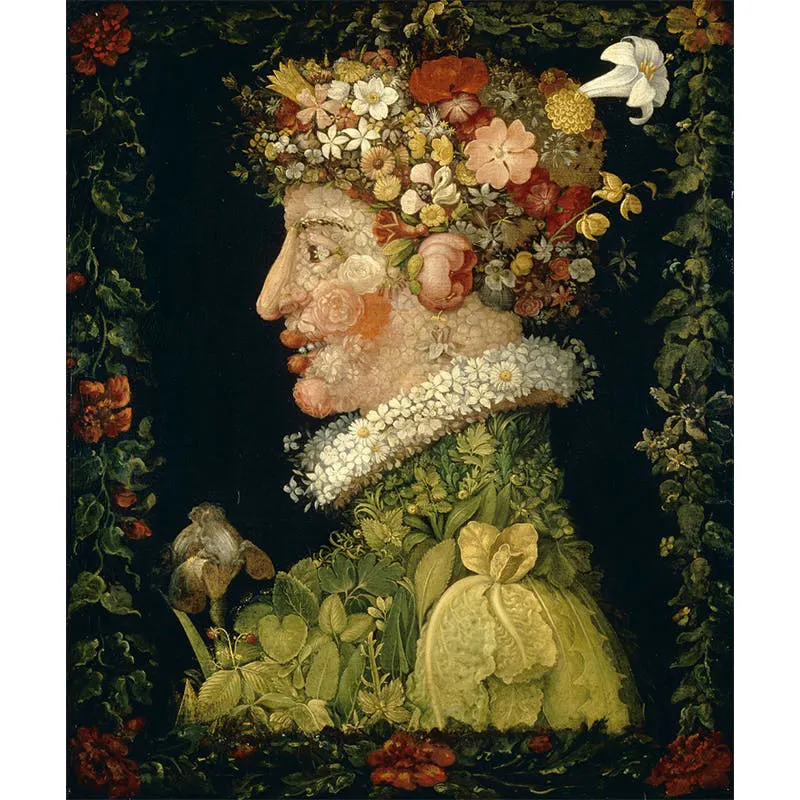
Spring is part of the composition Four Seasons by the Italian artist Giuseppe Arcimboldo (1526–1593) and portrays one of the spectacular examples of his anthropomorphised still lifes. The painting is made up of flowers of different colours and sizes and represents the vigour and cheerfulness of childhood (the other three paintings in the Four Seasons composition – Summer, Autumn and Winter – represent adolescence, adulthood and old age respectively).
8. Pierre-Auguste Renoir, Spring Bouquet
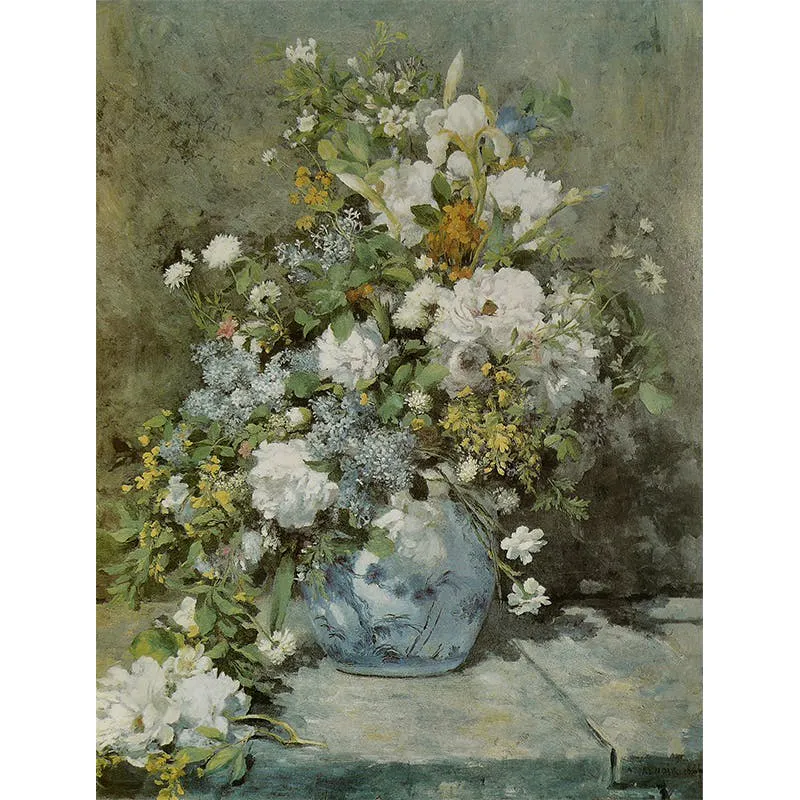
Spring is synonymous with blooming flowers and this Pierre-August Renoir still life is a true riot of florals that almost seem to come to life on the palette. The balance of light and shadow lends realism and the wide tonal range infuses vividness.
See also: Cats in Art: 10 Decidedly Feline Works
7. Claude Monet, Spring
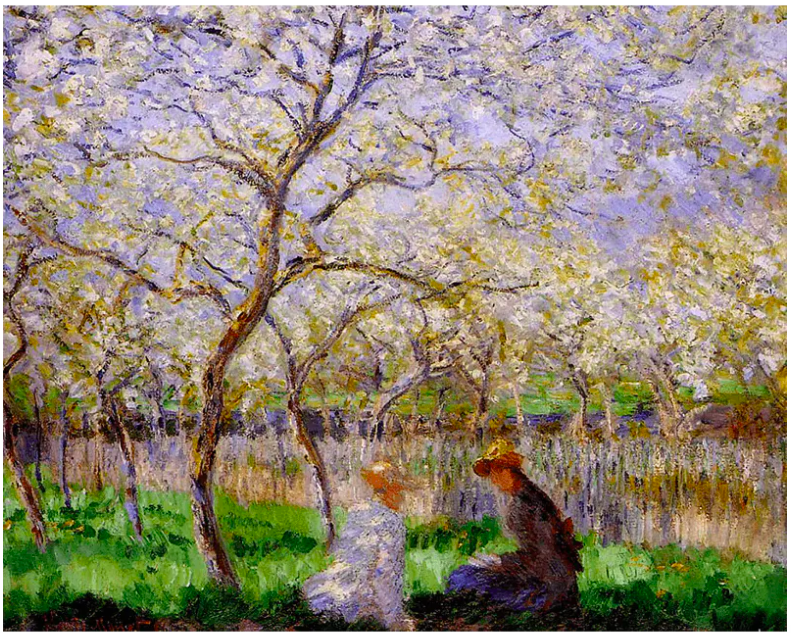
In Claude Monet's 1886 work Spring, the two seated women almost seem to blend into the surrounding nature. The scene celebrates the idyll of springtime afternoons spent outside, enjoying the warm sun and greenery.
6. Vincent Van Gogh, Fishing in Spring
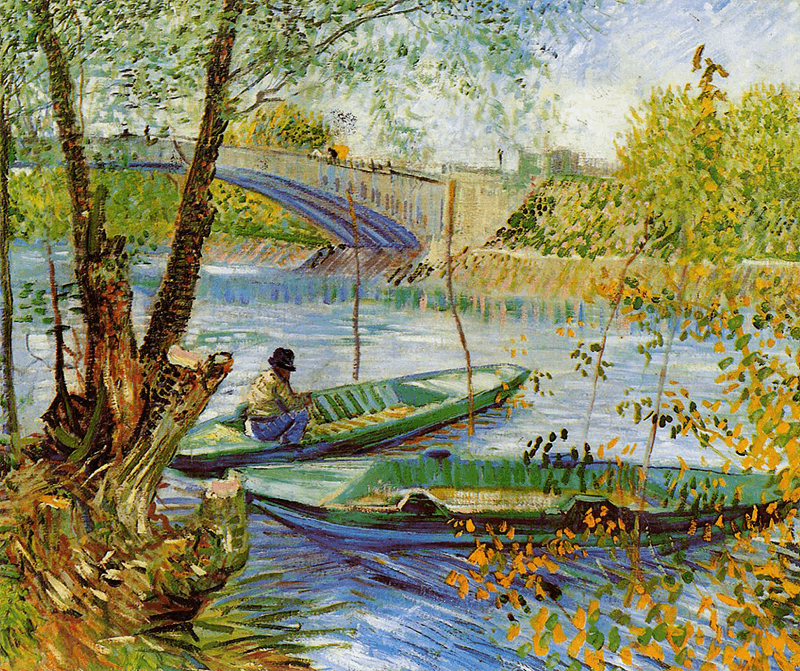
In technique, this work by Vincent van Gogh is a testament to the Dutch painter's friendship with and admiration of fellow artist Paul Signac. Van Gogh first saw the works of Pointillist works of Signac and Georges Seurat in 1886 at an Impressionists exhibition. The setting for this work is the Seine at the Pont de Clichy, near Asnières, where van Gogh and Signac painted together on several occasions.
See also: The 10 Most Famous Works of Art and Where to Find Them
5. Alfred Sisley (1839-1899), Spring Landscape
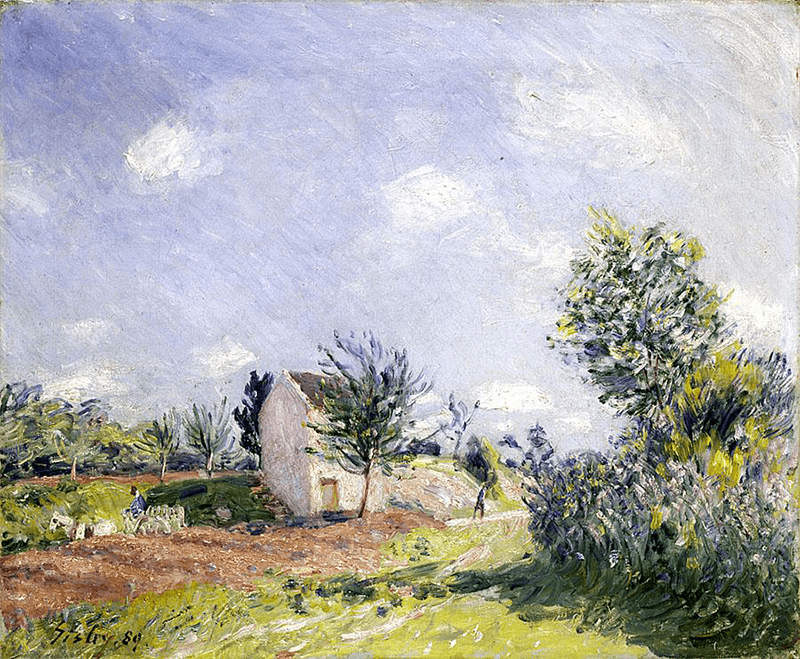
Alfred Sisley was born in Paris to British parents and lived mostly in France, training in Marc Gleyre's studio in Paris and becoming a member of the Impressionist group. His works resemble the plein air style of those of Pissarro and Monet. Sisley mainly painted landscapes, like this quintessentially spring painting.
4. Paul Gauguin, The Loss of Virginity (The awakening of spring)
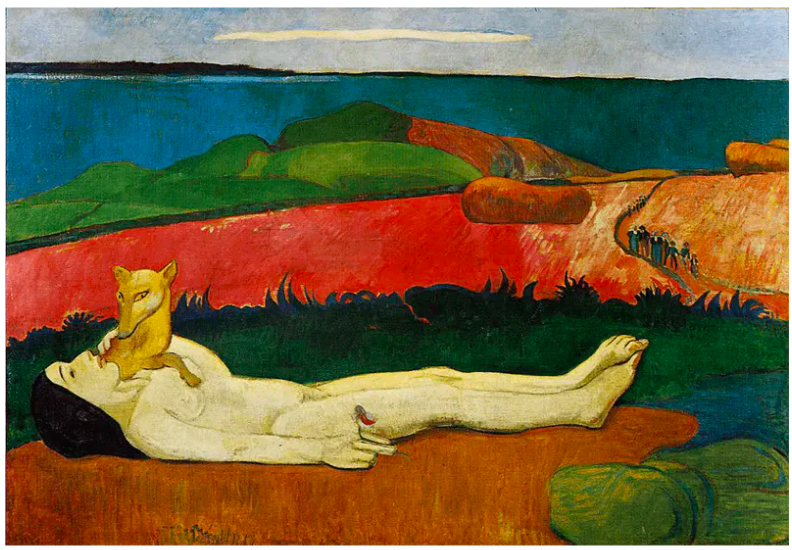
In this painting by Paul Gauguin, the awakening of spring is associated with the loss of virginity. Gauguin painted this work in Paris during his Symbolist period. It depicts a Breton landscape with a young nude woman lying in the foreground. In her right hand she holds a flower (a symbol of the loss of innocence), while her left arm embraces a fox, which symbolises lust. In the background, a wedding procession approaches the naked figure. The model used was Gauguin's twenty-year-old lover, Juliette Huet, who the artist left pregnant with his child when he went to Tahiti that same year.
See also: Travel the World Through Art
3. Franz von Stuck, The Sounds of Spring
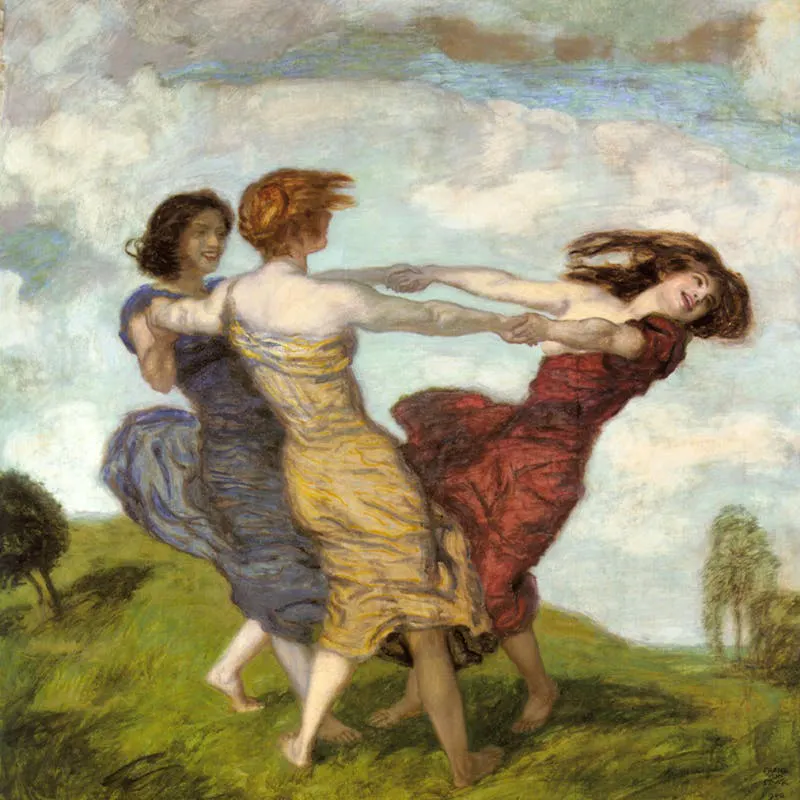
All the joy and playfulness of the spring season seem to be contained in this painting by Franz von Stuck (1863-1928), a German painter, sculptor, engraver and architect. The work is titled The Sounds of Spring and, observing it, you can almost hear the three young women who are immortalised in a cheerful circle, laughing, dancing and singing.
2. John William Waterhouse, A Song of Springtime
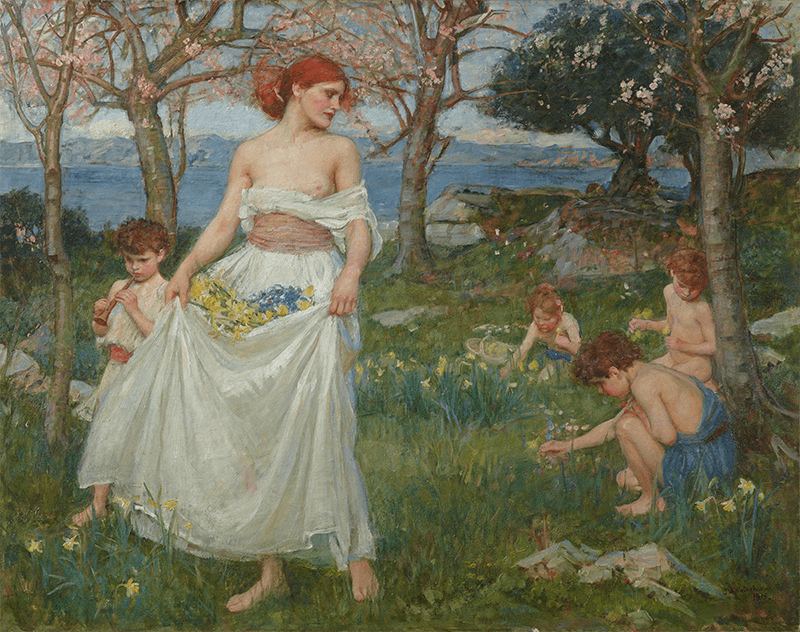
John William Waterhouse (1849-1917) was an English painter influenced by the style and subject matter of the Pre-Raphaelites. The choice of a beautiful red-haired woman in this painting actually seems to wink at the Pre-Raphaelites' preference for red hair, which symbolised passion. The verdant nature, the presence of children and her uncovered breasts recall the vitality and fertility of the spring season.
See also: Elizabeth Siddal: The Tragedy of the World's First Supermodel
1. Gustav Klimt, Italian Garden
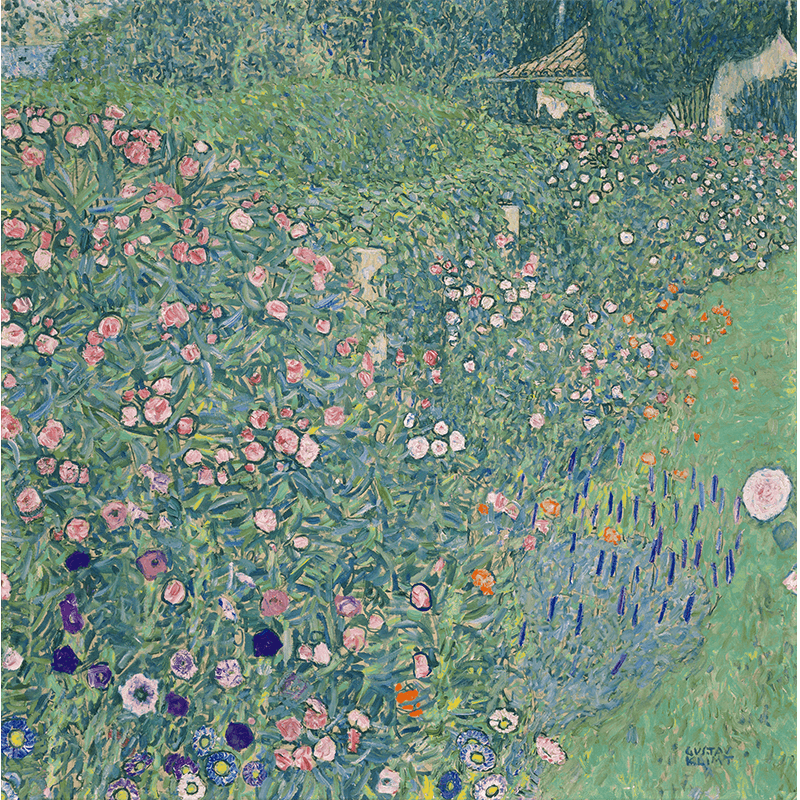
We end this spring roundup with this floral masterpiece by Gustav Klimt (1862-1918), a departure from his more famous gilded portraits, but no less spectacular. In this luxuriant garden under the Mediterranean sun, the rose, violet and orange-hued flowers almost seem to dance to the sound of nature that is reawakening.