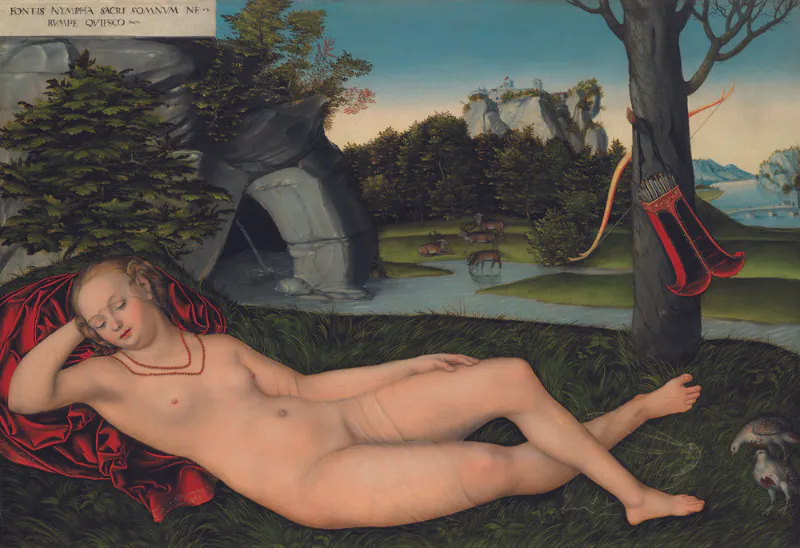
Nymph of the grot, these sacred springs I keep / and to the murmur of these waters sleep.
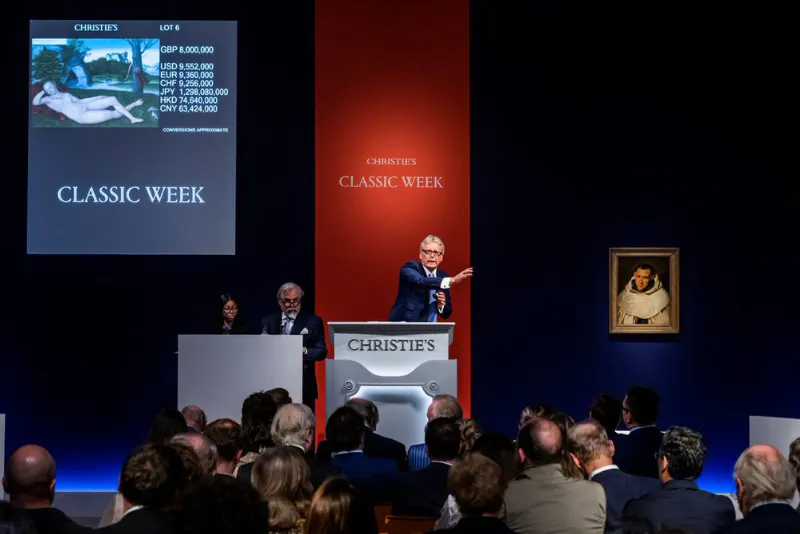
After a two-year break, London’s Classic Week has returned amid much market uncertainty, with both highs and lows. With a combined turnover of £35.2 million between Christie’s and Sotheby’s Old Masters sales, one might think that London evenings are in full swing. In fact, however, this is a 44% downturn from the July 2021 Old Masters evenings. Of course, this does not mean that the two world-renowned auction houses did not bring home significant results.
Most notably, Sotheby’s put the hammer down on one of Pieter Brueghel’s classic peasant scenes, which was auctioned for £1.1 million. Adding the £6 million from the remaining 19 lots, the house made a total turnover of £7.1 million, though did not manage to sell one of its star lots: a Willem van de Velde marine battle scene, auctioned at Sotheby’s 10 years prior for £5.3 million, and presented this year at an estimate of £4-£5M.
See also: Canova's Lost Masterpiece Goes to Auction
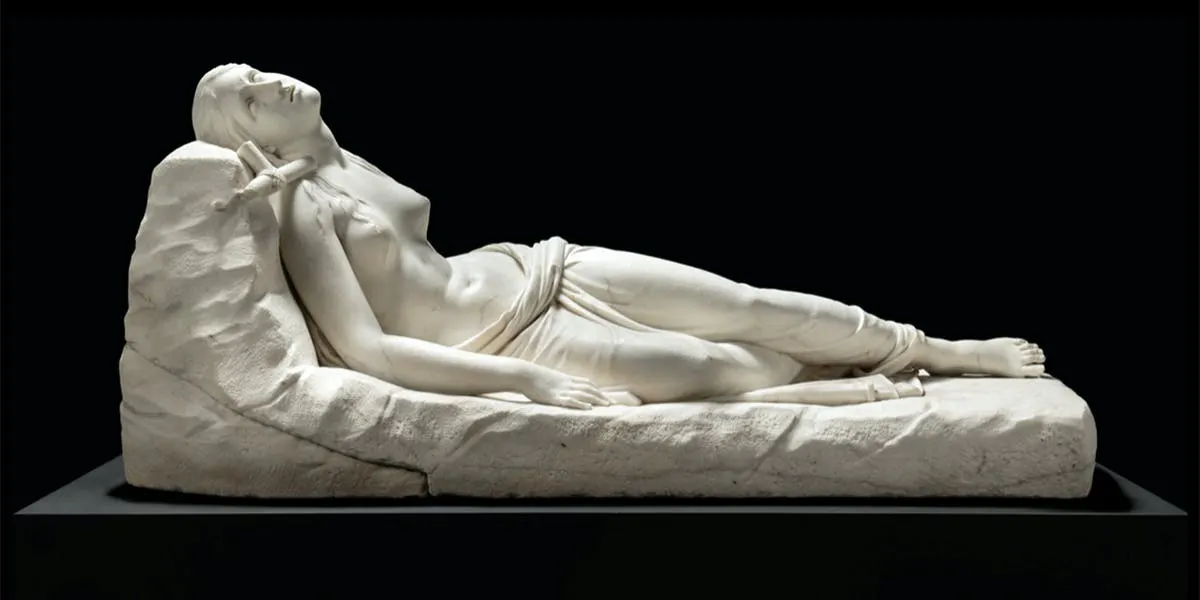
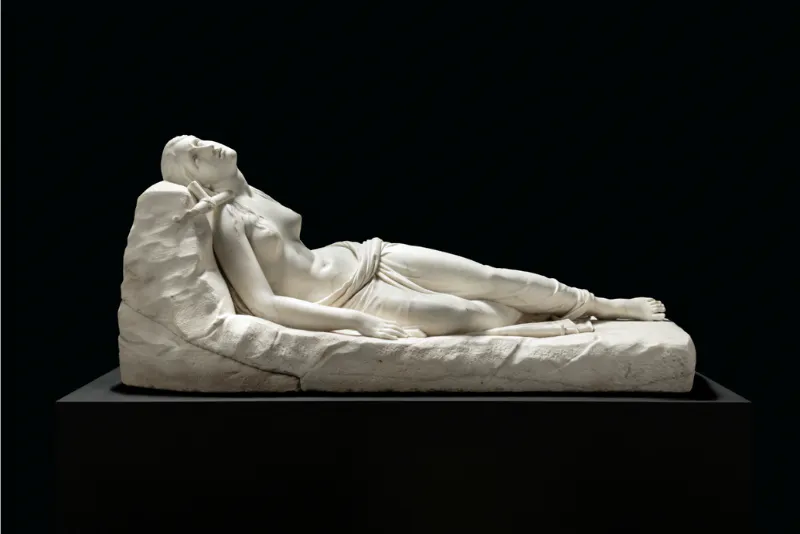
The most surprising element of the evening was Christie’s not selling the much-anticipated Recumbent Magdalen by Antonio Canova, Italy’s leading Neoclassical sculptor. The 1822 sculpture by the great Italian master was searched for decades and rediscovered in 2002 in a Kensington private garden. Its owners auctioned it off for a mere £5,200, after which the new owner found out its true identity. Scholars had hailed this discovery as a ‘miracle’ of ‘fundamental importance to the history of collecting and the history of art’. When it was announced by Christie’s that the lost masterpiece would come to the auction hall on the bicentenary of Canova’s death, the news stirred much excitement and the sculpture was set to fetch between £5m-£8M. The piece, depicting Christ’s follower Mary Magdalen lying in despair, had been celebrated during Canova’s lifetime as a work of genius, but found no lucky guardian to bring it home.
See also: The Enduring Appeal of Old Masters
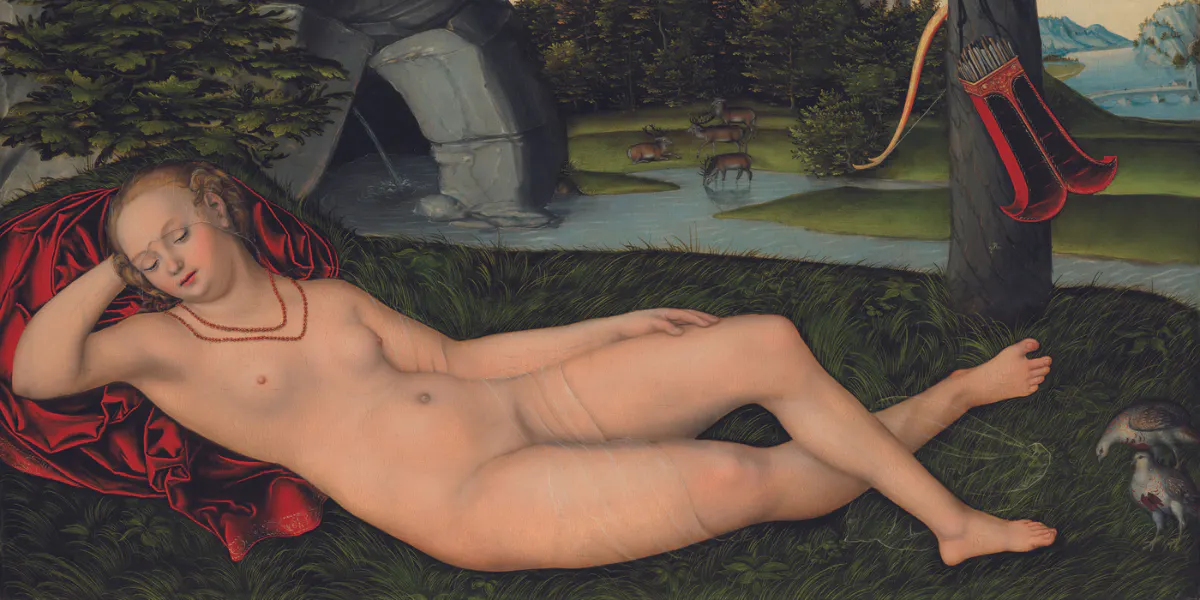
While the grief-struck Magdalen was not sold, the sale nonetheless achieved significant success thanks to another sleeping lady, with Lucas Cranach the Elder’s The Nymph of the Spring going well beyond its estimate and selling for £9.4M, a world auction record for the artist. As part of a series of twelve known unique compositions of naked nymphs made by the artist, this one was one of two remaining in private hands – and the largest of all. Clementine Sinclair, Head of Christie’s Old Masters evening sale, highlighted "the demand for works that are fresh to the market with notable provenance" as underlying the success of the two principal collections. Cranach’s Nymph had an impressive track record of ownership, dating back to the 18th century: from Roman Emperors to Swedish Queens, this painting has trotted across Europe throughout generations. The new owner will be able to admire the recumbent nymph, an allegory of seduction, under its hazy blue sky.
So what does this all mean? Perhaps the enthusiasm for Old Masters has slightly dampened, perhaps we just find ourselves in - once again - unprecedented times. Or maybe, Old Masters remain what they’ve always been: invaluable masterpieces – but collectors simply won't speculate.
To keep up with the art world, read more articles in Barnebys Magazine!