![Tove Jansson (1914-2001), 'Nature morte artificielle', oil, signed Tove -43, 50 x 61 cm [detail]. Photo © Hagelstam & Co](https://images.prismic.io/barnebys/8321beb3-2a4a-44be-a669-67379e44dde6_Tove+Jansson+%281914-2001%29_+Nature+morte+artificielle%2C+huile%2C+50+x+61+cm+%28d%C3%A9tail%29.+Photo+%C2%A9+Hagelstam+%26+Co+.webp?auto=format,compress)
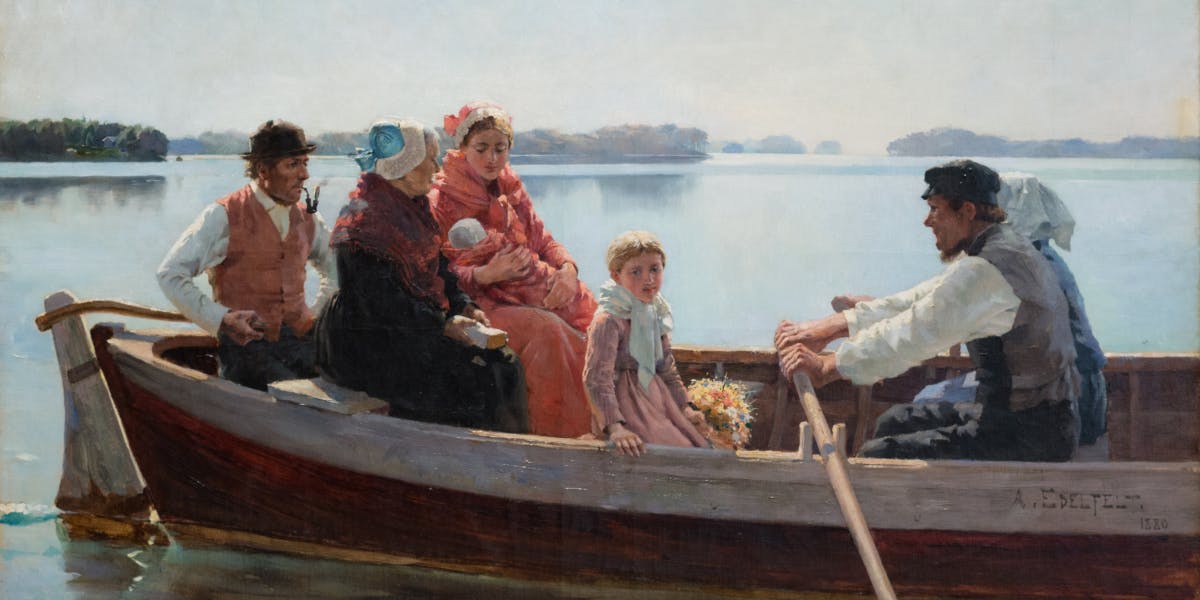
At the beginning of June, the Finnish auction house Hagelstam & Co will hold two long-awaited sales: their ‘Classic’ and ‘Modern’ auctions. The ‘Classic Auction’ will take place on 2 June, with 382 exciting lots, including works by Hugo Simberg, Tove Jansson and Albert Edelfel. In addition to works of art, silver objects, jewellery, wristwatches and much more will be offered.

Among the highlights is a beautiful porcelain dish from China, with a blue dragon decoration against a white background. The dish bears a seal that testifies it was created for the emperor Qianlong who ruled from 1736-95. The dish was bought in China in the 1950s by a member of the Finnish trade delegation, and later inherited by the current owner.

Another important ceramic work appearing during the sale is a decorative urn with a landscape on one side and a still life on the other. The urn is probably from the Imperial Porcelain Factory in St. Petersburg, and was made in the early 19th century. The factory was an early producer of so-called ‘hard porcelain’, and kept the contents a secret for a very long time. Many prominent artists from Central Europe worked at the factory, which drew inspiration from French and German porcelain factories.

The Finnish sculptor and visual artist Matti Haupt was born in St. Petersburg before moving to study at the Finnish Art Association's drawing school at the age of 16. A few years later, he moved to study at the Accademia Reale Monza in Milan (1937-39), and he had his first major exhibition there in 1938. Haupt worked in bronze, and mainly created sculptures of women and nymphs. The 1940s and ‘50s were one of his most productive periods and he received many public assignments during this time, including his sculpture Girl with Braids (1949) for Margretegärdeparken in Uddevalla and Sitting Girl (1938), which is in the entrance to Södersjukhuset in Stockholm.

Another famous artist who studied at the Finnish Art Association's drawing school in Helsinki was Akseli Gallen-Kallela. But instead of travelling to Milan, Gallen-Kallela went to Paris to study with the artist Fernand Cormons. Gallen-Kallela distinguished himself with his great works and interesting motifs, which he drew from French naturalism. He was inspired by Finnish nature, specifically the Mänttä region, and his painting Sjöutsikten från berget (in Mänttä) shows clear influences from his national romanticism.
The ‘Modern Auction’ will begin on 3 June, with 396 more lots. In the catalogue you’ll find works by artists and designers such as Alvar Aalto, Björn Weckström, Tyra Lundgren, Märta Blomstedt, Yrjö Edelmann, Eliel Saarinen and Ilmari Tapiovaara.

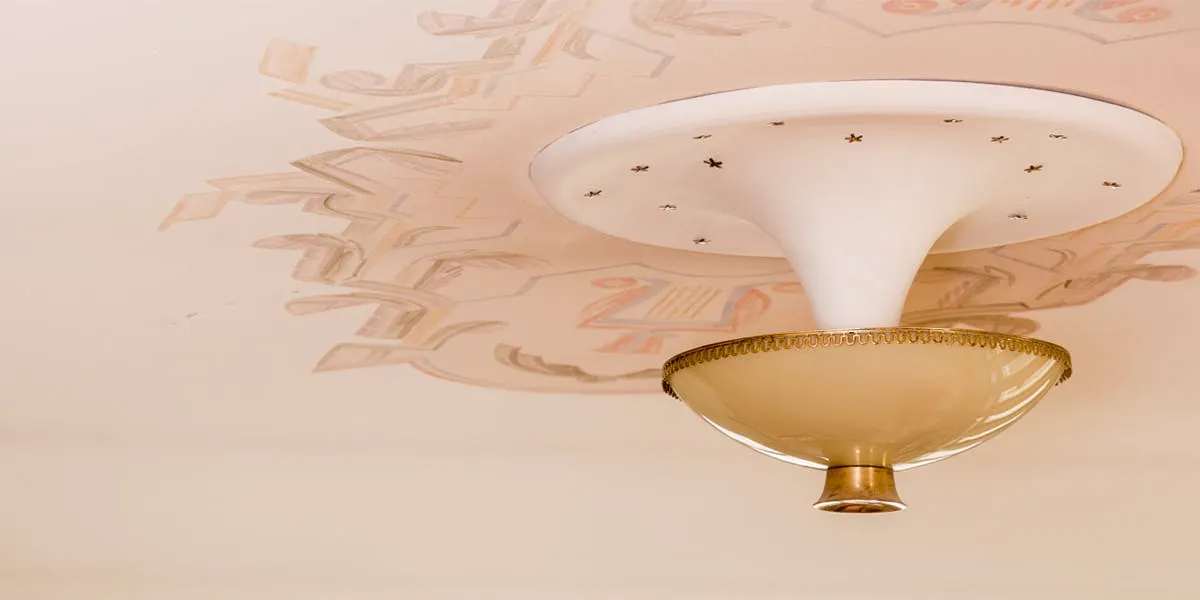
One of the 20th century's foremost lighting designers will be represented in the catalogue. The Finnish designer Paavo Tynell took the whole of Finland by storm in the 1940s, and his iconic designs are still popular today. His nature-inspired brass lamps were spread all over the world, and decorated rooms in both the Riksdag House in Helsinki and the UN in New York. In 1946, he designed the coveted Snowflake chandelier as part of the Fantasia series, and Tynell created several variants. The lamp was even manufactured by Tynell's own lighting company, Taito Oy.

Pablo Picasso is not only known for his Cubist masterpieces, but also for his ceramic works. His passion for the medium began in 1946, when he travelled to Vallauris in the south of France to visit the annual ceramics exhibition. There, he met the artist couple Suzanne and Georges Ramié who owned the ceramics factory Madoura. The couple introduced Picasso to the art form and let him create their first works in their studio, one of which, Grosse tête, Profil Droit, will appear during the sale.
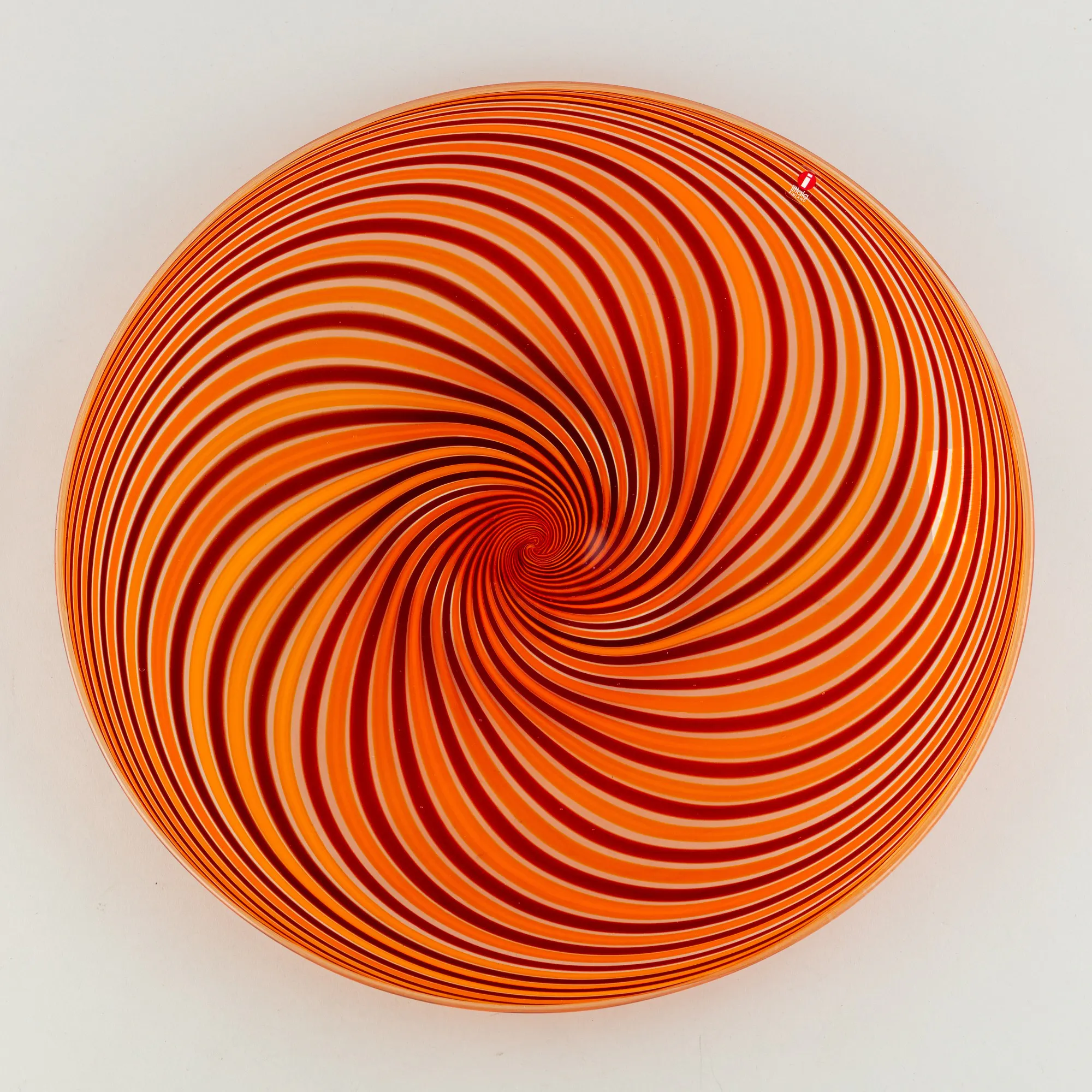
After completing her studies at the Swedish School of Art and Design, the Finnish ceramicist and glass artist Kerttu Nurminen began working at Notsjö glassworks in 1972. Nurminen designed utility glass, mass-produced art glass and unique glass objects, often with grail glass technology. For her motifs, she draws inspiration from nature: the earth, sky, forest and the different seasons. In 1999, the Palazzo series was launched, notably featuring orange filigree glass. She has worked with filigree glass for several decades, and the technology for creating it originated in Venice. It is manufactured by immersing coloured, striped or patterned glass rods in the glass mass, which then melt and form patterns on the glass.
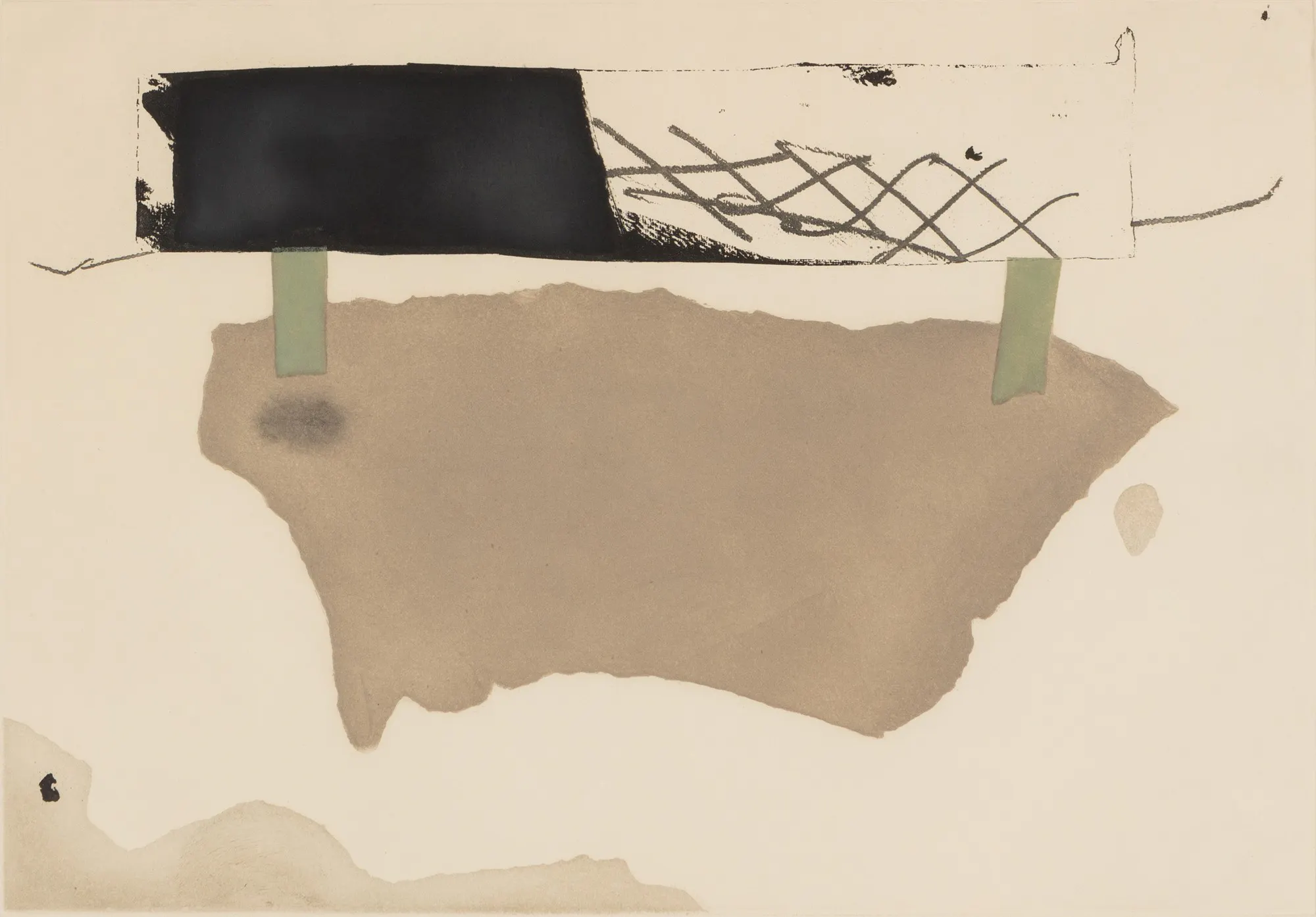
In 1948, the Catalan painter and sculptor Antoni Tàpies formed the group Dau al Set, which had points of contact with Surrealism and Dadaism. Tàpies was a representative of ‘informal art’, a general term for the new styles seen in abstract art in the 1940s and ‘50s. In the mid-1950s, his painting developed and he began to use haute pâte, a thick impasto technique combining clay and marble dust, which gives the surface a rough texture. Hagelstam & Co will be offering one of these craggy and unique works, an etching entitled Cartro.
![Akseli Gallen-Kallela, painting, signed 1912, 121 x 138 cm, frame dimensions 149 x 166 cm [detail]. Photo © Helander Auktioner](https://images.prismic.io/barnebys/e83fd0c4-371e-4dbf-9b2e-4faaf971ab7e_cecf68b2-c1ce-41d2-bc22-d0e52cfc7fb3_Untitled%2Bdesign%2B%281%29.png.jpeg?auto=format,compress)