
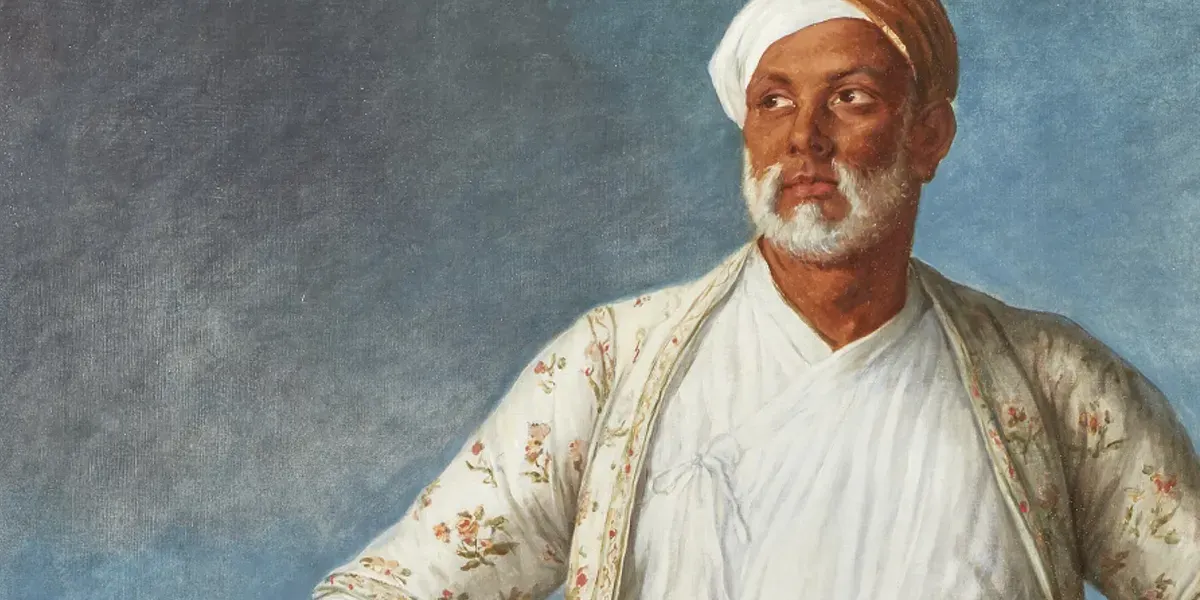
On 16 July 1788, three ambassadors from India, Mohammed Dervish Khan, Akbar Ali Khan, and Mohammed Osman Khan, arrived in Paris in order to negotiate with the French court. The diplomats were sent by the governor of Mysore, Tipu Sultan, to gain the political and military support of Louis XVI to defeat the British forces in India. However, the power of the king was on the decline, as the French Revolution was brewing, and the French had recently signed a treaty with the English after the American Revolutionary War in 1783.
See also: Tipu Sultan's Golden Sword Breaks a Record
The arrival of the three foreign ambassadors in the French capital caused a sensation with the royal court and the French people, who followed their every move in the press and were riveted by these politicians dressed in unusual attire.
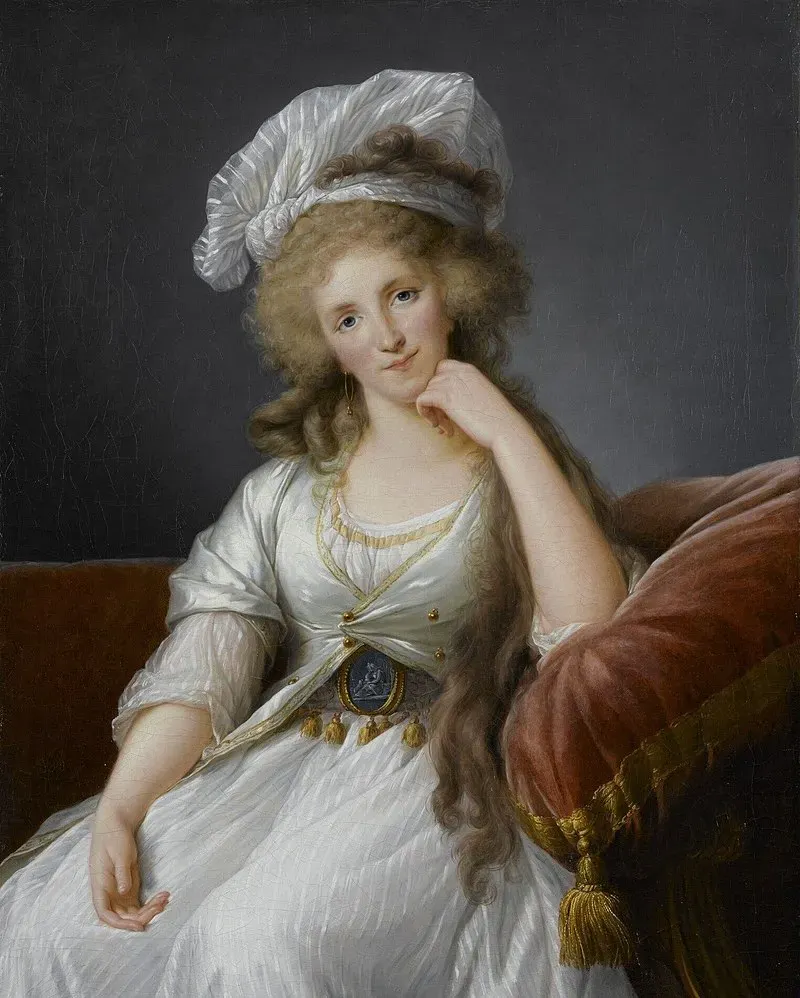
That year, artist Elisabeth Vigée Le Brun was at the zenith of her career: she had painted Queen Marie Antoinette and was part of the powerful elite of Paris and Versailles. Her first meeting with the ambassadors occurred during an evening at the opera, and she was so taken by the trio that she resolved to paint them.
See also: A History of Élisabeth Vigée Le Brun's Portraits of Marie Antoinette
However, the ambassadors, through their translator, made it clear to the female artist that they would not pose unless it was personally requested by the king. Vigée Le Brun took her plan to the His Majesty, who then asked the ambassadors for a favour. Elated, Vigée Le Brun started with Dervish Khan's portrait, presenting him as "standing with his hand on his dagger. This position came to him so simply and naturally that I did not ask him to change it," she said later.
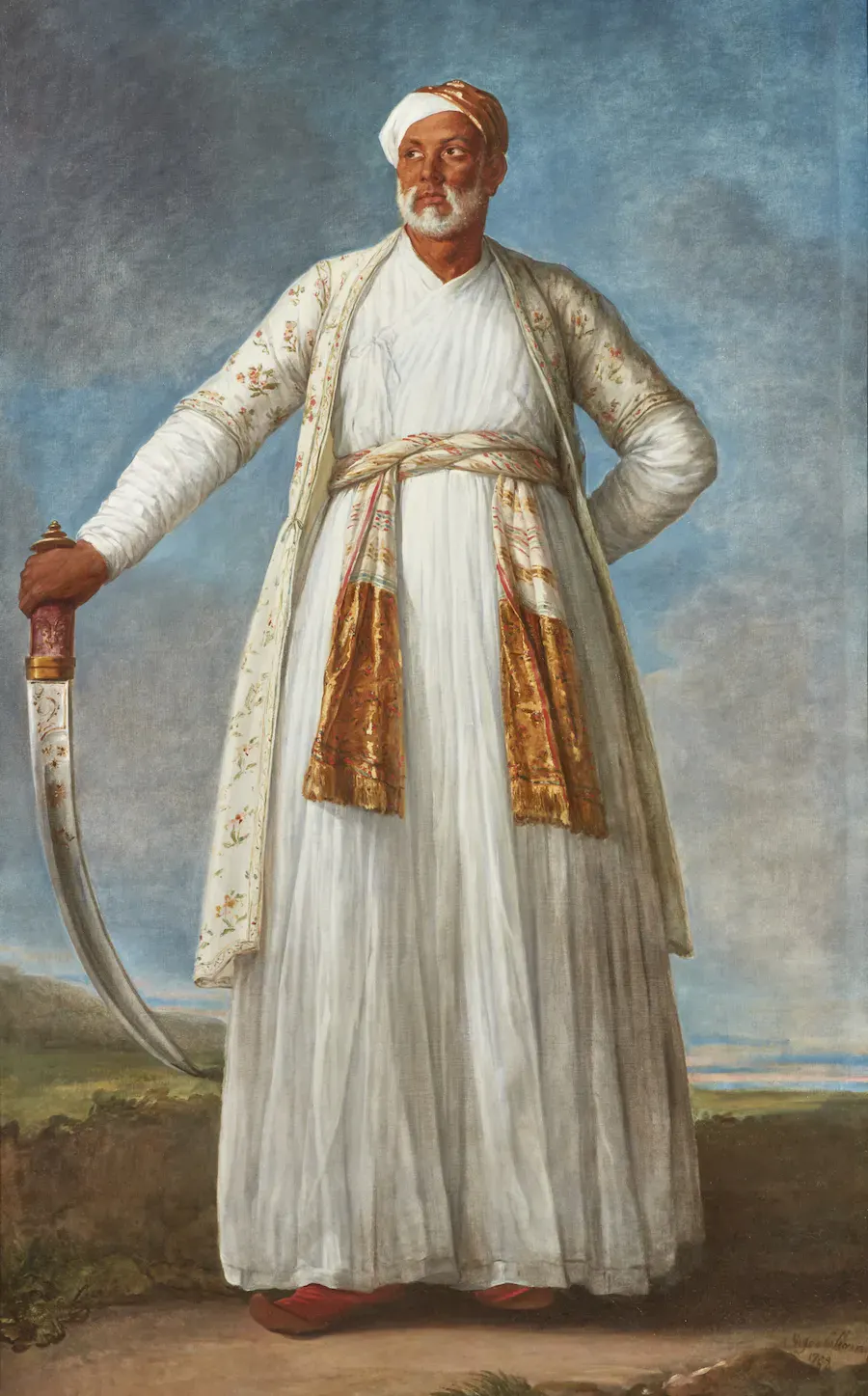
This portrait exudes an intensity not found in any of Vigée Le Brun's other works. The large painting stands seven feet tall and the ambassador fills the canvas, against an idyllic background of blue skies and rolling hills. The commanding diplomat is clothed in sweeping muslin and an embroidered jacket and sash made of luxurious Indian materials that fascinated the French. He grips a large curved dagger, whose handle and blade decoration imitates those on his clothing. The life-size portrait captures the grandeur and extravagance that this important figure from the East inspired in the French population.
See also: Élisabeth Vigée Le Brun: The Royal Favorite
However, the artist could hardly have foreseen the following sequence of events. When she came back to the hotel later to retrieve her ambassador portraits, she was denied access. She then asked a servant to go and get the painting for her. When Dervish Khan found out about the maid's transgression, he threatened to kill her but changed her mind after being (falsely) informed that the king himself had asked to see the painting.
Want more articles like this straight to your inbox? Subscribe to our free newsletter!
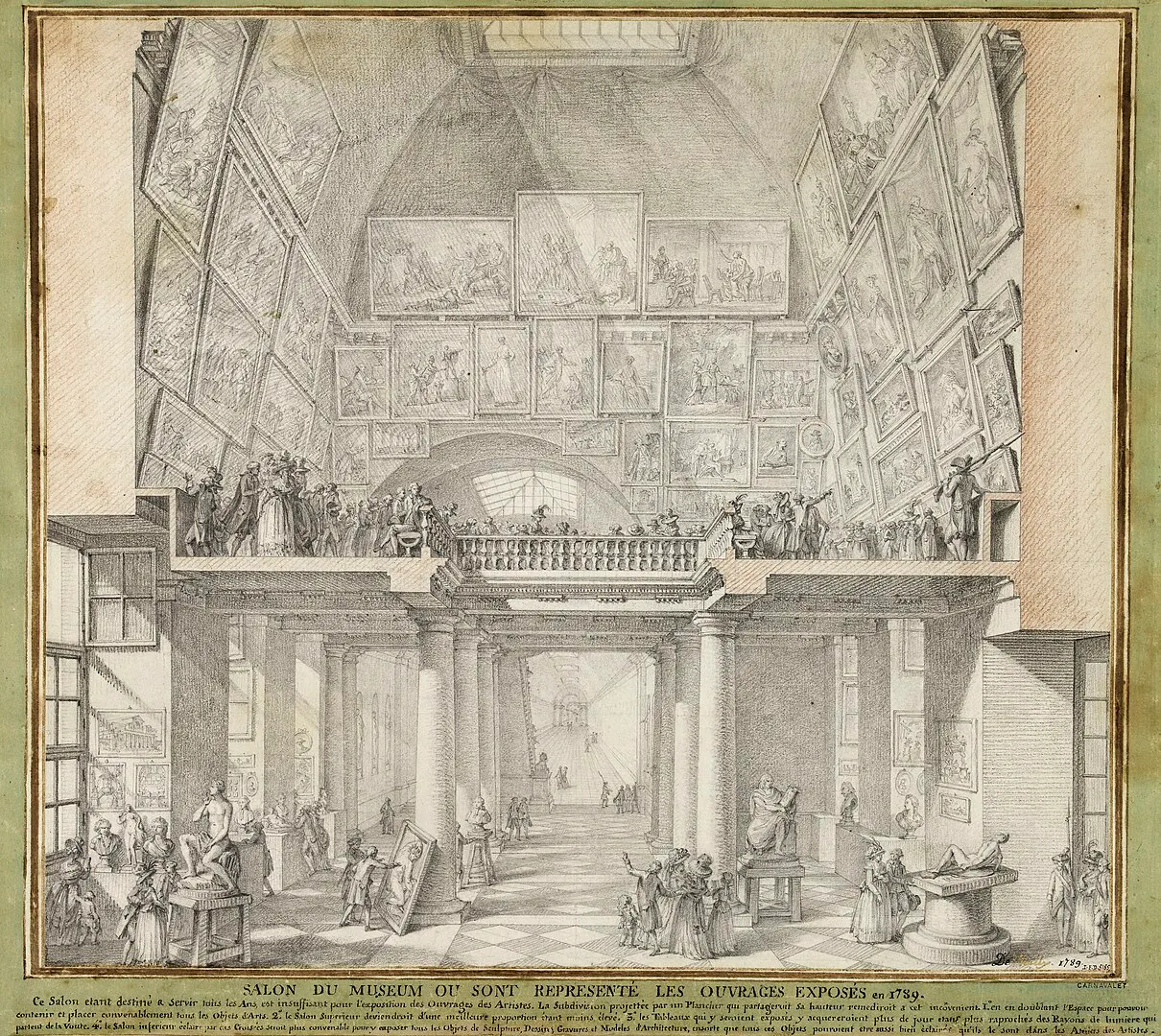
Unfortunately, the three ambassadors failed to gain the French government's loyalty against the British, and returned to Mysore empty-handed, where they were beheaded for their failure. As for the artist, she fled France during the Revolution in 1783 and established herself in elite European circles as a portraitist. Her portrait of the ambassador was later shown at the Paris Salon in 1789 and became part of her husband's collection after they divorced in 1794.
See also: The 15 Most Expensive Female Artists
The story around the painting foretells what is to come: without military support from world powers like France, India would succumb to the rule of the British Empire in the mid-1800s, changing the country's history forever. The portrait, which displays the extraordinary talent of the young female artist combined with a fascinating political background, sold for $7.18 million (about £5.6 million) at Sotheby's on 30 January 2019, becoming Elisabeth Vigée Le Brun's most expensive painting ever auctioned.