

One of the world’s oldest trunks dates to the Golden Age of the Egyptian pharaohs: it appears that Tutankhamun needed it for his journey to the Afterlife. In his tomb, numerous chests were found containing all precious goods, from fabrics to cosmetics to simple objects used in everyday life.
The Greeks and Romans themselves made use of the trunk in every considerable movement, by sea or by land. At the time, the trunk was a chest of wood and bronze, sometimes decorated with ivory and precious metal ornaments. As one would expect, more often than not, more attention was paid to utility than appearance, for example, the shape of the lid had to be flat in order to allow the trunks to be stacked one on top of the other.
Practicality was also a fundamental factor for trunks used in medieval times, as the Vikings also used the trunk as a temporary bed on which to rest during long journeys by sea.
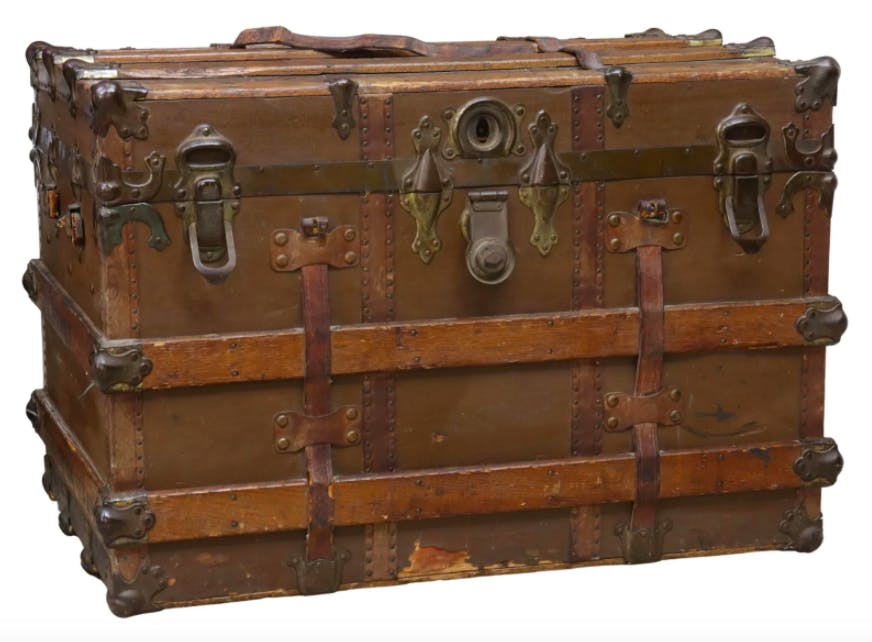
Leaping forward to the discovery of America, 1492 also acted as a watershed in terms of travel habits. Trunks filled with every new fruit and product from the New World crossed the ocean to reach the Old Continent.
See also: 8 Patrons of the Parisian Avant-garde
Between the eighteenth and nineteenth centuries, with the fashion of the ‘Grand Tour’, artists, the aristocracy and the bourgeoisie set out on journeys to discover the art and beauty of Europe. This was such a long-lasting training course that it required the boarding of at least thirty or forty trunks to meet the young travellers’ various needs.
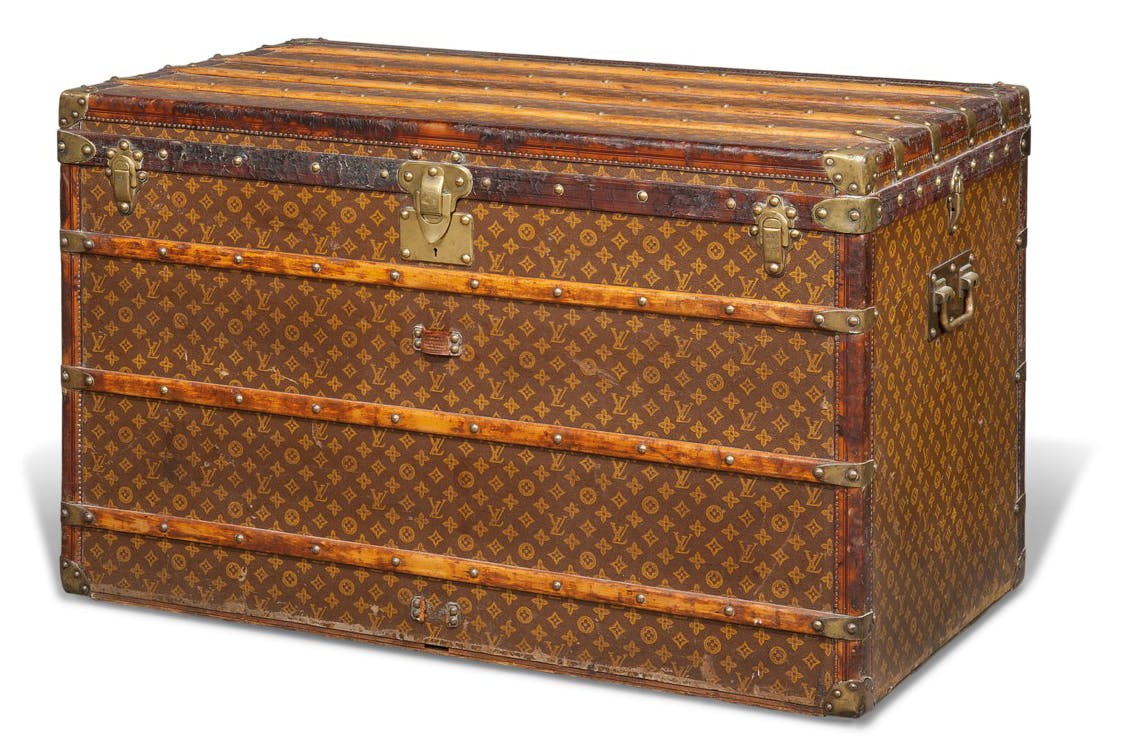
Among these were also the pharmacy trunks, in which items to help face sea and desert crossing were kept, such as quinine (to fight against malaria), medicinal plants such as jalapa (a laxative), gauze and tablets. There were also specific trunks to be loaded on hot-air balloons, and those with internal hangers, drawers or smaller trunks inside.
See also: The 8 Most Popular Fashion Brands
The Industrial Revolution overwhelmed the nineteenth century with the railway and the beginning of a new concept of travel that also winked at the world of fashion. In 1896, Louis Vuitton put the first designer trunk on the market, which in 1924 was transformed into a ‘suitcase’, an anticipation of modern luggage.

See also: History's 6 Most Popular Film Posters
The trunk then became a space in which to keep childhood memorabilia. This is played out in a nostalgic scene from the 2019 film Little Women during which the trunks of all the sisters are lined up in the attic, full of clothes and toys.
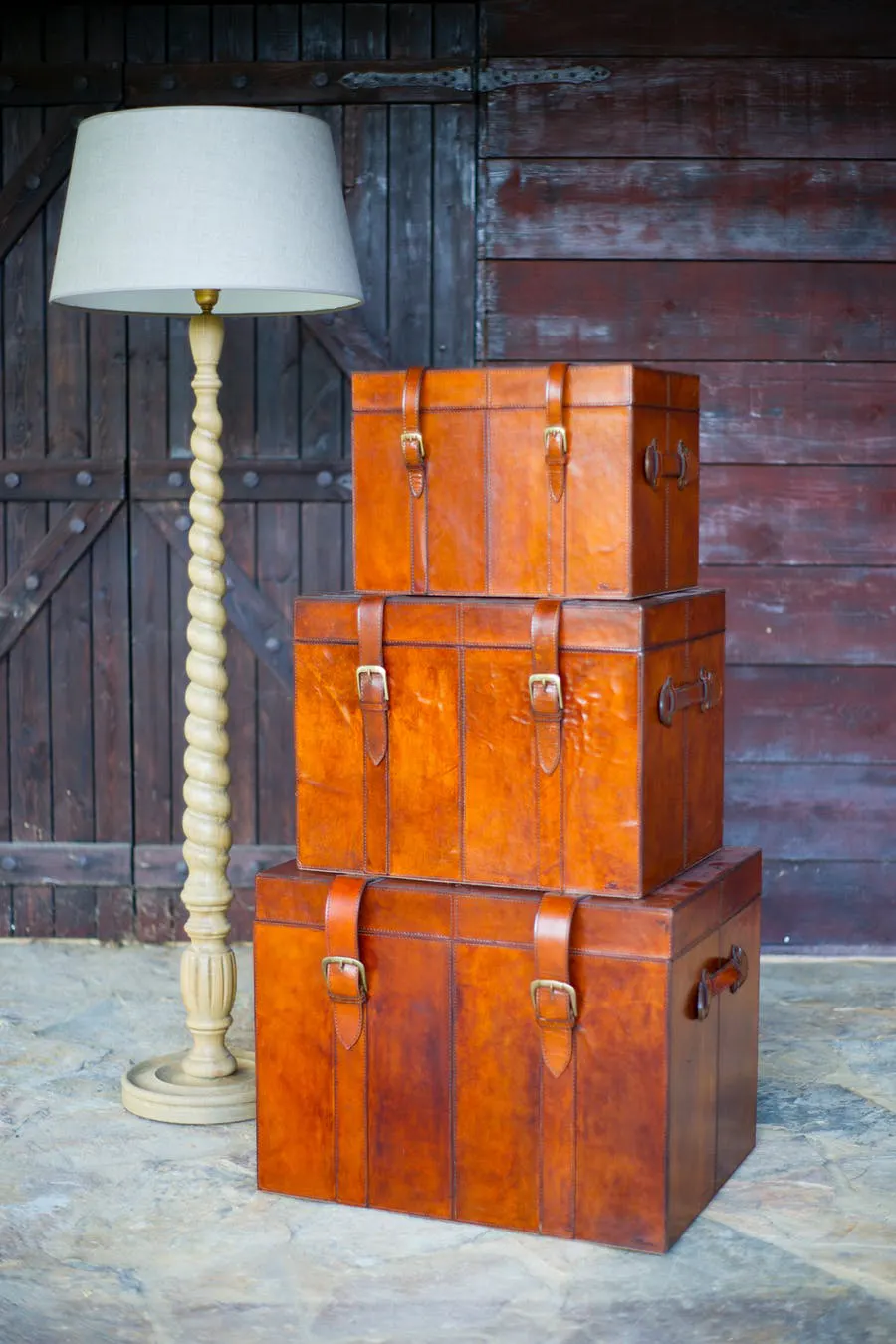
On Barnebys you can find several trunks from various eras and origins and in numerous styles. Whether you have toys to pass down from generation to generation, or you simply want to give a touch of colour and character to the overly uniform environments of contemporary interiors, the trunk can be for you, always reminiscent of the spirit of travel, as it was intended in the past, in a time far from the hand-luggage limit of budget airlines.
Discover more unique articles in Barnebys Magazine
Article by Ilaria Piampiani