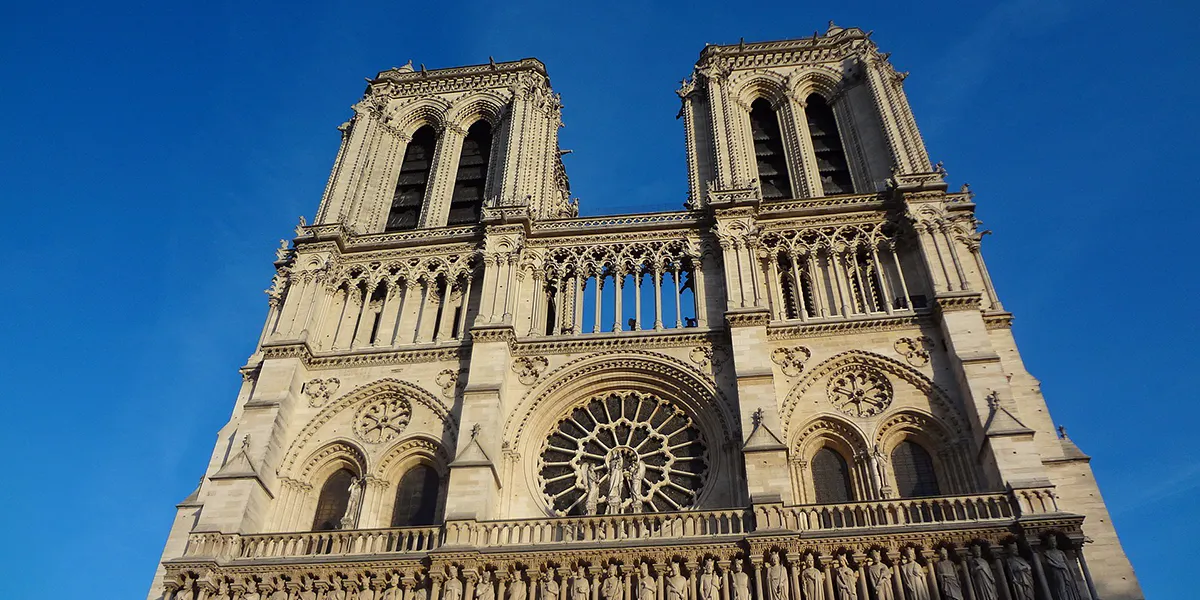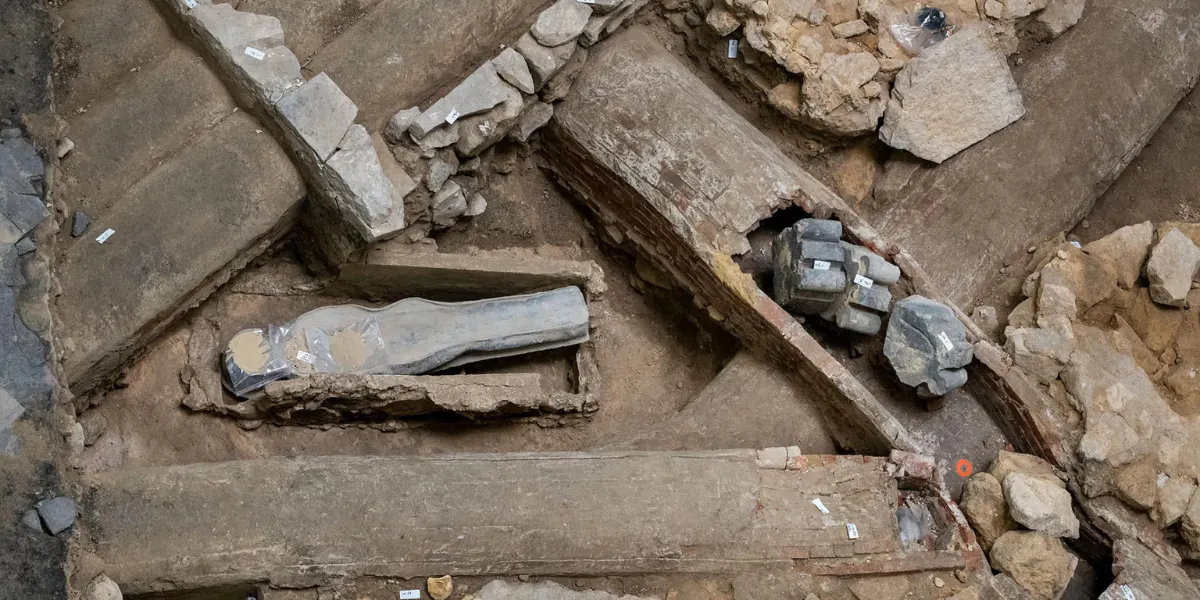
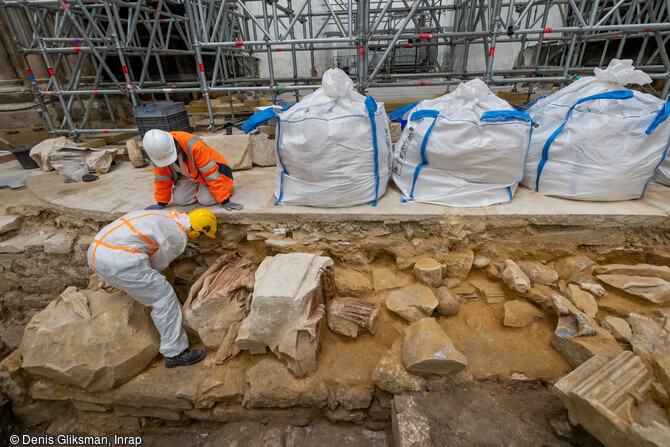
The day after the terrible fire of the 15th of April 2019, archaeologists were called to the bedside of 'The Old Lady'. INRAP (the National Institute for Preventive Archaeological Research) was then entrusted by the State (Drac Île-de-France) with a programme of archaeological diagnoses and excavations to accompany the restoration. By February 2022, the excavation of the cathedral's transept had enabled researchers to discover important data on the construction and evolution of the 'survivor'. Among the remains, two relatively well-preserved lead sarcophagi were exhumed last April. In order to determine the identity of their deceased residents, the coffins were sent to the Toulouse University Hospital for analysis.
On 9 December, the team of scientists revealed the first results of the investigation into 'the centuries-old cold case', to paraphrase Dominique Garcia, the president of INRAP.
See also: A Trove of ‘Exceptional’ Ancient Bronzes Found in Tuscan Spa
The basement of Notre-Dame: a cemetery for the elite
Burials in cathedrals were practised from the Middle Ages until the modern period, the places near the choir being the most sought-after and reserved for the elite. Burial in a lead coffin was expensive and indicated a high social status. Preoccupied with their salvation, wealthy people invested in their death and in certain funeral practices, of which the INRAP found important relics.

Who are the mysterious residents of the sarcophagi of Notre Dame?
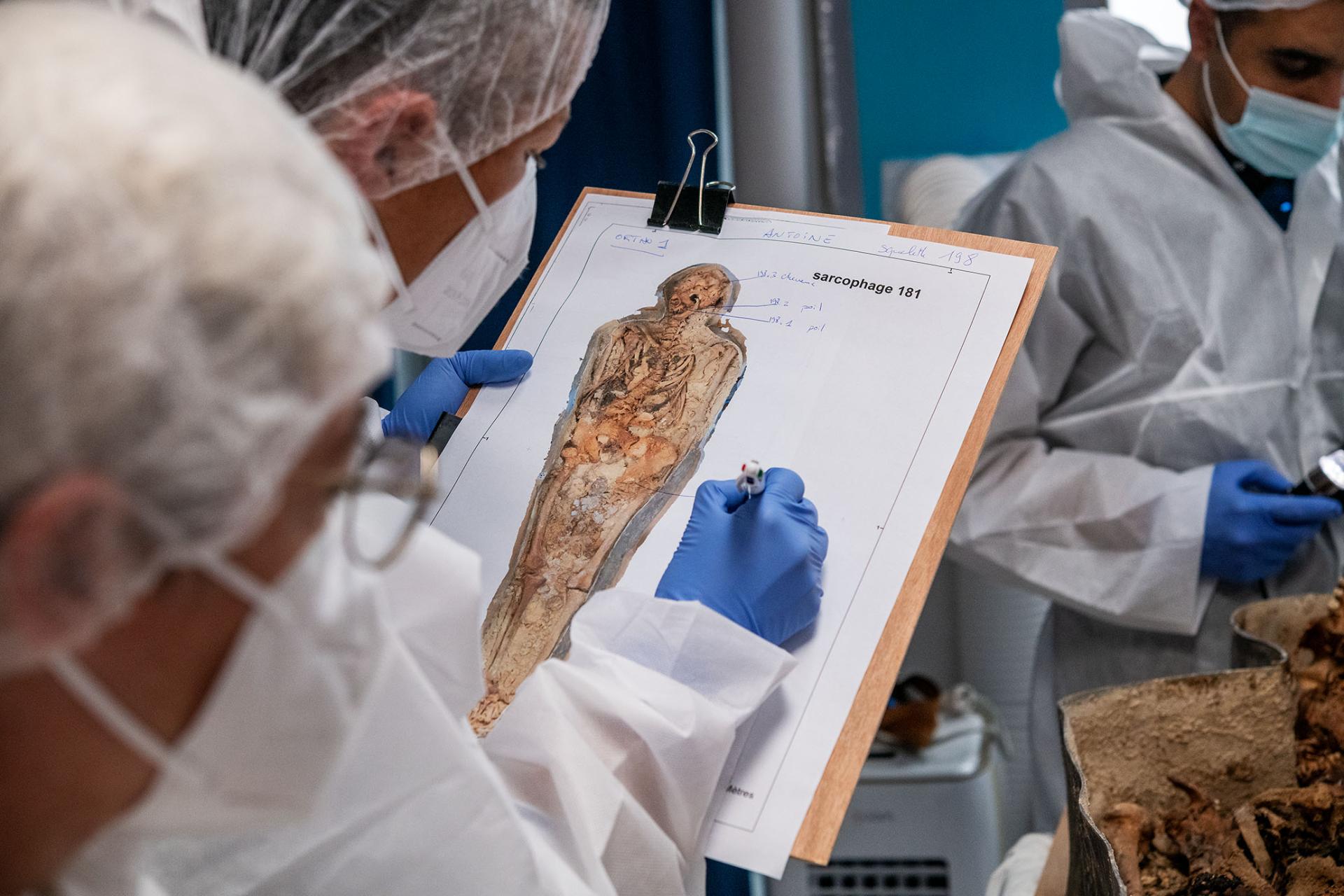
Once exhumed, the two coffins were sent to the forensic institute of the University Hospital of Toulouse to be examined. The programme included a series of analyses carried out with state-of-the-art equipment that had enabled the identification of a 17th century mummy (that of Louise de Quengo) discovered in 2014 by INRAP. In order to limit the handling of the remains, the examination of the coffins was carried out over a short period of time, from 21 to 26 November 2022, involving protective clothing and the sterilisation of handling instruments – almost a real operating theatre. With advanced techniques enabling the 'identity card' of the deceased to be established (age at the time of death, sex, activity) and their state of health.
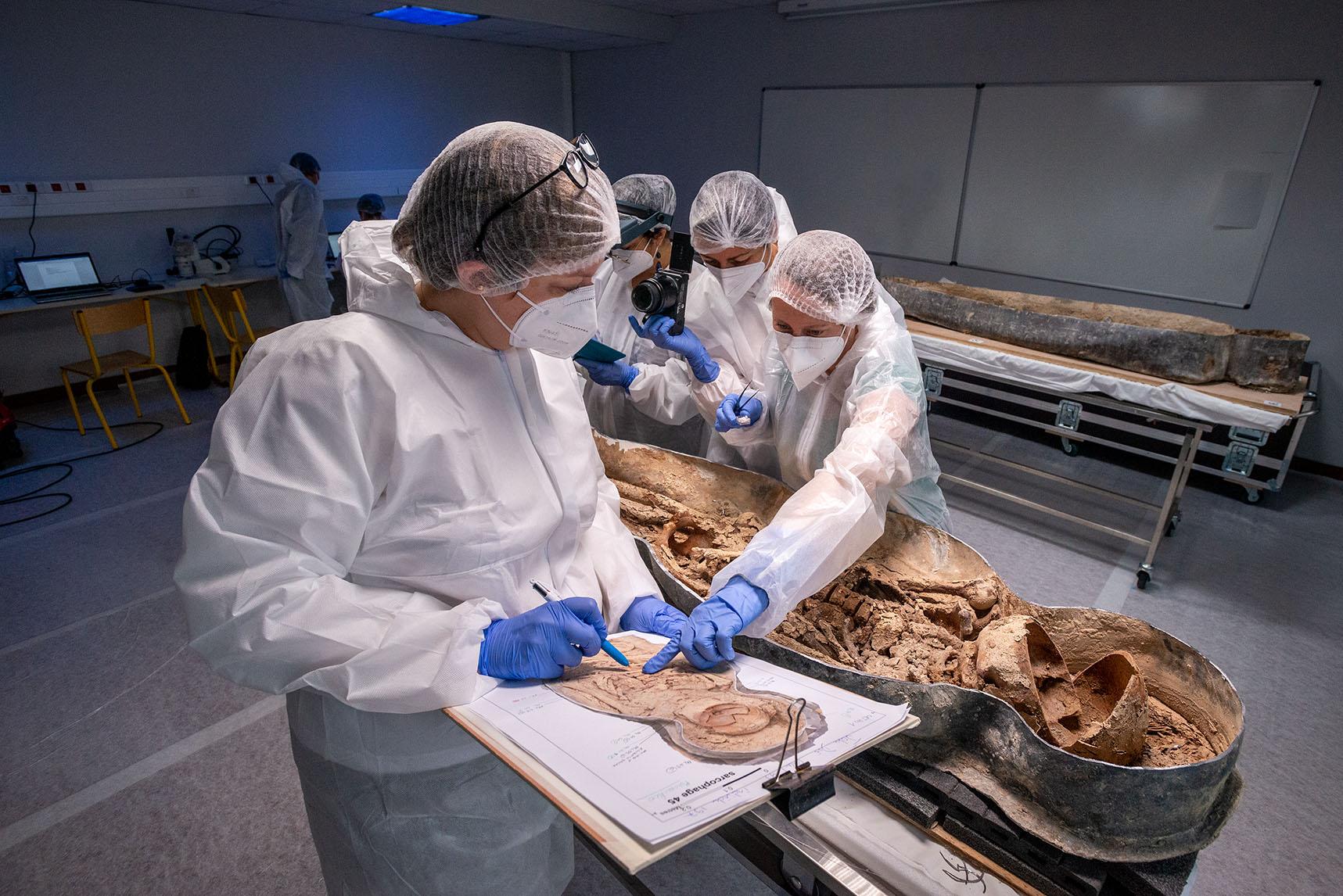
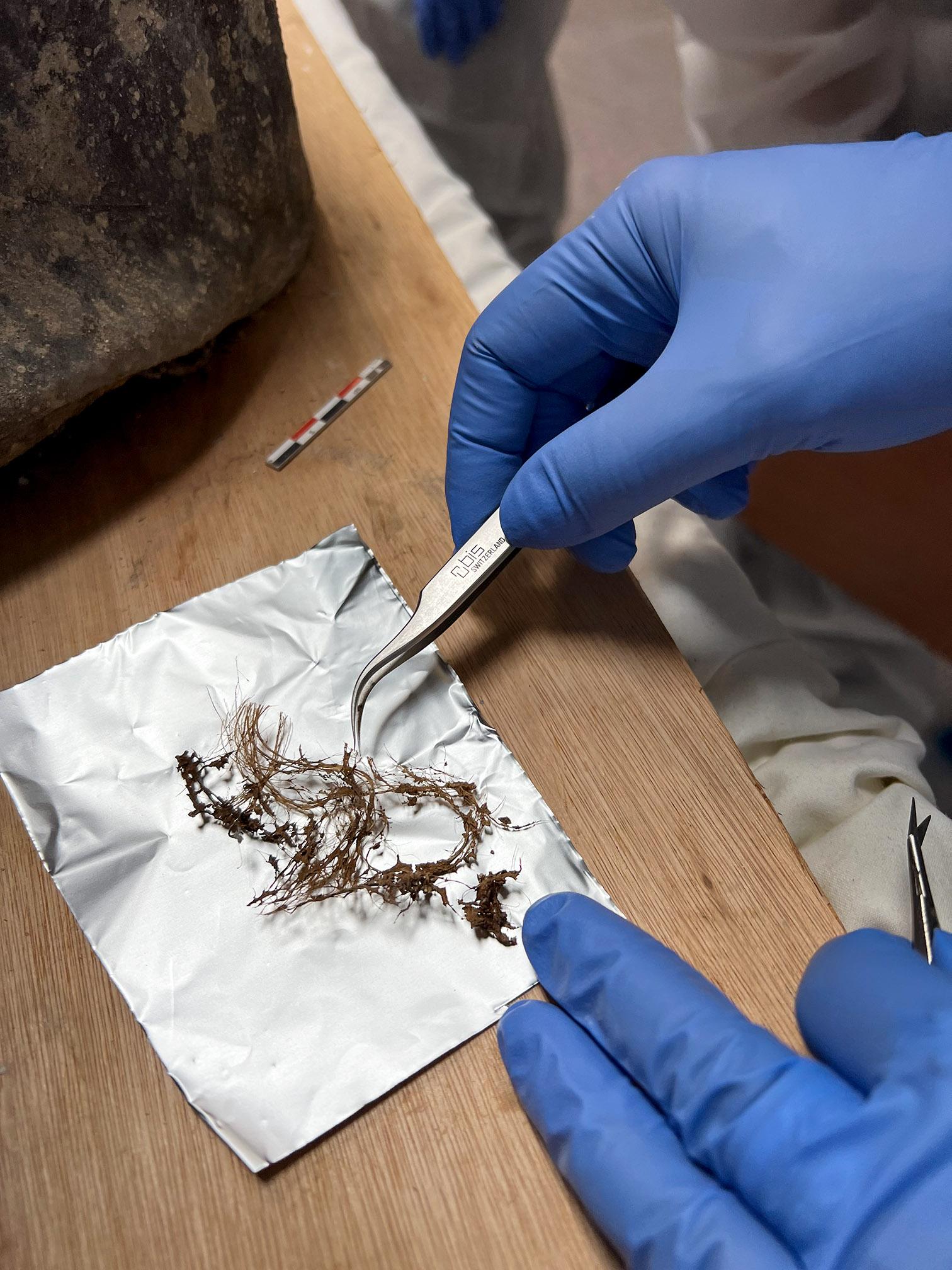
One of the two individuals was identified at first sight thanks to the discovery of an epitaph reading 'Cy est le corps de messire Antoine de la Porte, chanoine de l'église (mot effacé) décédé le 24 décembre 1710 en sa 83e année. Resquietcat in pace'. ("Here is the body of Messire Antoine de la Porte, canon of the church (word erased) who died on 24 December 1710 in his 83rd year. May he rest in peace"). The wealthy figure nicknamed the 'canon of the church' probably contributed to the financing of the refurbishment of the choir enclosure of Notre Dame on the wishes of Louis XIII. The coffin has been altered, but archaeologists have been able to remove bones as well as hair, beard hair, and textile remains. According to the results of the analysis, the 83 year old man demonstrated good dental care, albeit little physical activity.
See also: Intern Unearths 2,000-year-old Dagger
As for the second deceased, his identity remains mysterious, dated between the 14th century and the end of the 17th century, his funeral process and his state of health would differ radically from the 'canon of the church'. First of all, it seems that the sarcophagus was moulded from the body of the deceased. Secondly, although the bones were spared, the skull was found sawed off. Finally, flowers and leaves were found on the skull and abdomen of the deceased, probably plants used to embalm the dead.
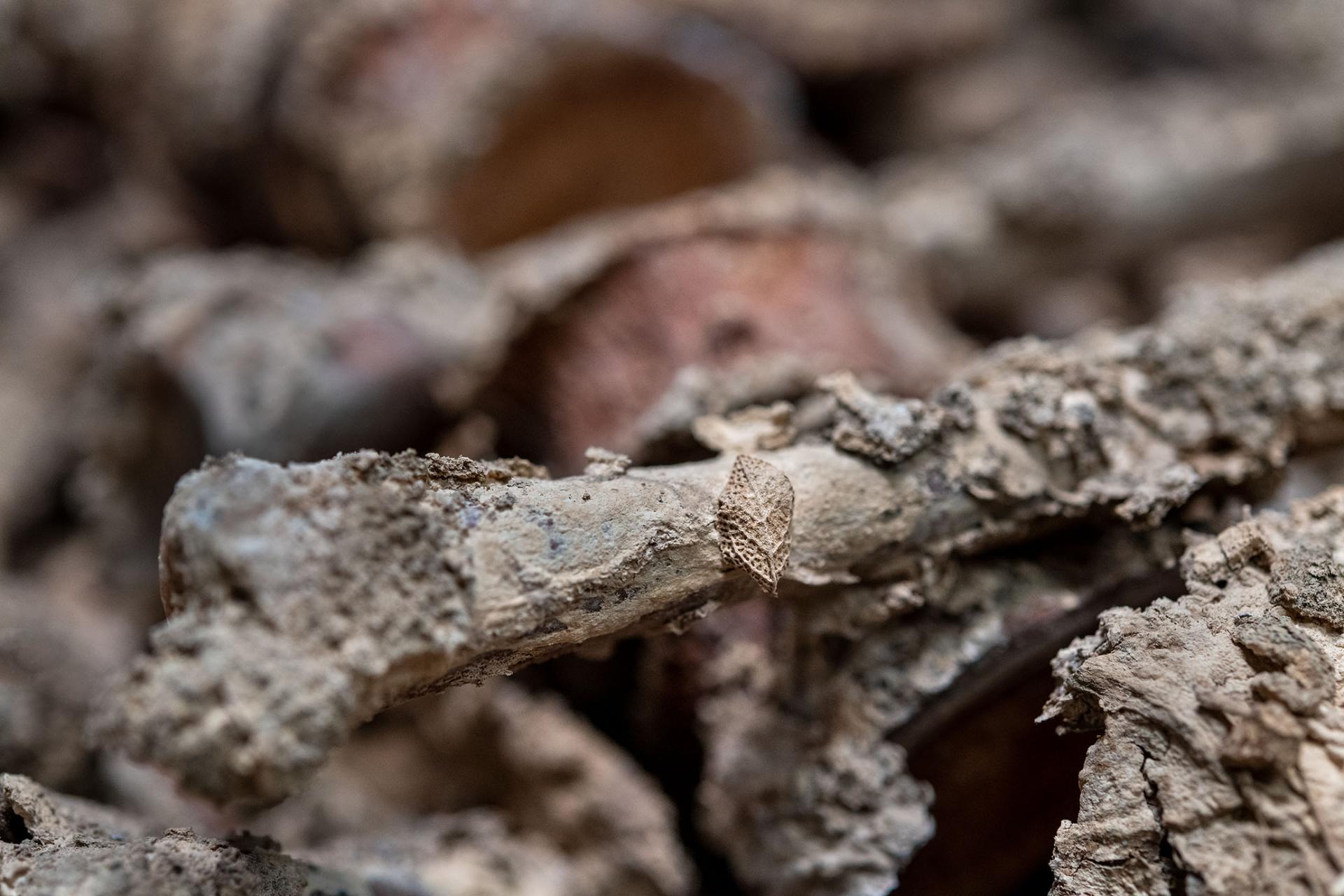
Despite the alteration of the remains, caused by oxygen, the analysis of the remains established the age of death at about 30 years, an activity of horseman since his youth and a precarious health. Our mysterious horseman was suffering from chronic meningitis, probably caused by tuberculosis, which caused all his teeth to fall out.
Want more articles like this delivered straight to your inbox? Subscribe to our free newsletter!
To be continued…
Future analyses, including carbon-14 dating and DNA genetic analysis, will allow researchers to learn more about these two characters. The first results are expected in the first half of 2023.
As we know that at least 300 bodies were buried in the Cathedral's basement over the centuries, we look forward to the next... corpse!