On 23 and 24 March, Cheffins auctioneers is hosting an exquisite Fine Art sale, filled with hundreds of lots fit for any home and budget. Of particular note within the catalogue are the many striking portrait paintings. For those wanting to know where to begin with portraiture, we spoke with Patricia Durdikova, Cheffins’ Head of Old Master, 18th & 19th Century European Art. Read on to learn her need-know advice.
Barnebys: Why is it that portraiture is so compelling for buyers? What does a portrait add to one’s home?
Patricia Durdikova: Portraits are increasingly sought after at auction as collectors seem more interested and immersed in the stories of the sitters that they bring into their homes. On the one hand, portraits can captivate the beholder with the sitter’s expression, intricate detail of the costume or with their quality of execution and pure visual appeal. On the other hand, it seems that the prospect of discovering more details about the sitter has become an important factor for many collectors.
With the increasing use of sites which help us trace our ancestors, allowing unprecedented access to online archives, newspaper articles and military records, it is possible now more than ever to go on a detective quest and discover more about the actual people whose likeness was immortalised in portraits. There seems to be a trend to learn more about the people from the past, even if we are not necessarily related to them and some collectors relish in the thrill of the search.
Typically, portraits would be executed for the sitter and their family and passed onto future generations, but they have now taken on a completely new role on the current market. Portraits are no longer necessarily bought by the sitter’s descendants because of family links, instead they have become appreciated for their intrinsic qualities as decorative objects and the enigma of some of the sitters. A beautiful portrait can add charm to one’s home, even become a statement piece or a talking point at an event one might be hosting.
Buyers’ tastes vary hugely, however if you were guiding someone on buying their first portrait, what tips would you give them?
First and foremost, collectors should pick a portrait that captures their attention and that they can really appreciate from an aesthetic perspective – something which they would enjoy looking at every day as they walk past it in their home. It is also a good idea to go for portraits with character and of an intriguing sitter, which will embellish the interior but also pique one’s curiosity.
Finally, I would advise first time buyers to go for a portrait in good overall condition, which is ready to hang on a wall, and to choose its pride of place prior to buying.
Which portraits are your favourite in the sale and why?
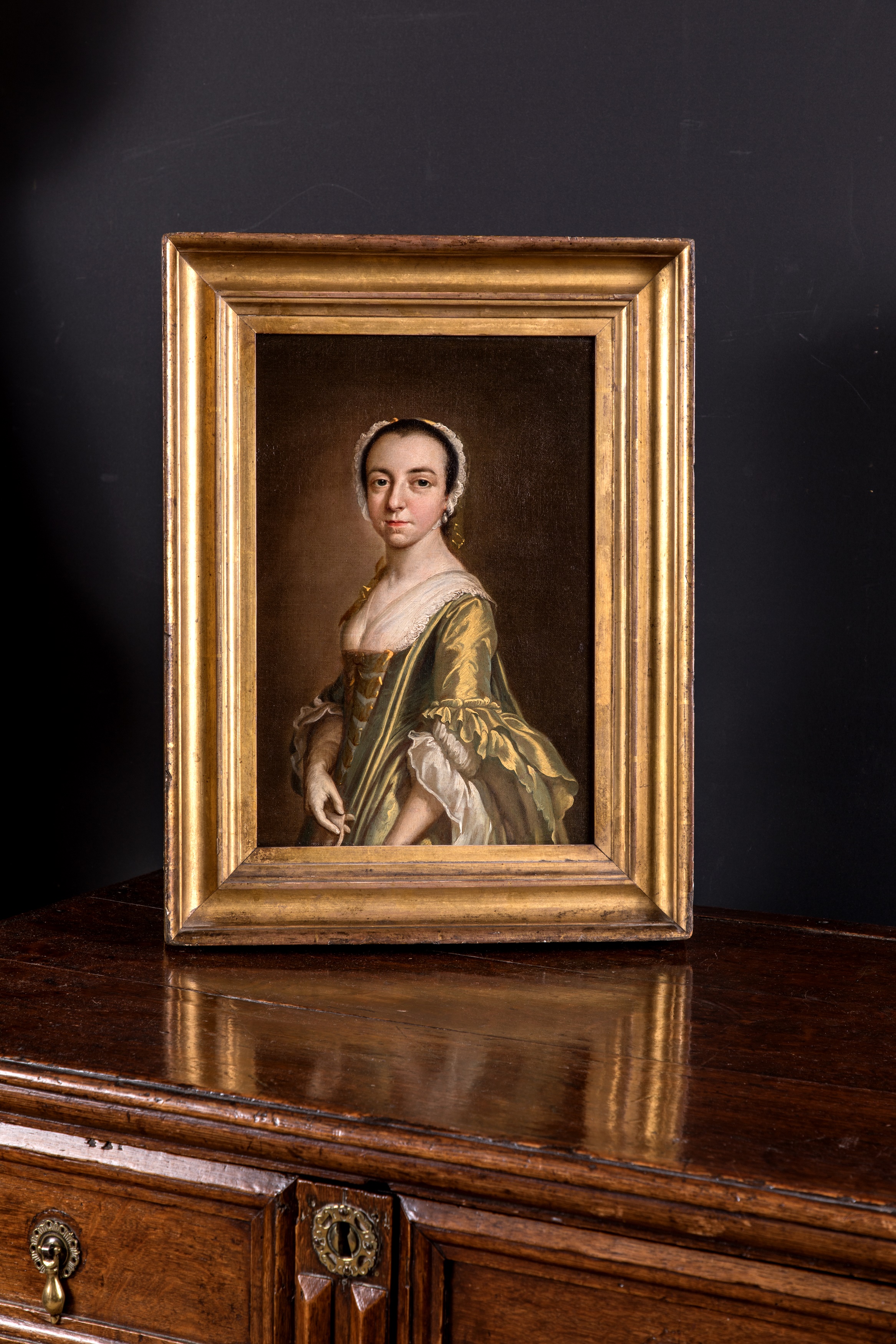
We have a number of captivating portraits in our Fine Sale on 23 March. One of my favourite lots is an early portrait by Thomas Gainsborough, which he painted at the age of 16. Alongside his self-portrait aged 13, which we sold last year for £90,000, this portrait is the third earliest known work by Gainsborough and gives a fascinating insight into his early development. The sitter is believed to be a member of the Seton family and probably lived in London. The silk dress and lace are beautifully observed and attest to Gainsborough’s extraordinary talent at such a young age.
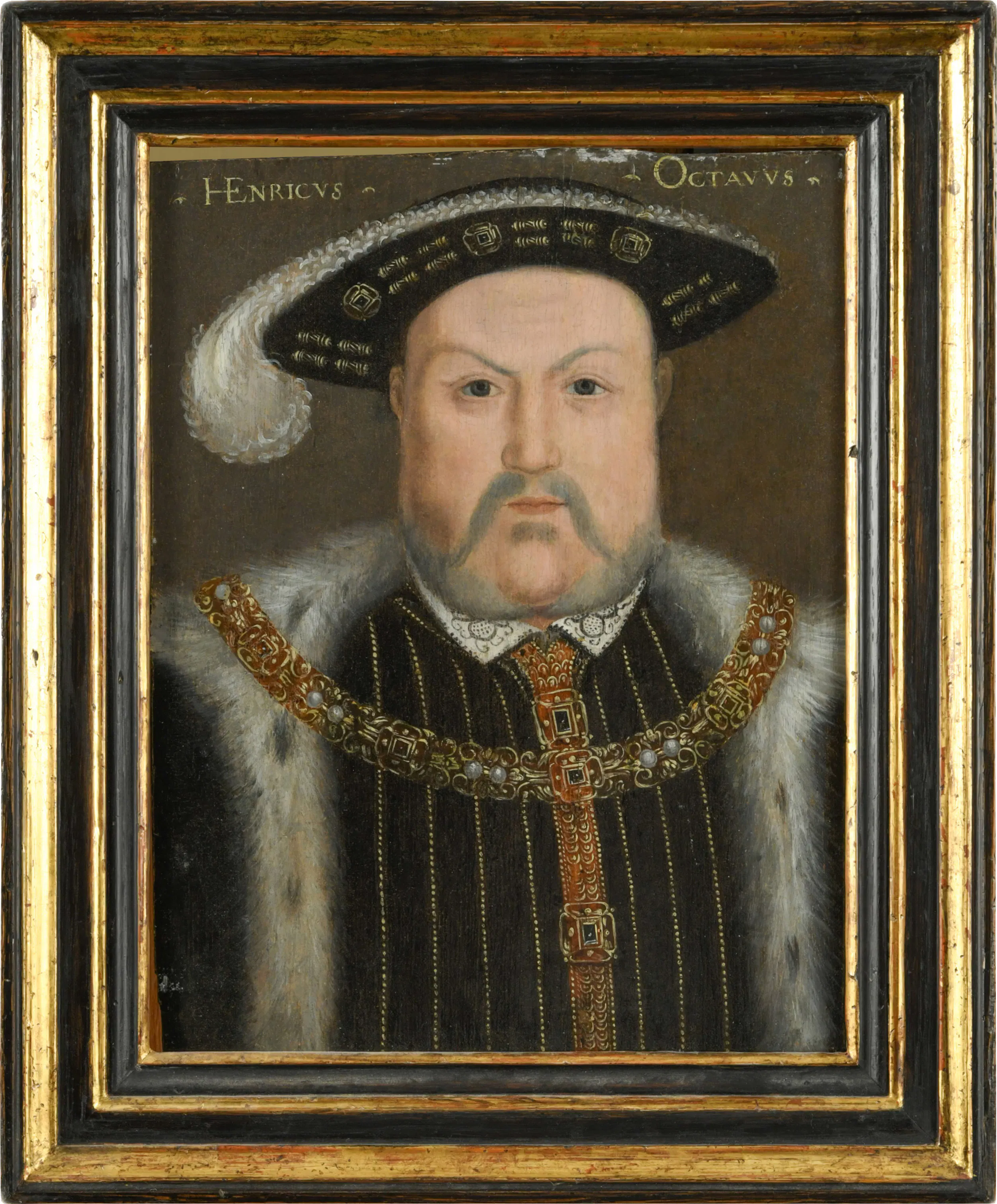
Another highlight in our portraits section is a sixteenth-century portrait of King Henry VIII. It is an iconic image of the King based on the famous prototype established by Hans Holbein and his studio. The posture, expression and costume of the sitter give him an air of authority and were designed to emphasise the strength of the Tudor dynasty.
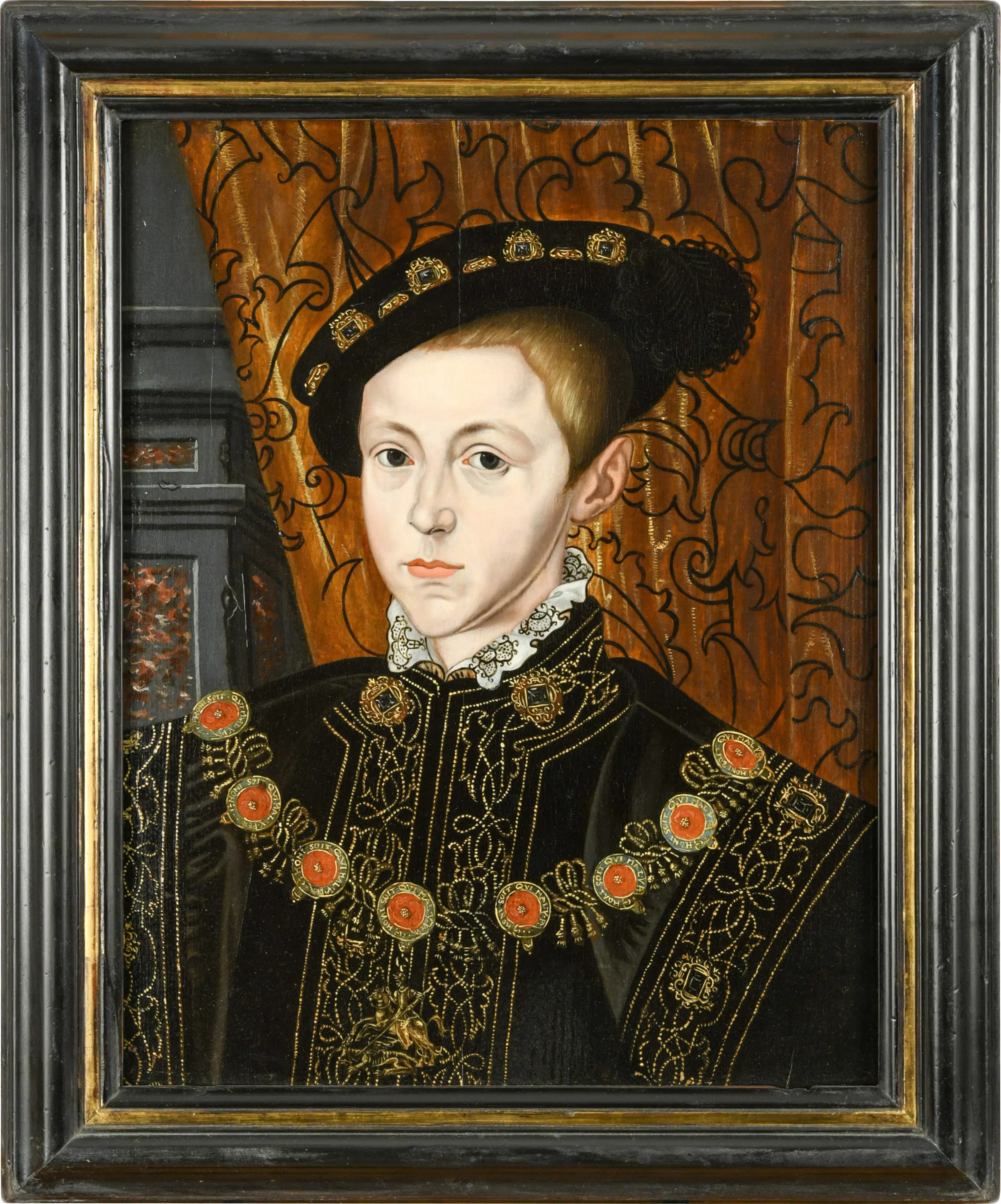
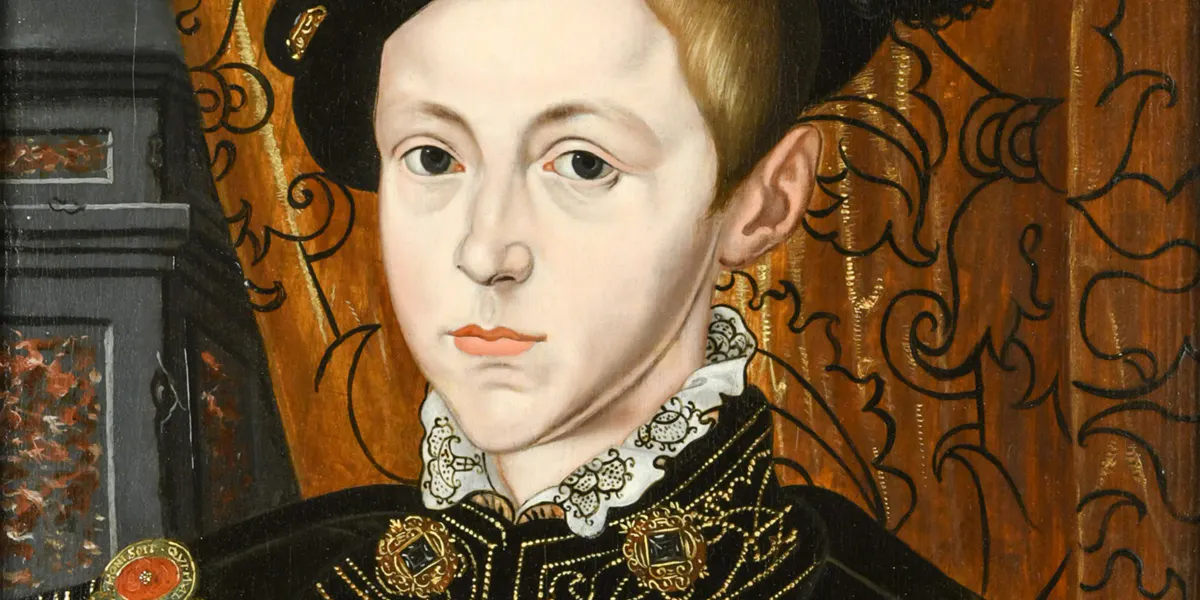
We also have an early portrait of Henry VIII’s son and successor – King Edward VI. This portrait is inspired by the official portrait of the King by the Flemish artist Guillim Scrots. The original version was most likely executed in 1550 during the marriage negotiations between Edward VI and the daughter of Henri II of France, Elisabeth of Valois. The sitter’s dress encrusted with gold braid, bejewelled hat, chain and the rich brocade in the background are depicted with great attention to detail and lend the portrait an air of exuberance.
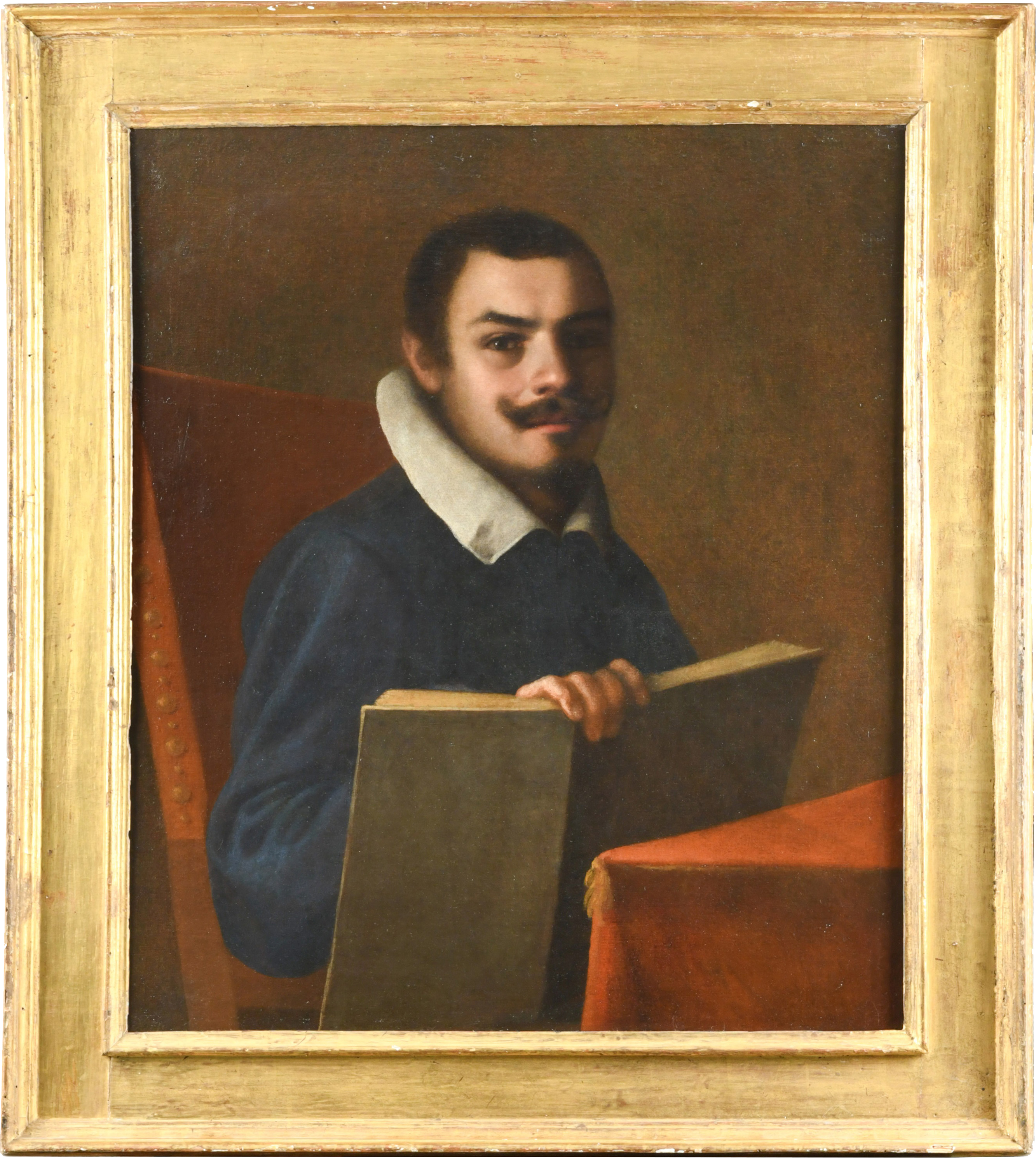
For both private collectors and interior designs alike, we have a captivating seventeenth-century Bolognese portrait of a gentleman from the Circle of Guercino. Ever since I first laid my eyes on this portrait, I thought there was something intriguing about the sitter. This is ,to some extent, achieved by the shadowing which partially obscures the right-hand side of the sitter’s face. The colours are strong and bold and make this portrait stand out.
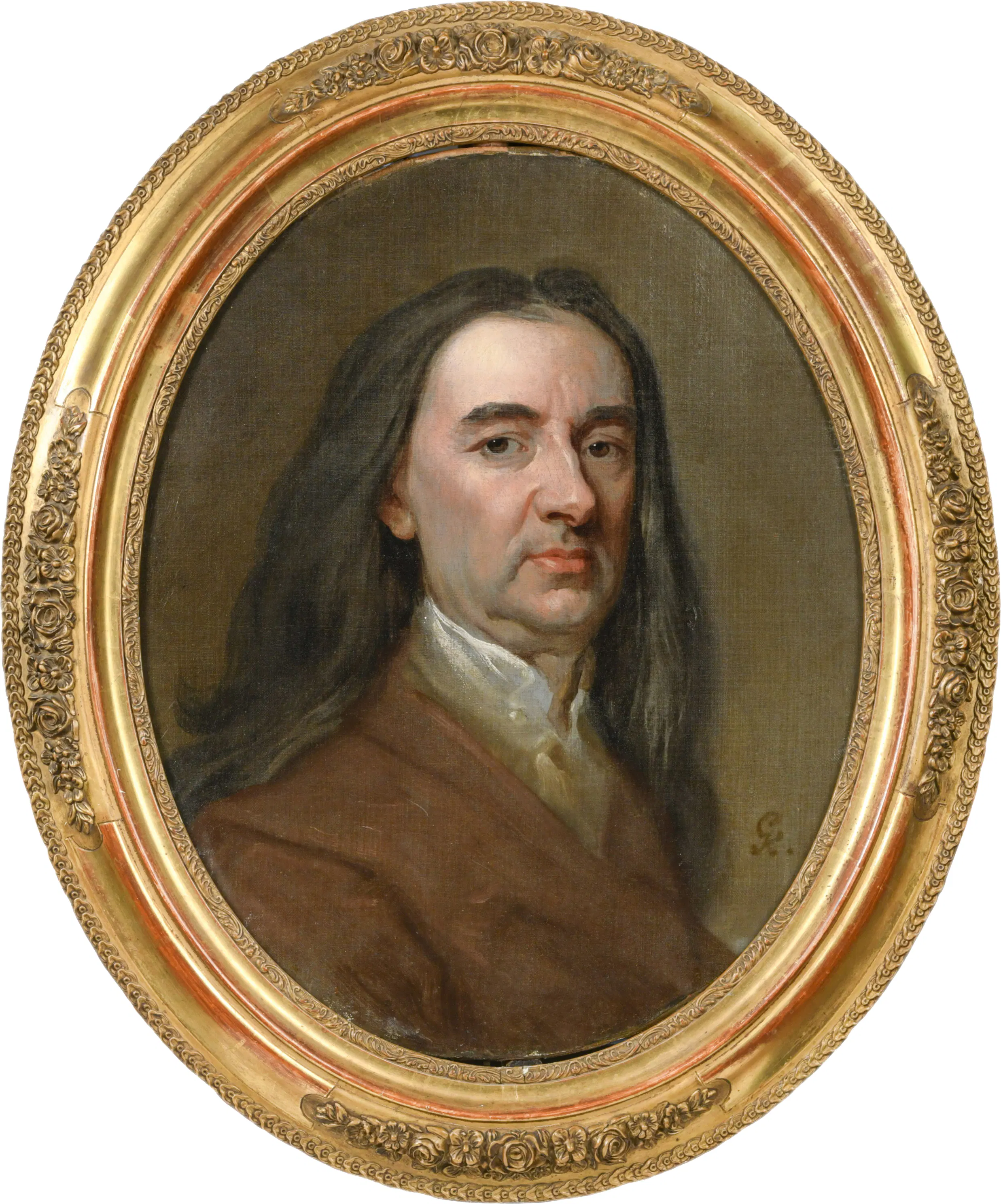
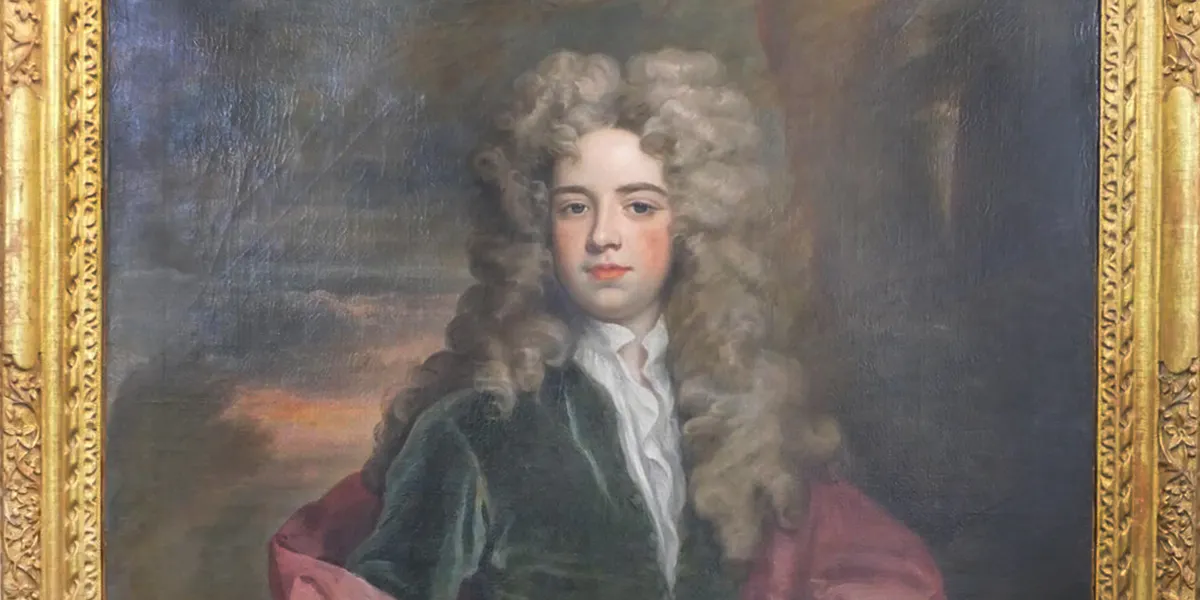
Another portrait in our sale of an interesting sitter is by Sir Godfrey Kneller. The gentleman has a powerful presence and was probably somebody known to the artist himself. Typically, in formal portraits of this period, sitters were portrayed wearing a wig, unlike in this portrait. The informal pose, natural hair and open neck shirt convey a sense of familiarity and suggest that the sitter was perhaps a fellow artist, author, academic or Kneller’s acquaintance.
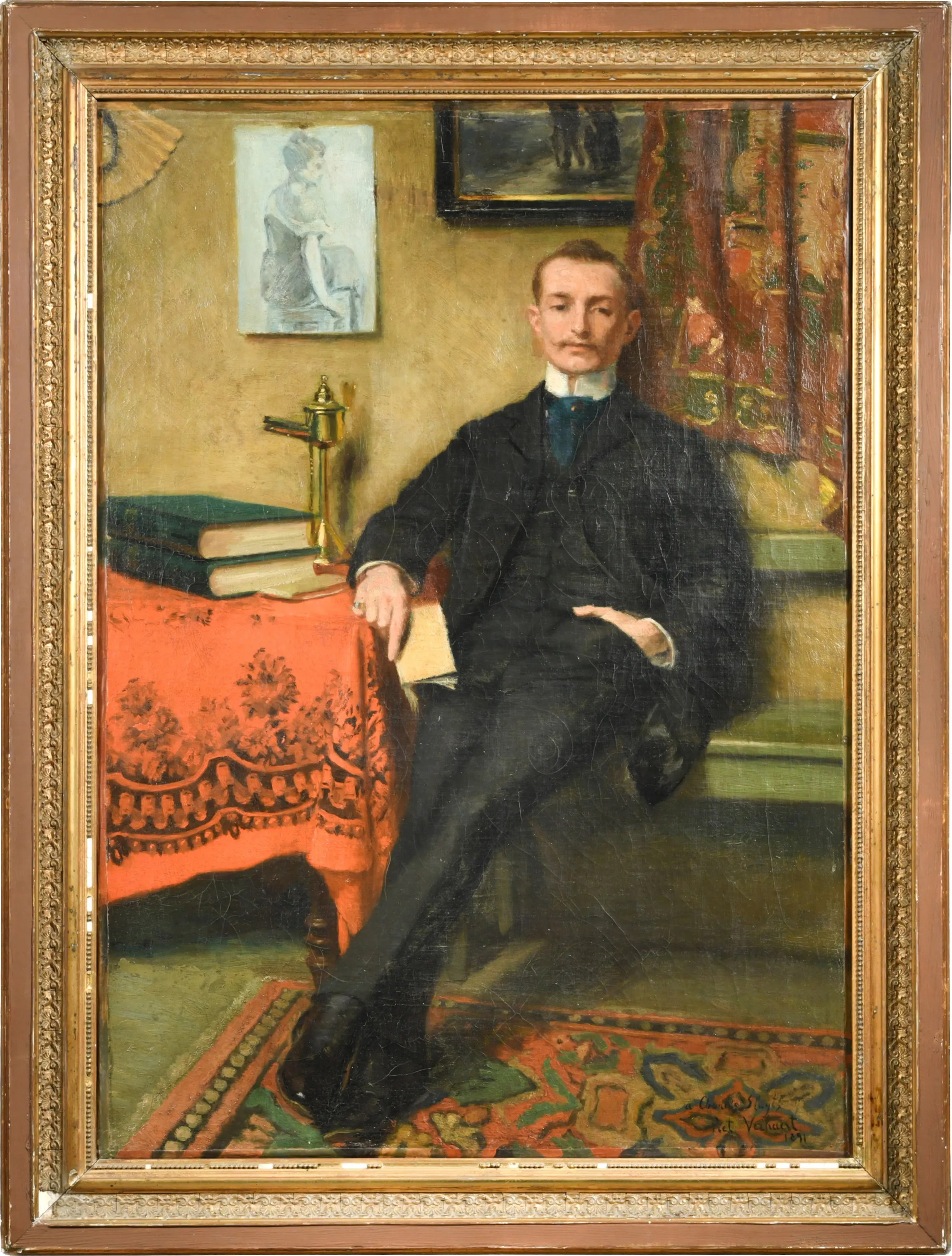
We also have a highly decorative and colourful portrait of a gentleman casually lounging in an interior by Piet Vahaat. Whilst the portrait has great visual appeal with its vibrant colours, it will not break the bank at £600-800 estimate. It is striking that such a competent portrait was executed by an artist whose name does not seem to have been recorded for posterity as we could not find him in any database or dictionary.
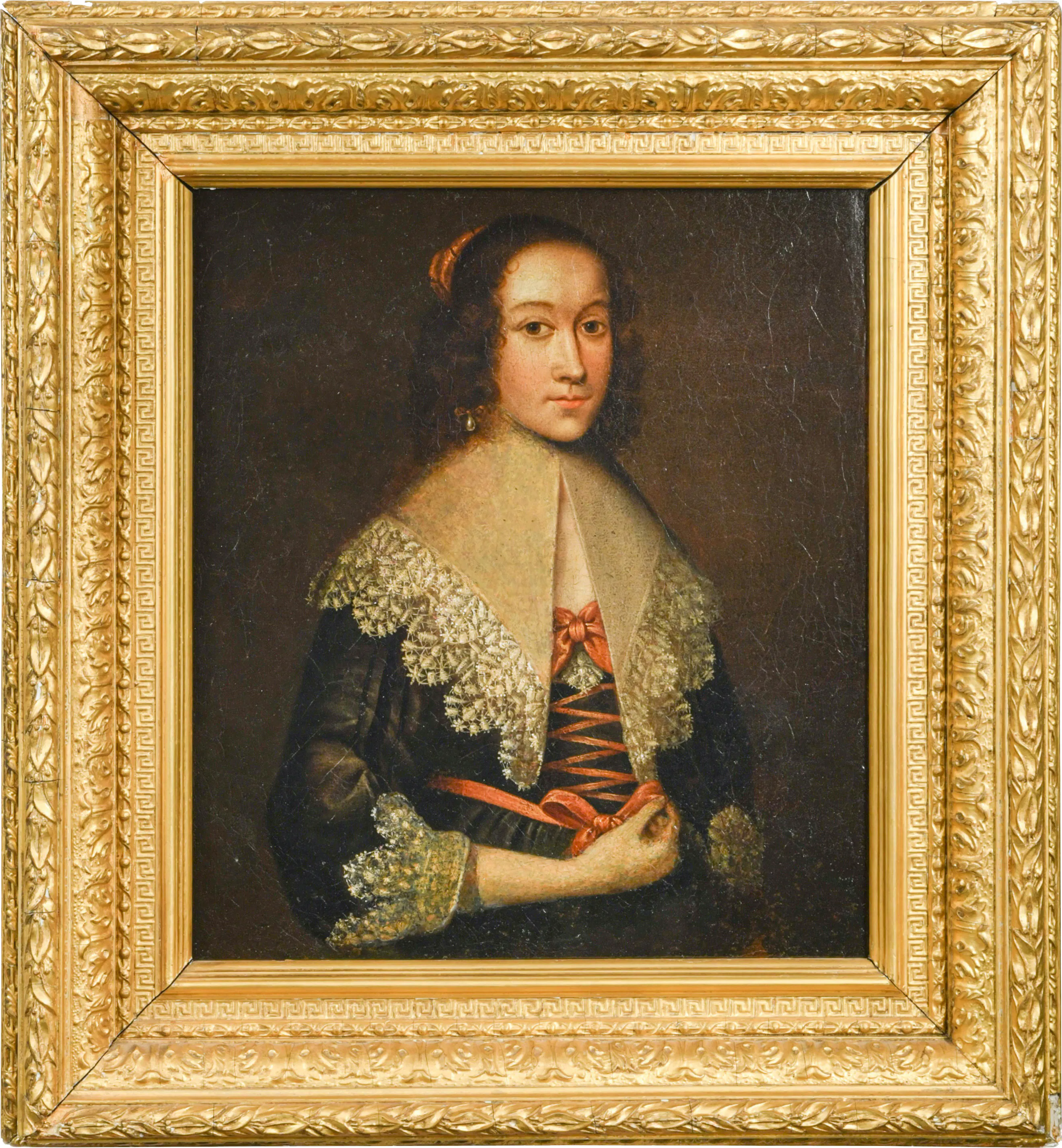
Last but not least, another gem in our sale is a seventeenth-century portrait of a lady by an unknown Dutch provincial hand. The intricate lace of her dress is beautifully observed by the artist. I love the intimate feel of this portrait which on its small scale can fit into and adorn any interior.