
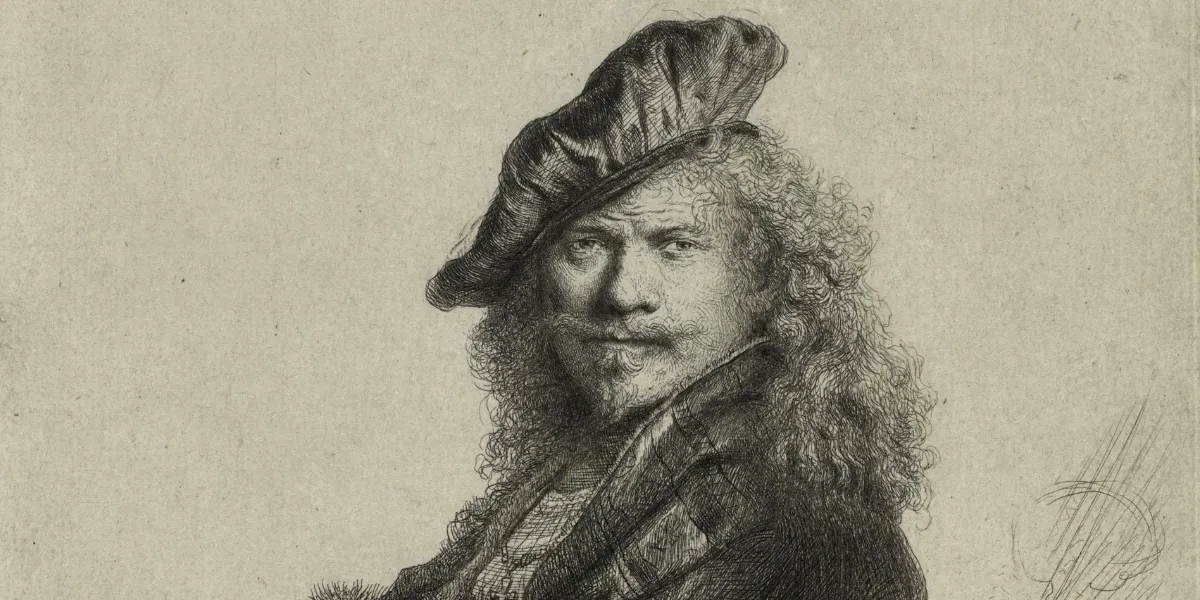
When you think of Rembrandt Harmenszoon van Rijn, the first thing that comes to mind is probably his well-known paintings, such as The Night Watch (1642) and The Anatomy Lesson of Dr. Tulp (1632), or one of his self-portraits, which illustrate his perfect mastery of light.
See also: 6 Iconic Dutch Paintings
Around 350 paintings by Rembrandt are known today and can be attributed to him. They cover a wide range of subjects, including historical paintings with mythological and Christian religious motifs, landscapes and portraits. His graphic work was no less varied, with around 300 etchings and 1,000 drawings.
See also: Rembrandt: Painter of the Soul
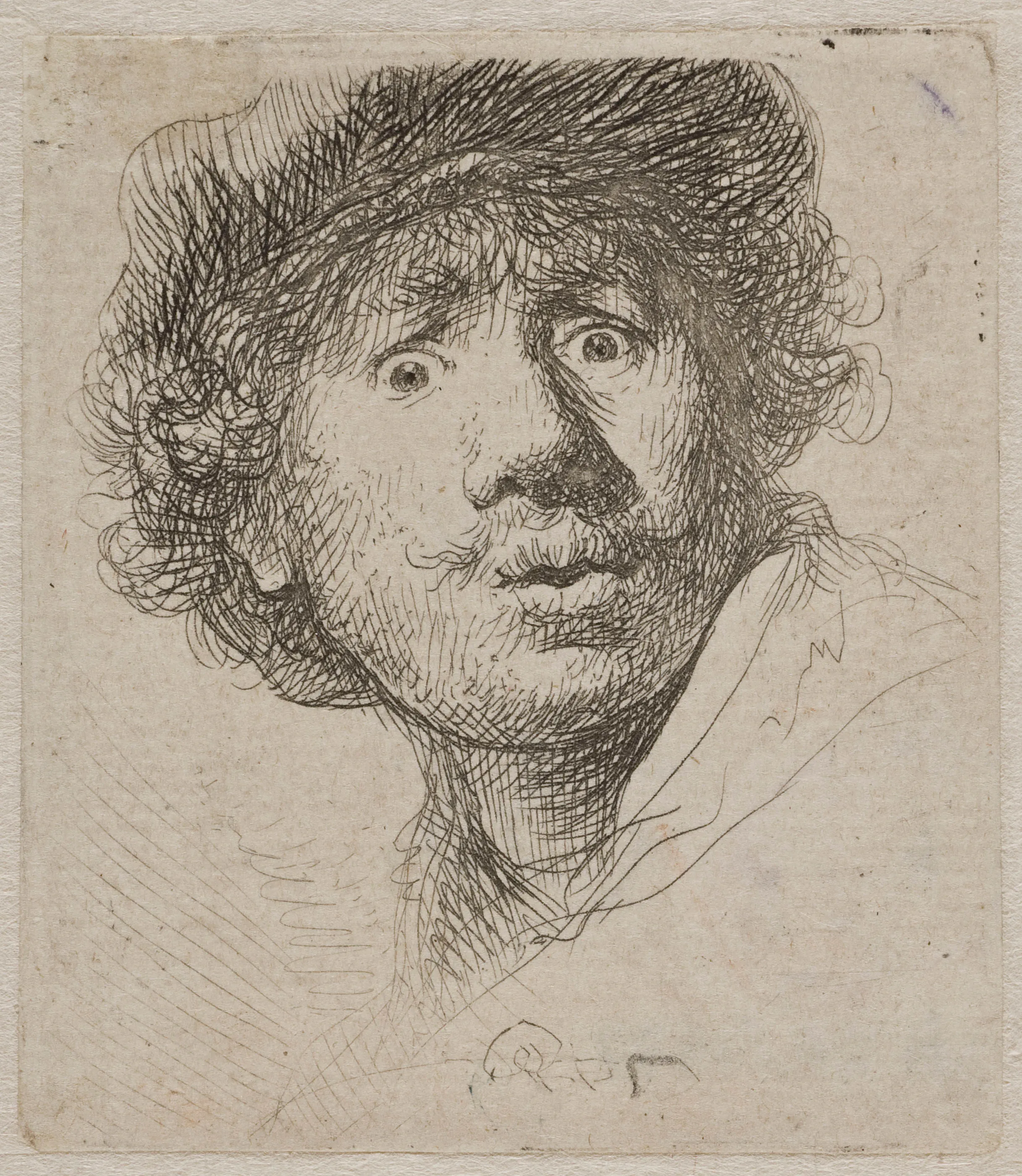
Rembrandt's drawings mainly contained studies or preliminary drawings and were available to students in his Amsterdam workshop at any time for teaching purposes. It was the same with copper plates for his etchings, which, through repeated reproduction by his students and colleagues, helped ensure that Rembrandt was known and appreciated throughout Europe during his lifetime. Of Rembrandt's 300 known etchings, around 80 copper plates still survive today.

While Rembrandt initially only used etching as a means of reproducing his painted works, making them accessible to less well-off customers, over the years he developed them into an independent part of his oeuvre.
See also: Rembrandt's 'The Night Watch' Reveals a Secret
At the end of the 1650s, Rembrandt had to protect the plates he had created to date from seizure because he was bankrupt. So the copper plates, the sale of which would have meant an irreparable loss for Rembrandt's workshop, would not also be seized, he hid them with friends.
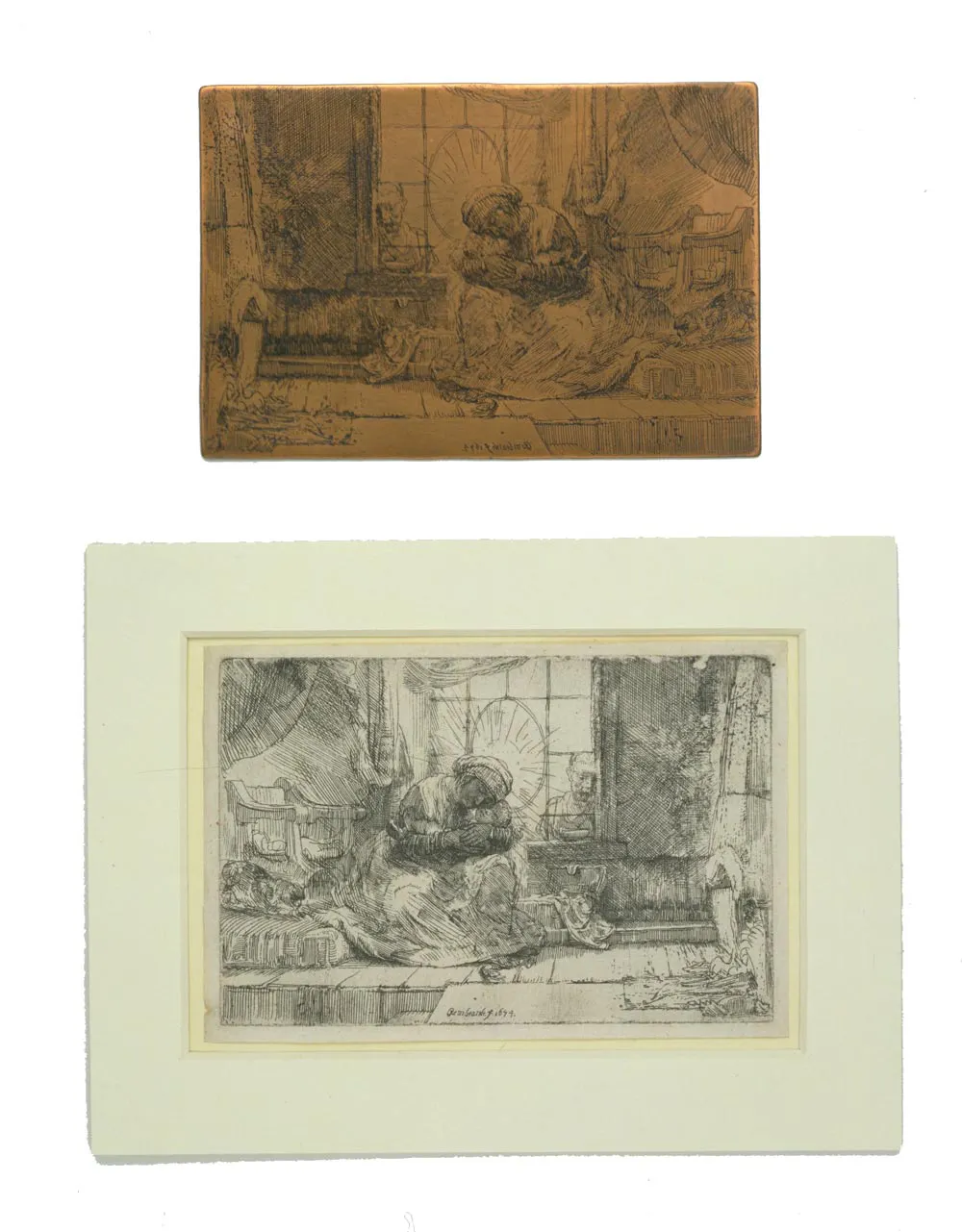
After Rembrandt's death in 1669, the majority of the copper plates were in the possession of the engraver and art dealer Clement de Jonghe, who also carried out the first inventory of them. Between 1679 and 1767, Pieter de Haan acquired the plates in Amsterdam, then some of them came to France, where the Rembrandt admirer Claude Henri Watelet added them to his existing collection. The plates continued to be used to reproduce Rembrandt's etchings.
See also: Rediscovered Rembrandt Sells for £10 Million
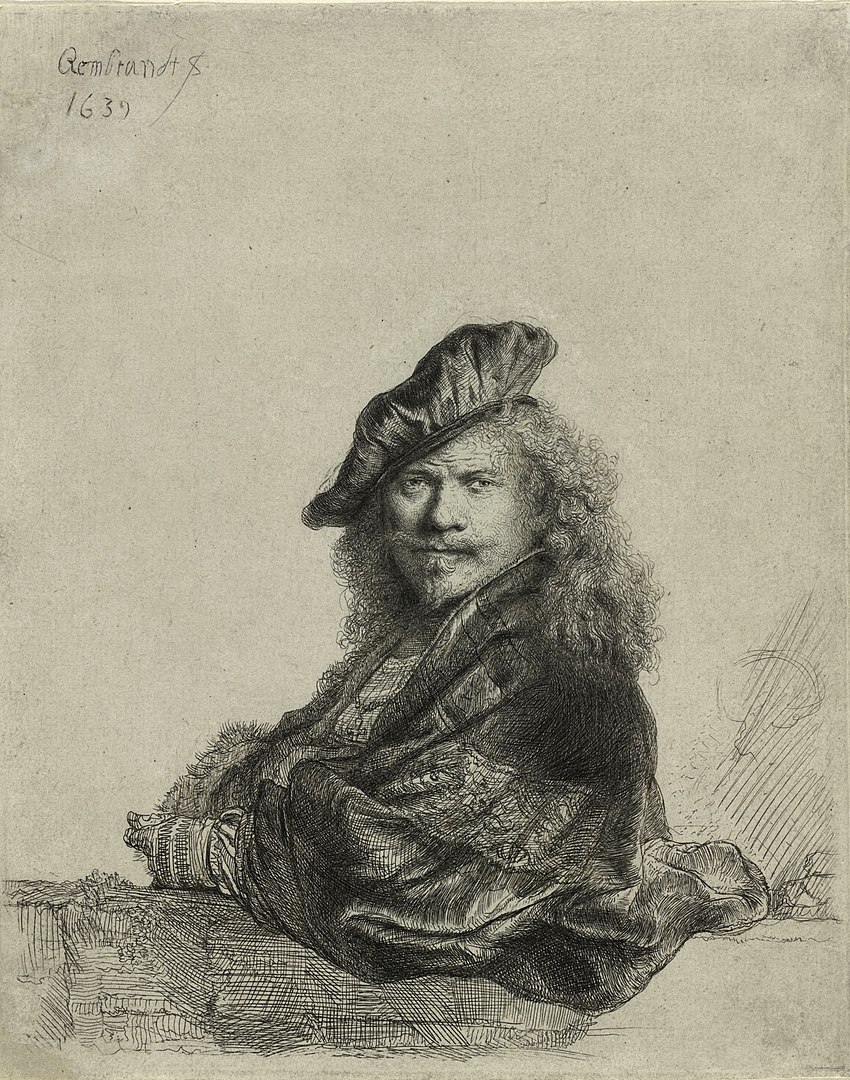
Throughout the 19th century, the approximately 80 known copper plates remained in the possession of various collectors in France, some of whom also had editions of Rembrandt's works made. At the end of the 1930s they were finally sold to an American and ended up in the United States. There, the collection was finally dissolved and sold to museums and art dealers all over the world in 1993.

Rembrandt's etchings testify to the artist's extraordinary talent. As with the paintings, Rembrandt's skill in the play between light and shadow becomes clear in the graphics. Rembrandt created his own style, which became increasingly realistic over time and differed significantly from that of his contemporaries. This suggests that Rembrandt approached etching in a self-taught manner.
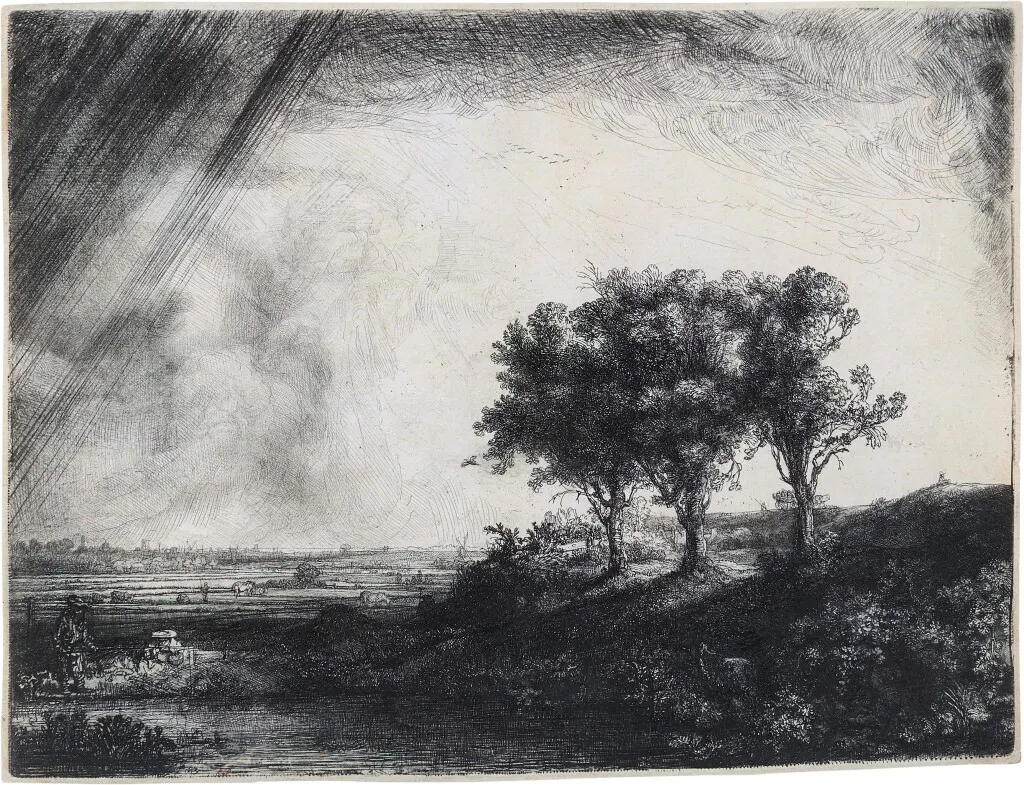
Today at auction, Rembrandt's etchings can fetch well into the six-figure range. On 8 December 2023, a new record was set for a Rembrandt etching when The Three Trees from 1643 sold for £441,000 at Sotheby's London.