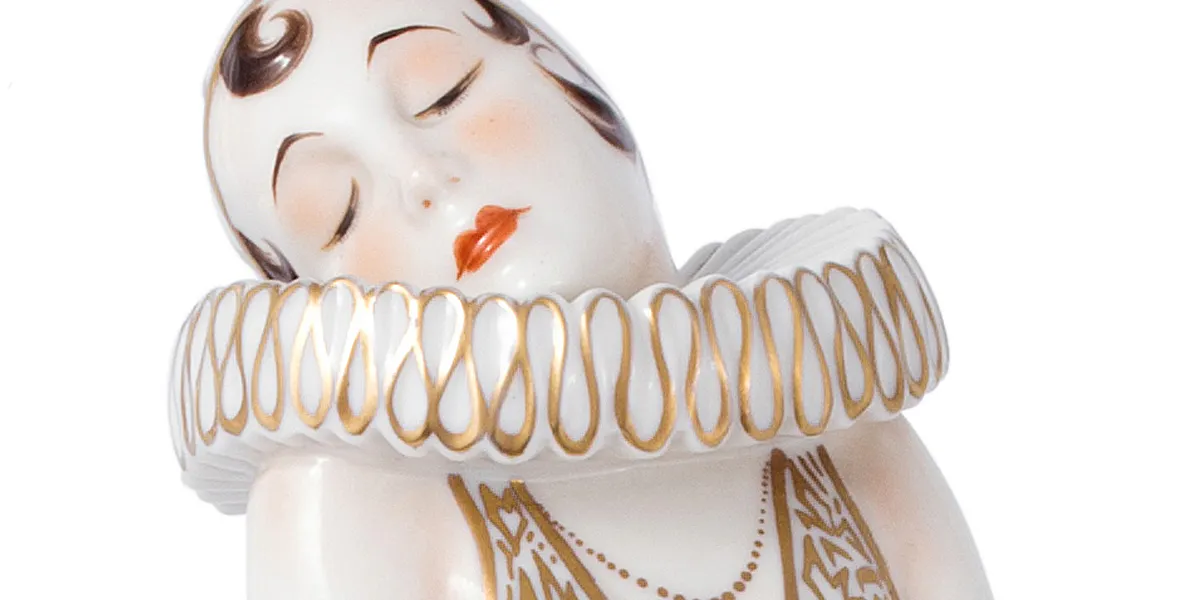
The workshops of Schwarzburg, located in the German state of Thuringia, had already been manufacturing utilitarian porcelain tableware for 27 years when, in 1909, they decided to fund an artistic department. Its management was entrusted to Max Adolf Pfeiffer (1870-1957,) before he joined the Meissen factory as commercial director (the ‘Pfeiffer period’).
See also: Collecting Like a King: Meissen Porcelain 101
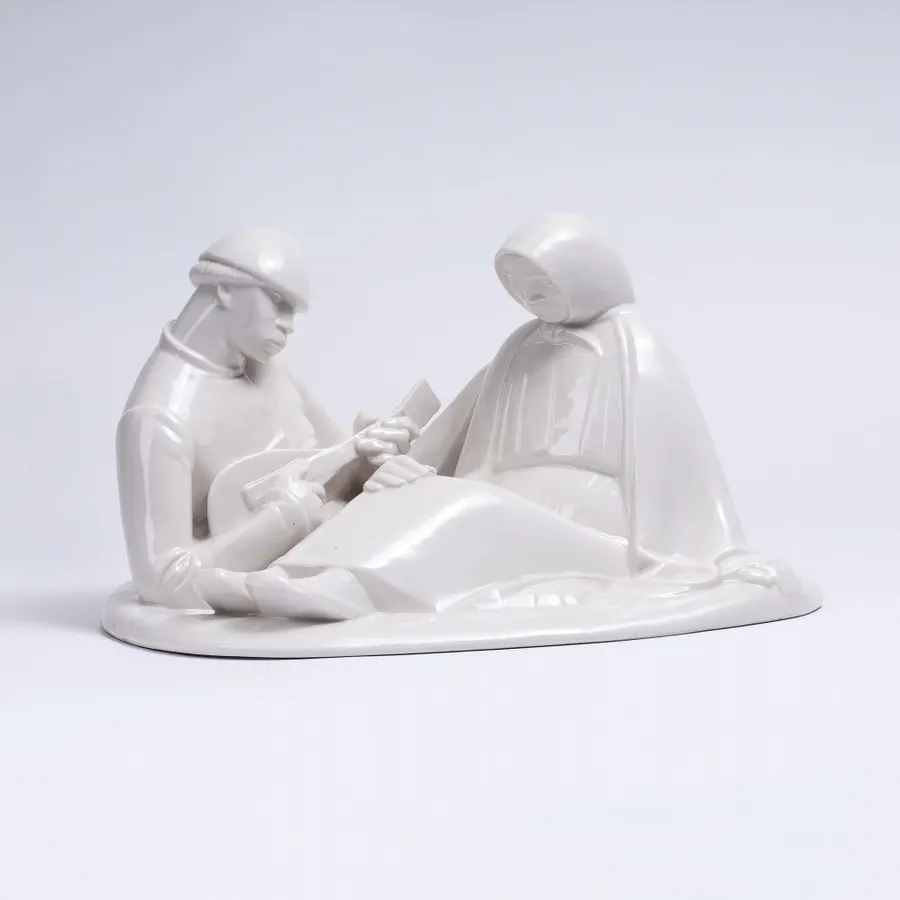
The products of the Schwarzburg studios had to meet the highest demands, and Pfeiffer called on the best sculptors of the time to design the figurines: Ernst Barlach, Arthur Storch, Paul Scheurich and Gerhard Marcks, among others, were part of the adventure.
See also: The History of Rörstrand in 10 Key Dates
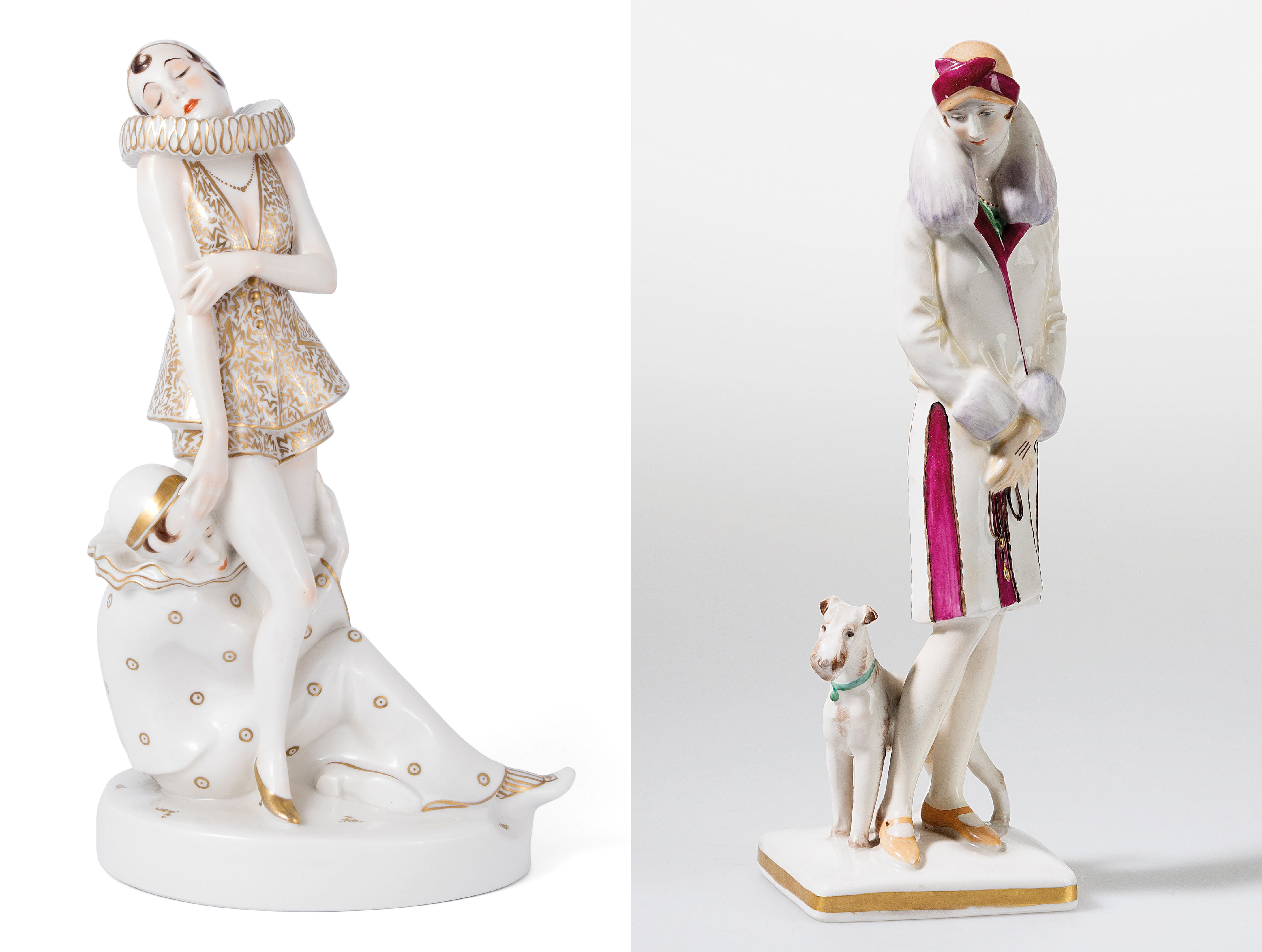
The presence of many female artists in the creative department was also striking, including Odessa-born Dorothea Charol, who had devoted herself to the formal language of Art Deco, and Claire Volkhart, who worked for the Schwarzburg studios from 1913 to 1929, known for often designing figures of dancers.
See also: Rosenthal: Art at the Table
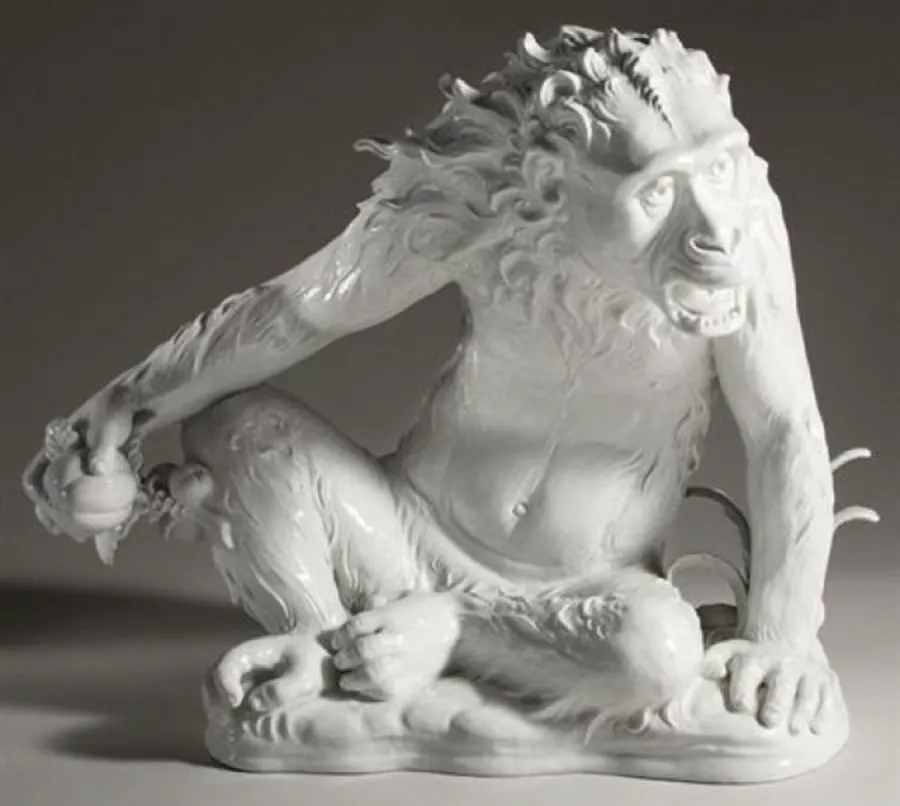
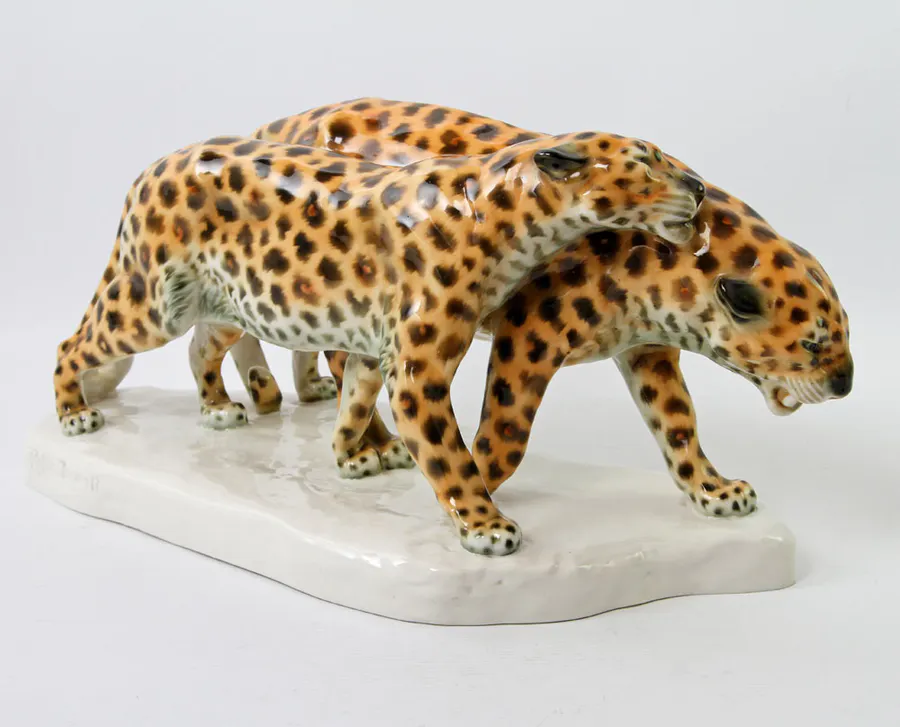
With the arrival of Etha Richter (1883-1977), the manufactory stood out as the employer of Germany's first female animal sculptor. Richter had picked up anatomical knowledge of animals at the Veterinary School in Dresden (of which she was the first female auditor) and later attempted to enter the Academy of Fine Arts in Dresden to pursue studies in sculpture. The refusal of the Academy, simply because Richter was a woman, was a blessing in disguise for the Schwarzburg studios.
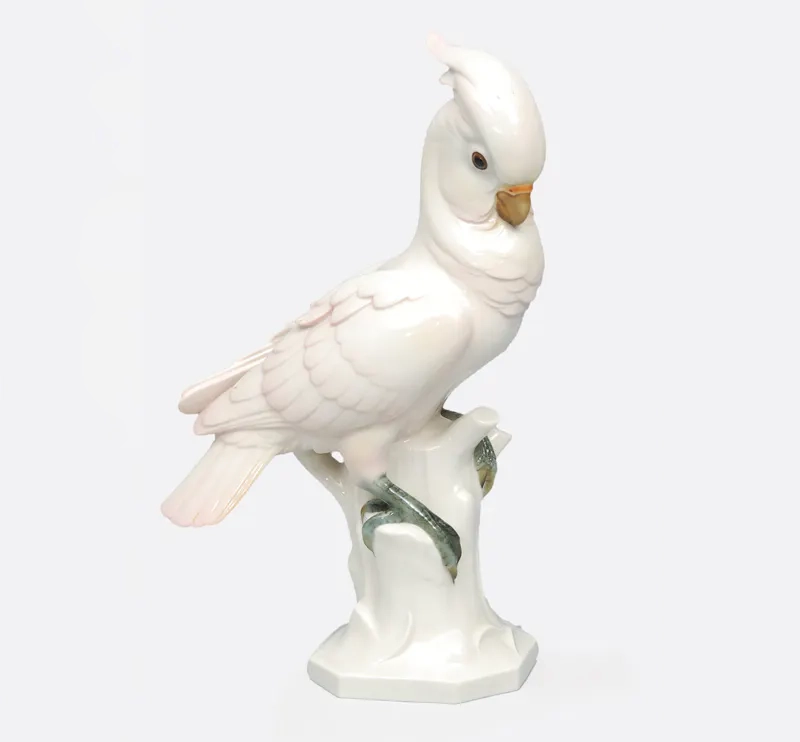
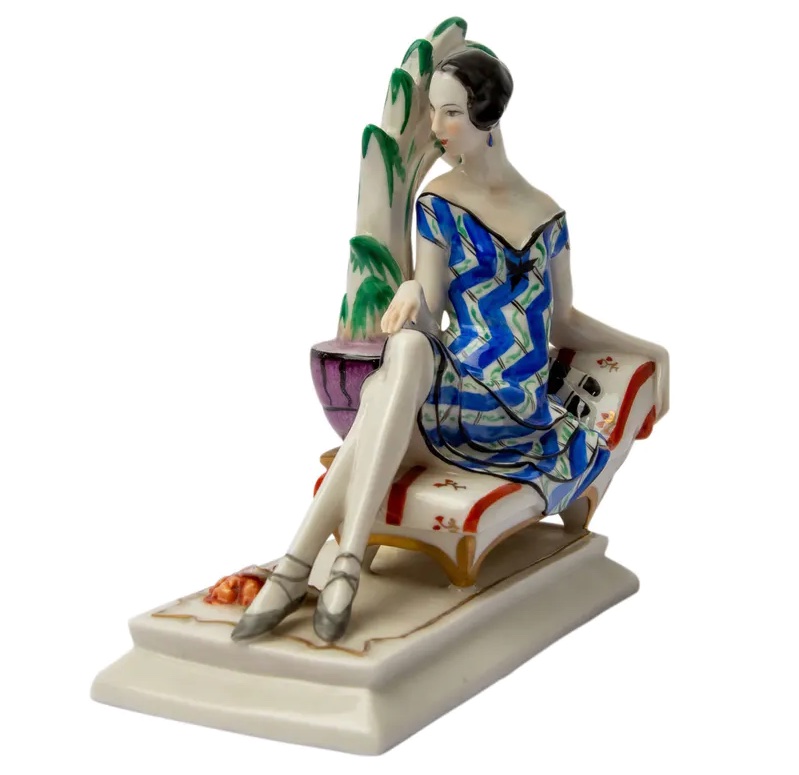
Thanks to the diversity of artists and sculptors employed, the work of the factory is very diverse and reflects the different artistic currents of the first half of the 20th century, such as Art Nouveau and Art Deco, but also Abstractionism, Expressionism and the New Objectivity movements.
See also: Bernard Palissy’s Ceramics: Nature on the Plate
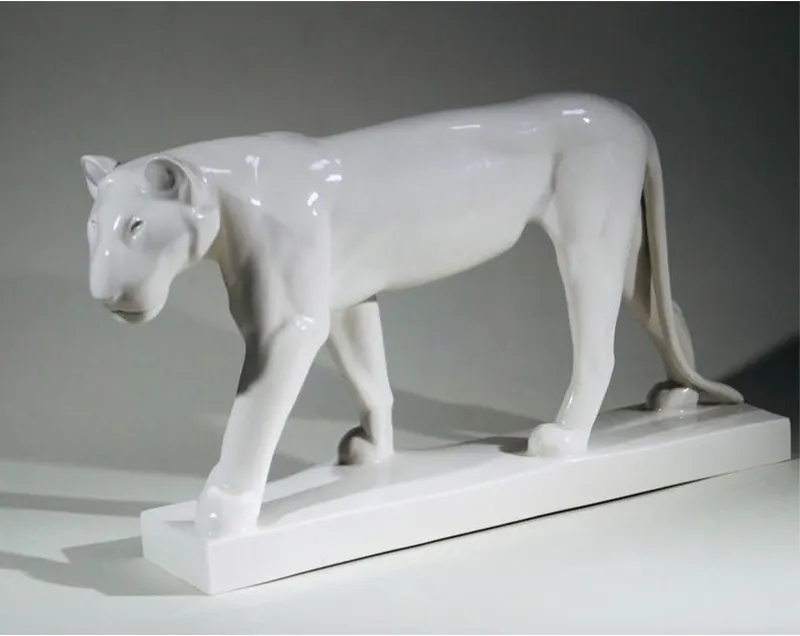
When we compare, for example, the two figures of felines designed by Etha Richter and Gerhard Marcks, we notice the stylistic differences between the artists, which testify to the great creative freedom left to artists at the Schwarzburg studios. While Richter's leopard couple stems from a naturalistic conception, Gerhard Marcks' lioness features very modern stylised lines.
Do you want to know how much your porcelain is worth? Get an online estimate on ValueMyStuff
Although the products of the Schwarzburg workshops quickly became famous, particularly thanks to their participation in the Brussels World's Fair in 1910, the company went bankrupt in 1930. In 1940, it was taken over by the porcelain entrepreneur Heinz Schaubach, who operated it until it was expropriated by the GDR in 1953.
Want more articles like this straight to your inbox? Subscribe to our free newsletter
The catalogue of works from the Schwarzburg studios includes 1900 models. Many of them are now taken over by the porcelain factory Aeltesten Volkstedter, also located in Thuringia. With them in the picture, the demand for quality is paramount. The production of a figurine can therefore take up to three months.
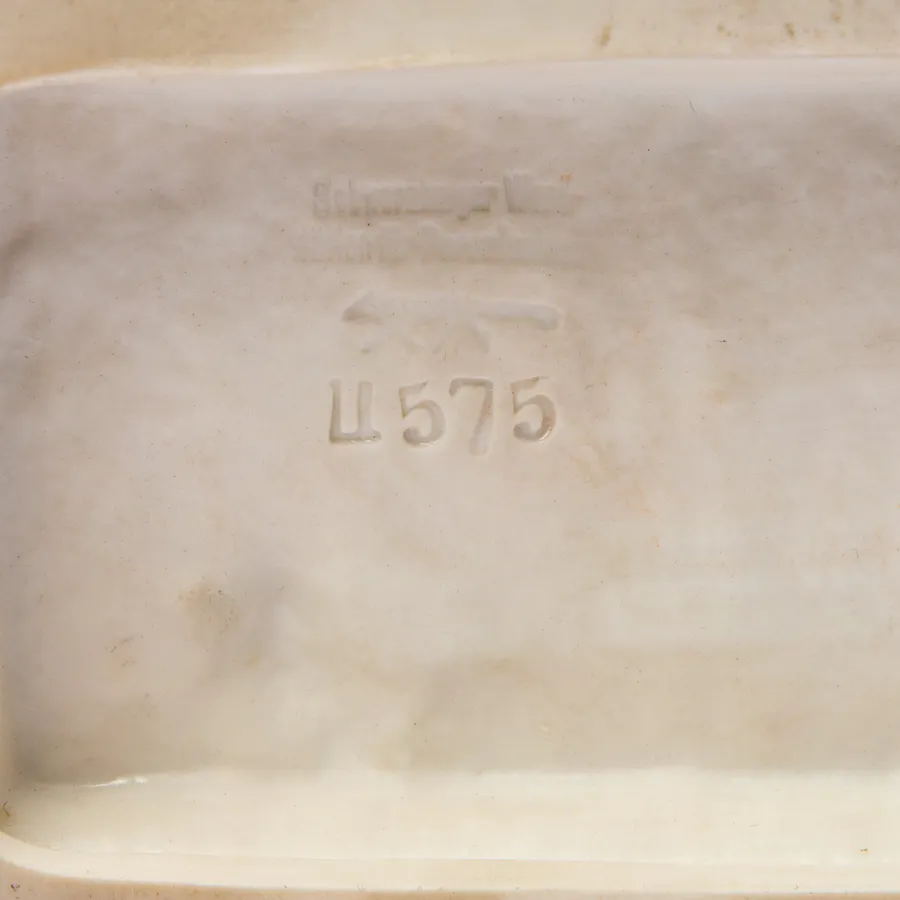
For the logo, the Schwarzburg workshops cjpse a fearful and cunning forest animal: a walking fox, which can be seen under the figurines.