Rosenthal's adventure began in Selb, a small German town located a few miles from the Czech border. It was there, in 1879, that Philippe Rosenthal, returning from a stay in the United States, laid the first stone of his small family business, designing painted porcelain. He took up residence at Erkersreuth Castle and made his first editions using kaolins (white clay), which came from mines located not far from Meissen, in German Bavaria.
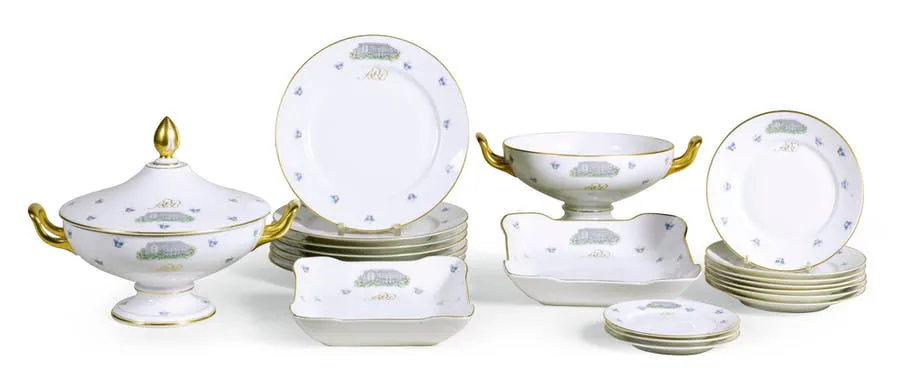
At the time, the firing process was quite innovative, at least in Northern Europe, where kaolin, already used in tableware, finally began to compete with real oriental porcelain, the first traces of which date back to the T'ang dynasty in 9th century BC.
See also: 5 Things You Didn't Know About Ceramics
In 1886, the young German entrepreneur tasted his first commercial success with the marketing of a porcelain ashtray intended for cigar aficionados.
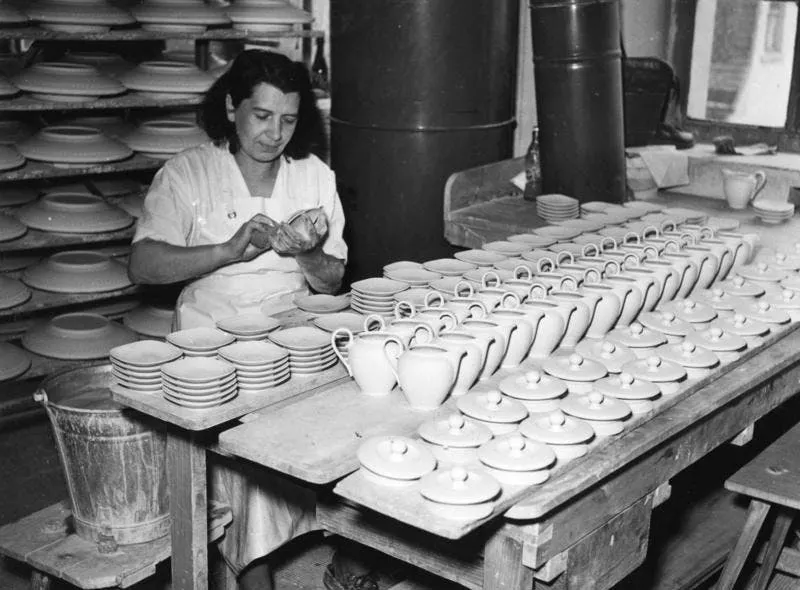
A few years later, his company moved to a second production site (in Kronach, in Upper Franconia) and began to manufacture its own porcelain, a way of gaining autonomy.
See also: Lucie Rie: Art of the Tea Ceremony
At the start of the 20th century, the company changed its name to Porzellanfabrik Ph. Rosenthal & Co and absorbed Thomas, a competing factory, in Marktredwitz. The company had nearly 1,200 employees, who benefited from paid holidays before this was a legal requirement, a visionary idea thought up by Rosenthal at the time. Moreover, to make life easier for his teams on a daily basis, he had the idea of building affordable housing, rented at low prices, and even began to finance the creation of nurseries and gardens near the factories.
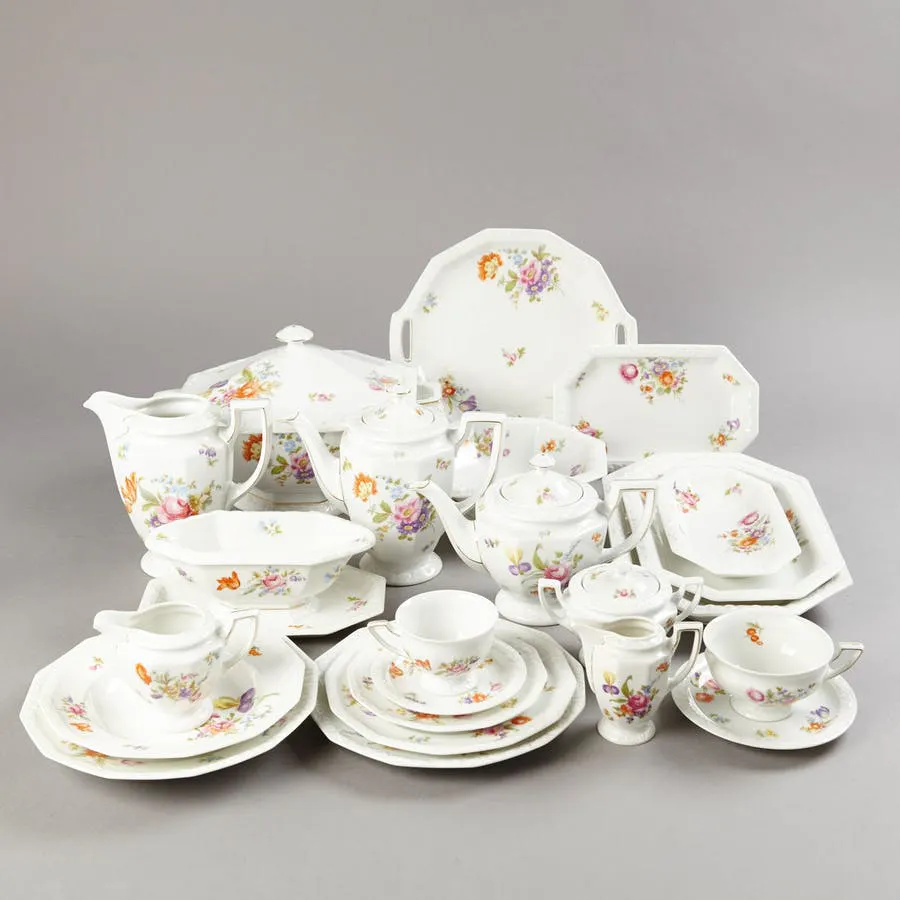
In 1910, the company entered a new era, when it was granted the (royal) privilege of making artistic porcelain figurines. Riding the wave of success, in 1916 Rosenthal launched his famous service called Maria, named after his wife. Between classic and romantic stylistic references, this service of more than 170 pieces enchanted the world, selling several million copies and later becoming "one of the best-selling tableware models of all time".
See also: The Surrealist Ceramics of Wifredo Lam
In the 1930s, the Third Reich didn't slow down the expansion of Rosenthal. However, because of his Jewish origin, Philipp Rosenthal was forced to leave his role as head of the company in 1934. After the war, his son, who bore the same first name, joined the family business and went to play a decisive role in the commercial development and the evolution of design at Rosenthal.
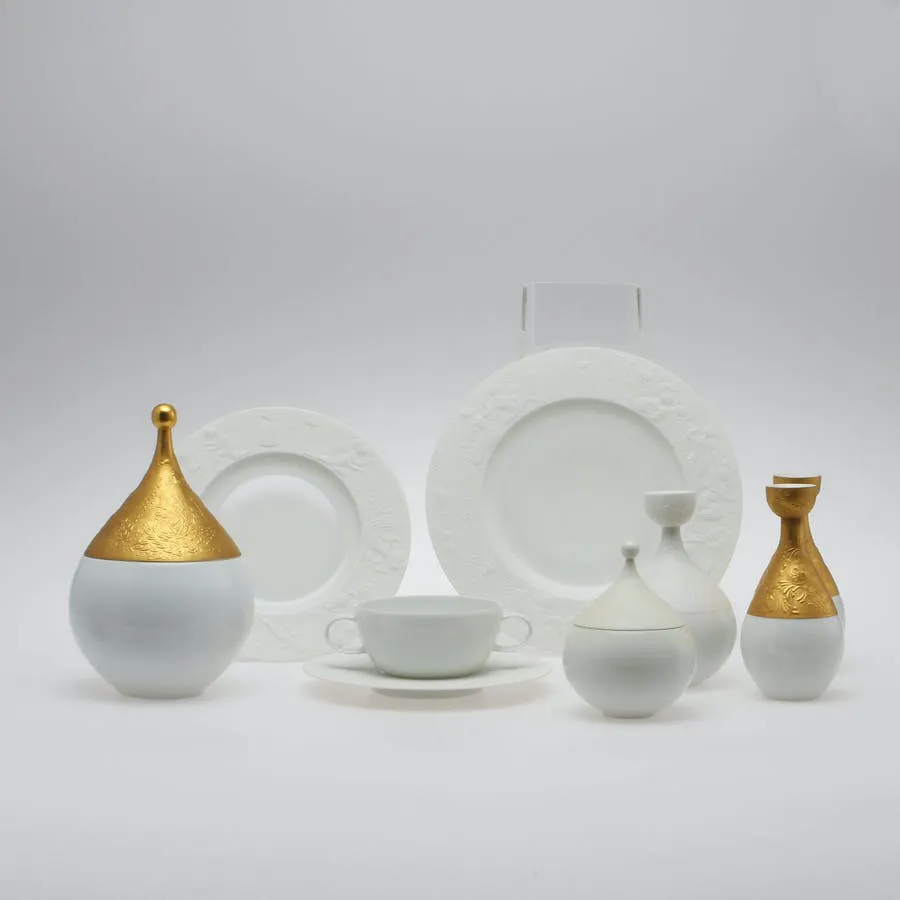
After acquiring the Erkersreuth Castle in 1953 and orchestrating its renovation, with the help of renowned artists such as Günter Ferdinand Ris and Victor Vasarely, Rosenthal opened its first studio there in 1961 to highlight its collections.
See also: Picasso's Hidden Talent
At that time, the company collaborated with renowned designers (such as Raymond Loewy and Tapio Wirkkala), which, without jeopardising the functional character of the dishes, moved the brand into the modern era, mirroring decorative trends and tastes. Today, one of the most famous collections remains the one conducted with Andy Warhol, which still represents 4% of the company's annual turnover.
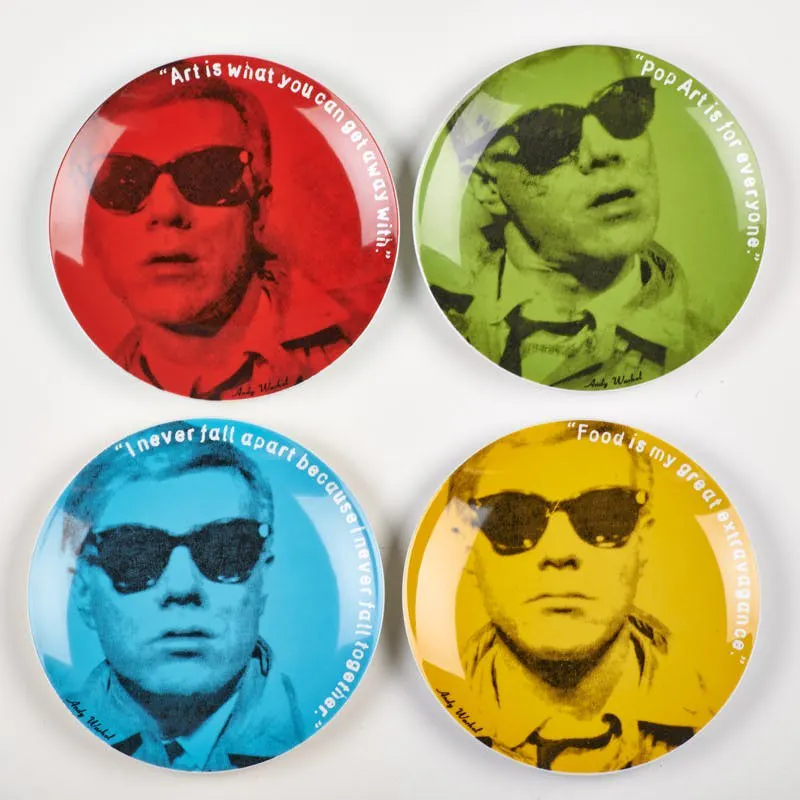
In the 1970s, the brand launched a collection of furniture and interior items, which brought about much success. However, by the the mid-1980s, when the company had just passed the milestone of 100 years of existence, the porcelain sector was hit hard by a deep economic crisis. To survive, the company was forced to reduce sales and modernise production tools as much as possible. Thus, €30 million were invested between 1990 and 2000, the price to pay to remain among the most competitive on the market.
See also: Staffordshire Pottery: Britain's Ceramic Centre
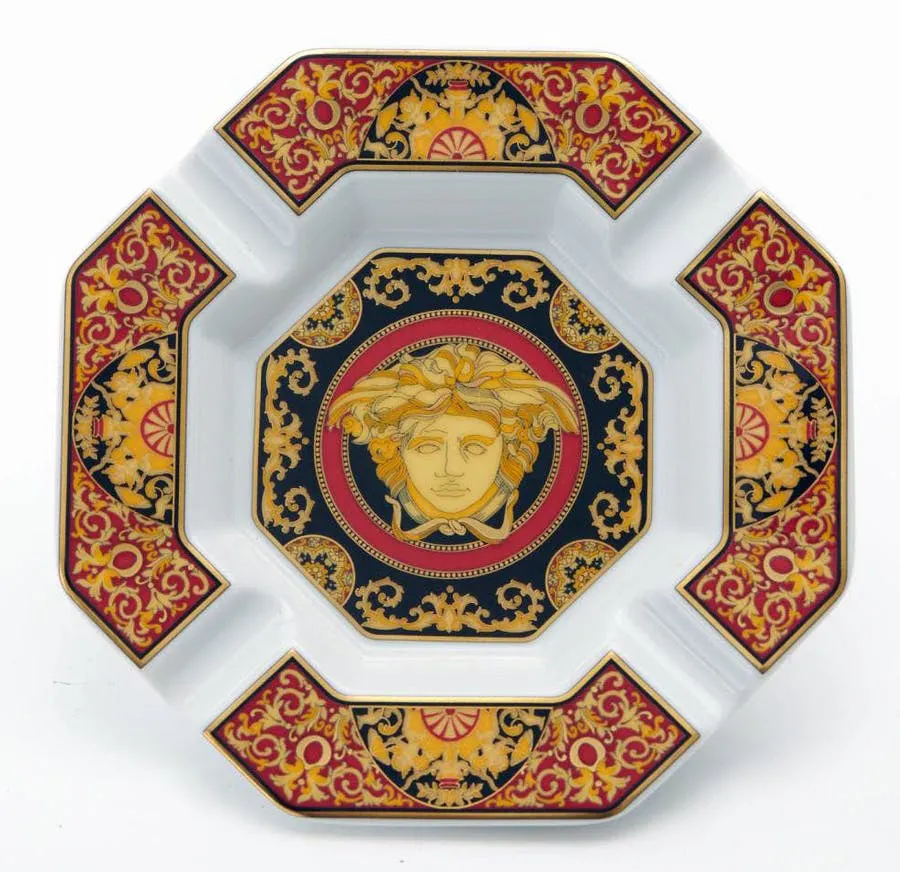
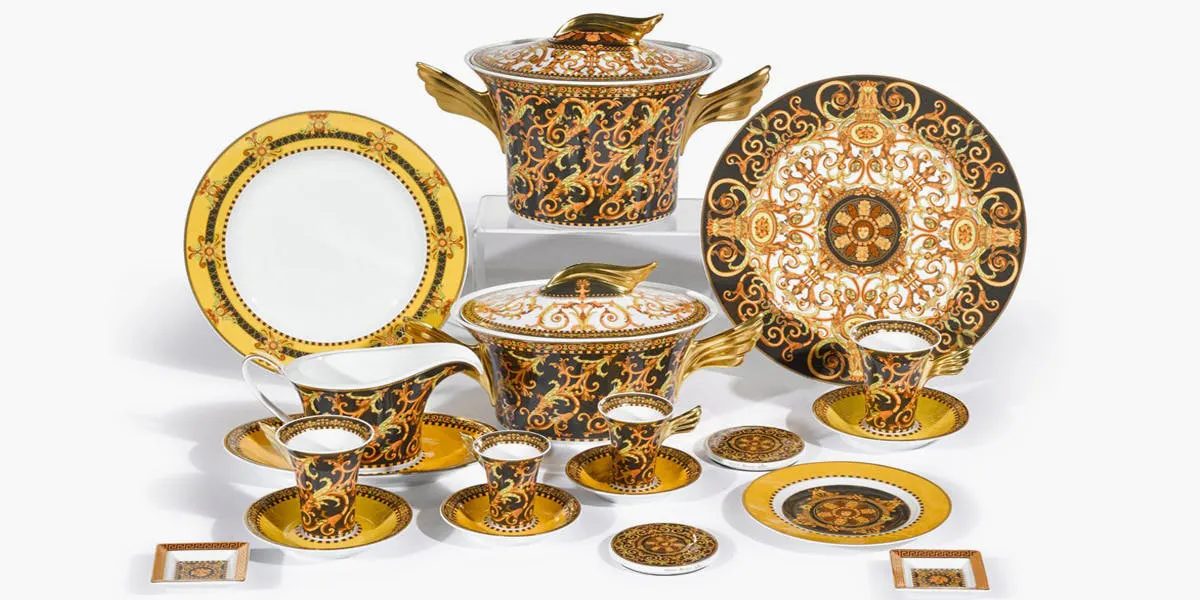
Since 2009, the company has been a member of the Arcturus group, the market leader in the production of designer and luxury items for the table and kitchen. It bought the German brand Arzberg in 2013, has its own museum (renovated in 2016) and is continuing its journey of innovation, notably signing exclusive partnerships, including one with Versace, the iconic Italian fashion brand, to design refined and flamboyant tableware collections that are artistic works in their own right.