Rossini's Modern and Contemporary sale on 26 June in Paris features over 220 lots of paintings, prints, watercolours, sculptures and more. Here are some of the highlights.
Wassily Kandinsky only began his painting career at the age of 30, when he moved to Munich to enter the Beaux-Arts. His talent allowed him to progress quickly, and he introduced a theoretical dimension to his practice and the field of painting in general.
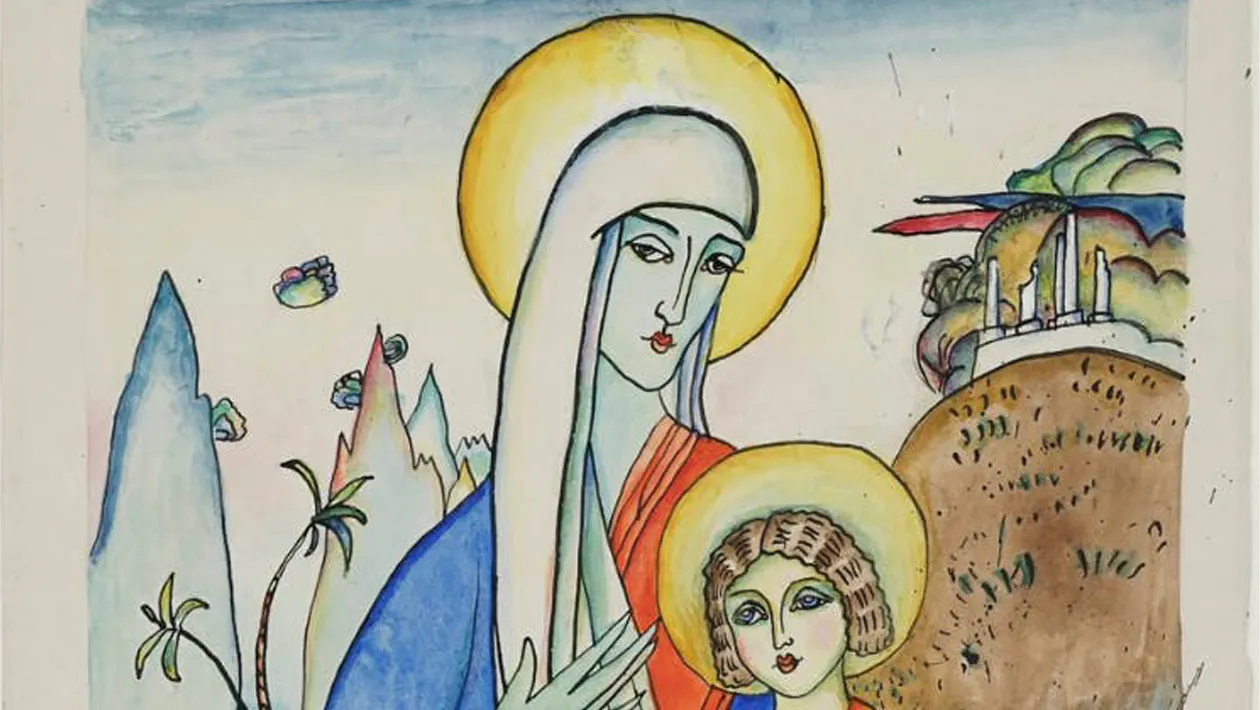
After dedicating himself to abstraction in the early 1910s, Kandinsky returned to Russia and devoted his energy to the development of the country's cultural policy, which was recovering from the 1917 revolution. His work transitioned to a version of primitive and folkloric arts and integrated the painting of icons with modernism and a touch of abstraction.
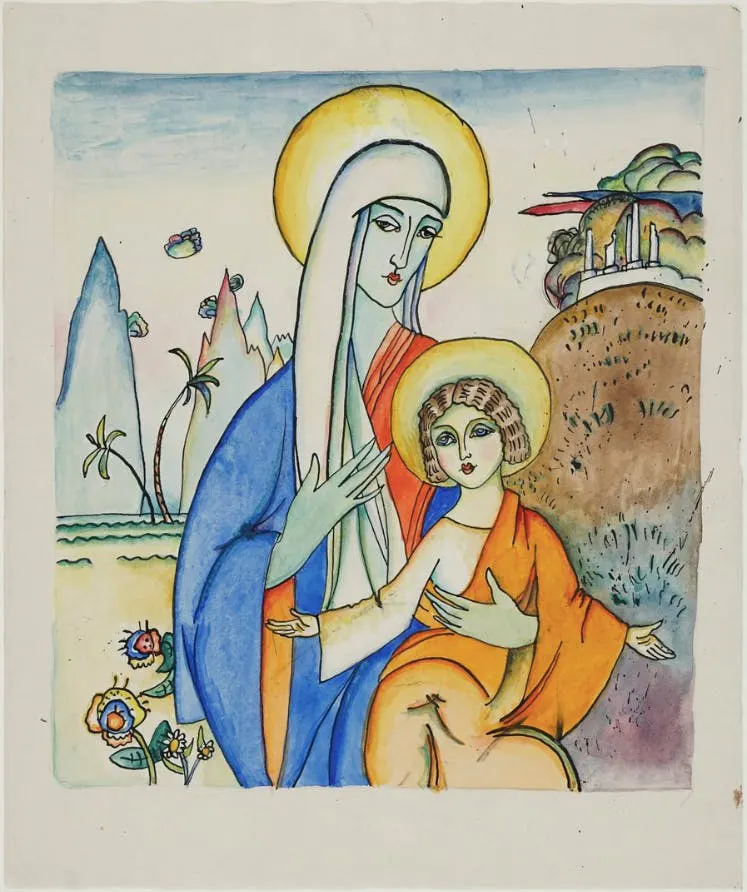
During this period, he painted a series of oils under glass, including Madonna with Child in vibrant colours, now preserved in the National Museum of Azerbaijan in Baku. The watercolour of 1917 that will be presented at Rossini on 25 June is none other than the model that served for this work.
"I work a lot with watercolour. It's a meticulous job and I'm learning the art of jeweller, so to speak. It will help me for the big pictures, which are forming little by little in my heart," wrote Wassily Kandinsky in a letter to his lover and fellow artist Gabriele Münter in 1916.
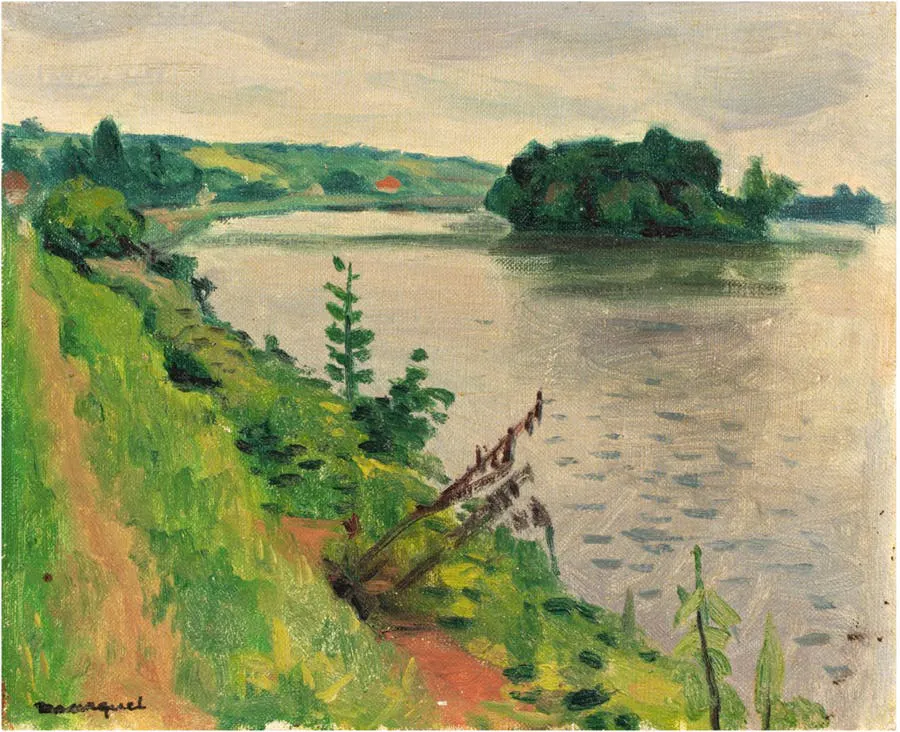
A close friend of Henri Matisse, the Bordeaux painter Albert Marquet was also a member of the Fauvist movement. Apart from a few portraits and nudes, Marquet devoted himself above all to the painting of landscapes, and particularly liked the presence of water in his compositions, as evidenced by The Seine in Rolleboise, the oil on canvas board that will be offered by Rossini. His series of landscapes are reminiscent of those of the Impressionist painters, but unlike them, his are simplified, flanked by sharp outlines and delineated colours.
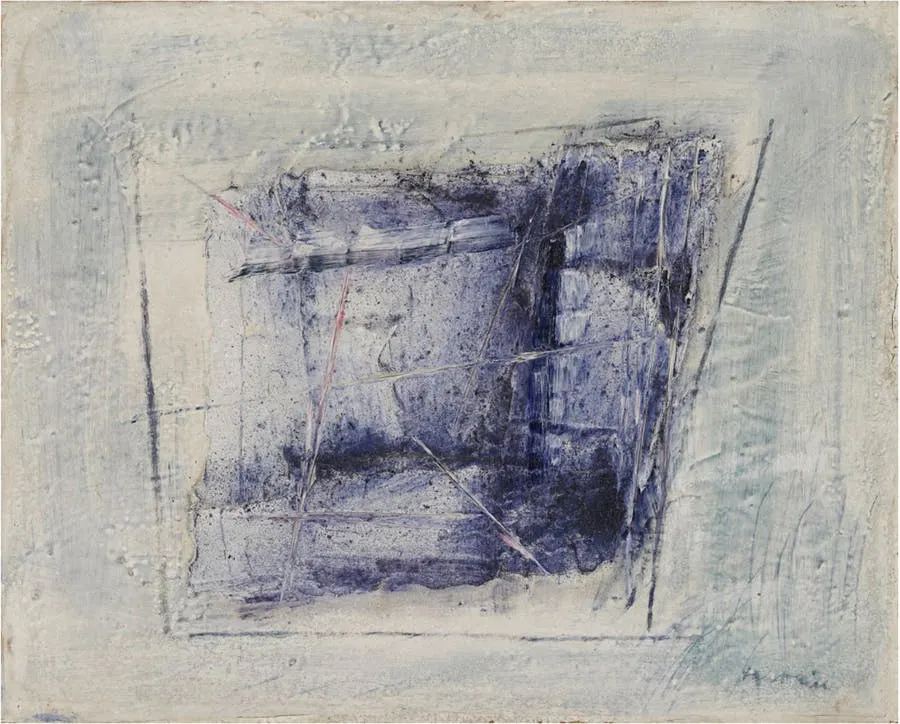
The figurative painter Jean Fautrier distinguished himself as one of the most important representatives of Art Informel and was a pioneer of the technique of high paste. After several traumas caused by World War II, which put a halt to his production, Fautrier began to paint again in 1954. He painted more structured paintings that intertwine streaks, coloured lines and grids with compositions reminiscent of abstract paintings, as seen in The Tin Box, 1956.
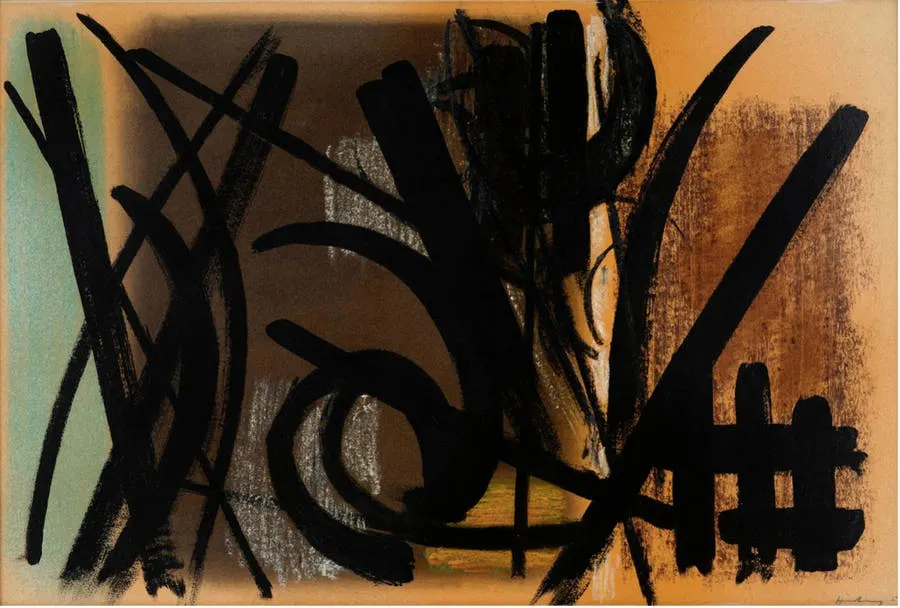
The father of Tachisme, Hans Hartung had his first solo exhibition in Paris in 1947 at the Galerie Lydia Conti, which propelled him to the forefront of the Paris scene at the time. He was a predecessor of action painting, and in 1952, the year in which the work Composition was made, a retrospective of his work was organised at the Museum of Basel. Beginning in 1961, the scratching process brought a new wind to his painting, and pushed him to incorporate the effect of his tools in his art, such as brooms, sulphates, hoses and other oddities.
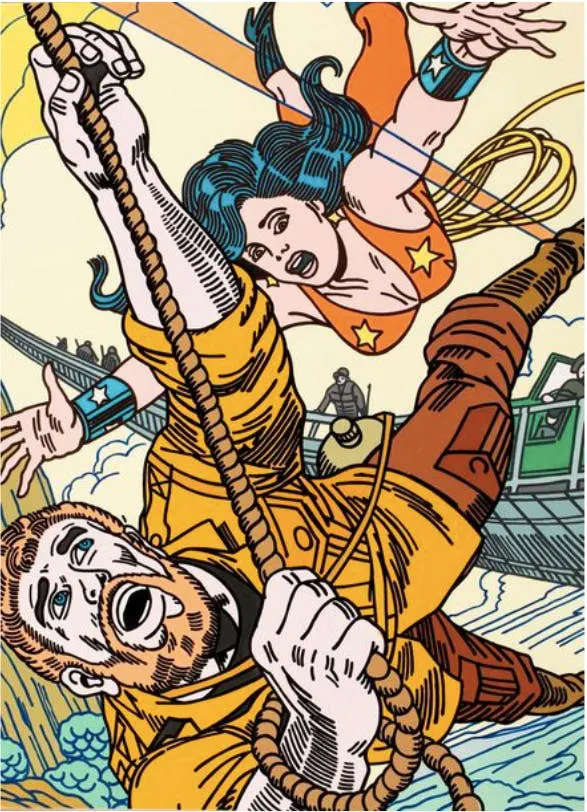
Wonderwoman (1989) was painted by the Icelandic artist Erró, who founded the Narrative Figuration movement in France. The artist, considered the European Roy Lichtenstein, created flamboyant collages with a pop aesthetic and dotted with images from American consumer culture. Two other works by him, 40 faces and retirement home, will also be presented at the sale.
We end with a superb selection of animal bronzes, including, among others, the artists François Vandenberghe, François Pompon, Olivier Couteau, Pierre Chenet and Constantin Cristesco.
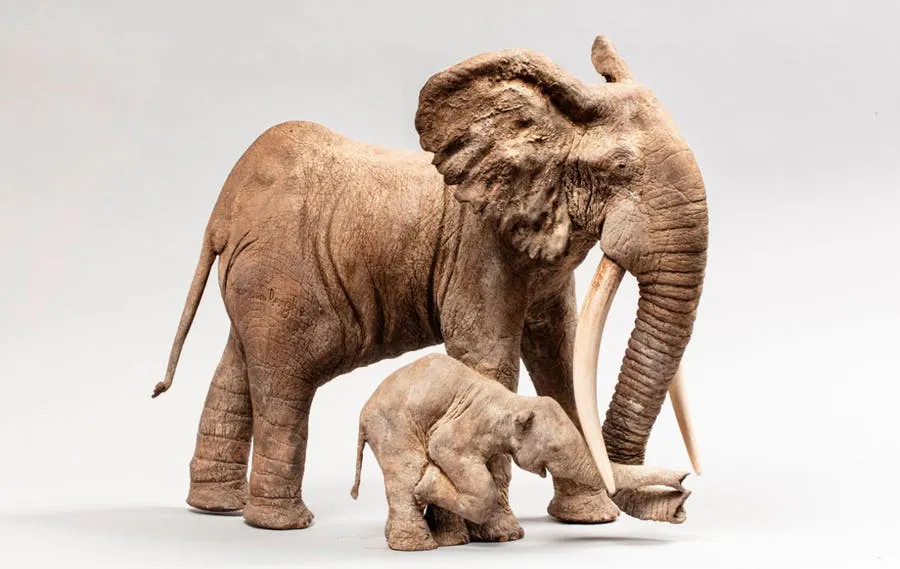
François Vandenberghe's artistic process revolves around the figure of the elephant, which he was drawn to while living in Gabon for 27 years. While his work includes other representations of animals, such as rhinos, the elephant remains his favourite subject. In his art, he puts the animal in allegories masked by a very realistic appearance. Vandenberghe is always introspective, seeking the right postures and attitudes. Two works, Tribute to Bugatti, and Variation around Silver Horn, are part of the auction.
As a reminder, the sale will be held at Rossini on 25 June.