Numbering close to 600 lots, Sworders’ ‘Out of The Ordinary’ auction from 13-14 April is the auction house’s largest to date. In keeping with the name of the popular format, the sale brings together the weird and the wonderful, from an original Doctor Who Dalek, a sword presented by Catherine the Great to a Cossack who helped put down a popular rebellion, to ‘the Smallest Show On Earth’ – the UK’s only surviving flea circus. Here are some of the highlights.
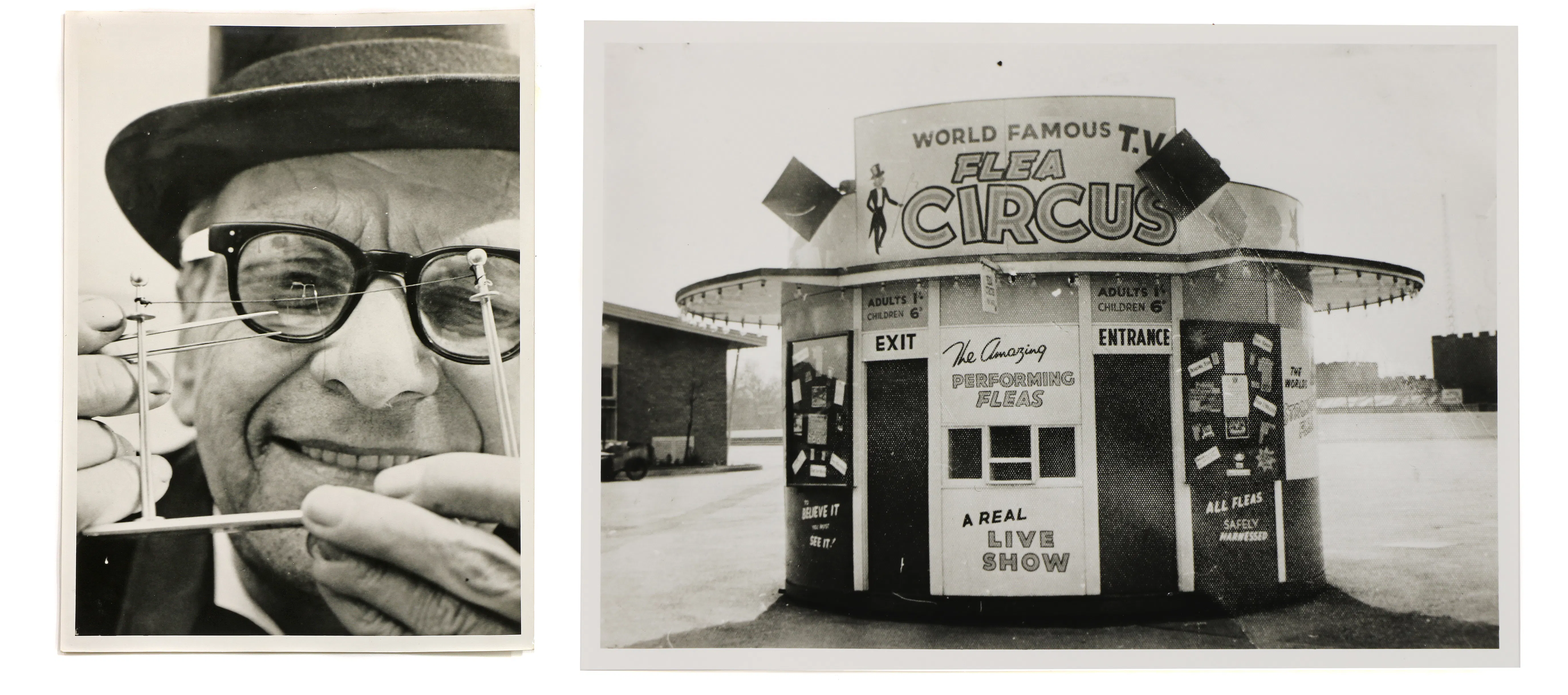
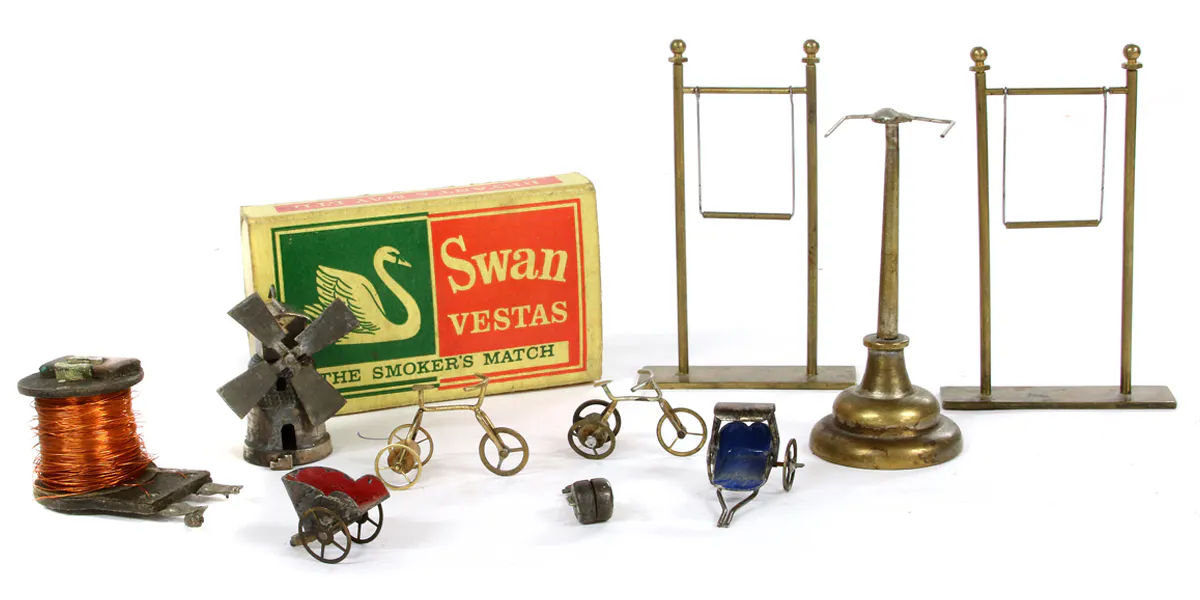
Flea circuses were a hugely popular form of fairground entertainment in England and Germany between the 1830s and 1960s. In its heyday, the Professor Len Tomlin Flea Circus attracted crowds in Belle Vue, Manchester and later formed part of the Ribchester Museum of Childhood. This lot is believed to be the last example in the UK. Bidding for the two miniature swing trapezes, a chariot, two bicycles, a windmill, a garden roller, a carriage and a duelling pedestals is expected at £1,500-2,000, but may leap higher.
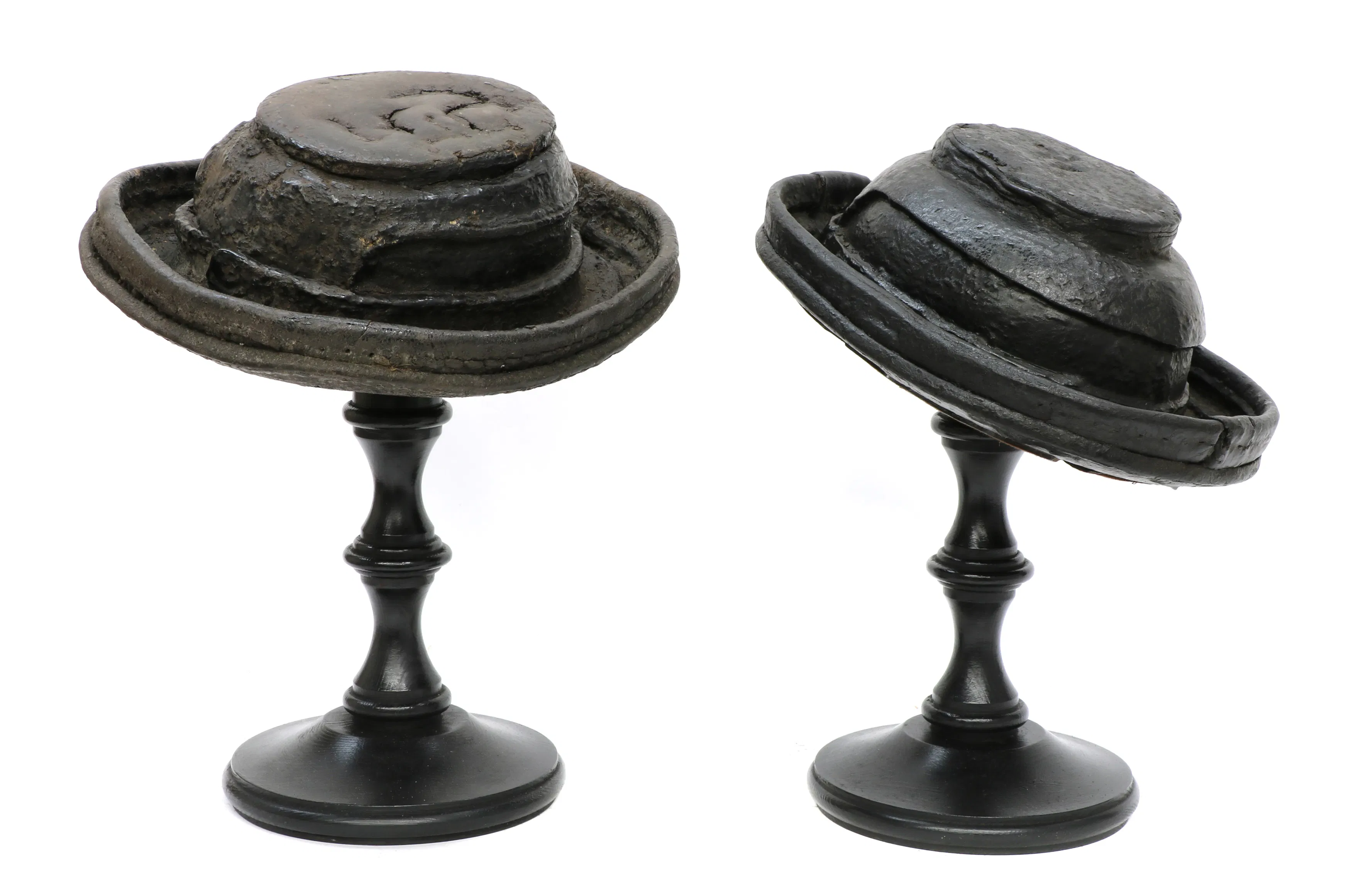
Once a common sight in London’s Billingsgate, ‘bobbin’ hats were worn by porters as they moved merchandise from the local fish market to distribution vehicles. A pair of late-19th- and early-20th-century hats in the sale is known to have been owned by James Alfred ‘Robo’ Robinson (b. 1911), who worked at Billingsgate most of his life and received the hat from his father. This curious type of headwear is thought to get its name from the ‘bobbin’, or payment, that the porters received for their services.
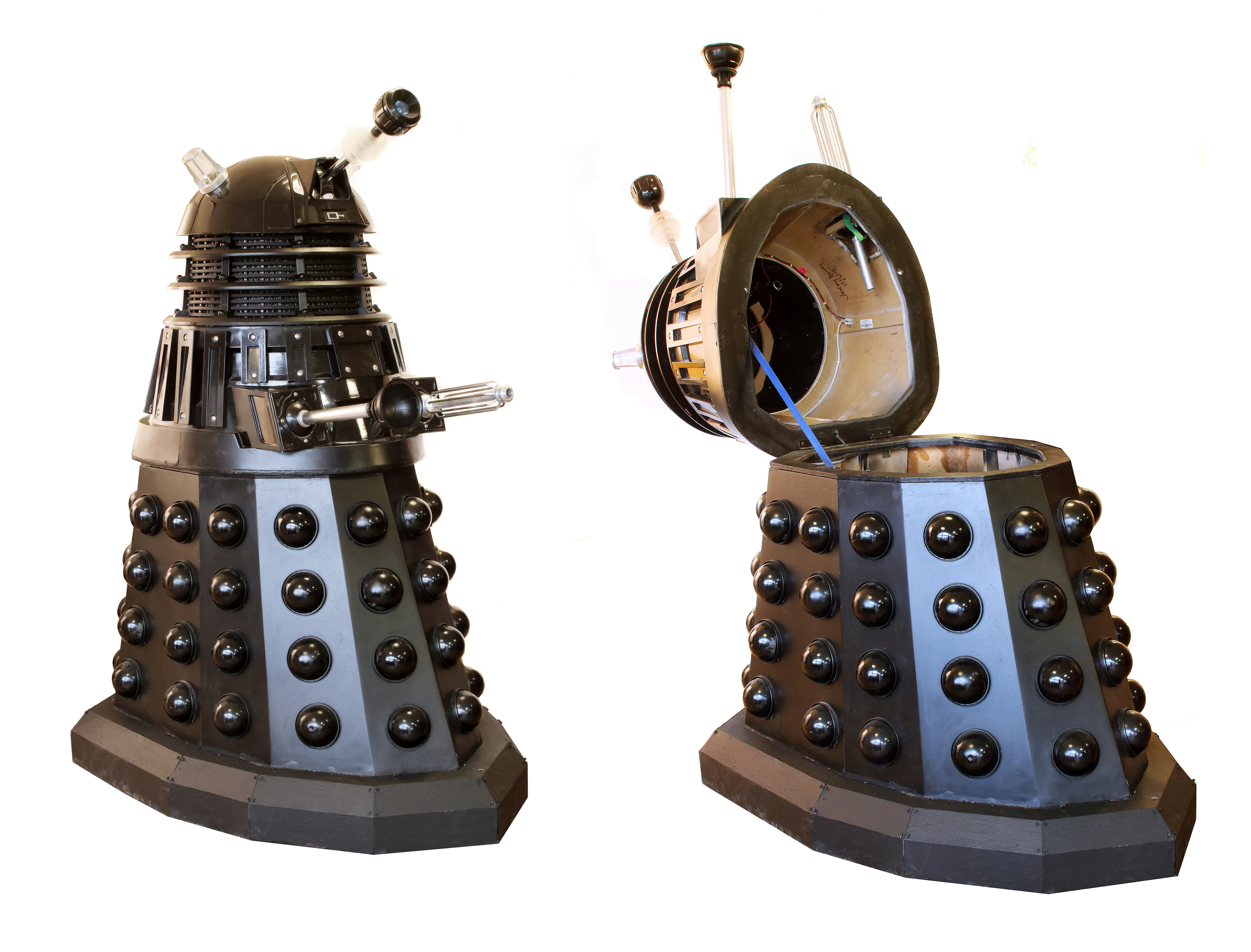
The Daleks are now almost sixty years old. They first appeared on our screens in 1963 but remain the most famous of all of the Dr Who villains. Standing 1.6m high, Sworders’ example (estimate £15,000-18,000) is made to ‘new series’ specifications (principally of wood with fibreglass, metal and plastic elements), and has recently been fitted with a motor so it can be driven around. It appeared in three episodes of the BBC series, alongside Matt Smith in the ‘Asylum Of The Daleks’ in 2012 and Peter Capaldi in ‘The Magician's Apprentice’ and ‘The Witch's Familiar’ in 2015.
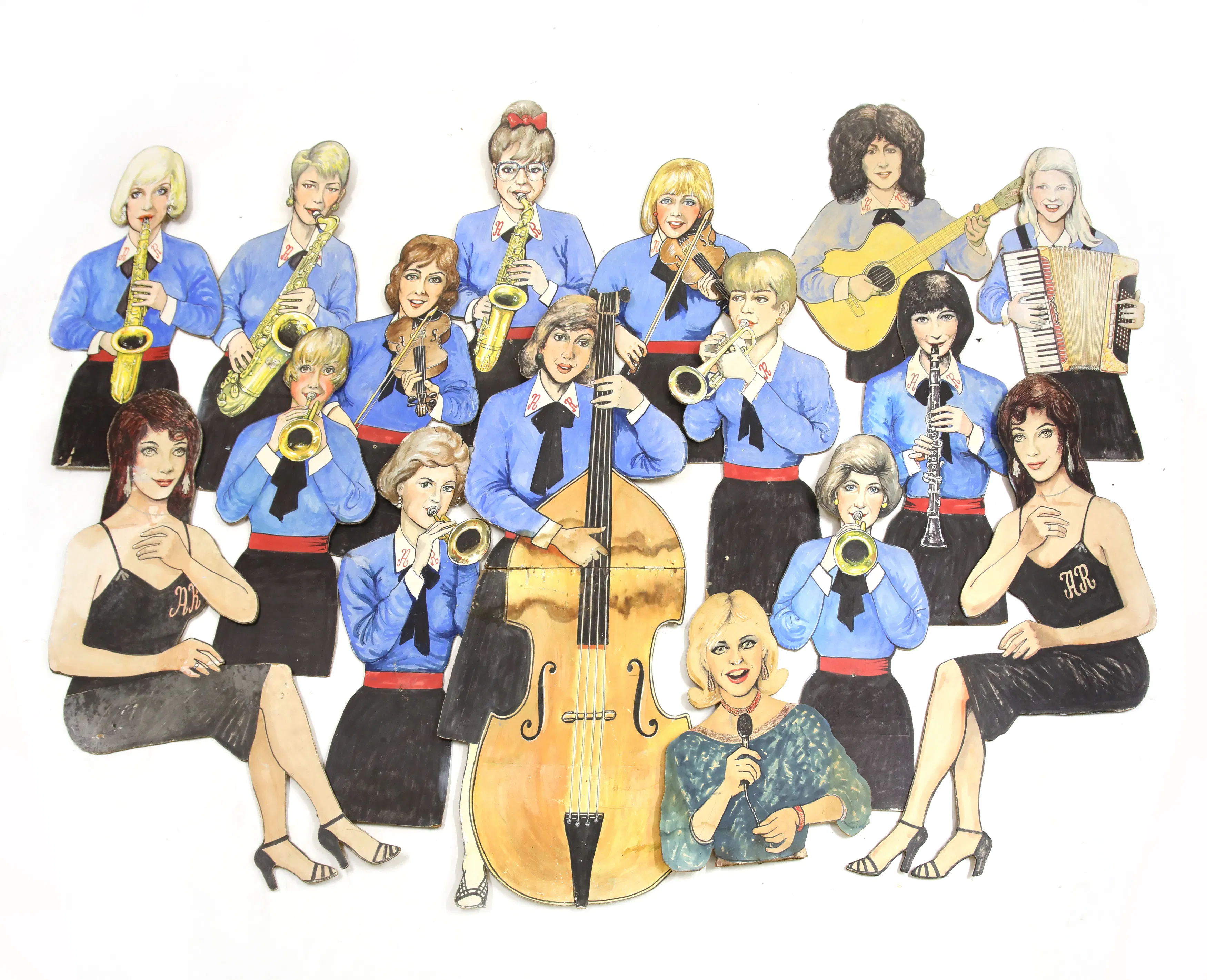
Also from the world of entertainment is a large, early-20th-century ventriloquist dummy, previously owned by the west Londoner Hugo Hammond. Additionally, Sworders has a group of sixteen near life-size wooden cut out and painted portraits of the Sixties girl group ‘AR’. These previously formed part of the interior décor at the Leyland Club in Liverpool where the band regularly played, but were removed during an interior refit some years ago.
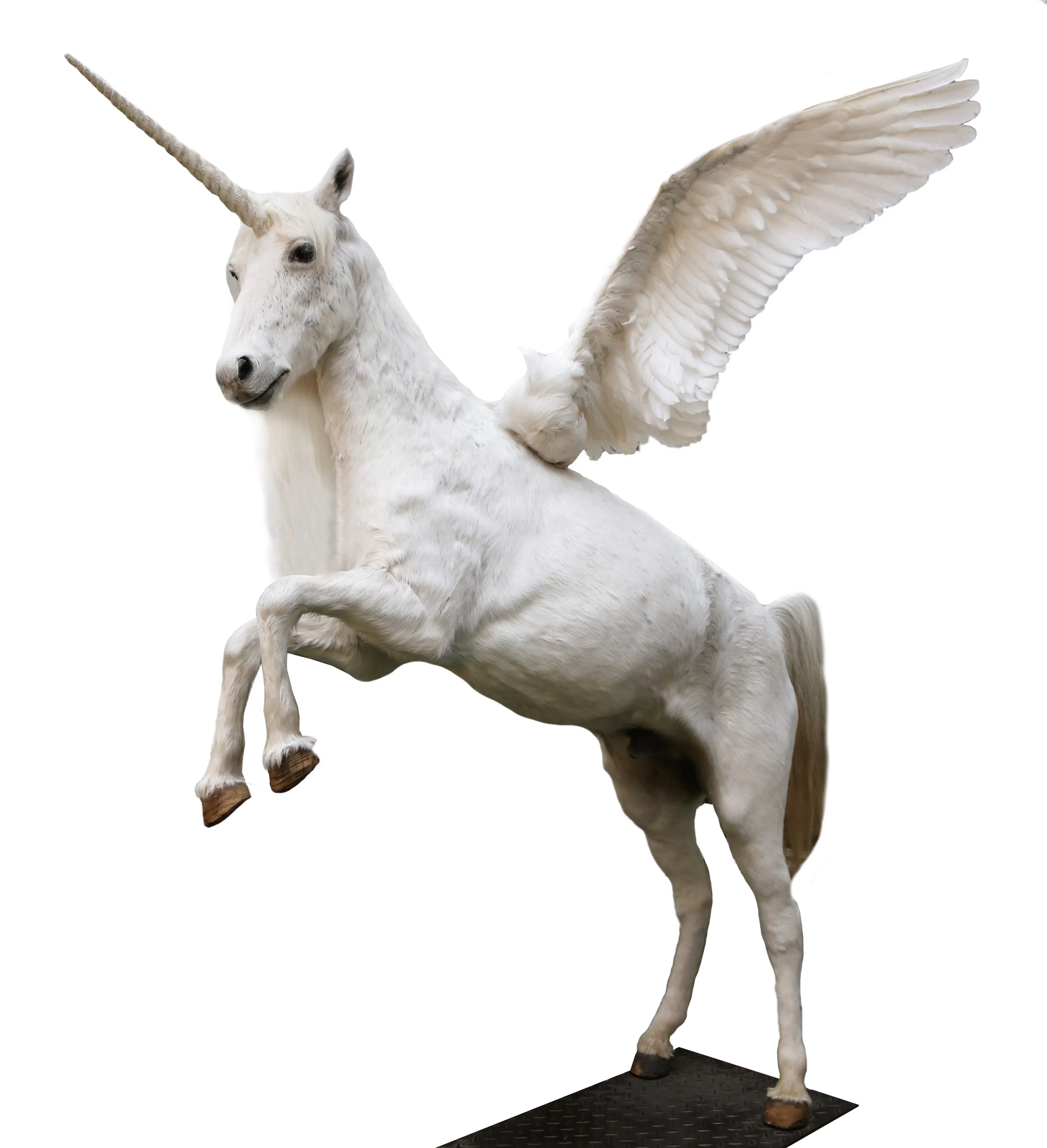
No ‘Out of the Ordinary’ sale would be complete without a conversation-starting piece of taxidermy, a role amply filled by an alicorn (a full-size rearing horse with mounted wings and horn), which is guided at £8,000-12,000.
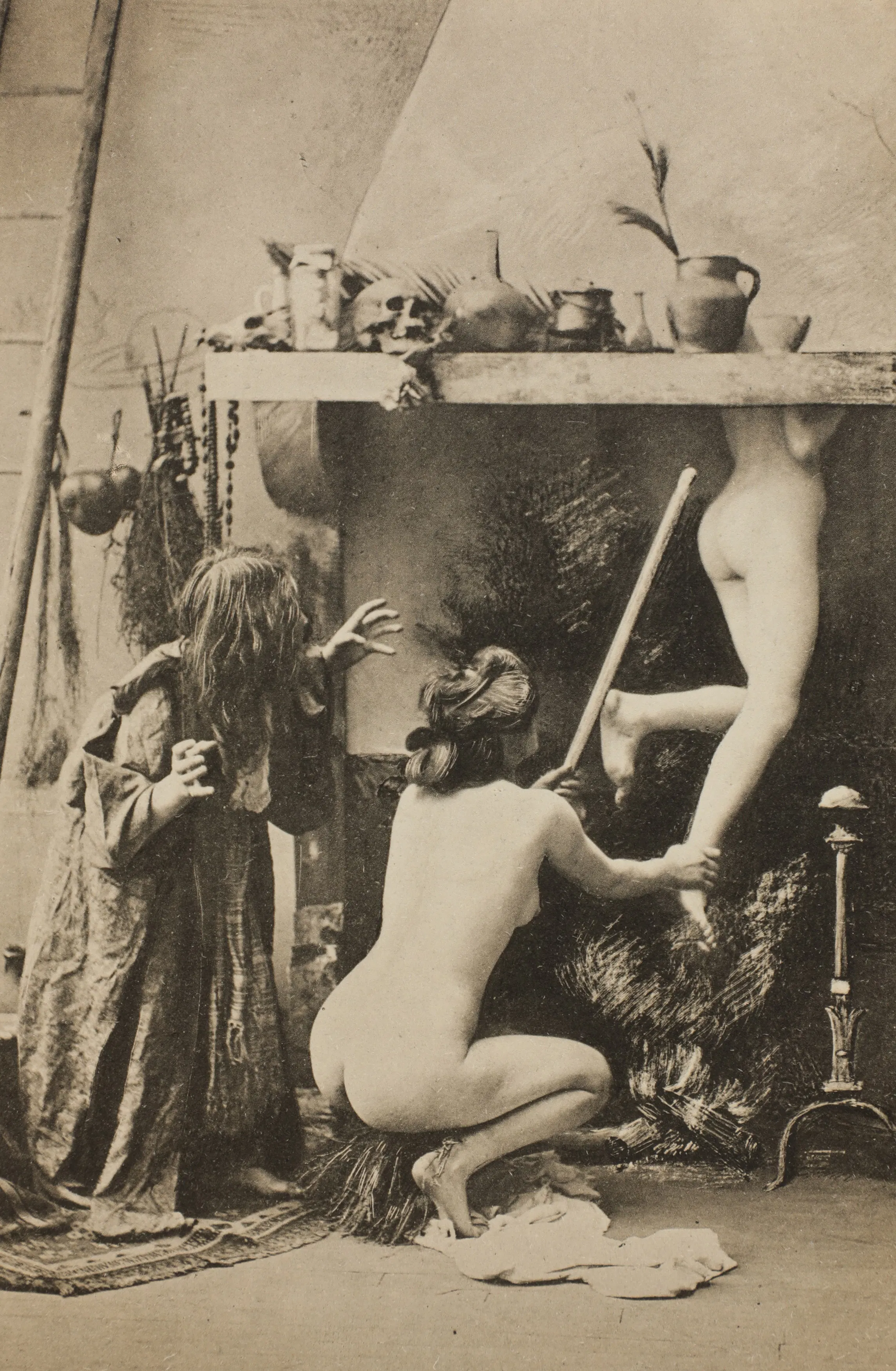
Nor would the sale be complete without a few lots focused on dark magic. The Incantation, a pen and ink drawing of a naked witch with a snake curled around her waist and an owl on her shoulder, signed and dated 1898, is by Punch magazine artist Arthur Wallis Mills (1878-1940). A rare set of 10 French photographic postcards, c. 1910, titled Sorcières Au Sabbat, depict a group of naked young witches setting off to a Sabbath on broomsticks.
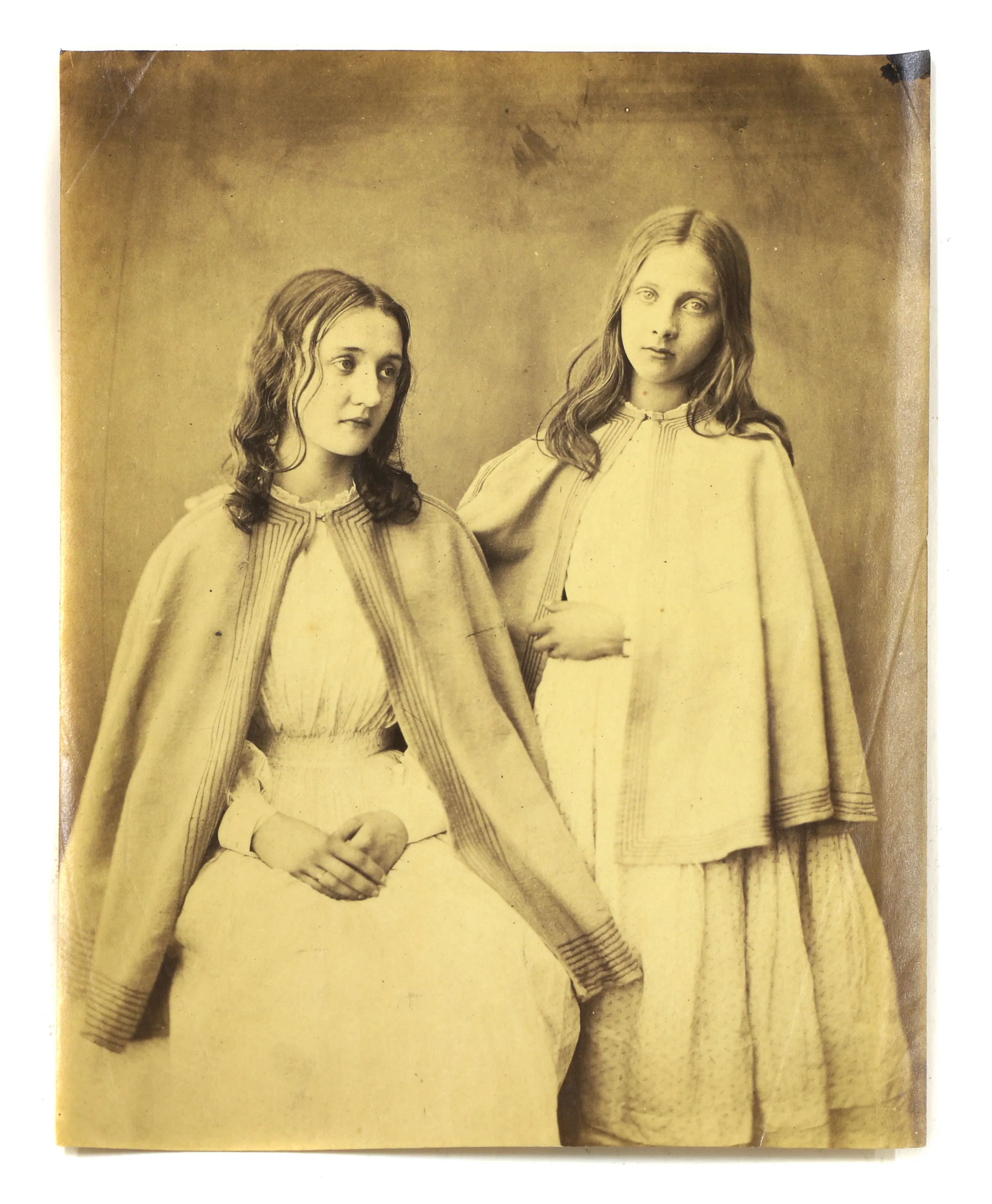
Original Victorian photographs of well-known Pre-Raphaelite muse Julia Prinsep Stephen (née Jackson) are expected to garner attention. The original supermodel, Julia Jackson was deemed one of the most beautiful women of her age. She was a model for many artists including William Holman Hunt (who proposed marriage), and was the favourite model of Julia Margaret Cameron (her maternal aunt and godmother). After the death of her first husband Herbert Duckworth, a barrister and member of the Somerset landed gentry, she refused to contemplate remarrying for many years. However, in 1878 she accepted the proposal of the writer and critic Leslie Stephen with whom she had four more children, all of them influential members of the Bloomsbury Group.
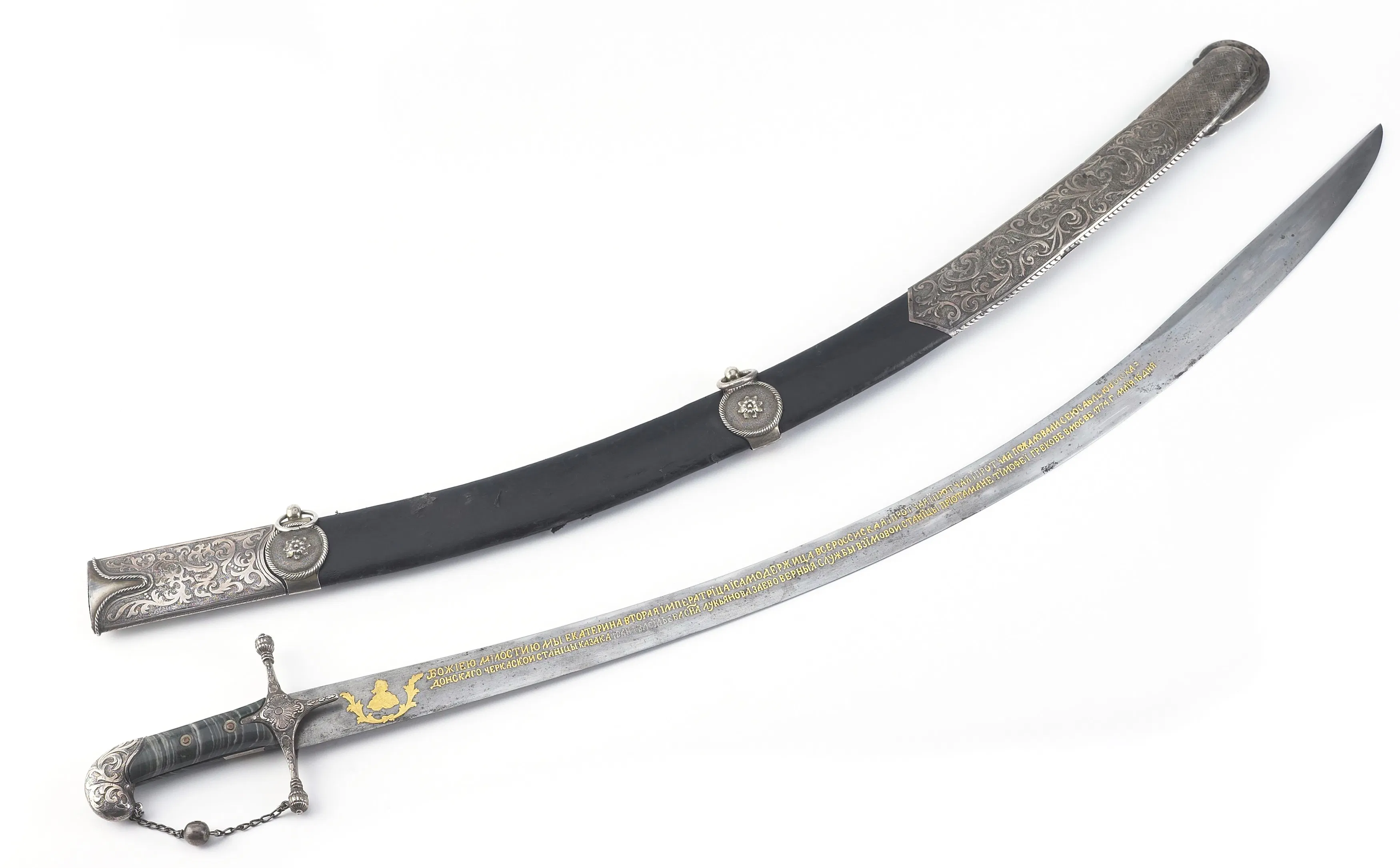
Among the most historically important items in the sale is a Russian 18th-century presentation sabre fashioned as a Persian shamshir. To the curved steel blade is the inlaid gold image of Catherine the Great and an inscription in cyrillic: “By the grace of God, I Catherine II, Empress and Autocrat of all the Russias, grant this sabre to the Cossack Ivan, son of Vassily Lukianov of the village of Don Cherkz army for his faithful service, May 15th 1774”.
The inscription indicates that the sword was awarded during the Pugachev Rebellion (1773-75) – also called the Peasants' War or the Cossack Rebellion – the principal revolt in a series of popular rebellions that took place in the Russian empire after Catherine II seized power in 1762. The sword, which belonged to Lord Alistair McAlpine and then passed into the collection of the Australian businessman Warren Anderson, carries an estimate of £20,000-25,000.