Born in 1949 in Liverpool, England, Tony Cragg first worked as a technician in a laboratory specialising in rubber. In 1969, he began studying design at the Gloucester College of Art, Cheltenham, and then turned to the Royal College of Art in London in 1973. In his early career, he produced photographs, assemblies and installations. In the 1970s, he began to collect different kinds of discarded waste and reused it in the style of the arte povera. He thus gave a second life to objects rejected by society by reinstating them with an artistic soul.
Sculpture is one of the only uses of material that is not utilitarian.
Initially fascinated by plastic, Cragg utilised this medium by placing plastic pieces on furniture, as in his work Fragments on Table and Chair (1971). He also began to open up to other materials, as demonstrated in the Stack series he worked on from 1975 to 1985. Here, again, various debris is rearranged to create a striking and monumental structure; this theme of stacking persisted throughout the artist’s work. During this time, Cragg also began teaching, first in Metz and then in Düsseldorf. In 1979, he organised his first solo show at the Lisson Gallery and soon thereafter earned his status as a leading figure in the art of sculpture.
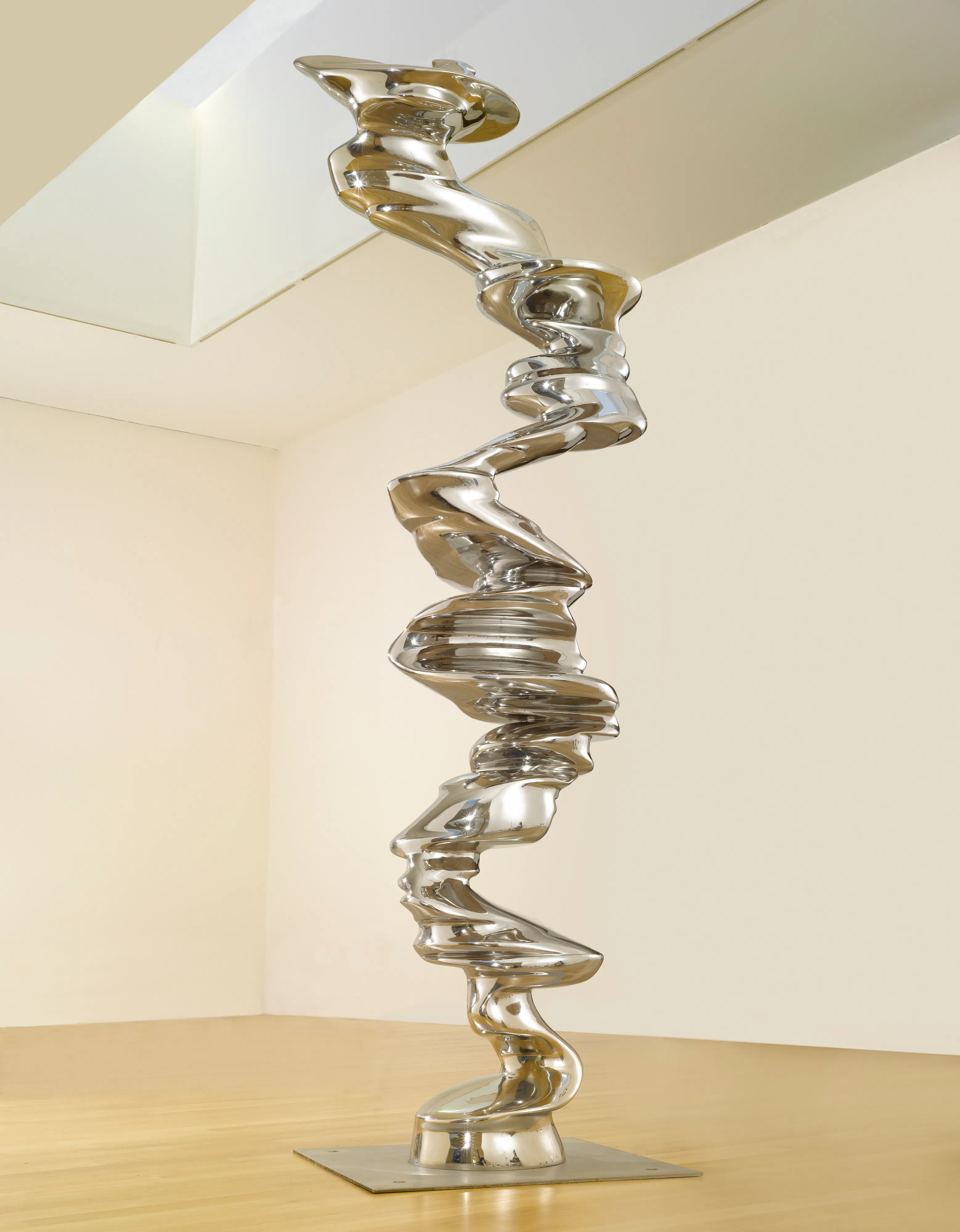
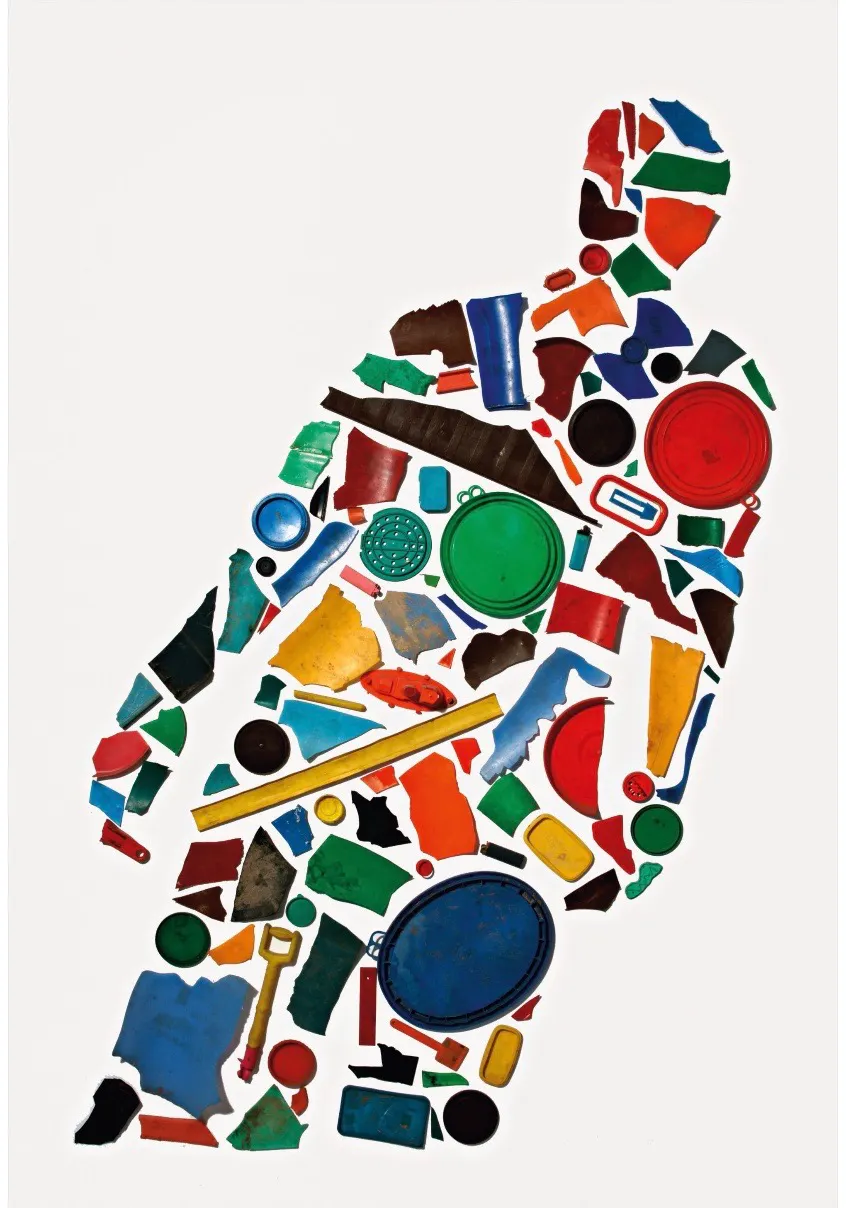
Cragg continued to develop a naturalistic aesthetic in his original compositions, and the 1980s were marked by an increasing experimentation with new materials. He spread plastic pieces in large murals, such as in Red Bottle (1982) or Britain seen from the North (1981). In Menschenmenge (1984), the gigantism of the piece, which features multiple figures comprising discarded waste items and measures 2 x 13 metres, echoes the monumental mass of debris rejected by consumerist society.
See also: The Ten Most Valuable Sculptures Sold at Auction
In 1980, Cragg exhibited in France for the first time at the Galerie Chantal Crousel, and then at the Musée d'Art et d'Industrie de Saint-Étienne in 1981. The next year, in 1982, he participated in Kassel’s documenta exhibition.
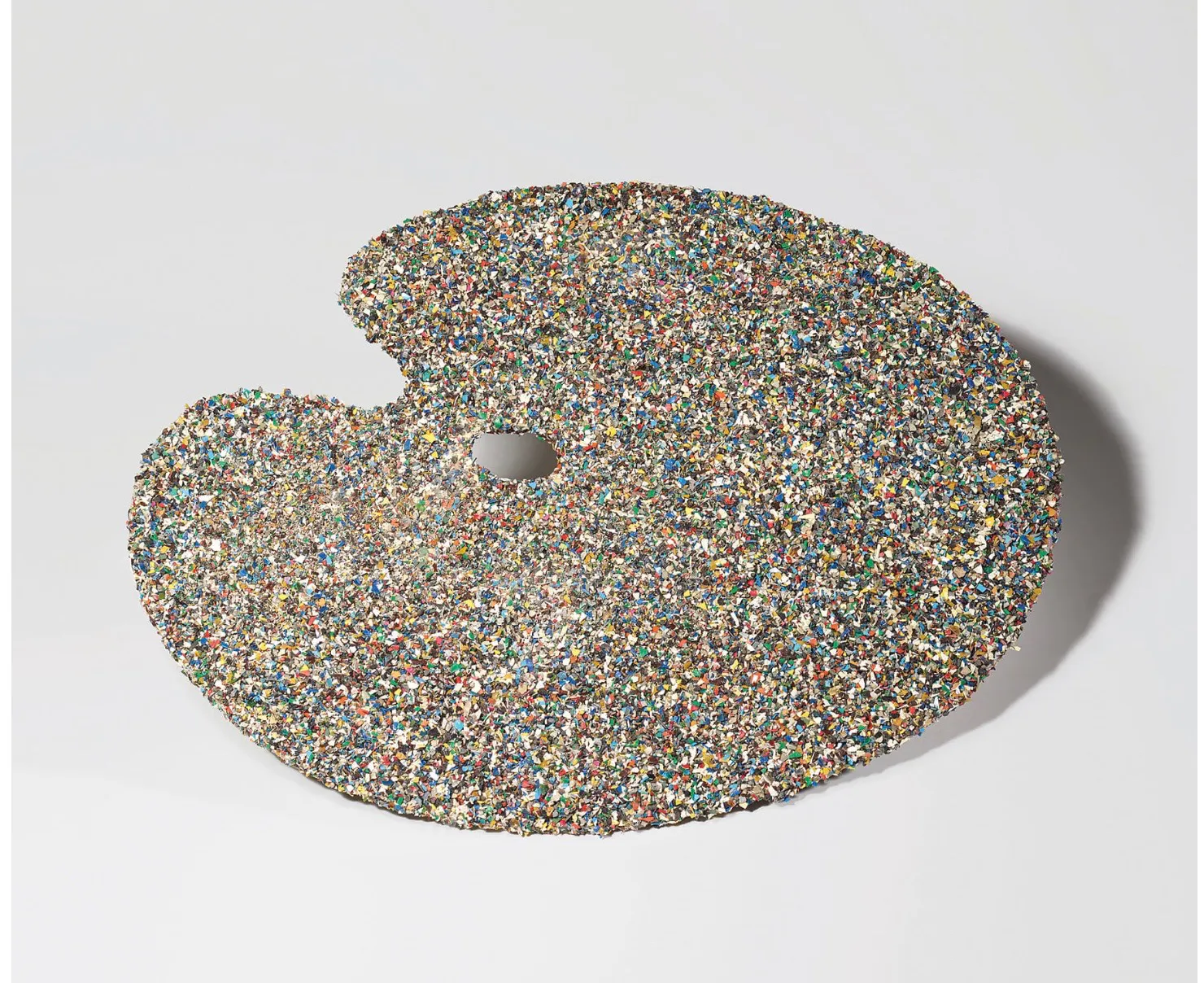
Many creations from this time attest to the artist’s growing interest in science. In Minster (1987), he uses the principle of stacking combined with a scientific theme. The strata composing the structures are erected as geological layers that represent the creative journey and elevation of the artist’s success. By this time, Cragg was established as a revered sculptor of the 20th century, and he participated in the Venice Biennale in 1986 and 1988, as well as in the 1987 documenta. In 1988, he won Tate Britain's Turner Prize.
See also: Henry Moore: 8 Little Known Facts
In the 1990s, Cragg developed his concepts around the transformation of autonomous geometric shapes, such as in Subcommittee (1991), Spyrogyra (1992) and Congregation (1999). The artist also experimented with anthropomorphic sculptures, such as in Statue of Lichtervelde (1999). In 1996, an exhibition was dedicated to the artist at the Centre Georges Pompidou.
Since the 2000s, his increased interest in the natural sciences has opened up his art to new formalities and has pushed the boundaries of aesthetic language. From then onward, scientific interest became increasingly apparent in his works which took a resolutely aesthetic turn.
See also: The 10 Most Famous Works of Art and Where to Find Them
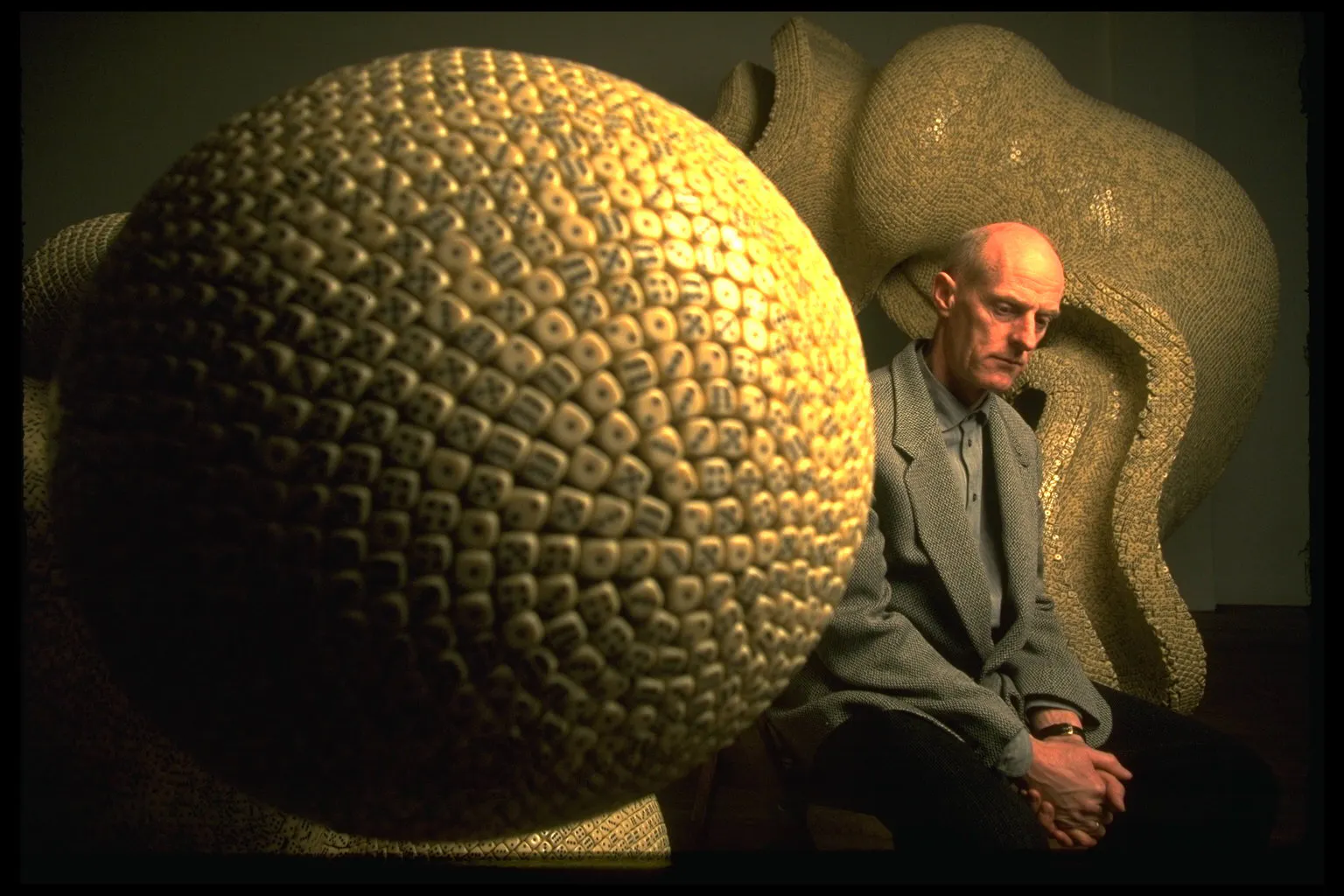
In 2003, Cragg exhibited zoomorphic sculptures with honeycombed walls at Paris BnF square. The artist developed a vast collection of totemic sculptures rising in a straight line several metres high, echoing the monumental columns of sculptor Constantin Brâncuși. Made of wood and metal, they have an anthropomorphic profile expressed through a vague distinction in form. This can be said for It is, It isn't (2011), Foreign Body (2015) and Points of View (2004). The latter is also a public work located in Montpellier, southern France, and features three imposing columns over 10 metres high.
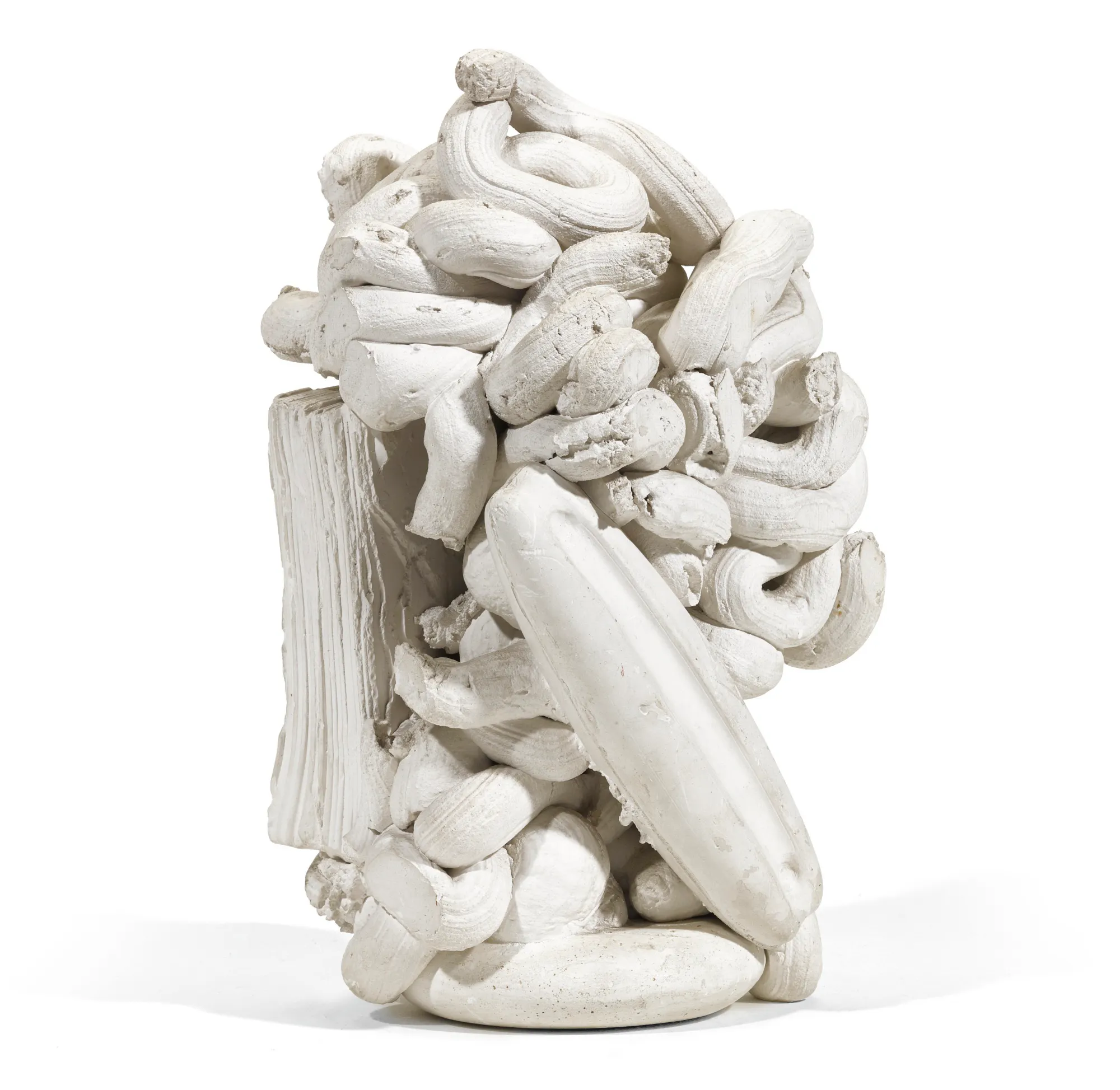
Since 2008, Cragg has been exhibiting his sculptures in Wuppertal Park, Germany, where he now lives and works. Placing them into monumental contexts, the volume, flexibility and contortion of the materials he uses are affirmed, testifying to the mature and emotional nature of his work.
On the secondhand market, his works are known to fetch hundreds of thousands: in 2018 his Bent of Mind achieved £488,750 at Christie’s, in 2011 his Divide sold for £486,688 at Sotheby’s, and in 2015 his Pair reached £437,000, also at Sotheby’s.
When observing his art, as a spectator you can transcend your own existence while keeping in mind these few words of the artist: “Sculpture is one of the only uses of material that is not utilitarian. It doesn’t have to use lowest common denominator criteria for its existence, and it actually produces new forms in material.” Certainly, this is the most significant and prevalent theme in the artist’s body of work, and what sets him apart as one of the greatest sculptors of the 20th and 21st centuries.