![Pair of diamond scroll clips [detail], French work, 1930s, image © Tajan](https://images.prismic.io/barnebys/eb9d4bbe-9fcb-4010-b541-1af9cb2dd4b2_857f6082-f7bc-4133-b441-301bed47c874_hero.jpg?auto=compress,format)
On 22 July, the Parisian auction house Tajan is orchestrating two sales dedicated to fine jewellery and watchmaking. The first retraces the great evolution of jewels through the ages with a selection of Gothic creations, Art Deco pieces and items from the 1940s to the present day, while the second features an extraordinary Rolex Comex model with a fascinating history.
Ancient Jewellery
After centuries of distaining ancient and Gothic styles, French and British intellectuals of the 19th century reclaimed former decorative codes and revived the Neo-Renaissance and the Neo-Gothic, notably with the Charles Wagner jewellery store.
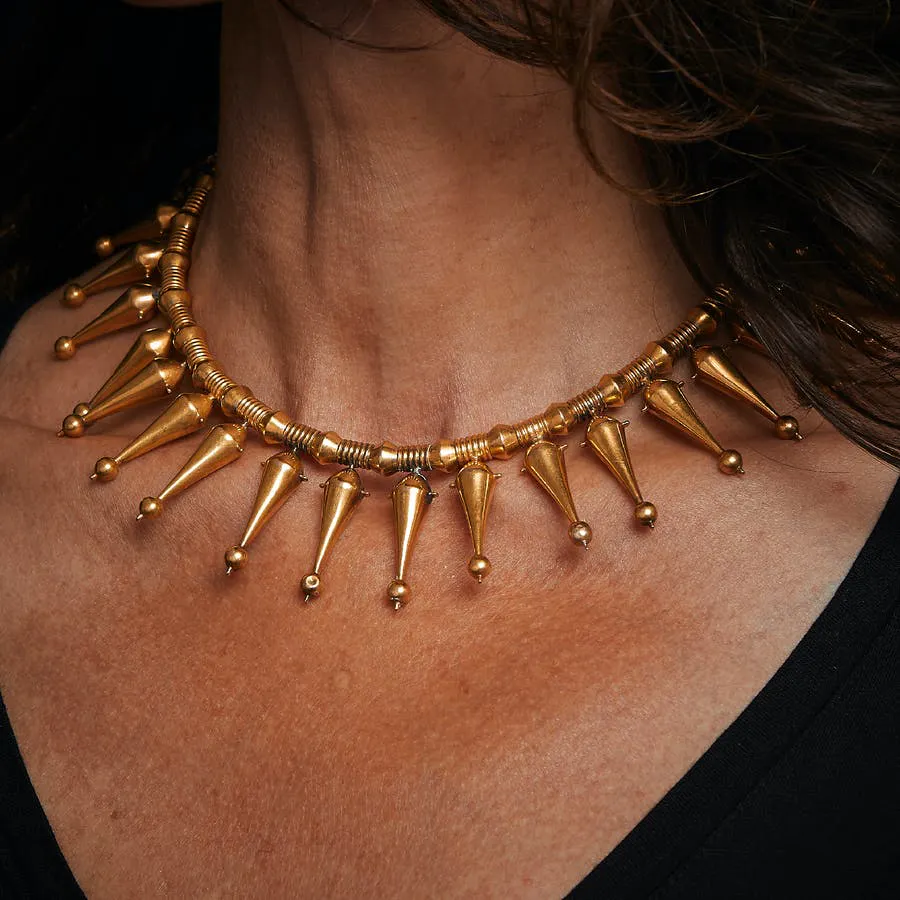
Among other things, the catalogue includes a necklace from 1860 with amphorae pendants which perfectly illustrates the look of ancient styles for inspiration. It is associated with the Campana Collection, a 19th-century collection of art objects mainly devoted to Etruscan and Greek jewellery brought together by Giampietro Campana and purchased by Napoleon III in 1861.
Designer Jewellery
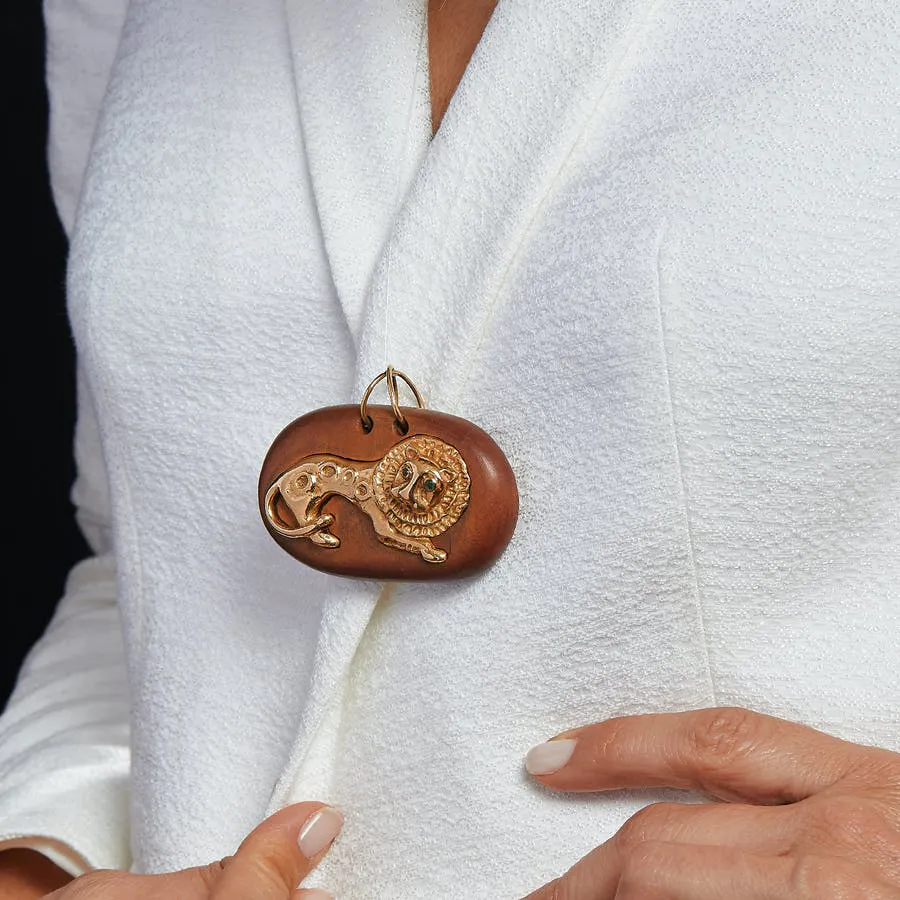
This section is led by a notable set of creations from René Boivin, the emblem of French goldsmithing. After the premature death of its creator, the house was managed by a workshop made up of women who introduced varied floral and faunal inspiration. Three lots from the brand are to be offered, including a rush ring, a necklace of mandarin jade balls and a rare lion pendant from 1962.
Art Deco Jewellery
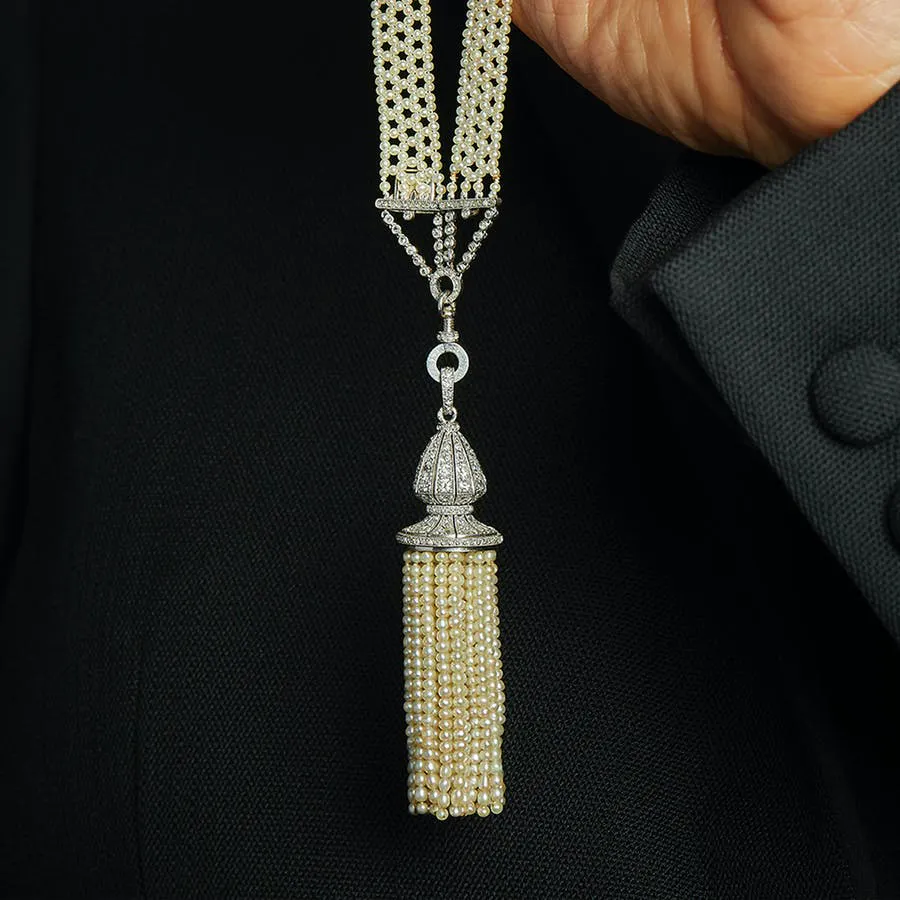
Art Deco, the aesthetic wave that swept through creation at the start of the 20th century, did not spare jewellery designs and many treasures have survived until today. Tajan honours this period with a marvellous 1910s bayadère necklace ending with a tassel of fine pearls. The term ‘bayadère’ refers to a style of braided necklace composed of strands of pearls or strings. The style dates back to the 18th century but was particularly popular around 1900, when the typical twisted necklace was completed with a pendant or tassel. First offered to bridesmaids, bayadère necklaces became gifts during Belle Époque weddings, which were in fashion at the turn of the 20th century.
1935-1940s
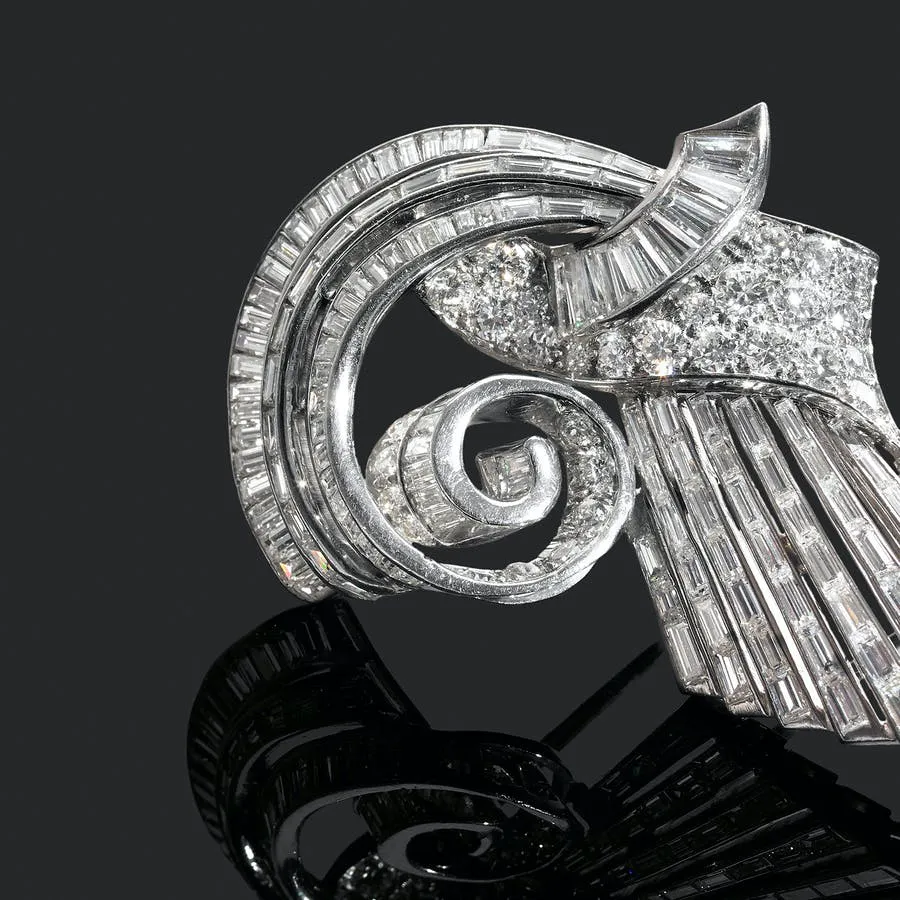
This part of the catalogue includes a magnificent pair of scrolled clip earrings from the 1930s. Worked by a French goldsmith, the clips are made up of winding, stylised ribbons and are richly adorned with baguette and brilliant-cut diamonds.
1950s-1960s
The following decades are represented by two major designers: Jean-Claude Champagnat and Vassilakis Takis.
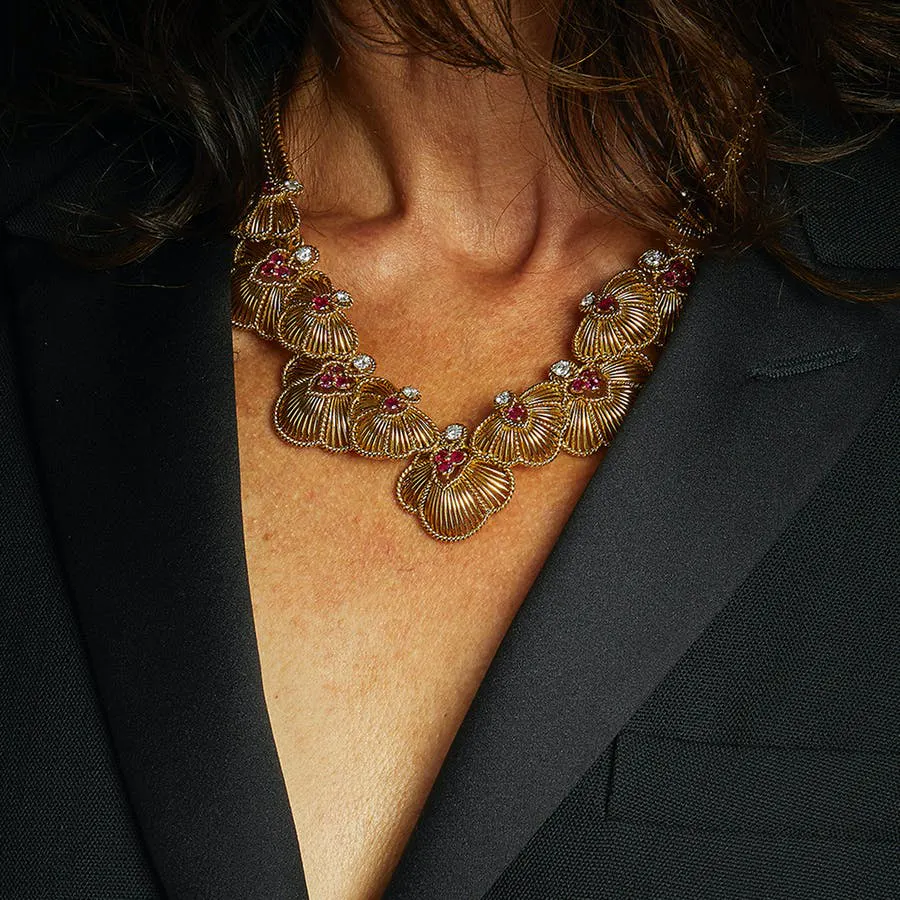
Admired by the illustrious Madame Grès and Christian Dior, Champagnat established himself as the true jeweller of Parisian haute couture. Working in the fashion world from the 1950s to the 1970s, he is known for the undeniable originality of his creations and deserves the attention that collectors pay him today. This necklace from the mid-1950s is reminiscent of a ‘Claudine’ collar, and is formed to look like lace.
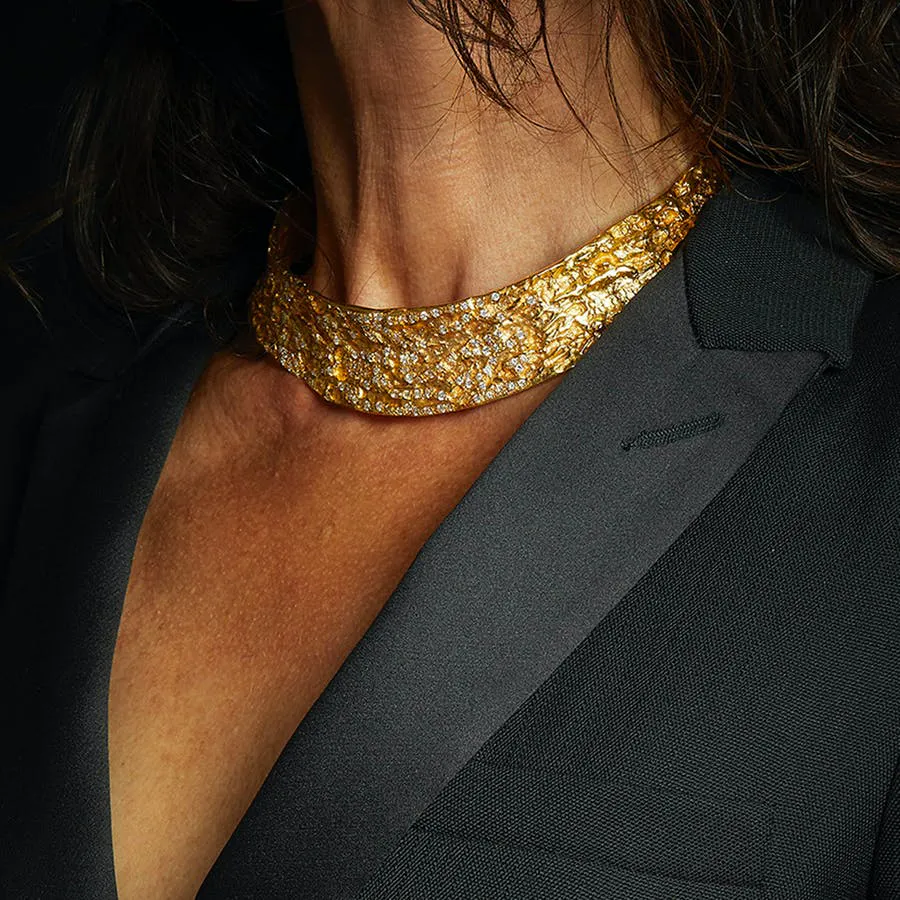
Vassilakis Takis was an artist who successfully transposed his artistic practice into the world of goldsmithing, creating jewellery related to his work of kinetic light and magnetism. He created pieces which, it was said, seemed to be moulded directly on the body. This is evidenced by this rigid torque necklace from the 1950s, which almost shows the movement of the artist's hand in the subtle sparkle of the dotted diamonds.
1970s-1980s
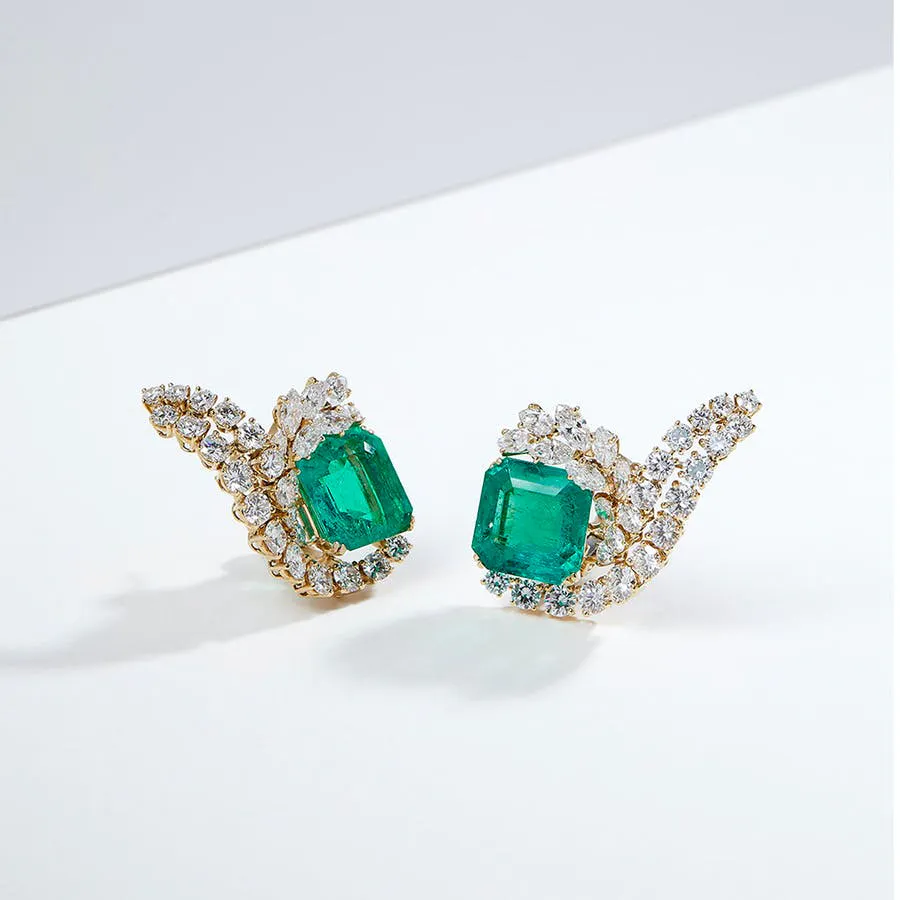
The exuberant 1970s are characterised by colourful, imposing jewels with well-established originality. This segment of the catalogue features a pair of Fred House emeralds, a label that has attracted more and more celebrities over the years. This elegant pairing of practically identical transparent emeralds demonstrates the talent of Mr Fred Samuel, who still came to his shop as late as the 1990s.
Modern Jewelry
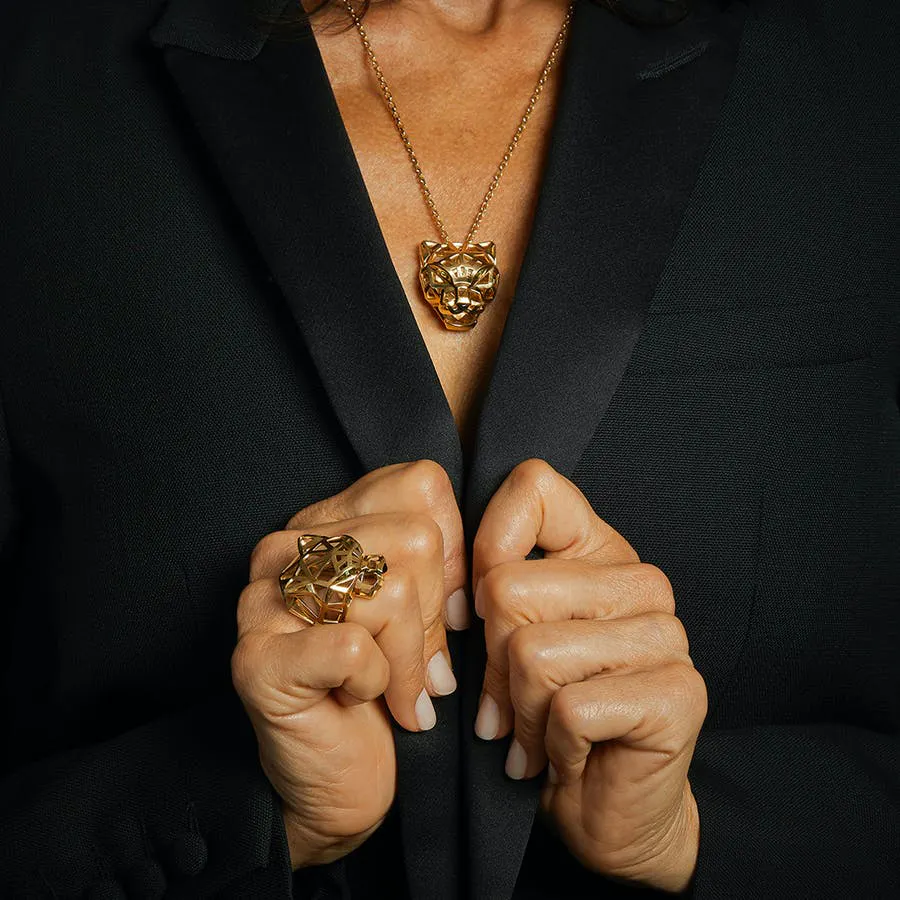
As for contemporary creations, there is a ring and panther pendant by Cartier. The two feline heads are stylised in a geometric arrangement, and are complete with tsavorite eyes and onyx snouts.
Watchmaking
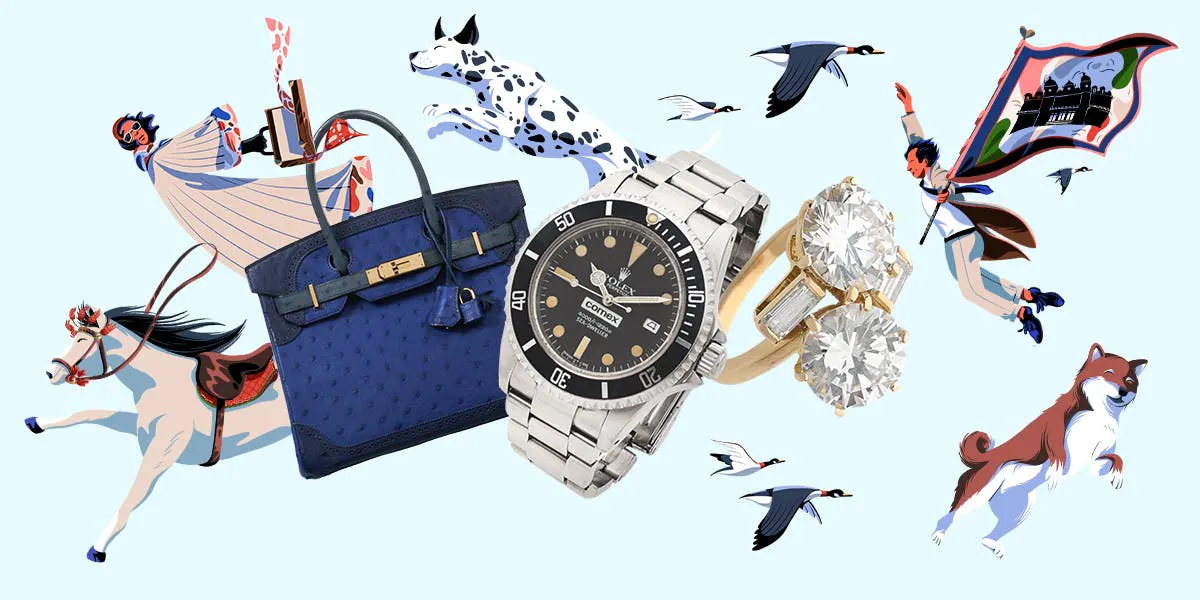
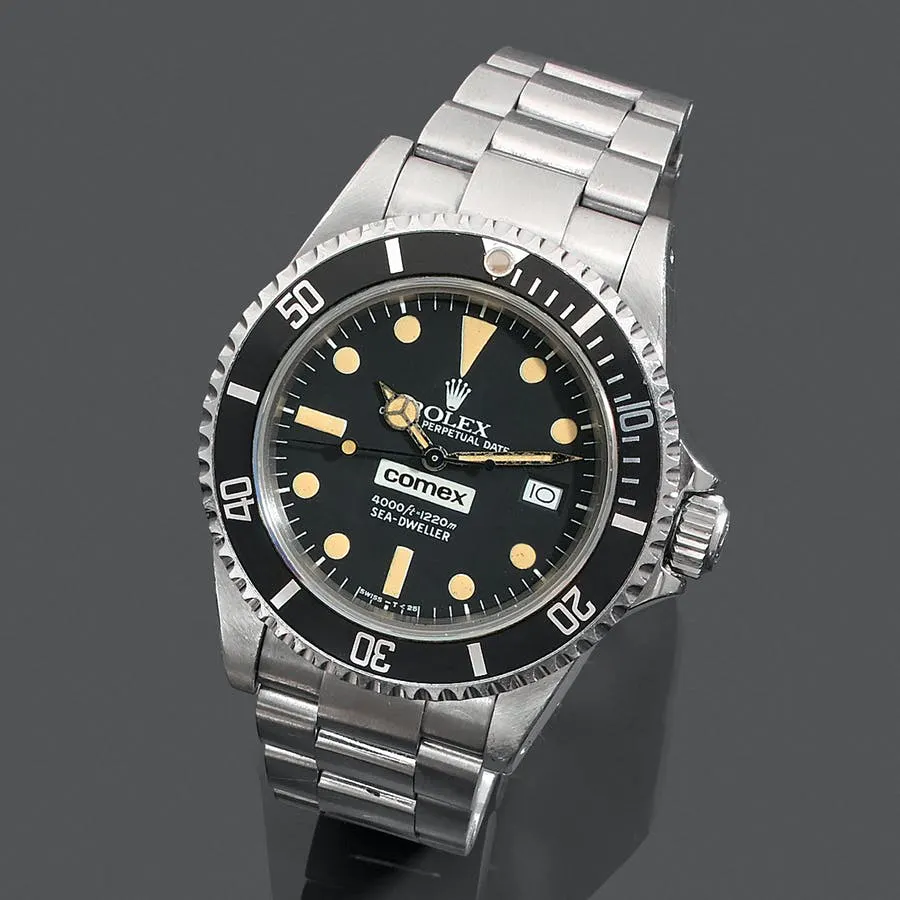
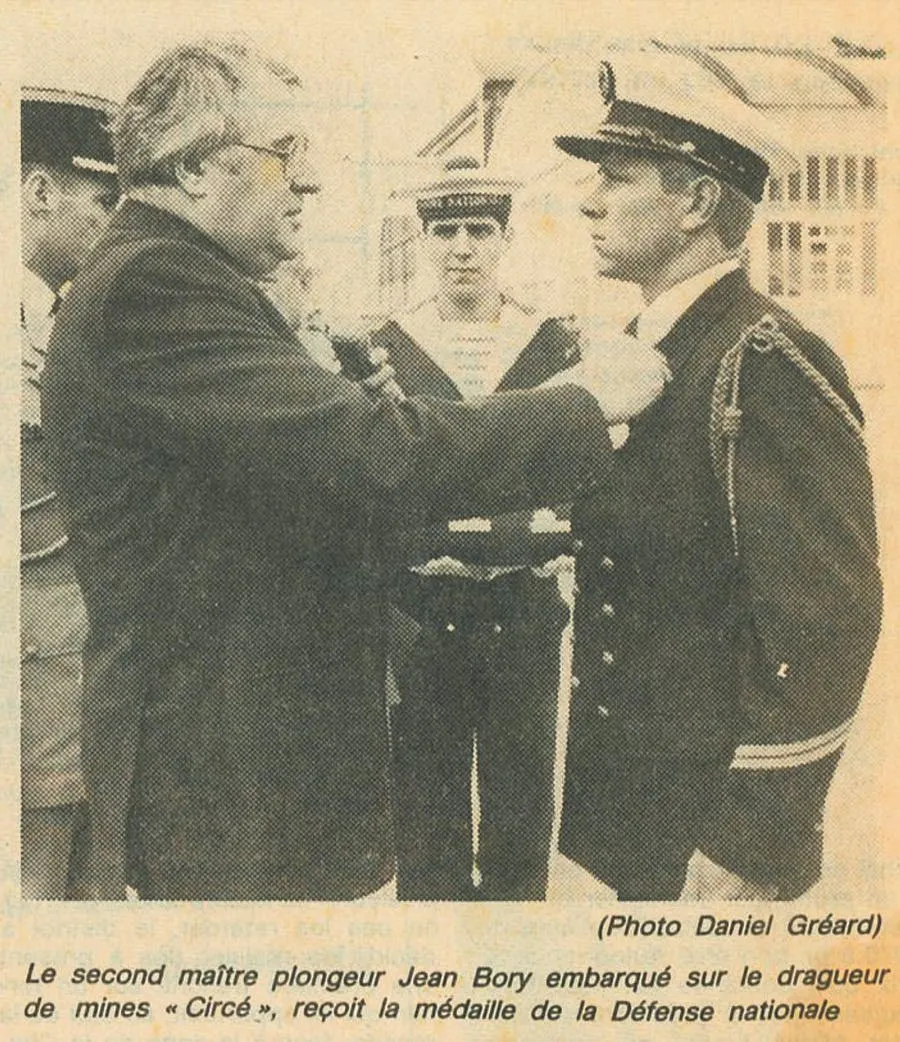
During the watchmaking session, Tajan is offering an extraordinary Rolex Comex that belonged to the French Navy diver Jean-Bertrand Bory. Bory joined the Navy at the age of 16, climbing the ladder to eventually become a Deep Diver. He participated in the ENTEX X experimental dive at -250 m in March 1986, and most notably in the first HYDRA VI test dive at Comex in 1986.
The watch presented here, a Rolex known as ‘Triple 6’ produced in 1982, has been preciously preserved by Bory’s widow for almost 30 years. Bory died in 1990 at the age of 33 while diving in during an underwater work mission offshore from Kharg Island, Iran.
Unlike many watches that have been worn daily and serviced, this Comex has remained in its 1990 condition and has never been worn since: a great opportunity for both Rolex and scuba diving fans to acquire a little piece of history.
The auction comprises a total of 123 lots, with models from Vacheron-Constantin, Omega, Audemars Piguet, Cartier and even Jaeger-LeCoultre.