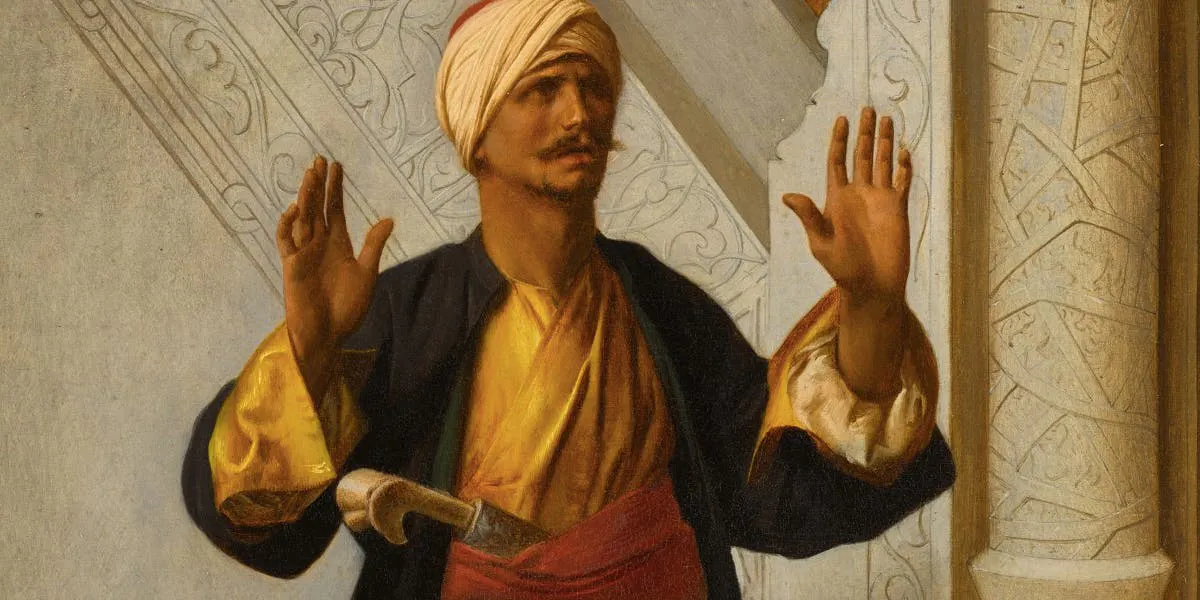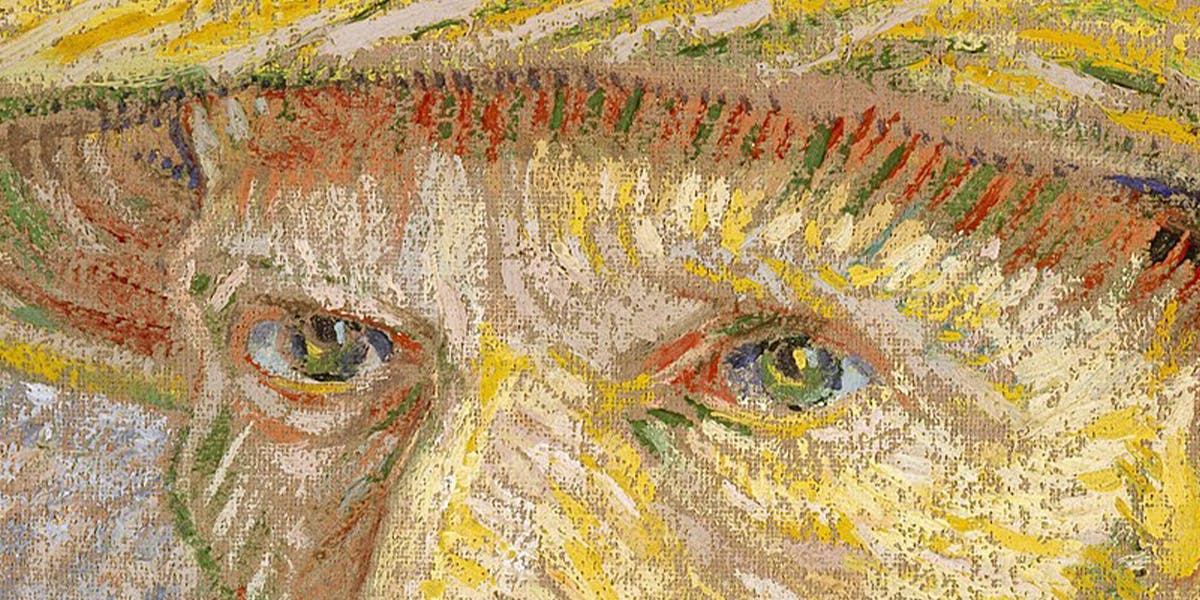
If the notion of modernity emerged to signify the changes of the technical and industrial revolution of the 19th century, it infiltrated art and institutions in a spectacular way, until it became a fundamentally new way of thinking, living and creating. Artists set out, for the first time, to observe everyday life and to revel in its constant turmoil so as to find new subjects. Beauty was suddenly everywhere, in the Industrial Revolution as in the street – and was no longer only the prerogative of antiquity.
On 19 March, the auction house Rossini will retrace the highlights of this revolutionary era with a sale where the great post-impressionists and representatives of the Paris school will be in the spotlight. Among this sophisticated selection is a set of 17 works from the collection of Doctor Charles Grupper, an art lover who, on each of his acquisitions, listened only to his instinct and heart.
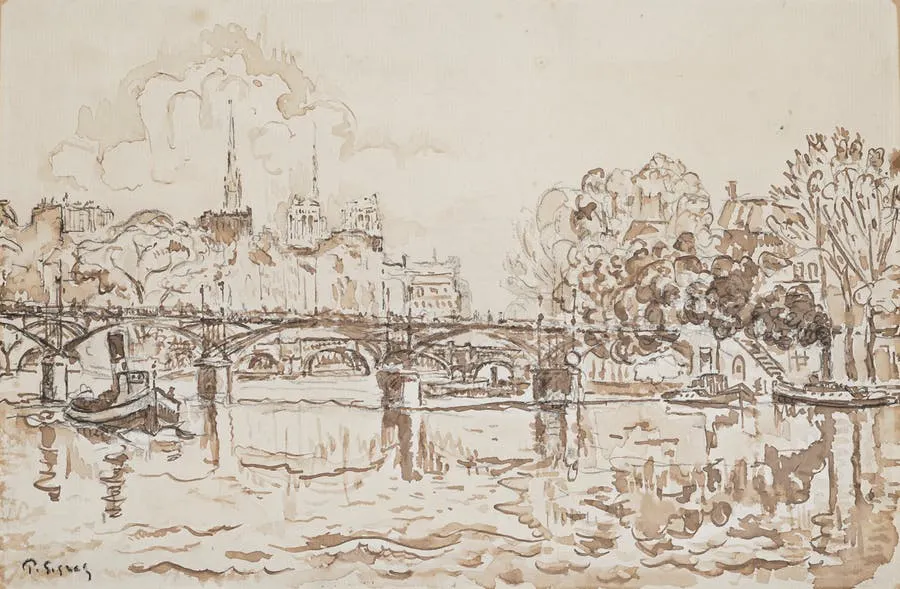
Although some consider him as a representative of the Impressionist movement, Paul Signac claimed more of his authorship in post-Impressionism, contributing to the development of Pointillism alongside Georges Seurat. Passionate about sailing, he devoted the majority of his work to the representation of French ports and their unique atmosphere. In 1892, he embarked on his very first voyage on the waves, sailing a small boat in most of the ports of France before settling down in St. Tropez, where he trained many of his contemporaries. The artist is represented twice during Rossini’s sale, with a pen drawing of the Seine in Paris and a watercolour depicting the port of Saint-Malo.
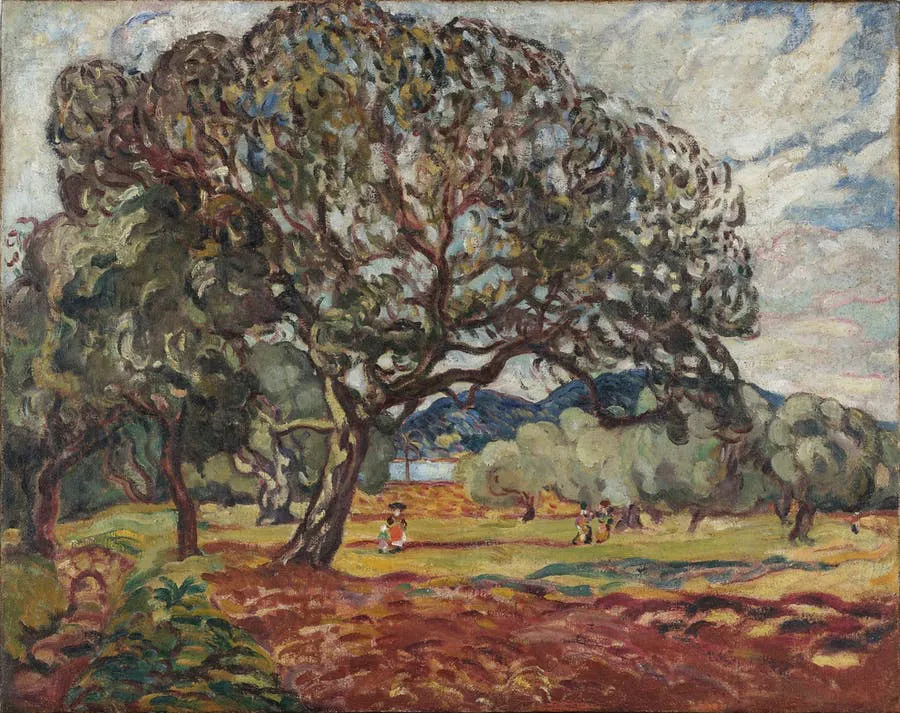
With a remarkable body of 13 works by the unclassifiable painter Louis Valtat, Rossini is offering a panorama of Valtat’s favourite subjects: the landscape, still life and bouquets of flowers.
The particularity of Louis Valtat is his independence from the artistic groups that forged his time. Even if he was assimilated to post-Impressionism in the 1890s and then to Fauvism around 1905, he always followed his own path, evolving his style according to his desires and his sensitivity.
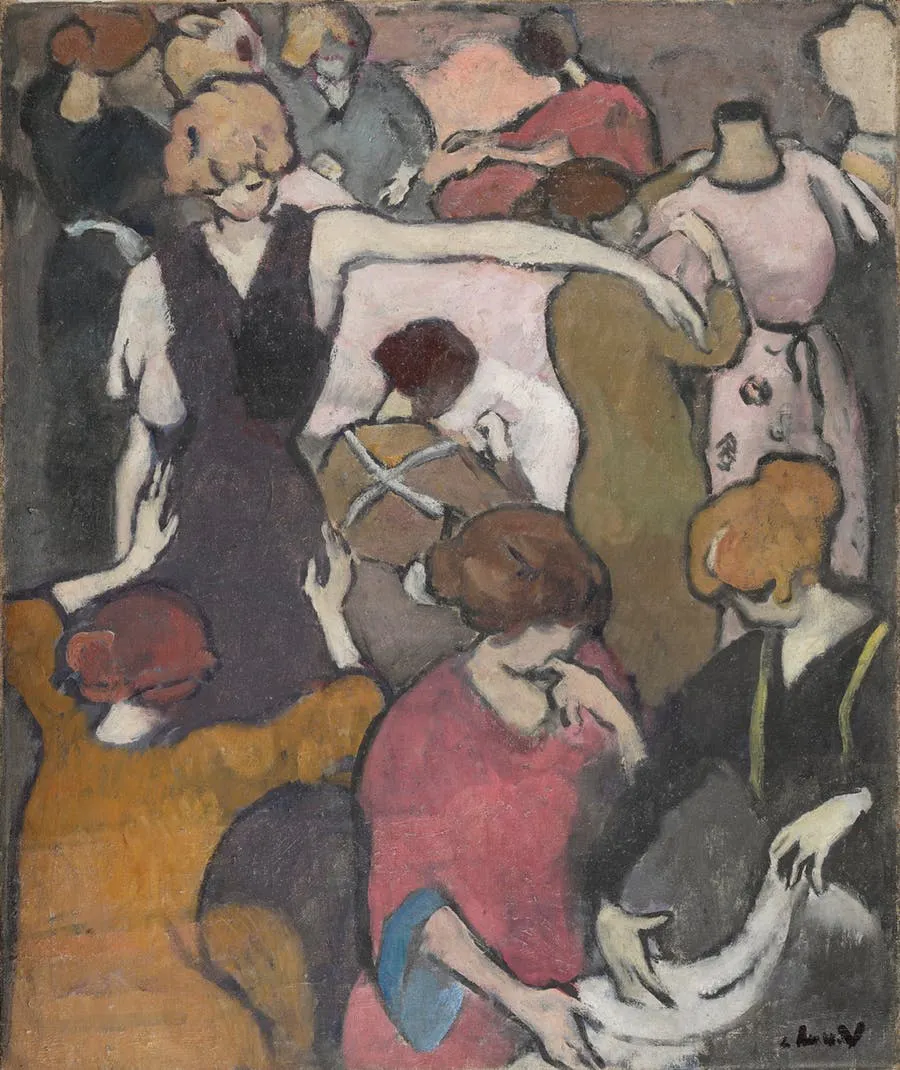
Valtat has tried his hand at all sorts, from cabaret dancers from his Parisian beginnings to the landscapes of the Midi, passing by the seamstresses of the workshops on his street to his own garden. As the auction house’s expert Raphaël Maket said, Louis Valtat did not follow fashion, he was a "free artist with an insatiable appetite, whose only need was to paint again and again and more."
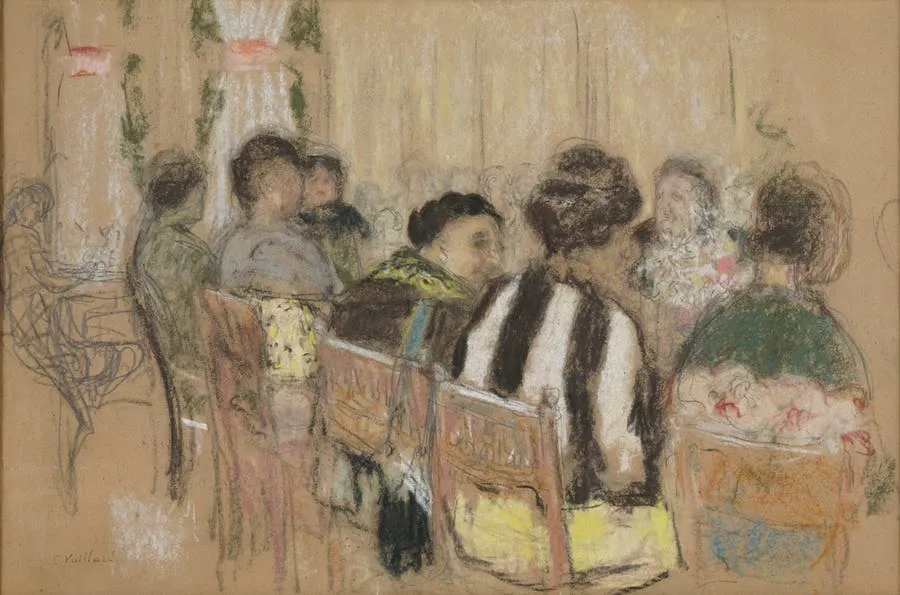
Founder of the Nabi movement, Édouard Vuillard grew up in a modest environment. He discovered a marked interest in still lifes and interior scenes during his studies at the École des Beaux-Arts, under the tutelage of Jean-Léon Gérôme. Driven by this notion of ‘modernity’, Vuillard found his subjects in everyday life and even went so far as to question his own perception of painting by trying his hand at the ‘synthesist’ method (which relies on memory more than direct observation) in the 1890s. His interior scenes, such as La Table d'hôte, Bagnoles-de-l'Orne, aptly transcribes the sweet atmosphere of everyday life and depicts him as an intimate artist.
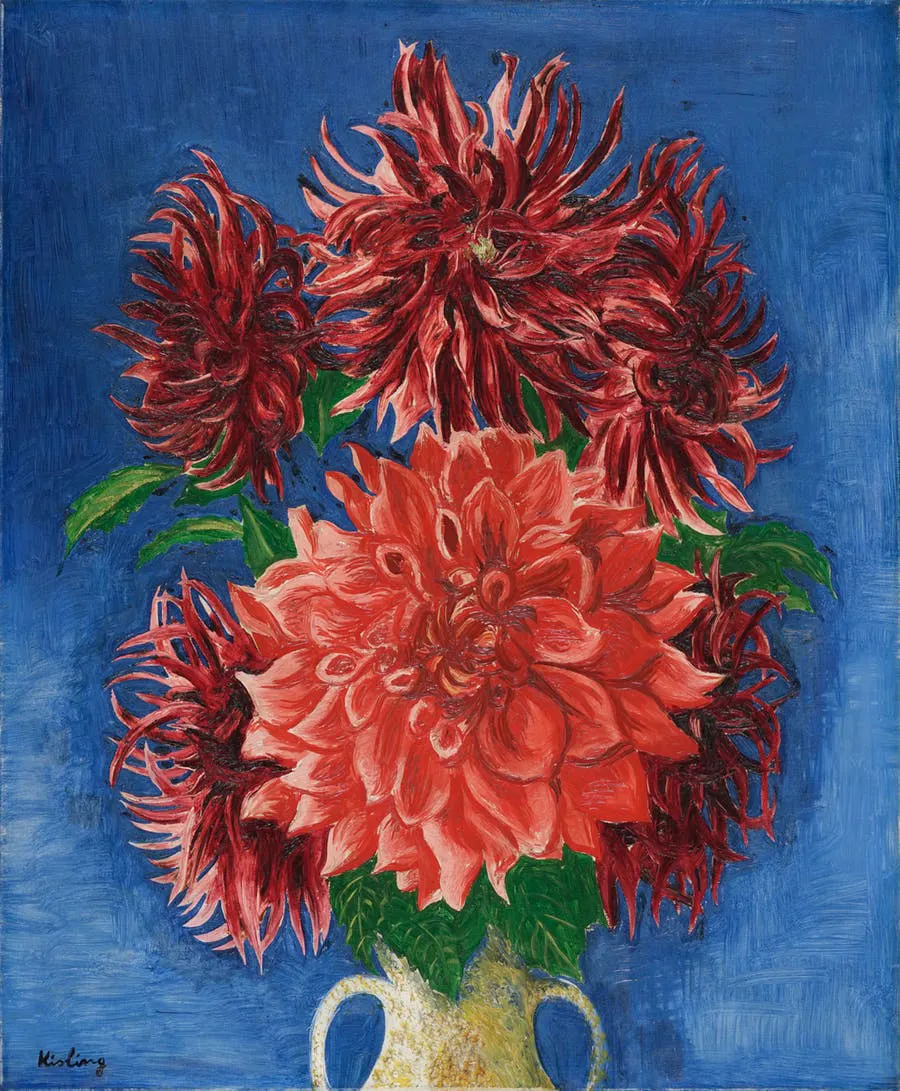
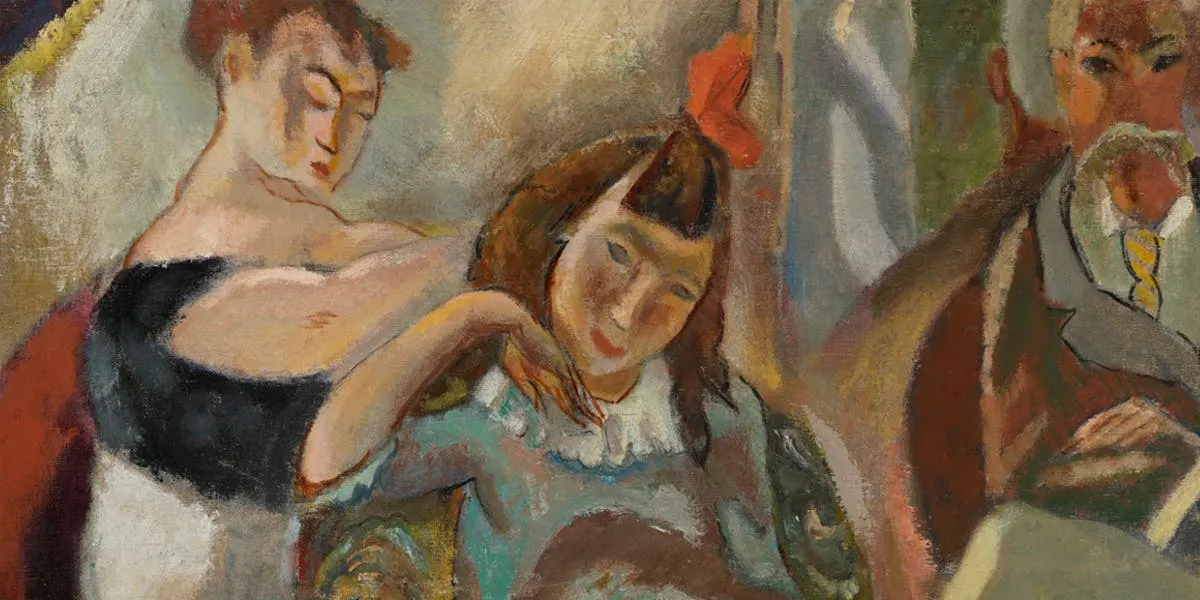
The second highlight of the sale honours the representatives of the École de Paris (School of Paris), the home of artistic creation until the 1960s. More than an actual school or a particular movement, the School of Paris represents twenty years of painting in the French capital and designates all the artists who have expressed themselves there. This is the case of Moïse Kisling, a figure in the artistic community of Montparnasse in the 1910s and great friend of Modigliani, whose portrait he painted in 1916, and also of Jules Pascin (the three artists lived in the same building). Kisling distinguished himself with his female nudes and still lifes, as well as his landscapes, whose dreamlike style is similar to that of Marc Chagall.
“The term École de Paris will be kept, because nothing else could better describe, in these post-war years, the supremacy of the capital in matters of art." - Lydia Harambourg
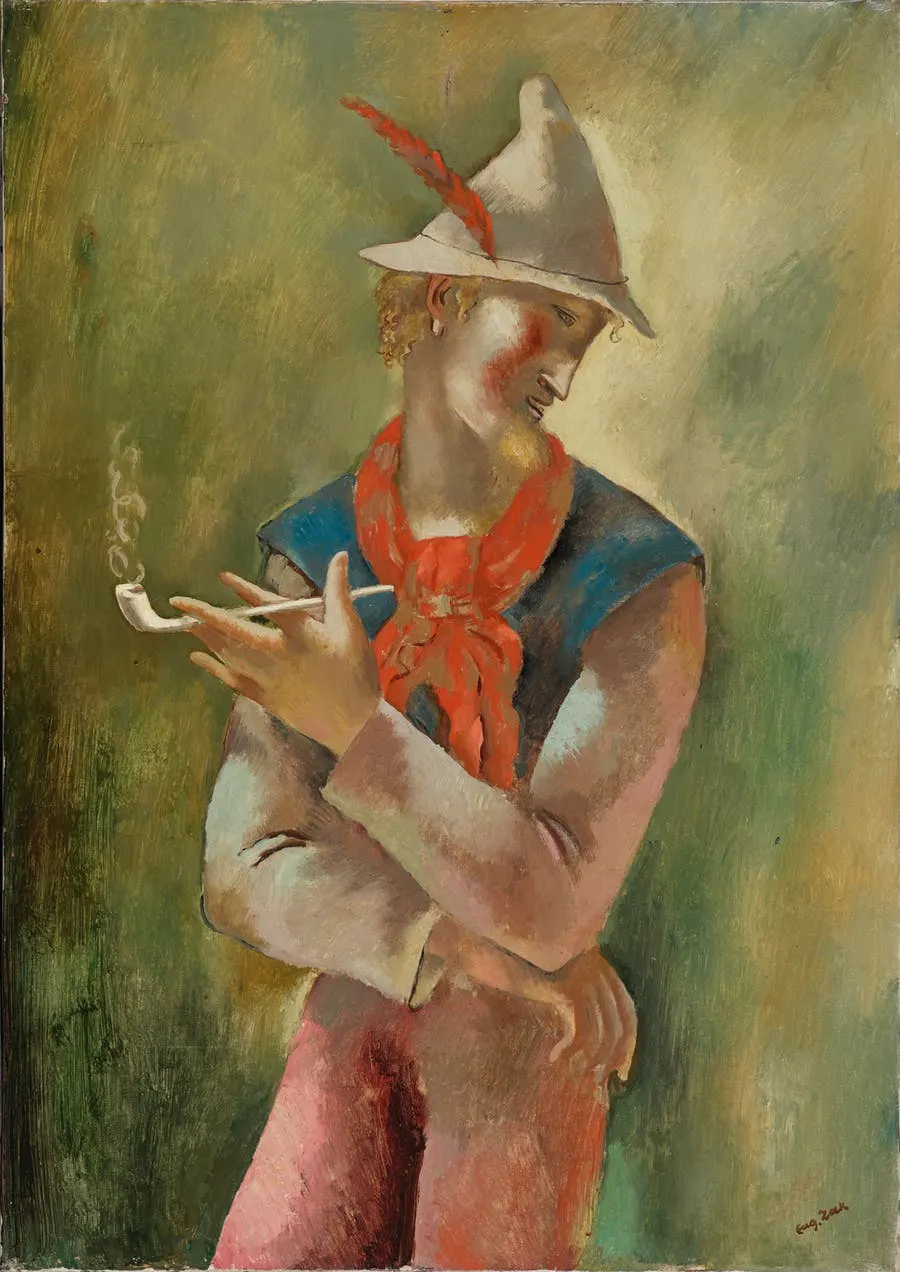
Kisling’s Franco-Polish contemporary Eugène Zak entered the École des Beaux-Arts in Paris in 1900, in the studio of Jean-Léon Gérôme, then left his mark on the Nabis style. He succumbed, like many artists of the time, to the charm of Brittany and left to try out the landscape. At the turn of the 1920s, as evidenced by the oil on canvas Man with a pipe, the lonely nostalgic characters he spotted in salons or other public places replaced the scenes of his beginnings, of fishermen, sailors and merchants.
A superb sculpture by Cecil de Blaquière Howard, Arlequin, Colombine and Pierrot punctuates the selection of members of the School.
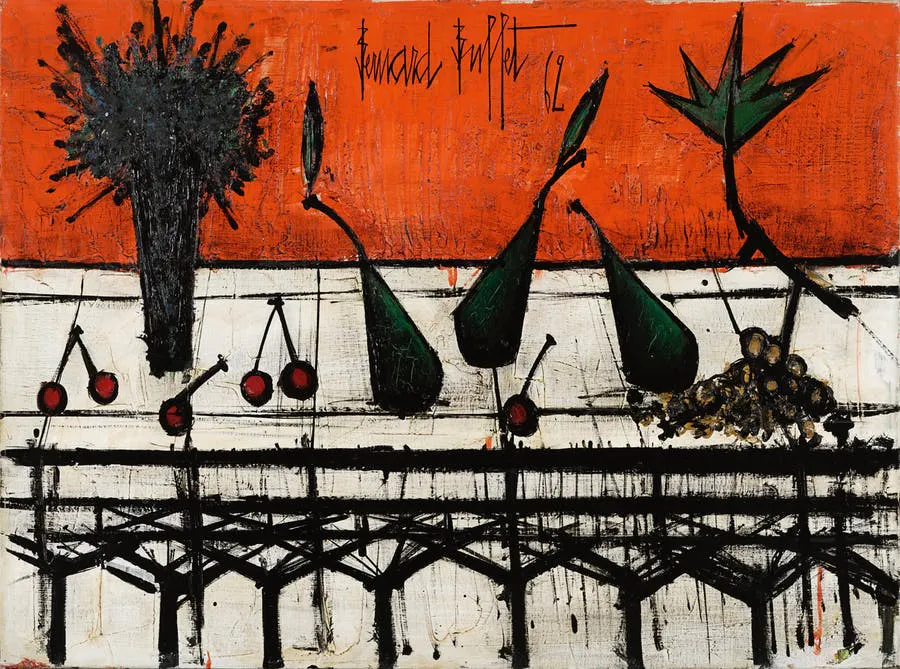
Even more contemporary artists feature in the auction, like Bernard Buffet and his Nature morte au bouquet, from 1962, and a superb watercolour and gouache by Salvador Dalí, which served as one of the illustrations for the Divine Comedy published at Claire Hours in 1960. The work corresponds to the lithography described and reproduced in the catalogue raisonné of the artist's engravings and will be delivered with a certificate from the president of Les Heures Claires editions.