There's a special charm to the fabulous Fabergé Easter eggs created for the Russian tsarist family, evoking a sense of days long past that came to an end with the February Revolution in 1917. In the years of upheaval that ensued, some eggs went missing, while others were sold overseas by the new rulers to fill the state coffers. Nowadays, most of the Fabergé eggs are displayed in museums.
See also: 8 Sensational Flea Market Finds
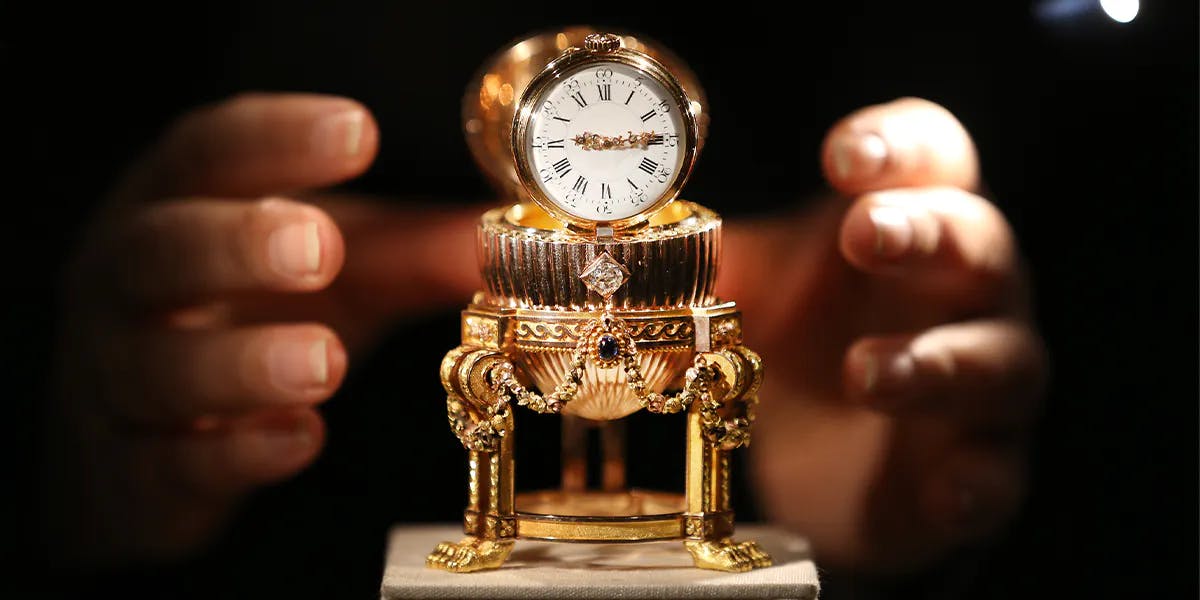
When a Fabergé egg hits the auction market, it quickly draws a crowd of eager bidders ready to shell out substantial sums. This was evident in 2007 when an egg, delivered to the Rothschild family in 1902, fetched £9 million at Christie's. Five years prior, the 'Winter Egg', a gift from Tsar Nicholas II to his mother Maria Fyodorovna for Easter in 1913, changed hands for $9.6 million (around 11 million euros). The 'Winter Egg' held the record as the priciest egg ever commissioned by the Tsar's family from Fabergé.
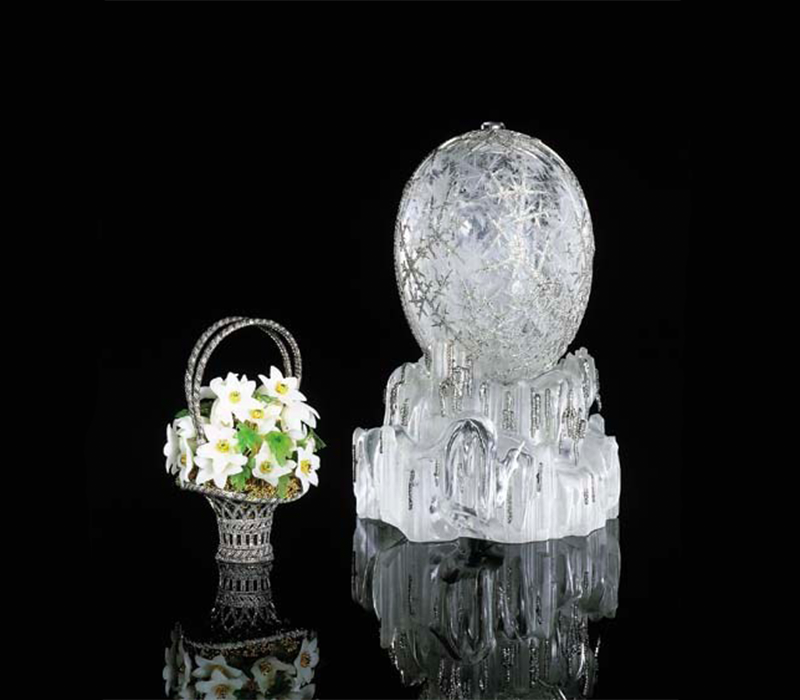
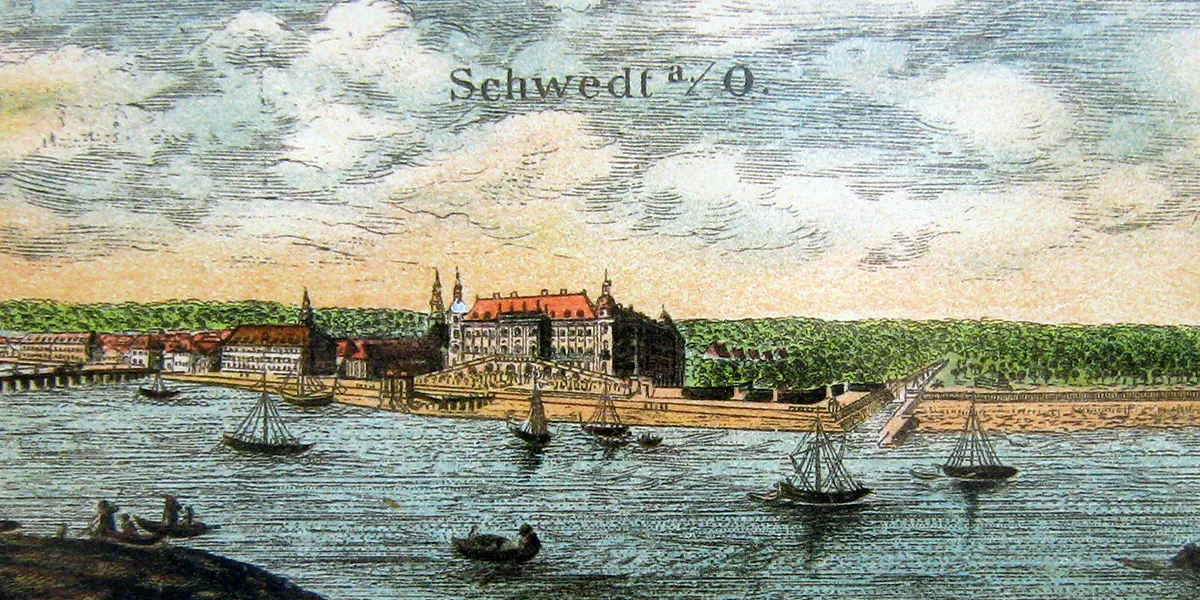
The history of the family behind Fabergé jewellery is as captivating as the craftsmanship itself. It might be a bit surprising, but the small town of Schwedt, nestled along the River Oder in Brandenburg, Germany, plays a part in this intriguing tale.
The jewellery dynasty traces its roots back to Picardy in northern France. Originally named Favrie, the family adhered to the Protestant faith. However, in 1685, a complication arose when King Louis XIV of France revoked the Edict of Nantes, previously issued by his grandfather. This edict had granted French Protestants, known as Huguenots, the freedom to practice their faith. Faced with the prohibition, many Huguenot families, including the Favrie family, had to leave their homeland unless they chose to convert to Catholicism.
See also: Fabergé Eggs: 8 Little Known Facts
Protestant Brandenburg became their new home, a residence that endured for over a century. The family's name underwent transformations over time: from Favry to Fabri, then Fabrier, and ultimately Fabergé. In the latter half of the 18th century, Jean Favri, a tobacco planter, settled in Schwedt. However, Schwedt wasn't destined to be the family's permanent home. Their journey continued to Pärnu in Livonia, then part of the Russian Empire and now Estonia. Around 1800, a craftsman named Pierre Favry can be traced in Pärnu, who later changed his name to Peter Fabrier. The family's ascent truly began with his son, Gustav, born in 1814.
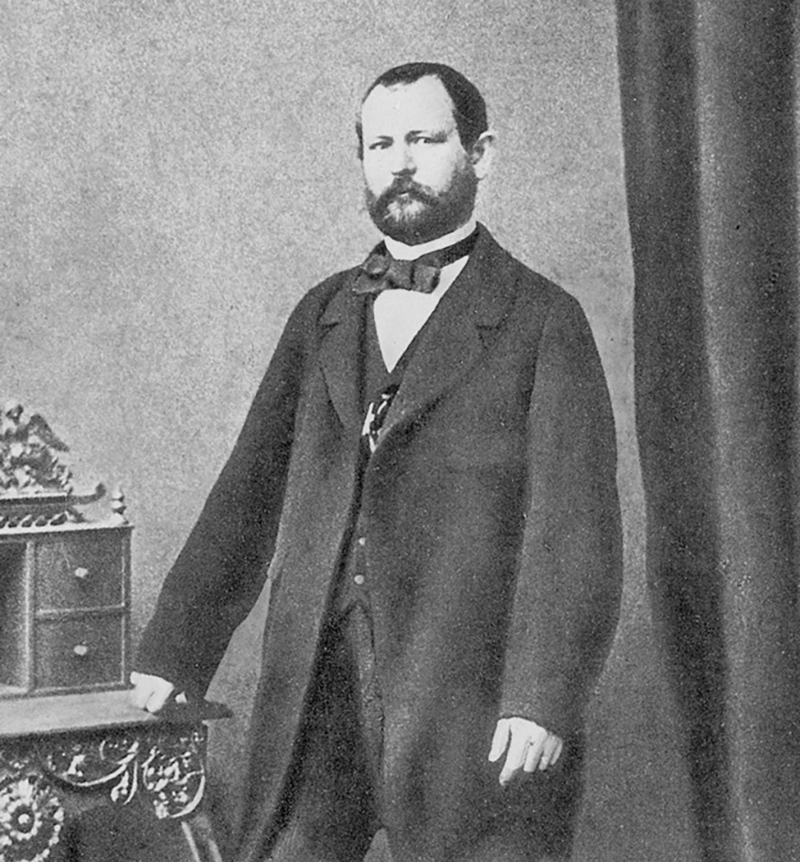
Gustav, now bearing the surname Fabergé, ventured to St. Petersburg and established a jewellery shop in 1842. He tied the knot with Charlotte Jungstedt, the daughter of a Danish artist. Their first son, Peter Carl, was born in 1846, followed by another son, Agathon, in 1862. Gustav Fabergé had already retired by this time, entrusting the St. Petersburg business to his employees. He relocated with his family to Dresden. Meanwhile, Peter Carl began to prepare to take over from his father.
Want more articles like this straight to your inbox? Subscribe to our free newsletter!
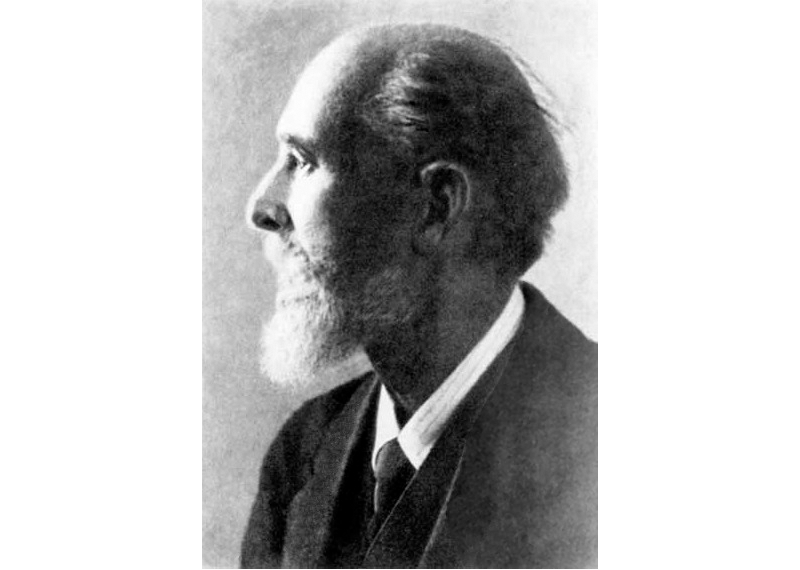
At the age of 18, Peter Carl embarked on a journey across Europe, soaking in impressions from museums and various goldsmiths. He returned to St. Petersburg in 1872, marrying Augusta Julia Jacobs and assuming control of his father's business. Peter Carl also dedicated part of his time to the Hermitage, the renowned art collection of the Tsar's court. He catalogued its objects, drawing inspiration to craft jewellery in the old Russian style. These creations found favour with the Russian upper class, and Peter Carl's talent caught the eye of Tsar Alexander III.
See also: Fabergé's Eternal Easter
In 1885, the Tsar commissioned the first Fabergé egg as an Easter gift for his wife, Maria Fyodorovna. The concept was so well-received that the Tsar began ordering an egg from Fabergé annually. His son and successor, Nicholas II, continued this tradition, ordering two eggs each Easter — one for his mother and another for his wife, Alexandra Fyodorovna. A total of fifty of these splendid Fabergé Easter eggs adorned the Tsar's court. The final one was delivered in 1916, taken by the Tsarina's mother when she fled Russia during the October Revolution. From the 1920s onward, the remaining eggs were sold to the West. The whereabouts of forty-four eggs are now known.
See also: Flea Market Fabergé: The Third Imperial Egg
In 1917, Carl Fabergé had to depart from Russia. He sold his shares in the business to his employees. By that point, the House of Fabergé had crafted approximately 150,000 pieces of jewellery. Carl Fabergé passed away in Lausanne in 1920.
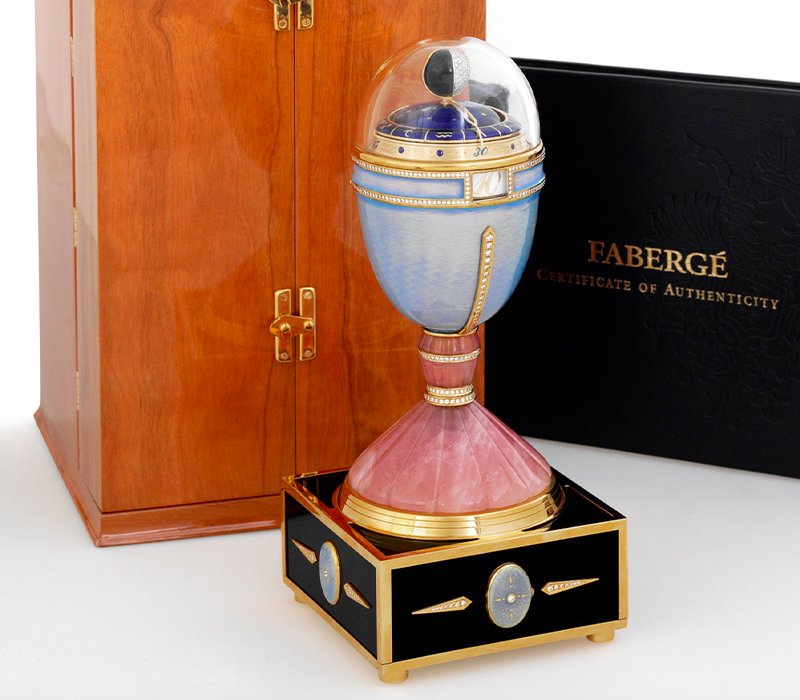
His sons Eugène and Alexander then continued to run the company. The production of Easter eggs in the Fabergé tradition was only resumed in 1989 when the Victor Mayer jewellery manufactory in Pforzheim acquired the necessary licence, which it held until 2009. Eggs from this period are still available in shops and on the auction market.
See also: The 9 Most Popular Jewellery Brands
Today, the House of Fabergé has resumed its role in the design, manufacture, and distribution of its objects. The captivating journey of the renowned Fabergé Easter eggs persists.