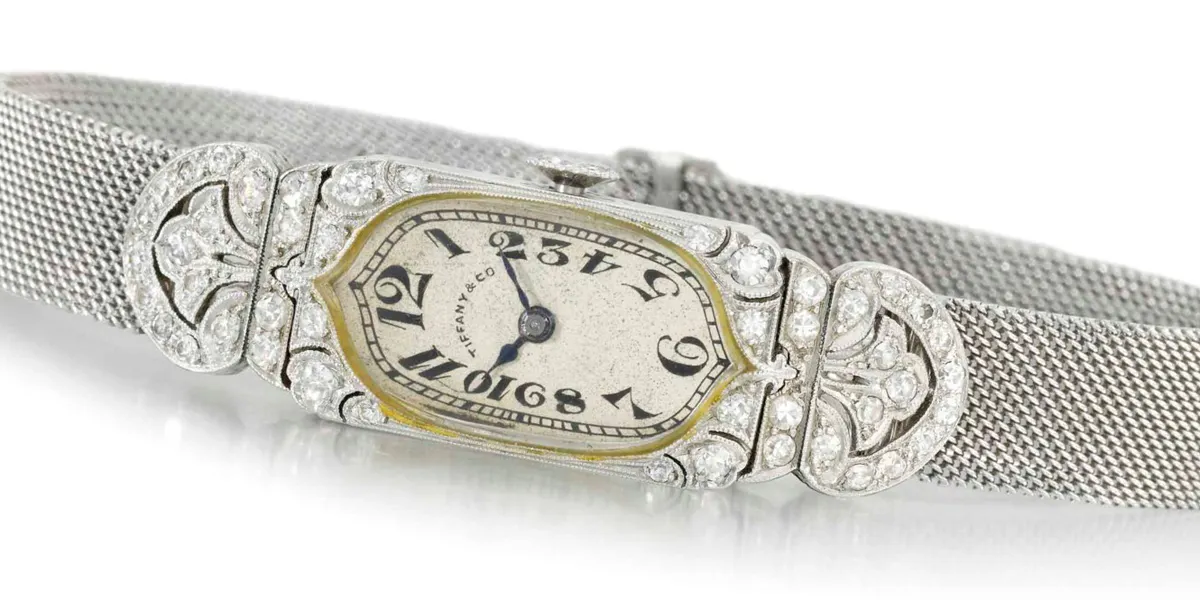
Many of the most sought-after wristwatches today were not originally developed as a status symbol, but for a specific purpose. Their sophisticated complications were to make life easier for pilots, divers and even astronauts. At the time of their respective invention, men were the clear target group.
However, it's not surprising that the first wristwatches were worn by women, who, for centuries, had been professionals at wearing decorative accessories on the wrist.
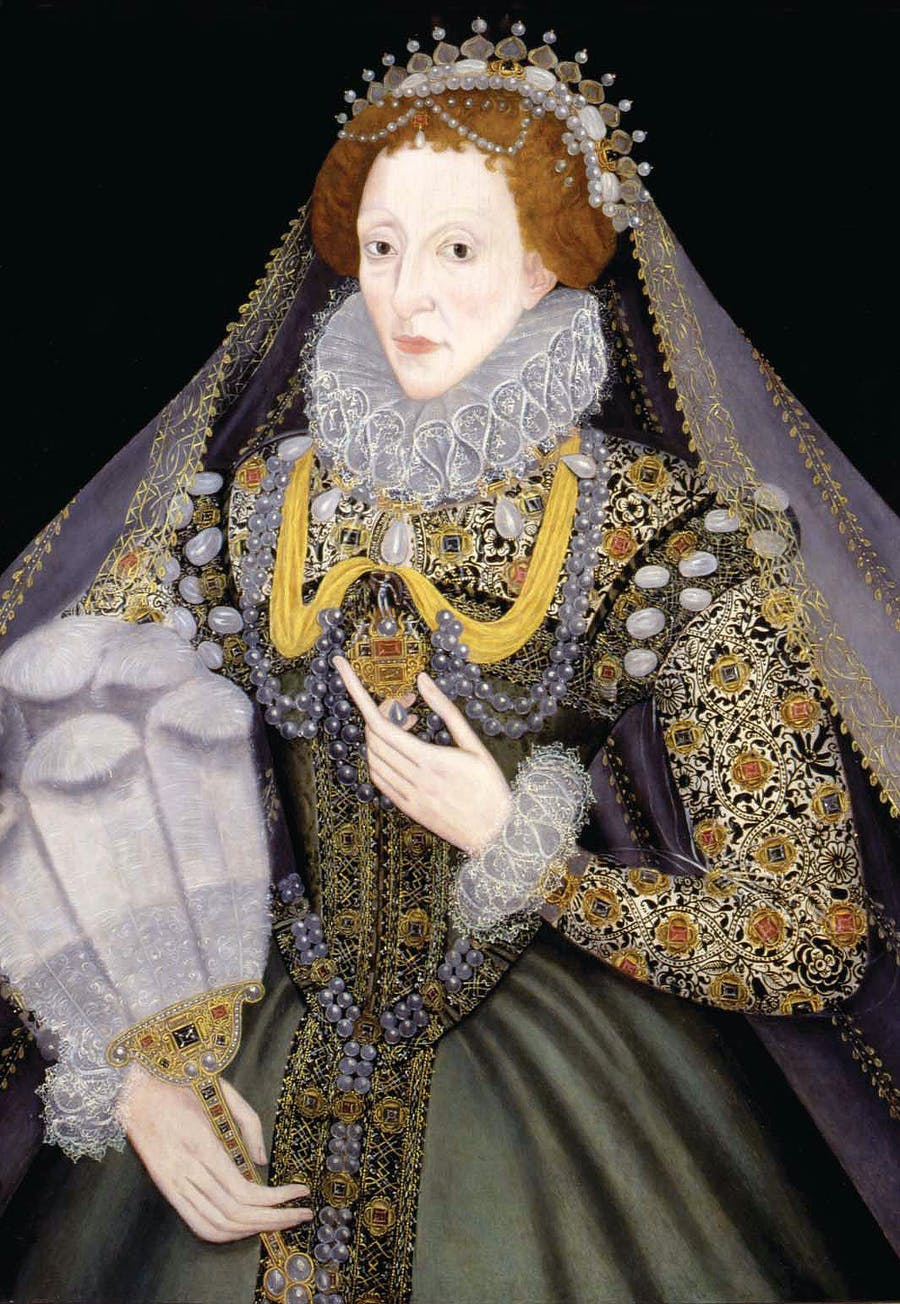
The first detectable wristwatch in history is said to have belonged to Elizabeth I of England. This was presented to her in 1571 by 'The Favourite' Robert Dudley, Earl of Leicester. Nothing is known about the appearance of this watch, but it was called an 'arm watch'.
See also: A Growing Movement: The Rise of Vintage Watches
The Queen's wristwatch, however, had no influence on the subsequent development. Instead of bracelets as cases for small watches, another piece of jewellery took centre stage: the ring watch. Ring watches existed as early as the 16th century and became very popular from the 1750s.
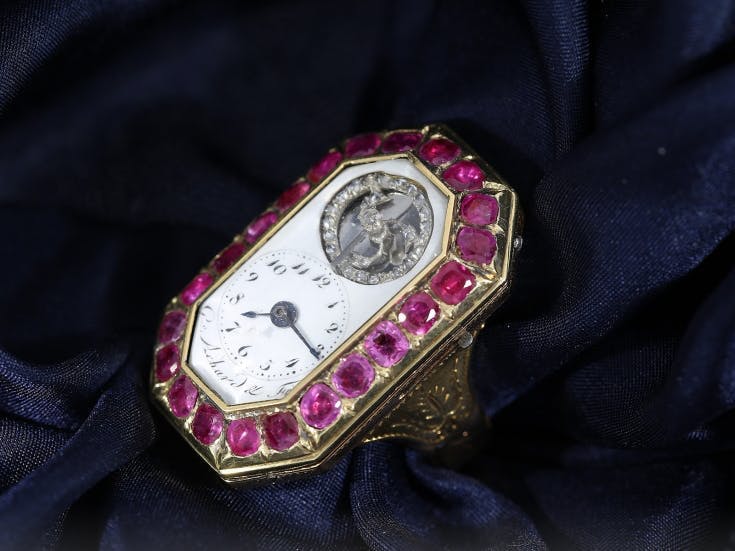
On the trail of the world's first wristwatches, the next stop is Paris, where the Swiss watchmaker Abraham-Louis Breguet founded his company in 1775. One of his most loyal customers became Queen Marie Antoinette, who owned several of his creations. The showpiece in the Queen's collection was to be a pocket watch with many complications, which was commissioned from Breguet in 1783 by Marie Antoinette's 'special friend', the Swedish Count Hans Axel von Fersen. Unfortunately, the clock wasn't finished until years after Marie Antoinette's execution.
However, the fashion-conscious Marie Antoinette never owned a wristwatch. It was a member of the new ruling Bonaparte family who can boast of having worn the first real wristwatch.
See also: Top 10 Most Wanted Watch Brands
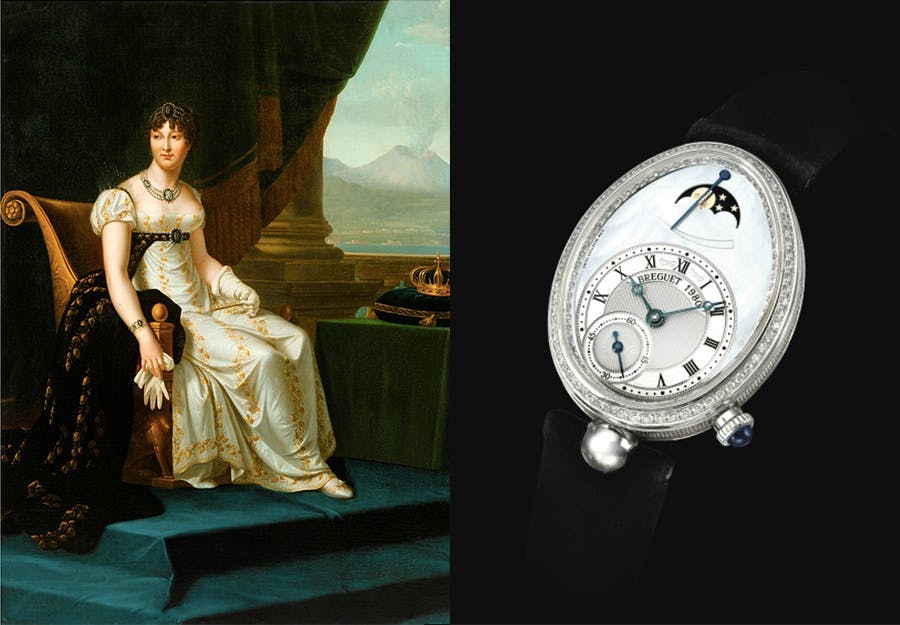
Like Marie Antoinette, Caroline Murat, Napoleon Bonaparte's youngest sister, was an admirer of Breguet's creations and owned several of his watches. On 8 June 1810, in addition to a travel clock for 100 francs, she also commissioned a “watch with a repeating mechanism on a bracelet”, which was to cost a whopping 5,000 francs.
See also: The 10 Most Expensive Watches Ever Auctioned
Perhaps the idea for this first wristwatch was inspired by an order placed four years earlier by Empress Joséphine with court jeweller Étienne Nitot. For her new daughter-in-law, Princess Auguste of Bavaria, Joséphine had a pair of bracelets made, one with a small calendar and the other with a small clock. Joséphine wasn't very popular in the Bonaparte family and Napoleon's sisters in particular tried to outdo their sister-in-law as often as possible.
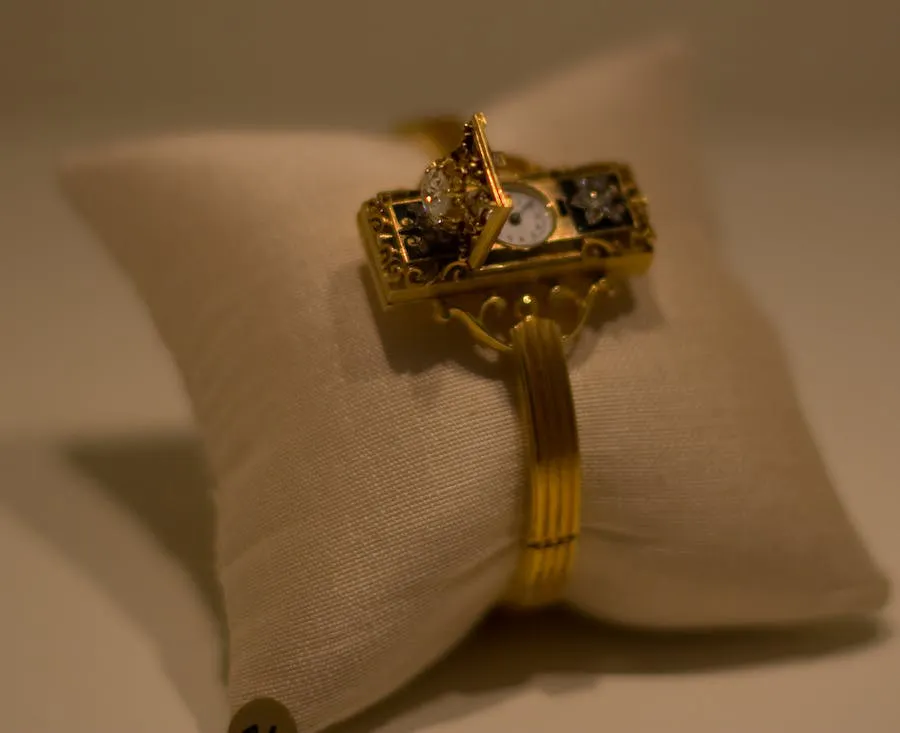
But again the wristwatch did not prevail in popularity. The next development was made in 1868 by the Swiss company Patek Philippe. The first known wristwatch was commissioned to the Hungarian Countess Koscowicz, the appearance of which is known because it has still been preserved.
As a result, jewellery watches for the female wrist became increasingly popular. Men, however, still preferred the pocket watch. With the increase in women in the labour market, more practical models that didn't cost a fortune came into circulation.
Men only became aware of the practical value of a wristwatch through sporting and military activities, from which brands like Rolex and TAG Heuer rose to fame. The fame of having worn the world's first wristwatch, however, is something that women can claim.