
On a web page preceding ‘Erotic Art Online’, the digital companion to Sotheby's ‘Erotic: Passion and Desire’ sale held on 15 February 2018, the esteemed London auction house posted the following warning: ''Please be advised that this sale includes images of nudity and images of a sexual nature which some viewers may consider indecent.''
Such warnings almost certainly have legal underpinnings, but they are also driven by the cultural baggage carried by erotic art. More than any other genre, erotic art lives solely in the eye of the beholder. For some, sexually explicit art is a sign of our permissive society run amuck, for others, it is a natural expression of sex-positivity. Recently, a third perspective is finally becoming more widespread, as viewers grapple with the content of erotic art through the lens of the #MeToo movement.
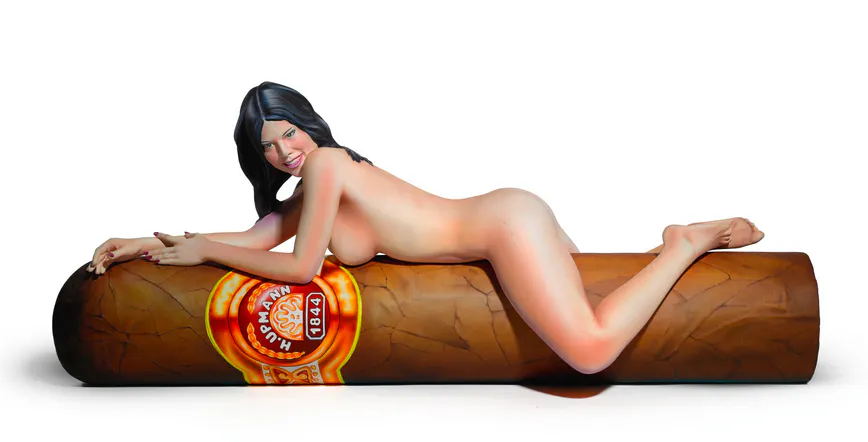
Consider the traditionally sexy pinups of Mel Ramos, two of which were featured in ‘Erotic: Passion and Desire’. There are men and women alike who find the fleshy curves and come-hither expressions of the artist's nude female models alluring and empowering, and others who admire the Pop Art tightrope that the artist walks between, straddling bad taste and flawless technique. On the other hand, of course, some people are repulsed or even angered by the exploitative nature of Ramos' subject matter.
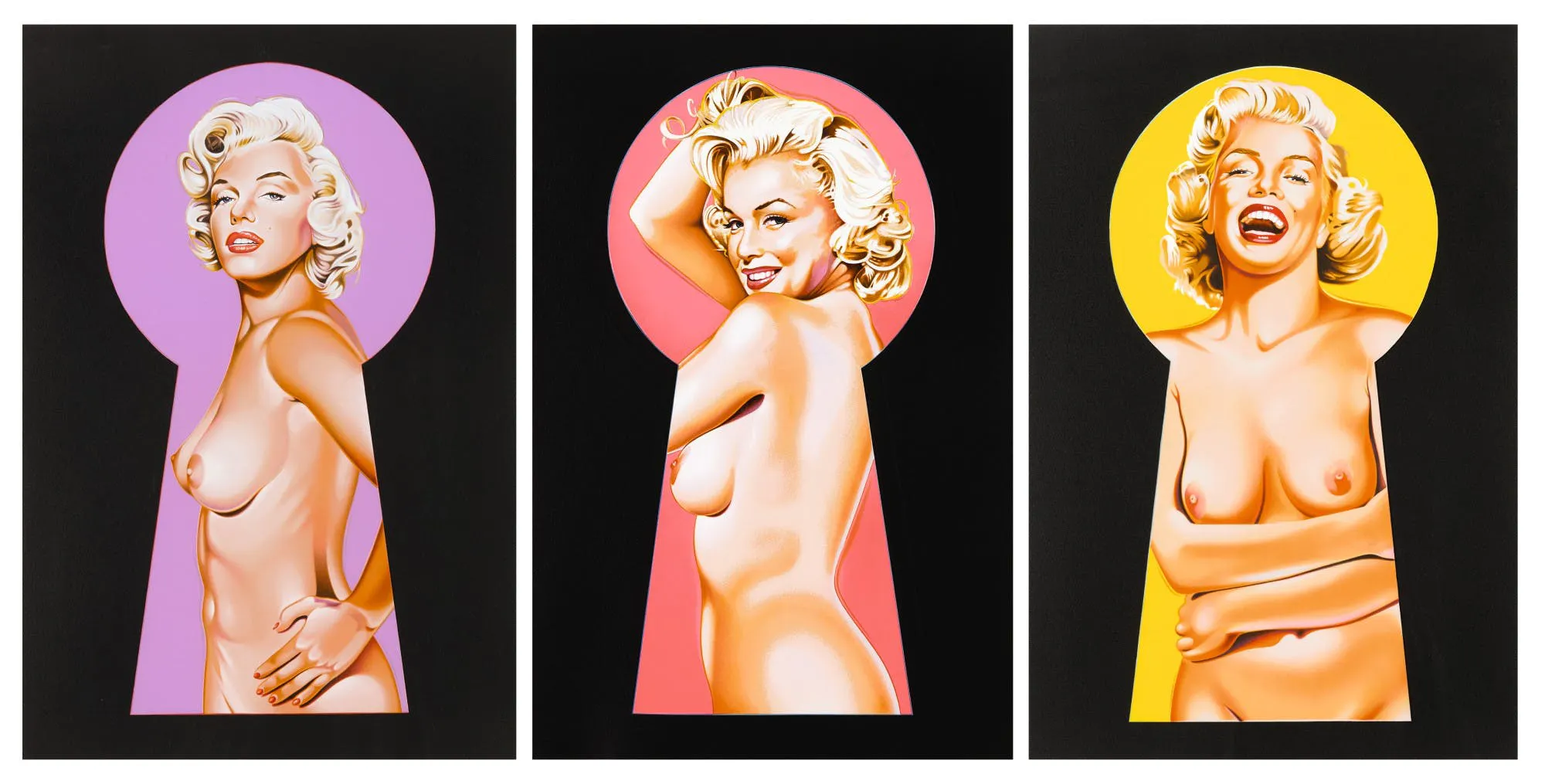
See also: Marilyn Monroe and the Camera: A Love Story
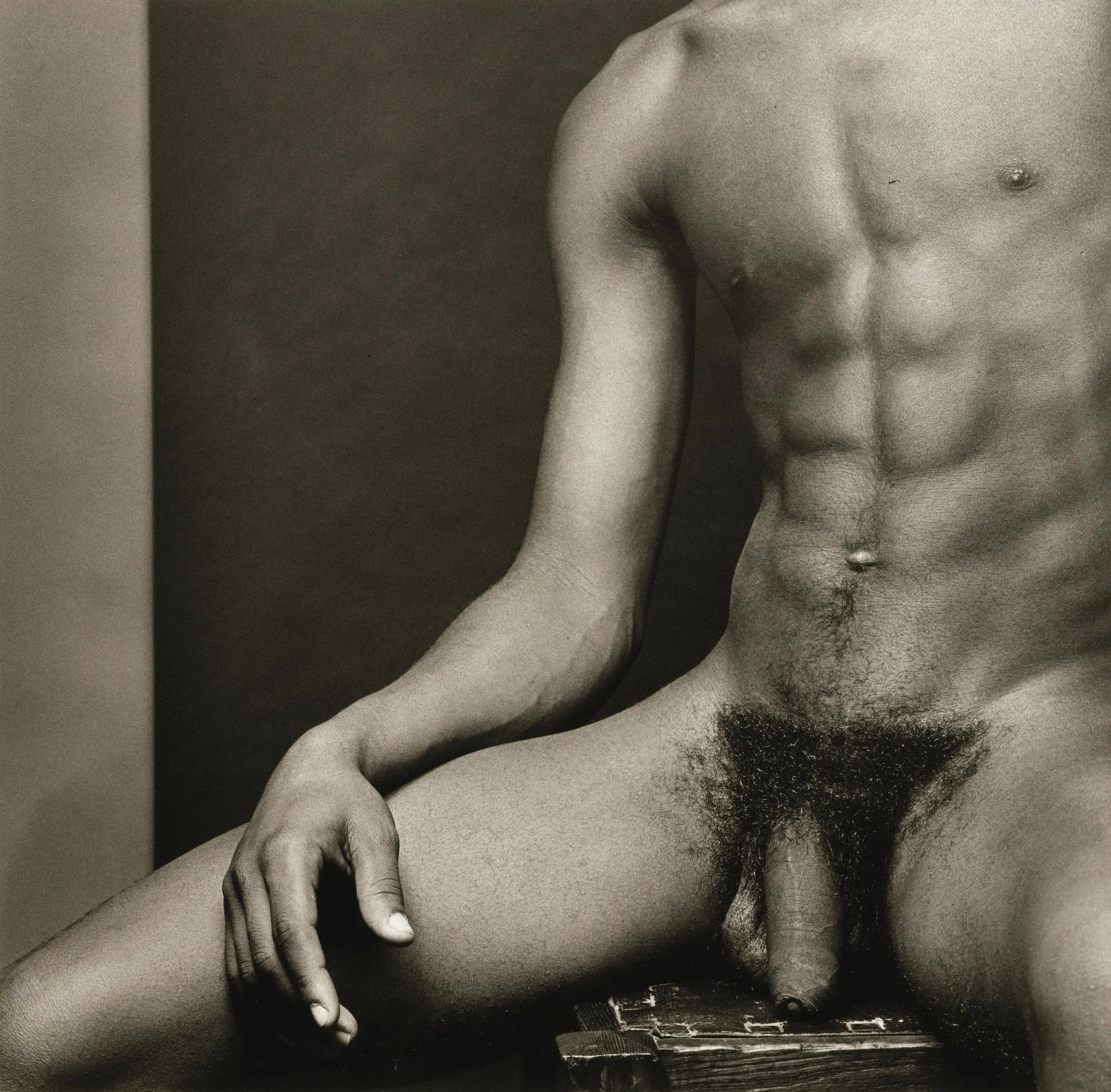
Similarly, there is a lot of grey area when it comes to Robert Mapplethorpe's graphic photographs of nude men, three of which were featured in the Sotheby's auction. As with Ramos, some admire the artist's technical virtuosity, in this case, as a photographer rather than a painter, but many of Mapplethorpe's fans are simply grateful for the sight of male nudes in an art world, where the female form predominates. As for Mapplethorpe's detractors, they range from those who cannot distinguish his work from pornography to hardened homophobes, who outright fear his photographs.
See also: Painting and Provocation: Suzanne Valadon
‘Erotic: Passion and Desire’ didn’t shy away from any of these potential landmines. In fact, the auction deliberately stepped on ninety of them, in the form of drawings, prints, photographs, and sculptures.
See also: An Artistic Representation of Breasts through the Centuries
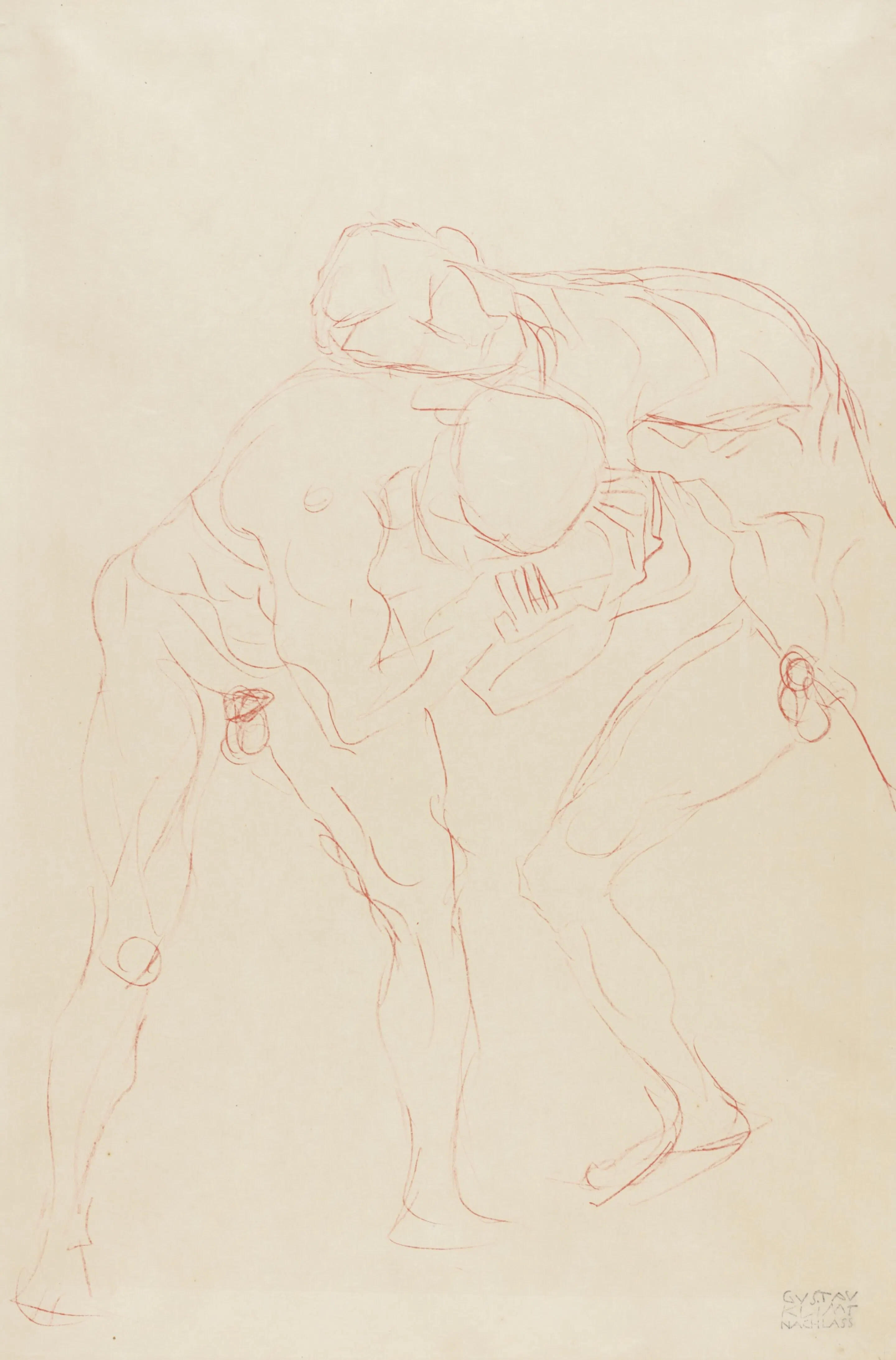
The sale began with a pair of Gustav Klimt drawings from 1904-05, and right away one was confronted by yet another challenge of the genre. In one drawing, Klimt gave us two nude men wrestling. The drawing was included in this particular auction, presumably, because the men are nude, but the piece is more of an exercise in composition and the rendering of the human form than it is an attempt to quicken the viewer's pulse, a primary mission of most erotic art.
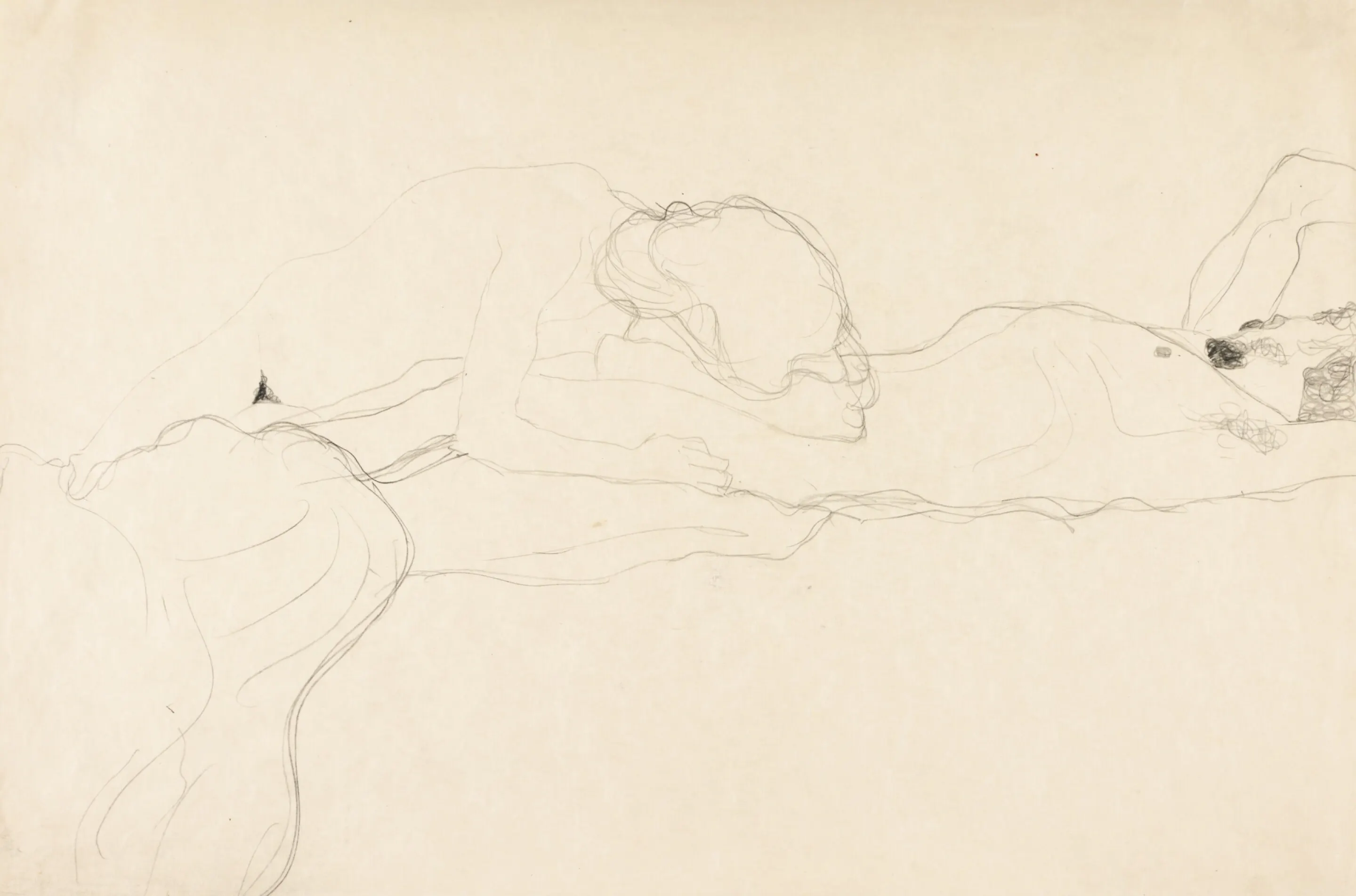
Lovers Lying Seen From the Right, in which the head of a female figure is buried in the crotch of her male partner, is similar in its choice of medium but less about composition than content. We can’t see exactly what the woman in the scene is doing, but Klimt has extended the man's outstretched arms above his head, which is twisted to his right, both gestures signalling his apparent abdomen in an intimate moment of ecstasy.
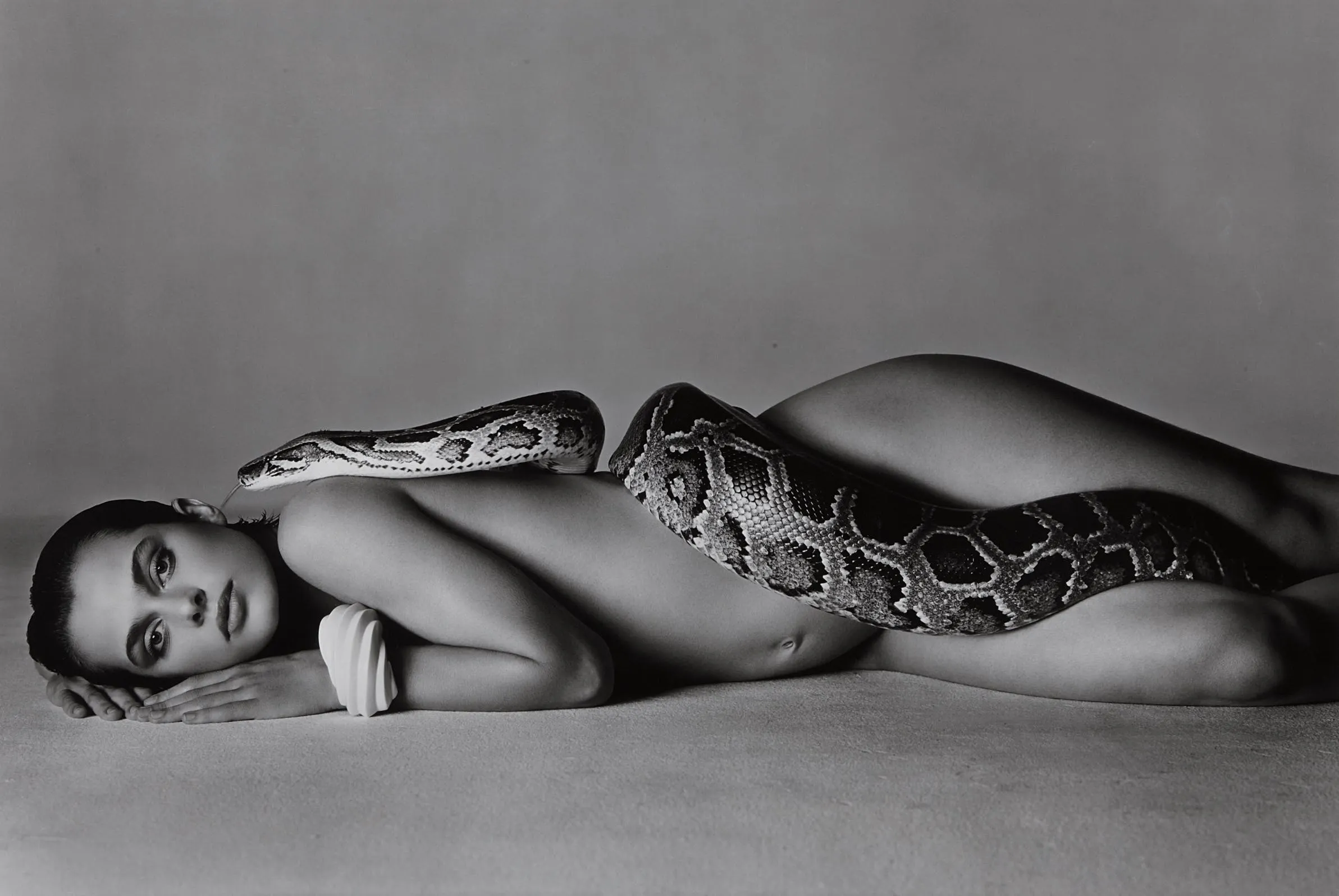
Other works were tamer, such as Richard Avedon's famous portrait of German actress and model Nastassja Kinski wrapped in little more than a boa constrictor, which was designed to be displayed without any gallery warnings at all. Originally published in Vogue, Avedon's fashion photograph was sexy enough to stimulate a viewer's libido yet modest enough to be turned into a bestselling poster – in the 1980s, the bedroom walls of secondary-school girls and boys alike were decorated with the image.
See also: Five Centuries of the Nude in Painting
And then there were the pieces by Pablo Picasso, which brings us back to #MeToo. As is well known, Picasso produced hundreds of works of erotic art – ’Erotic: Passion and Desire’ gave bidders the chance to own two such drawings, one from 1967 and another from 1971. The first, Trois nus assis, wouldn’t strike most viewers as being terribly controversial. It depicts three women chatting casually as if they were meeting fully clothed in a cafe rather than sitting nude one on the floor, one figure’s legs unselfconsciously spread apart.
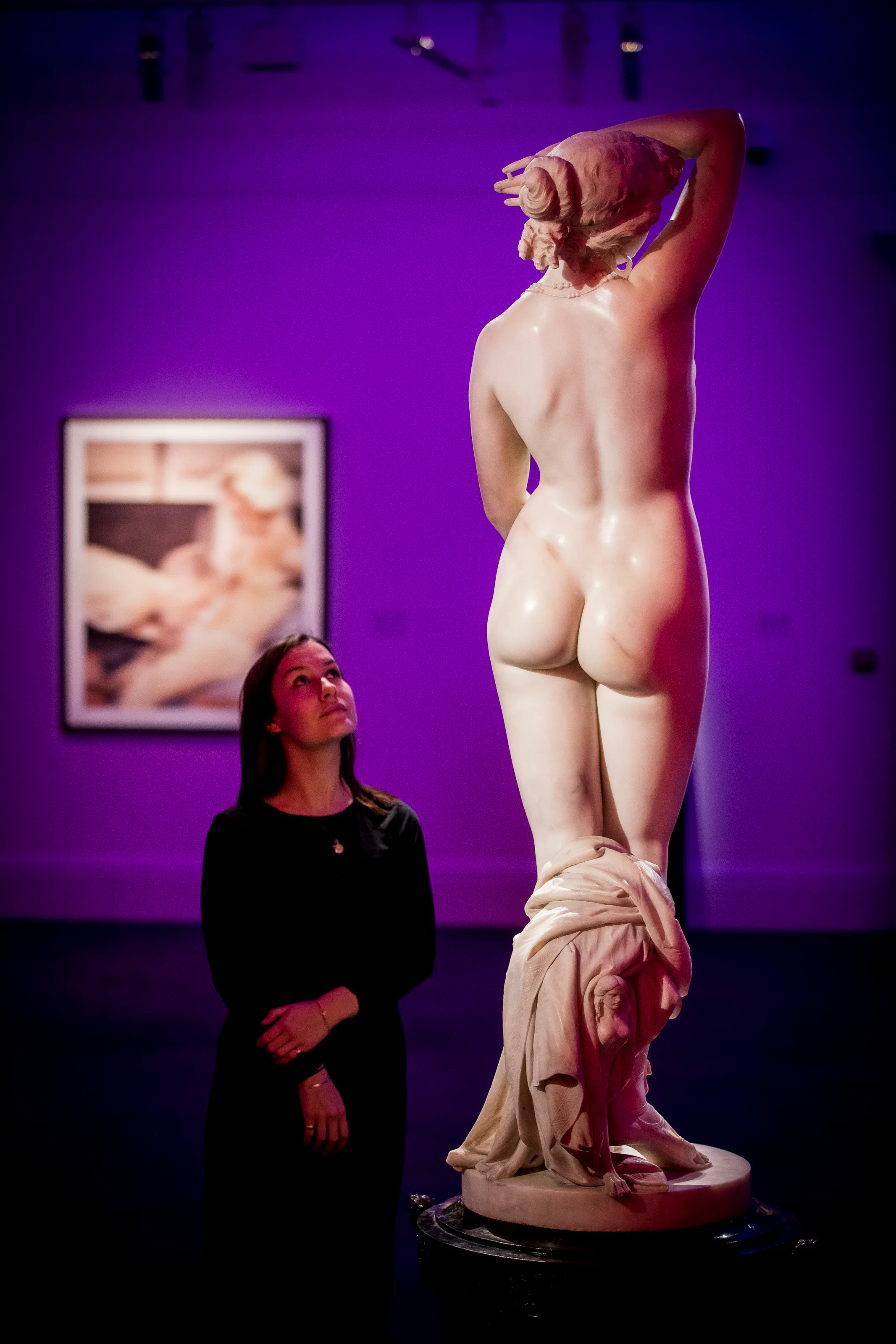
The second Picasso, though, titled Homme et femme nus, got us firmly into #MeToo territory. The Sotheby's catalogue described the work on paper as being a ''sensual rendering of the female body and the voyeuristic old man behind her'', suggesting a benign relationship between the two. But is it? In fact, could the female figure who is ''languorously enclosed within the embrace of a somewhat satyr-like male'' actually be struggling to fight off the unwanted gropings of a sexual predator?
Many women have no doubt always felt the undercurrent of intimidation and suggestion of violence conveyed by Homme et femme nus, but in an era of #MeToo, it’s suddenly difficult for a lot of men to ignore these interpretations, too, making the place of erotic art in the art world more uneasy than ever.

![Beeple, ‘Everydays: The First 5000 Days’, 2021, digital [detail]. Photo © Christie’s](https://images.prismic.io/barnebys/560126fa-fbd6-4c97-bb3c-8de6186f8924_Beeple-2.jpg?auto=compress,format)


