
The embodiment of beauty, mystery, desire and the forbidden, the nude has always been a strong source of inspiration for artists. However, in the Middle Ages, nudity was associated with sin, which meant few artists risked depicting it. The Renaissance, however, marked the beginning of a change, because in a surge of freedom, the subject of the nude was again taken up by artists.
See also: Elizabeth Siddal: The Tragedy of the World's First Supermodel
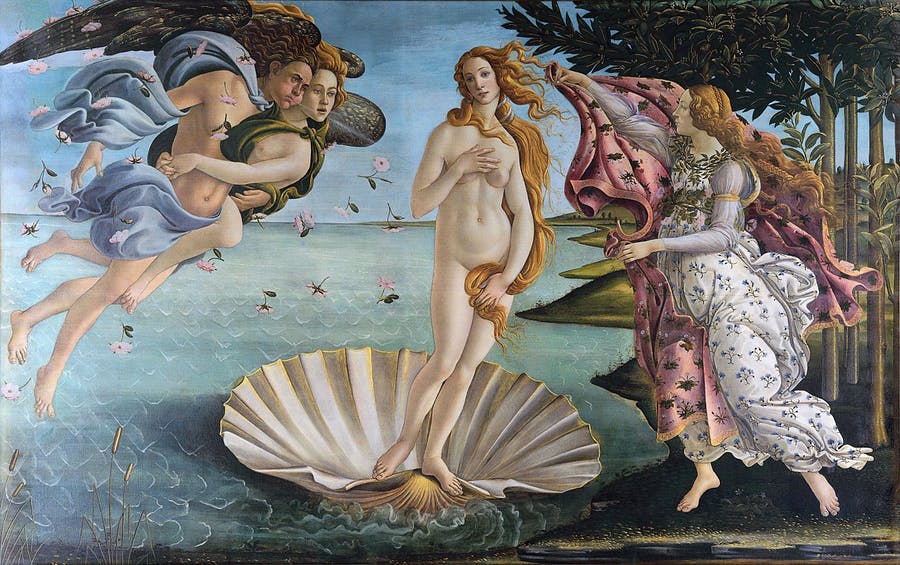
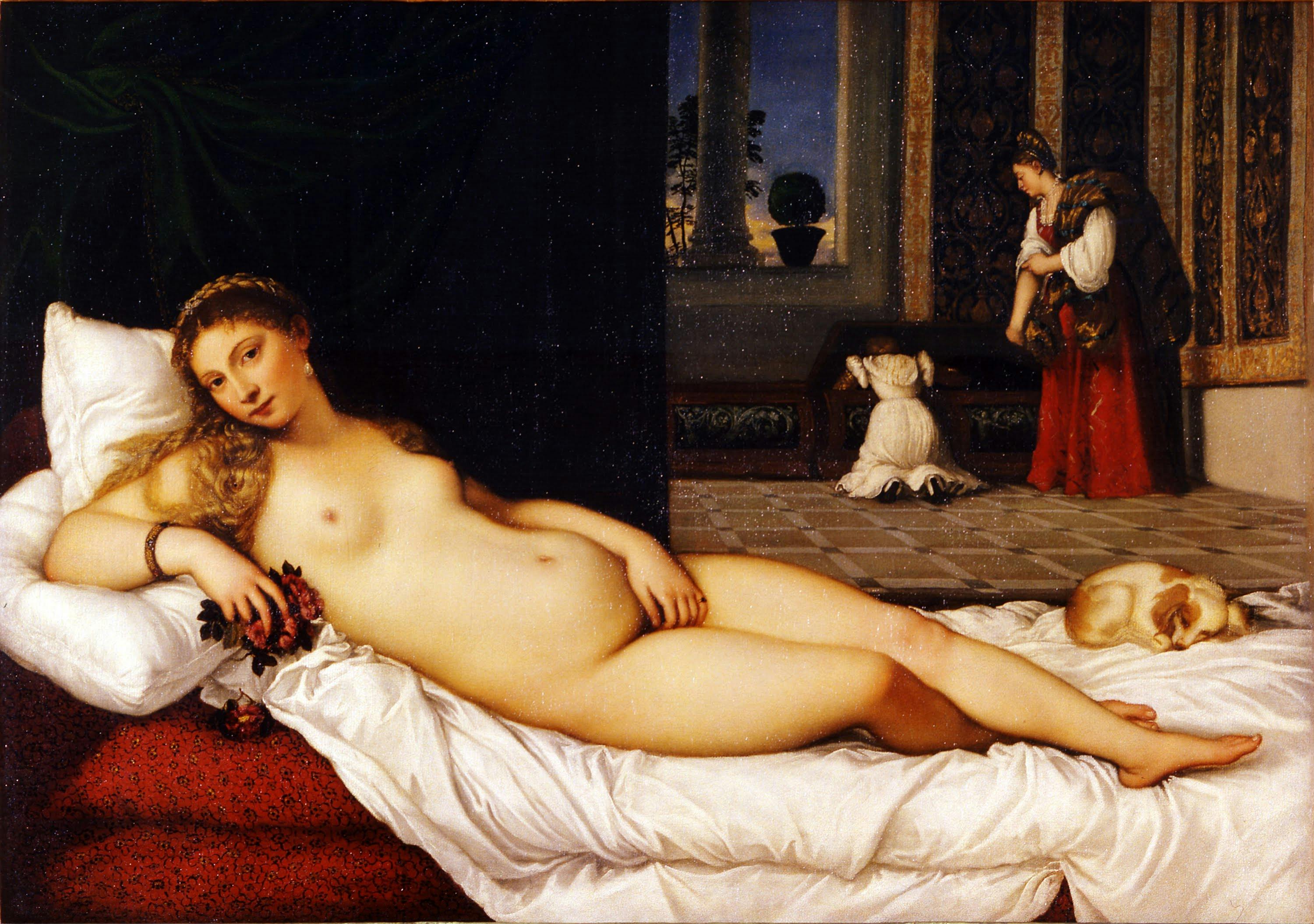
But despite a sudden resurgence, religious modesty was still very present and not all pictorial codes were suddenly upset. From Michelangelo to Leonardo da Vinci, the naked body was glorified but always controlled, most often as part of ancient mythology (often depicting Venus). Simonetta Vespucci, the model that inspired Botticelli's (1445-1510) Venus, was regarded as the personification of Venetian beauty. Her nude form was strategically draped and covered. A century later, Titian also introduced his Venus of Urbino, showing a voluptuous nude form, but still covering the genital area.
See also: Fire, Passion, Inspiration: Red Hair in Art
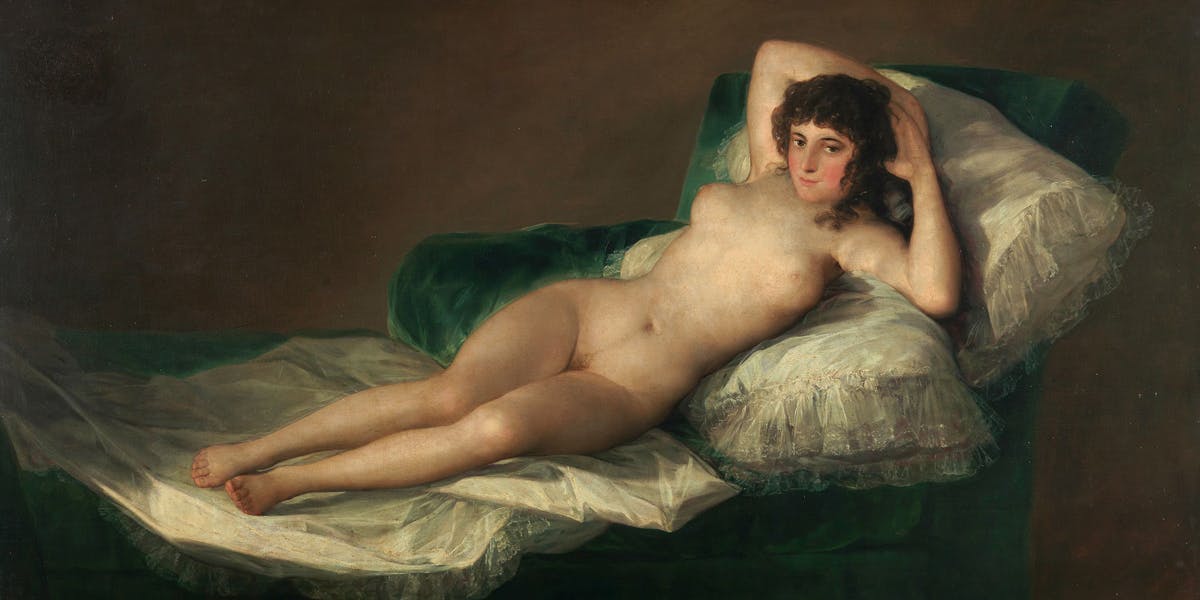
Fast-forward to Francisco Goya (1746-1828), the Spanish painter known for capturing the female body. In Catholic Spain during an ultra-conservative 19th century, Goya, with no theological or political burdens, depicted women naked, euphoric and free.
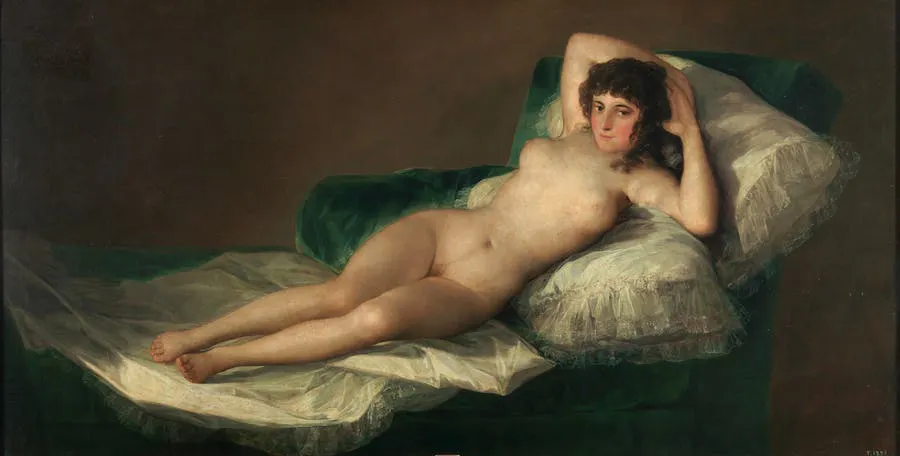
La Maja desnuda, one of the artist's most famous paintings, was one of the first Western artworks to reveal a female pubis without using the alibi of mythology.
See also: The 7 Most Expensive Works by Francisco Goya
In 1807, the King of Spain Ferdinand VII confiscated the Maja from Godoy, the commissioner of the work. In 1814, the Inquisition decided to hide it from the public for 'obscenity' and dragged Goya into the heart of a trial. The painter was later acquitted, thanks to the influence of Cardinal Don Luis María de Borbón y Vallabriga.
See also: The 10 Most Scandalous Artworks
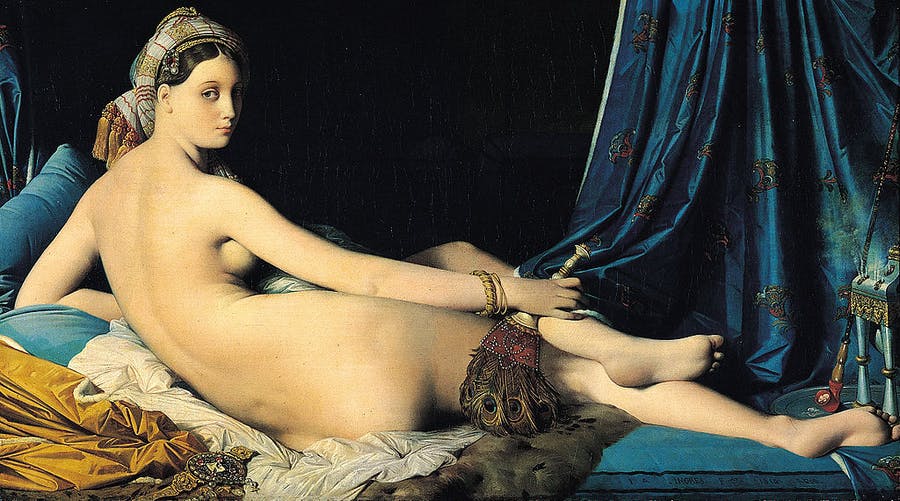
This freedom to paint the nude, initiated by Goya, was never broken. Jean-Auguste-Dominique Ingres, when painting La Grande Odalisque in 1814, deliberately elongated the body (the back and the right arm are too long, the angle of the left leg unnatural) to promote the imagined beauty of the model rather than anatomical accuracy. This unusual decision in painting at the time was proven thanks to the preparatory sketch, which has perfect proportions. However, The Grande Odalisque, presented at the Salon of 1819, was poorly received by critics for these artistic liberties.
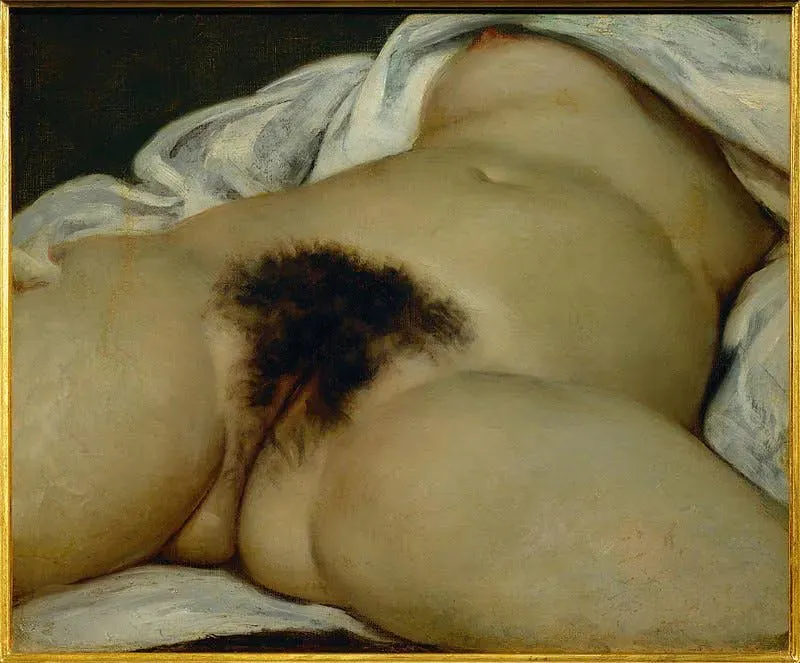
In 1866, it was Gustave Courbet's turn to hit the headlines with a female nude that pushed the limits of the presentable. L'Origine du monde, orThe Origin of the World, represents a woman lying naked on a bed, legs apart, in a frame so tightly composed that the eye of the beholder cannot escape the sight of her exposed genitalia. The model, unidentified, has aroused many theories among historians and contemporaries of the painter. Courbet rejected academic painting and its overly smooth nudes, priding himself on realism in his painting.
See also: The 12 Most Expensive Paintings Ever Auctioned
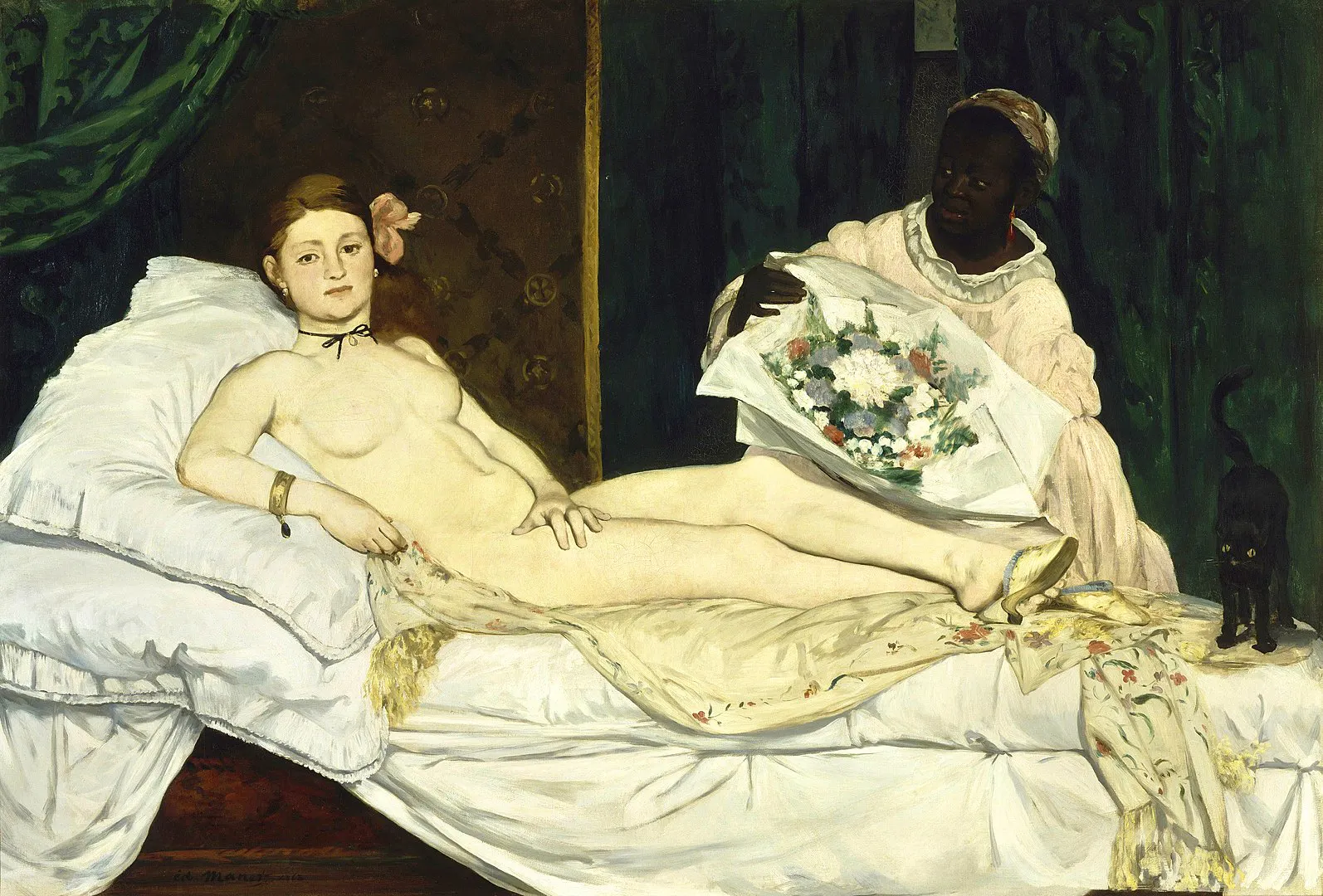
Some have said that with L'Origine du monde, Courbet represented the hidden part of Edouard Manet's Olympia, another important nude of the mid-19th century which shocked viewers with her bold gaze.
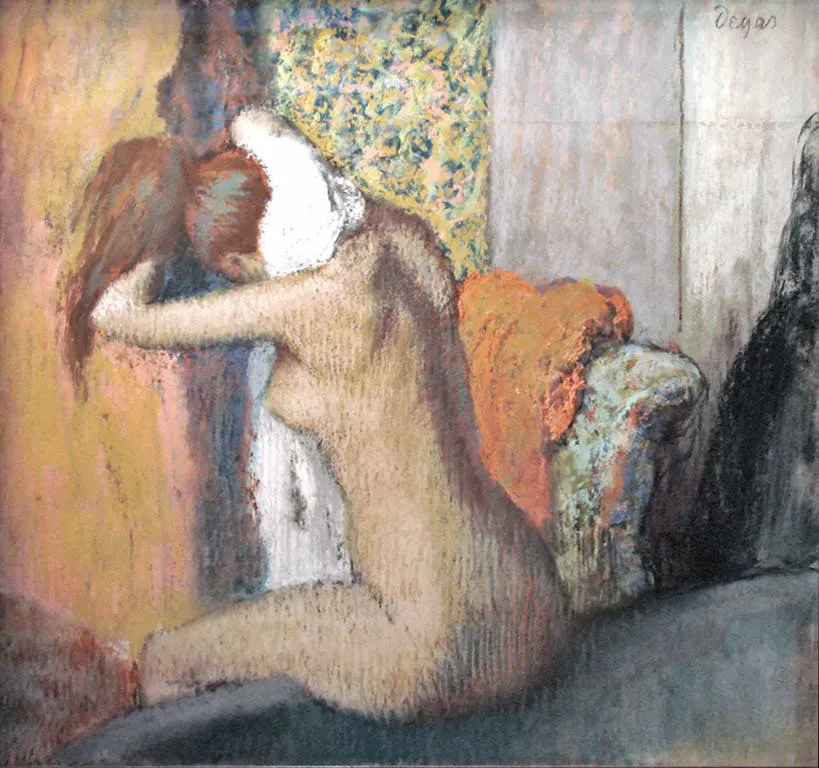
At the dawn of the 20th century, Edgar Degas offered the world depictions of nude women in private, often as they were getting ready or in the bath, outlining the contours of their bodies with dark and sensual lines.
See also: The Scandal Behind Degas' Little Dancer
Avant-garde painters like Pablo Picasso and Georges Braque also worked on the theme, but from a whole new perspective. Whether in Les Demoiselles d'Avignon (1907) or Le Grand Nu (1907-1908), the works imposed themselves as visions of the body, well beyond the body itself. While painting has sought anatomical accuracy for centuries, Cubism shattered these restrictions and offered representation of the body in new, fragmented parts.

Amedeo Modigliani also was a trailblazer in reinterpreting the classic nude in modern art, painting thirty-five nudes alone between 1916-19, such as this work which seems to imitate the pose of Ingres' Odalisque. While today widely praised and admired, the nudes of Modigliani were not so well received when first shown in 1917 and the Paris police even shut one gallery exhibit down.
See also: Who Was Beatrice Hastings, the First Muse of Modigliani?
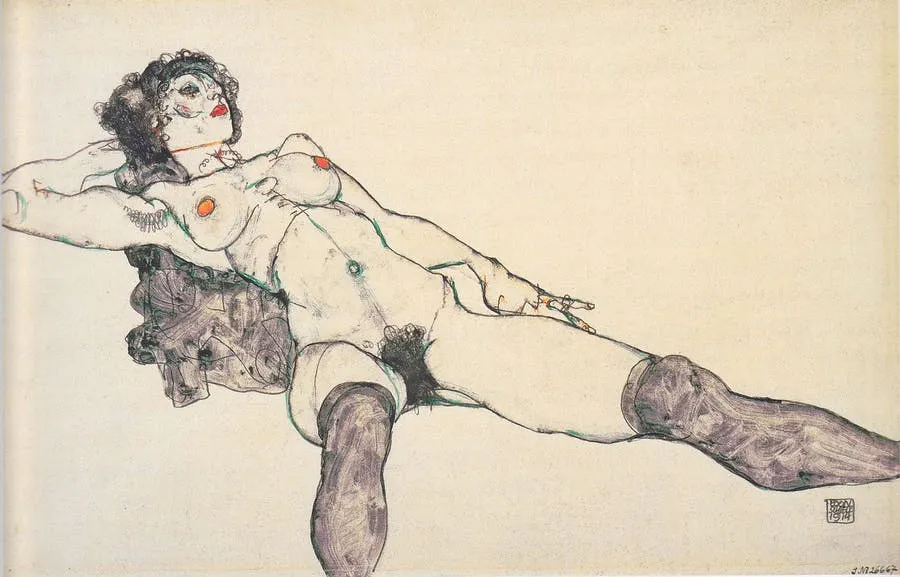
At the turn of the 20th century, nudity was used as a tool to delve deep into the psyche. German Expressionist painter Egon Schiele (1890-1918) captured a raw sexuality in his works, which were often inspired by prostitutes, with lines and textures that created grotesque, Carnivalesque expressions of his innermost desires and frustrations. Schiele isolated himself from any artistic current in order to assert his own style through portraits and naked, distorted and gaunt bodies, revealing his desire to create an existential malaise bordering on a certain form of pornography. His tortured nudes even lea him to prison for insulting good morals and suspicion of seduction and abduction of minors, though he was not charged. This shows to what extent the expression of the nude in its purest rawness was still subject to negative connotations.
Henri Matisse also interpreted the nude in a unique and recognisable style. After the Cubist's 'dismemberment of the body', Matisse's works presented the body as no longer a being, but an idea, a concept which the artist materialised through the use of solid colour.
After the Second World War, pop art in the 1960s re-appropriated commercial images of nudes, sometimes approaching the limit of pornography, as in certain works by Tom Wesselmann (1931-2004).
Today, the nude is explored through photography and digital art. Believed to be the essence of a human's most real and bare self, the nude is a representation of the body that, despite changing moral codes and connotations, has endured for centuries.
Find more articles on the history of art with Barnebys Magazine


