Stay up-to-date with the antiques world

By subscribing, you are agreeing to the privacy policy. Unsubscribe anytime.

Barnebys

Barnebys HQ

Brahegatan 10
BOX 5038
114 37 Stockholm

Company

  • About Us
  • Join Barnebys
  • Our Partners
  • Press
  • Career

Explore More

  • Barnepedia
  • Buying / Selling at auction
  • Auction Houses / Dealers / Galleries

Support

  • FAQ
  • Terms of Use
  • Privacy and Cookies policy
  • Contact us
  • Barnebys Group AB
  • Barnebys.se
  • Barnebys.com
  • Barnebys.co.uk
  • Barnebys.de
  • Barnebys.fr
  • Barnebys.es
  • Barnebys.it
  • Barnebys.hk
  • All auction items
  • Categories
  • Auction results
  • Magazine
  • Ancient Art
  • Arts & Graphics
  • Asian Art
  • Books, Maps & Manuscripts
  • Carpets, Rugs & Textile
  • Coins & Banknotes
  • Contemporary Art
  • Ethnographical
  • Fashion & Vintage
  • Folk Art
  • Furniture, Design & Mirrors
  • Glass
  • Jewellery & Gems
  • Lighting
  • Medals, Arms & Armour
  • Miscellaneous
  • Music & Musical Instruments
  • Nautica, Technica & Optic
  • Photographs
  • Porcelain & Pottery
  • Postcards & Stamps
  • Sculptures
  • Silver & Gold
  • Sports & Leisure
  • Tin & Metals
  • Toys & Collectables
  • Vehicles
  • Watches & Clocks
  • Wine & Spirits
  • Works of art
  • All auction items
  • Auction results
  • Magazine
  • Get a valuation
  • Auction system

Barnebys Magazine

LatestEditor's picksTopics
Magazine/Design/Will Montmartre Become a UNESCO World Heritage Site?

Will Montmartre Become a UNESCO World Heritage Site?

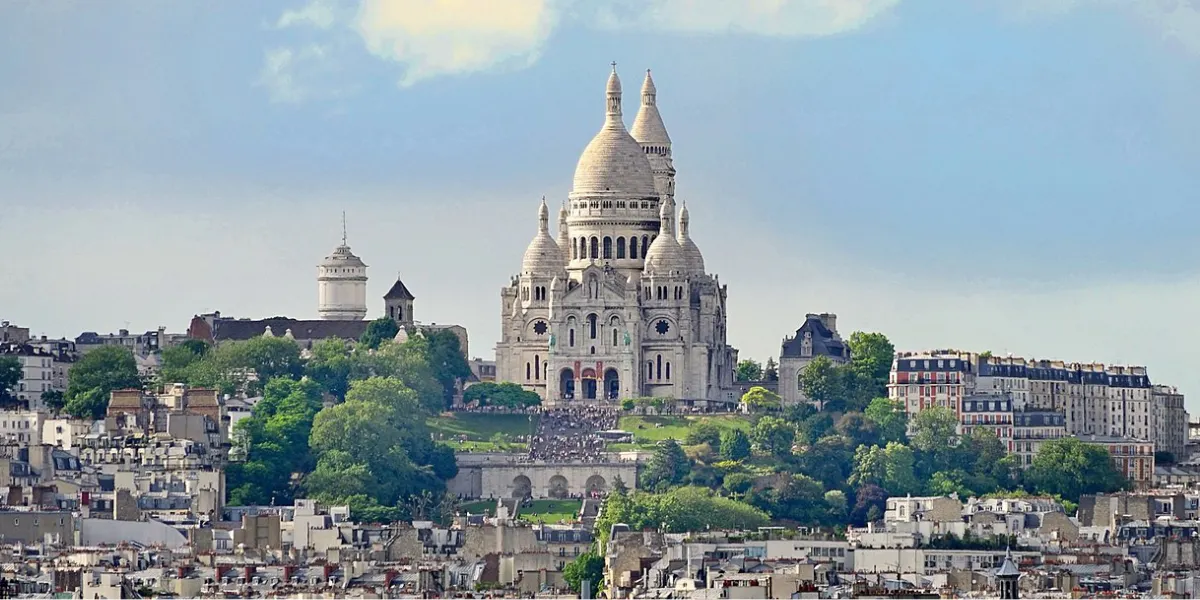
After the Sacré-Cœur was elevated to the title of historic monument by the French Ministry of Culture in 2022, it is possible that its surrounding neighborhood, the legendary artist haven of Montmartre, could become a UNESCO World Heritage Site.

20 March 2024Camille Coquet
The Basilica of Sacré-Cœur de Montmartre. Photo by Jean-Pierre Dalbéra, CC BY 2.0, via Wikimedia Commons (detail)

The Basilica of Sacré-Cœur de Montmartre. Photo by Jean-Pierre Dalbéra, CC BY 2.0, via Wikimedia Commons (detail)

The idea of ​​classifying Montmartre as a UNESCO World Heritage Site was born in 2019 when three local elected officials presented it before the Council of Paris. The project became more concrete in November 2022 when three Montmartre residents founded the Montmartre World Heritage Association.
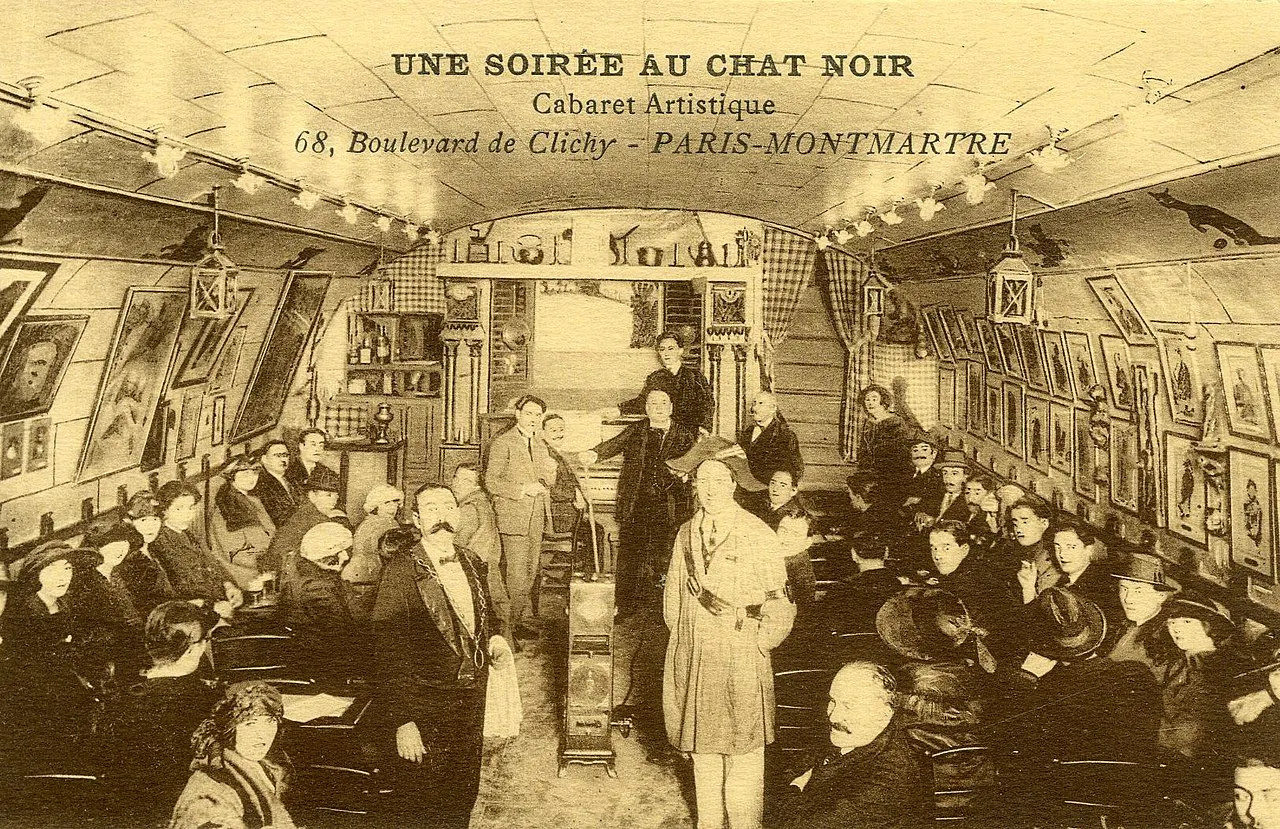
Le Chat Noir, 68 boulevard de Clichy in Paris-Montmartre. Photo by unknown author, CC BY-SA 4.0, via Wikimedia Commons

This legendary district of the French capital was the cradle of unparalleled artistic development at the beginning of the 19th century. Montmartre was incorporated into Paris in 1860, but even when it was still a village in the Seine department, the district was home to renowned artists such as Géricault and Corot.

See also: Pierre-Auguste Renoir: Joie de Vivre on the Canvas

The mid-19th century saw a new wave of Impressionist artists take up residence in Montmartre, often meeting at the famous Guerbois café. Names such as Renoir, Monet, Pissarro, Cézanne and Degas immortalised the neighbourhood's carefree life, capturing its unique light and energy.
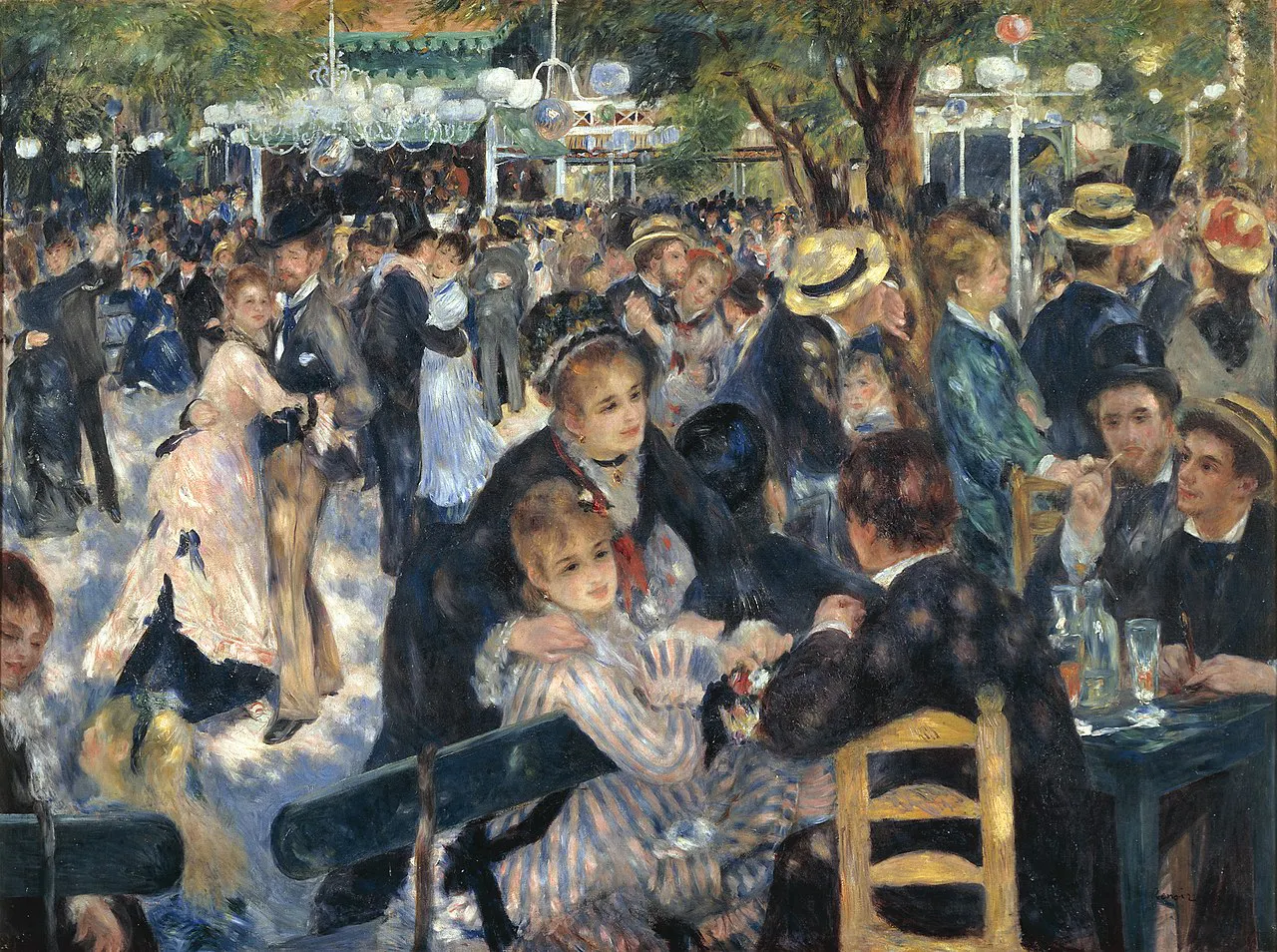
Pierre-Auguste Renoir, "Bal du Moulin de la Galette", 1876, oil on canvas. Public domain image

At the turn of the 20th century Montmartre became much more than just a place of residence for artists, but truly a source of inspiration for avant-garde artists. Artists such as Suzanne Valadon, Toulouse-Lautrec, Van Gogh, Utrillo, Picasso and Modigliani made Montmartre their creative home and depicted it in their artworks.

See also: 8 Patrons of the Parisian Avant-garde 
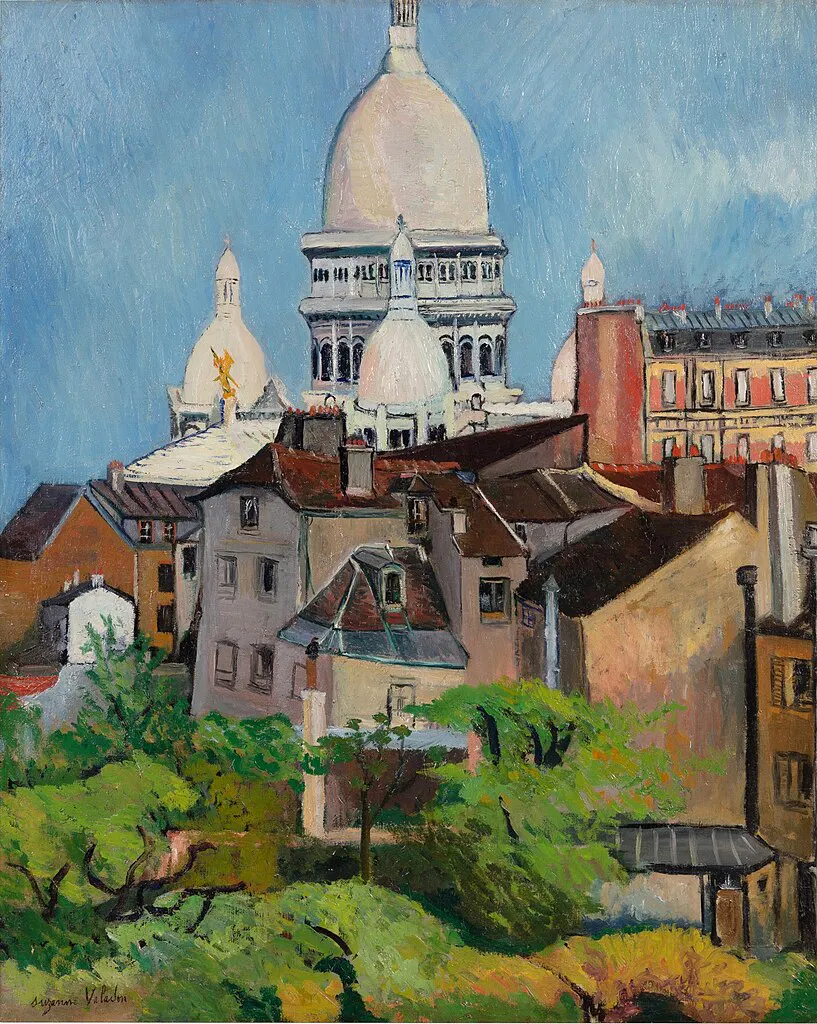
Suzanne Valadon, 'Le Sacré-Cœur de Montmartre', around 1917, oil on canvas. Public domain image.

Iconic cafes such as Le Chat Noir and Au Lapin Agile served as springboards for revolutionary artistic movements that went on to mark art history, most notably Cubism. The Moulin-Rouge, considered the second most iconic Montmartre destination after Sacré-Cœur, has also been immortalised numerous times by Toulouse-Lautrec.

See also: Henri Toulouse-Lautrec: Aristocratic and Dispossessed

Henri de Toulouse-Lautrec, "La danse au Moulin rouge", 1890, oil on canvas. Public domain image.

Montmartre's distinctive architecture, with its narrow streets, winding staircases and quaint cafes, bears witness to its rich past and attracts nearly 12 million visitors from around the world each year. As witness to the Paris Commune revolution in 1871, Montmartre also embodies a crucial chapter in French political history.

Want to receive articles like this straight to your inbox? Subscribe to our newsletter!
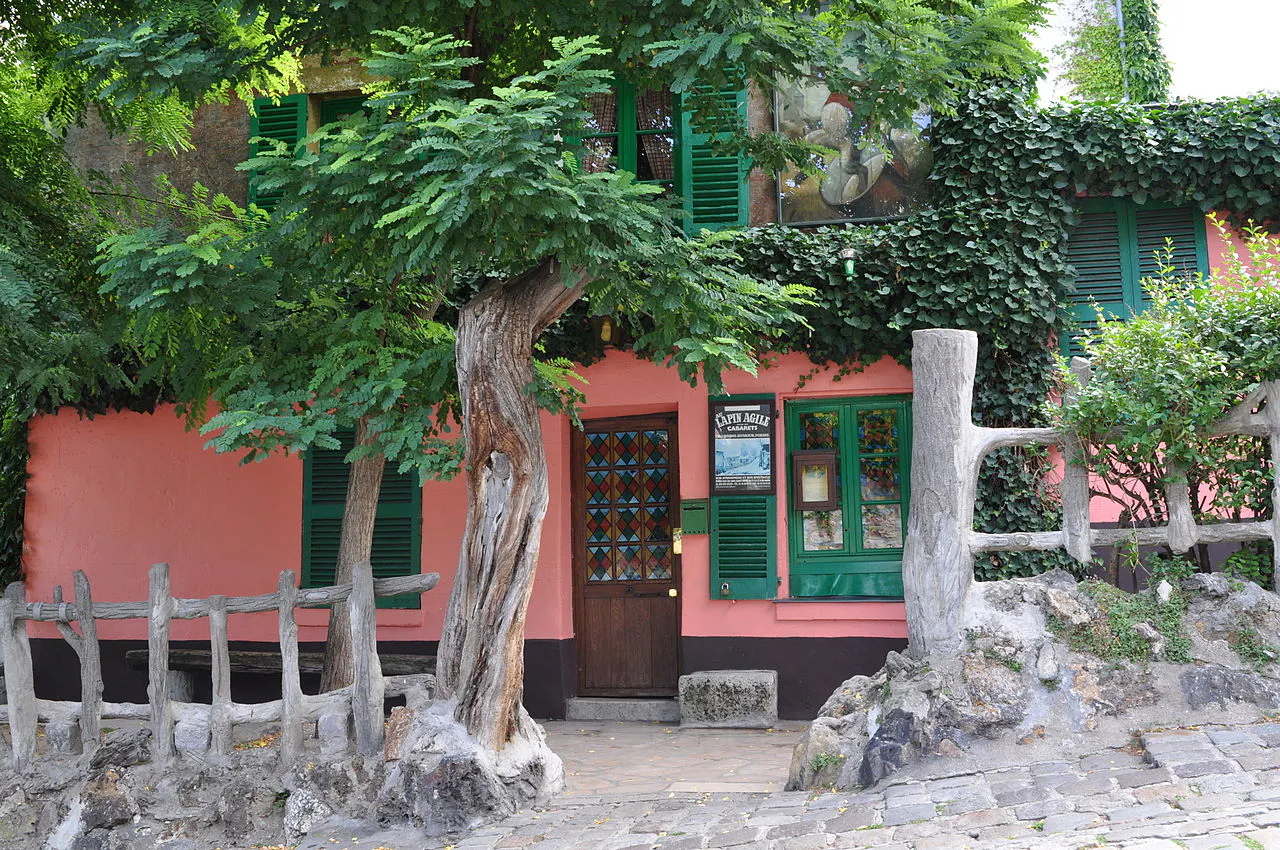
Le Lapin Agile in Montmartre. Photo by Kristof Verslype, CC BY 2.0, via Wikimedia Commons

Today, artists continue to perpetuate the artistic heritage of Montmartre, immortalising its streets and scenes of life in their works. This recognition by UNESCO would be a well-deserved tribute to the cultural and artistic importance of this emblematic district of Paris, thus ensuring its preservation in the future. The application will be reviewed soon.

Find more articles in Barnebys Magazine

ParisMontmartreAvant-gardeUNESCOfrench art

Subscribe to Barnebys Magazine

By subscribing, you are agreeing to the privacy policy. Unsubscribe anytime.

Bring your auction to collectors worldwide!