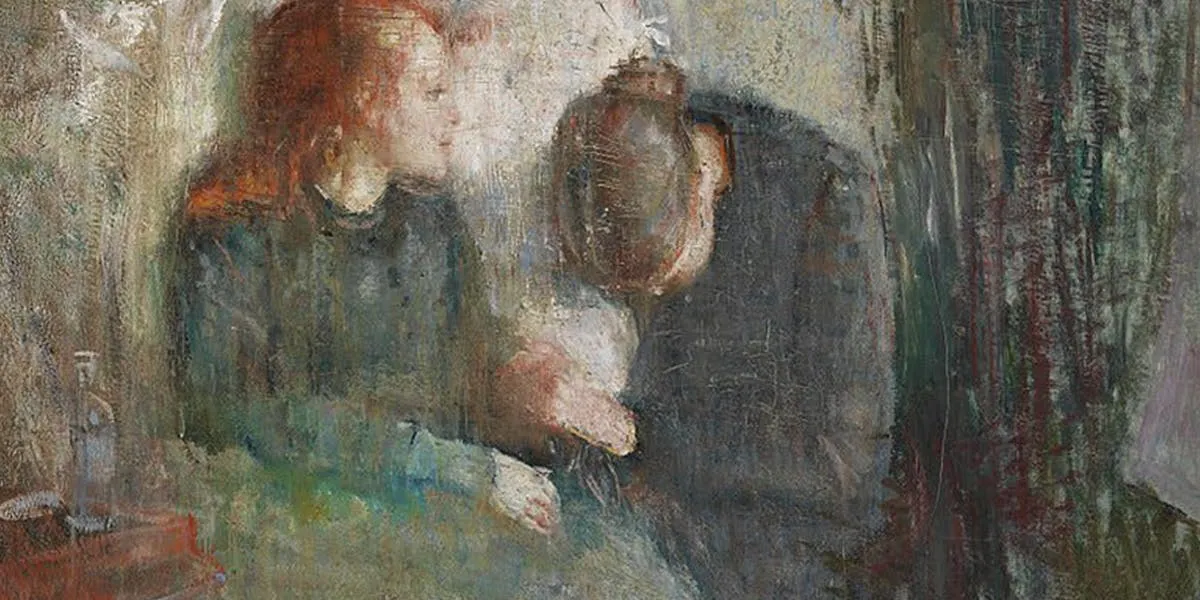
If one is confined to bed for a long time due to an illness or an accident, boredom is practically inevitable. However, one can surrender to it and suffer even more or get creative and make the best of an uncomfortable situation.
The following five artists opted for the latter, as seen in their resulting success.
Frida Kahlo (1907-1957)
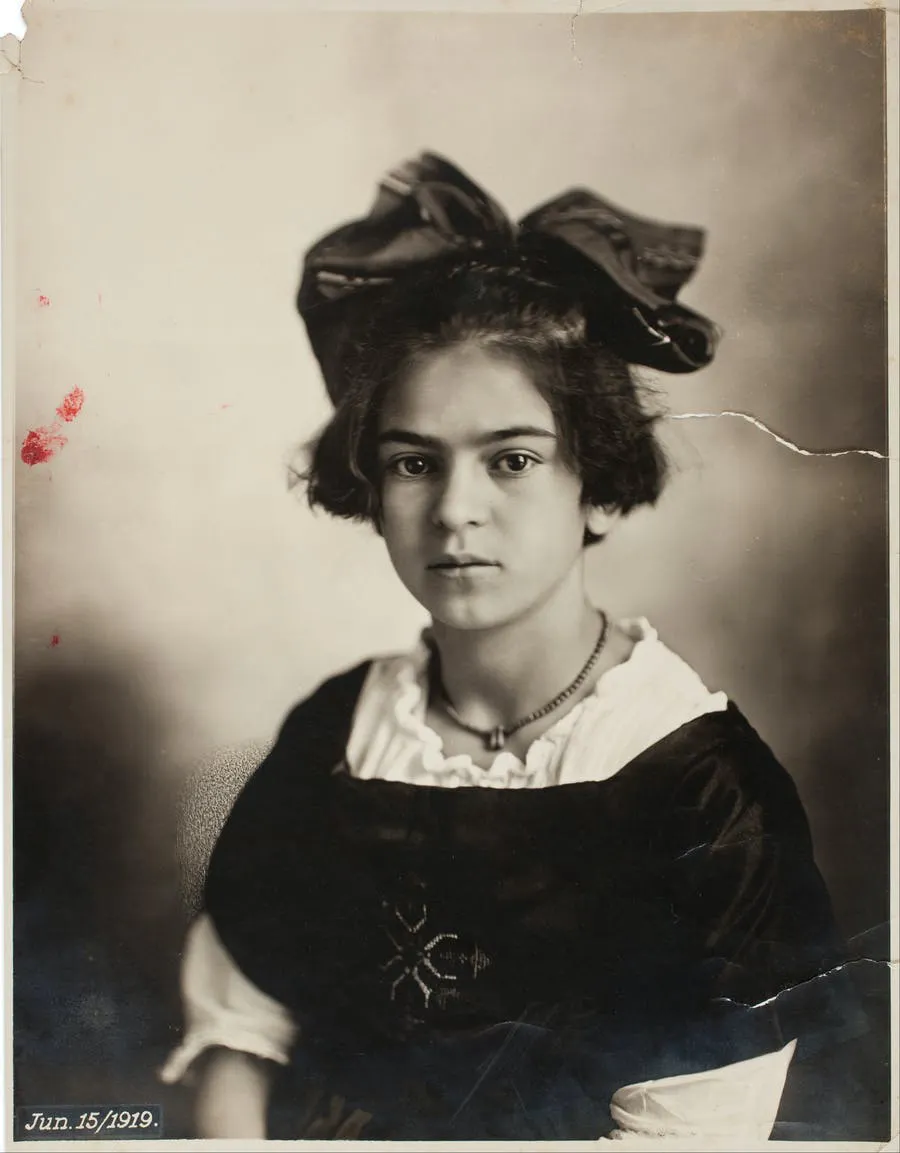
The best-known example of an artist who found talent in her sickbed is probably Frida Kahlo. Already as a child she drew sketches in her notebooks and had an interest in photography through her father, but she had a career as a scientist, perhaps a doctor, in mind.
After suffering from polio at the age of six, resulting in a shortened leg, fate struck even more cruelly twelve years later when she was seriously injured in a bus accident. Many bones in her body were broken, and her spine was badly affected, which is why she later had to wear a corset.
Due to her injuries, she had to spend a year recovering in bed. She was given a special easel that allowed her to paint in bed and was given a mirror that she used for self-portraits. She also painted friends and family members who entered her limited field of vision.
See also: The 15 Most Expensive Female Artists
After she regained the ability to walk, she showed her works to the painter Diego Rivera, whom she had long admired. Not only did he recognise her talent, but he also fell in love with her and the two married.
Andy Warhol (1928-1987)
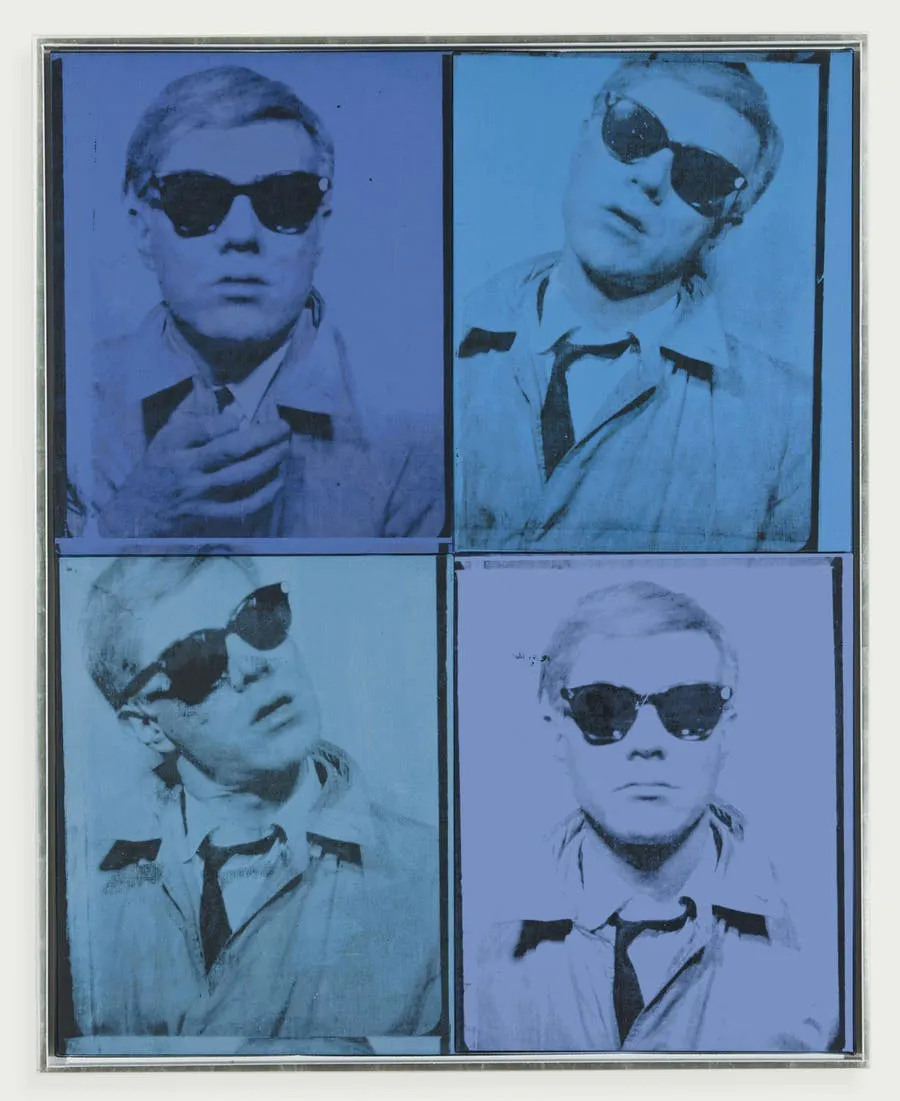
At the age of eight, Andy Warhol, who was living in Pittsburgh with his parents and two brothers who had immigrated from what is now Slovakia, fell ill with the autoimmune disease chorea minor.
The disease, which usually affects only children as a result of a streptococcal infection, is accompanied by muscle twitching of the face and hands. In addition, Warhol had a rare pigmentation disorder and was often mistaken for being albino.
See also: Andy Warhol’s Influence on Fashion
During the time that he had to spend in bed, his mother was an important support. Julia Warhola was a creative woman who liked to draw, paint Easter eggs, make flowers and had beautiful handwriting, for which she later received an award.
Andy Warhol began to experiment with handicrafts and drawing, was interested in comics and films, and listened to the radio all day. He later described this time as important for his artistic development.
Henri de Toulouse-Lautrec (1864-1901)
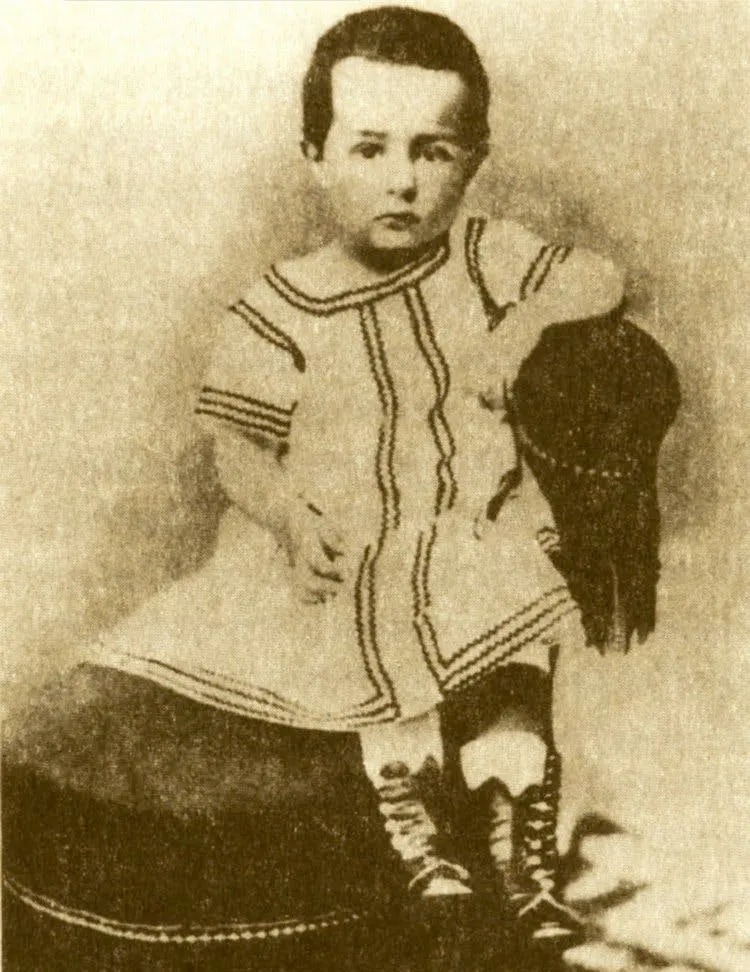
Henri de Toulouse-Lautrec, who later became known as a portraitist of the Parisian cabarets, also found his artistic talent during convalescence. He was fortunate to have parents who did not stand in the way of these dreams, and in fact supported them.
Unfortunately, his parents were also the reason for his lifelong suffering. His parents were cousins, who been married to each other in order to keep the family fortunes together, as was common at the time.
See also: 10 Artists Between Genius and Madness
Their union had unfortunate consequences for their offspring. The second-born son Richard died at the age of only one, and the first-born, Henri de Toulouse-Lautrec, suffered from the recessive hereditary disease pycnodysostosis. The disease manifests itself in a very fragile bone structure. As a result, Toulouse-Lautrec broke both legs as a a teenager and never grew taller than five feet.
He used the time he had to spend in bed to further develop his artistic interest and in his art, focused on vulnerable and neglected people.
Amedeo Modigliani (1884-1920)
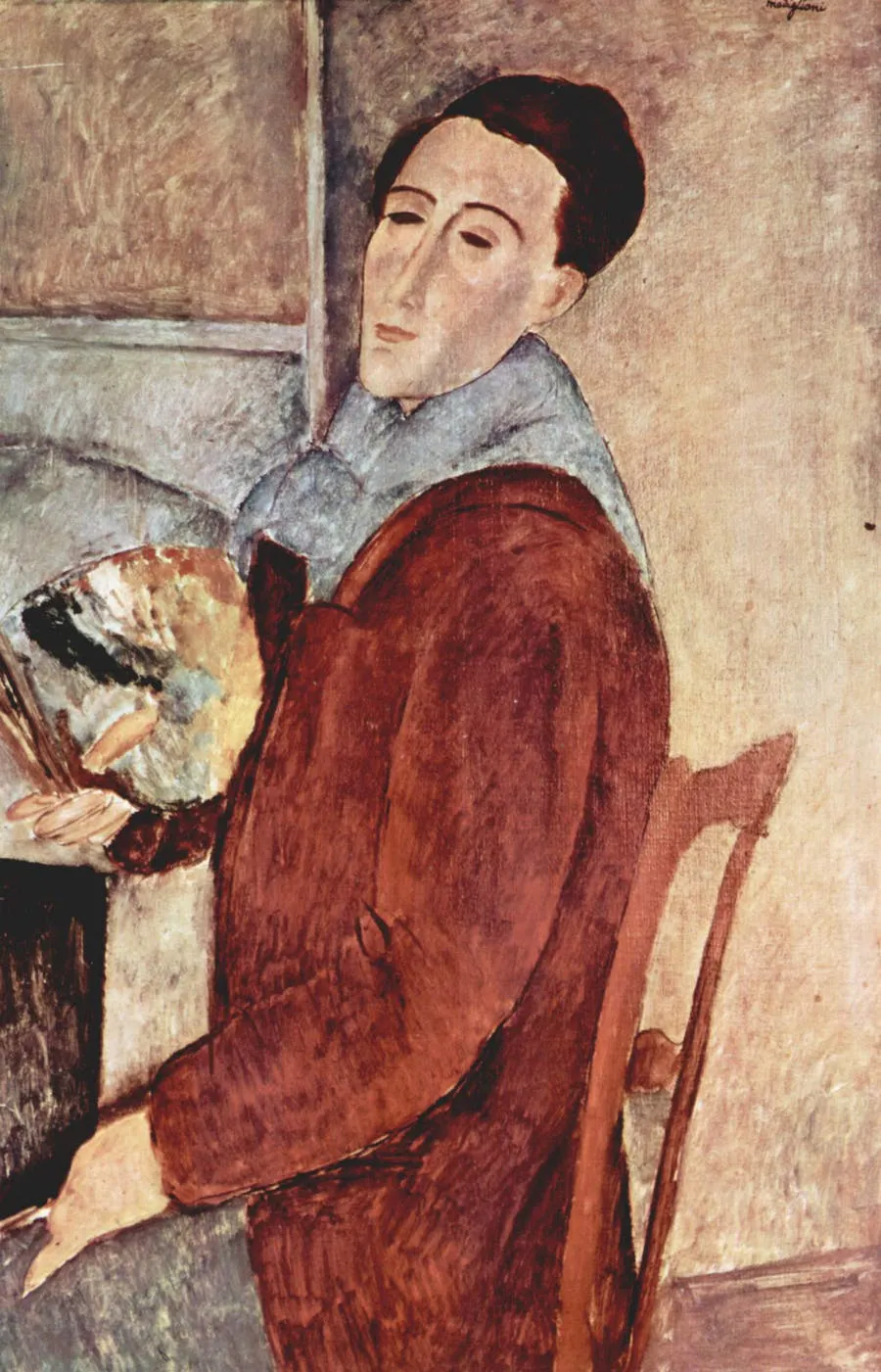
Amedeo Modigliani's desire to become an artist first appeared to him in a dream, more precisely in a feverish dream – as a child, Amedeo fell seriously ill more than once. He was sick with pleurisy at the age of eleven and, three years later, in 1898, with typhoid.
After his recovery, he enrolled in a private art school that same year, but fell ill with tuberculosis two years later. Together with his mother, he travelled to southern Italy and then lived and studied in Florence and Venice. In 1906 he moved to Paris, where he quickly became part of the artistic scene at Montmartre and lived a bohemian lifestyle.
See also: Who Was Beatrice Hastings, the First Muse of Modigliani?
For a while, Amedeo worked as a sculptor in addition to painting, but his lungs could not withstand the constant confrontation with fine dust particles for long. Nonetheless, in Montparnasse he continued to lead a dissolute life and consumed not only alcohol but also hashish and opium.
When he was given the opportunity to live in the south of France for a year in 1918, he gratefully accepted. However, the pleasant climate could not do anything for his ailing health and a renewed bout of tuberculosis finally cost Modigliani his life at the age of 36 on 24 January 1920.
Sam Francis (1923-1994)
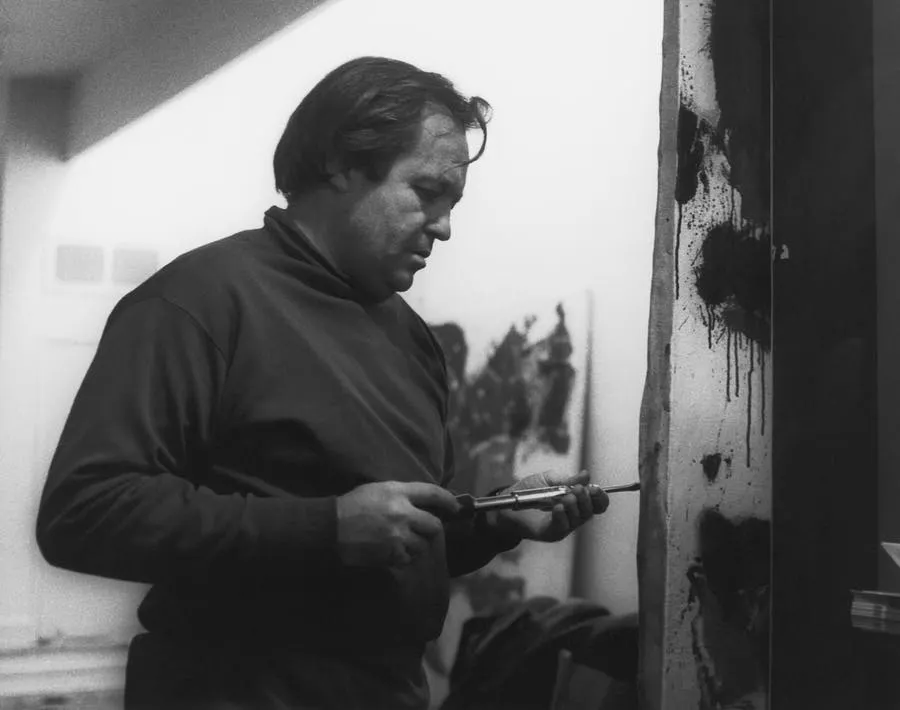
Compared to most of the other artists in this article, Sam Francis was older when he was confined to a sickbed.
Born in San Mateo, California, he initially never had the desire to become a painter. His earliest artistic interest was in music, which he had received through his mother, who died when he was only 13 years old.
Francis first saw his future in science and enrolled at the University of California at Berkeley to study medicine, botany and psychology. During World War II, he served in the Air Force, where he sustained a spinal injury on a test flight and spent the next few years in the hospital.
A visit from artist David Park encouraged Francis to express his frustration with his situation by painting. Once recovered, he returned to Berkeley, this time to study art.