Tove Jansson, Alvar Aalto and Märta Blomstedt are some of the legendary creators represented in this upcoming auction. On 13 December, it's time for Bukowskis to hold its 'Helsinki Winter Sale' anniversary auction. Discover your favourites among 289 impressive lots and read more about the artists behind these seven auction highlights.
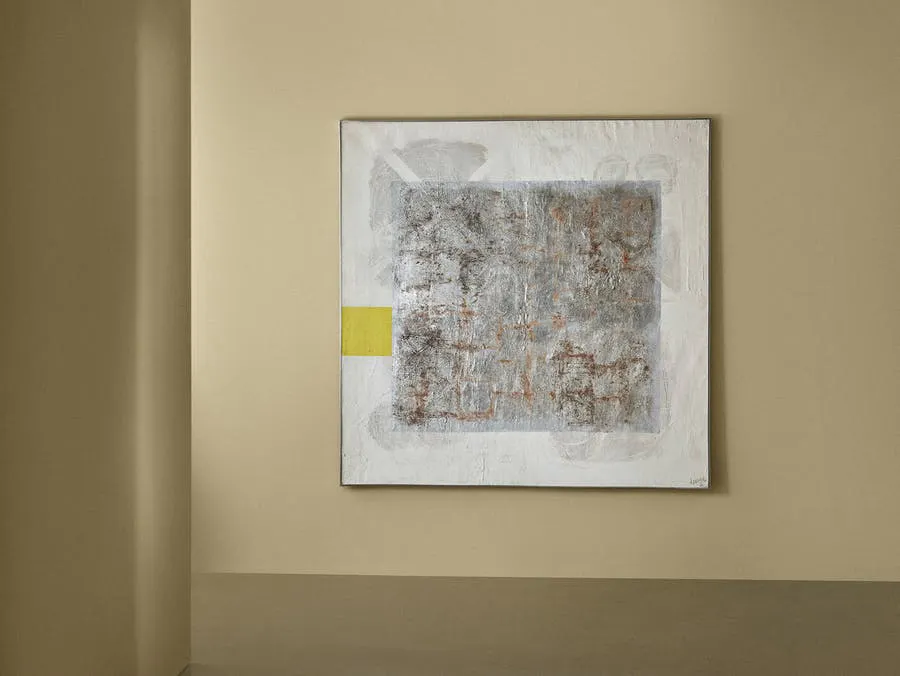
Colour and texture played a central role in Ahti Lavonen's paintings. The Finnish artist was constantly in search of novelty and quickly turned away from figurative art in favour of abstract forms. Lavonen's work is divided into distinct periods, each dominated by a colour. The choice of shade was based on the artist's spiritual state.
At the beginning of the 1960s, a 'spiritual awakening' pushed the artist towards a black period, followed by a white period with canvases punctuated with silver paint, then a series entirely dedicated to the colour silver. Lavonen said it was advances in space science in the 1960s that influenced his work.
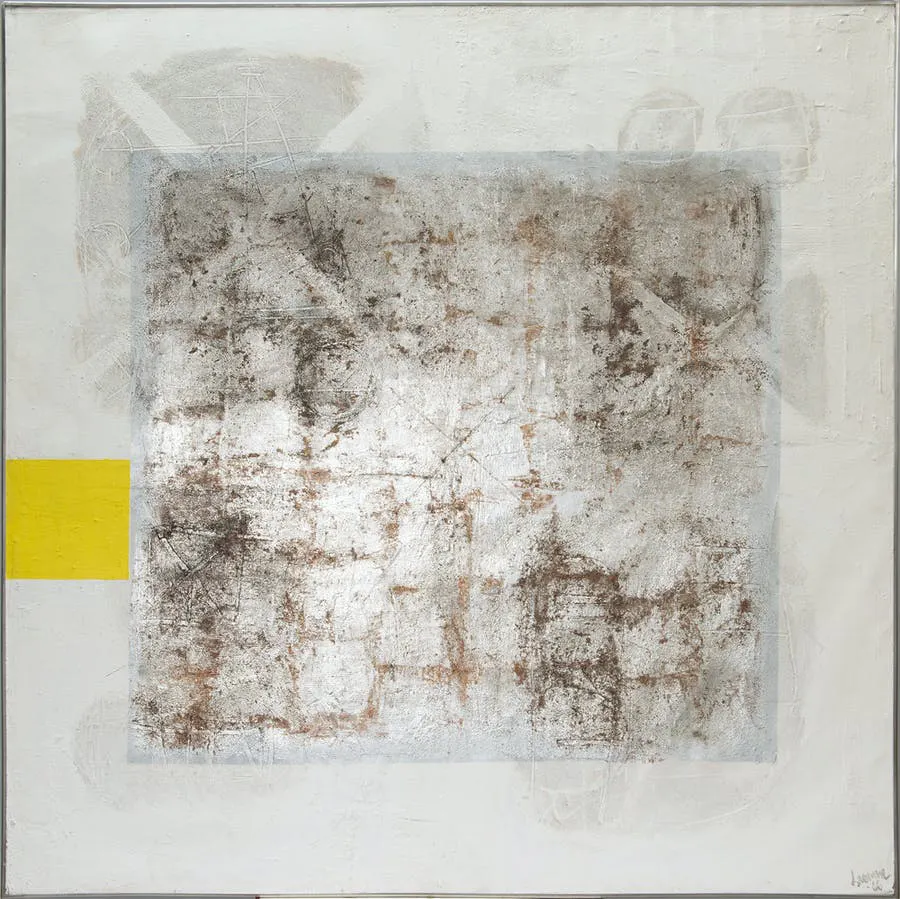
In the work presented at Bukowskis, where white and silver dominate, a yellow square appears to the left of the canvas. Lavonen fell in love with the colour yellow during a walk in the forest, passing old barracks. The bright colour, which had been painted on the brown wall of the barracks, had a great impact on the artist. He said: “I knew at that moment that if I added the same yellow colour to my own painting, I would have solved the artwork once and for all, and that's what happened. When I went home and brushed a small yellow stain on my painting, the work was brought to life. After that, the yellow, red and blue accents became symbols of life for me.”
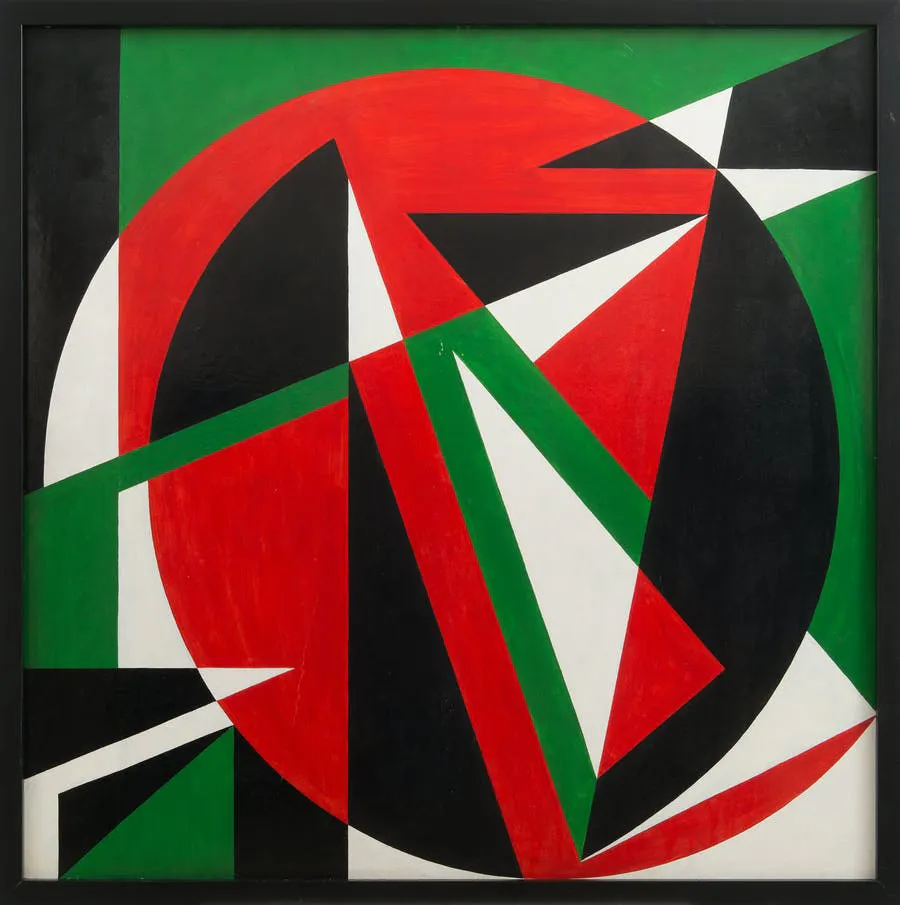
Boldness and individuality are the watchwords of Lars-Gunnar Nordström's practice. The Finnish artist made several study trips to soak up the evolutions of the art scene, gradually replacing his cubist compositions with dynamic and geometric shapes.
When Nordstrom held his first solo exhibition in 1949, it was the first time that abstract art had been presented on the Finnish scene. The same year, the artist went to Paris and discovered the work of Victor Vasarely. Nordström was fascinated by the rhythmic compositions of the optical painter and yearned for a similar result in his works. Six years later, Nordström took part in the Artek exhibition with larger paintings whose colours surprised the public. Despite criticism that the works were emotionless and cold, Nordström continued to paint his rhythmic works.
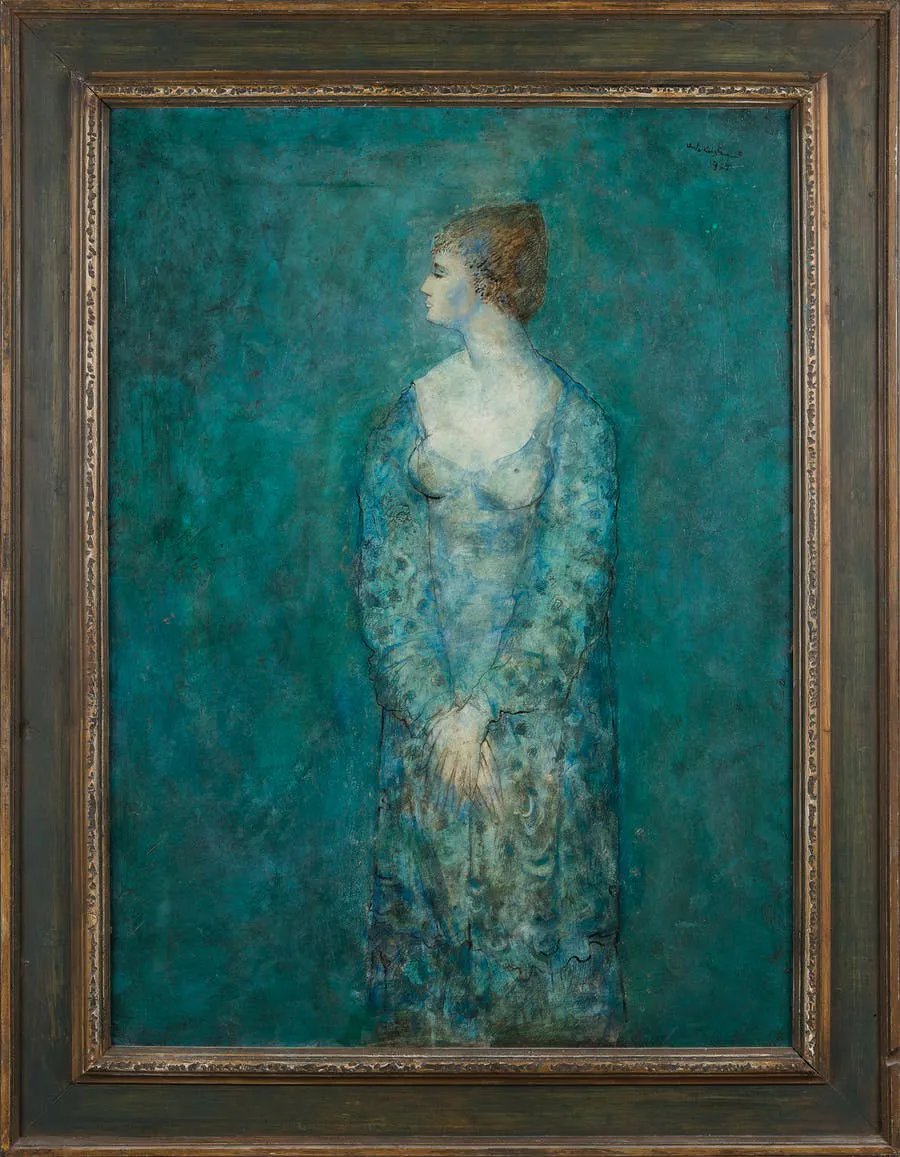
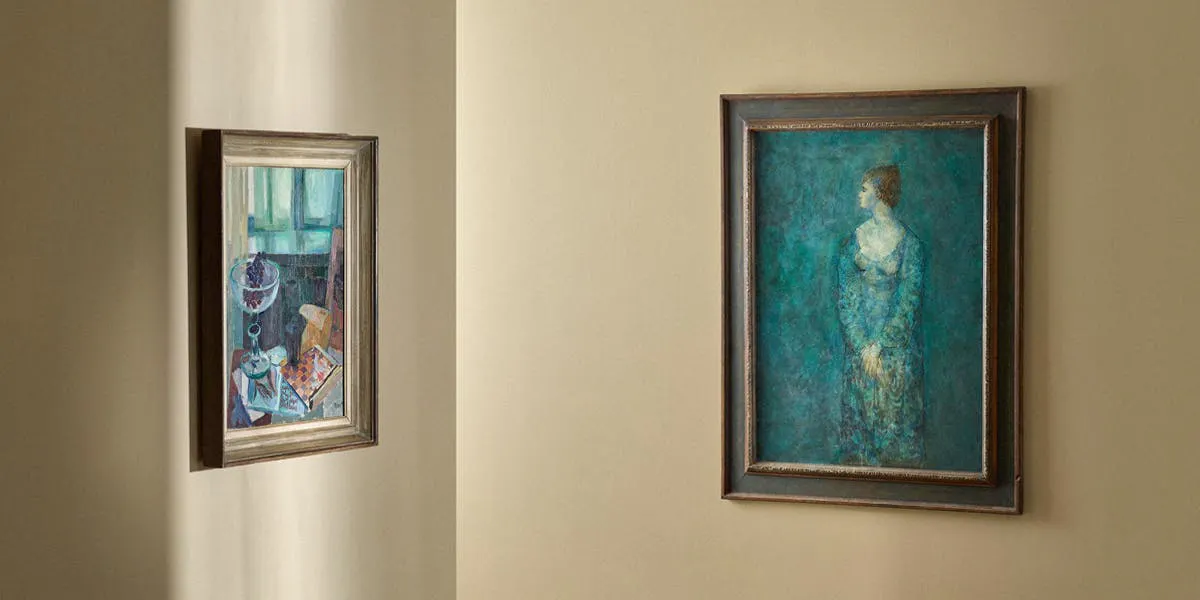
The painter, graphic designer and teacher Unto Koistinen played a key role in Finnish modernism. If his first works are marked by the vocabulary typical of the time, he succeeded, like Lavonen and Nordström, in finding a unique and personal style. His atmospheric landscapes and his almost translucent characters showed the importance of colour for the artist.
In the 1960s, Koistinen focused on the human figure and his early paintings in shades of brown gave way to blue-green tones. The Italian frescoes, in which women are represented in a play of transparency and lightness against a dark background, were among his greatest sources of inspiration.
The painting for sale, titled Blue Girl, dates from 1975 and refers to female figures from Antiquity and the Renaissance. The artist loved this painting so much that he refused to sell it during his lifetime. After his death in 1994, the canvas entered the market and collectors today have a rare opportunity to acquire what was a sentimental painting for the artist.
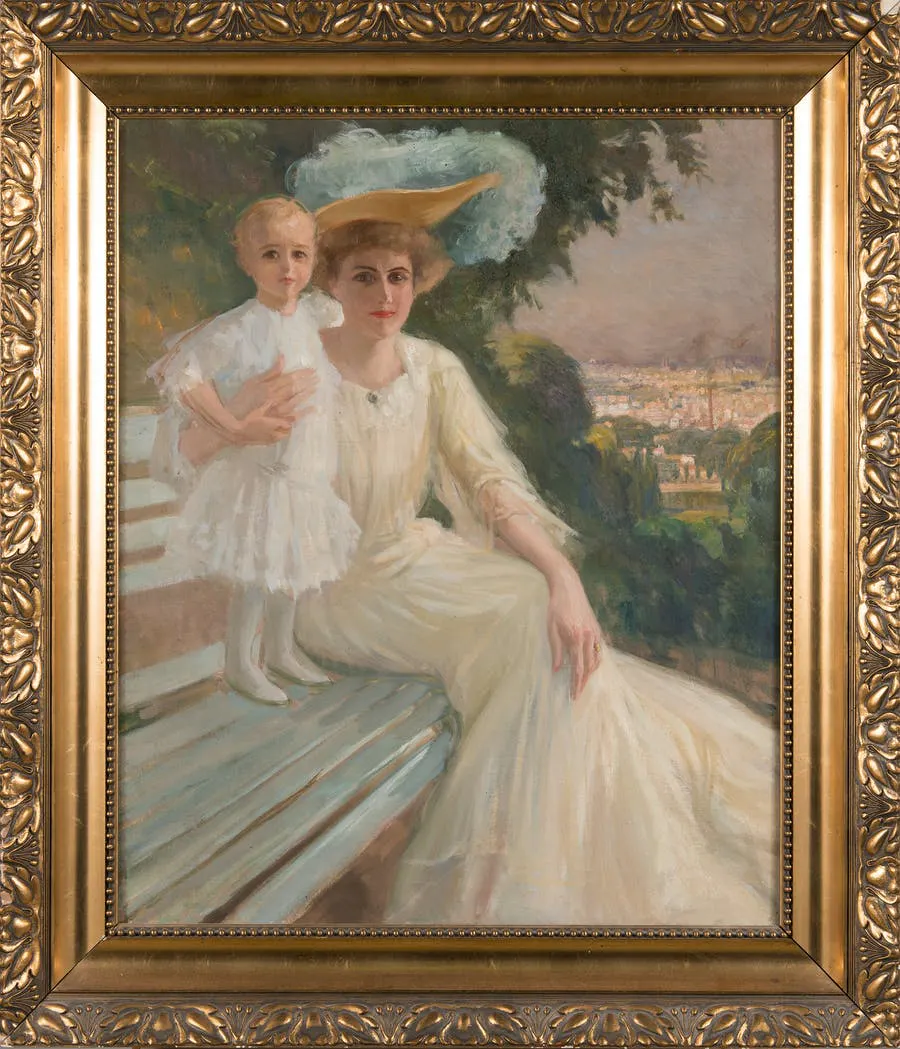
In this painting by Albert Edelfelt, Finnish opera singer Aino Ackté poses with her daughter Glory (who was Edelfelt's goddaughter) in front of a view of Paris in the summer. The work was made from a watercolour sketch made by the artist during his stay in Meudon in the spring of 1904.
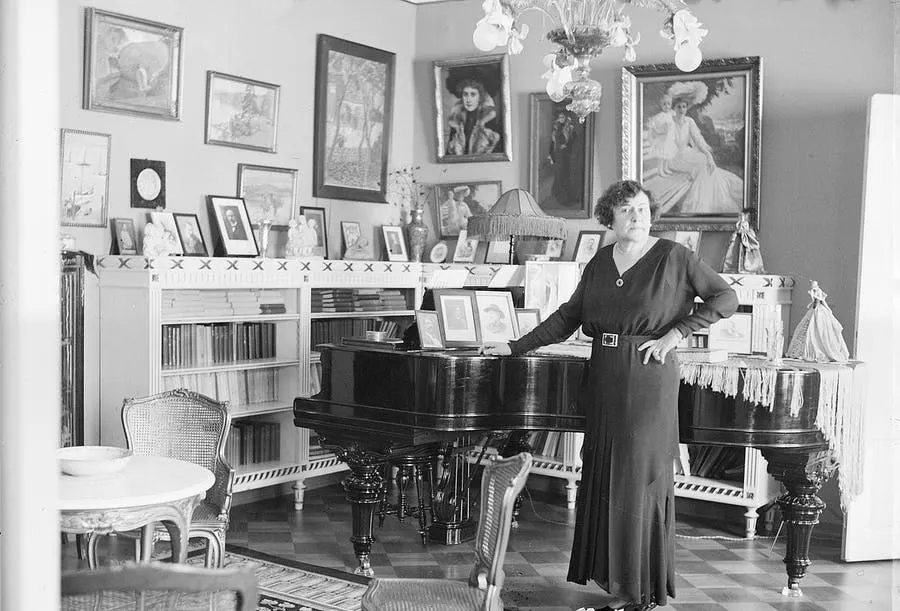
Aino Ackté was employed at the Paris Opera in 1897 and is known for her soprano performances in Faust, Romeo and Juliet and Tosca, and also for her performances at the Metropolitan in New York and in London. Albert Edelfelt painted several portraits of the famous singer. The painting offered here was a gift from Edelfelt to Aino and although he said he wanted to sign it, he never had time to do so until his death in 1905.
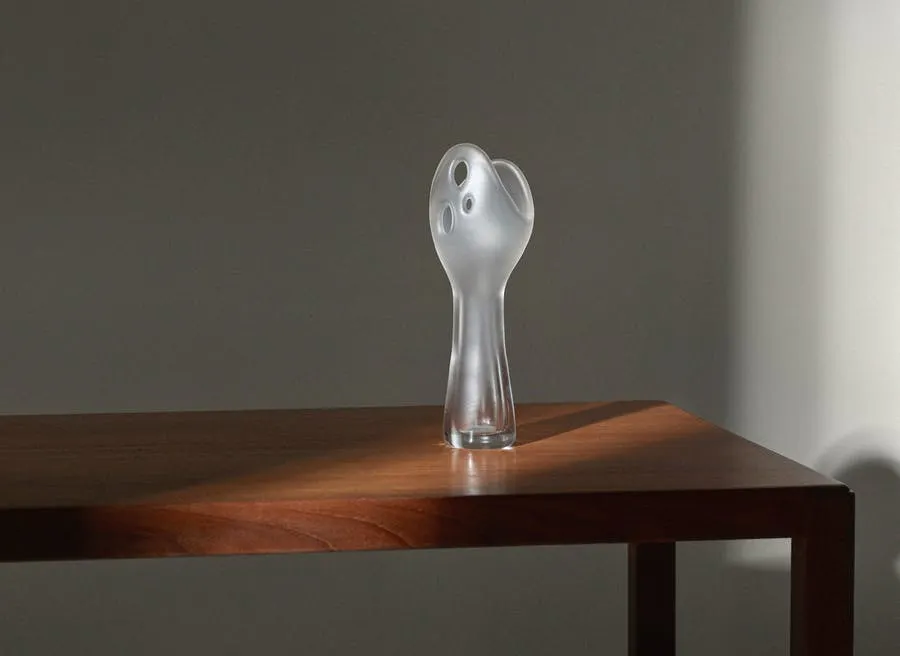
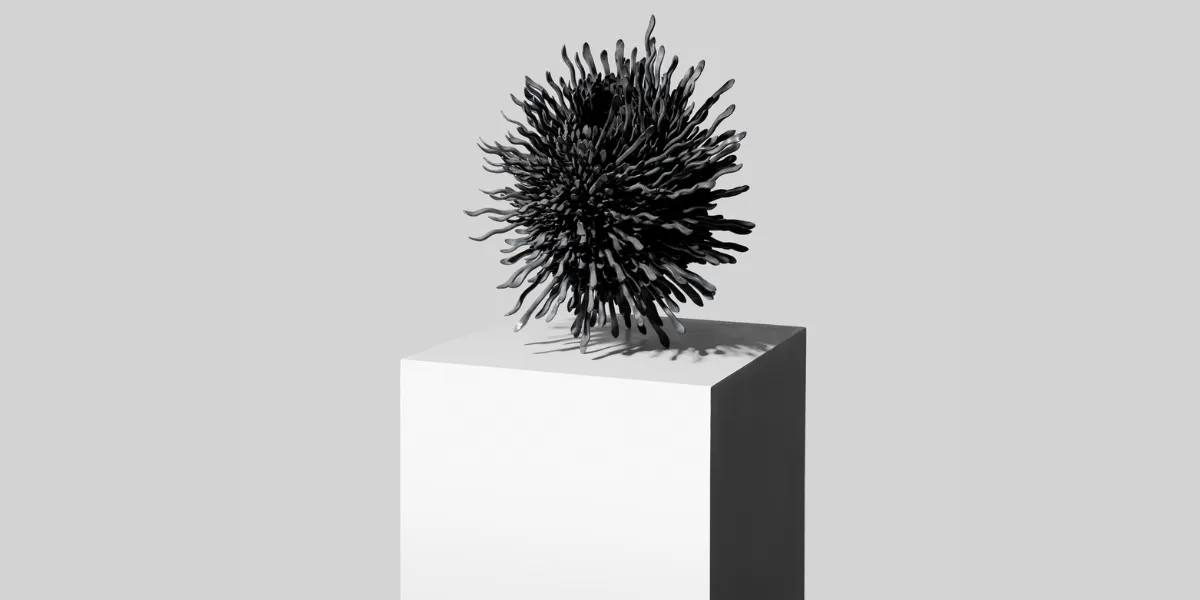
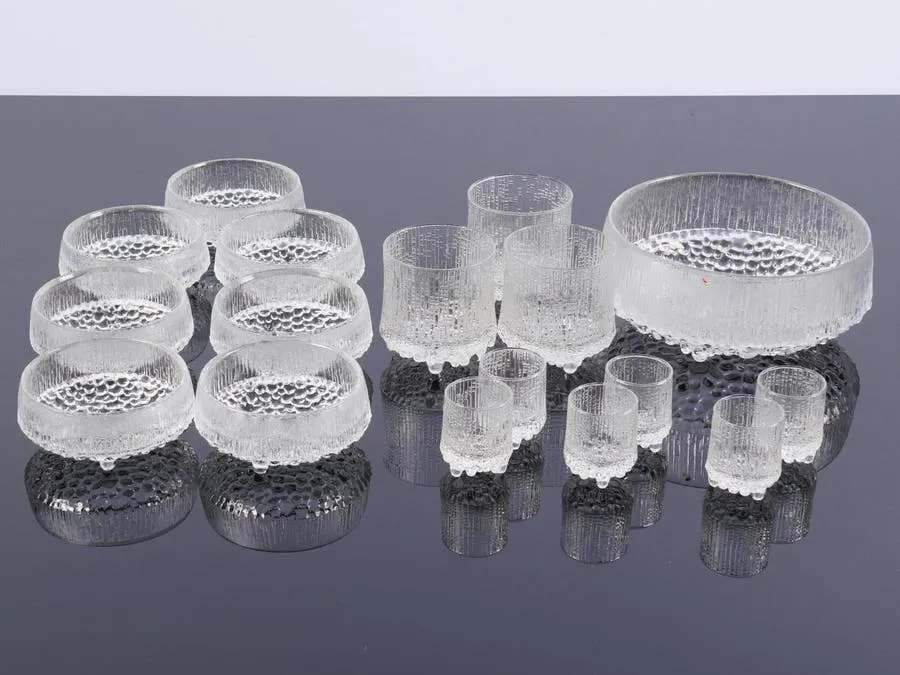
For one of his earliest works, Devil's Cradle from 1951, Timo Sarpaneva drew inspiration from his childhood and played in the snow. In an interview with The New York Times, he said, "At the age of eight or nine, I held an ice cube in my hand until I made a hole in it with my hot finger." When Sarpaneva became an adult, 24 years old to be exact, he was employed by Iittala and six years later he created the company's logo. He was a versatile creator and made everything from art glass to textiles and graphics.
Sarpaneva's art glass, from 1956, is a variant of Hiidennyrkki (Devil's fist) from the series Hiidenkirnu (Giant's churn) manufactured by Iittala between 1952-60. The object has previously been owned by Helge Nieminen who worked as a glassblower at Iittala. He was an extremely skilled glassblower and collaborated with Timo for several years. Another masterpiece that the two men created together was the glass vase Orchid from 1953.
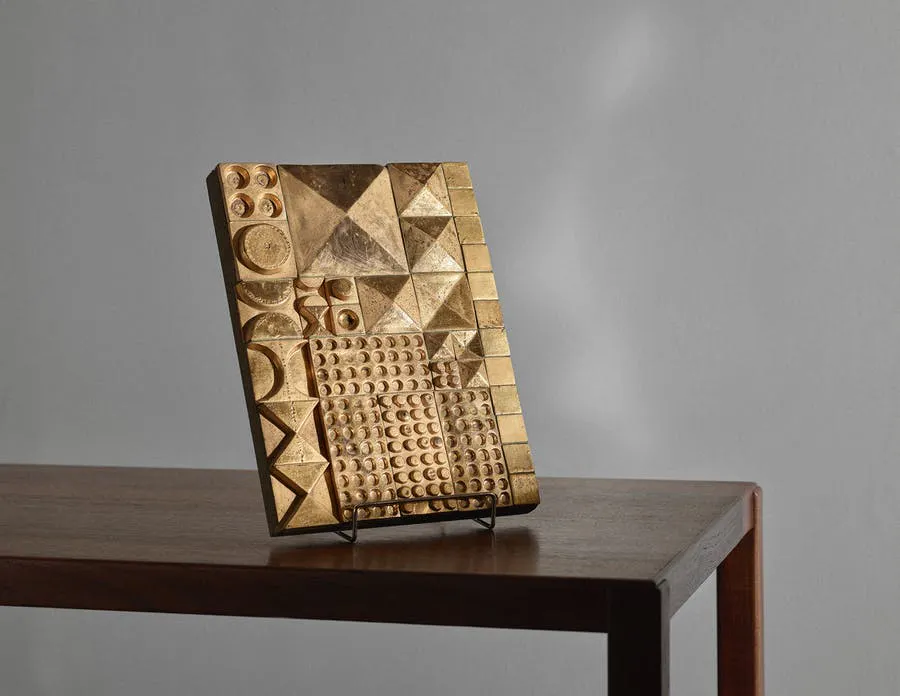
Rut Bryk began studying art in 1936 at Aalto University in Helsinki. After participating in several competitions, her work was noticed by the employees of the Arabia porcelain factory and by 1942 Bryk was employed without any knowledge of ceramics. She therefore had to work under the tutelage of Birger Kaipiainen, a great ceramicist of his time.
It didn't take long for Bryk to master the material and the techniques. At the end of the 1950s, her figurative works gradually became part of abstraction and presented a limited colour palette. Her art evolved further when, in the 1970s, she discovered reliefs. Bukowskis is presenting a superb gilded relief, as well as a tea table from 1945 and a decorative dish.
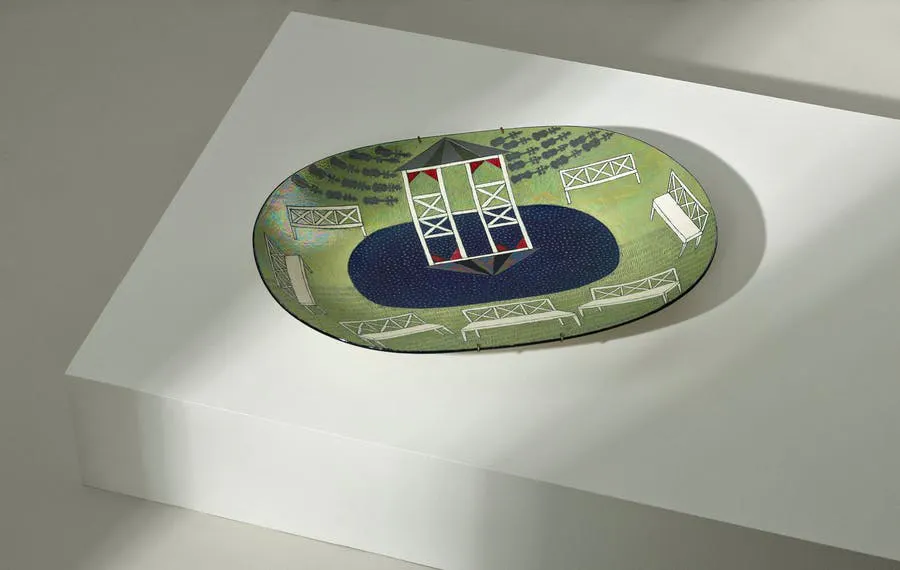
By the age of 22, Birger Kaipiainen was already employed at Arabia. His extensive work ranged from sculptures to ceramics, including table services and wall reliefs. Kaipiainen, who drew his inspiration from nature, the art of the Byzantine church and the dreamlike world of Marc Chagall, was especially famous for his dishes decorated with fruit and flower motifs.
Although minimalism established itself as the biggest trend in Finnish ceramics, Kaipiainen continued to create his romantic pieces. This is evidenced by the decorative dish presented at Bukowskis, which depicts the Bökars Dam, a house outside Porvoo on the northern coast of the Gulf of Finland.