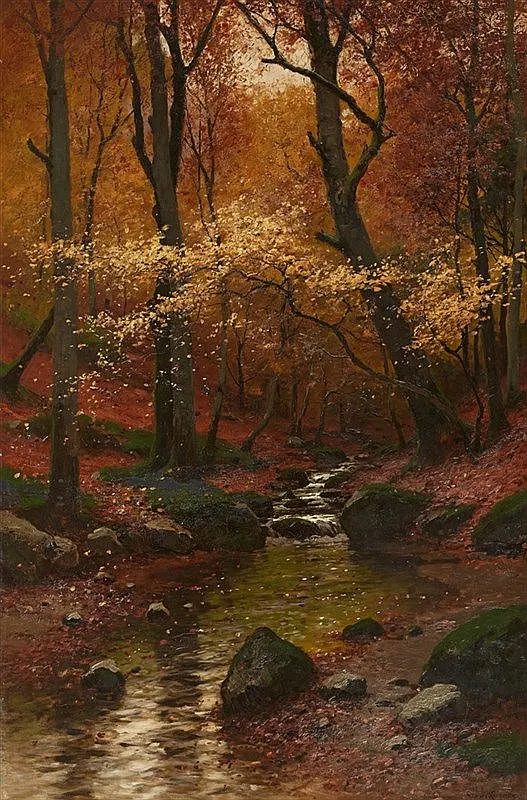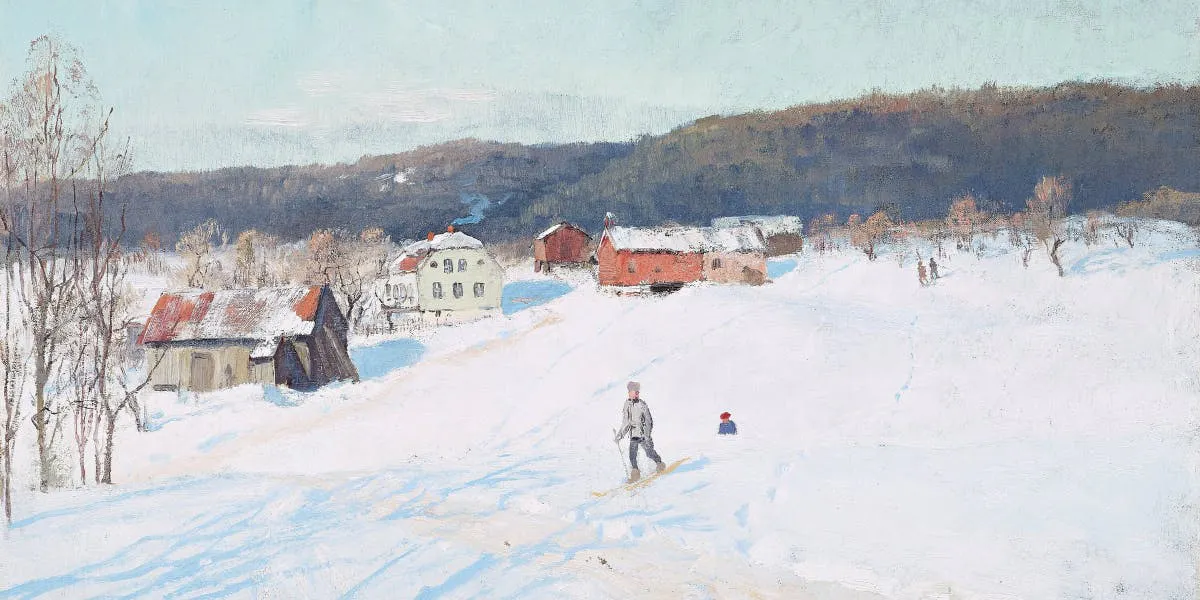
Norwegian painting gained international fame during the nineteenth century, mainly due to the production of outstanding landscape paintings. In the mid-nineteenth century, Norwegian romantic nationalism flourished, which emphasised the Norwegian landscape and identity of the past. Expressionism of the twentieth century further placed the spotlight on famous Nordic artists, especially Edvard Munch.
Norway has many iconic artists whose work is appreciated both at home and internationally, and who generate high prices at auction. Here are nine to know:
Johan Christian Dahl
See also: Accommodation Meets Art: 7 of the Most Creative Hotels in the World
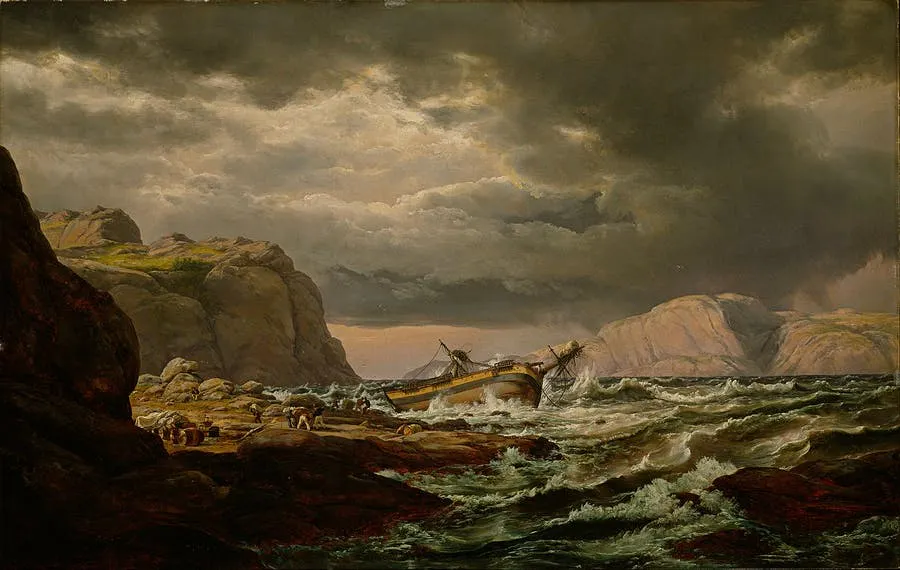
Johan Christian Dahl was born in Bergen in 1788. Although Dahl spent most of his professional life in Dresden, his art played a crucial role in his home country's national romantic art, which earned him the title of 'The Father of Norwegian painting'. After starting his career as a decorative painter in his hometown, Dahl moved to Copenhagen to study.
Eventually, he became a professor at the Dresden Academy of Arts and taught future greats, such as Thomas Fearnley and Jacob Calmeyer. Dahl's emotional and detailed painting is characterised by outstanding precision, especially in his oil studies of the sky and cloud formations.
Peder Balke
See also: Travel the World Through Art
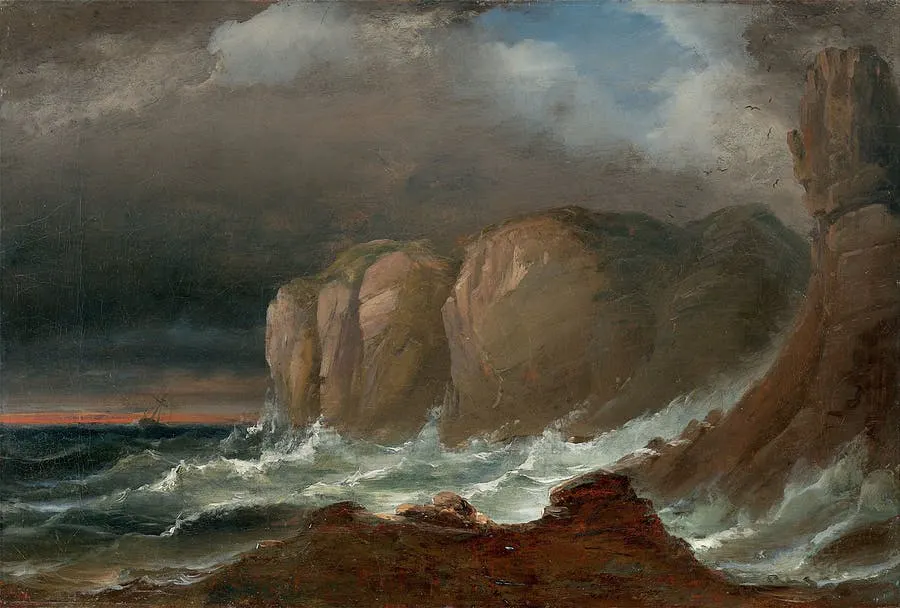
Peder Balke was born in 1804 and mainly painted the expanses from northern Norway in a romantic and decorative style. He was travelled all throughout Europe and even sold many paintings to the last king of France, Louis Philippe I, in 1846. Though he was largely forgotten after his death in 1887, interest in his work revived in in 2014-15, when the National Gallery in London held an exhibition of his work.
Hans Fredrik Gude
See also: Anders Zorn: Sweden's Most Popular Painter
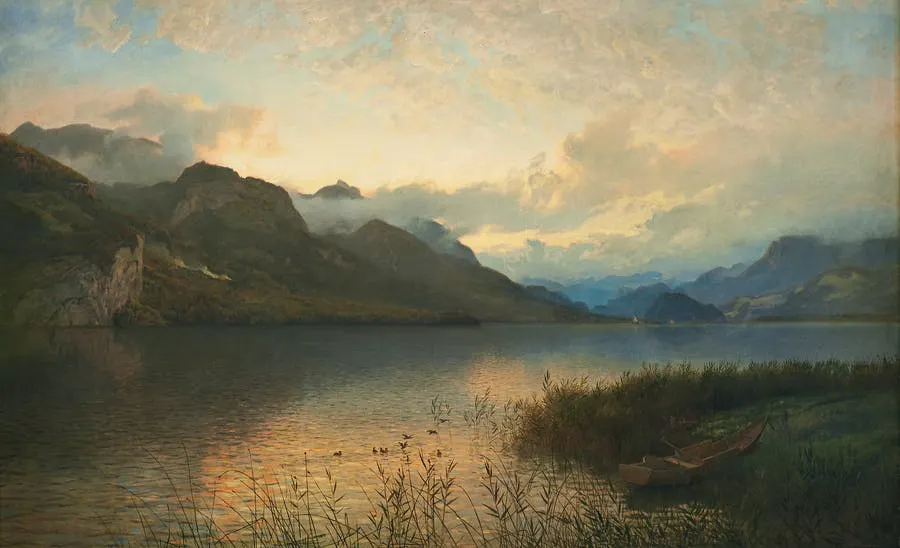
Another of Norway's great landscape painters in the nineteenth century was the Oslo-born artist Hans Fredrik Gude. He left Norway for Düsseldorf and studied there under Andreas Achenbach. He soon came to specialise in landscape painting. In Sweden, Gude is represented at, among others, the Gothenburg Art Museum and the National Museum in Stockholm.
Frits Thaulow
See also: Winter in 10 Artworks
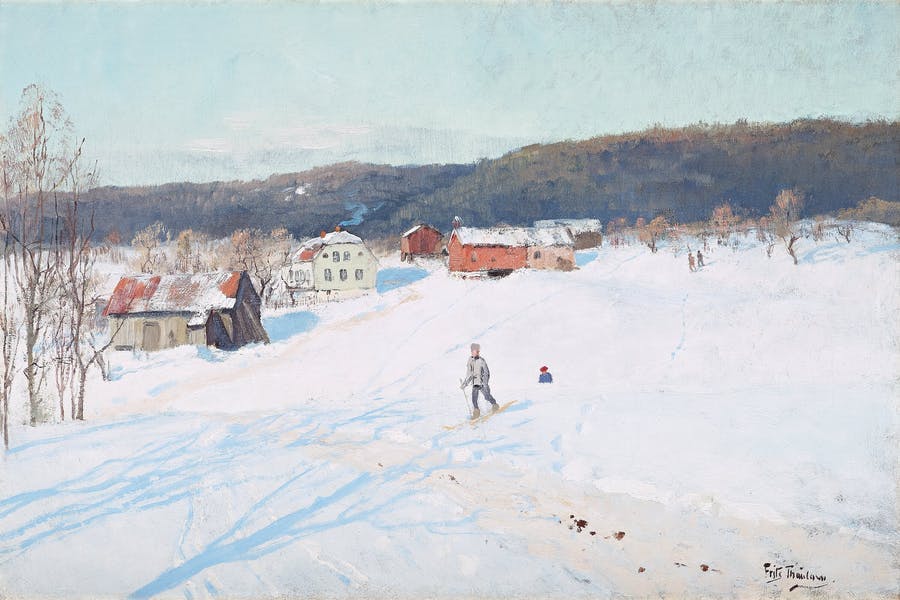
In 1847, Frits Thaulow was born in the then Norwegian capital Christiania (now Oslo). In time, he became one of the country's most internationally known artists and portrayed the Norwegian landscape and light with strong sensitivity. From the beginning of the 1890s, Thaulow lived for the most part in France, where he was influenced by natural painting and Impressionism. Despite his time in France, Thaulow was one of the artists who painted nature on the northern tip of Jutland and was part of the Skagen Painters, together with the couple Michael and Anna Ancher, PS and Marie Krøyer, Viggo Johansen, Christian Krohg and Johan Krouthén.
Edvard Munch
See also: Edvard Munch: 5 Things to Know
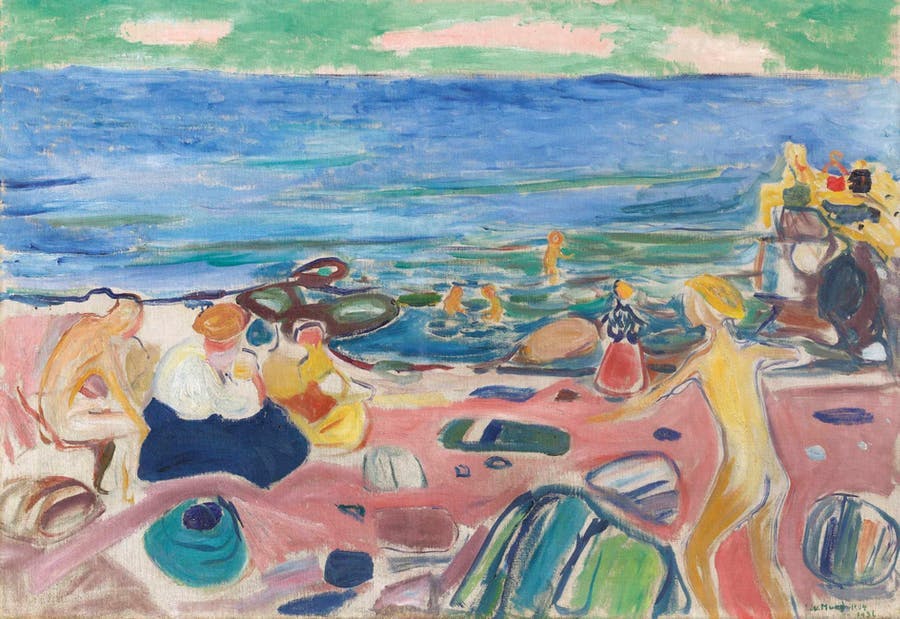
No list of Norwegian art is complete without the iconic Edvard Munch. As one of the foremost artists of Expressionist painting, Munch painted with intense colours and thick brushstrokes. Munch influenced an entire generation of artists and became an important source of inspiration, not least for German expressionism. Munch suffered from severe anxiety during large parts of his life, which is evident in many of his works, not least in his iconic work The Scream (1893). Death, melancholy and human anguish were recurring themes in Munch's work. Since 1963, the majority of his works are on display at the Munch Museum in Oslo.
Christian Krohg
See also: 10 Artist Couples You Should Know
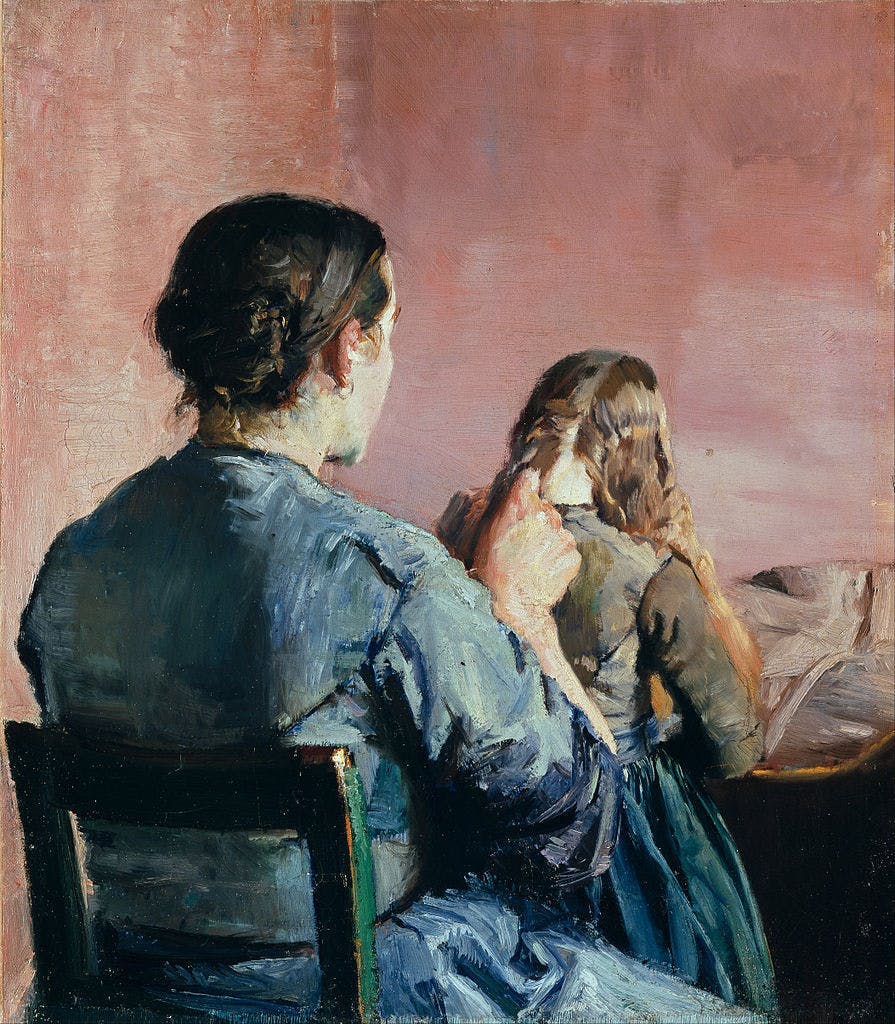
A mentor of Edvard Munch was Christian Krohg, an artist and writer, who was a leading figure in Norwegian cultural life. Krohg often painted scenes from his own life, where intimacy and family relationships were at the centre.
Krohg's wife, Oda Krohg, was also a renowned artist and lived a relatively free life among the Christiania bohemians, despite the fact that she was constantly overshadowed by her husband. Today, she is represented at several of Norway's larger museums, such as the National Gallery. The couple had two children together, one of whom, Per, became an artist himself.
Gustav Vigeland
See also: The 10 Most Expensive Sculptures Sold at Auction
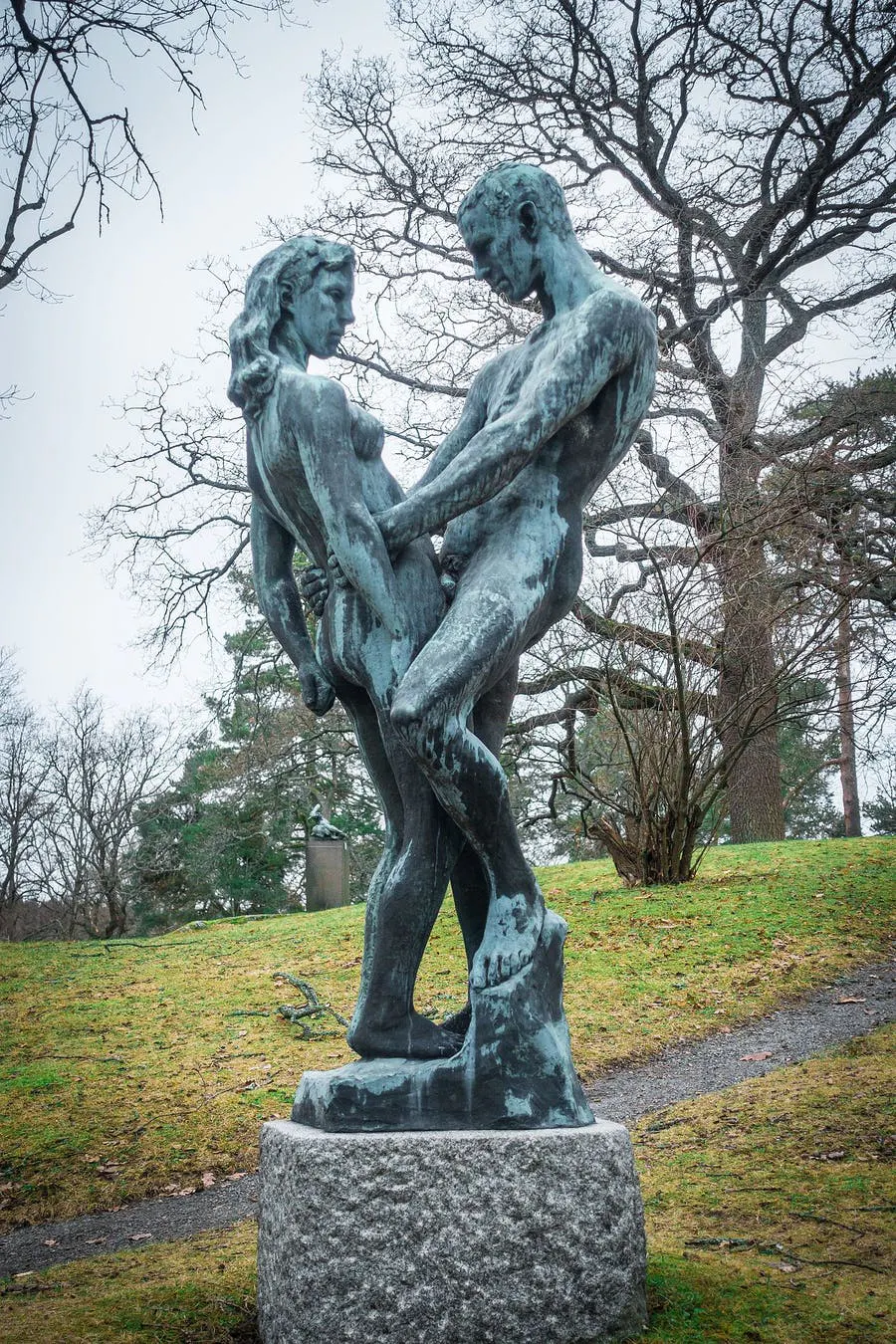
Among Norway's foremost sculptors is Gustav Vigeland, who in the 1890s began to create small-scale, expressive sculptures with inspiration from Auguste Rodin. In Oslo, Vigeland Park exhibits over 200 sculptures by Vigeland. The cornerstone of Vigeland's thematic works was man's various stages of life, which he depicted in mainly bronze and granite.
Kjartan Slettemark
See also: The Provocative Politics of Barbara Kruger
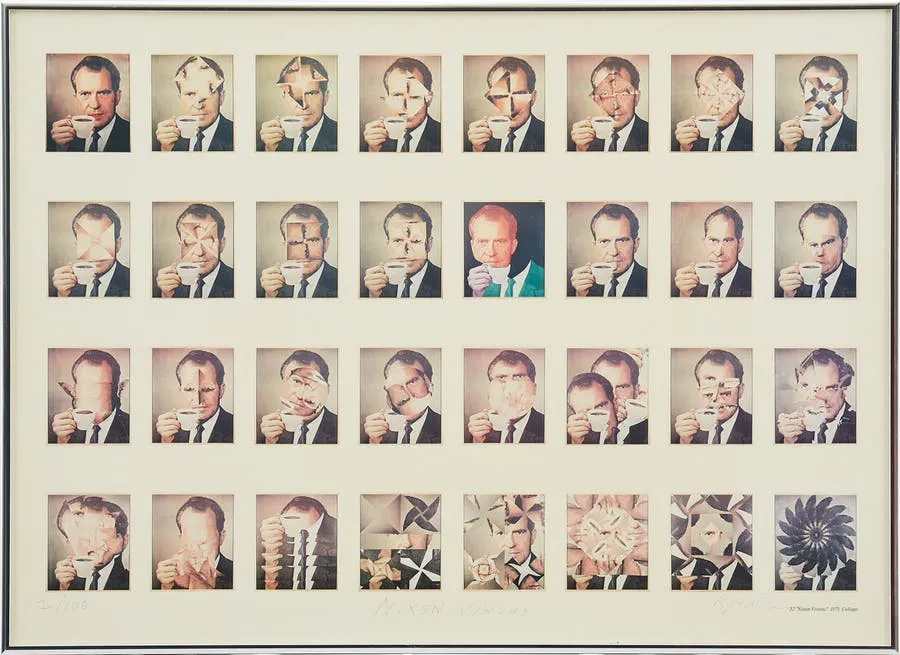
Kjartan Slettemark was born in Norway in 1932 and during the 1960s became one of the country's most important contemporary artists. Slettemark worked in classical mediums, such as sculpture and painting, as well as with both performance and concept art. As a political artist, he commented on issues from housing shortage and police authority to the Vietnam War and President Richard Nixon's policies. Since Slettemark passed away in 2008, his work has reached high prices at auction and in Sweden, where he lived most of his life. He is perhaps best known for his photo montage depicting President Richard Nixon.
Odd Nerdrum
See also: 10 Artists Between Genius and Madness
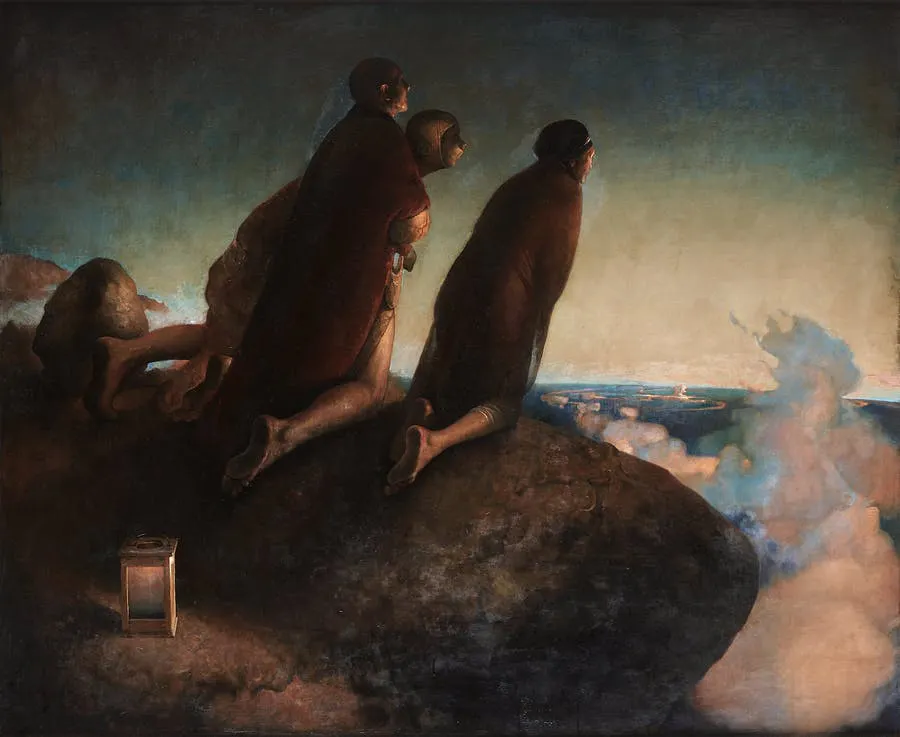
The provocative contemporary artist Odd Nerdrum was born in 1944 in Helsingborg. During the 1960s, Nerdrum took the lead in Norwegian neo-romantic movement, which consisted of young artists who in the middle of the twenteth century eschewed politicised art and sought their ideals in nostalgic landscapes and portraits.
Nerdrum's art is often pastiches on older works, but with modern elements and nuances. His symbol-laden painting provokes mutual admiration both internationally and in his home country.
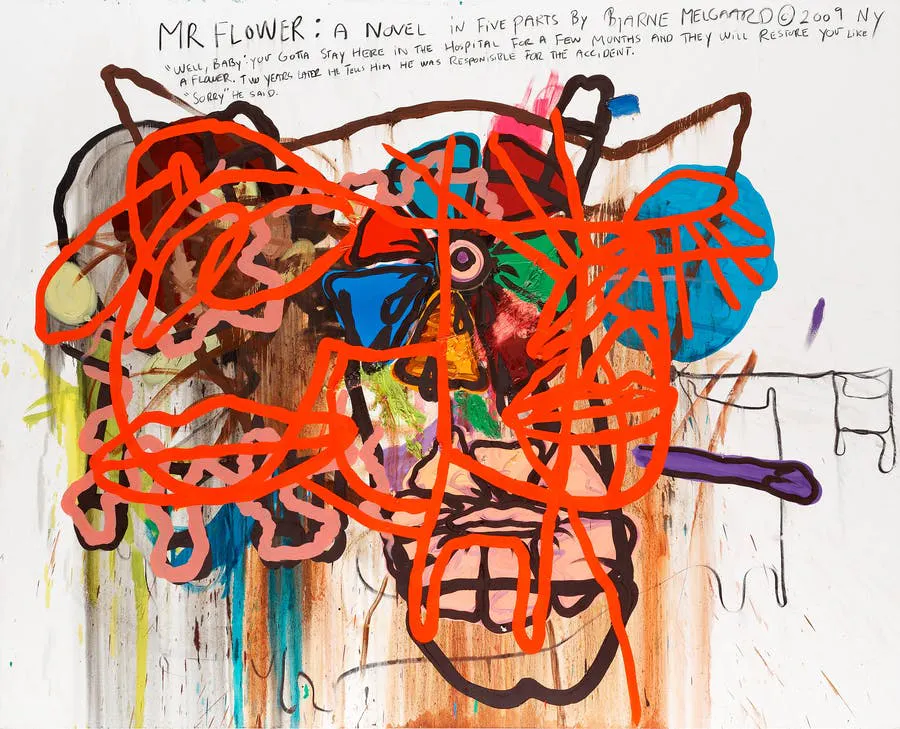
In addition to these, Norwegian artists such as Olav Christopher Jenssen, Bjarne Melgaard, Fredrik Værslev, Charlotte Wankel, Inger Sitter and Odd Tandberg often generate high prices at auction. It is simply a matter of keeping an eye out for the Norwegian names if you want to expand the Nordic elements in your art collection.