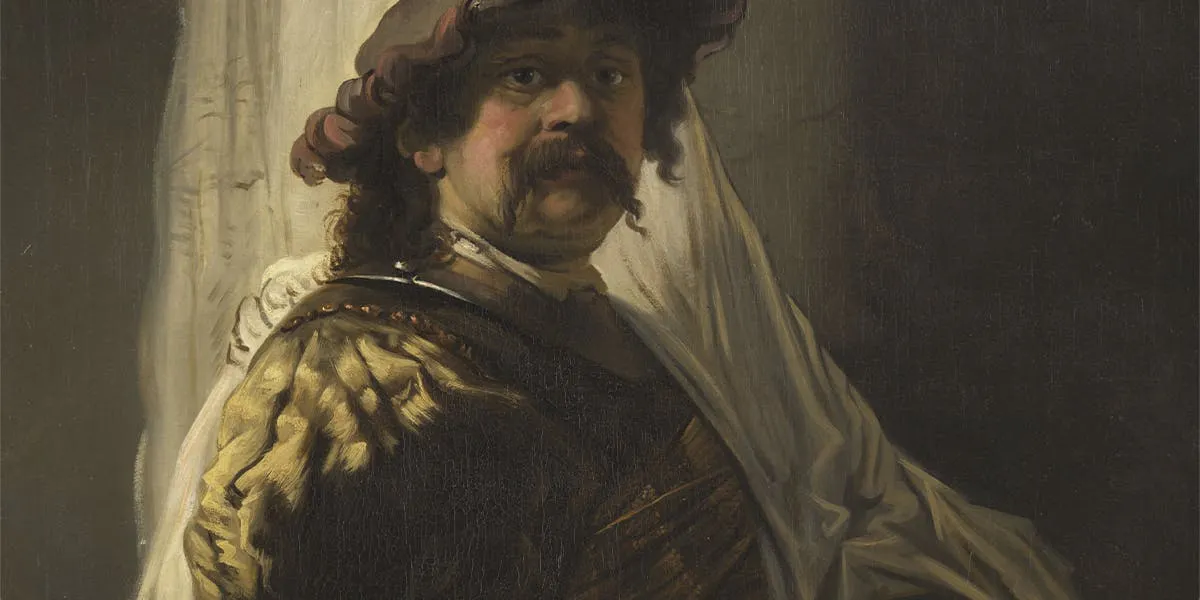
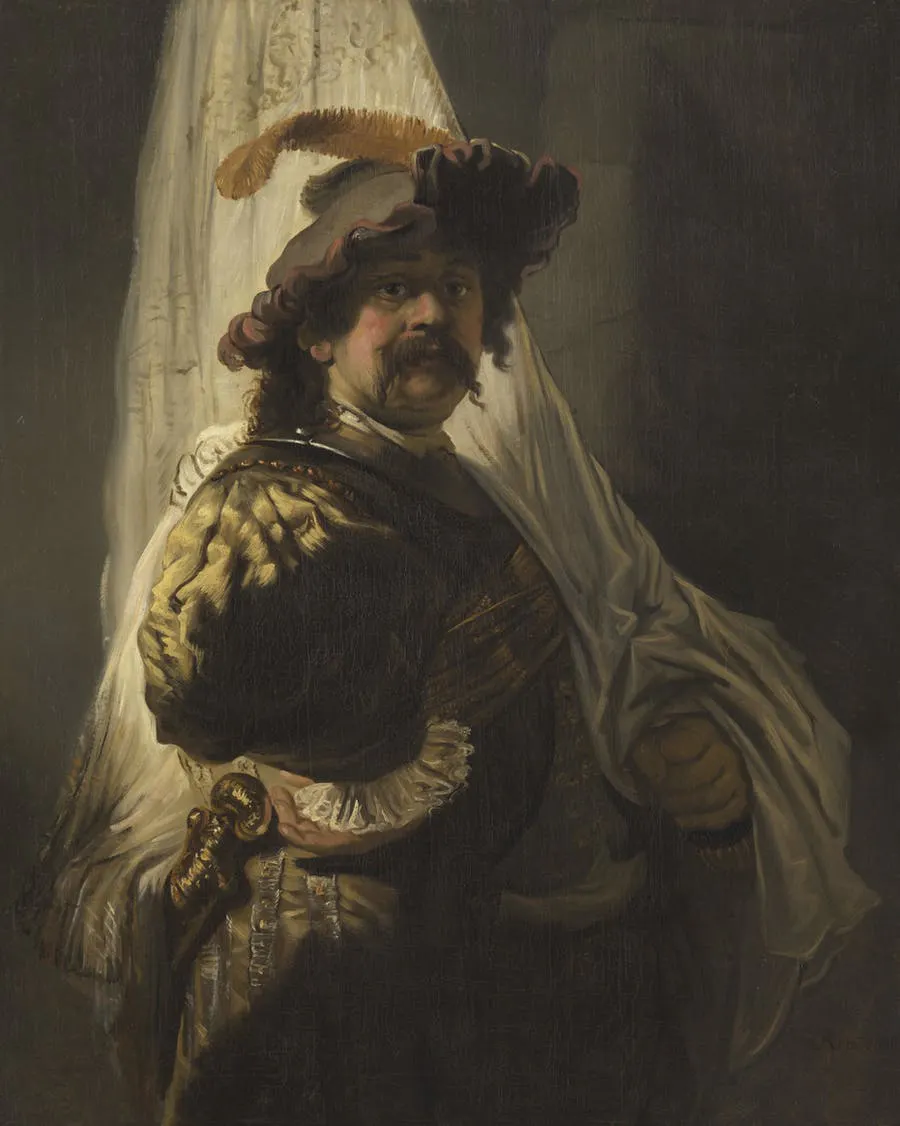
In 1636, the Republic of the Seven United Provinces had been at war with the Spanish Habsburgs for nearly seventy years, fighting for independence. With patriotism in his heart, Dutch Golden Age master Rembrandt Harmenszoon van Rijn portrayed himself as the standard bearer of the republican army on canvas.
Rembrandt was thirty years old at the time, had married the daughter of a patron Saskia van Uylenburgh two years earlier and founded his own workshop in Amsterdam as an independent master of the Guild of St. Luke. The war with the Spaniards would last until 1648, but ultimately lead to the longed-for independence and the state now known as the Netherlands.
See also: 6 Iconic Dutch Paintings
Of the approximately 340 paintings that Rembrandt painted in the course of his career, only 44 are in Dutch museums. The Standard Bearer could soon be a significant addition to this, should the Dutch state succeed in acquiring the painting for the Rijksmuseum's collection. The painting has been in changing private ownership for centuries, most recently in the collection of a French branch of the Rothschild family. The latter wanted to sell the work in 2019, but met resistance from the French government, which classified the painting as a national cultural treasure and imposed a thirty-month export ban.
This ban has now expired, but with the condition that the painting be on public display in the future. And now the Netherlands comes into play after no French museum was able to raise the funds for the purchase. The painting is no bargain: The Dutch Ministry of Culture is providing €150 million, which is furnished by €15 million from the private Rembrandt Association and €10 million from the Rijksmuseum, making the impressive total sum of €175 million (approx. $200m or £150m) for the painting.
"Returning The Standard Bearer to our country has been a dream for many generations," said Taco Dibbits, General Director of the Rijksmuseum. "Now that the opportunity presents itself, we are joining forces to acquire this Rembrandt for the Netherlands for eternity. The quality of the painting and the fact that it marks Rembrandt's artistic breakthrough makes it an unparalleled work by the master: it is when Rembrandt became Rembrandt!"