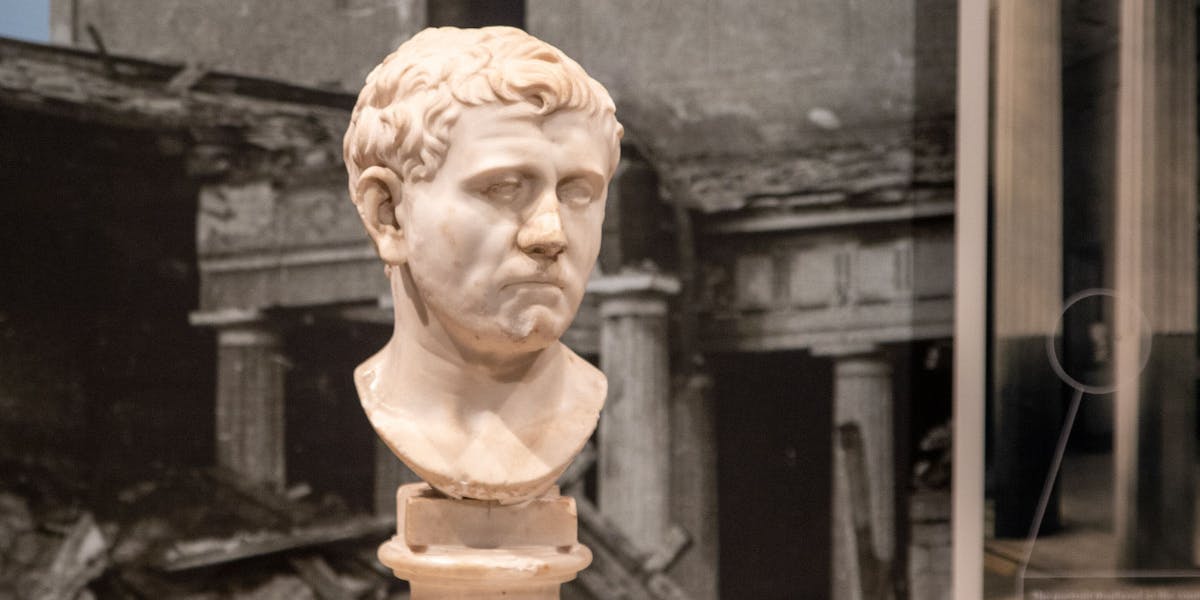
While most customers of Goodwill, a charity shop chain mainly based in the United States and Canada, know that truly special items can be found with some time and effort, what Texas-based antiques dealer Laura Young found is pretty far from the norm. On a 2018 trip to an Austin branch of the chain, Young spotted a white marble bust of a man in Greco-Roman style, priced at $34.99 (about £28).
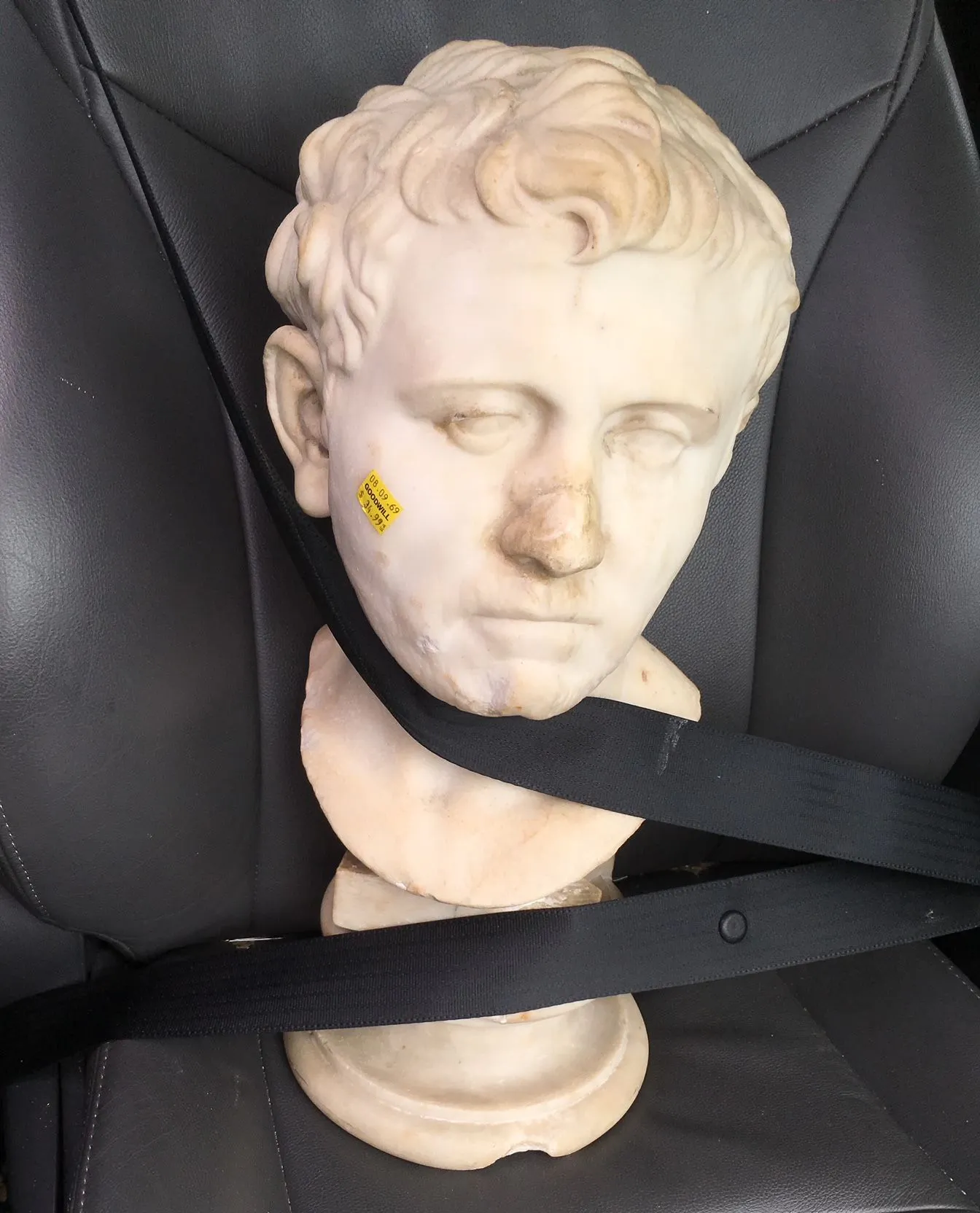
The intricate detail and good quality of the work caught her eye, and after purchasing the statue she reached out to multiple auction houses and other institutions to help identify it. The response she received from Sotheby’s consultant Jörg Deterling was shocking: they believed it was a Roman work dating to around the last century BC to the first century AD.
See also: A Trove of ‘Exceptional’ Ancient Bronzes Found in Tuscan Spa
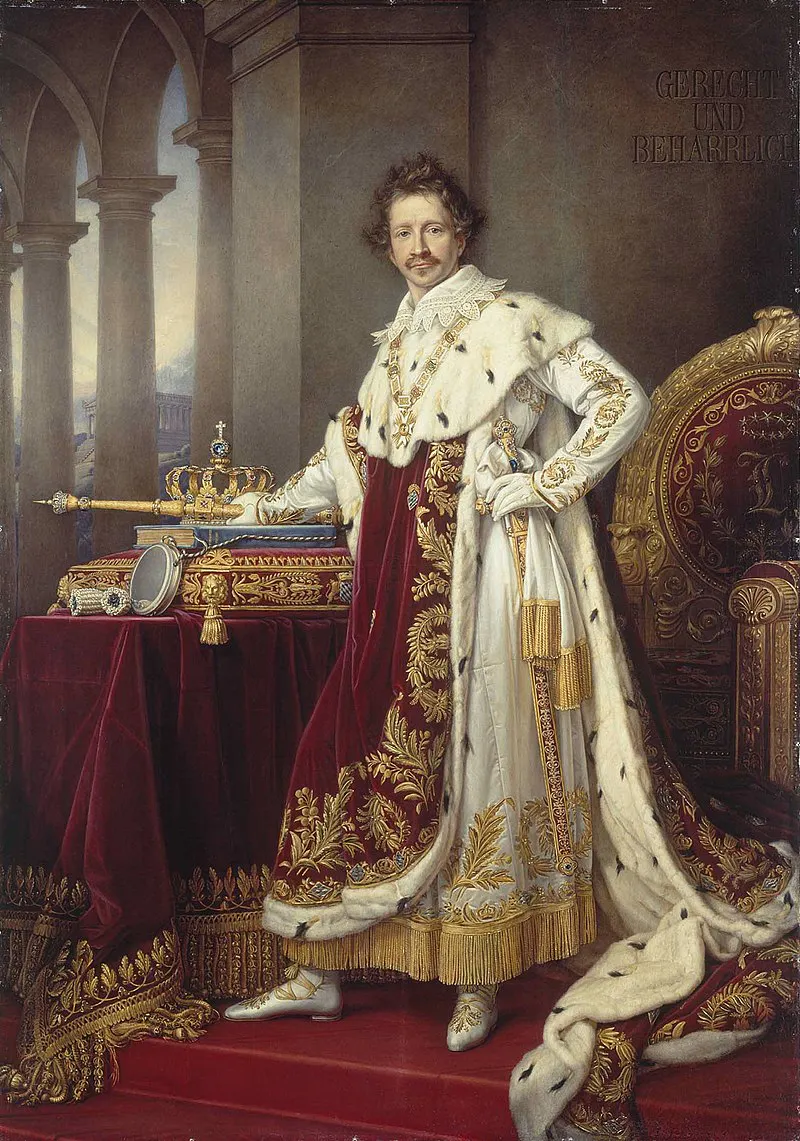
The bust was purchased by King Ludwig I of Bavaria, now a German state, and displayed in his Pompejanum, a complex designed to replicate a villa in Roman Pompeii. Sotheby’s identification has been confirmed by the Bavarian Administration of State-Owned Palaces, Gardens, and Lakes via archival records and photographs.
The identity of the bust is contested by experts, but the most common attribution is Sextus Pompey, an enemy of Julius Caesar and the son of the general Pompey the Great, who also fought against Caesar and was assassinated on the orders of Egyptian Pharaoh Ptolemy XIII. Another possibility is Drusus Germanicus, the younger brother of Emperor Tiberius.
See also: Money Talks: Ancient Roman Coins
Where the statue was between its creation and its purchase by the King is unknown. Equally unknown is how it came to be on the shelves of the Austin Goodwill store, though it is believed that an American soldier likely took it from Aschaffenburg, where the Pompejanum is located, sometime during or after the end of World War II.
Want more articles like this delivered straight to your inbox? Subscribe to our free newsletter
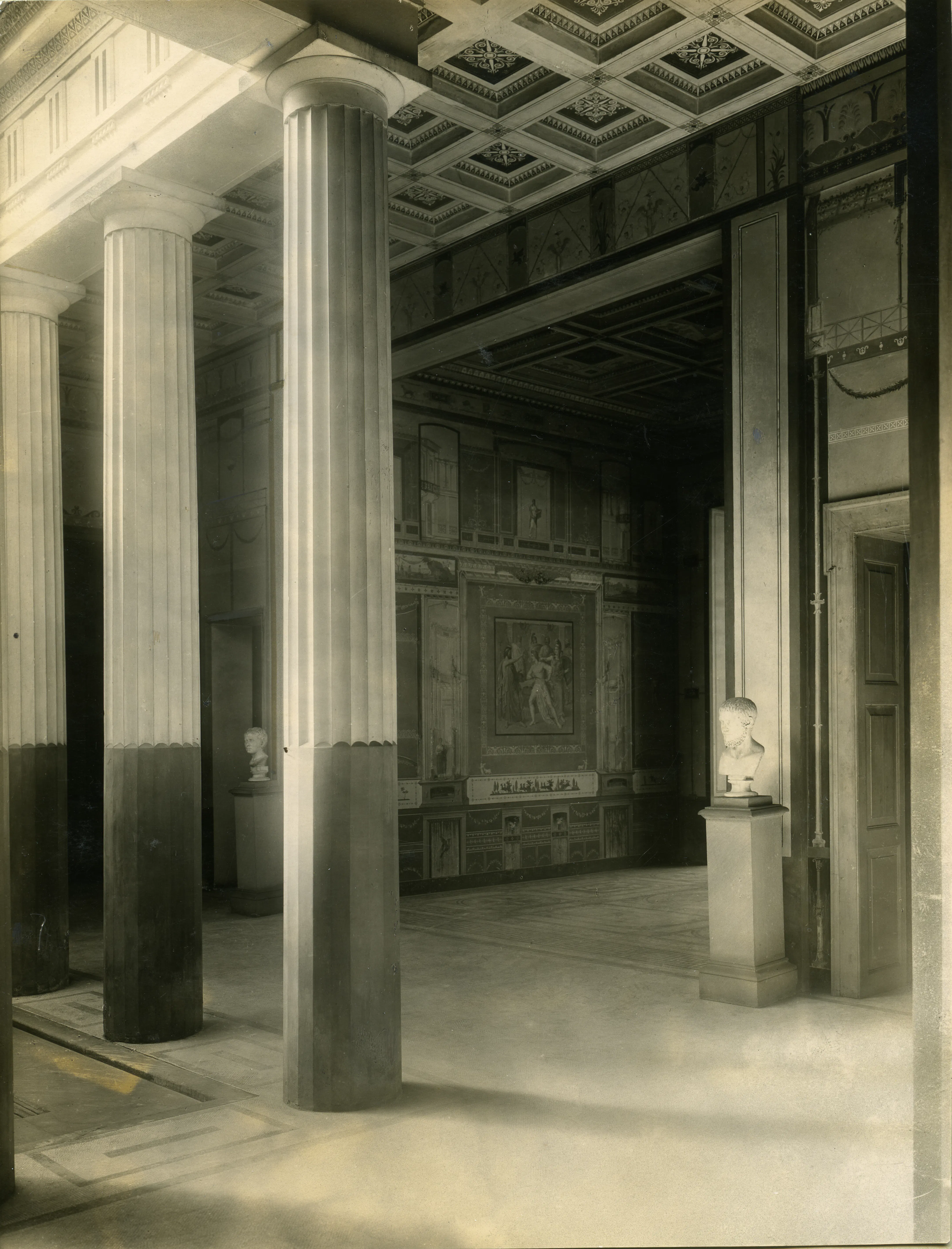
The area was heavily targeted by Allied raids, damaging the villa, which required years of restoration after the war, and at some point around that period the bust disappeared. Due to its potential status as a looted artefact, the unknown individual who transported it to the United States would have committed a war crime.
See also: 6 Sensational Attic Finds
Young and the German government came to a restitution agreement, and the bust will be returned to the country later this year, after a stay at the San Antonio Museum of Art in Texas where it is currently on display, which comes to an end in May 2023.