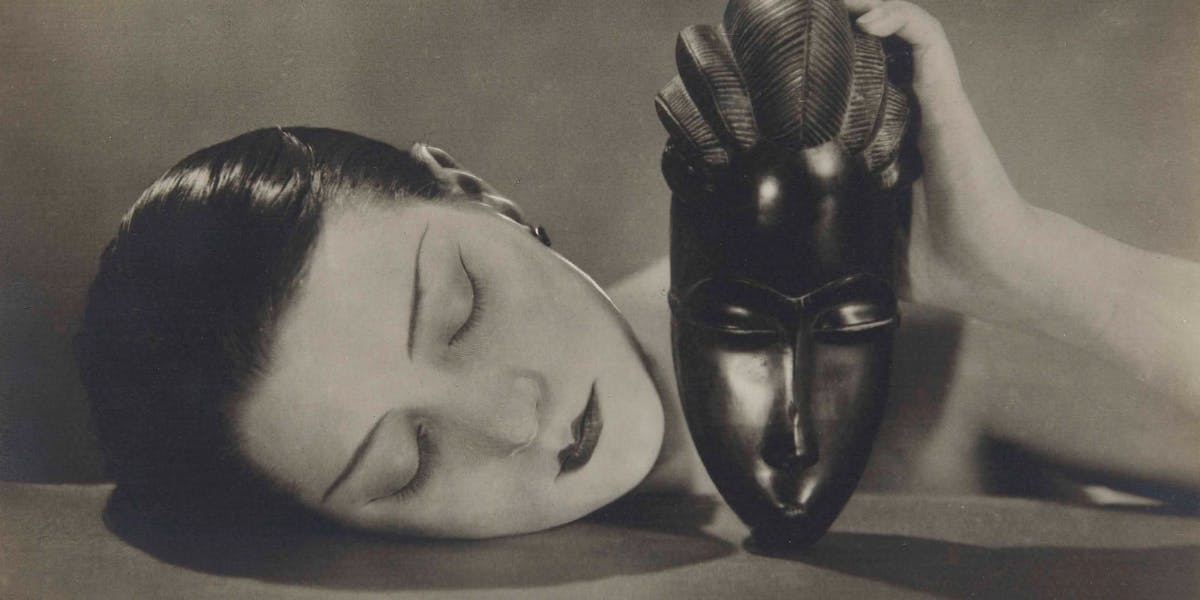
Design trends speak volumes about the general mood of an age. For example, contemporary style tends to be geared toward simplicity and focused on sustainability. This harks back to mid-century modernism, with its stark lines and lack of ornamentation: a more modest approach to home design.
But not every generation was as austere as ours. At the turn of the 20th century, when Art Deco came into flourish, designers, decorators and artists were excited about what the future might bring. They embraced technology, beauty, decoration, luxury and style as hallmarks of the creativity of the human spirit. The Art Deco era was an age of aspiration. These were the Roaring Twenties, boosted by the global economic boom. The products and spaces they designed spoke to the notion that progress was a good thing. This attitude helped to create what is arguably the most optimistic design trend since the high Renaissance. The Art Deco era was a time when people wanted to move on from the ravages of the Great War.
In 1925, the famous International Exhibition of Modern Decorative and Industrial Arts was held in Paris, bringing together the creations of 21 countries. This event celebrated the desire for aesthetic renewal, going beyond the mawkishness of Art Nouveau, opening up to new forms of geometric inspiration and without sacrificing the luxury of new materials.

The term Art Deco itself was not used until 1966, when the Musée des Arts Décoratifs in Paris mounted the exhibition Les Années 25 : Art Déco, Bauhaus, Stijl, Esprit Nouveau. This exhibition defined the Art Deco period as spanning the early years of the 20th century until roughly 1939 – the start of World War II. It also identified the movement as one not focused on a single aesthetic approach, but rather one that encompassed a broad range of approaches, each of which had the spirit of celebration. With its roots in France, the Art Deco movement quickly became global.
See also: A Stable Investment: The Continuing Rise of Art Deco
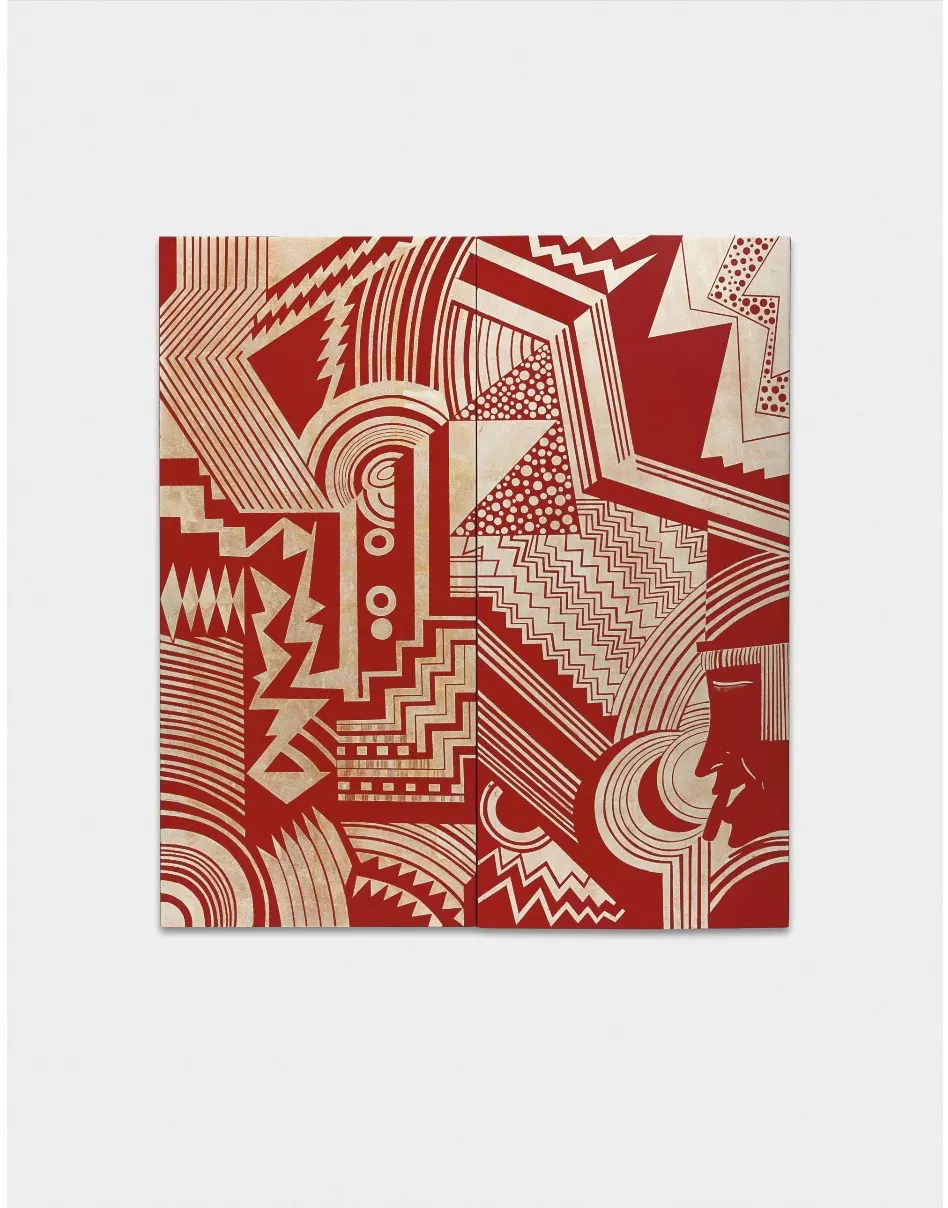
Jacques-Émile Ruhlmann, the ‘Pope of Art Déco’, embodied this very French luxury; his furniture was intended for wealthy clientele who were passionate about refined pieces of furniture, as exemplified by his famous State rectangle cabinet, which is now owned by the Musée des Arts Décoratifs in Paris. Other designers from many fields such as Pierre Legrain, Eileen Gray, Jean Dunand, Cartier and Jean Deprés all made their creative mark on this period.
See also: Tamara de Lempicka and the Roaring Twenties
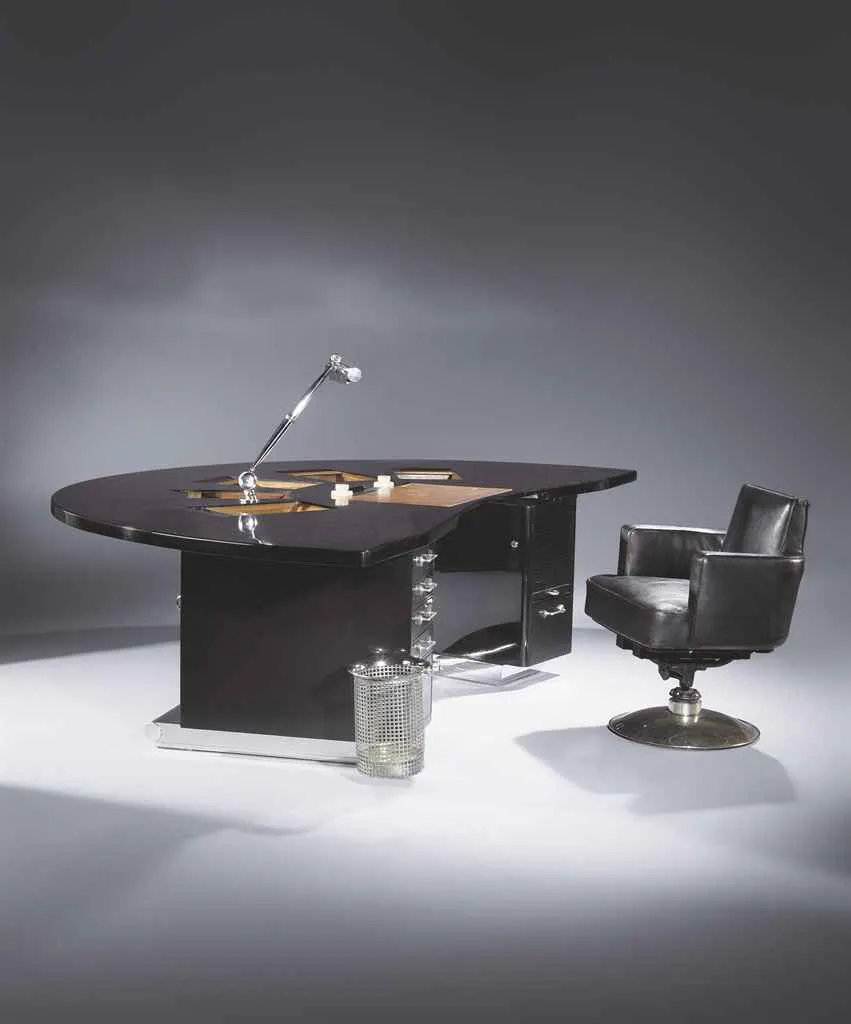
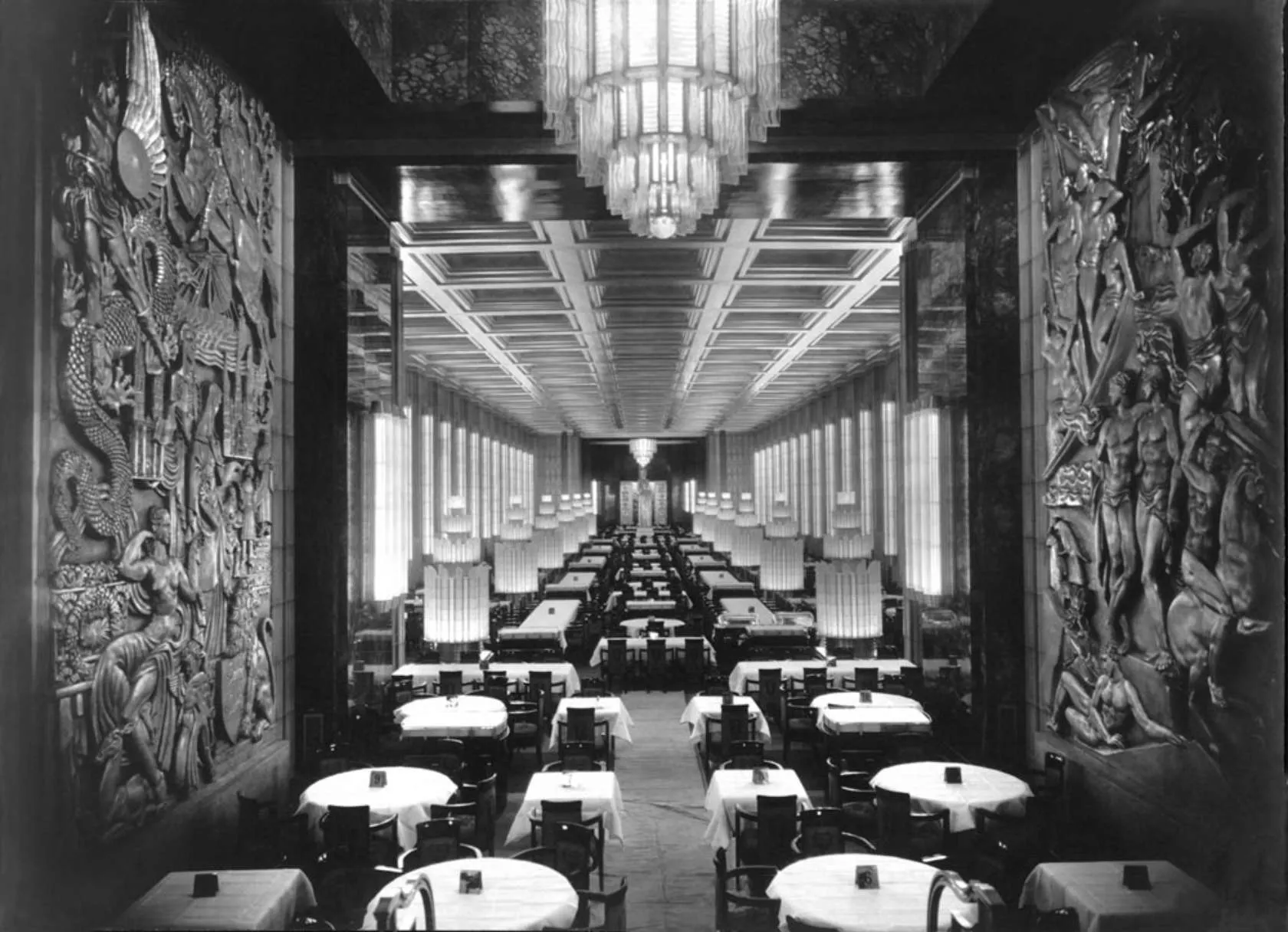
One of the hallmarks of Art Deco design was that it made use of modern materials and industrial processes. Rapid advancements in technology meant that designers had fantastic new tools available to them. Their enthusiasm to explore these tools reflected the general attitude people had that progress was both positive and unstoppable. Art Deco embraced glamour and revelled in luxury. Emblematic of this aesthetic, the ship SS Normandie 1935 features the creations of Louis Süe, André Mare, Jean Dunand and Raymond Subes – some of the biggest names of Art Deco.
See also: Mirrors: A Reflection
Optimism was not the only factor that led to the rise of Art Deco. In the late 19th century, France was at the centre of the creative world. However, in French society, people who designed clothing, furniture or other decorative items were not afforded the same respect as other creative professionals, like painters or sculptors.
In 1875, that all started to change when the French government recognised decorative design as a profession of its own, bestowing upon it the official label of Arts Décoratifs. In 1901, the government went one step further to found The Société des Artistes Décorateurs, which granted decorative artists the same social and cultural status as any other type of fine artist.
A whole century on, Art Deco is still one of interior design's most coveted styles, oozing opulence and sophistication.