When it comes to diamonds, there's an array of possibilities that can affect the gem’s value. With numbers and names for carats, colours, clarity and cuts, it’s easy to become confused when looking for diamonds at auction. Not to worry though, our guide is here to help you become a diamond expert.
The word diamond comes from the Greek 'adámas' and means the ‘unconquerable, invincible’. A diamond is a very rare mineral consisting of carbon atoms and it is the most solid material to occur in nature.
When it comes to diamonds, where the confusion usually starts is when talking about weight. The volume is measured in carats, which sounds similar to the golden karat. To help you remember what you measure diamonds in, let us introduce you to the four Cs: Colour, Carat, Clarity, and Cut.
Colour
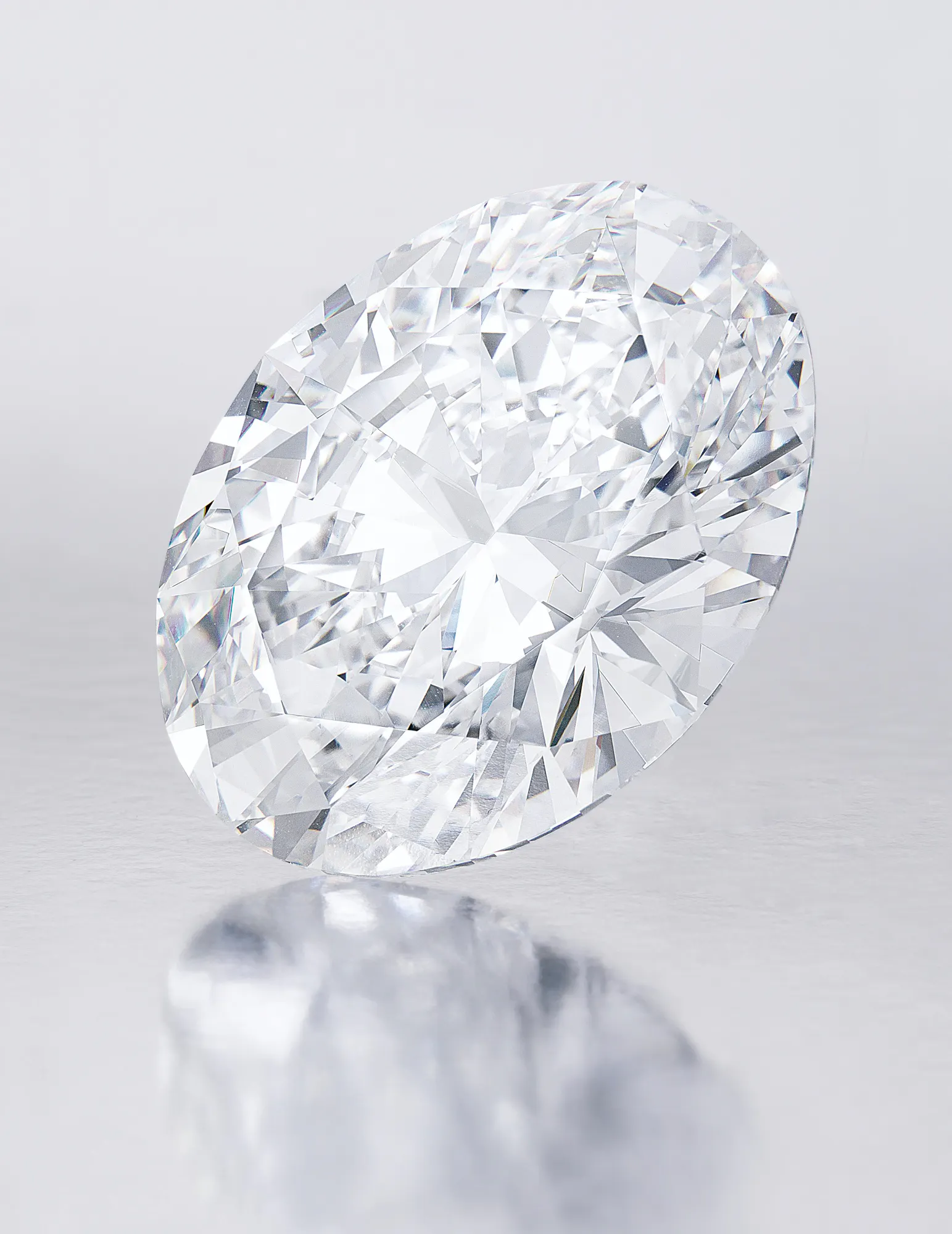
To talk about colour when it comes to diamonds might sound a little misleading. Diamonds are supposed to be clear, are they not? Not to worry, you’re on the right track. The colour scale is measured based on the lack of colour. The system is a scale based on the alphabet starting with D going all the way to Z, where D is the highest rating of a diamond. A diamond with the grading D, E or F in the category Colourless, would be of the highest rarity and hence, very valuable. The scale continues with the categories Near Colourless (G-J), Very Faint Yellow (K-M), Faint Yellow (N-R) and Light Yellow (S-Z) with the last category being stones with a yellow tone and classified as the least valuable.
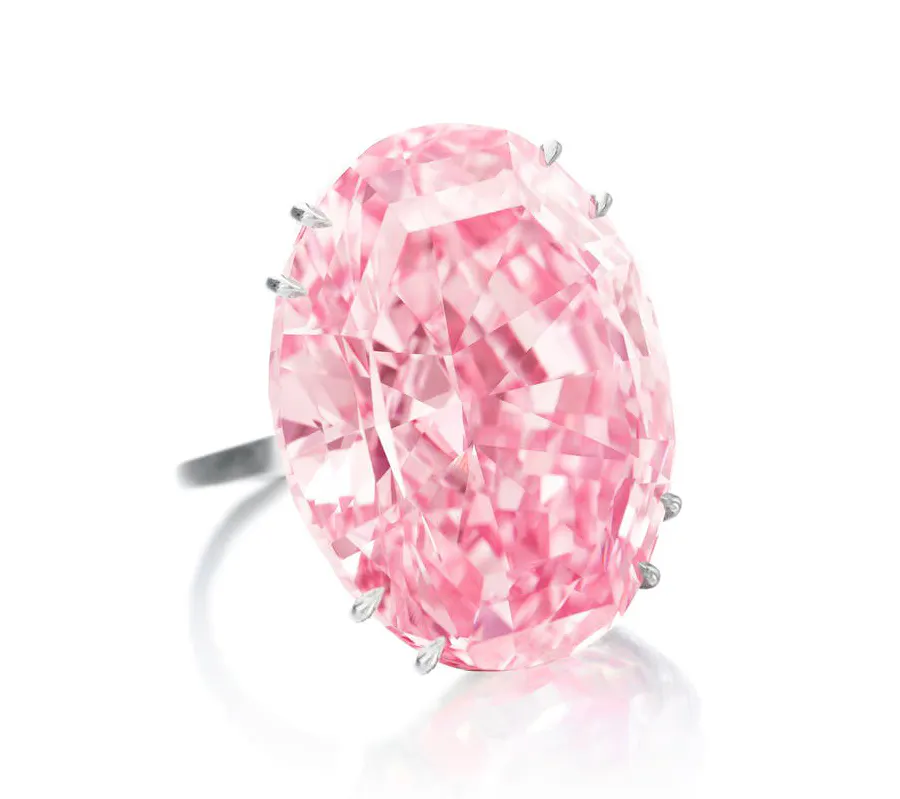
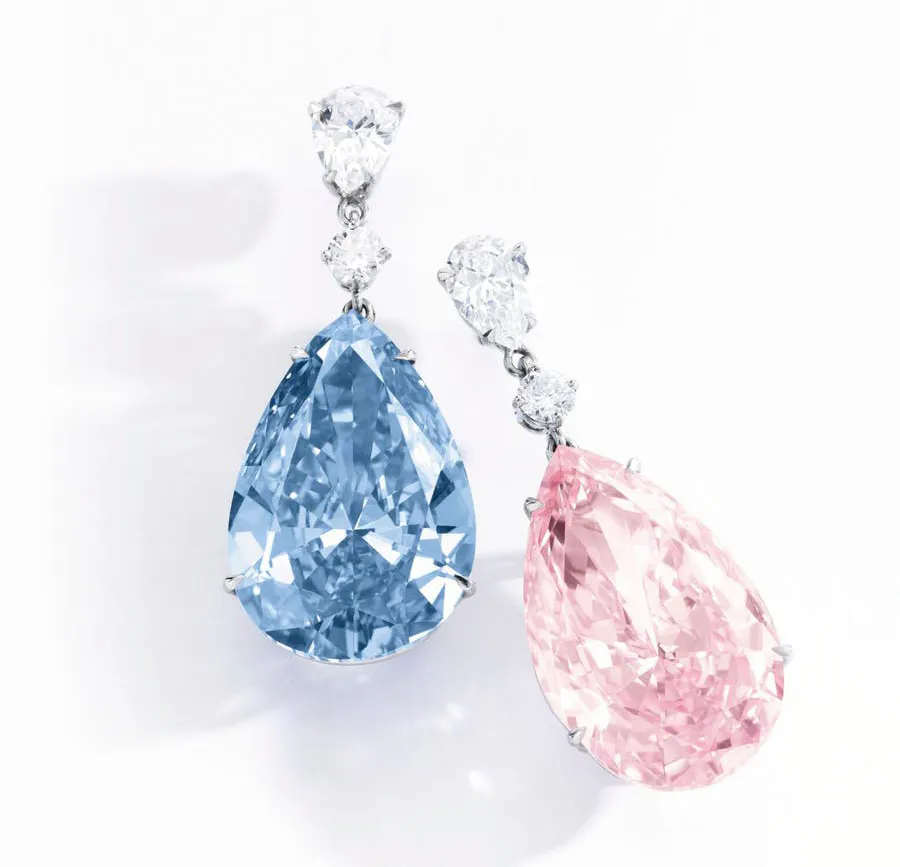
But there are also diamonds with an actual colour, called Fancy diamonds. These can have shades of pink, blue and yellow. The colour’s intensity is the measurement of the diamond’s value in this instance, and as they are extremely rare they are usually classified as more valuable than diamonds in the category Colourless.
Carat
Not only does the spelling of Karat and Carat differ, but they are also measuring different things. Karat measures the purity of gold, whereas carat measures a diamond’s weight.
So does a higher carat mean we’re talking about a valuable diamond? It’s not quite that simple.
See also: Tiffany: The King of Diamonds
All factors (colour, carat, clarity and cut) will determine a diamond’s value. For example, a large and heavy diamond can have a low colour grading. When it comes to the Fancy gems, however, the carat of the stone is always the most important factor following colour.
Clarity
The clarity of a diamond defines its purity. Using a magnifying glass, the number of inclusions, cavities, and scratches in a diamond can be measured. Just like when talking about colour there is a scale from which the clarity of diamonds is classified. If a diamond wears the classification IF, you can be certain it’s a precious gem. IF means that the stone is as clear as can be and completely without inclusions or blemishes, something that is very rare. If you’re planning to buy a stone or a piece of jewellery with a diamond you should happily settle for the VVS or VS categories as the tiny inclusions are almost impossible to see with the bare eye.
See also: The 9 Most Popular Jewellery Brands
Cut
As the diamond is the most solid natural material on this planet, it's also very hard to cut. The only thing solid enough to cut a diamond is another diamond. Cutting diamonds is, to many gemologists, the most important factor when putting a value on a stone. What you measure is the reflection, symmetry and cutting quality. The stone’s sheen and ability to reflect light will impair with a bad cut. Having said this, if the cut is bad, colour and clarity won’t matter as it will be perceived as darker.
The quality of the Cut can be divided into five categories where only three percent of all diamonds would be classified in the top category 'Ideal'. The following categories are 'Excellent', 'Very Good', 'Good', 'Fair' and 'Poor'.
However, we’re not done with cuts just yet. Other than the quality of the cut, there are, as most of us know, several different shapes of diamonds. Below we list the different shapes that are common when talking about a diamond’s cut.
Navette
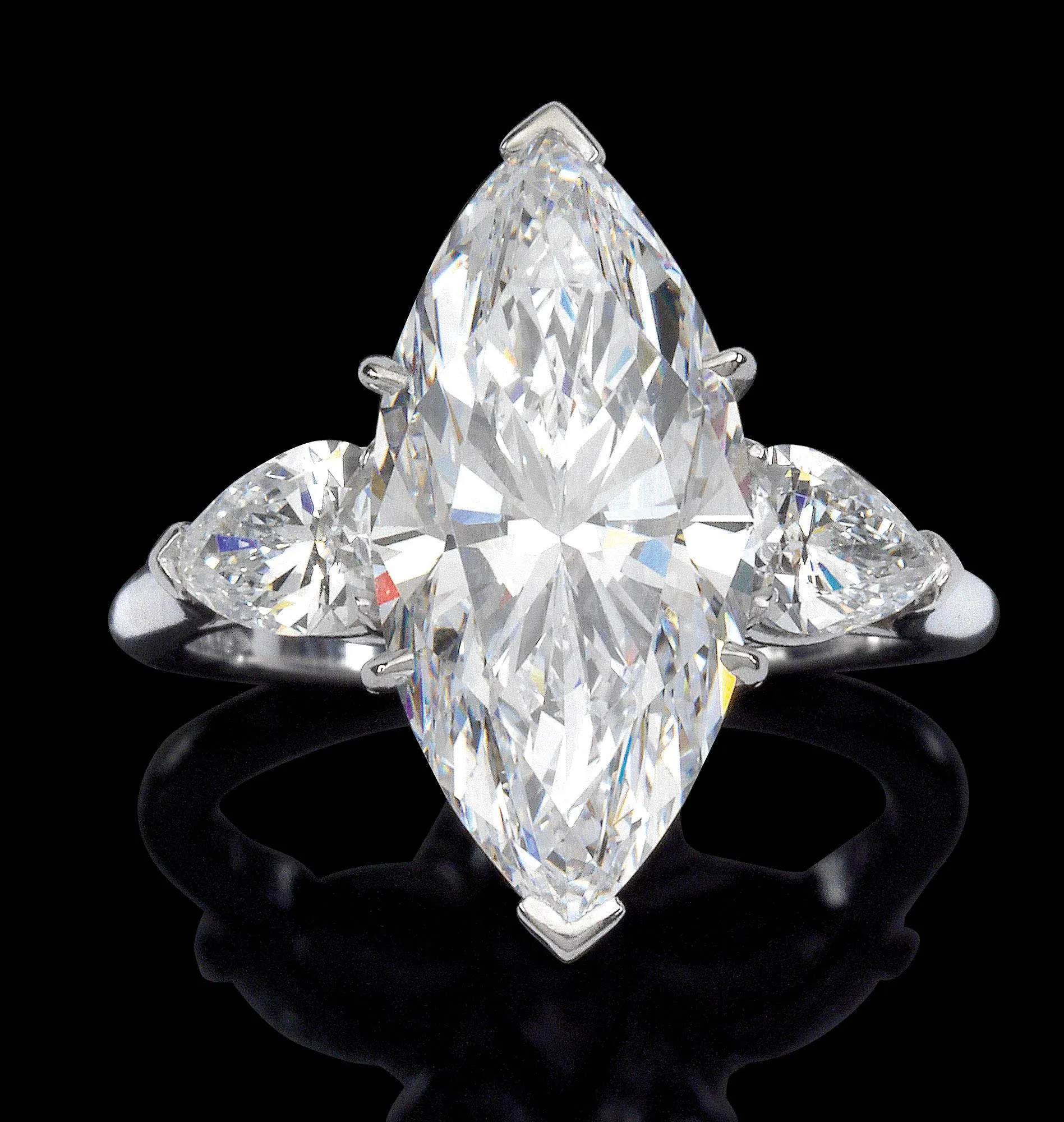
A diamond with a navette cut can also be called a marquise cut, after the marquise Madame de Pompadour, Louis XV ’s official mistress. The diamond is cut in an elongated shape with facets and usually makes the diamond look bigger in carat compared to other cuttings.
Brilliant
The brilliant cut is the most common cut when it comes to diamonds. The round shape gives a maximal reflection capacity and makes even the smallest of stones sparkle. Almost 70% of all diamonds sold are brilliants.
See also: A Love Affair with Cartier
Drop cut or pendeloque or pear cut
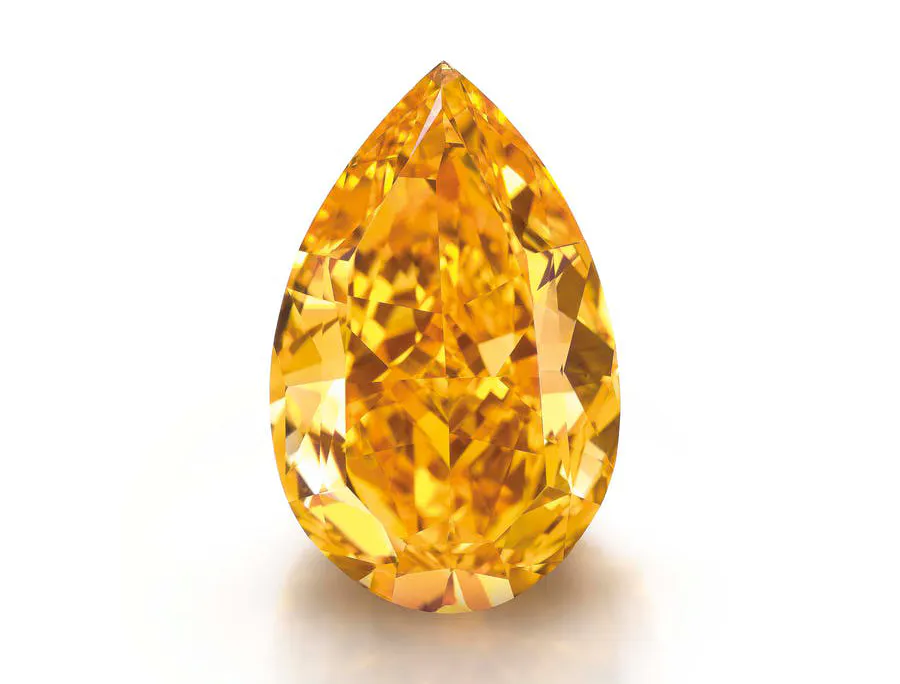
The drop cut or pendeloque is a stone with a round and a pointed end. Almost a mix between the navette and the brilliant.
Rose cut
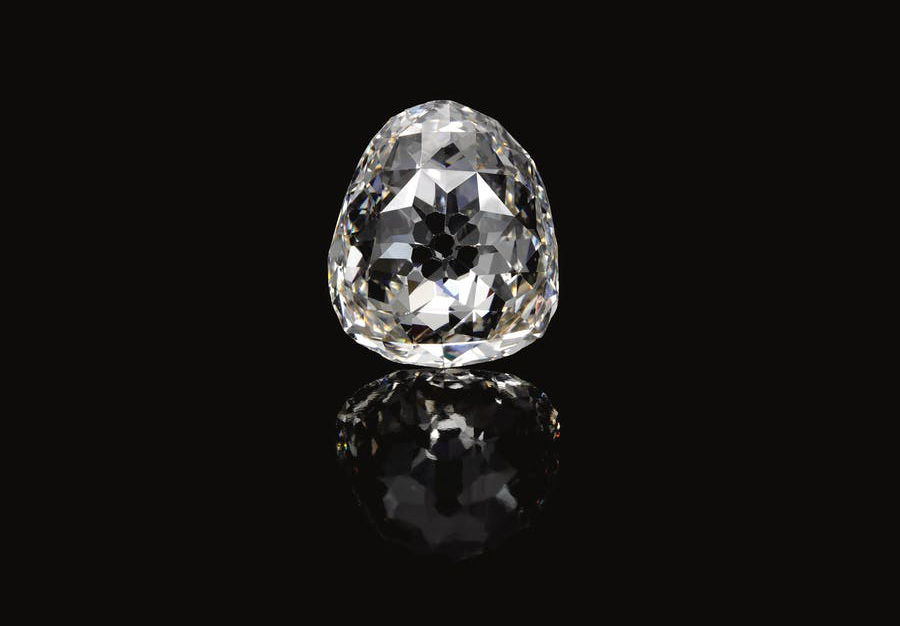
The rose cut has a flat back and domed top covered in triangular facets. It can have in between 3 and 24 facets and looks like a rosebud, hence its name. The rose cut is one of the oldest cuts dating to the 16th century and was very common during the Victorian era.
Baguette
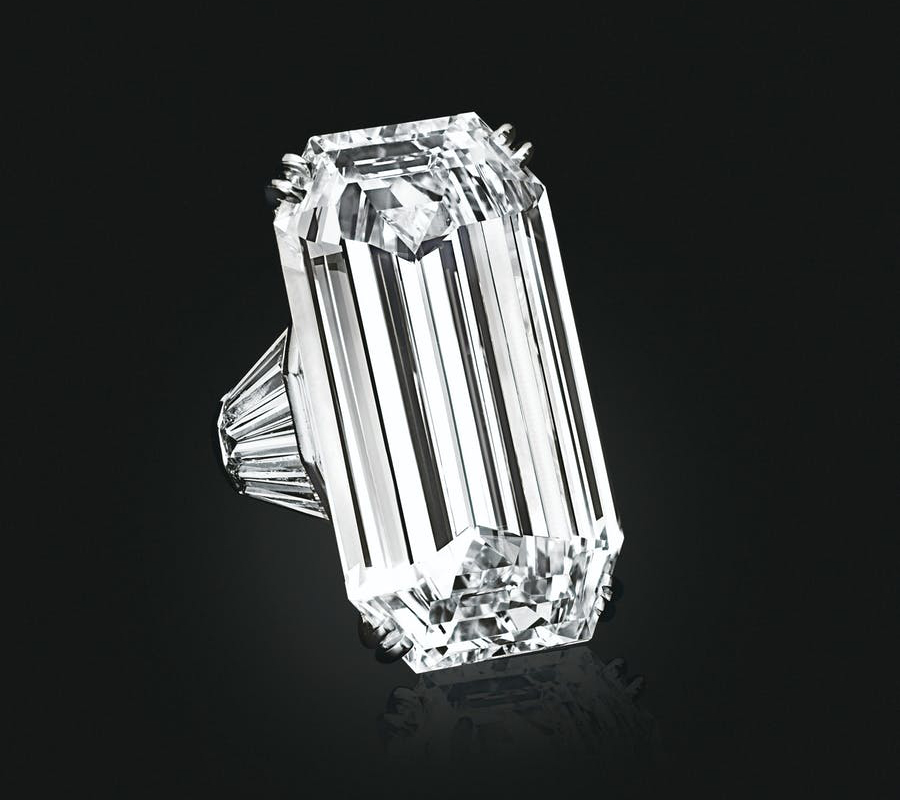
Yes, keep that idea of bread in mind. The diamond has an extended shape just like bread and can vary in length. It is placed as the main stone on a piece of jewellery and is usually longer than its neighbouring stones. The cut has a large facet in the middle requiring a clear stone, meaning that most large stones won’t bear this shape.
Oval
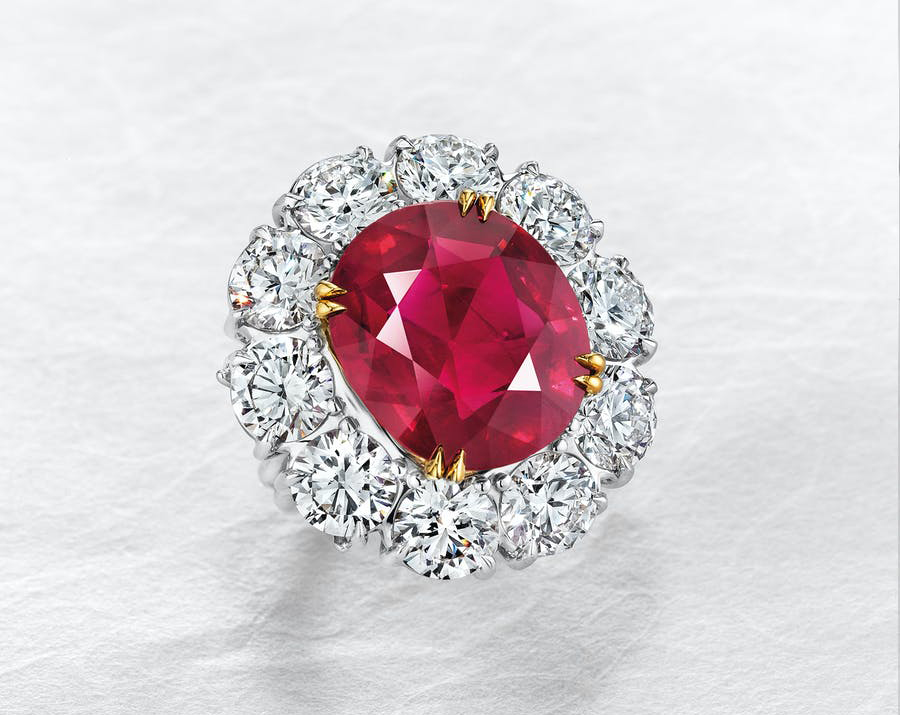
The oval cut reminds us of the brilliant, navette, and the baguette. It’s stretched like the baguette, but with two rounded ends in similarity to the navette, and has the capacity of reflecting light, just like the brilliant. This modern cut was invented in the 1950s and became very popular in rings as the cut gives the impression of one’s fingers being longer than they actually are.
Princess, carré or cushion
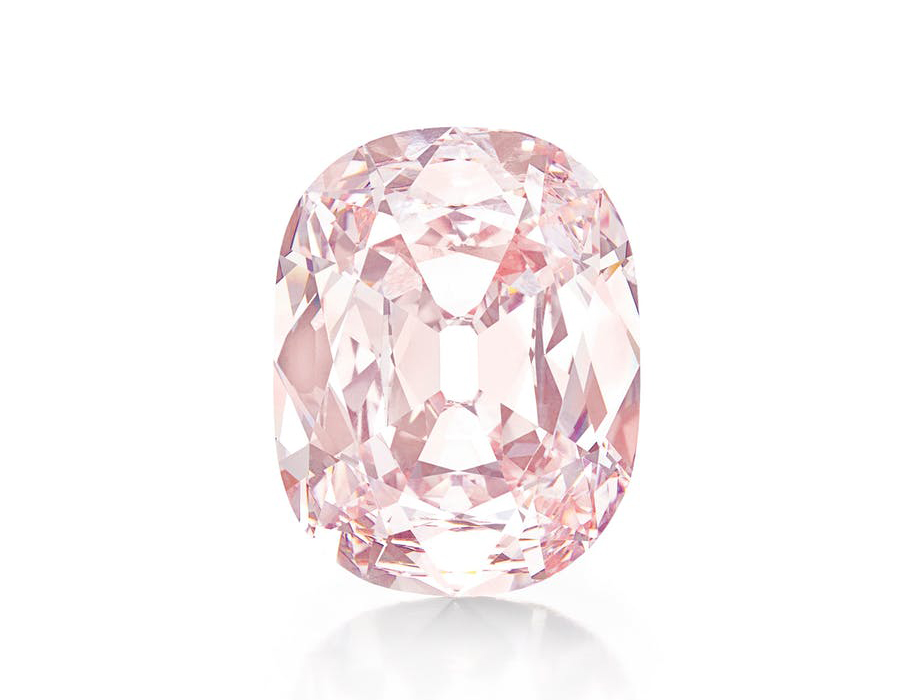
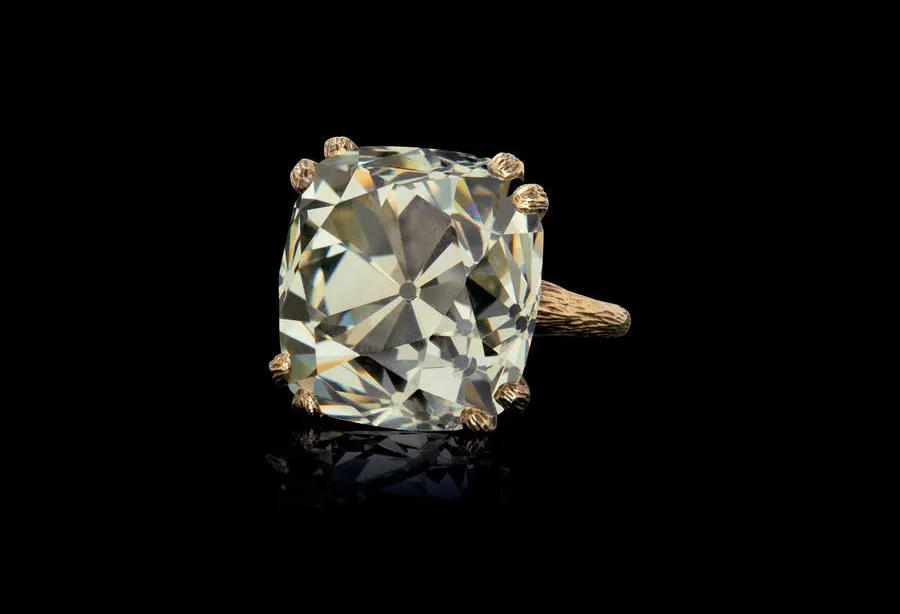
These three shapes all have in common that they are square. The princess and carré cuts both have pointed corners and reflect light well. The cushion cut also bears the shape of a square but with round corners. This cut was popular during the end of the 19th century and has once again become popular in the most recent years, even though it doesn’t sparkle as much as other cuts.
See also: The 9 Most Popular Jewellery Brands
Cabochon
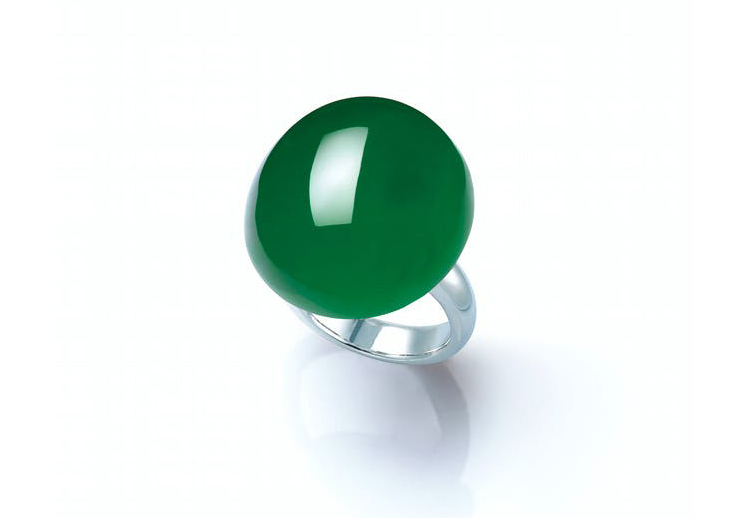
The Cabochon is a stone that has been cut but without facets. Usually, this stone has a flat back and a convex shape. This type of cut is more common with stones of a low clarity as the facets enhance the clarity of the stone.
Table cut
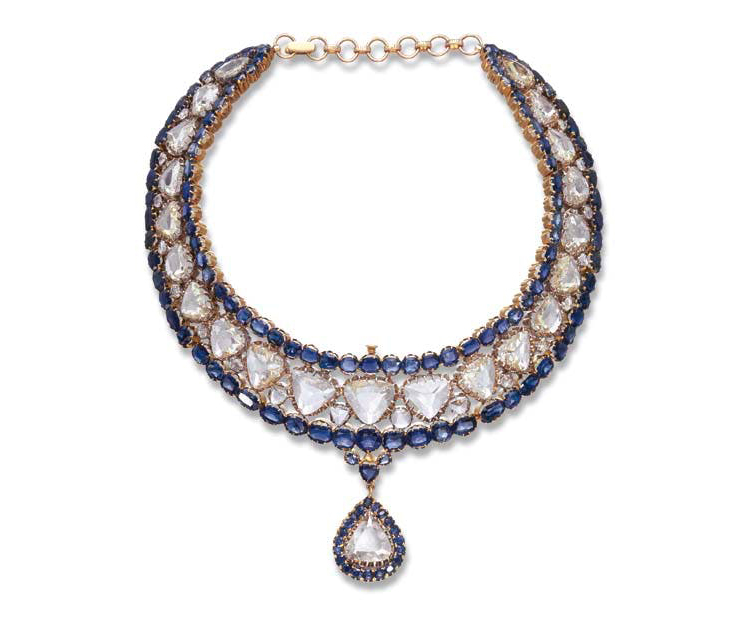
The table cut stone has a cut off, flat shape and can be combined with other cuts. A brilliant has a table cut and 57 facets.