In many ways, this exhibition began in January 1908, when Archer M. Huntington (1870-1955) open the doors to his museum and library in New York for the new Hispanic Society of America. A great love of Spain and extended trips in the region spurred Huntington to create one of the most comprehensive collections of Spanish objects, which included everything from antiquities, decorative arts, and Islamic works as well as Old Masters and 20th-century masters.
See also: Barnebys Visits: Making Modernism at The Royal Academy
At a time in which only a handful of museums were opened in New York, the Hispanic Society of America stood out for its far-reaching vision, given not only by its peculiar subject but also its organisation as part library and part gallery, inspired by Huntington’s enchantment with London’s British Museum. Huntington’s collection offered an almost encyclopaedic overview of Hispanic culture, from its decorative arts to the customs of people.
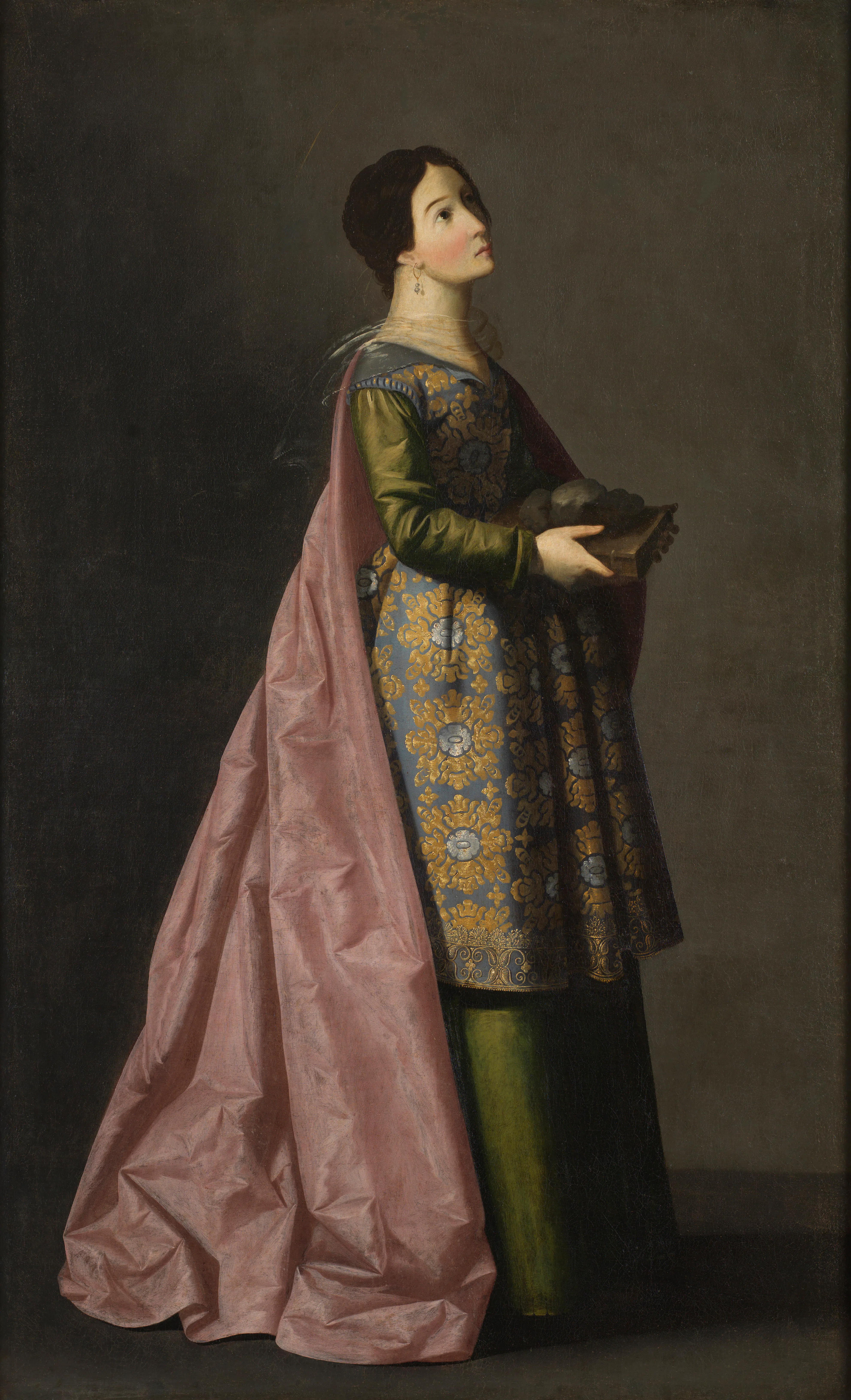
More than 100 years later, the collection has now debuted in London, where it will be on loan until April 2023 at the Royal Academy. In line with Huntington’s vision, the collection is arranged chronologically, presenting a visual narrative of Hispanic art and culture from early antiquity to the 20th century, with more than 150 pieces from the collection.
See also: Barnebys Visits: Cézanne at Tate Modern
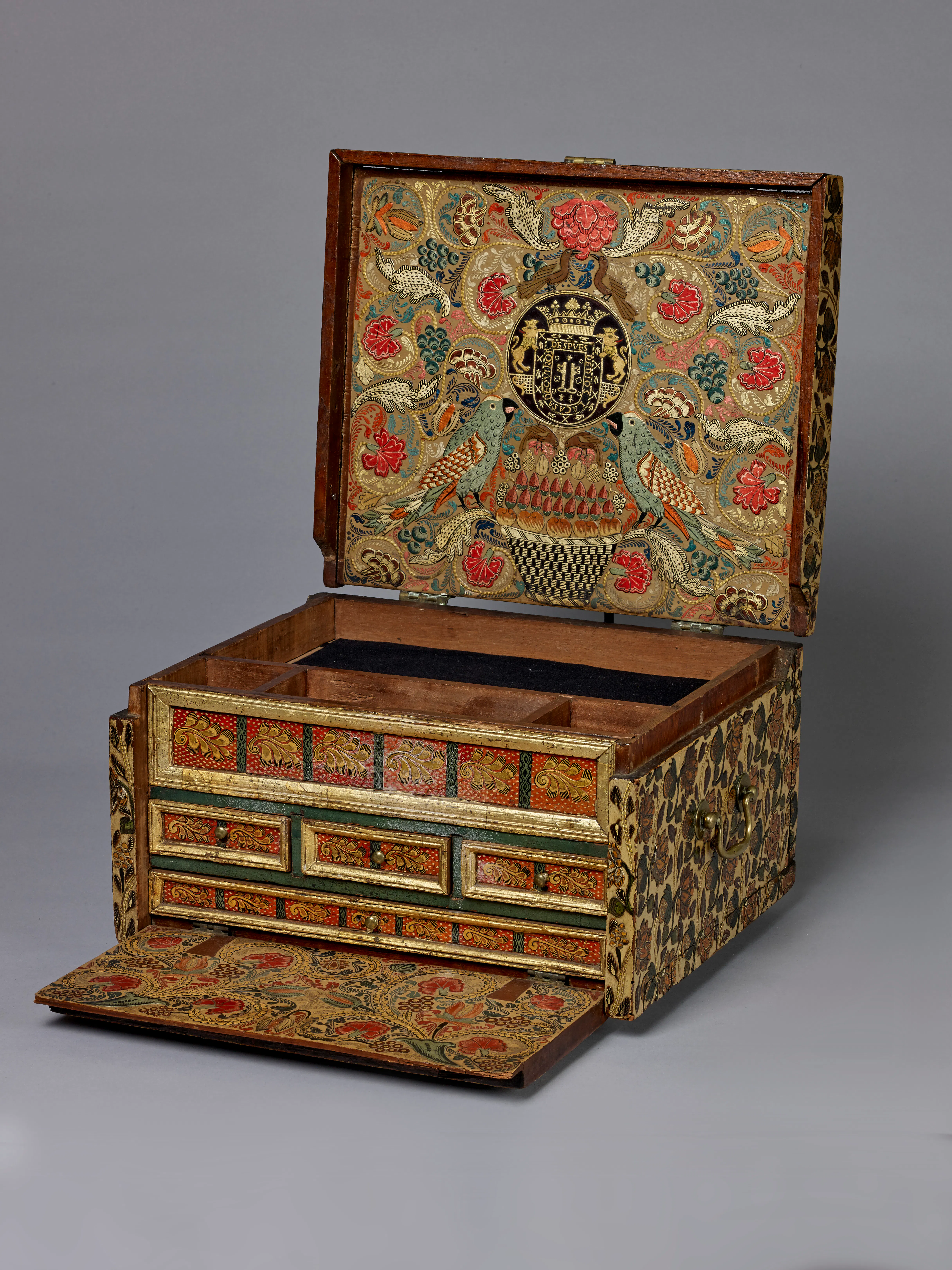
Upon entrance, visitors are confronted with an array of fine silks and artefacts from more than 4000 years ago, including pots and jewellery pieces from the Roman period. The second room is one that most visibly represents Huntington’s comprehensive understanding of Hispanic culture, which owes a lot to Islamic influence. A focus of this exhibition is the Hispano-Islamic silk textiles, including the Alhambra Silk (ca. 1400), and some of the finest pieces of lustreware from the 14th - 16th-century workshops outside of Valencia.

Stretching from the Middle Ages all the way to the 17th century, the third gallery surveys the art from the period known as Spain’s Golden Age, with sculptures, illuminated bibles, royal portraits and much more. From Luis de Morales to El Greco and all the way to Velásquez, the history of Spain can almost be traced in this collection.
See also: Diego Velázquez: The Spanish Court Portraitist
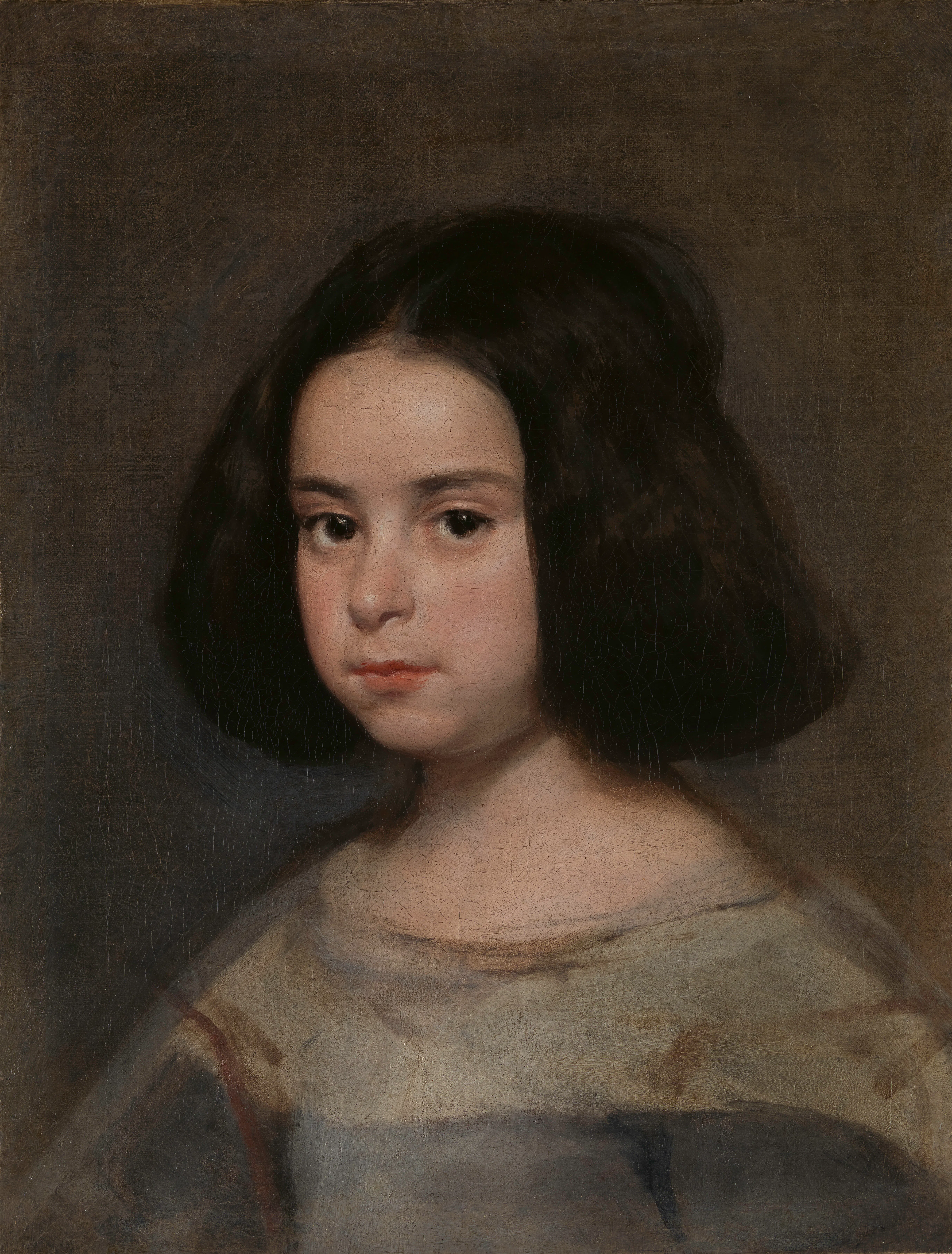
The fourth gallery is one of particular interest, introducing the collection’s pieces from Colonial Latin America, with a particular interest in manuscripts and printed maps. This part of the exhibition is divided into three sections, starting with people and places, which aims to show the way the Spanish went about exploring and colonising South America. A second section, dedicated to materials, illustrates the fusion between indigenous materials and European taste, and to follow, how that is merged into religious objects that fuse the two cultures.
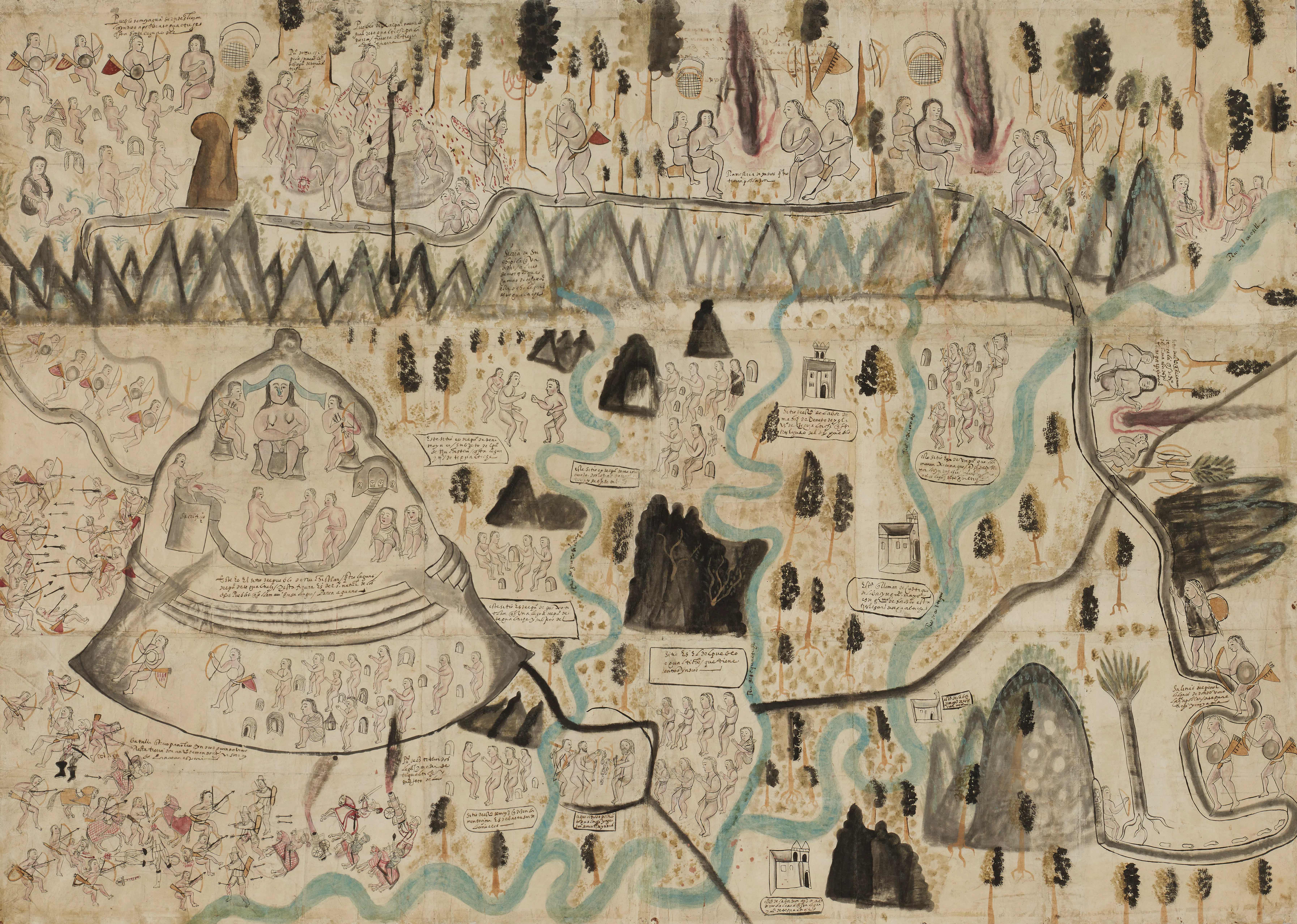
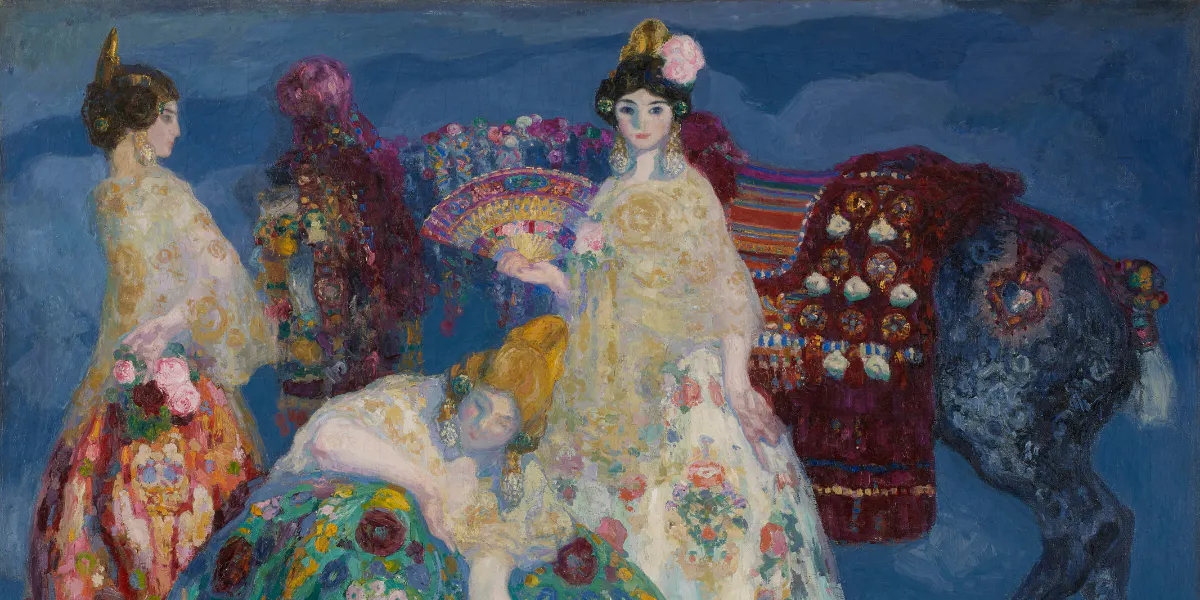
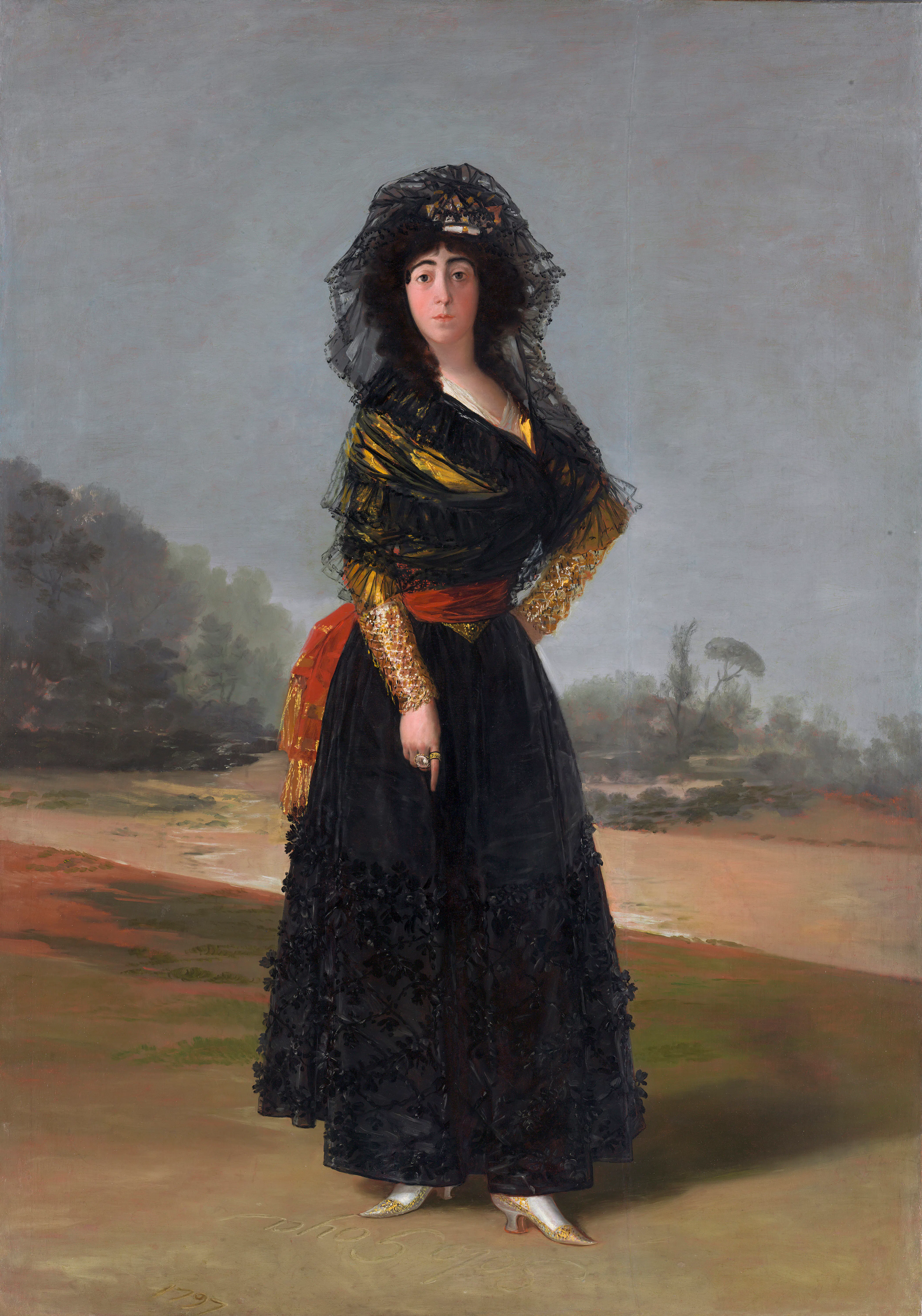
The exhibition concludes in the 20th century with possibly the most famous pieces of the collection, with works by Goya and Sorolla. Famous paintings include The Duchess of Alba, 1797, by Goya, as well as Gaspar de Guzmán, Count-Duke of Olivares, ca. 1625-26, and Portrait of a Girl, ca. 1638-42, by Diego Velásquez. Post-impressionist and modern artists are represented by Joaquín Sorolla (1863-1923), Ignacio Zuloaga (1870-1945), and José Gutiérrez Solana (1886-1945). At last, visitors can admire a large-scale panoramic gouache for the Vision of Spain, a monumental mural pained by Sorolla on the commission of the Hispanic Society.
See also: The 7 Most Expensive Works by Francisco Goya
Want more articles like this delivered straight to your inbox? Subscribe to our free newsletter!
The exhibition is open daily from 21 January to 10 April 2023 at the Royal Academy, London.