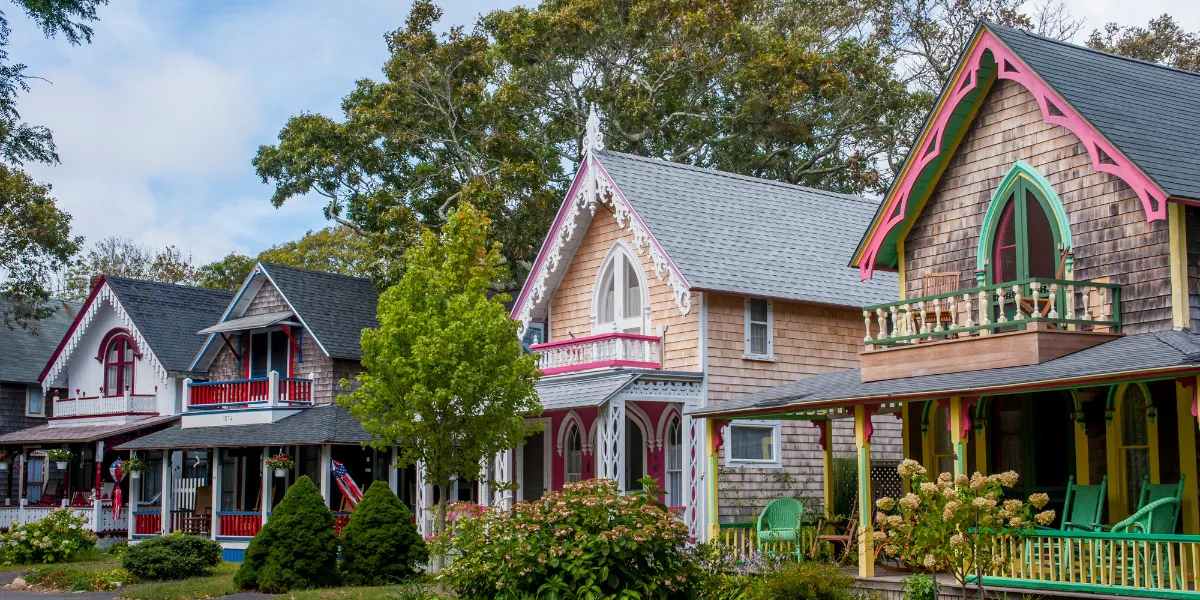
In these weeks, many people will be decorating (and perhaps nibbling on) gingerbread houses. However gingerbread houses are not just Christmas confections, but were built in real life, the result of a particularly ornamental period in American architectural history.
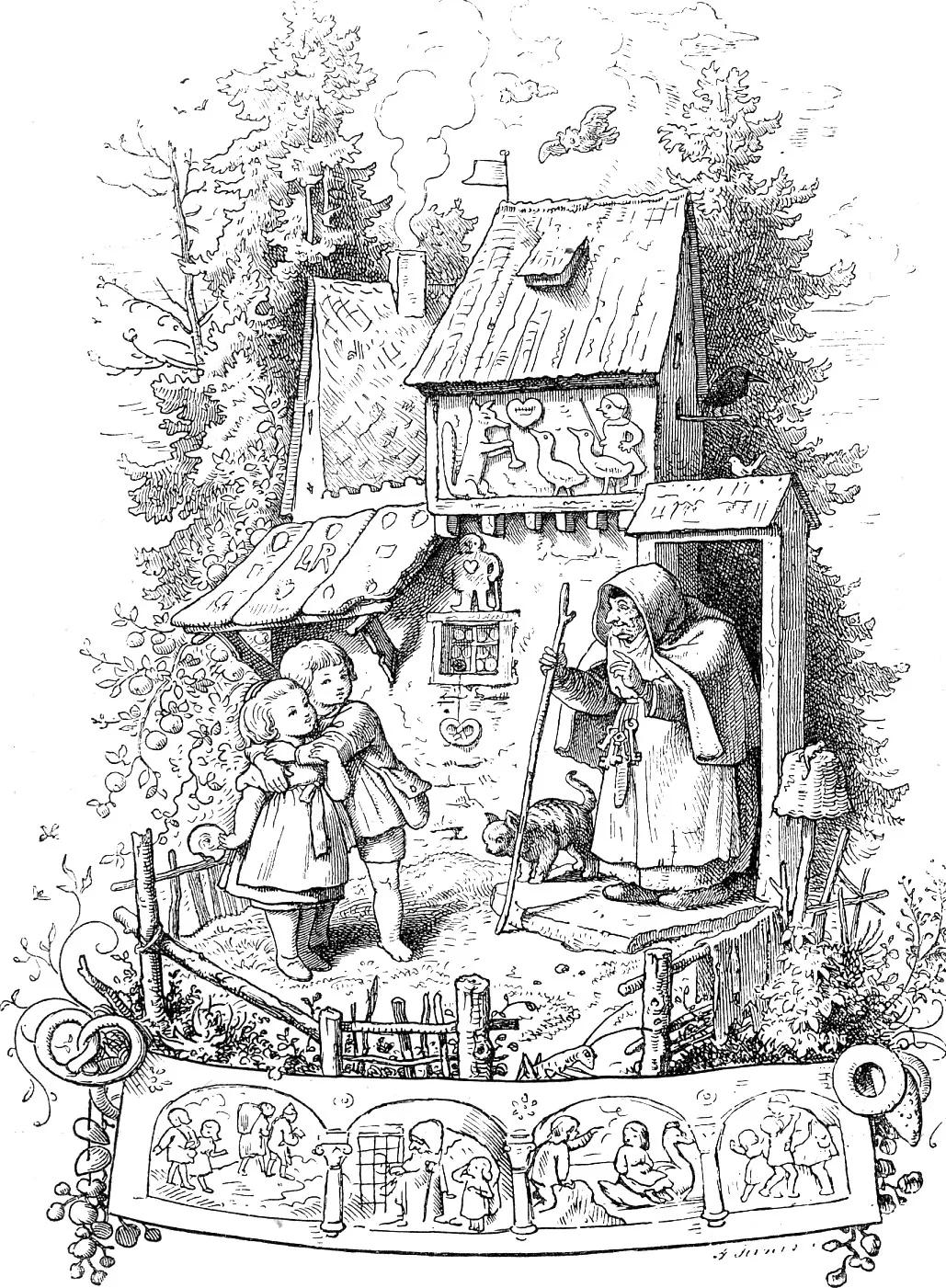
Going back to the beginning, the concept of a 'gingerbread house' finds its origin in the pages of the famous Brothers Grimm fairytale, Hansel and Gretel, published in 1812. The two runaway siblings discover a decorated gingerbread home and decide to feast on its delicious exterior before being confronted by the owner of the house, a witch who lures them in and locks them away before they ingeniously escape. While a candy-covered cottage perhaps can only exist within the pages of a fairytale, during the Victorian era some houses began to mimic storybook abodes with ornate latticework, handcarved details, steep roofs, and elegant turrets.
See also: From Neo-Gothic to Knightly Romanticism: Medieval Revival in the 19th Century
During the beginning of the Victorian era, in the first half of the 19th century, there was a fascination with neo-Gothic revival, set in motion by the construction of Horace Walpole's Strawberry Hill, a fantasy country pile with spires and crenellated towers in Twickenham, London. In America, beginning in the 1830s, architects were inspired by this European fad and interpreted it in their own way in a movement referred to as Carpenter Gothic. Due to the abundance of timber in America, these homes and buildings were constructed with wood instead of stone, which was used in Europe. American architects did not adhere to all the rules of neo-Gothic architecture, but rather adopted eclectic elements to create their own style. These homes were found across America, from the East Coast and Midwest to San Francisco, California.
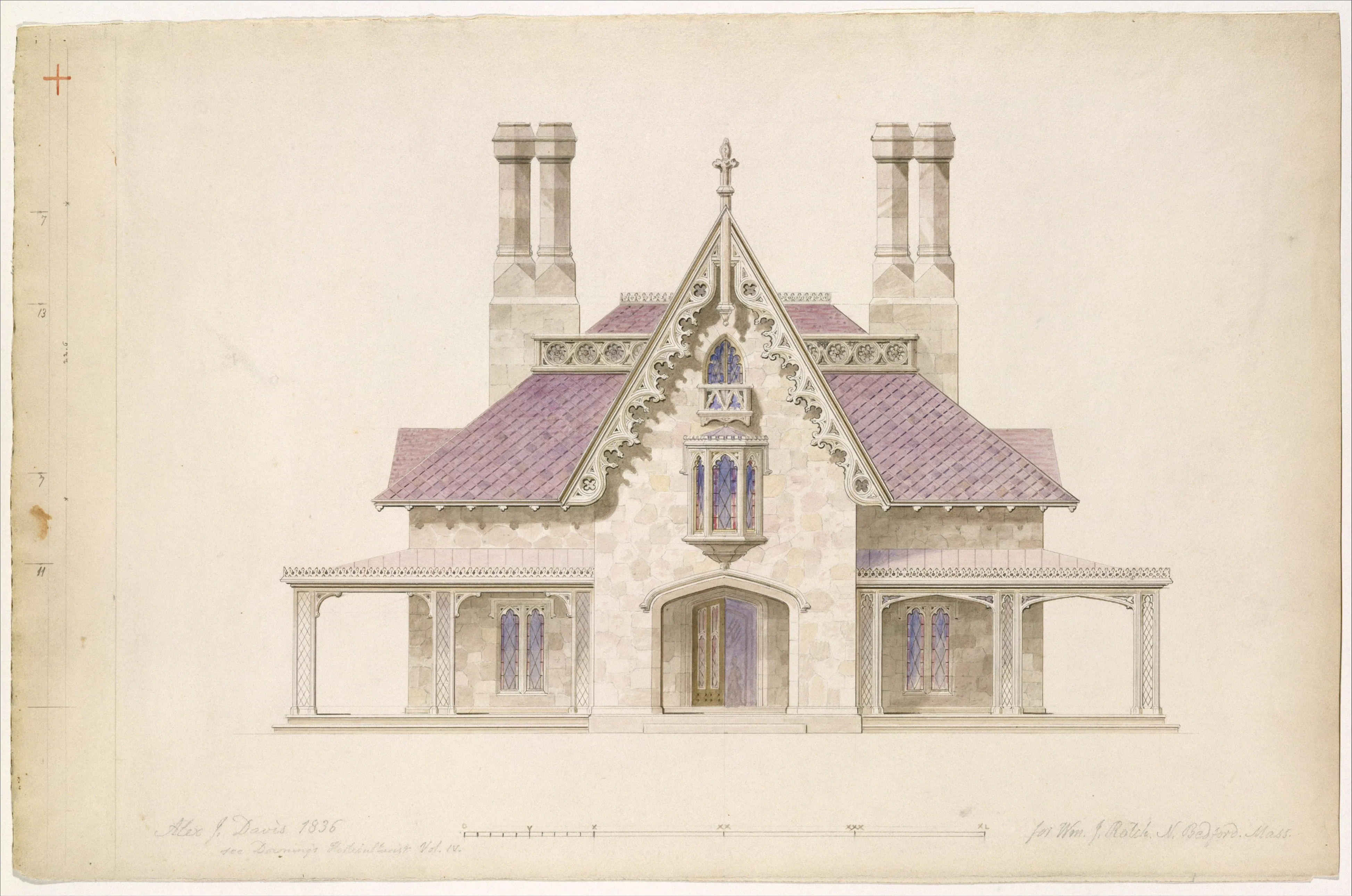
The brainchild behind this adaption of neo-Gothic as the American version of Carpenter Gothic was Andrew Jackson Downing (1815-1852). His book, Cottage Residences, written in 1842 with his collaborator Alexander Jackson Davis (1803-1892), helped disseminate the concept of Carpenter Gothic and neo-Gothic designs in America.
See also: Here Are The Gothic Painters You Should Know
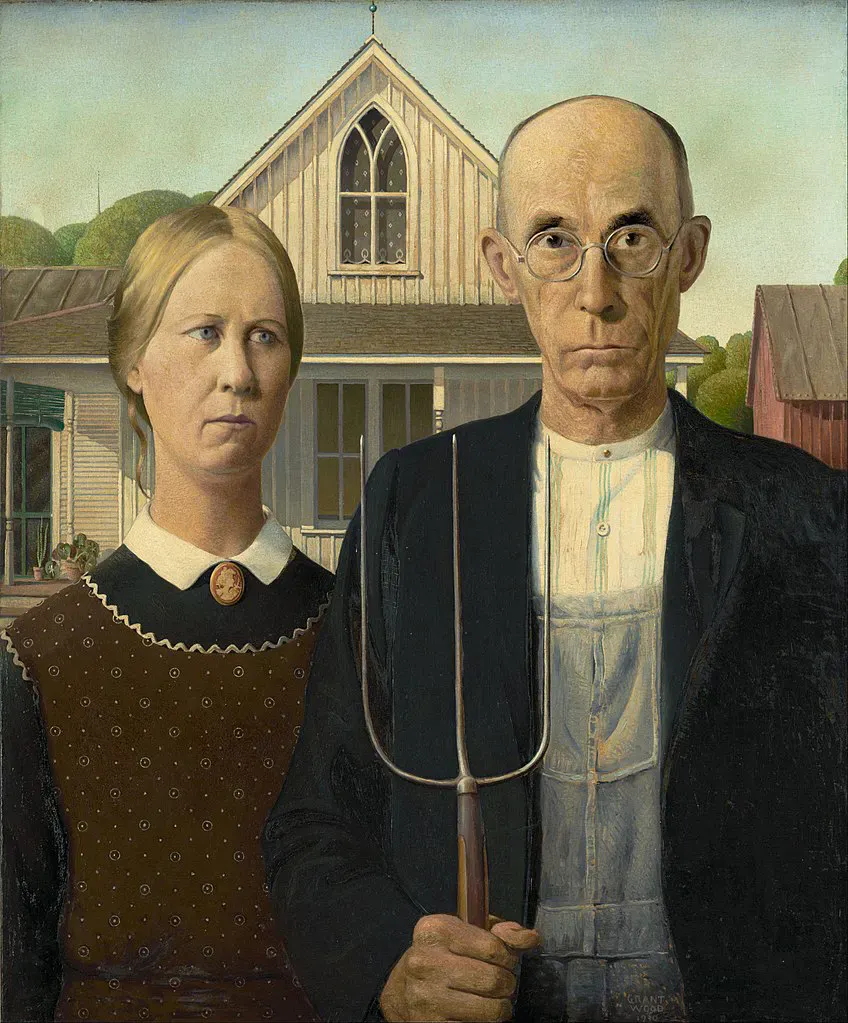
In fact, the famous American Gothic painting by Grant Wood from 1930 shows the two subjects standing in front of a Carpenter Gothic house which stands in Aldon, Iowa. Built between 1881 and 1882 by the owner, the house is considered the best example of Carpenter Gothic architecture in America, though some of the elements of the house were exaggerated by Wood in his painting.
See also: 6 Iconic American Paintings
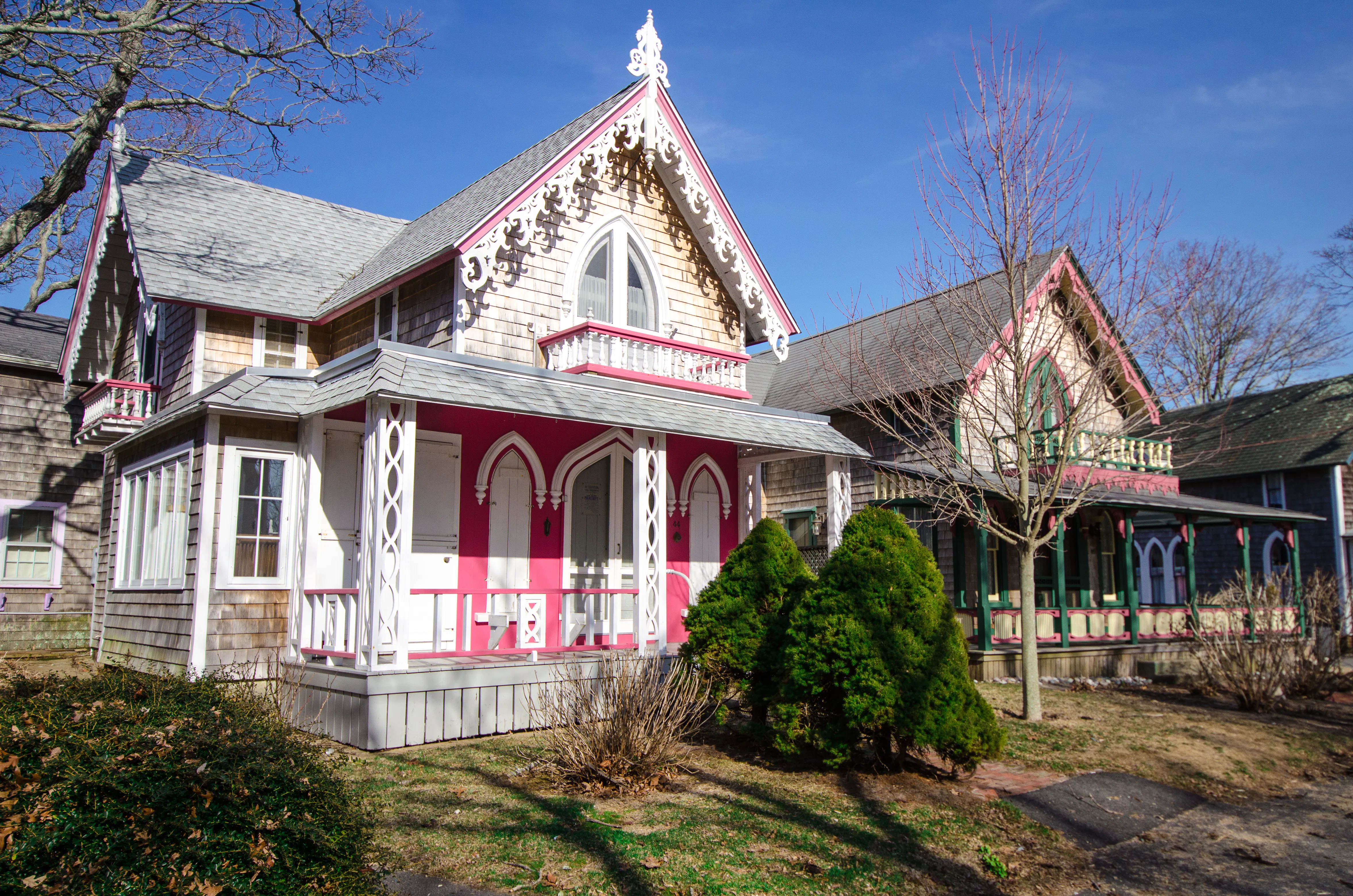
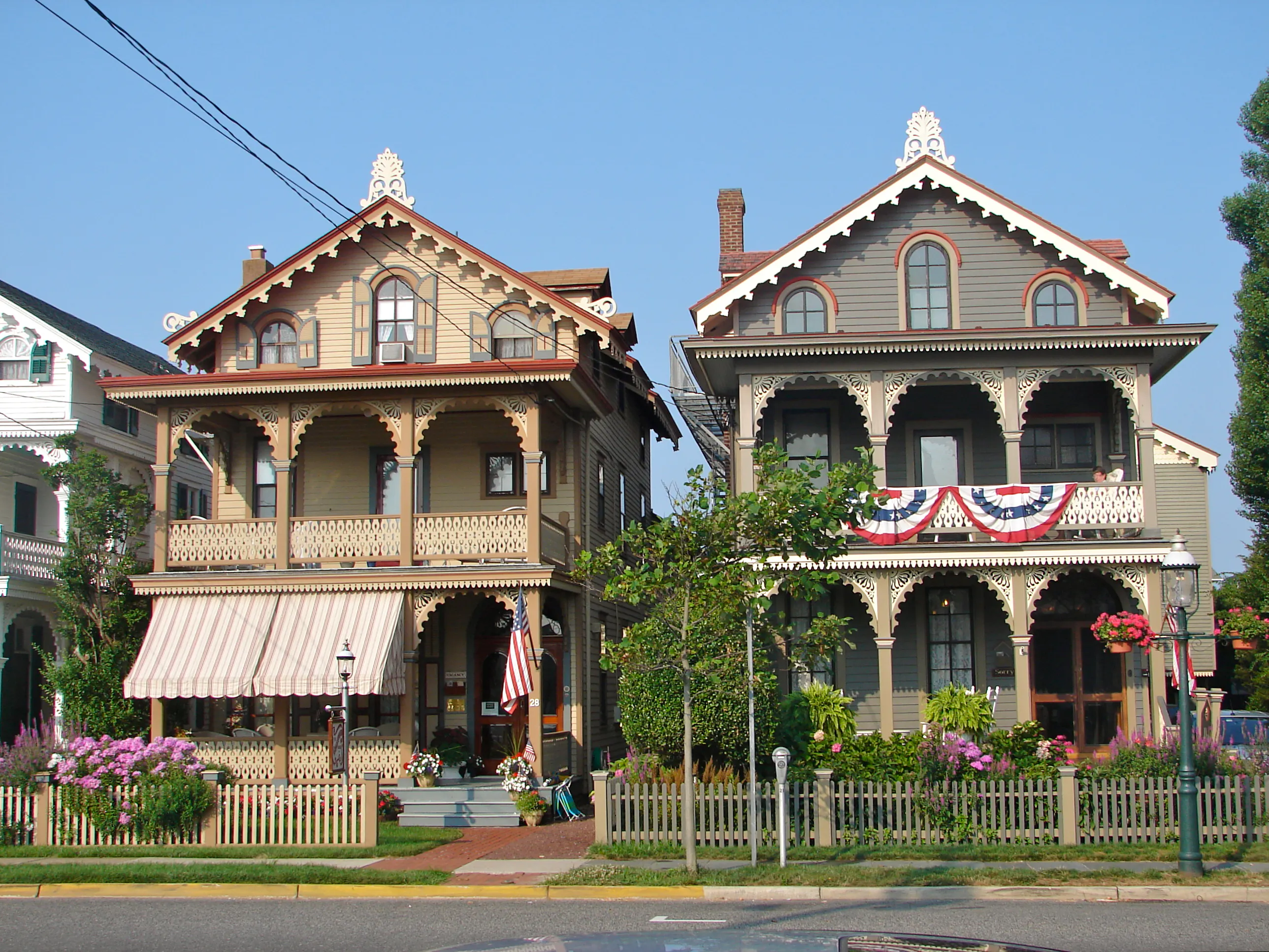
By the late 19th century, the more simple Carpenter Gothic evolved into more elaborate designs, characterised by so-called 'gingerbread' trim. With the scroll saw, a steam-powered machine, builders could cut ornate designs into wood quickly and add detailed trims to verandas or windows that would make homes both charming and distinct from each other. Other characteristic design of gingerbread architecture included pitched roofs, point-arched windows, wraparound verandas, broad central gables and colourful paint hues.
Interiors were also affected by this new design movement, with neo-Gothic furniture and more ornamental decorations used inside, such as wallpapers, wainscoting, and coffered ceilings. Victorian elements, such as dark mahogany pieces, tufted sofas (known as Chesterfields) and rich tapestry were also incorporated in an eclectic fusion that characterized American Victorianism.
See also: How to Furnish Your Modern Home with Antiques

Today, communities of these Carpenter Gothic homes, especially those with gingerbread trim, still exist in America. Especially famous are the summer resorts like Cape May, New Jersey and Martha's Vineyard, Massachusetts where hundreds of gingerbread cottages were built. Other famous American Victorian examples include the Painted Ladies of San Francisco, a row of seven townhomes built between 1892 and 1896, which are protected by the National Register of Historic Places.
Want more articles like this straight to your inbox? Subscribe to Barnebys newsletter here!
By the advent of the Edwardian era, which began in 1901, England had moved away from neo-Gothic into neo-Baroque architecture, and America experienced a revival of Beaux-Arts architecture mostly in cities like New York and Washington, DC.
The Carpenter Gothic movement, and more specifically the construction of gingerbread cottages, melded European elegance with American quaintness to help define the American Victorian period. These homes are characteristic of a bygone era and lend a wealth of charm to their communities, making them popular tourist sites. Due to their historic and artistic importance, they can also achieve multimillion prices on the market, with one of San Francisco's Painted Ladies selling for $3.5 million in 2022.