Look through any lifestyle magazine or property agent’s listings today, and you'll be struck by how many home interiors are devoid of anything that isn’t contemporary. This usually means minimal use of ornamentation and the incorporation of the latest technology. Yet, there’s something to be said for having a historic furniture piece in the modern home.
Since the 1970s, the inevitable reaction to the building of often featureless houses led to a greater interest in older buildings and their contents. In subsequent decades, we’ve seen an almost obsessional desire to reinstate original features that would have been disregarded and removed in earlier times. This applied particularly to urban properties, which mostly date from the eighteenth and nineteenth centuries. A fashion for authenticity and keeping everything in period evolved, whereby it was practically forbidden to introduce anything of the modern age that would clash with the carefully curated, almost museum-like interior. Amusing solutions were found for disguising TVs and gadgetry, and the advantages of modern technology such as heating systems were acknowledged – only as long as the radiators were Victorian cast-iron examples!
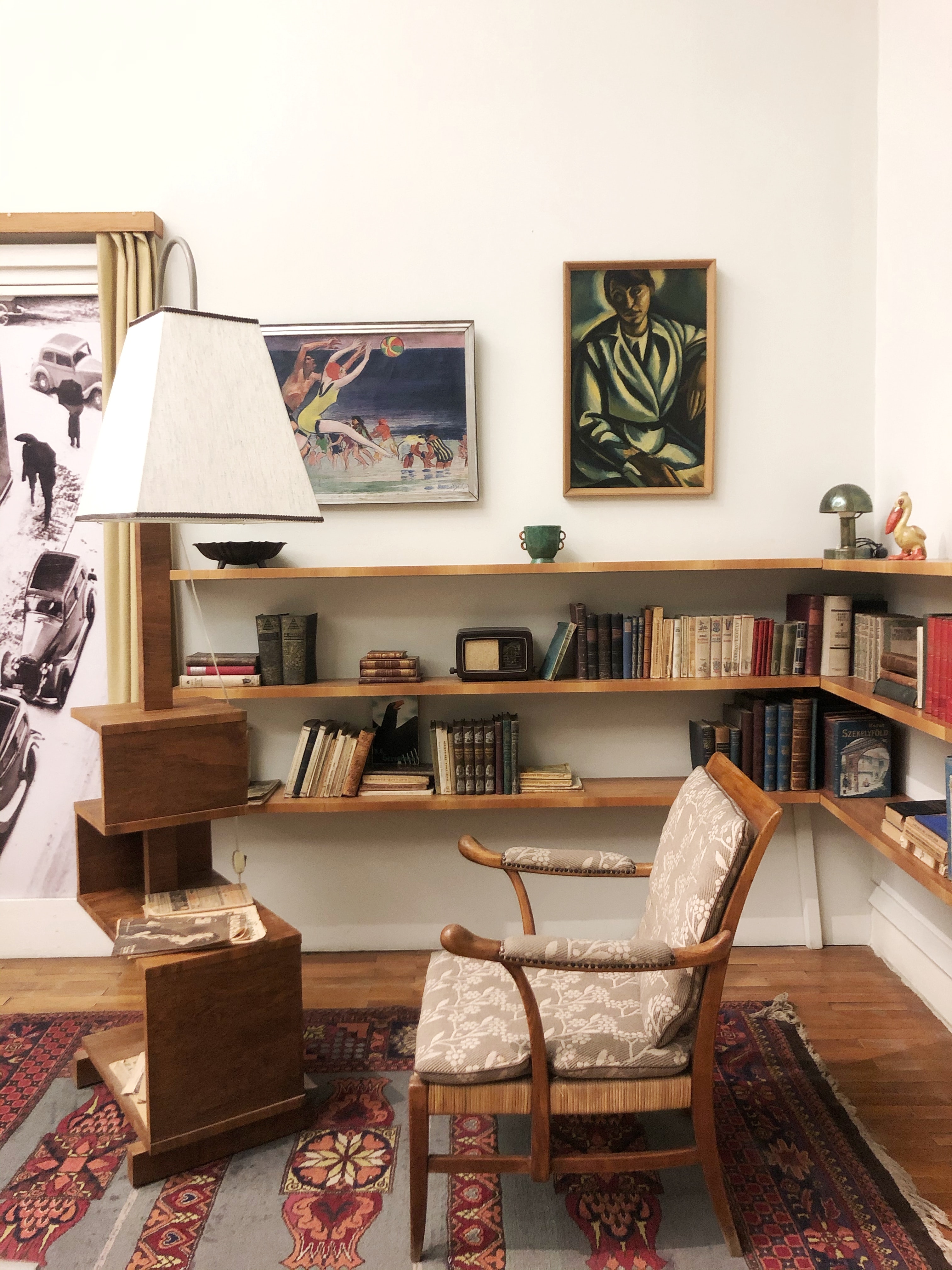
Today, many of us live in relatively new houses despite the abundance of these older properties, and that usually means plain, unadorned designs with large windows, minimal ceiling heights and comparatively few architectural features, such as ceiling coving, chimney pieces, picture and dado rails.
See also: Antiques are Cheaper than IKEA
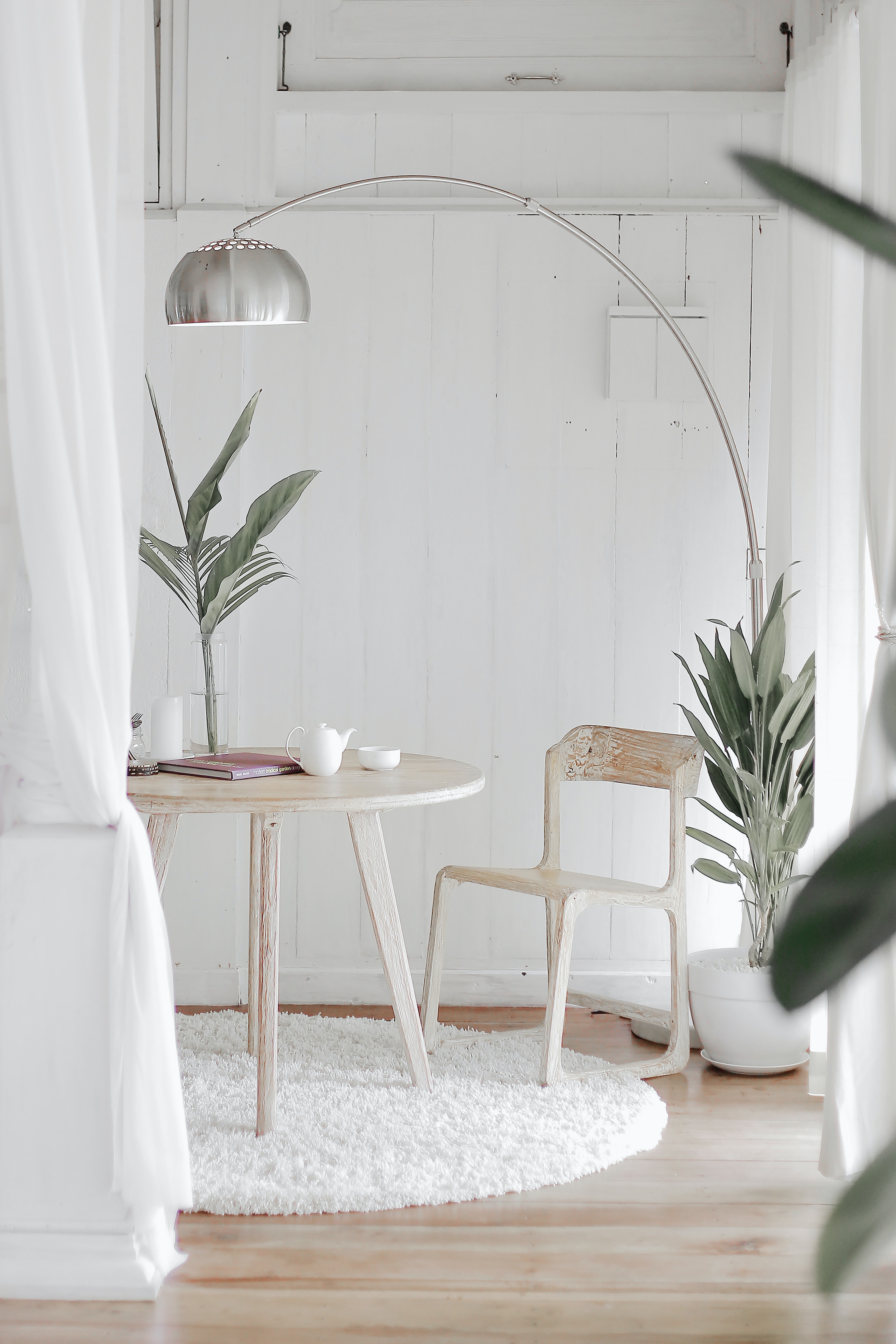
As with the respectful furnishing of period houses, there developed a sense that older objects couldn’t be satisfactorily placed in a modern interior. The formal shapes and darker timbers of antique furniture were thought to be at odds with the brilliant white-painted walls and large ‘picture windows’ that distinguish the contemporary look. This use of white paint and its creamier cousin ‘magnolia’ became the default finish for most post-war house interiors.
See also: 6 Giants of Mid-Century Modern Design
Earlier in the twentieth century, the Arts and Crafts and Modernist architects also favoured white, which must have seemed a wholesome and hygienic reaction to the sooty gloom of many Victorian rooms. While this optimises all available day and artificial light, it can have the downside of making anything that’s less than pristine appear a little grubby by comparison. This, coupled with the fashion for hard flooring, whether laminated or solid timber, ceramic or polished concrete, could be seen as an unpromising environment for antique furniture. However, this simply isn’t the case – let’s now take a look at how historic furniture can in fact add to the modern home.
The Kitchen
One of the most distinct changes to domestic life of the last few decades has been the ascent of the kitchen diner and its evolution into arguably the most important living space of the house. The development of highly-sophisticated kitchen gadgetry and the provision of bespoke fitted furniture, ranging from the deluxe to the flat-pack DIY, has transformed what was once a smelly cramped cooking area and wash house into a smart hospitable living room.
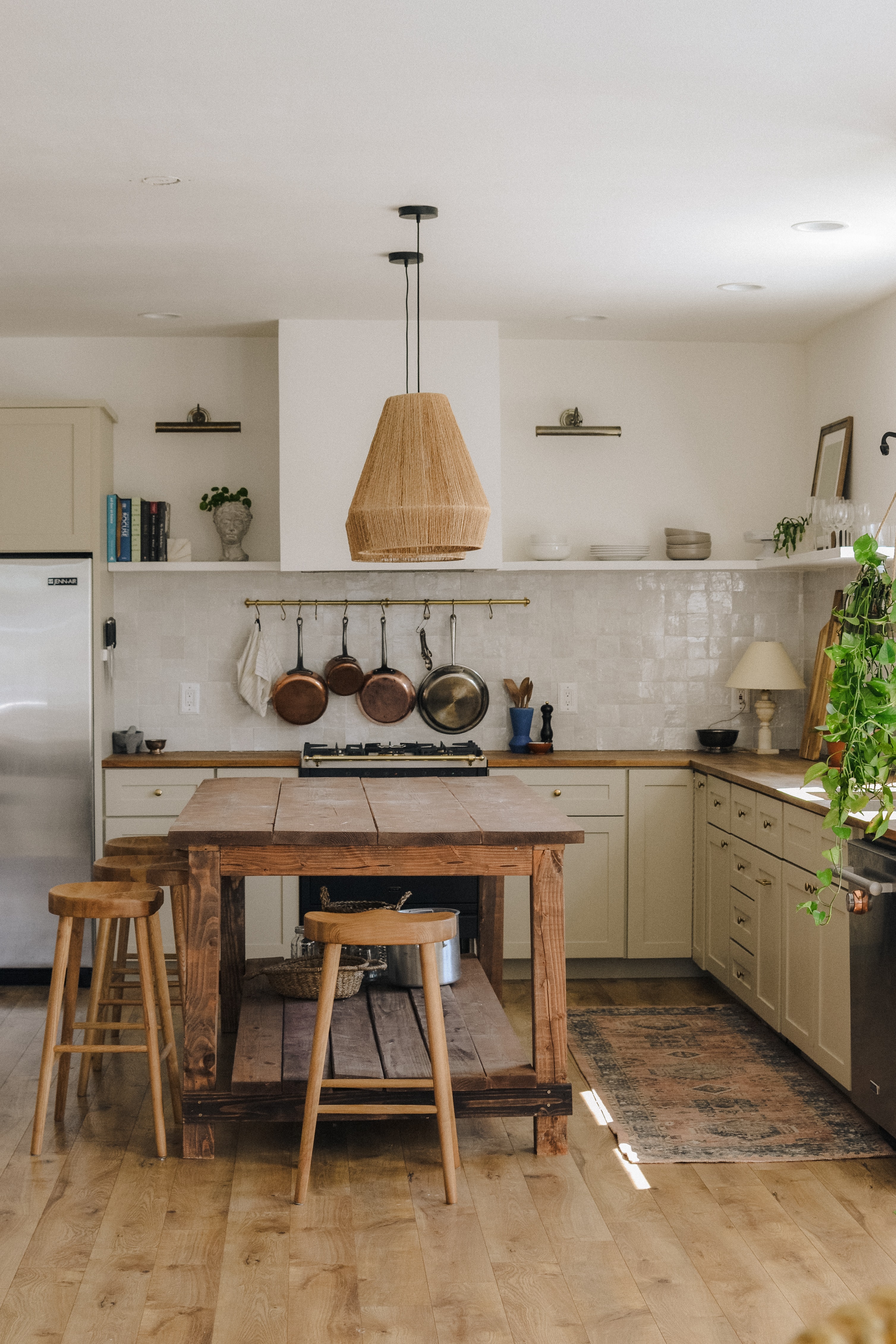
Amongst traditional furnishing materials, oak has always been most associated with a kitchen environment as it’s a tough, fibrous timber that doesn’t require too much protection from spills and general knocking about. Although the advantages of well-designed fitted storage eliminates the need for more conventional cupboards, a well-positioned antique table with chairs could provide an exciting and practical contrast.
See also: The 10 Most Popular Furniture Designers
Gateleg tables of the late seventeenth and early eighteenth centuries, with their drop leaves and general portability, work well. These come in many sizes with circular, oval or square tops, some large examples with double gateleg actions enabling seating for as many as twelve people. The supporting frames with their baluster or twist-turned legs can make a refreshing contrast to an ordered geometric setting. The classic oblong ‘refectory’ type with its plank top and baluster and blocked legs with stretchers can take any amount of wear and general kitchen use. These robust pieces with their massive planked tops and substantial frames became fashionable from Elizabethan times and were made throughout the ensuing seventeenth century.
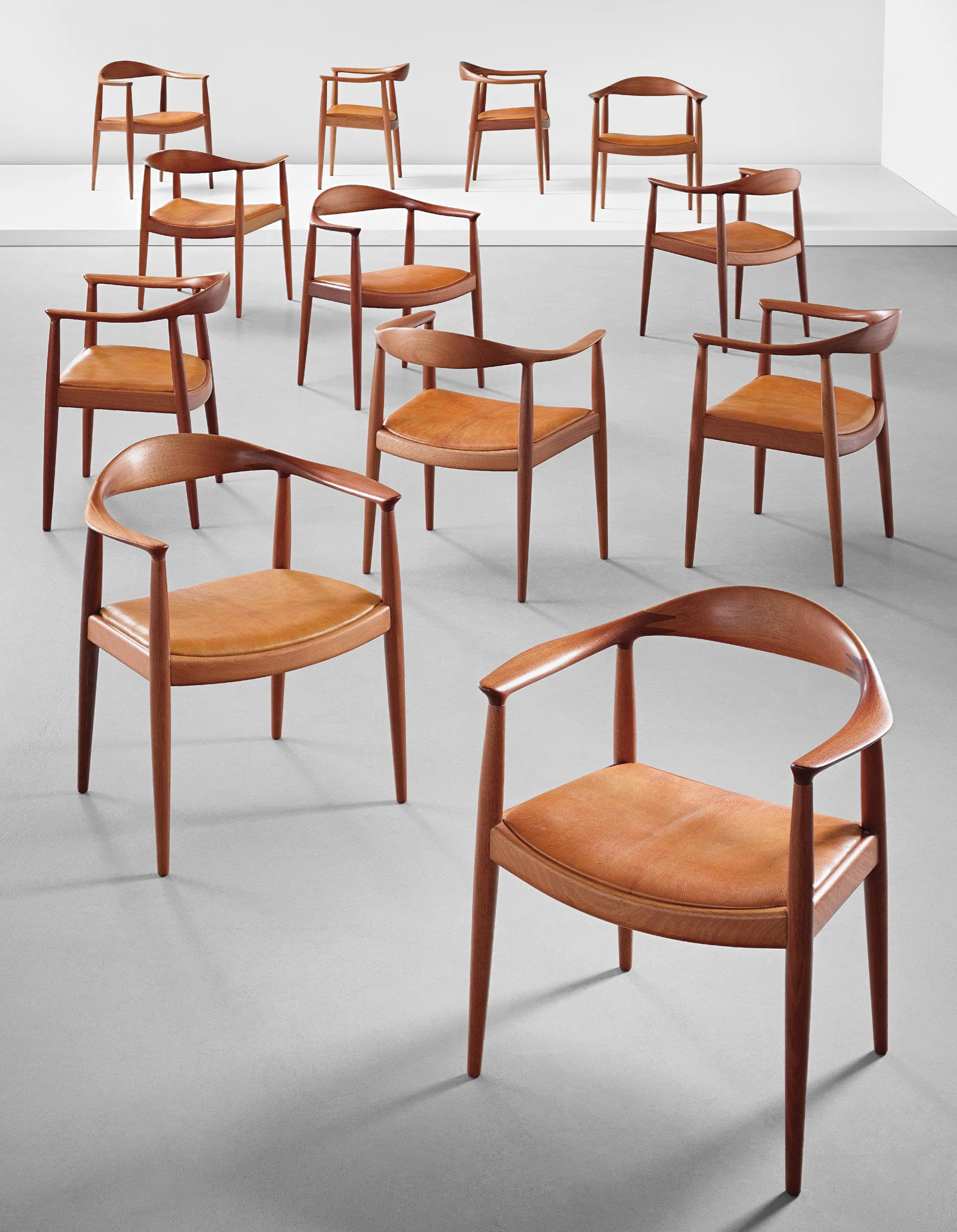
Seemingly incongruous items can be matched to great effect: a really smart contemporary glass-topped steel table teamed with late-eighteenth-century oak chairs can look terrific. Conversely, try mixing classic 1940s or ‘50s Danish chairs, like those by Hans Wegner, with an extending Victorian dining table.
Want more design articles straight to your inbox? Sign up to our free newsletter
Oak sometimes has the reputation for being dark and overbearing, but the wonderful thing is that, like most timber, it changes with age: it can fade to the warmest gold with use and exposure to light over the centuries. A fashion developed for limed oak at the end of the nineteenth century, which instantly lightens the timber. Together with light oak and walnut, this was a look that was preferred by Arts and Crafts makers. The early twentieth century was a rich period for superbly-crafted furniture, whether by the individual artist craftsmen of the Cotswold school, or enlightened manufacturers, such as Heal’s or Gordon Russell. As with the pre-industrial furniture that inspired it, there’s much of this type and period that naturally works in the modern kitchen.
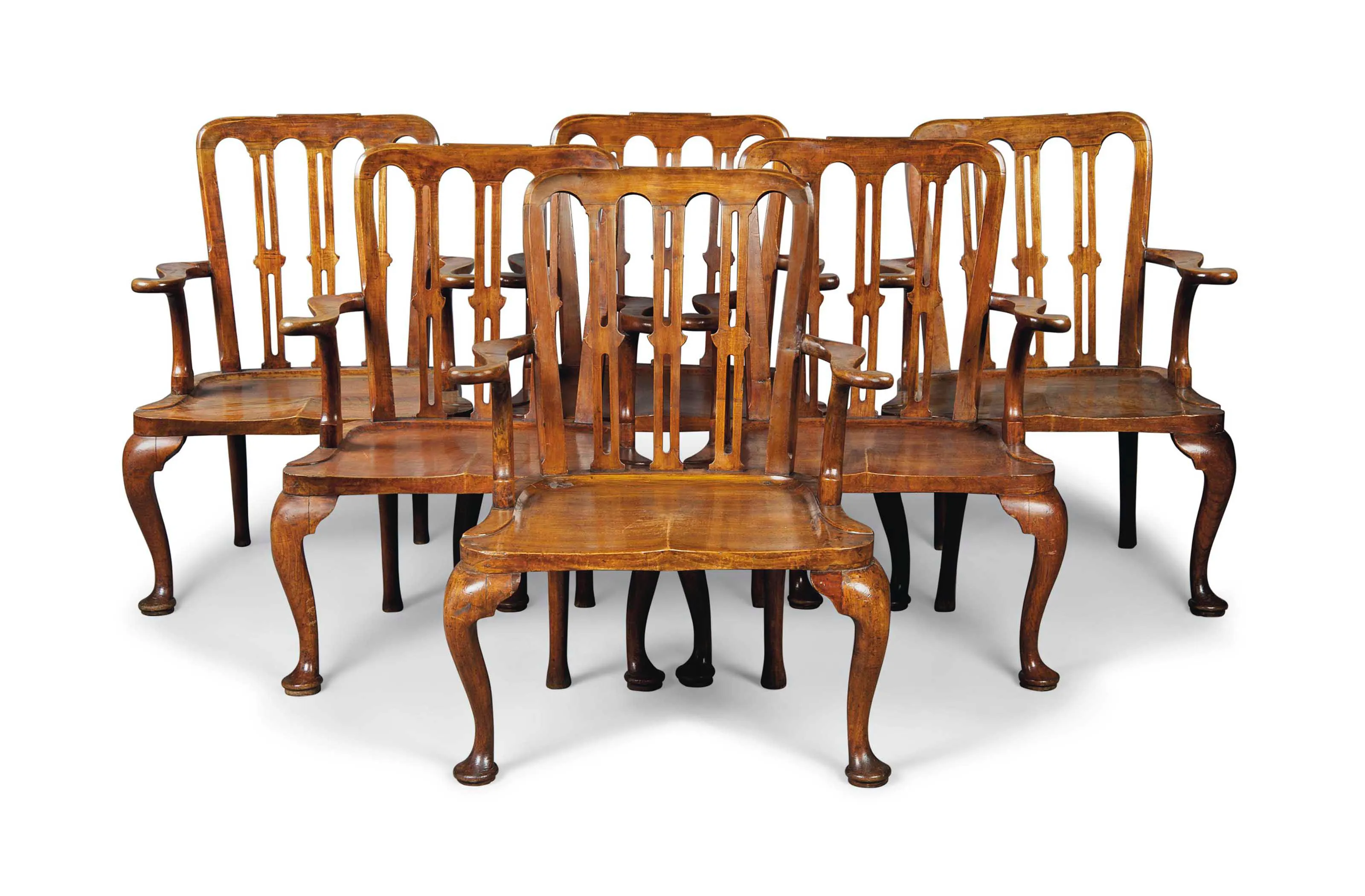
The ubiquitous Windsor armchair made from the late eighteenth century onwards was a universal type that would have been found throughout homes of the period. These vernacular designs with their spindle-filled bowed backs are tough and resilient, remarkably comfortable and have become design classics which can hold their own in most contemporary settings. They’re usually made from ash and elm or fruitwood, the most desirable being of yew, which with its dense toffee-like appearance and bright waxy surface confers a touch of luxury. The low-backed versions work particularly well and combine with most table designs.
Want to know what your design pieces are worth? Value your furniture with Value My Stuff
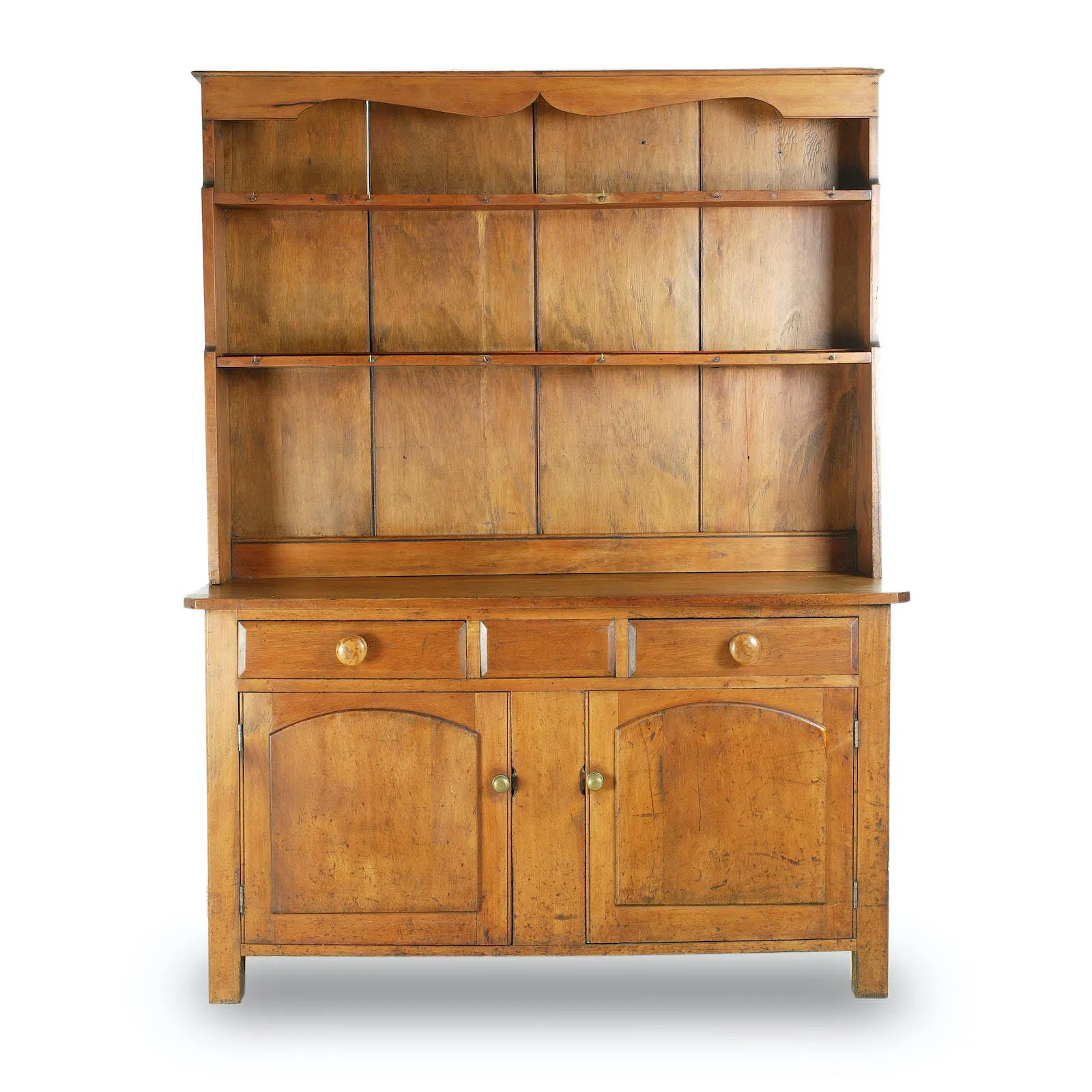
If the kitchen isn’t completely fitted, the fail-safe choice could be a dresser. Made from the late seventeenth century onwards, these were designed originally for ‘dressing’ meat or other foodstuffs and still work today as practical storage. Many have a shelved superstructure which traditionally would have displayed a decorative ceramic dinner service or pewter collection. Wonderful as this can be – and a Mason’s Ironstone ‘Tobacco pattern’ dinner service, for example, would still be hard to beat – any number of objects can be displayed to an advantage, whether it be a digital streaming device or collection of cookery books.
See also: Charles and Ray Eames: Democratic Design
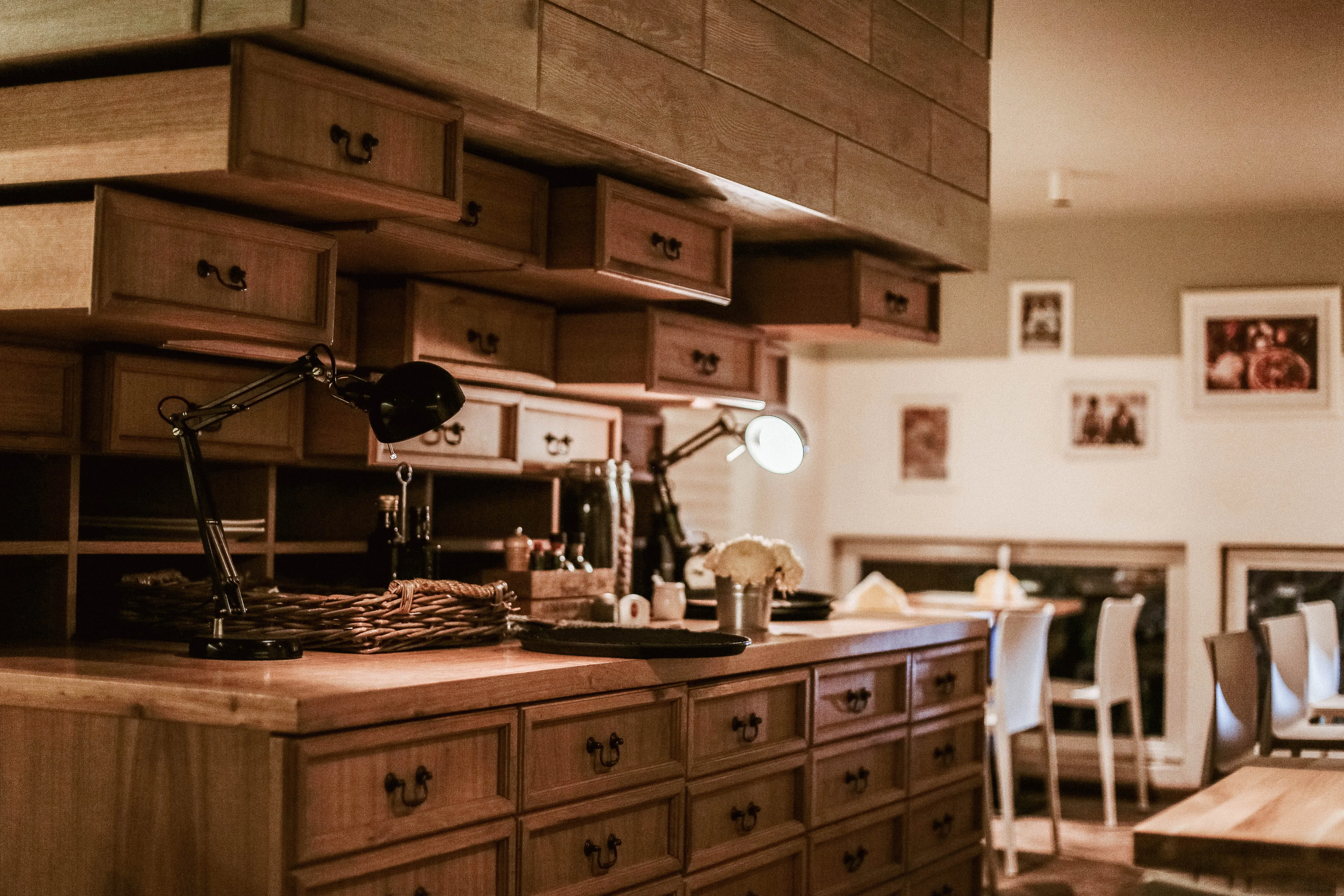
The standard mid-late eighteenth-century linen or clothes press with its characteristic two-door cupboard above a bank of drawers can be repurposed, particularly if the sliding shelves in the upper section are still intact; these will absorb countless saucepans and other kitchen utensils. These smart examples of Georgian cabinetwork are still relatively inexpensive and would mix well with a variety of decorative schemes. Occasionally, eighteenth- or nineteenth-century housekeeper’s cupboards can be found, which were made with the explicit intention of kitchen storage. Usually made of pine, painted or varnished, they combine cupboards, drawers and pigeonholes and resemble a more utilitarian version of the linen press.
The Living Room
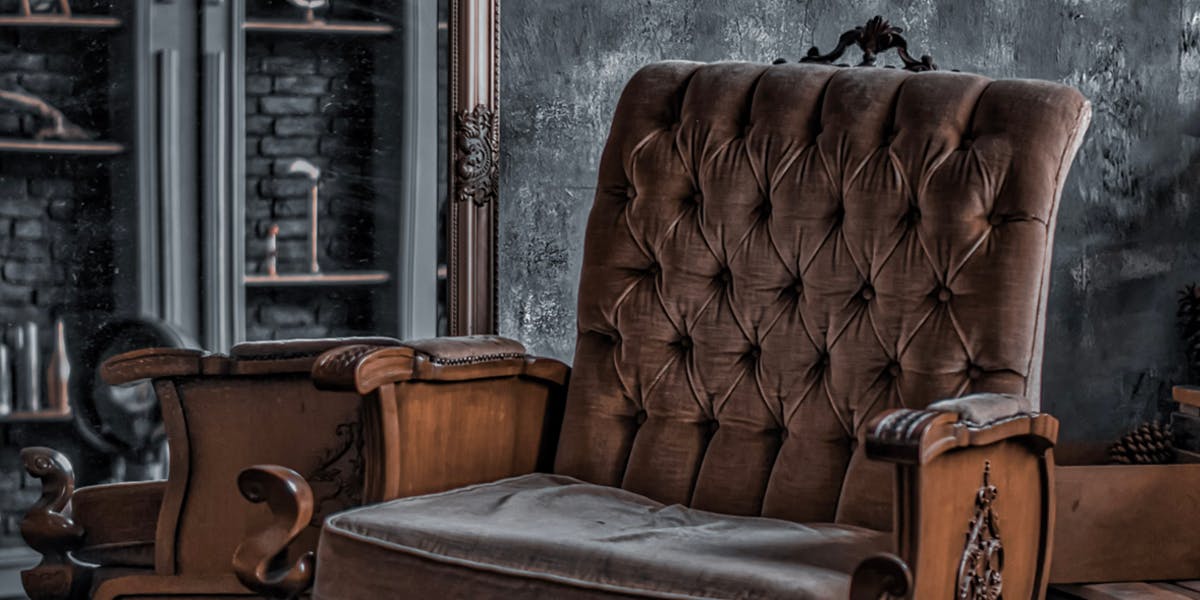
The traditional living area can offer some of the most exciting challenges for mixing of styles. Modern, soft furnishing is usually very comfortable and fit for purpose, although often needlessly bulky. The go-to antique equivalent for a sofa or armchair tends to be the Victorian type, which varies from the sober, rounded oblong form, which informs many traditional modern designs. Howard and Sons of the late nineteenth century are most famously associated with these comfortable and discrete designs, to the point that they’re often replicated to this day.
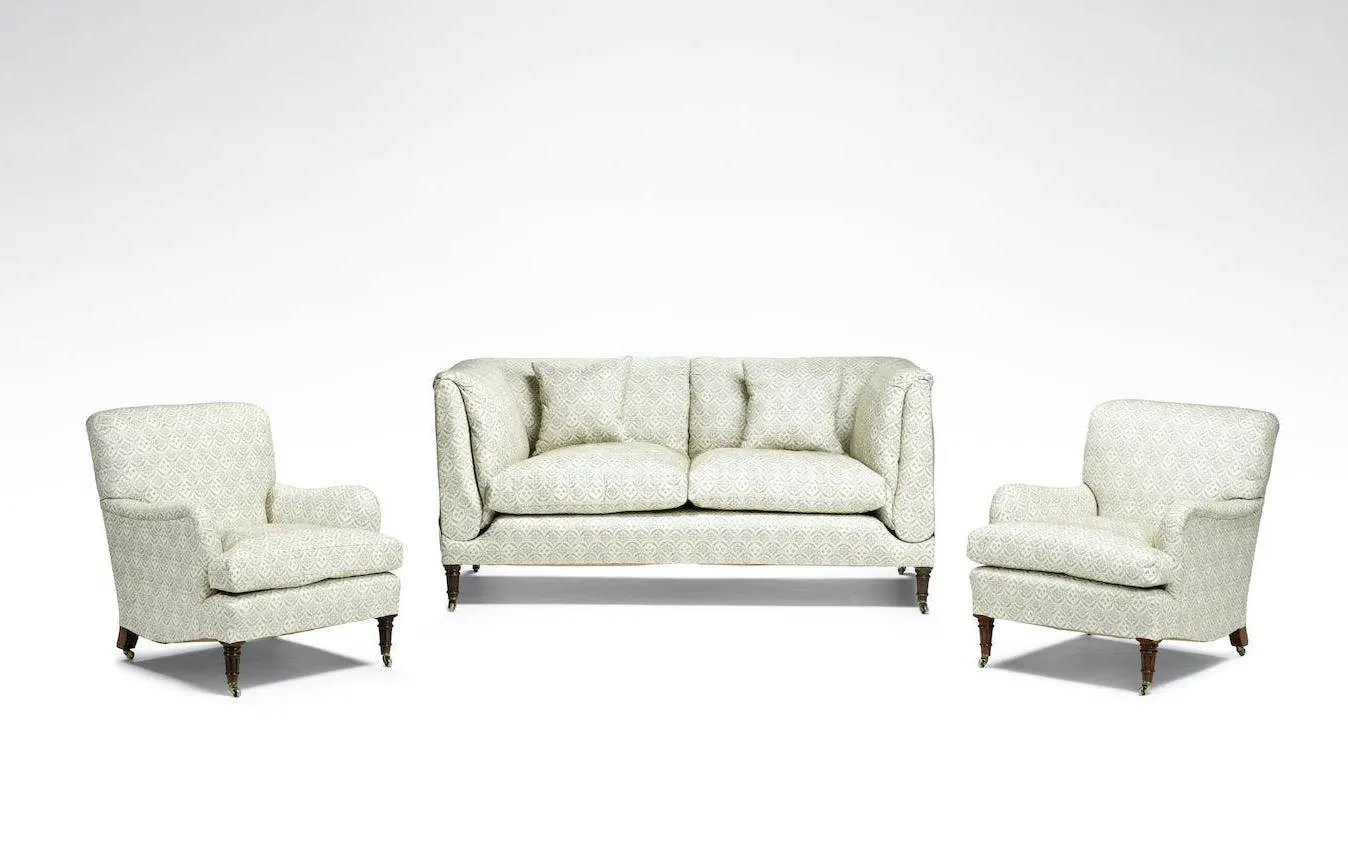
Some early nineteenth-century Regency designs, loosely inspired by ancient Roman models, have a more sculptural quality with their extravagantly out-scrolled arms and sabre legs and have the advantage of looking great when unoccupied and theatrical when sat upon. The single-ended versions or the chaise longue are the very definition of louche.
See also: A Brief History of Furniture Design
For a less theatrical effect, sofas and armchairs of the late eighteenth century with their elegant rectangular shapes and square legs, perhaps with over-scrolled arms and serpentine backs, combine easily with contemporary interiors. At this period, particularly in England, square and oblong forms dominated, with surface decoration restricted to fine veneers and marquetry. Some Sheraton-inspired chairs of the period with their uncomplicated backs, slender stick splats and legs could almost have come from the 1950s, such is their simple unadorned elegance.
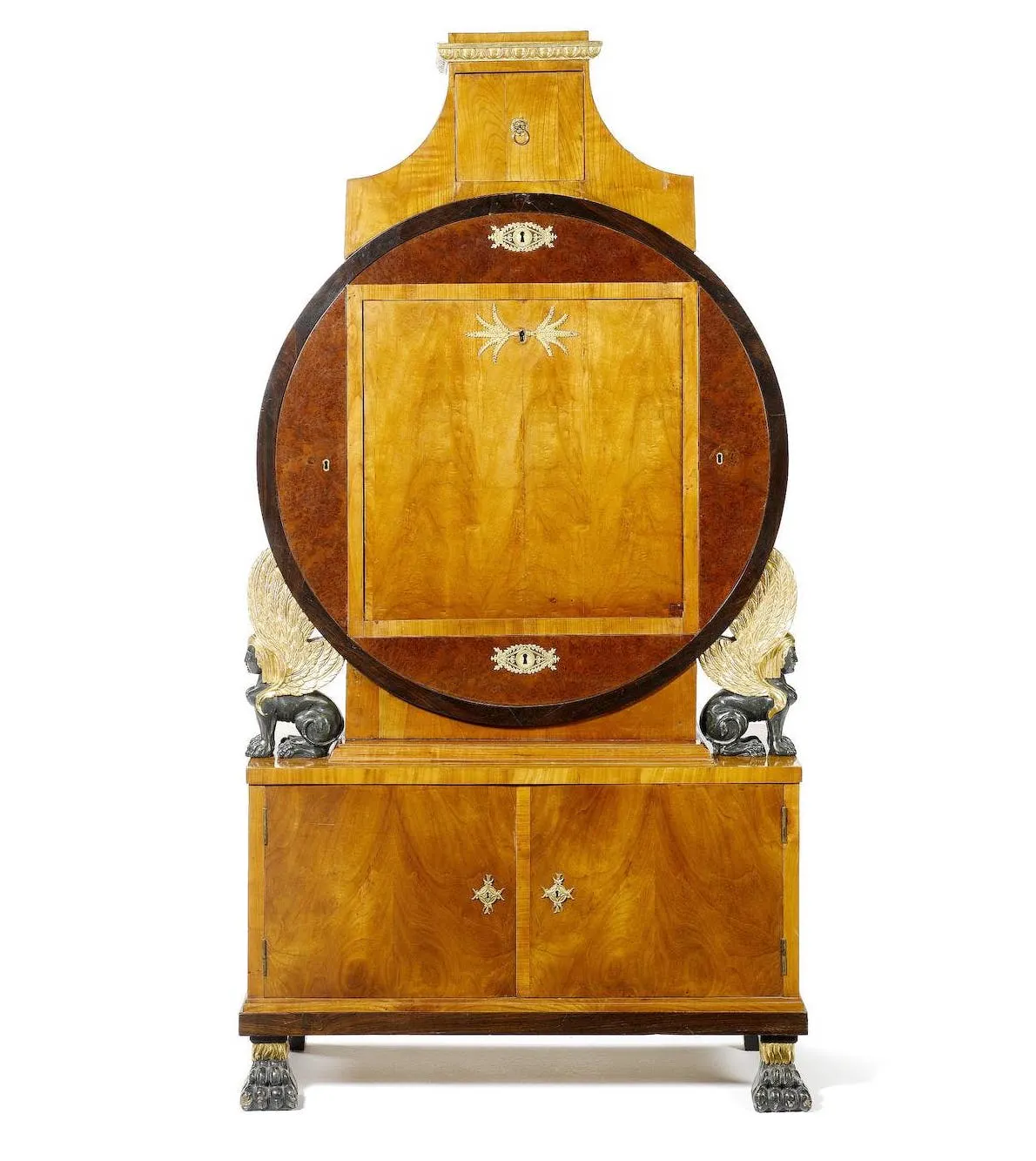
The early-nineteenth-century Biedermeier period in Germany and Austria was notable for producing strong patterns with minimal decorative detailing. There was a preference for light woods, such as cherry, ash and maple, often picked out with ebonised mouldings. The forms of this furniture were inspired, as with contemporary French Empire and English Regency styles, by those of Ancient Greece and Rome. The flush surfaces and bold geometry of desks and secretaire in particular could easily be mistaken for Art Deco designs of the 1920s.
See also: Future Antiques Hiding in Our Homes
Ever since the East India Company’s development of oriental trade in the seventeenth century, Chinese furniture has formed part of the repertoire of interior design in the west. The classic chairs and tables of seventeenth and eighteenth centuries in their sumptuous hardwoods have a suave simplicity that complement the severest minimalist interior. Fortunately, these designs have been constantly revived, which obviates the need to pay the often eye-watering amounts that the originals command.
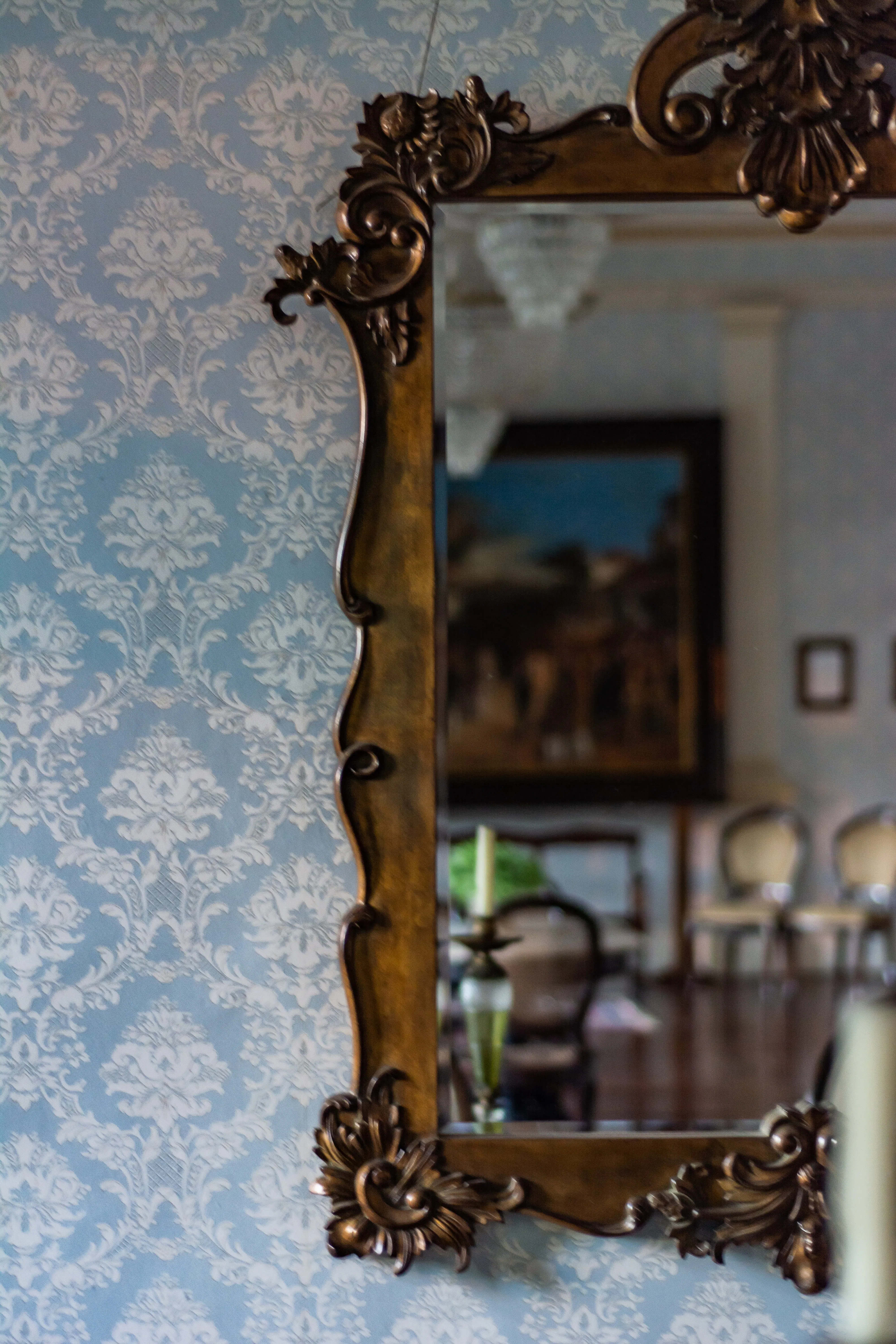
All those plain walls are crying out for something to arrest the eyes and a decorative gilt-wood mirror is a good start. Gilt-wood or other gilded surfaces are not usually associated with modern interior design with the exception perhaps of the odd picture frame, but as with carved or inlaid decoration, a single well-placed object can accentuate its qualities as well as its setting.
See also: A Designer’s Dream Hotel Becomes a Reality
A strong late-seventeenth-/early-eighteenth-century Baroque design with sculpted surrounds of symmetrical scrolls and foliage, or early to mid-eighteenth century rococo frames, particularly those inspired by Chippendale, Johnson or Locke, will give sparkle to a cool space whether open-plan or contained. If space permits, the addition of an accompanying console or pier table placed beneath creates an even more opulent contrast.
See also: Flashback: Victorian Furniture
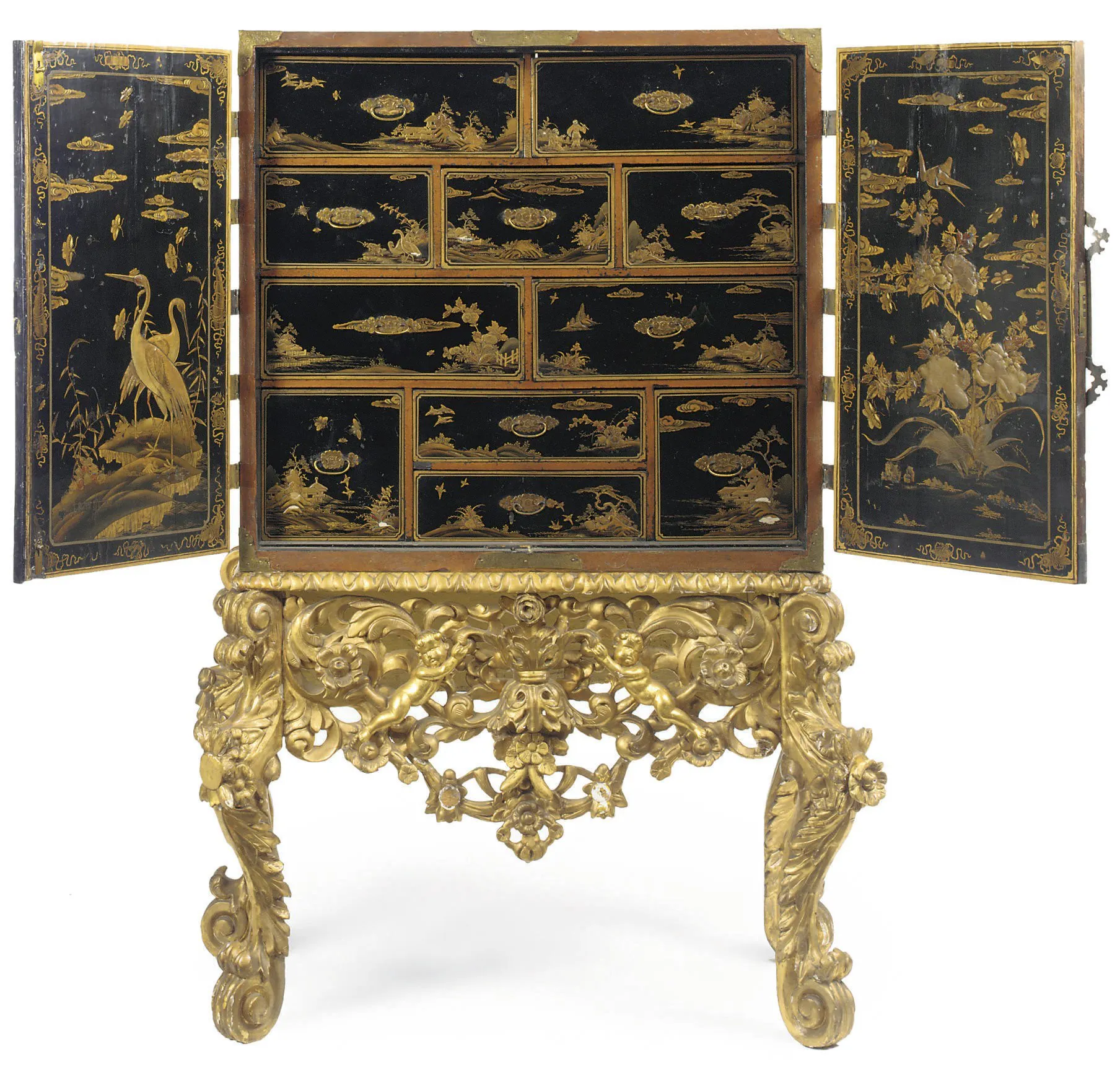
Other extravagant eye catchers work well, such as cabinets on stands or elaborate inlaid chests. Japanese and Chinese lacquered cabinets of the seventeenth century with painted and gilded decoration can add considerable glamour, particularly in the red, green or the less common cream forms. These influenced Western designs of the period and various permutations of marquetry, lacquer, japanning, and exotic timbers were employed all over Europe. In pursuit of ever more opulent and architectural effects, these were often combined with richly-carved giltwood stands. Traditionally, these may have formed part of great ornamental schemes where evermore elaborate pieces would compete for attention. As a single piece of garnish in a neutral setting, such items can really make an impression and flatter the surroundings.
Open-plan areas
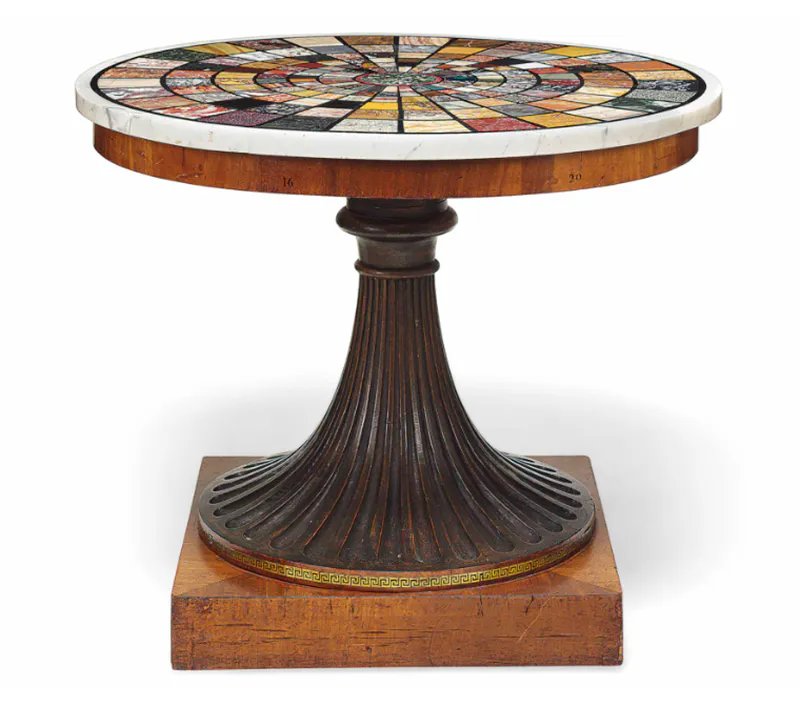
In the first few decades of the nineteenth century, there was a fashion for opulent circular centre tables, perhaps of an exotic timber such as rosewood or pollarded oak, and often with gilt-bronze mounts. The most desirable examples would have hard stone (pietre dure) tops or a complex marquetry of various tropical timbers.
See also: If These Walls Could Talk: Inside the Home of Swedish Tabloid Founder Lars Johan Hierta
These types of tables lend themselves to positioning in a large entrance hall or open-plan space connecting living and dining areas. Although it conceals the design, books, magazines and mail look well placed on the tops. However, if you do this, you want to do so temporarily: the sheer presence of the tables brings some sort of decorative compensation to the disorder.
In summary
It seems there are two approaches to successfully combine the old with the new. The first is integrating certain earlier styles, which happen to chime with the current taste for the pared-back, geometric and relatively unadorned. The second is the use of highly ornate objects to create a complete contrast.
We’re fortunate to have such a vast reserve of historic furniture in an extraordinary range of styles available, and it would be a shame not to incorporate some into our modern lives. A distinct advantage of antique furniture is that being pre-owned, the single most expensive component of cost – labour – has already been paid for and consequently there will be little or no depreciation. The real value lies in the aesthetic enjoyment and intrinsic craftsmanship: many older objects were hand-made and often from materials that have become scarce and expensive today.
Modern design has brought countless benefits to us all, but how much more fun can be had by garnishing it with the amusing, exquisite, scholarly or even the slightly vulgar. After all, modernism is itself an antique form, having been with us now for at least one hundred years!
Explore more collecting tips and trends with Barnebys Magazine
Article by Martin Snape
Martin Snape was a director of Sotheby’s, Bond Street, where he worked as a Senior English and Continental furniture valuer for 32 years. As well as valuations, Martin has presented lectures on all aspects of furniture history and design, including specialised courses at the Sotheby Institute and other professional bodies.
![Boilly Louis-Léopold (La Bassée 1761 - Paris 1845), Portrait of a Man […], oil on canvas, H. 21.7 - W. 16.8 cm. Photo © Rossini (detail)](https://images.prismic.io/barnebys/23b87c28-59dd-4f65-b8ac-deb6695638de_Untitled+design-41.png?auto=format,compress)