
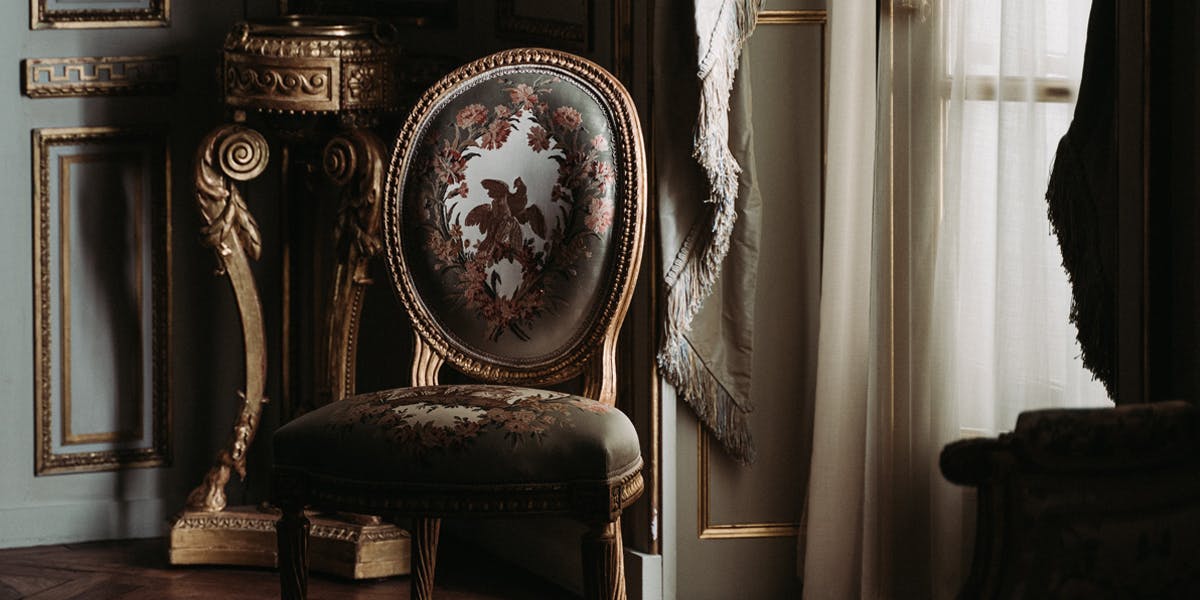
Finding a piece of furniture and considering whether it suits your living room is one thing, but truly grasping the era and influence of a style is another. To better understand the different styles and value of antique furniture at auction, here is a brief history of the periods that marked the world of ‘design’, before it became what it is today.
Renaissance, 1520-1650
See also: The 10 Most Popular Furniture Designers
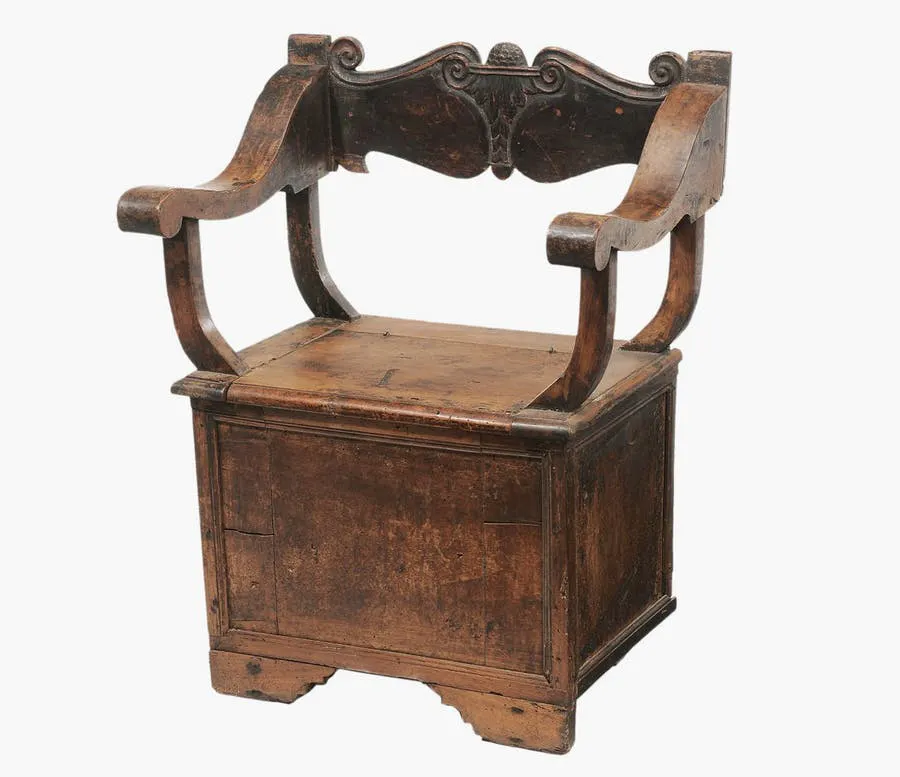
The Renaissance, as the etymology of the word suggests, was a period of renewal, which saw the emergence of a marked interest in antiquity. The furniture of the time is purely architectural, designed with the same principle of symmetry used for the construction of buildings. Cabinets and beds are the most popular pieces, on which we often find acanthus and ornamental structures.
Baroque, 1650-1720
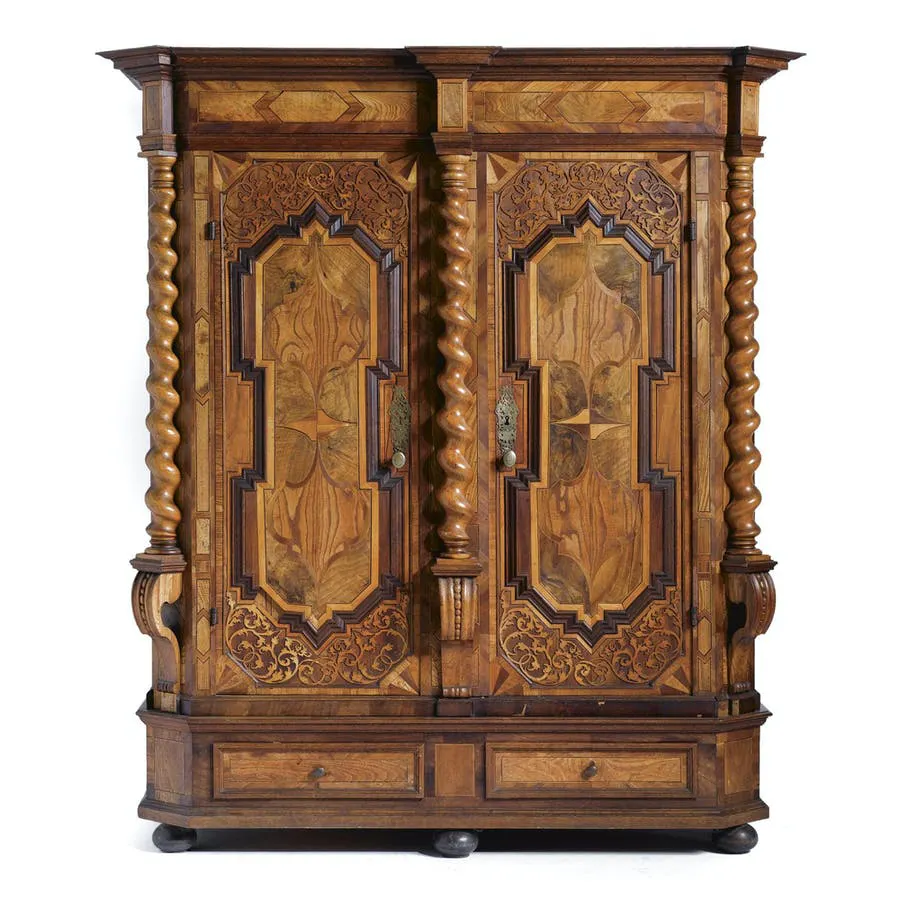
The Baroque style consists of heavy furniture, dense and often made of high quality, solid wood. The bright colours and gilding in the homes of royalty and aristocracy evoke Franco-Italian influence. The word baroque comes from the Portuguese term ‘barroco’, which designates an irregularly shaped pearl. The name began to be used in reference to an ‘exaggerated’ or ‘strange’ aspect at the end of the period.
Neo-Baroque, 1720-1750
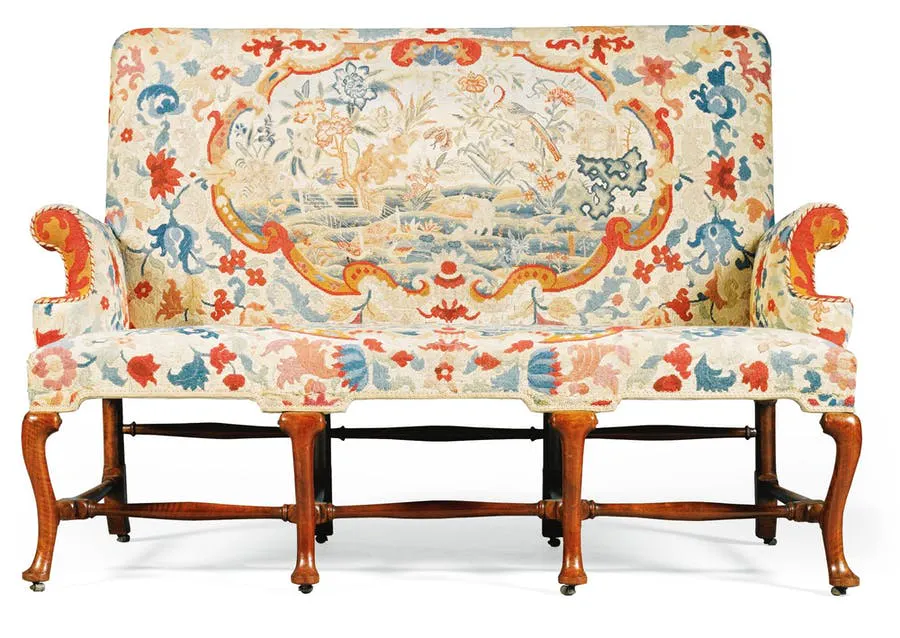
The magnificence of the Baroque gave way to slender pieces of furniture with a more elegant character, decorated sparingly and taking the Dutch and English styles as an ideal. Large clocks, desks and various furniture for writing of this type were in fashion. Woods like elm and alder root for veneer were preferred, while walnut veneer was considered much superior. Another iconic neo-baroque trend was Queen-Anne-style furniture, which is defined primarily by cabriole legs, upholstered seats and curved lines. This concept greatly popularised furniture in a purely decorative style and greatly influenced the trends of the following centuries.
Rococo, 1750-1775
See also: Mirrors: A Reflection
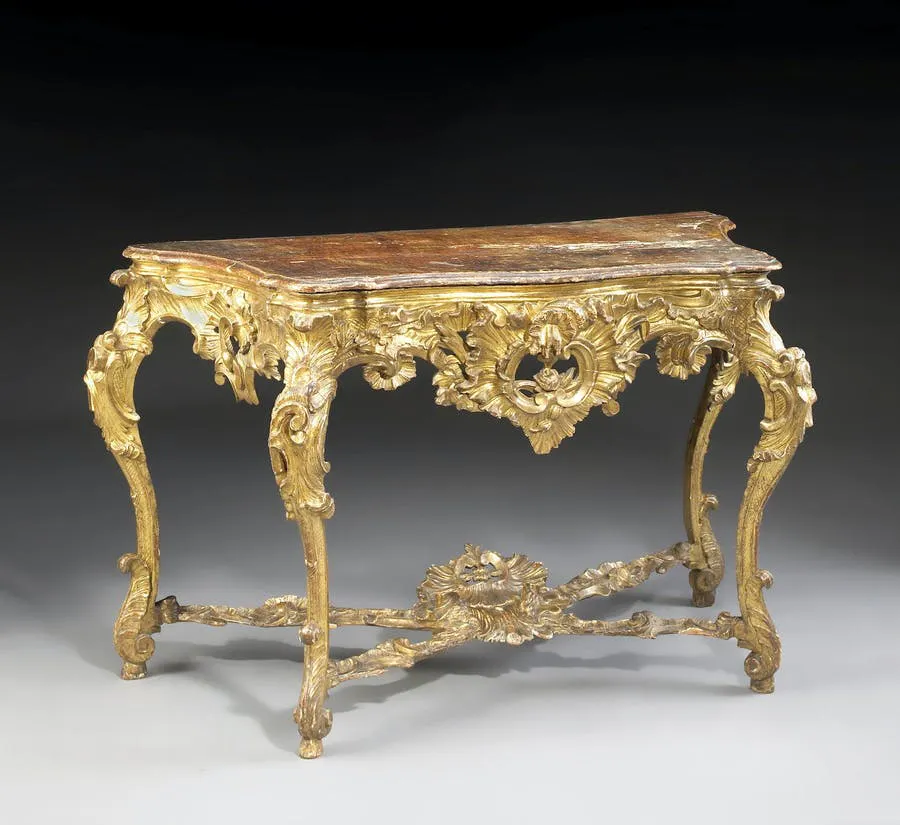
Rococo spread throughout Europe as a result of the abundant imports of artworks and decorative art from France. The inspiration for the patterns and décor came from nature itself, the furniture painted in neutral and pale colours. Rococo continued to develop the stylistic traits of Baroque, but with unusual asymmetrical elements, prescribing any form that was too rectilinear. During this period, furniture and decorative arts were at their peak, a marriage of practicality, playfulness and elegance. The word Rococo is an association of the French word ‘rocaille’ and the Portuguese term ‘barroco’. The name designates an ornamentation taken from natural rocks and stones, as well as the curved shape of certain seashells.
Georgian, 1720-1760
See also: Globes: All Around the World
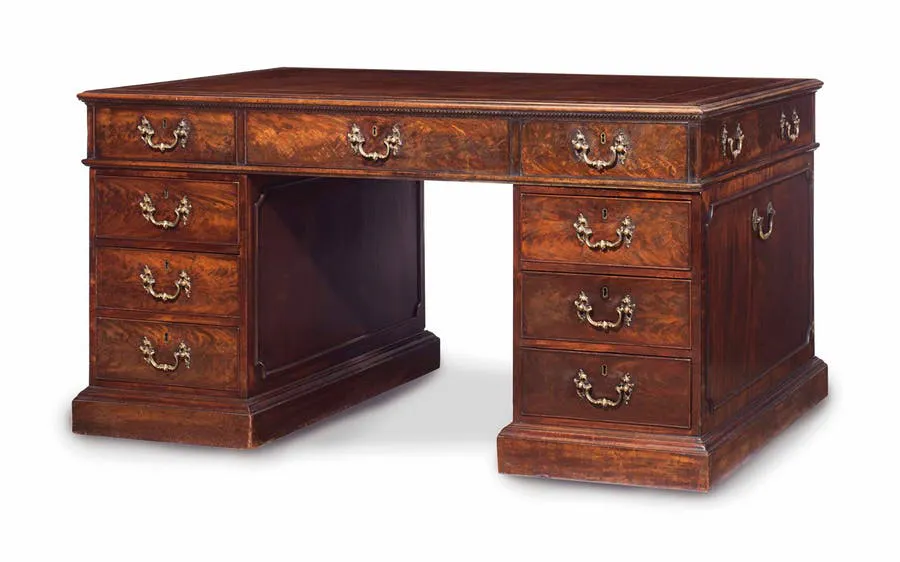
Georgian style dominated British décor throughout the 18th century under the reign of Kings George I, II and III. This style differed greatly from the Rococo of the time, as the Georgian style was characterised by voluminous and elegant structures made of mahogany, a tough and durable wood with a more ‘masculine’ and regal appearance. Thomas Chippendale is one of Britain's most notable designers during this period, his designs perfectly embody the Georgian spirit. His work continues today, his pieces appearing at auction and going for several million.
Neoclassical, 1750-1850
See also: Jacques-Louis David: The Neoclassical Revolutionary
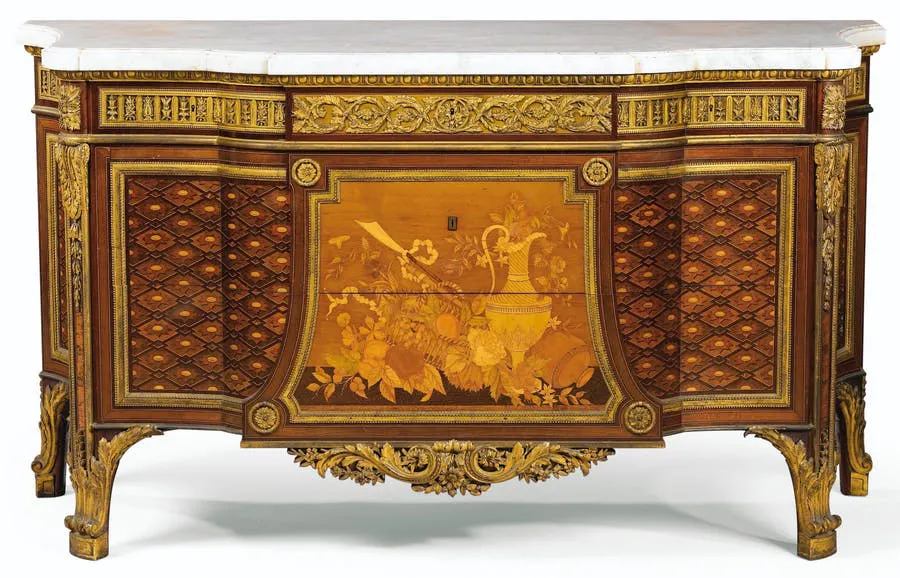
The neoclassical was inspired by Greco-Roman Antiquity and became popular in the mid-18th century, drawing attention to the Age of Enlightenment. The typical neoclassical design is symmetrical and orderly, featuring details such as tapered and fluted table and chair legs, finial backs and scrolled arms. The Louis XVI style is also part of the neoclassical period, inspired by the philosophical ideals of the time and Roman design.
Empire, 1800-1820
See also: Why is Napoleon So Popular at Auction?
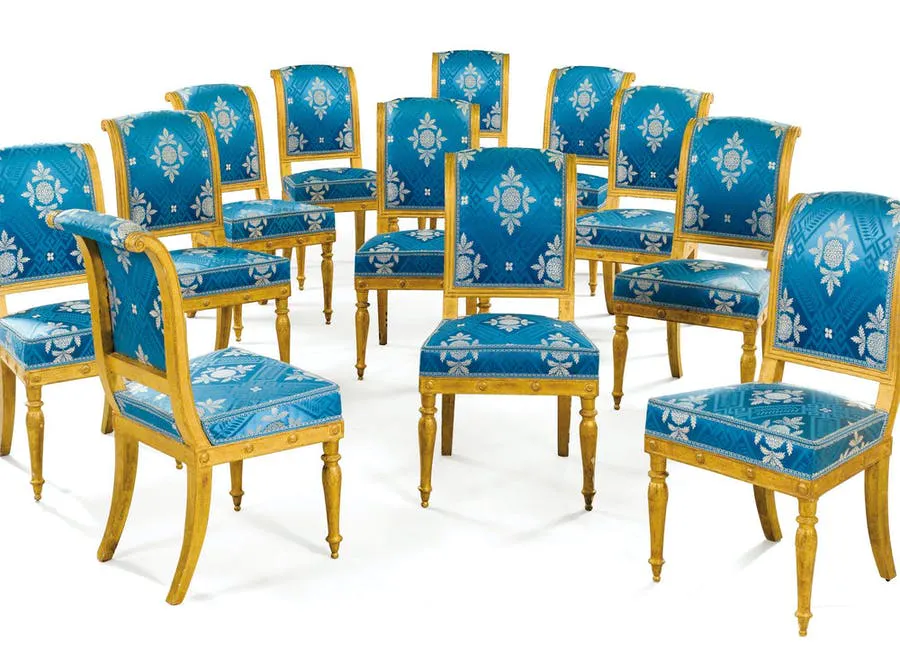
The Empire represents the stylistic ideal of Napoleon, also influenced by classical antiquity, Greece, Etruria, Rome as well as Egypt. Most often, the furniture is mahogany and has gilded frames with patterns and symbolic ornaments. The Empire style is richly decorated and more colourful than the periods which precede it.
The new styles, 1840-1900
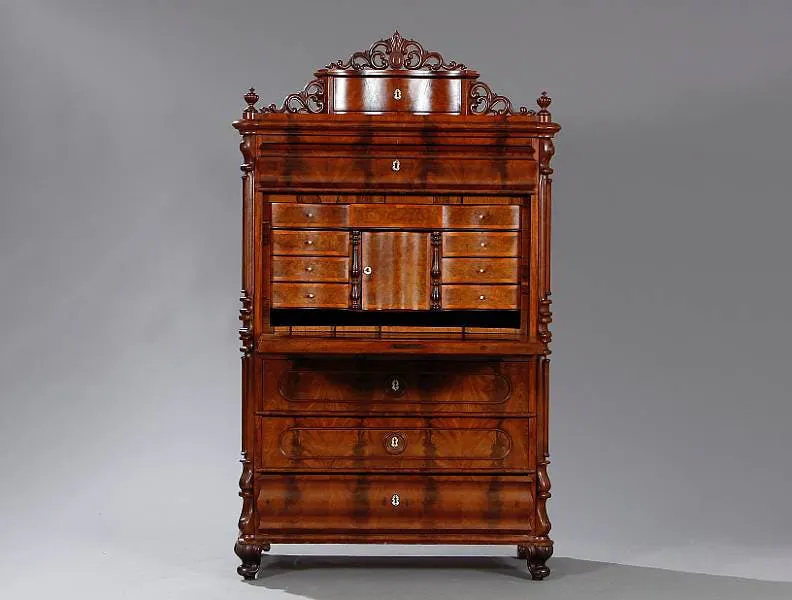
The ‘New Style’ emerged in the 19th century, the name referring to the fusion of styles, shapes and decorative elements from earlier periods. The rise of industrialisation allowed the production of furniture and objects in mass, in unprecedented quantities. Neo-Gothic was the first of the ‘new styles’, while Neo-Rococo, with its richly carved mahogany furniture, is the most popular. This period saw many influences and trends follow one another, before ending with the appearance of the upholstered style, as well as prolific quantities of upholstered furniture.
Art Nouveau, 1895-1915
See also: René Lalique: Perfume Bottles into Artworks
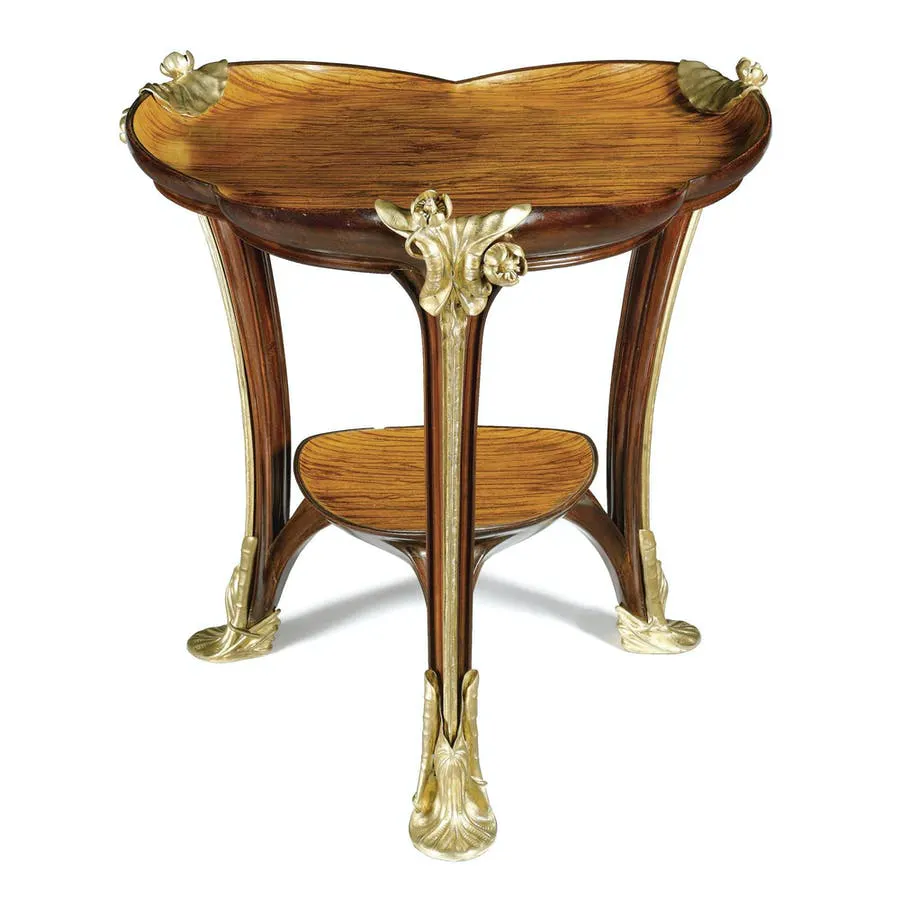
Art Nouveau flourished in Great Britain around 1890 before spreading in Europe and the United States until the First World War. The emergence of this style, characterised by flowing lines and curves, took root in the forms of nature and greatly affected art, architecture and design. Influenced by Japanese graphic art, Art Nouveau jewellery shifted from precious stones to materials like opal and ivory, and furniture became more complex and expensive to produce. The movement welcomed glass art objects produced during this period, with the experimentation of colour and transparency.
Art Deco, 1920s
See also: 1925: The Height of Art Deco
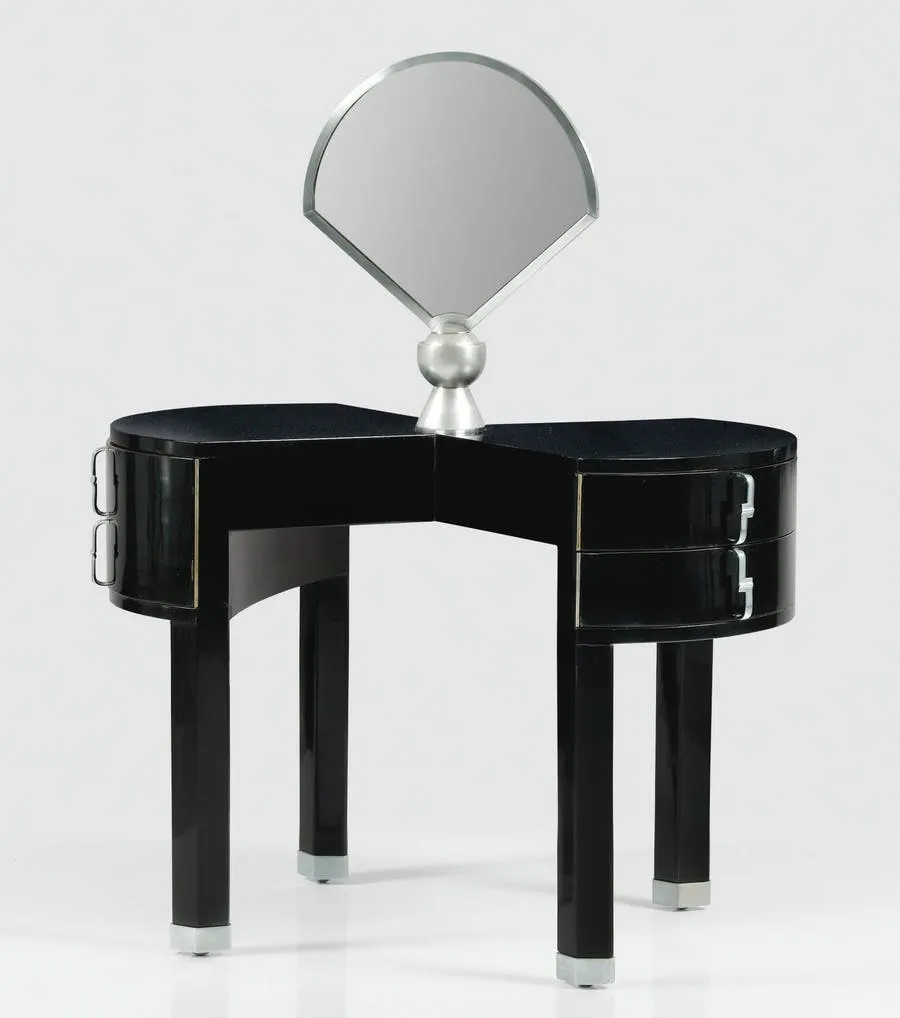
Art Deco, which derives from the French expression ‘Les Arts Décoratifs’, is the emblematic style of the Roaring Twenties. Art Deco attempted to combine functionality and artistic design, elements that coincide with technological developments at the start of the 20th century. The design of this era aimed to celebrate modern life and exude a feeling of sophistication and luxury. The style is characterised by dark lacquered surfaces, an emphasis on bright colours and high contrasts.
Modernism, 1930s
See also: Ludwig Mies van der Rohe: From Traditionalism to Modernism
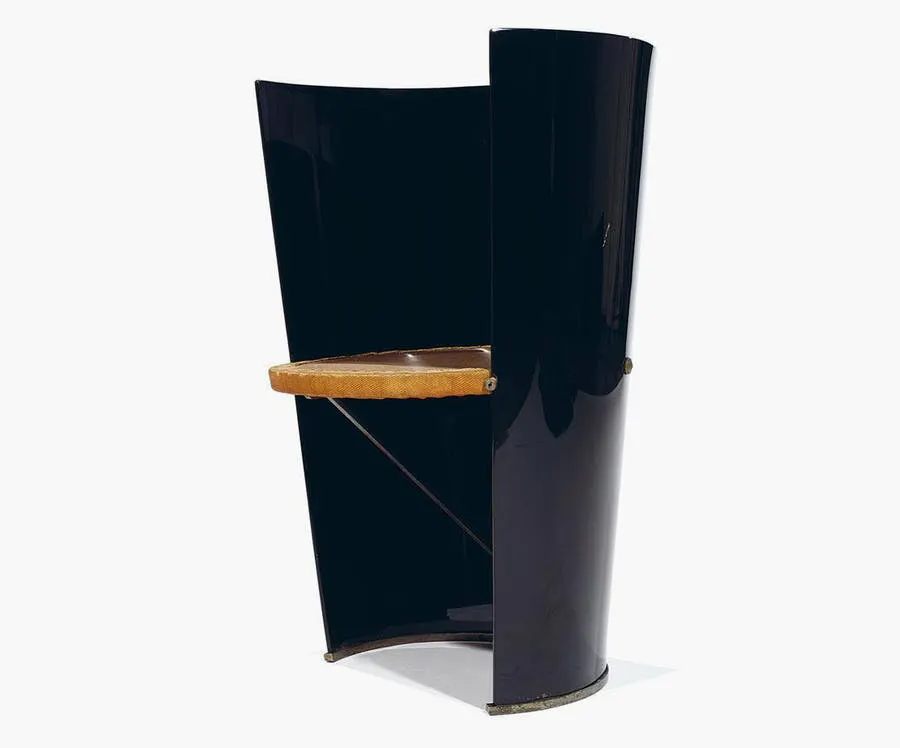
Modernism saw the emergence of simple geometric shapes, the absence of decoration, smooth surfaces and the principle of putting the function of the object at the centre, form and function considered interrelated. Having a home that was easy to clean was seen as a privilege, which in turn affected the way houses were furnished. This furniture is often made of tubular steel and bentwood with a strong penchant for black.
Scandinavian Design, 1950s
The term ‘Scandinavian Design’, coined in the 1950s, refers to an innovative and successful period in the history of Swedish design. In Scandinavia, the Danes dominate furniture production while the Swedes have a head start in glass and ceramics. Their furniture is imbued with an organic language and takes teak as the material of choice. New substances and techniques such as foam rubber, extruded fibreglass, moulded plywood and aluminium are beginning to be used, transforming the basis of furniture production.
Find more articles on furniture and design with Barnebys Magazine