Louis Vuitton was born in 1821 in Charbouilla, near Anchay in the Jura Mountains in eastern France. His father was a miller and carpenter, who early on taught his son to handle various tools. His upbringing was very humble. After his mother died, his father remarried, and Louis sometimes came into conflict with his stepmother. He chose to leave home for Paris, 250 miles away. He went on foot and took odd jobs along the way in exchange for food and shelter, a trip that took him two years.
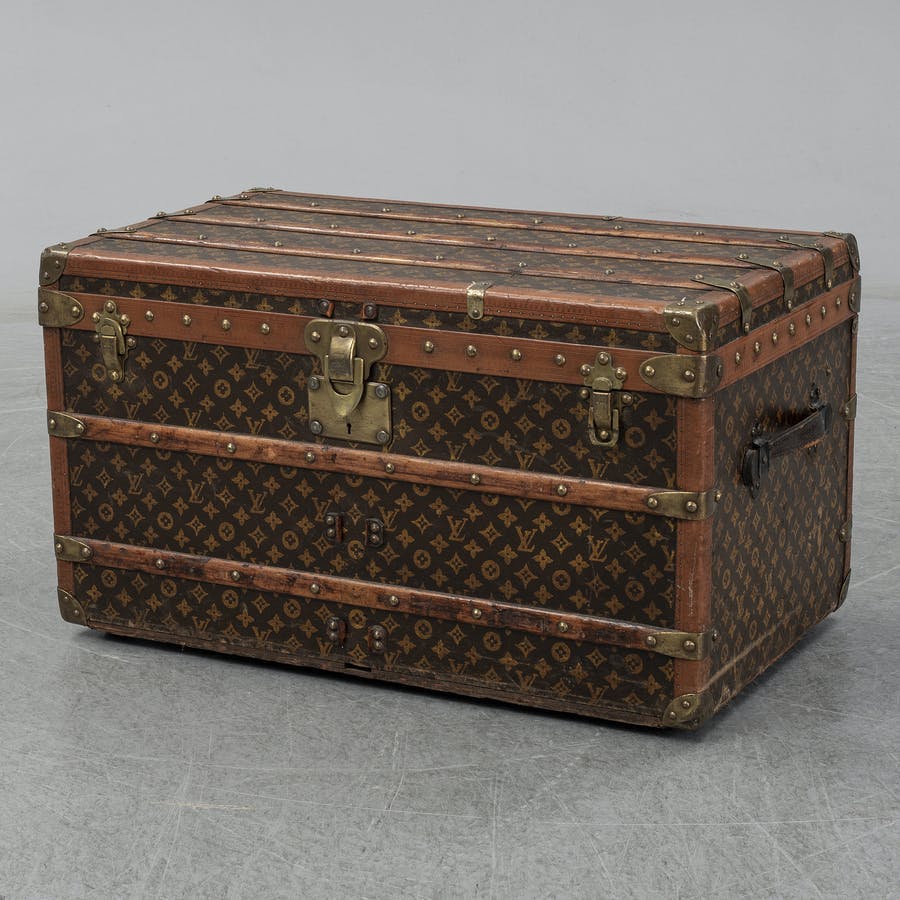
Once in the capital, he got a job with Romain Maréchal, who worked as a packer of trunks. Vuitton stayed in the job for 17 years, until he turned 33. The work involved helping clients who were going on a trip, something that only wealthy people did at this time. The packer would pack up all the clothes and items needed for travel.
See also: Vintage Luggage & Trunks: Where to Begin
In 1852, Napoleon III came to power through a coup, and this provided a fantastic opportunity for Vuitton. Empress Eugenie appointed him as her personal packer, a job that opened many doors.
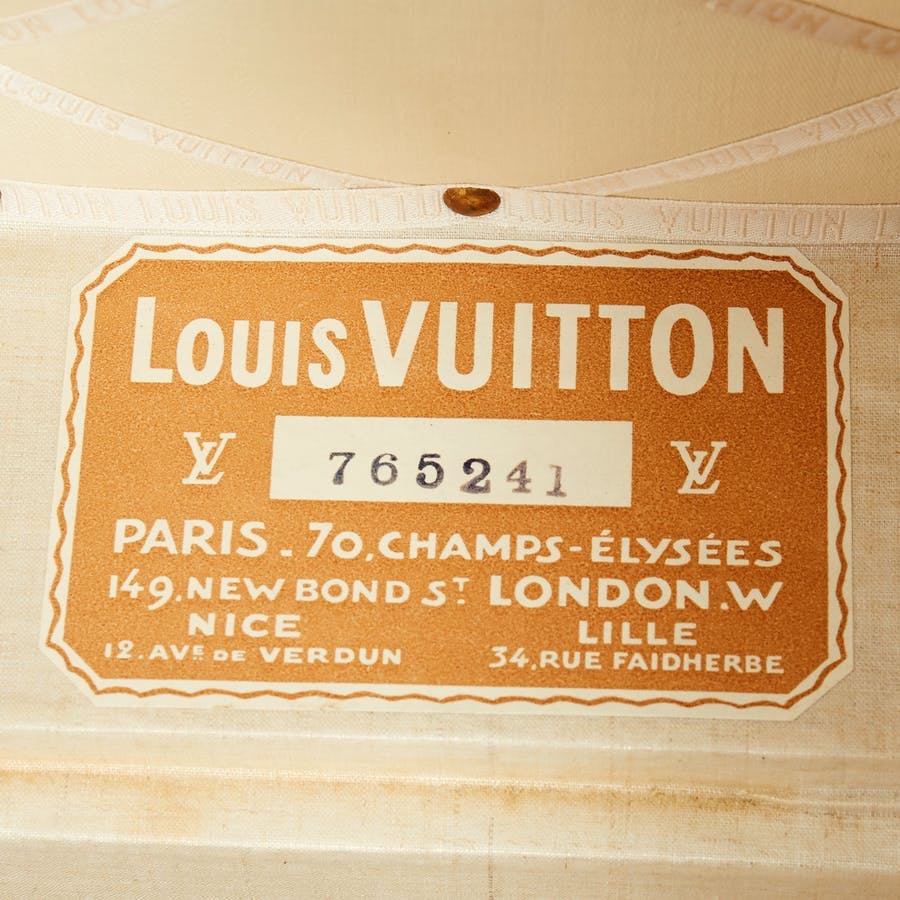
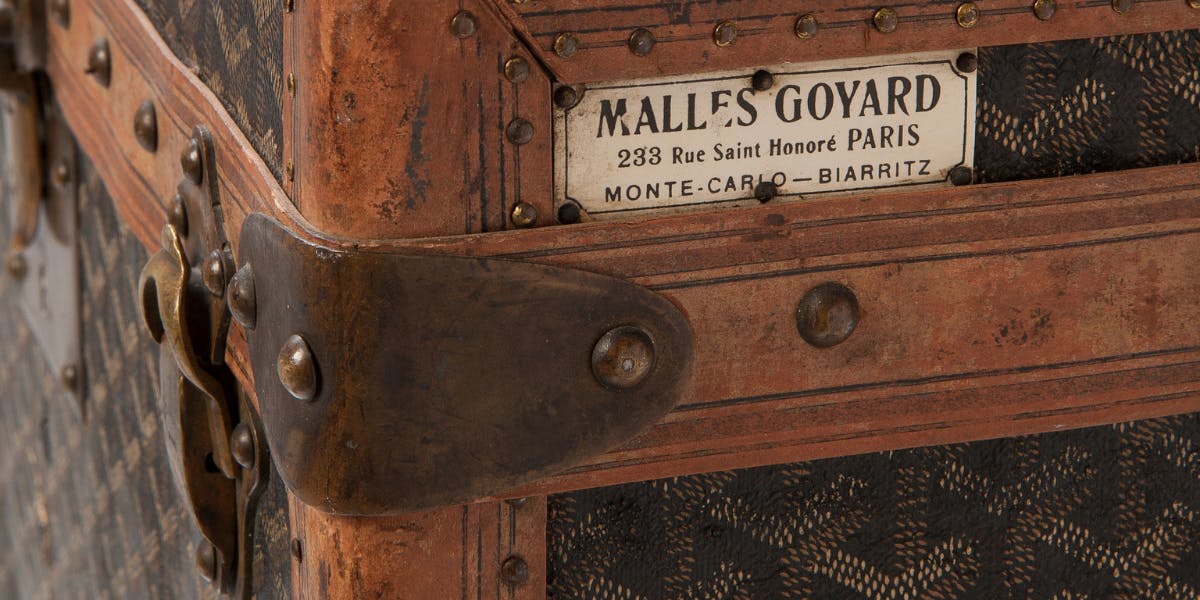
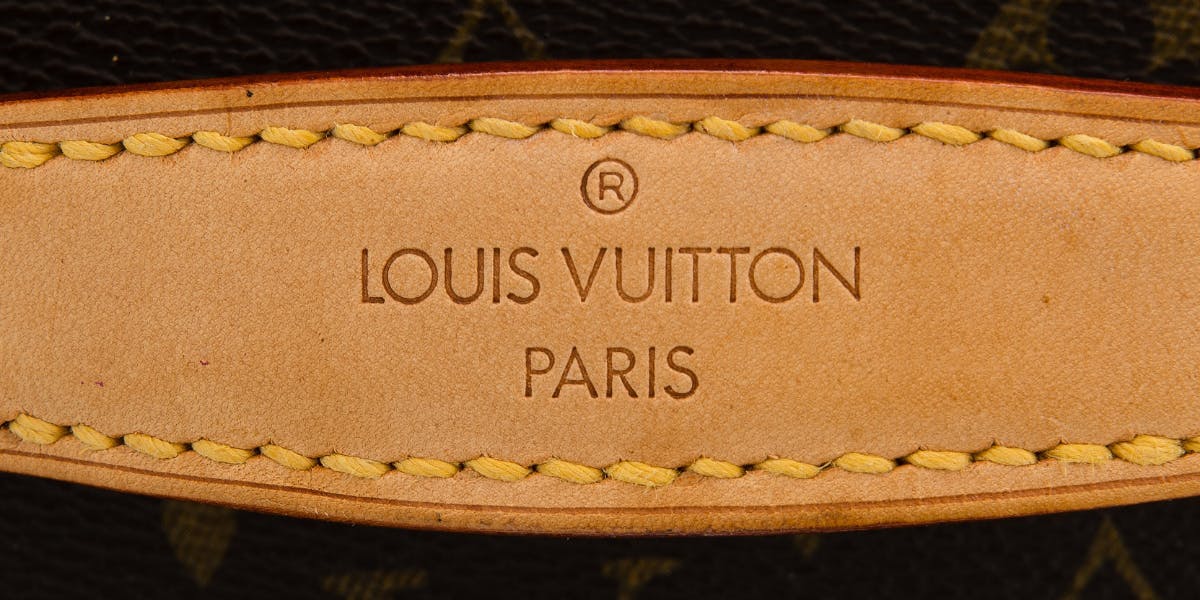
Two years later, Vuitton married Clémence-Emile Pariaux and opened his own studio at Saint Lazare station and a shop on Rue Neuve des Capucines, near the Place Vendôme. The company was literally registered 'Marque Louis Vuitton deposé' ('Registered Louis Vuitton brand'), with the addition 'spécialité pour l'Emballage des Modes' ('Specialising in fashion packing'). From the very beginning, his name was thus linked with fashion and luxury, more specifically to haute couture. Vuitton was a neighbour and good friend of Charles Frederick Worth, the first fashion designer in the modern sense. Worth was in vogue and gained a growing rolodex of clients consisting of empresses, princesses, duchesses, acclaimed singers and famous actresses.
See also: The Story of the Trunk: From a Suitcase to a Treasure Chest of Memories
At this time, a society woman was expected to change up to seven times a day. During a trip, each ensemble required two suitcases, so the orders piled up. Ahead of actress Sarah Bernhardt's tour of Brazil, Louis Vuitton made no less than 200 suitcases. Packing the expensive and delicate dresses was a painstaking job, and Vuitton's ambition was to make his suitcases functional, luxurious and innovative.
Also as a businessman, he had enormous talent as he foresaw the travelling market exploding, thanks to a luxury-hungry bourgeoisie. The company grew so much so that the production of suitcases had to move to larger premises in Paris twice in five years.
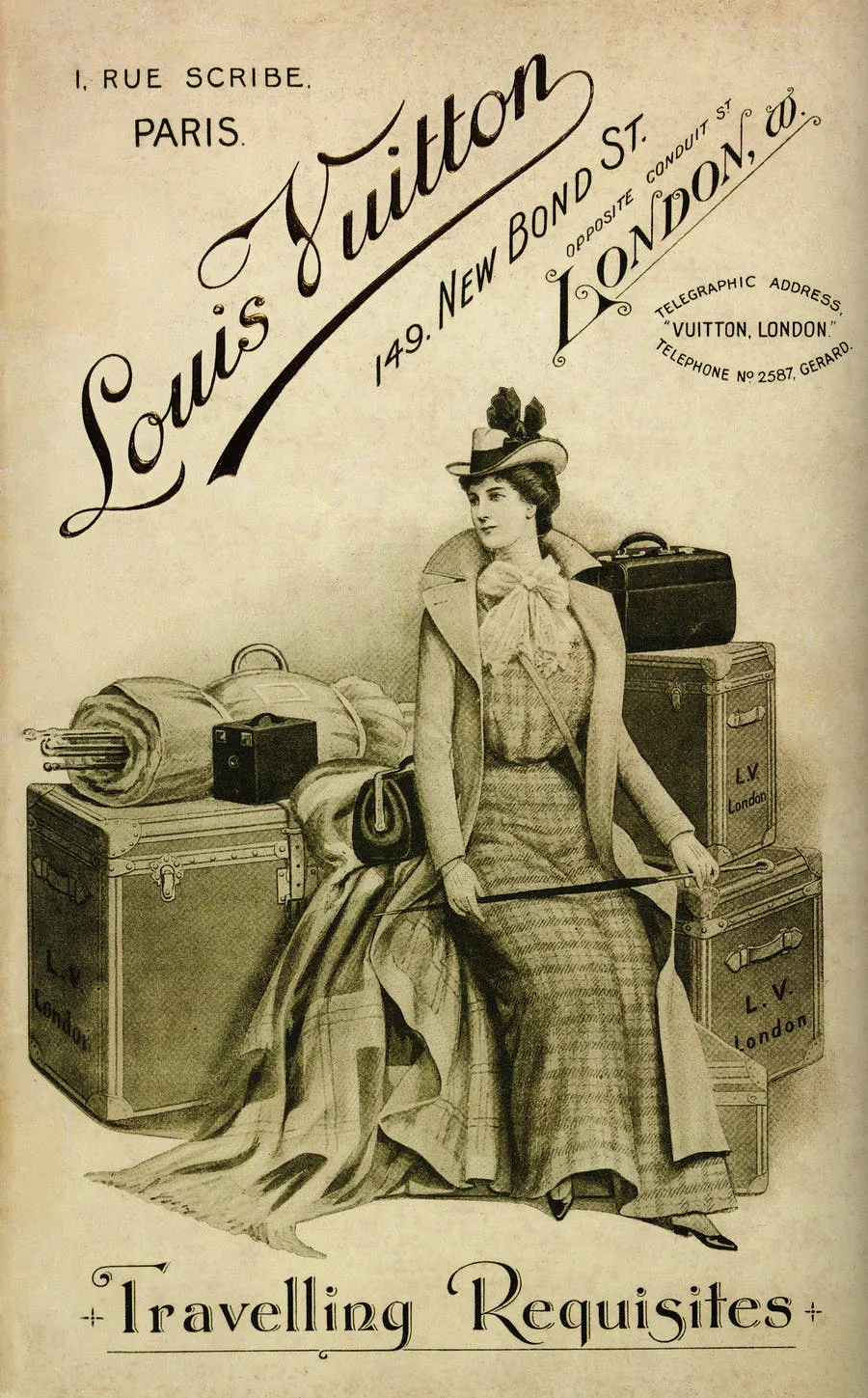
But times were politically and socially troubled. France began to industrialise, and bankers and entrepreneurs increasingly dominated society. The steamboat, the steam locomotive and international tourism were new phenomena. Habits changed and new ideals were formed. Baron Haussmann had entire neighbourhoods in Paris demolished to build new ones.
It was undoubtedly calmer in Asnières-sur-Seine, where Vuitton established himself in 1859 with both the company and his family. Then it was a small quiet town in a rural setting, but is today considered a northwestern Paris suburb. He came here as a well-established and very successful man, but it was only now, at almost 40 years of age, that he could take the time to learn to read and write.
See also: 5 Iconic Handbags and the Women Who Made Them Famous
Everything stopped in 1870, when a war broke out between France and Prussia. The imperial couple were forced into exile, Paris was captured and a bloody civil war ensued. His staff was dispersed, tools stolen and the studio destroyed. However, he soon threw himself into the work again, and in just a few months, production restarted. He opened a new store on the beautiful rue Scribe in Paris.
During the last 20 years of his life, Vuitton constantly further developed his suitcases, which were a great success at several world exhibitions. His name became known and synonymous with quality in ever wider circles. His son Georges took the initiative to develop the company internationally, and in 1855, the first store outside France was opened, on Oxford Street in London. Stores were later opened in New York and Philadelphia.
Some competitors copied Louis Vuitton's suitcases, so he switched from his original light grey fabric to one with red and beige stripes. This did not help much, as the competitors switched to the same fabric, with exactly the same kind of stripes. He made a drastic decision in 1888 to end the counterfeiting. He patented a checkered pattern with the text 'Marque Louis Vuitton déposée', called Canvas Damier, which become his trademark (yet now is one of the most counterfeited designs).
See also: The 8 Most Popular Fashion Brands
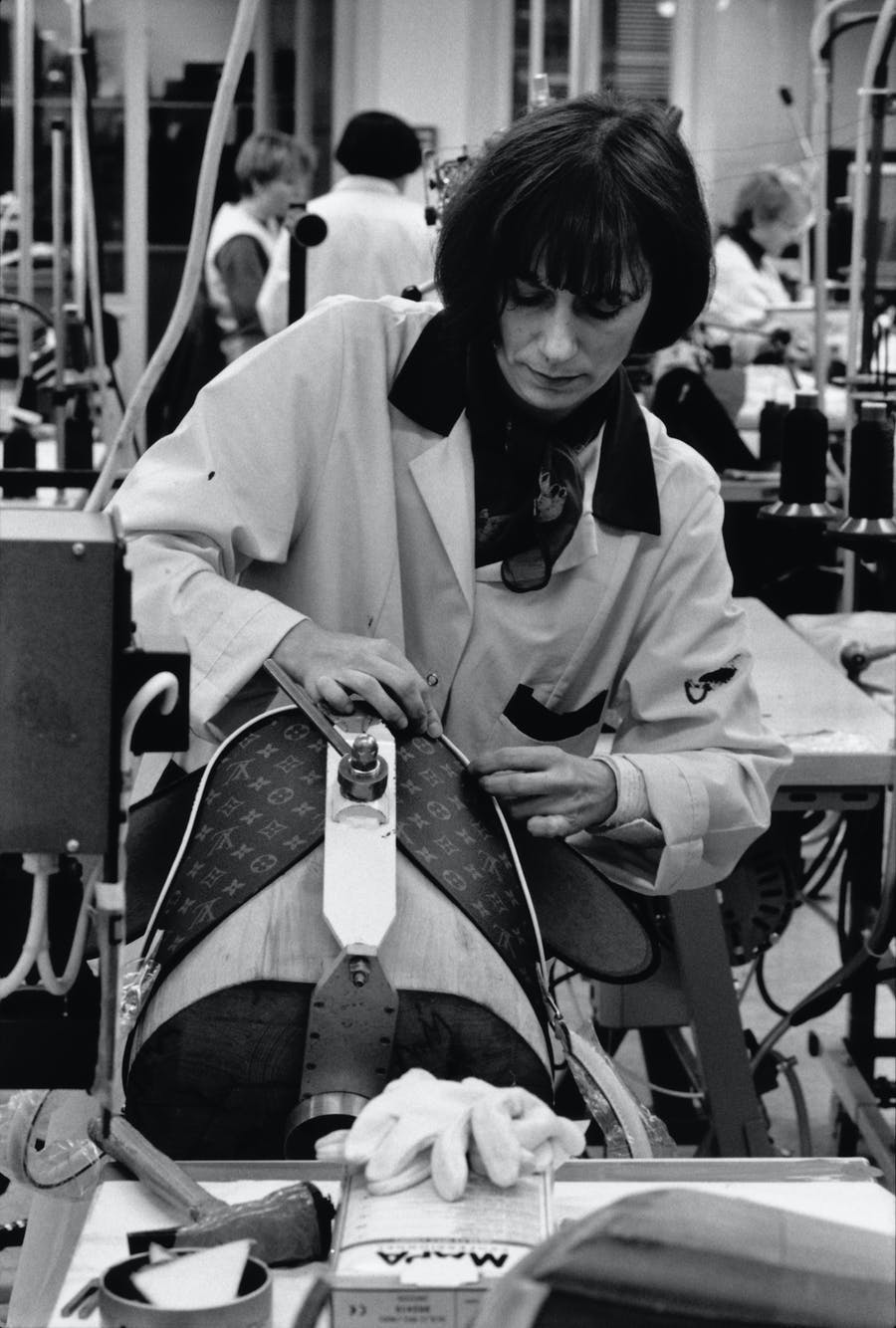
In 1892, Louis Vuitton died at the age of 71. His children and grandchildren continued to lead the company. In 1959, his great-grandson Claude Vuitton developed a method that made the varnished cotton fabric softer to make monogrammed handbags, which became a great success. In the late 1970s, the brand was launched internationally, with great response in the United States and Japan. In 1984, the company merged with the champagne house Veuve Clicquot and the fashion houses Givenchy and Loewe to be listed on the stock exchange. Three years later, the company became part of the world's largest luxury group, LVMH (Louis Vuitton Moët-Hennessy), which is controlled by financier Bernard Arnault. Many were sceptical when he hired an American, Marc Jacobs, as chief designer, who started a creative crusade in the studios.
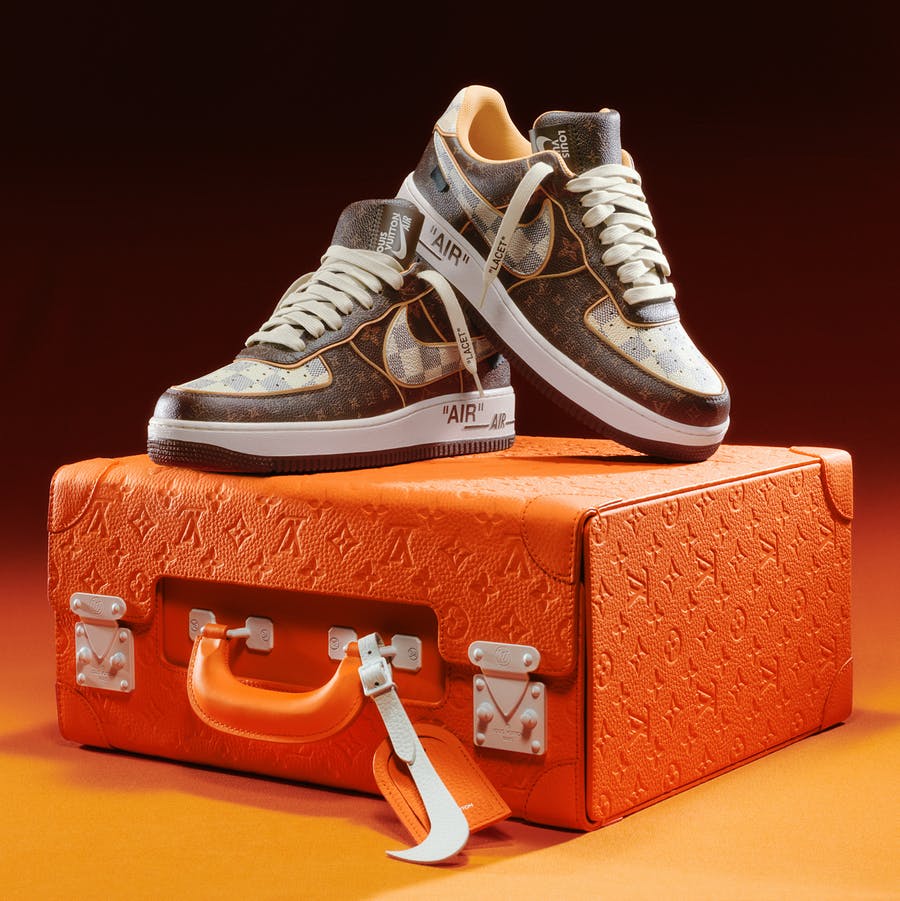
The first clothing collection was presented, and soon the range was expanded with shoes, watches, jewellery, pens, books and, most recently, perfumes. For almost every year that has passed since then, the company has broken new profit records. For a long time, the brand has been ranked as one of the most prestigious in the luxury category with thousands of boutiques. In 2014, Marc Jacobs left after 16 fabulous years as creative director, and was succeeded by the Frenchman Nicolas Ghesquière.
See also: It’s in The Bag: The Handbag Collectors’ Market
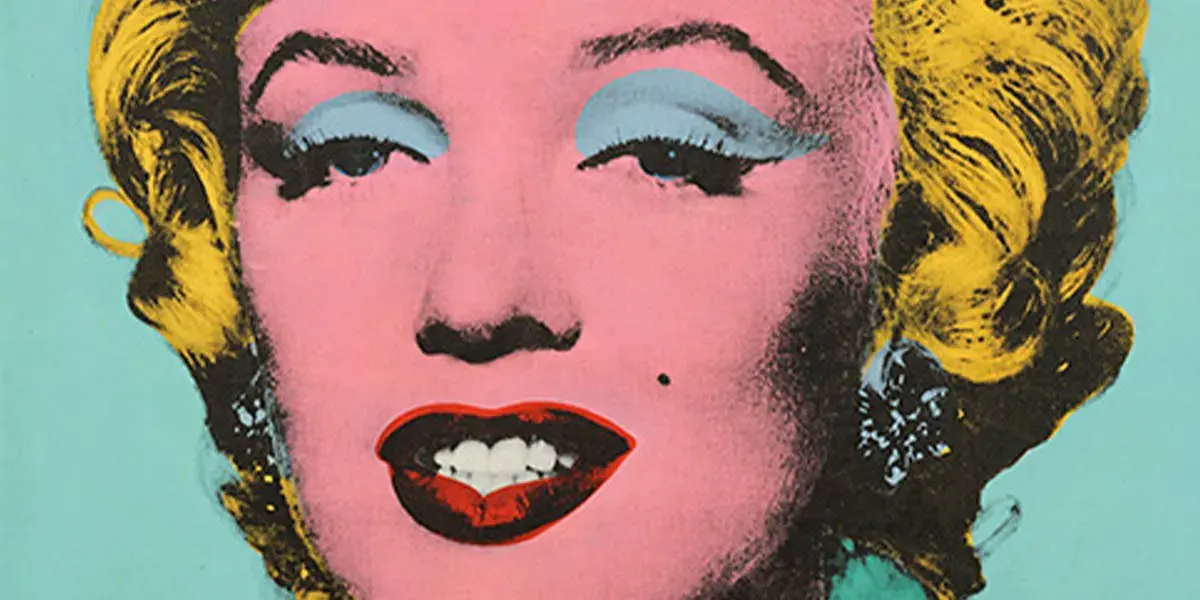
Over time, Louis Vuitton has made several successful collaborations with artists and companies. One of the most famous collaborations was with Jeff Koons, who in the spring of 2017 released a collection of Louis Vuitton with Koons' reproductions of works by famous artists. The collaboration was a success and already in the autumn of the same year the second edition was released, this time with works by artists like Claude Monet, William Turner, Paul Gauguin and François Boucher.
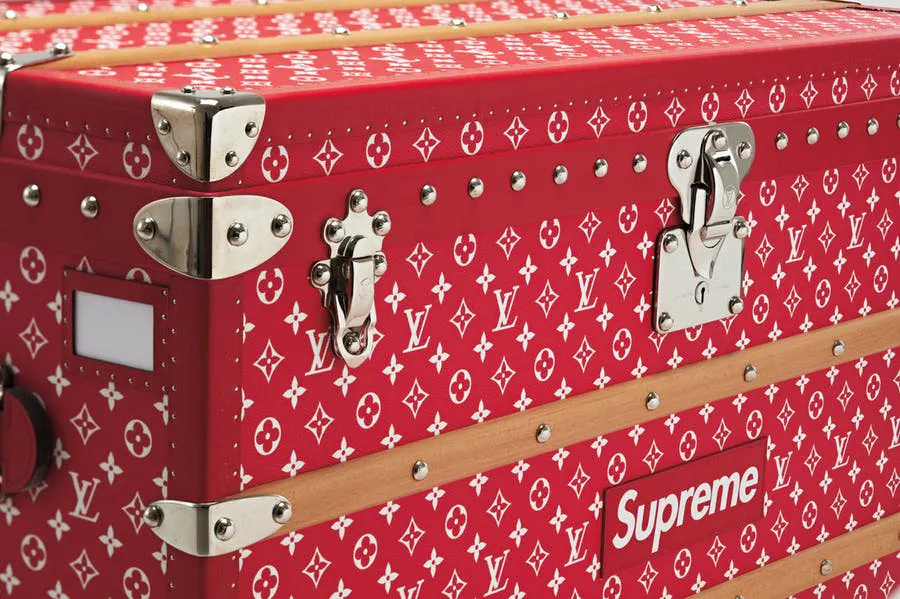
Another successful collaboration was Supreme x Louis Vuitton. Together with the streetwear giant, Louis Vuitton released a huge collection with everything from suitcases and bags to jackets, denim, pyjamas, jumpers, t-shirts and shoes. Today, items from the collection are sold for high prices at auction houses around the world.
Do you want articles like this directly in your inbox? Subscribe to our newsletter
Every year, Forbes ranks the world's most valuable company, and Louis Vuitton is at the top of the luxury brands. The entire LVMH group consists of 70 companies in the luxury industry with approximately 134,000 employees. In Paris, in the autumn of 2017, an enormous flagship store was opened on Place Vendôme, very close to the address where Louis Vuitton once started his company in 1854.

In 2014, the owner of LVMH Bernard Arnault and President Hollande inaugurated a spectacular private museum on the outskirts of Paris, named the Fondation Louis Vuitton, forever associating the humble miller's son with not only global fashion, but also the future of contemporary art.