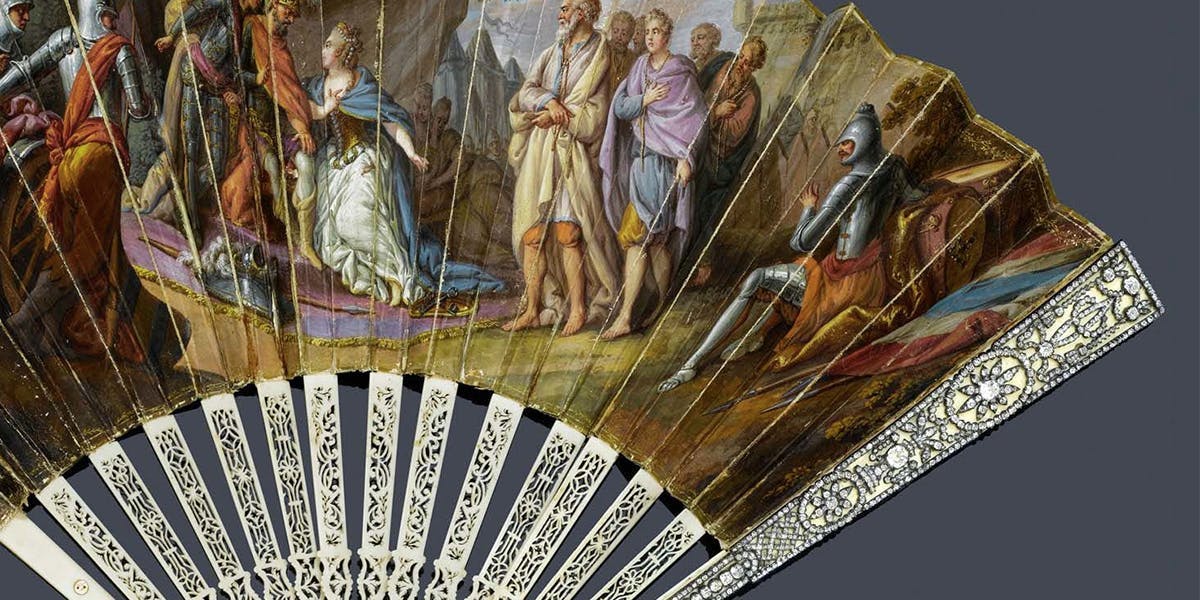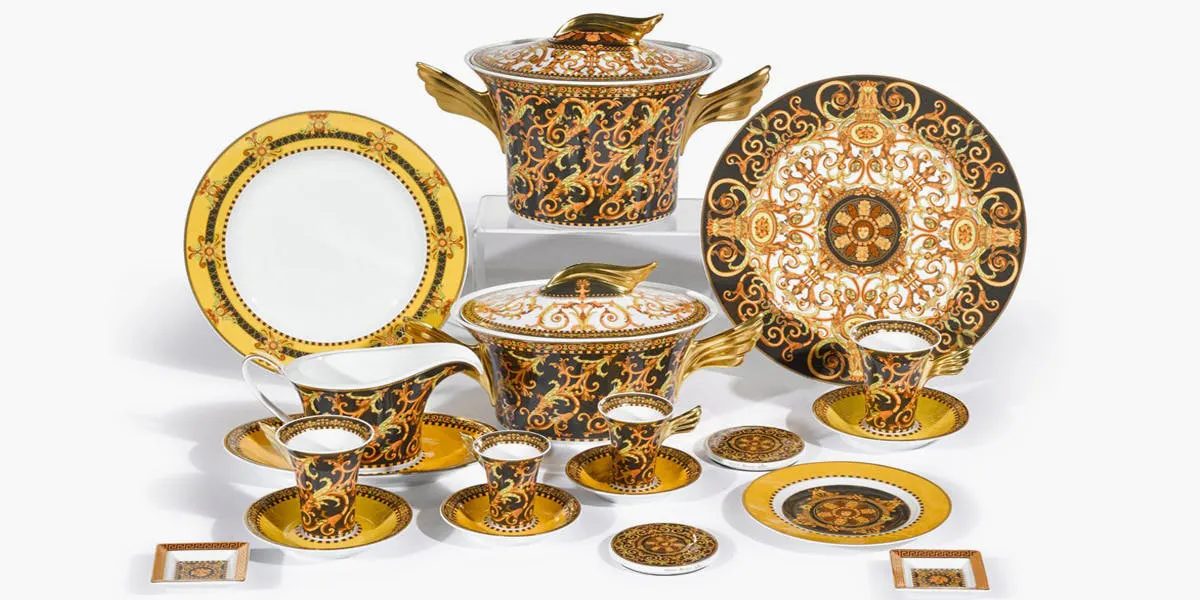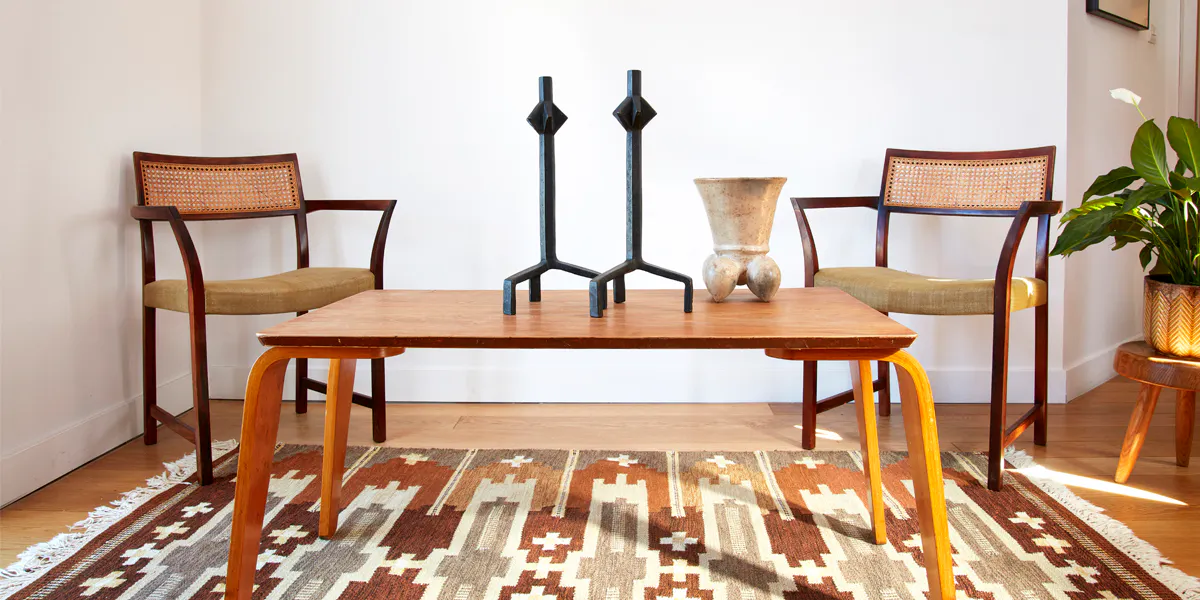
...an aesthetic that speaks to the current zeitgeist.
Nigel Dawson-Ellis is Roseberys’ Design and Furniture Specialist, with more than ten years of expertise in the field. He has a particular passion for mid-20th-Century Design, especially Post-War British Designers.
Here, we sit down with him to explore the decades of design and extraordinary pieces coming at auction at Roseberys, which will feature leading designs from René Lalique, Charles and Ray Eames, Günter Beltzig and many other international artists.
Roseberys’ ‘Design: Decorative Arts 1860 to Present Day’ sale will take place on Tuesday 26 April at 10:30am, with bidding both in person and online.

Barnebys: What drew you to the world of Modern Design, and what is Roseberys’ approach when curating a modern design sale?
Nigel Dawson-Ellis: I was initially drawn into the world of modern Design through working at a large auction house, where I was fortunate enough to work with some important design objects and furniture.
Our Design sales incorporate objects and furniture from 1860 to the present day, an expansive time frame, out of which countless movements and styles were born. With our Design sales we intend to showcase the diversity of these styles through Arts & Crafts, Aesthetic Movement, Art Nouveau, Art Deco, Mid Century, Post Modern and Contemporary design. We have a discerning eye when it comes to choosing items for sale, with an emphasis on well-made pieces of historical interest. We do however keep our sales broadly accessible by having a range of low to high-value items.
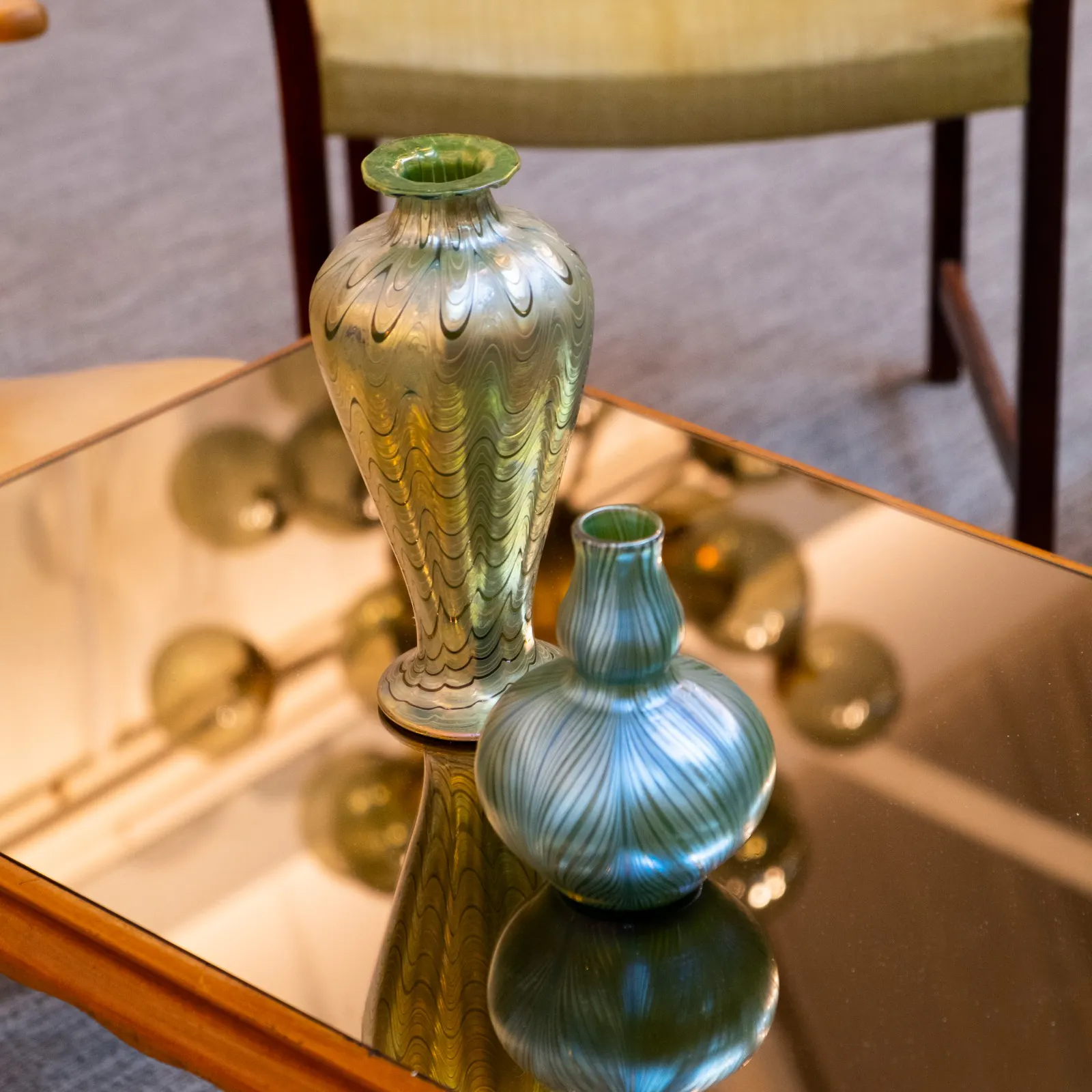
What do you think a design & furniture auction can offer a buyer that buying first hand can’t?
It can offer people the chance to own something unique or rare, a focal point with a story to tell and an aesthetic that speaks to the current zeitgeist.
What pieces of furniture and design are good to invest in if one is looking to make a statement in their home?
I have noticed a recent rise in the popularity of 1970s furniture by the likes of designers such as Pierre Paulin and Mario Bellini. I also feel that pieces by big design names such as Jean Prouvé, Hans Wegner and Gio Ponti are still holding their own in the current market.
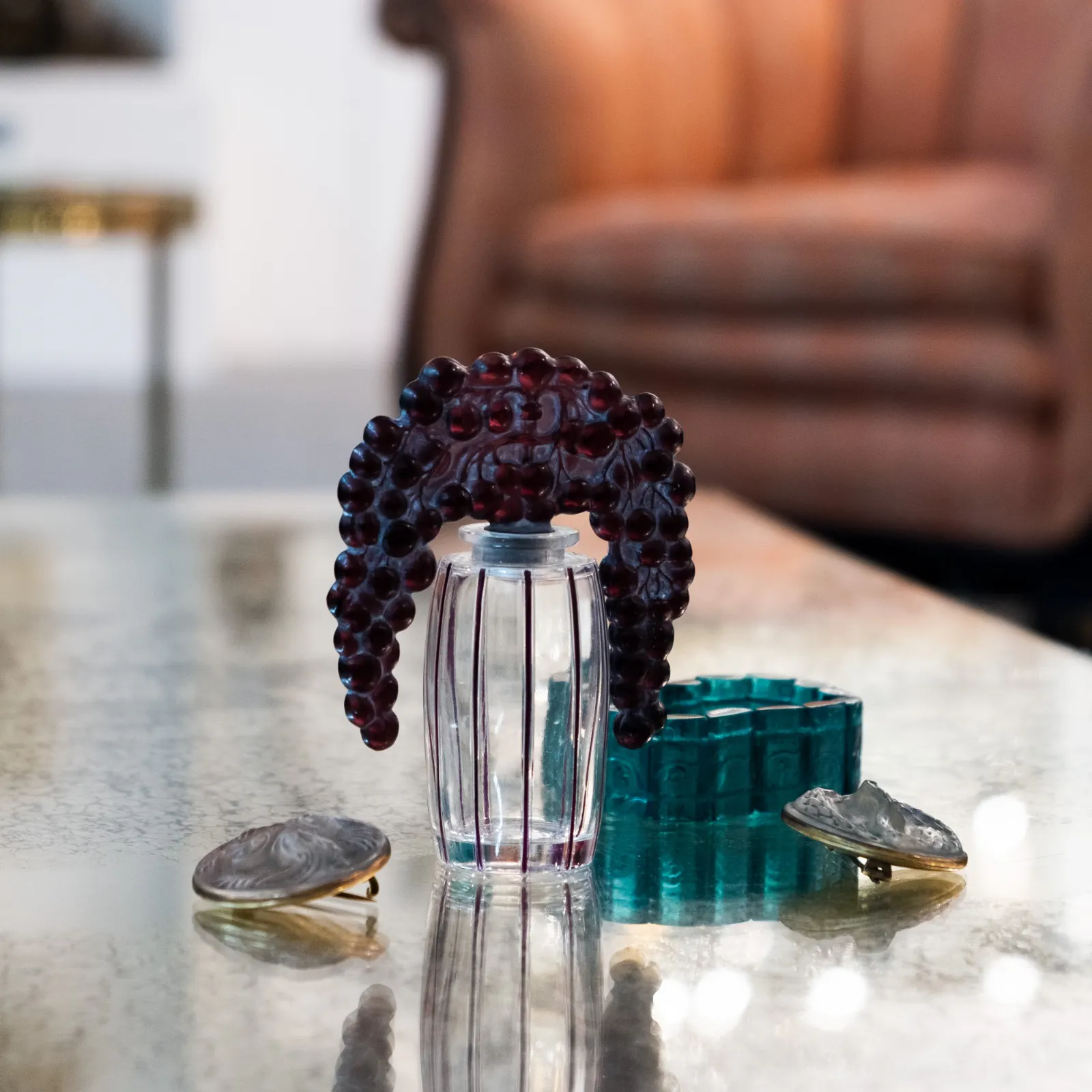
How does one learn to discern quality when buying design objects?
I began my auction career as an art handler over a decade ago. This hands-on experience was invaluable and allowed me to broaden my knowledge of historical periods, stylistic features and materials. More importantly, it further developed my understanding of how to discern quality.
In my opinion, there is no better way to learn about an object than to hold it in your hands and study it, therefore I would recommend going to auctions, fairs and markets and getting hands-on with as many objects as you can.
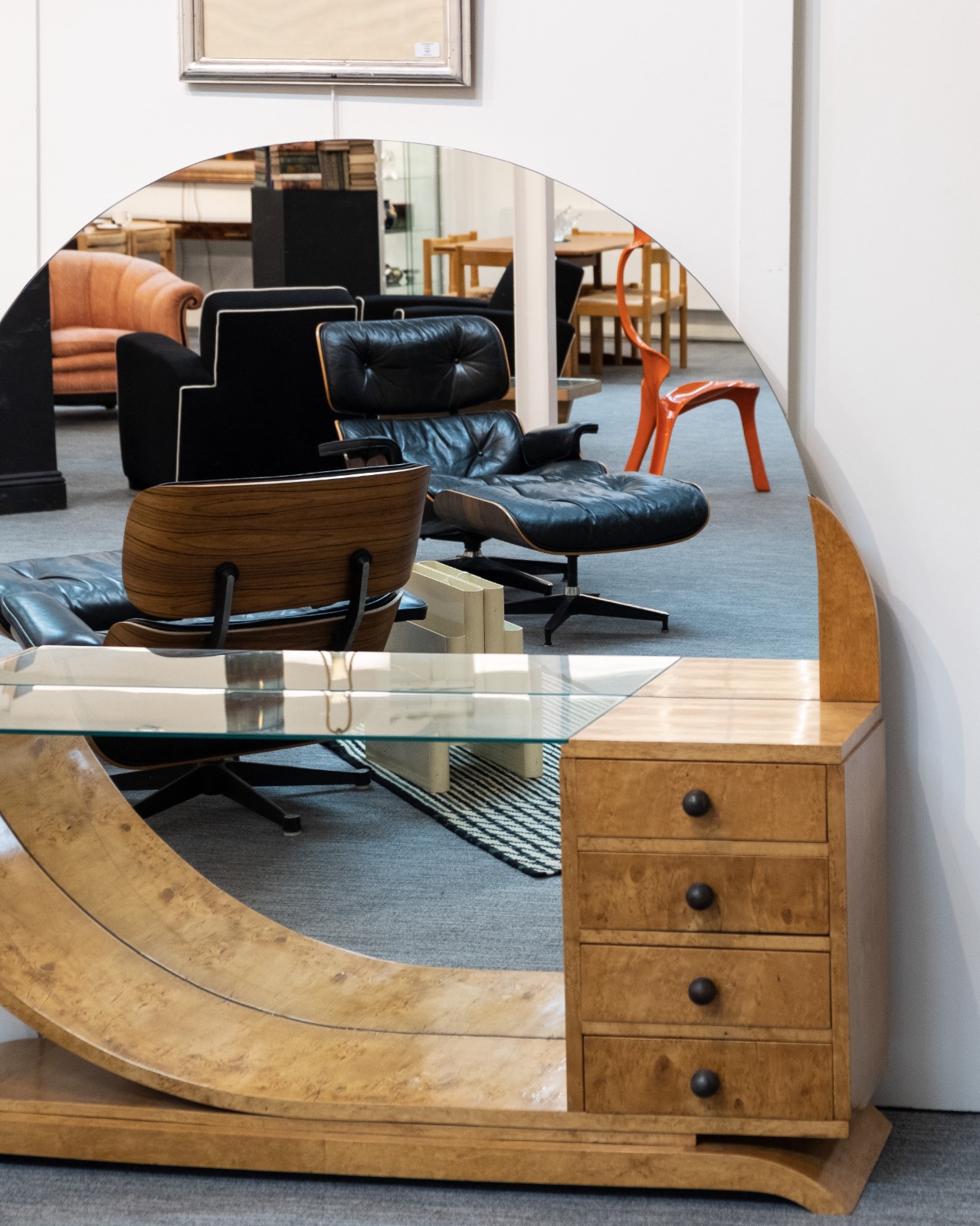
What is your taste when it comes to design pieces?
My taste veers towards Mid-Century objects and furniture, with perhaps an emphasis on Post-War British design, however, I also have a soft spot for the more theatrical whimsy of Post-Modern design, particularly the work of the Memphis group.
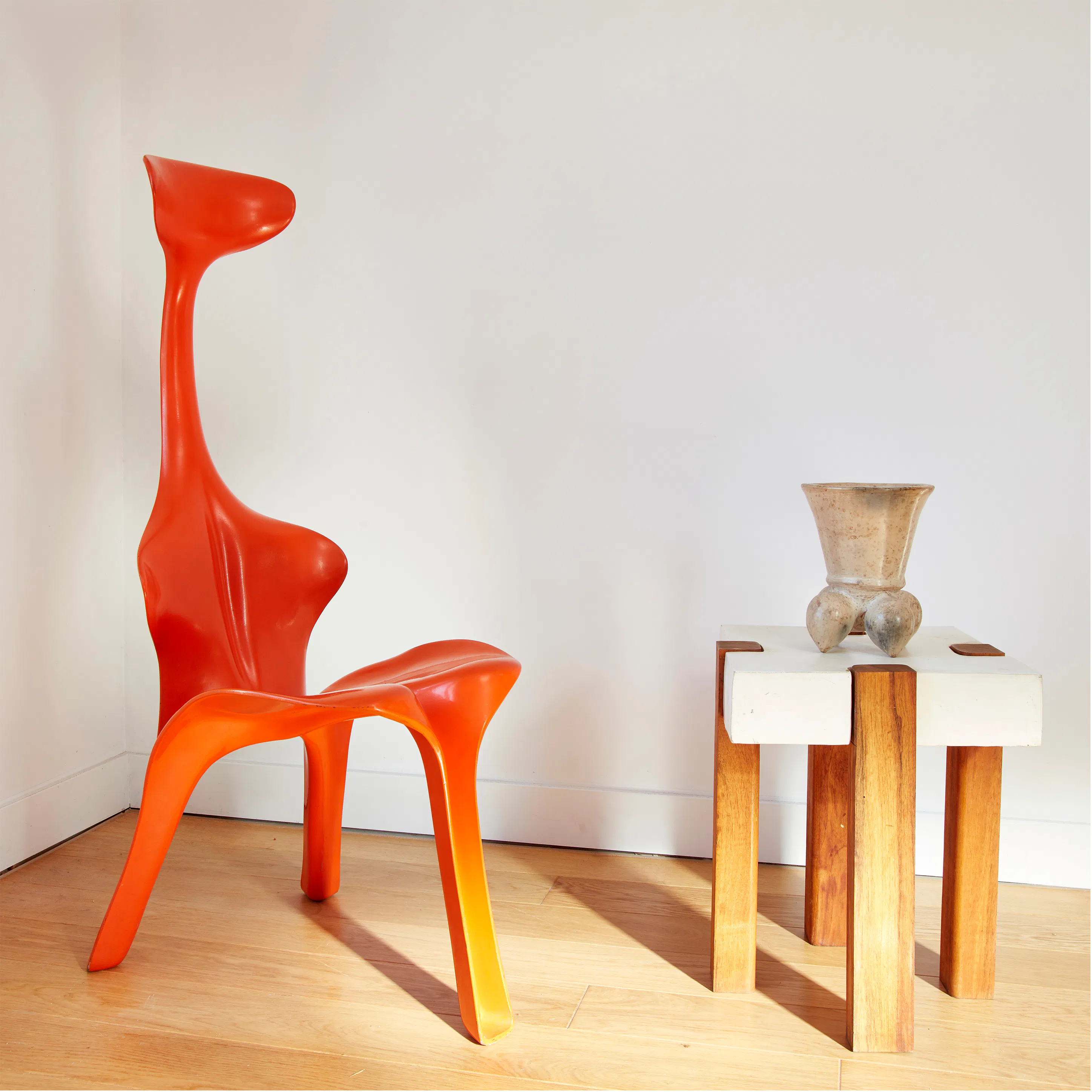
What are some unmissable lots from this auction?
Lot 155, a silver and ivory claret or water jug by Dr Christopher Dresser, a scarce model by arguably one of the most forward-thinking British designers of the late nineteenth century.
Lot 297, a rare early Floris' chair by Günter Beltzig, notable for its original biomorphic design, now seen as a trophy amongst collectors.
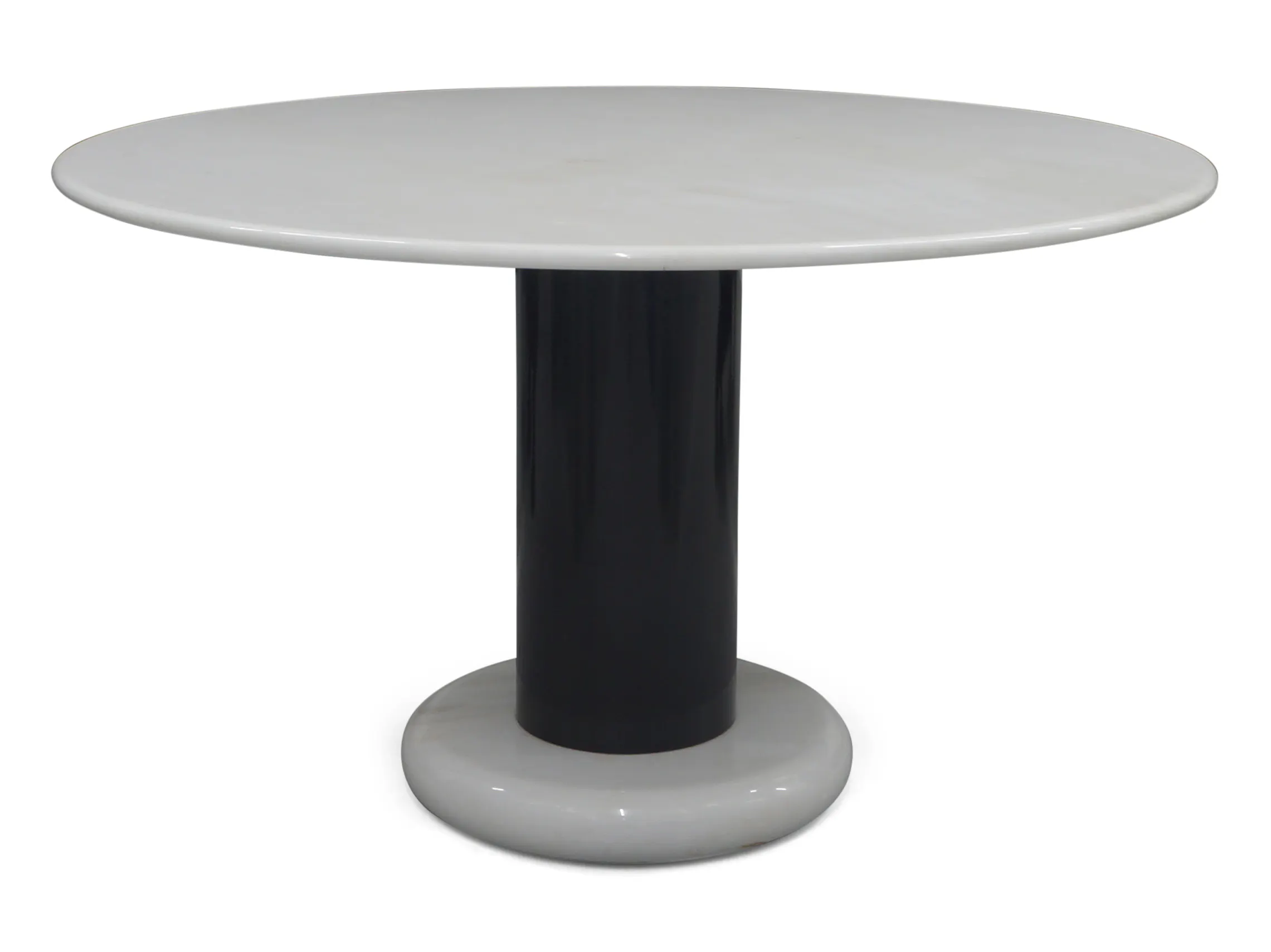
Can you tell us a bit more about one of the designers present in your sale?
Lot 333 is a ‘Lotto Rosso’ table by one of my favourites, Ettore Sottsass. Sottsass, was an Italian architect and designer, who is notable for seemingly re-inventing himself and his designs and remaining relevant for close to half a century. The breadth of his works is astonishing, from furniture, lighting, glass to ceramics and jewellery, always individual and never too serious.
Throughout his career, Sottsass worked under American architect George Nelson, designed for Poltronova and Olivetti and founded the Memphis group before eventually forming his own architectural practice Sottsass Associati. The lot we have in our upcoming Design sale is a perfectly proportioned marble and black lacquered metal table made c. 1965 for Poltronova.
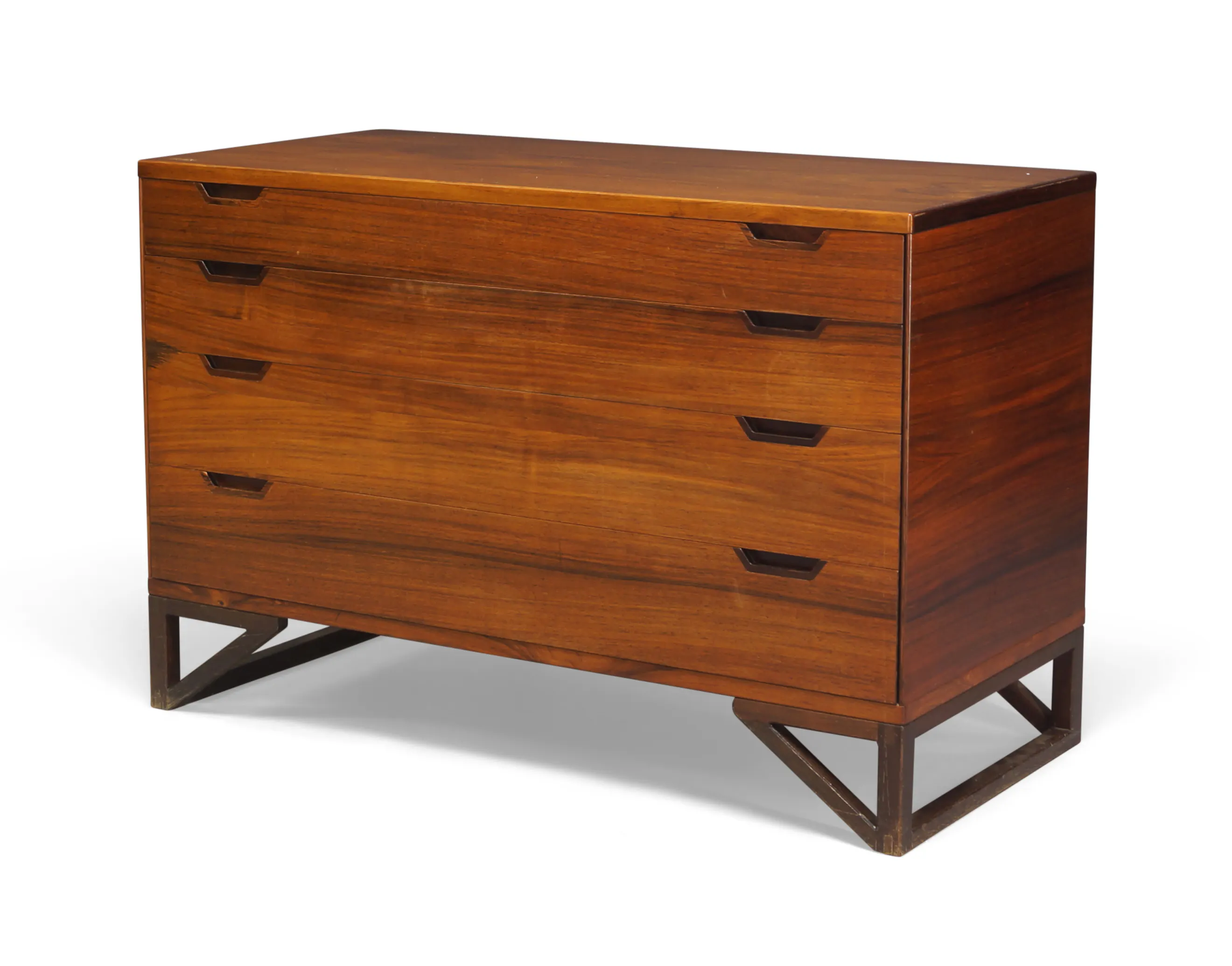
If you could keep one piece from this sale for yourself, what would it be?
Lot 273, a Danish rosewood chest of drawers by Svend Langkilde, c. 1960, retailed by Illums Bolighus. This lot is a striking example of quality craftsmanship, with beautiful rosewood veneers and stylish clean, understated lines, it would go perfectly in my bedroom.
On Barnebys, Design & Furniture was one of our top searched categories in 2021. Obviously many people spent more time indoors, and so focused on refurbishing the space around them. Do you see this increasing trend happening at Roseberys as well?
We have definitely noticed an increase in private buyers as more people work from home. I think more people are turning to auctions for their redecorating needs as they look to create more individual interiors.
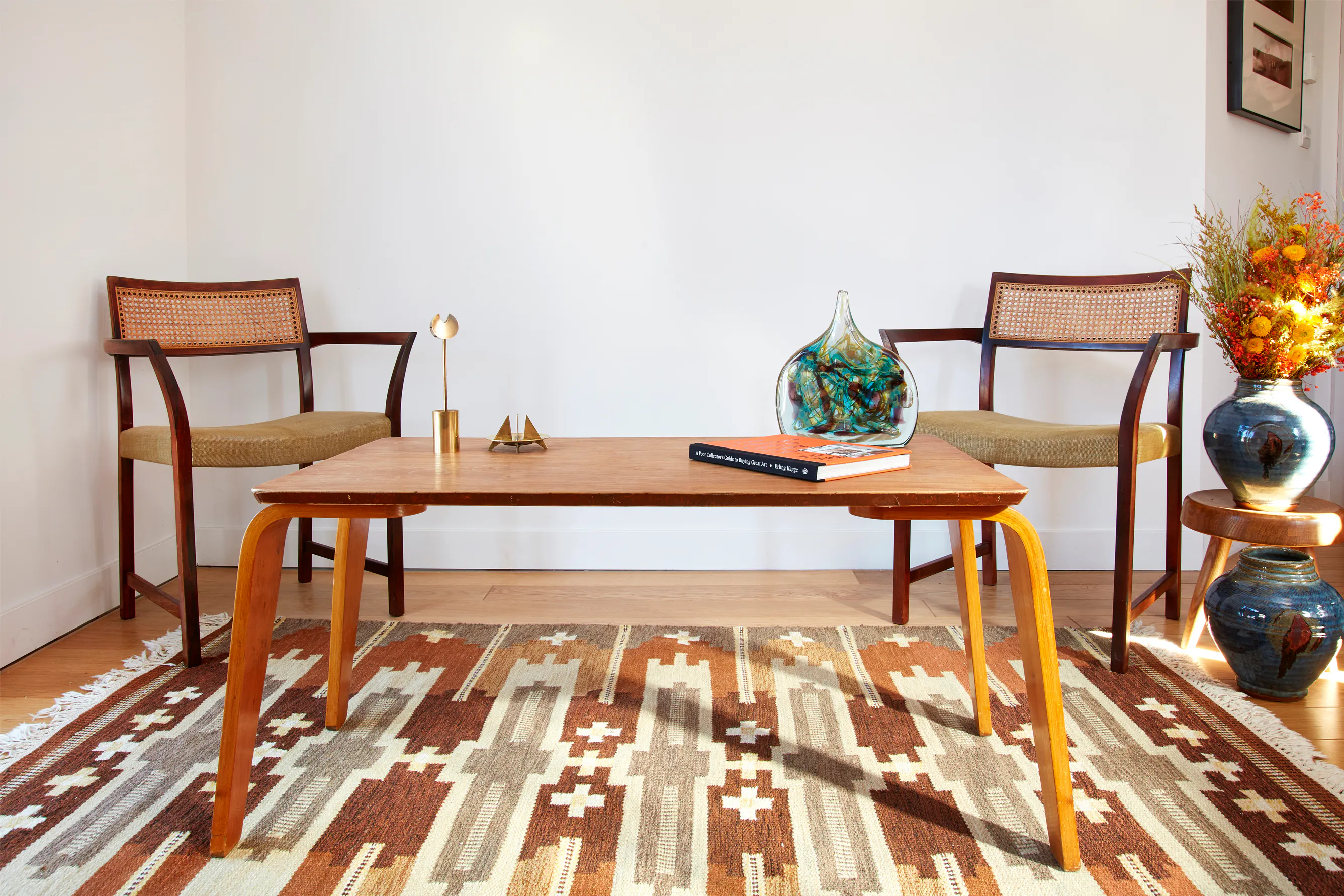
When one thinks of Design, ‘Scandi’ always comes to mind. What are some of the other trends you’ve been particularly aware of, in terms of interest from the public?
Trends and fashions are of course ever on the move, but it would seem that cream and autumnal shades for interiors are flavour of the month, with a noticeably strong demand for designer caned and wickerwork furniture as well as 1970s sofa suites.
… if I had to choose one period, it would have to be the 1950s.
Finally, If you could only decorate your house with pieces from a certain period, which period would you choose?
A difficult question to answer as I tend to collect pieces from across the twentieth century, but if I had to choose one period, it would have to be the 1950s. Post-War design took the austerity of the Bauhaus school of minimalism and developed those ideas into a more playful, colourful and therefore accessible brand of modernism, creating an aesthetic which I feel fits so well with modern living today.