
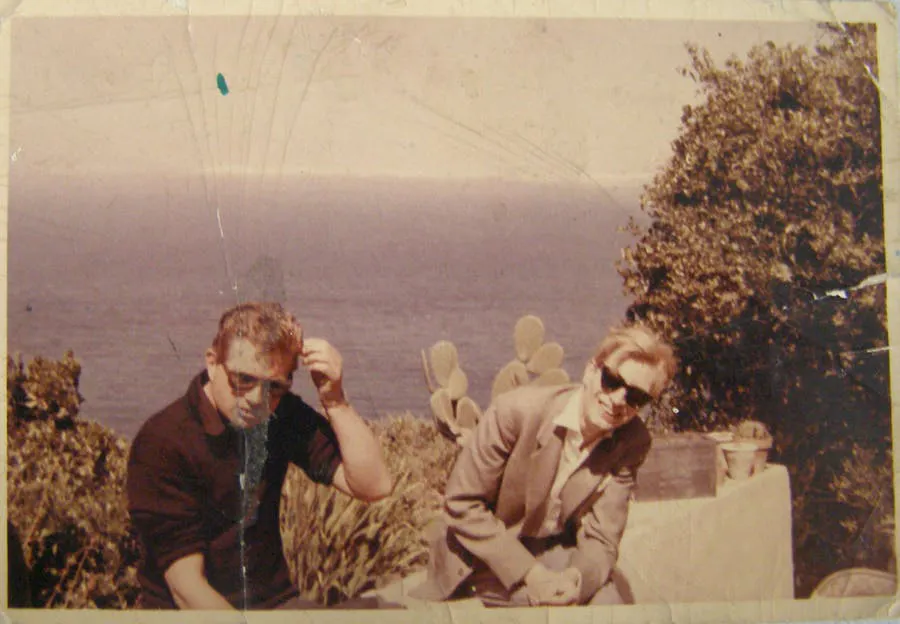
It was way back in 1952 when Francis Bacon first met Peter Lacy, a former fighter pilot. From that day forward, his life would never be the same again: theirs was a passionate, overwhelming love that hid a violent and obsessive love at its core. Bacon had just emerged from an asphyxiating eight-year relationship with the banker Eric Hall, and it was like being reborn and fading away at the same time. Lacy turned out to be an extremely violent man who beat and humiliated Bacon, once even throwing him out of a window after a dispute. "His face was so damaged that his right eye had to be sewn back in place," said John Richardson in the New York Review. But Bacon loved him, even more than he loved himself.
Bacon had fallen in love with Lacy precisely because he knew how to dominate and hurt him. This love was an addiction, a relationship of sex and blood.
Every time I go to the butcher, I think how extraordinary it is that I am not in place of the animal.
A slave to Lacy's neurotic sadism, Bacon went out of his way to stay close to him. He could not bear to be without his lover, and when Lacy moved to Tangier, Morocco, Bacon soon followed.
See also: The 10 Most Scandalous Artworks
The frustration is that people can never be close enough to each other. If you are in love, you cannot break down the barriers of the skin.
Tangier was an exotic and idyllic escape for these men, tolerant of homosexuality compared to the claustrophobic London of the 1950s. During his visits, Bacon painted many canvases. In a letter to Erica Brauser he wrote: "I hope to return with 20 or 25 paintings in early October... I am full of work and I think I can make some nice paintings now."
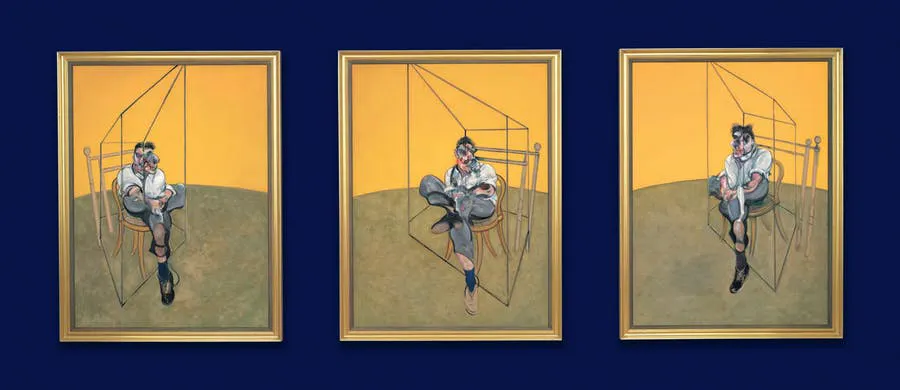
One evening, clouded by anger, Bacon destroyed almost all the canvases he had made in an attempt to eliminate his memories of Lacy. He handed over five of the six remaining canvases to his friend Nicolas Brusilowski in the hope that they could be reused. Fortunately, these works were never painted over but preserved. Among them was the 1958 masterpiece Pope, auctioned at Sotheby's for $6,642,400 (£5.18 mil) in 2019. Tangier, despite the liberal climate, proved to be fatal for Lacy. In the grips of alcoholism, he died at just 46 years old. Mere hours before the opening of Bacon’s solo exhibition at Tate in London, a telegram announced the tragic news. For Bacon it was a severe blow, a wound destined never to heal. Lacy had left him, and this time it was for forever.
See also: Egon Schiele: A Singular Style
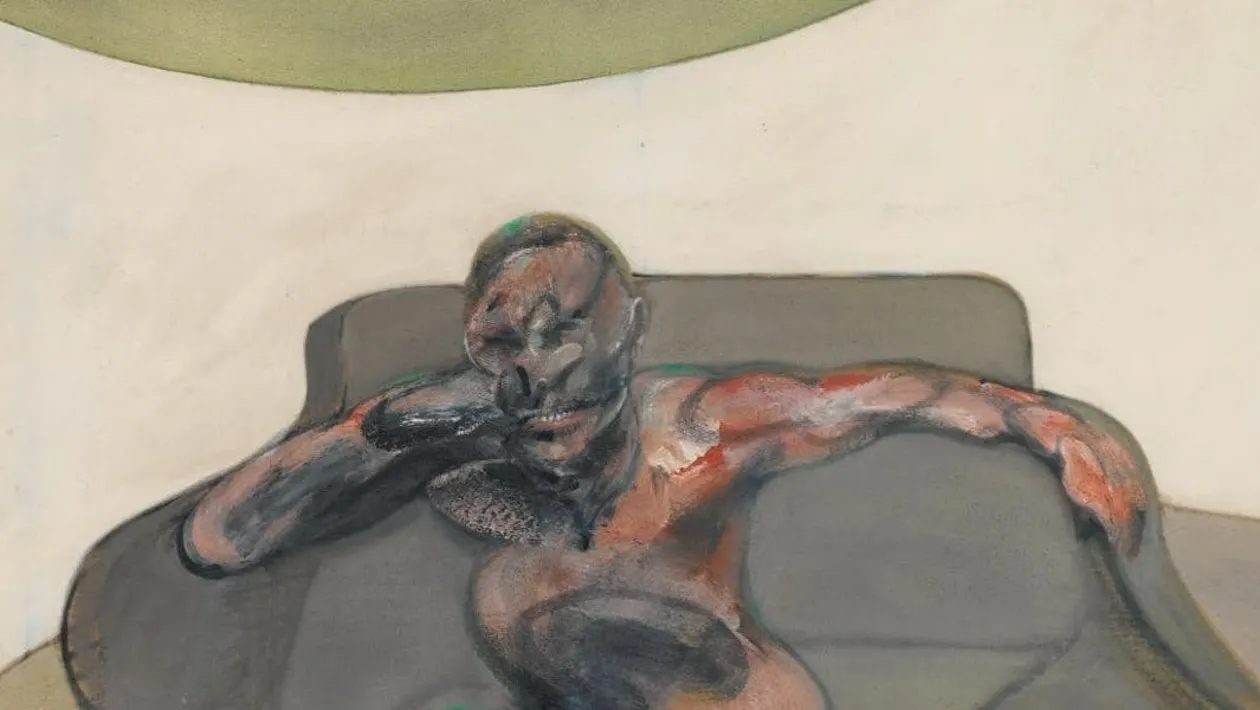
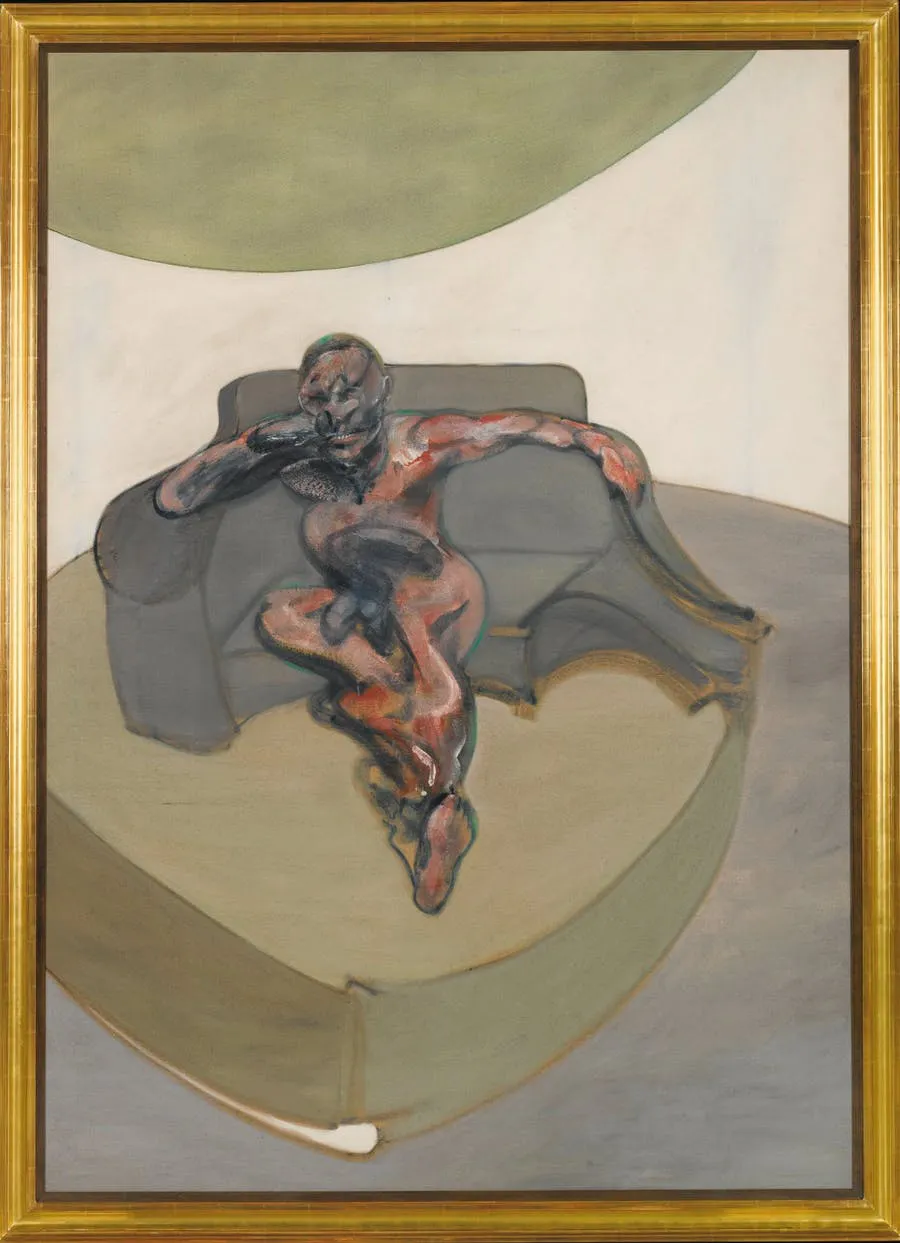
After Lacy’s death, Bacon continued to portray him as he remembered him, complete with vices and weaknesses. Study for a portrait of P.L dates back to 1962, the year of Lacy's death. A true masterpiece of physiognomic, psychological and emotional analysis, the man sits with his arms folded and a glass of wine in his hand. He is set against an antiseptic and timeless background, which does not reveal any precise spatial location. Bacon's gaze rests on Lacy's face, ready to upset the intimacy. From victim to perpetrator he torments Lacy, devouring him from the inside and taking possession of him until Bacon himself is unrecognisable and deformed.
As Milan Kundera wrote, “Bacon's portraits are a question about the limits of the self. To what degree of distortion does an individual still remain himself? To what degree of distortion does a loved one still remain a loved one? How long does a dear face that sinks into disease, madness, hatred, death, remain recognisable? Where is the frontier beyond which an ‘I’ ceases to be ‘I’?"
See also: Top 6: The Art of the Kiss
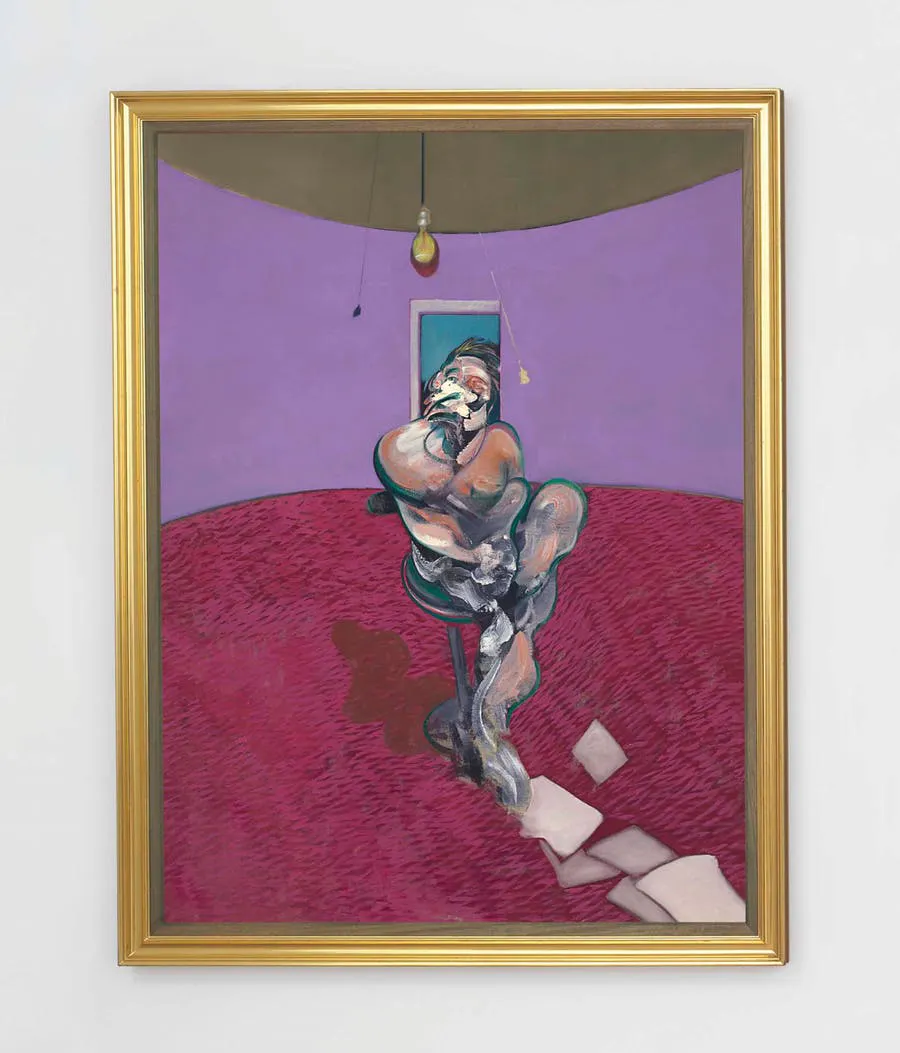
In a constant search for love, Bacon soon found another man in his life. But this time, history was bound to repeat itself in reverse – in another turbulent relationship, the ensuing love and violence would lead George Dyer to both physical and psychological collapse.
Discover more Francis Bacon on Barnebys
Article by Giulia Mastropietro