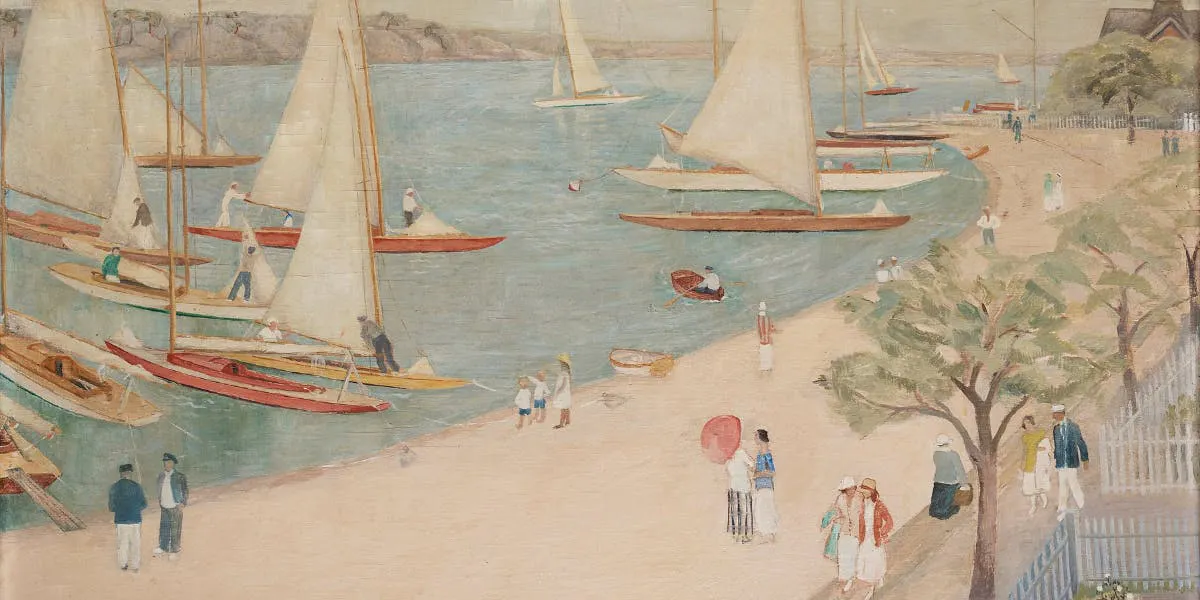
![Sigrid Hjertén, ‘Opera’, oil on canvas, 73 x 100 cm [detail]. Image © Bukowskis](https://images.prismic.io/barnebys/e0639082-a3b9-45de-bb56-e6240d8d275f_Cover.jpg?auto=format,compress)
After a world record for the most expensive Swedish contemporary work of art by a living artist (by the duo Nathalie Djurberg & Hans Berg), and sensational results for its sale of contemporary art and design, the next Bukowskis’ auction is looking equally promising. Their ‘Modern Art + Design’ sale will start on 23 November and will feature hundreds of pieces of furniture, including classics by Hans J. Wegner, Finn Juhl, Bruno Mathsson and Josef Frank. Must-sees also include Gunnar Asplund's unique armchairs for Skandia Teatern or the fantastic wall sculpture by Rut Bryk from the 1970s.
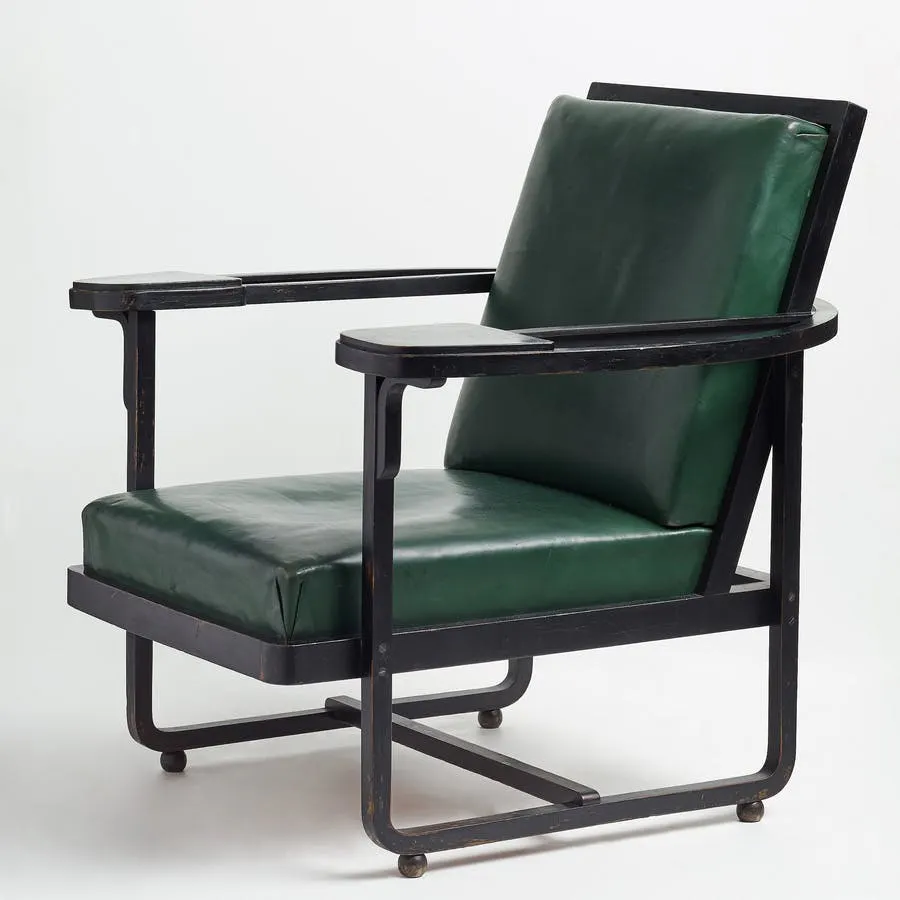
At just 25 years old, Swedish architect and designer Carl Bergsten (1879-1935) was appointed chief architect of the Norrköping Industrial Exhibition in 1906, one of the largest modern events in Swedish history. For the project, he was inspired by a trip to Vienna a few years earlier, where he had met Josef Hoffmann, Austrian architect and founder of the Wiener Werkstätte (an association of artists and craftsmen whose goal was to produce decorative objects, buildings and textiles independently). While in Vienna, Bergsten was introduced to the woodcutting techniques used by Hoffman and his colleagues.
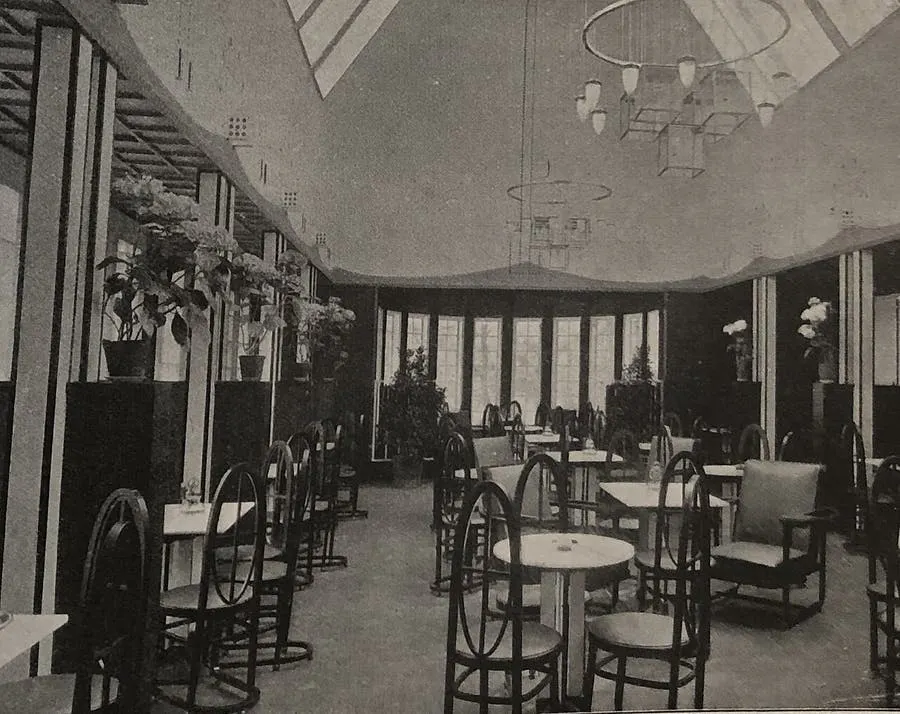
Bergsten designed, among other things, a chair and an armchair for the Strömsholmens café-restaurant in the exhibition. Together with the Gemla Leksaksfabrik manufacturer in Diö, Bergsten experimented with materials and techniques, resulting in the first Swedish bentwood furniture, which was used in the restaurant premises. According to the images in the exhibition, the chair was made in only a few copies and the majority of the seats are believed to have been destroyed in a fire in the 1930s, making them extremely rare. The armchairs offered at Bukowskis are said to be Bergsten's first examples and were given as a wedding gift to his friend and colleague Ernst Lundberg in 1906. The pair of armchairs has since remained in the possession of the family.
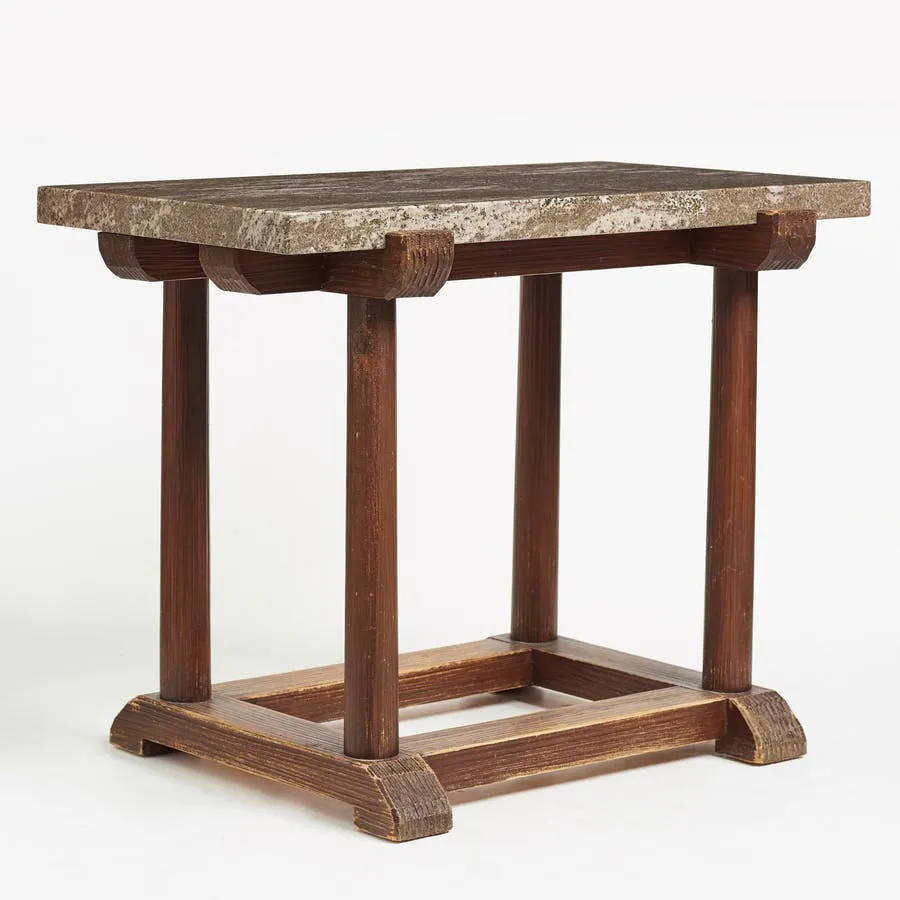
Sweden's most prominent designer, Axel Einar Hjorth (1888-1959), is represented with around thirty objects from furniture series such as Sport, Lovö, Tösse, Utö and Sandhamn. At the start of his career, Hjorth was designing luxury furniture for the Nordiska Kompaniet department store in Stockholm. Faced with some criticism, he turned to designing simpler furniture that could be mass produced. The Sandhamn table in pine and granite top, bought for an apartment on Norr Mälarstrand in Stockholm, remained, by descent, in the same family. In a 1956 estate register, the piece was described as a ‘table with a stone top’ and was valued at just 30 Swedish Krona (£2.63).
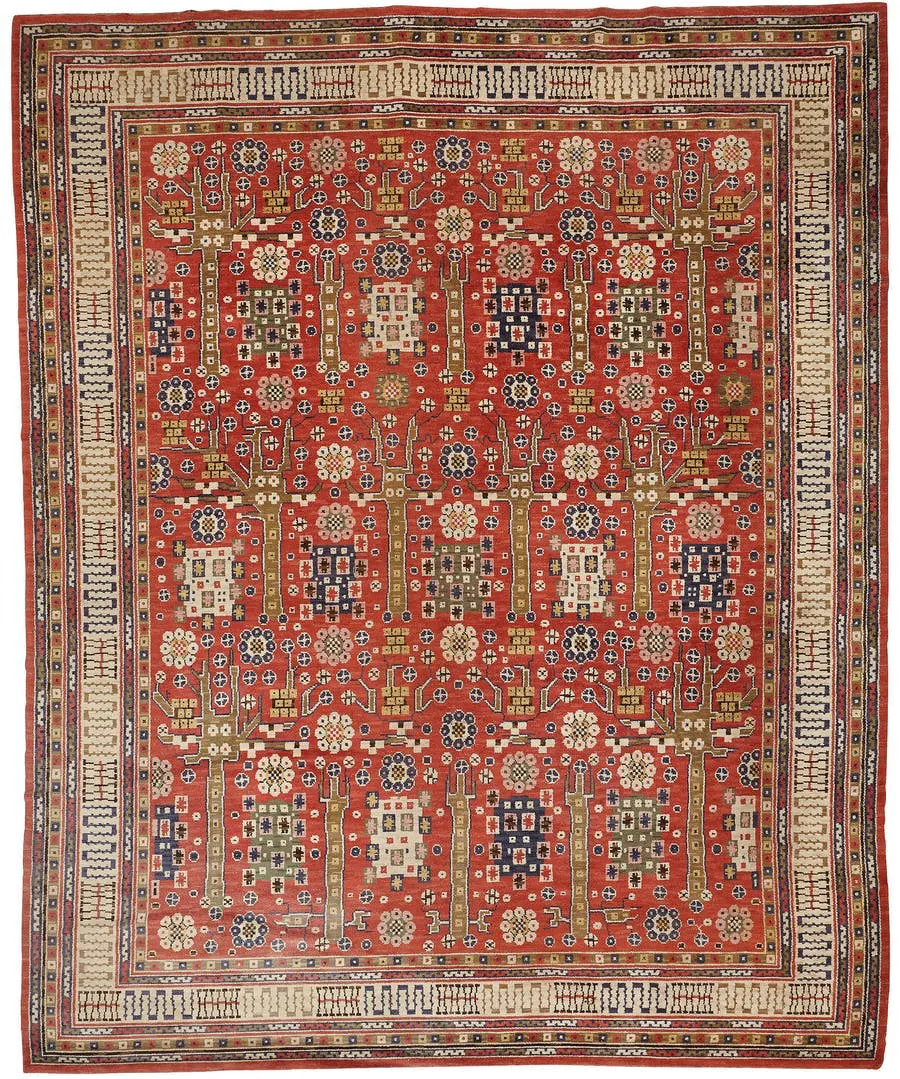
For more than a century, the name Märta Måås-Fjetterström (1873-1941) has been synonymous with high level craftsmanship. At 46, she opened her own weaving workshop in Båstad. Her motifs were inspired by nature and ancient Scanian textiles (from the province of Scania, in southern Sweden), as well as oriental rugs discovered during the Stockholm exhibition in 1897. Thanks to her preparatory sketches in watercolour, her works (more than 700), were able to come to life even after her death. The Röda trädgårdsmattan rug was designed for the Gothenburg anniversary exhibition in 1923, but was made after her death in 1941.
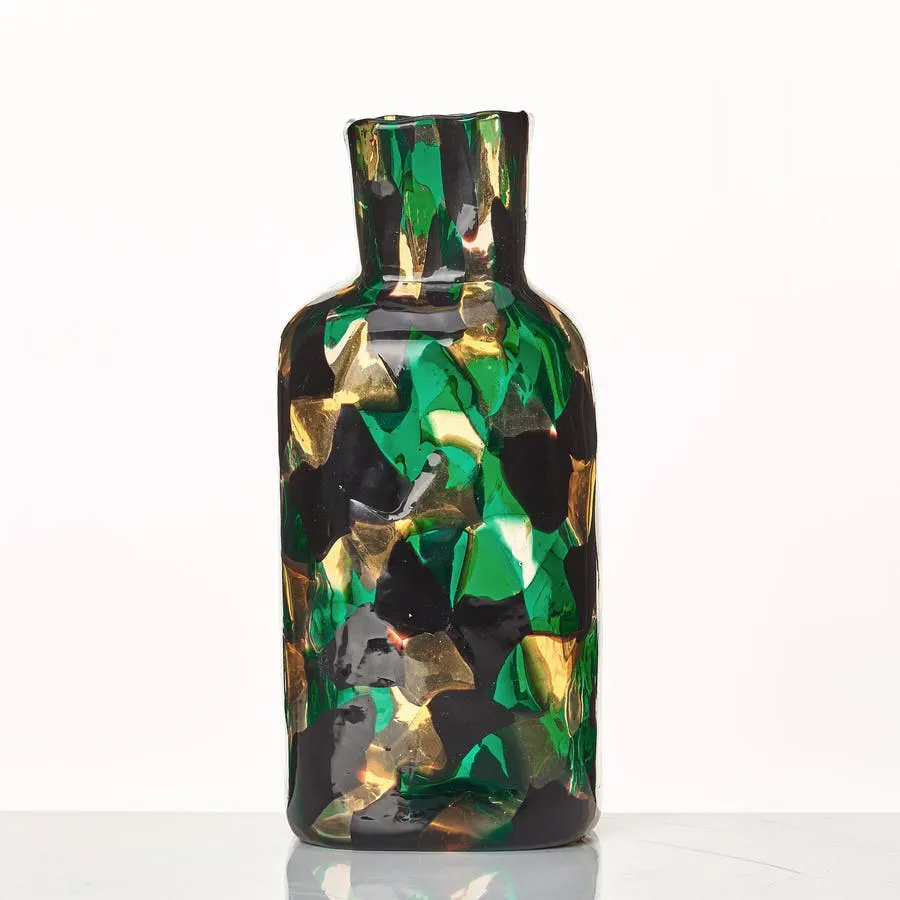
The Pezzato Americano vase is characteristic of the work of master glassmaker Fulvio Bianconi. For his colourful and wavy vases, bowls and pitchers, the artist was mainly inspired by cartoon characters and non-figurative art. Bianconi became interested in caricature at a very young age, before his studies at the Istituto Statale d'Arte Carmini. He continued his studies at the Accademia di Belle Arte while working as an apprentice in Murano. During his career, he worked both as a graphic designer and a glass artist, a dual talent that allowed him to create colourful and humorous pieces.
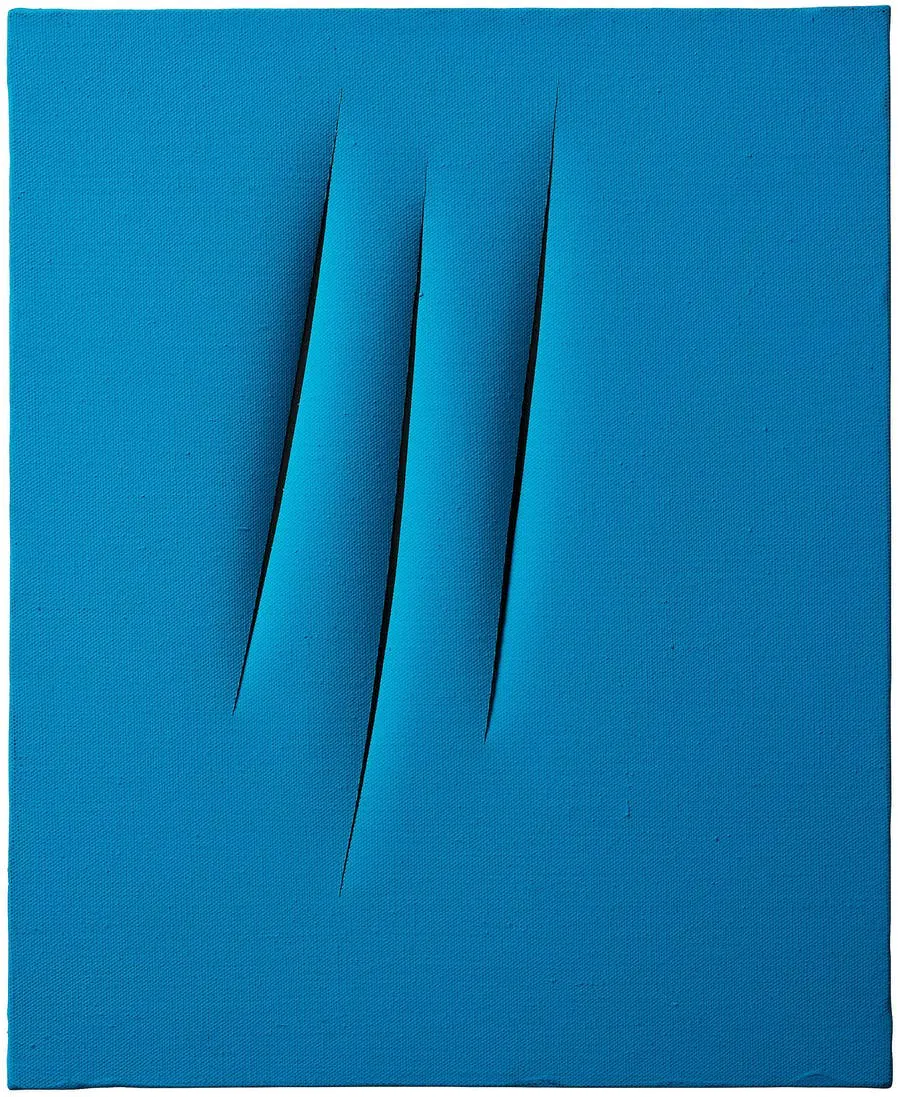
On 25 November, modern art will be in the spotlight with 244 works ranging from oil paintings to sculptures, including colour lithographs. The catalogue includes works by, among others, Lucio Fontana, Hans Hartung, Gerard Sekoto, Max Ernst, Lynn Chadwick, Einar Jolin, Ragnar Sandberg and Sigrid Hjertén.
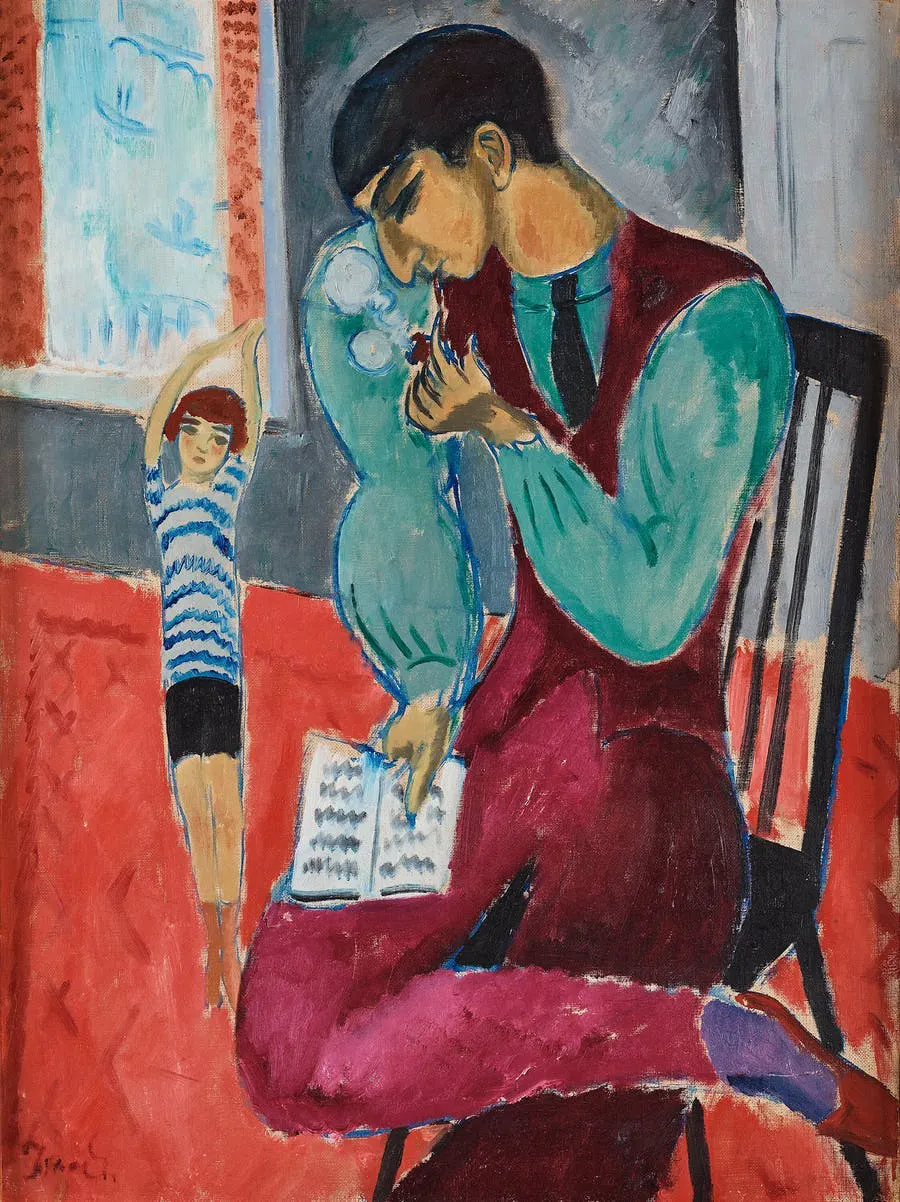
The work Father and Son was painted by the Swedish expressionist Isaac Grünewald (1889-1946) during one of his most productive periods. The painting, which shows Isaac Grünewald with a book and his son Ivan dancing in the background, differs from the artist's second known self-portrait, in which he appears alone. In this painting, he and his son are represented in a domestic environment, a setting more typical of the work of his wife and contemporary, Sigrid Hjertén.
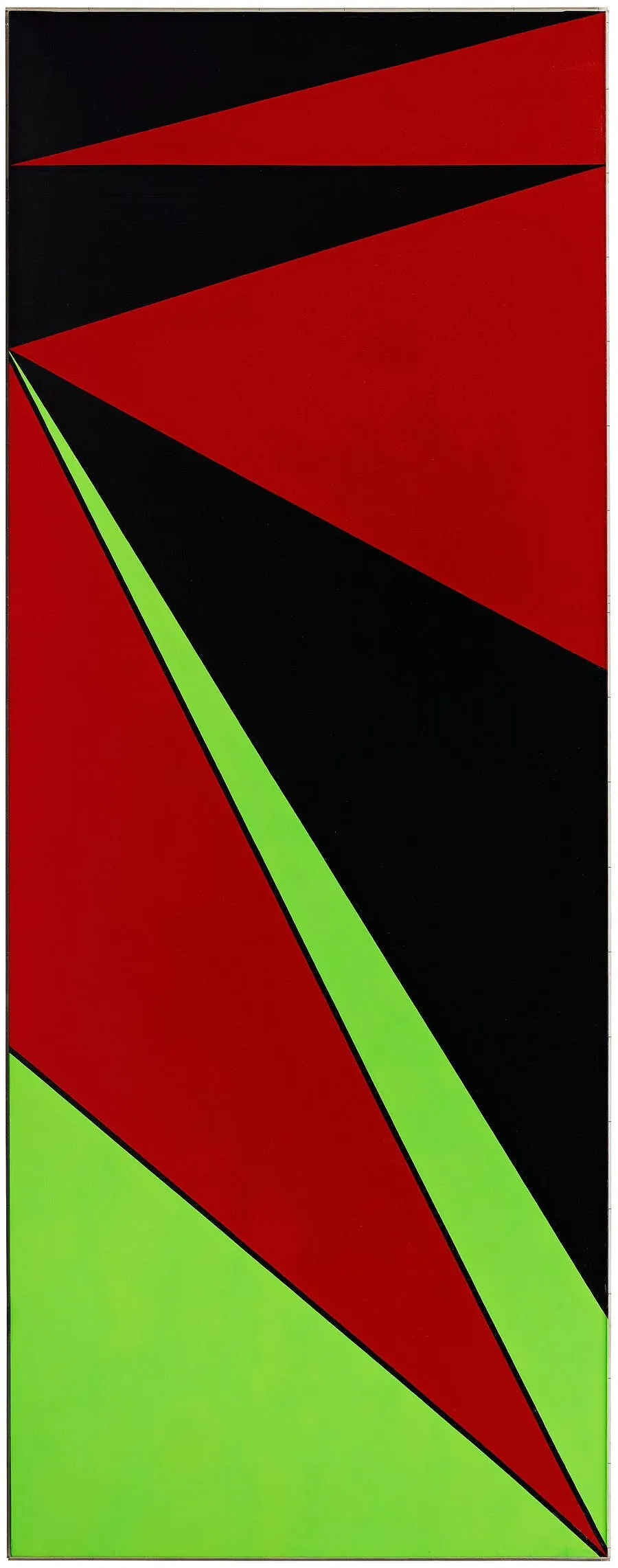
The 1950s marked the most important period in the career of Swedish artist Olle Baertling (1911-1981). Employed at the Scandinavian Bank in Stockholm, the artist began to take increasingly long holidays to finally go to Paris, where he met André Lhote, Fernand Léger, Victor Vasarely and Auguste Herbin. It was through the latter that his career really took off: Herbin introduced him to the gallery owner Denise René, who took Baertling under her wing.
Baertling began to create unique works adorned with triangles and geometric lines, and in 1955 presented his ‘asymmetrical triangles’: huge works interspersed with diagonals. The titles of Baertling's works are taken from Greek and Indian mythology, such as the monumental painting Mithra, one of the most important in the series, named after the god of sun and light.
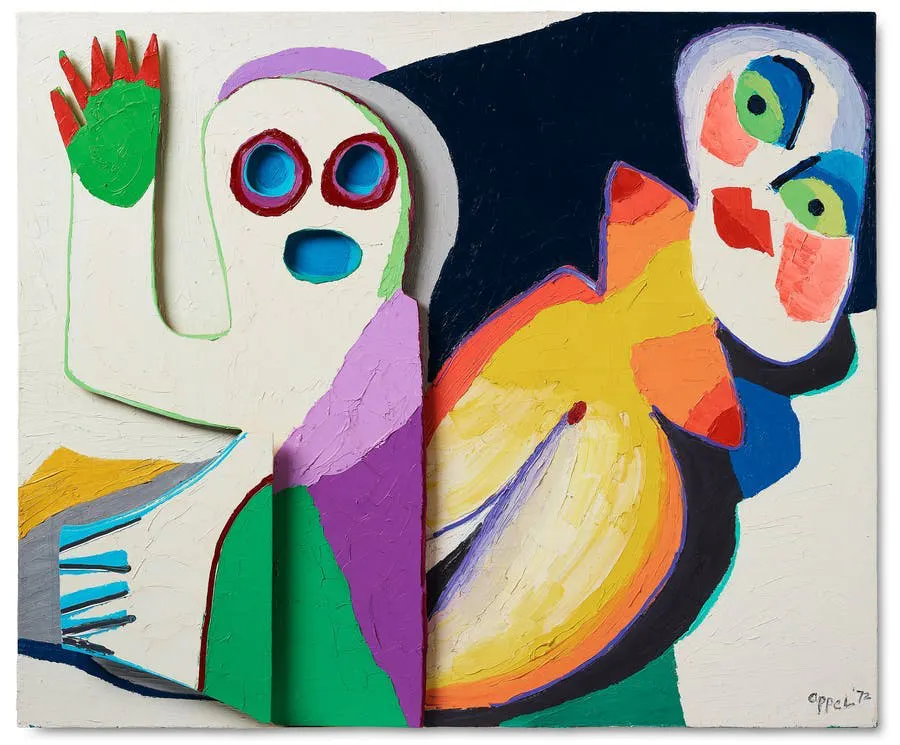
In his early days, Dutch artist Karel Appel (1921-2006) was inspired by the work of Pablo Picasso, Henri Matisse and Jean Dubuffet. But in 1948, he collaborated with the likes of Asger Jorn and Pierre Alechinsky, members of the famous CoBrA group. The benchmark imagery of the group distanced itself from Surrealism, Dadaism, Abstraction and, in general, from all current movements, which the members judged too theoretical and cerebral. The group preferred to focus on the zero element of art: the act of creation.
Inspired by Paul Klee and Joan Mirò, The CoBrA group’s works are born from a naive and experimental contribution, which owes a lot to primitive and childish art. The pure value of the creative moment is ultimately returned to the centre of the practice, without being contaminated by speculation about the end result. “I have always dreamed of revolutionary forms and expressions, which would reflect life itself and society, nature and the city. I have always dreamed of capturing the secret movement of existence in the most spontaneous, flexible and transparent way possible,”Appel once said.
In 1949, he created a ‘naive’ fresco for the city hall in Amsterdam, but it was covered over for ten years. The offended artist therefore moved to Paris in 1950 and in the following years he broke through the international scene when he travelled around Europe, South America and the United States. During the 1970s and ‘80s, Appel worked with sculpture and painting. In the colourful work Two People from 1972, he has combined three-dimensional shapes with traditional painting, creating a composition that is both bold and playful.
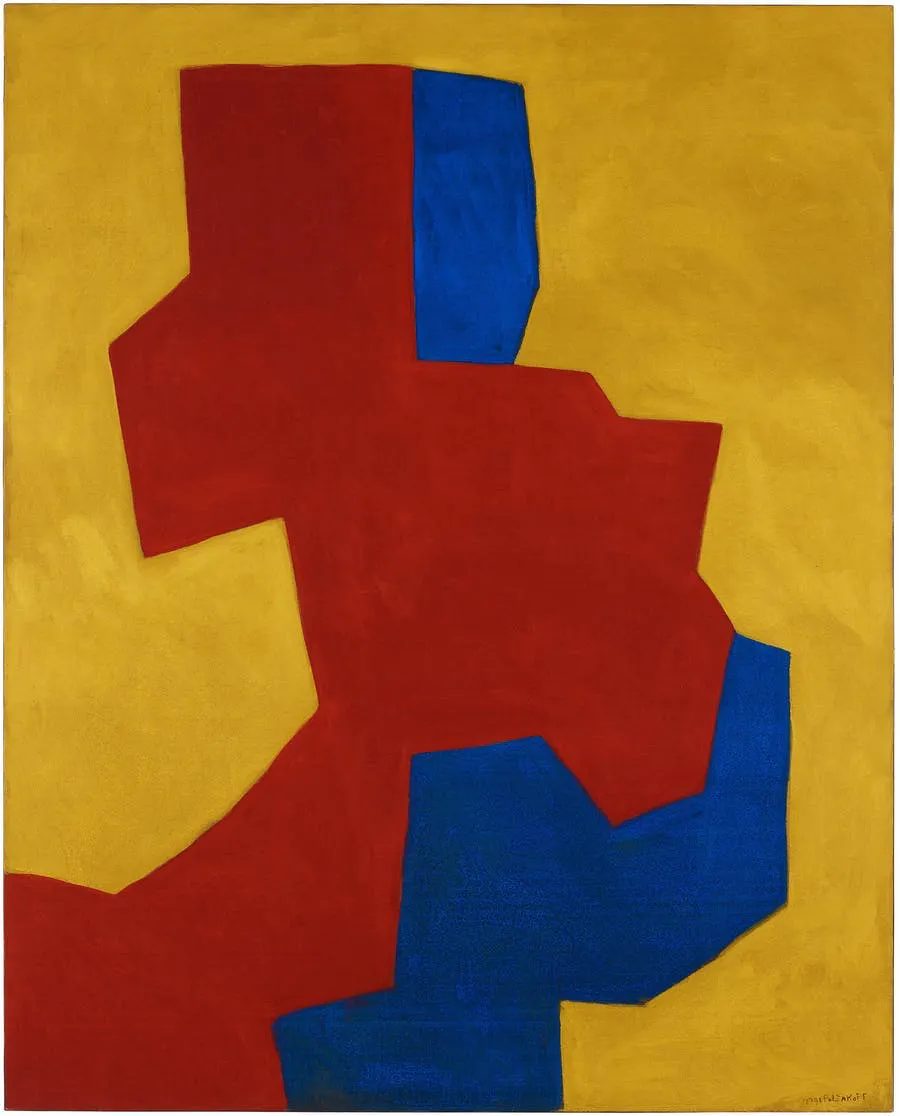
At the outbreak of the Russian Revolution of 1917, Serge Poliakoff (1900-1969) fled the capital, abandoning his studies at the Academy of Fine Arts. For a few years, Poliakoff travelled through Eastern Europe, performing as a cabaret musician to support himself. In the early 1920s, he enlisted at the Académie Frochot and the Académie de la Grande Chaumière in Paris, before finishing his studies in London in 1935. A few years later, Poliakoff met artists such as Wassily Kandinsky, Sonia and Robert Delaunay, Otto Freundlich and Victor Vasarely.
It was then that he joined non-figurative art, using dark colours and abstract structures, which had become characteristic of his work in the mid-1960s. For the artist, matter prevailed over form and obtaining good nuances was essential (he went so far as to mix his own pigments). The abstract composition presented here, dated 1967, is one of the works painted during the most significant period of his career.