Death, melancholy, decay and sexuality are all themes that can be found in Sally Mann's work. These are concepts that, by definition, make many uncomfortable and are among the reasons that controversy has arisen around her art. Several of Mann's series show both her husband and children in situations that most of us might prefer to keep to ourselves. At the same time, many of her works show a great deal of security that exists between Mann as a photographer and her human subjects, where strength is a primary element.

Mann was born in Lexington, Virginia in 1951 and has been active in photography for over four decades. She started her career as a landscape photographer, where the American South was her primary subject, then worked in still life, architecture and portraiture. Her entire career has been primarily in her own home environment, thus keeping close to her roots.
See also: Cindy Sherman: An Overexposed Psyche
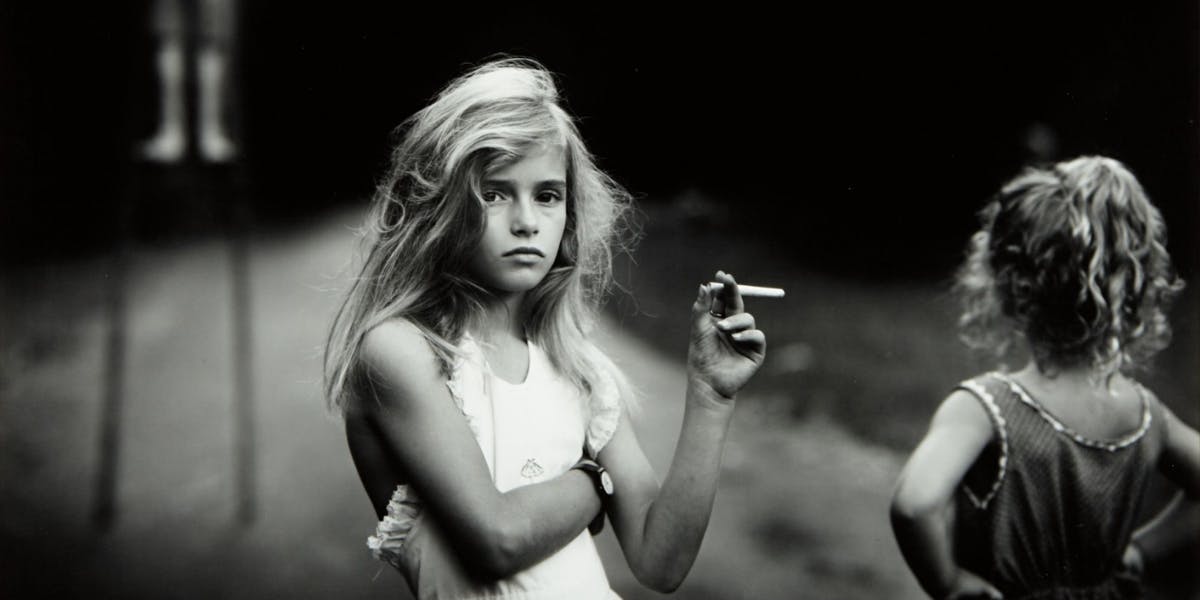
Even before Mann's first solo exhibition in 1977 at the Corcoran Gallery of Art in Washington, her work was featured in the art world. In the 1980s, the series 'At Twelve: Portraits of Young Women' received great criticism. Mann herself found her artistic alias with this series, a study of what it is like to be a girl and a young woman. But it was with the 1992 'Immediate Family' series that she drew serious public attention.
The series consisted mostly of black-and-white photographs of Mann's own family, with her three children in focus. The series featured Mann's children in everyday situations, such as playing, having family dinners and napping. For the most part, the series was photographed at the family's desolate country home. Despite the everyday motif of the series, 'Immediate Family' caused widespread discussion within the US.
See also: Feminism Captured: 9 Historic Photographs
The melancholic undertones and that her children were often naked resulted in conservative voices accusing Mann of sexualising her children and criticising her parenting. Some considered the series to be child pornography. Mann herself claimed she never experienced the need to separate her artistry from parenthood – they are both inspired by each other, and, for many, nudity is a common feature of childhood.
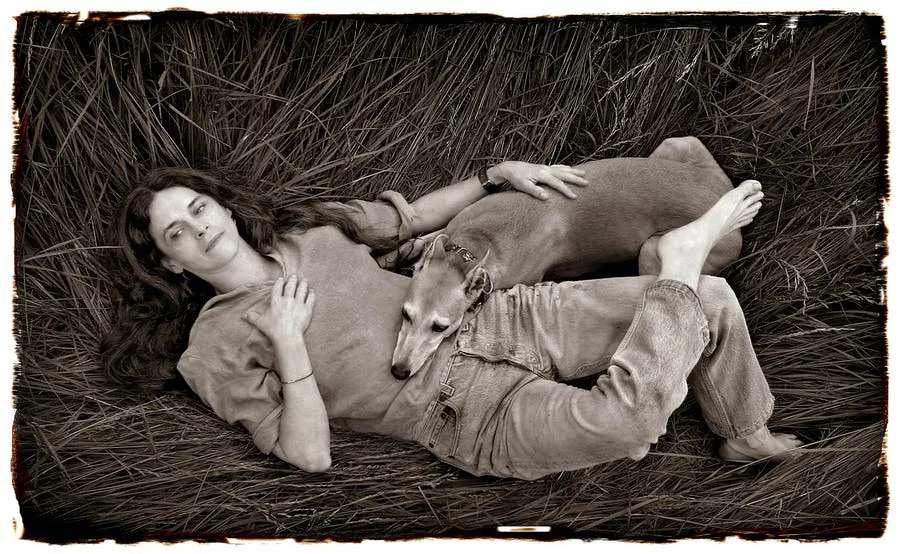
During the same period that 'Immediate Family' was being debated, a broader conversation about the direction of culture in the United States was going on. Subjects such as abortion, homosexuality, religion and weapon regulations put the discussion at its head. The cultural war became a controversy between those with conservative values and those with more progressive voices. Despite some negative criticism, 'Immediate Family' was also met with admiration. When Time magazine appointed Mann as 2001's best photographer, the critically-acclaimed series was specifically mentioned as a contributing factor.
See also: The 11 Most Expensive Photographers
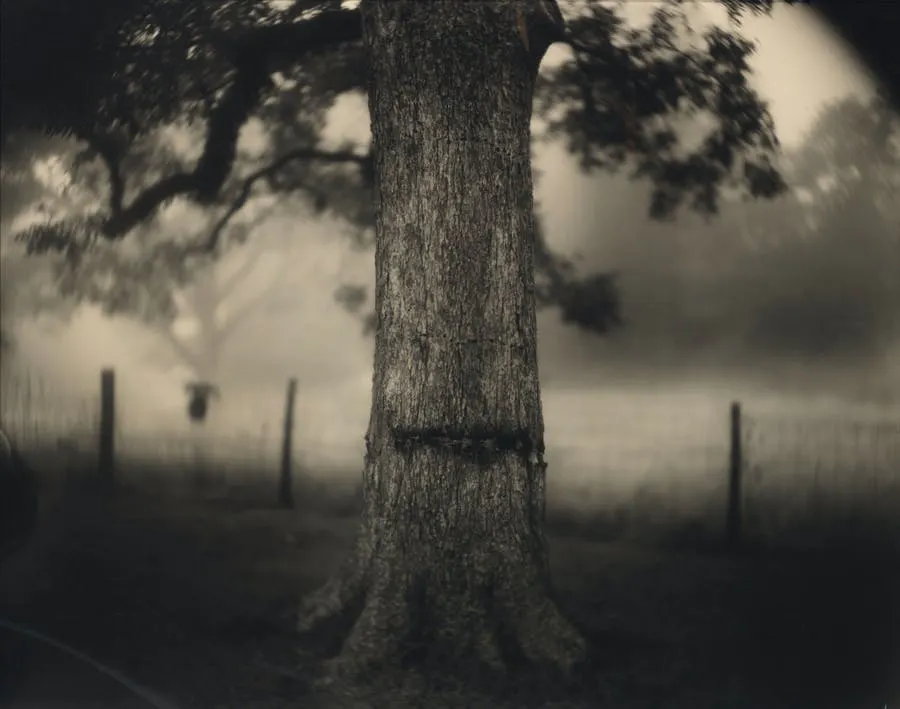
During the twenty-first century, Mann continued with landscape photography in two series, 'Deep South' and 'Motherland'. 'Deep South' comprised sixty-five black-and-white photographs depicting ghostly landscapes, old battlefields and a place known for lynching in 1955.
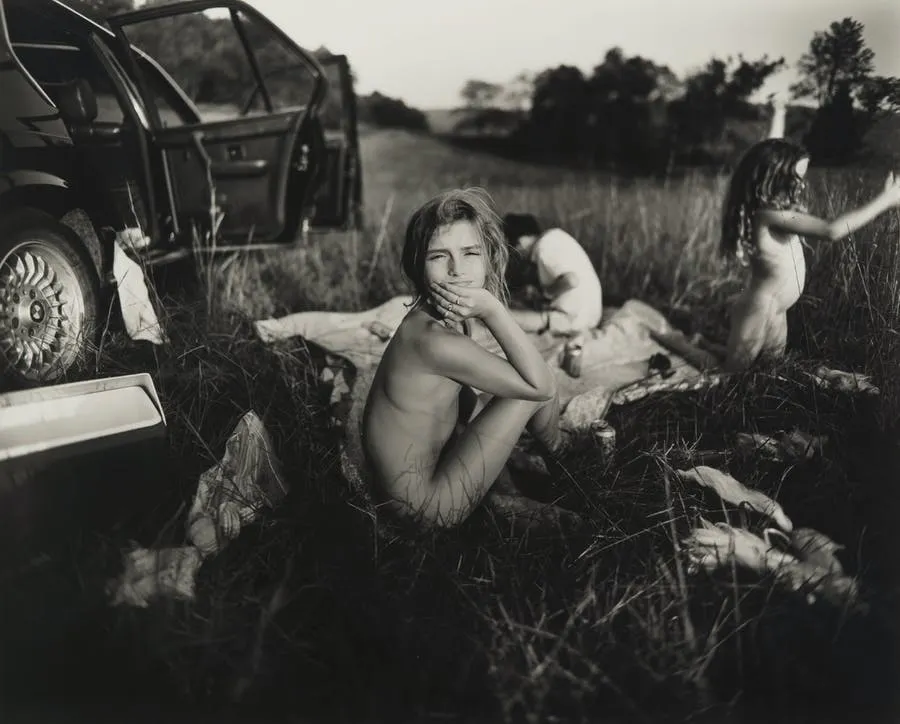
In the book What Remains (2003), Mann returned themes such as death and corruption, dividing the book into four parts. The first section shows Mann's dead dog alongside photographs of scattered corpses. The bodies were part of a research project in the vicinity of Mann's home, where the foreclosure process was being investigated.
See also: The Female Look: 11 Women Who Changed Photography
The next section consisted of photographs from Mann's property, where a detained prisoner who had managed to arm himself was killed by a police officer. The third section showed the battle at Antietam, a place of significance in the American Civil War. The last series comprised portraits of Mann’s three children, ending What Remains with a hopeful sentiment.
Death and the transience of life is an ongoing theme in Sally Mann's artistry. In the 2009 series 'Proud Flesh', she photographed her husband Larry suffering from muscular dystrophy for a period of six years.

The small town of Lexington hosted another great artist, namely that of painter Cy Twombly. Mann and Twombly shared several common themes in their work, despite their distinctive artistic expressions. Mann's parents got to know Twombly at a dinner in the 1940s when Twombly was still in his adolescence. When the artist moved back to the hometown in 1994 after many years in Italy, Mann and Twombly's relationship developed into a close friendship, which remained strong until Twombly's passing in 2011.
See also: 5 Feminist Masterpieces
After Twombly's death, Mann's photographs of the painter's home and his studio were released under the name Remembered Light: Cy Twombly in Lexington 2016.
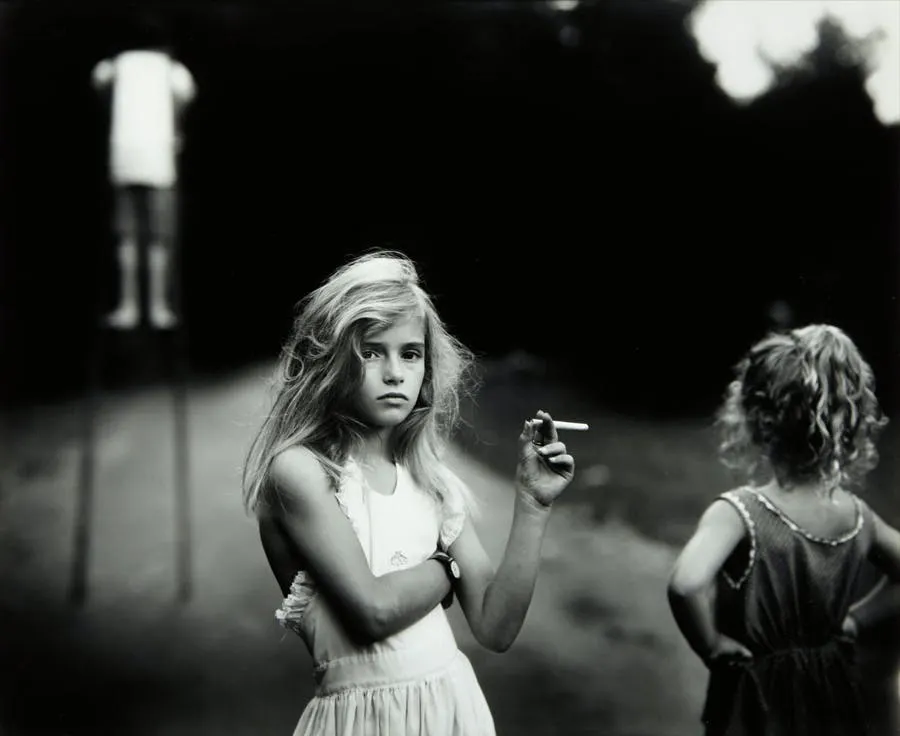
During the period that Mann worked with the exhibition Remembered Light, the Mann family suffered a tragedy when the photographer's oldest child Emmett took his own life. Emmett had suffered from schizophrenia for a large part of his life, and his death caused Mann to isolate herself for several years in her family's home. In her memoirs, Mann wrote that she never separated her artwork from her role as a parent, that they were strongly linked. Perhaps it's just that: parenthood and artistic work are two sides of the same coin that make Mann's photography so unique and admired.