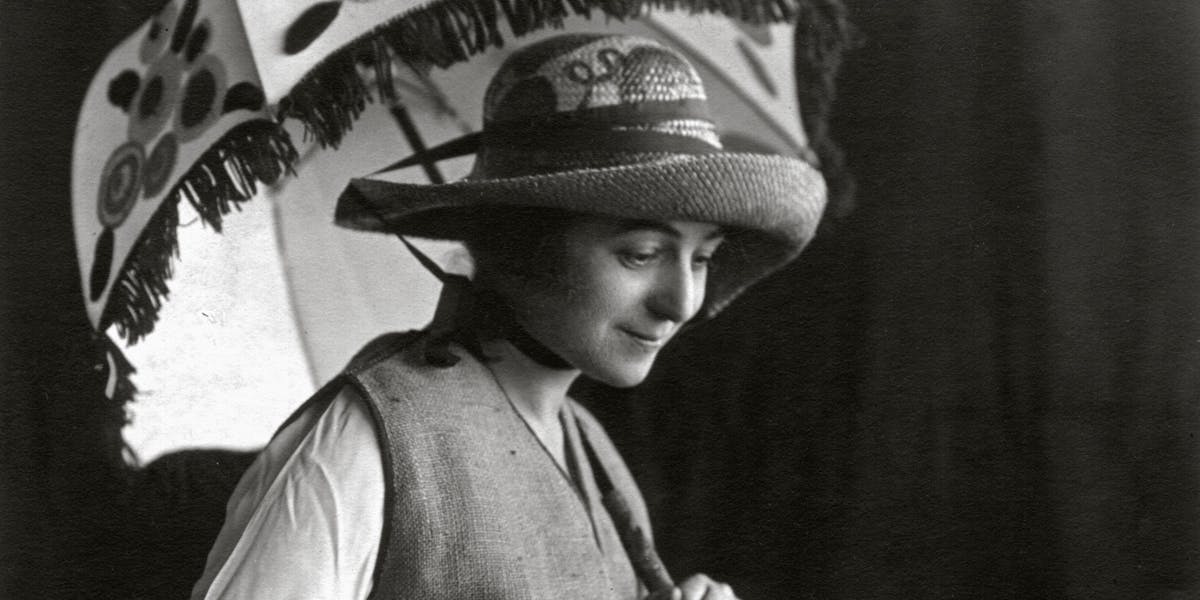
I love creation more than life and I feel I have to express myself before I disappear.
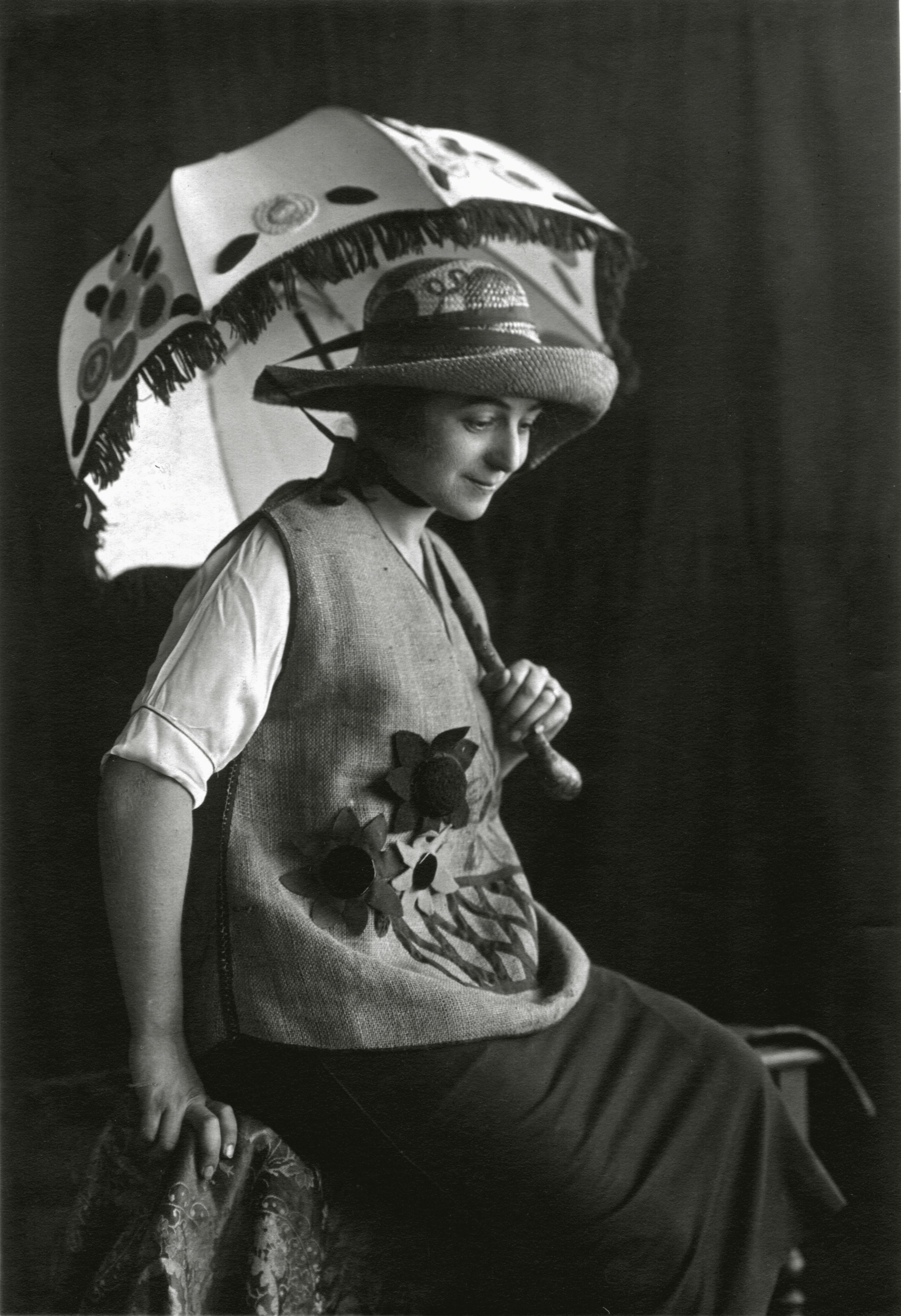
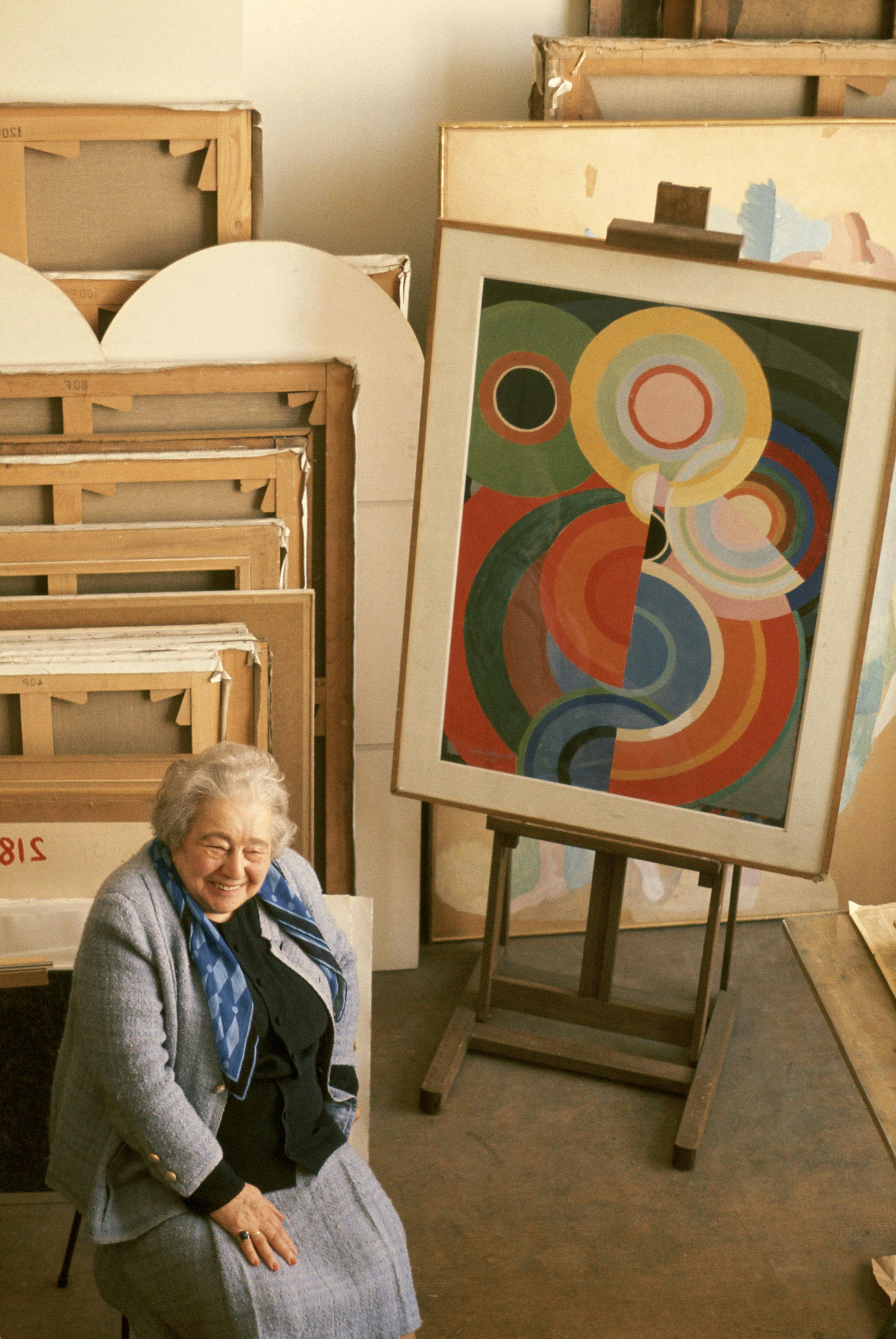
Sonia Delaunay’s artistic oeuvre came out of the early 20th century, an era marked by dramatic change, instability and the advent of the modern. Her work was rooted in the expression of vibrant colour and employed dynamic contrasts and the fluidity and abstraction of shape. Delaunay’s work was singular in that she deftly transcended the traditional definition of art, combining the painterly qualities and colour vitality of her work into textiles, clothing, and home décor, blurring the lines between fine art and craft and ushering in a new representation of the modern woman.
See also: Impressionism: Between Shadow and Light
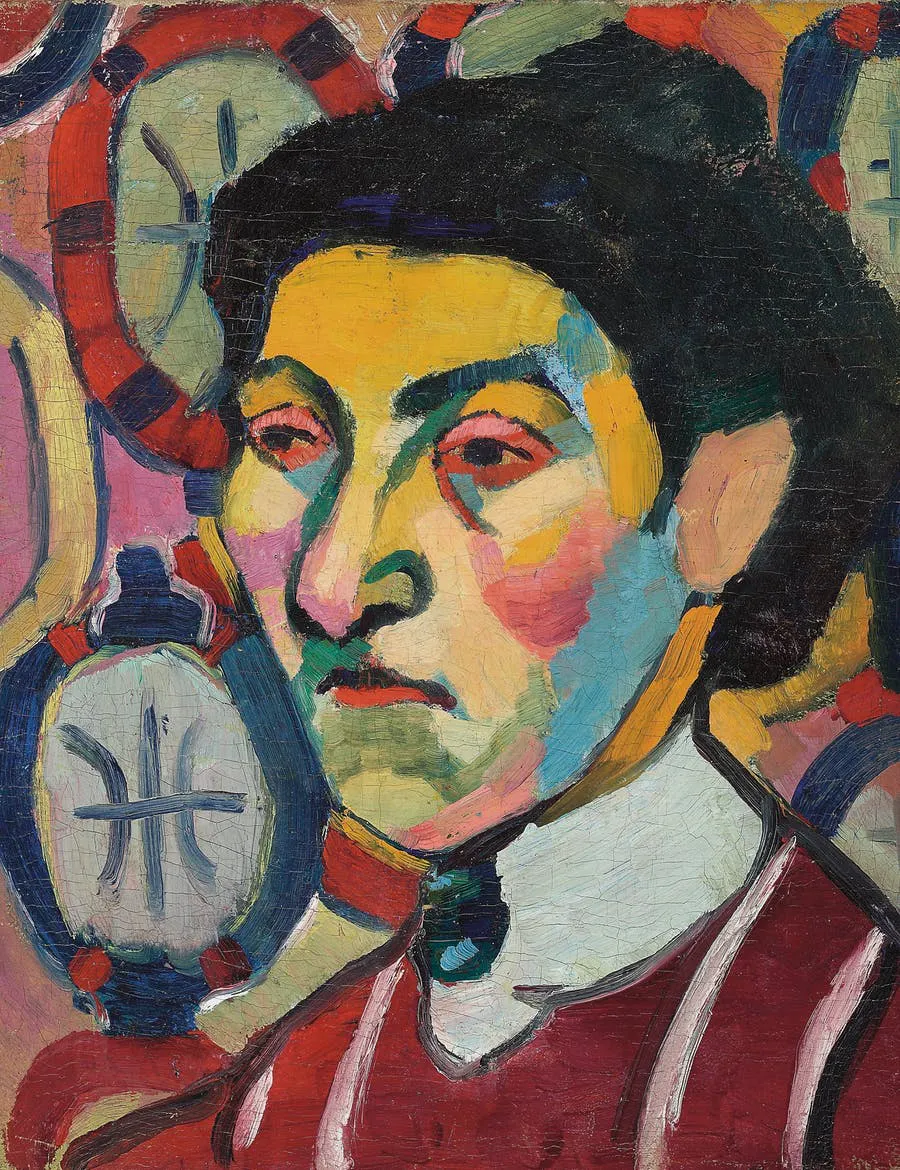
Born in 1885 in a wealthy household in Russia, Sonia Terk was adopted by her uncle and his wife and enjoyed an idyllic upbringing. Her talent for art was encouraged, and she studied at prestigious schools. She travelled to Germany and Paris in the early years of the 20th century, where she was exposed to the works of Post Impressionists, which helped to cultivate her own painting style. After an unsuccessful first marriage, she married renowned artist Robert Delaunay, who was similarly inspired by colour, light and shape, as well as the Post-Impressionist and Cubist art movements.
See also: 12 Women Who Rocked the Art World
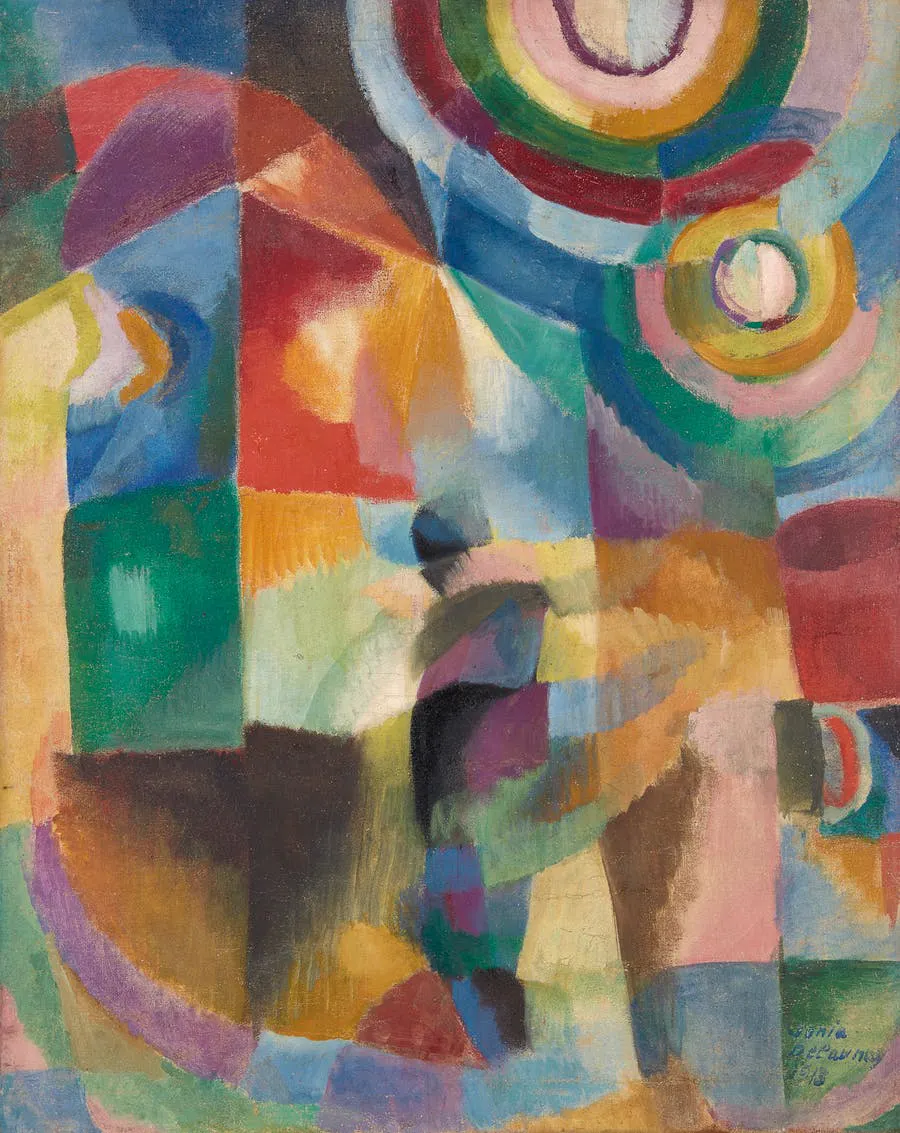
The couple lived in Paris where they founded Orphism, an artistic movement that expressed the lyricism of colour in artwork and was inspired by the Post Impressionist colour palette and the Cubist manipulation of shape. Guillame Apollinaire, a French poet and good friend of the Delaunays, named the movement after Orpheus, the musician and poet found in Greek mythology to characterise the colourful poetry that the Delaunays evoked in their art. Orphism was based on fluidity of abstraction, less representation and the idea of simultaneity – putting bright colours next to each other to display powerful contrast.
See also: Fernand Léger: Art in Full Swing
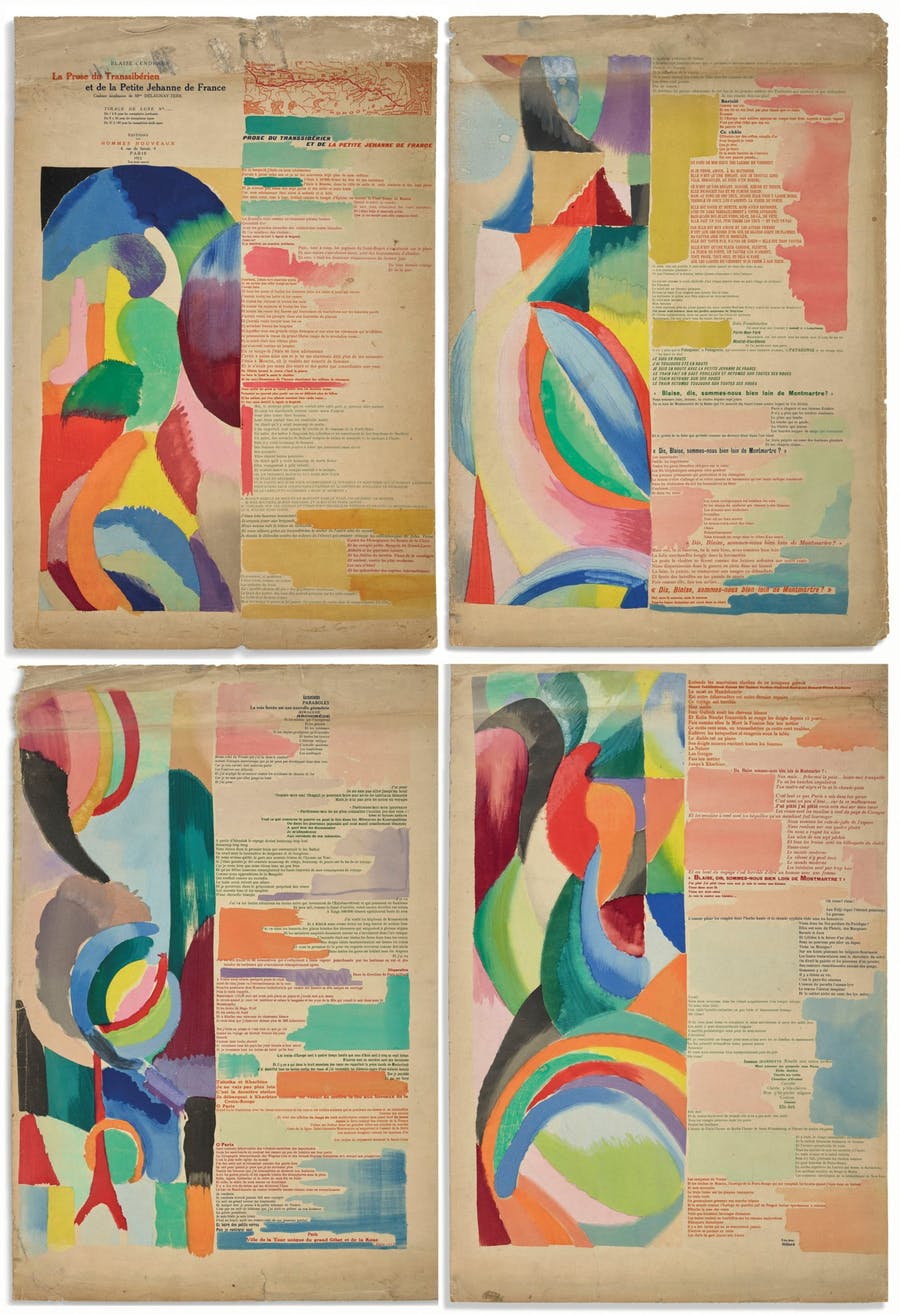
Sonia painted prolifically, but she came to widespread recognition when she illustrated a poem by Blaise Cendrars, a well-known Swiss writer and poet, who was also a close friend. The combination of poetry and art in this dual work embodied the idea of simultaneity, and Delaunay’s vibrant designs enhanced and gave richness to the text.
The Delaunays moved to Spain in 1914, where Sonia painted often and even had a solo exhibition. In one of her dazzling paintings of flamenco singers and dancers in Spain, entitled Flamenco Singers (1916), Delaunay represents the figures of the dancer and a musician, yet she sets them almost as a background to her curvaceous shapes and the brilliant colour. The figures almost become lost in the enveloping cycle of exciting colour and form, displaying a focus on those elements rather than the people themselves.
See also: Angelica Kauffmann: The Child Prodigy
In 1917, the Delaunays desperately needed money. When the Russian Revolution ended, the income that came from her family ceased too. Under these circumstances, Sonia Delaunay began to design costumes and clothing. Her first major commission was to create the costume for Cleopatra in the Ballets Russes. With the popularity of her designs, Sonia Delaunay opened an atelier in Madrid where she dressed fashionable and forward-thinking women.
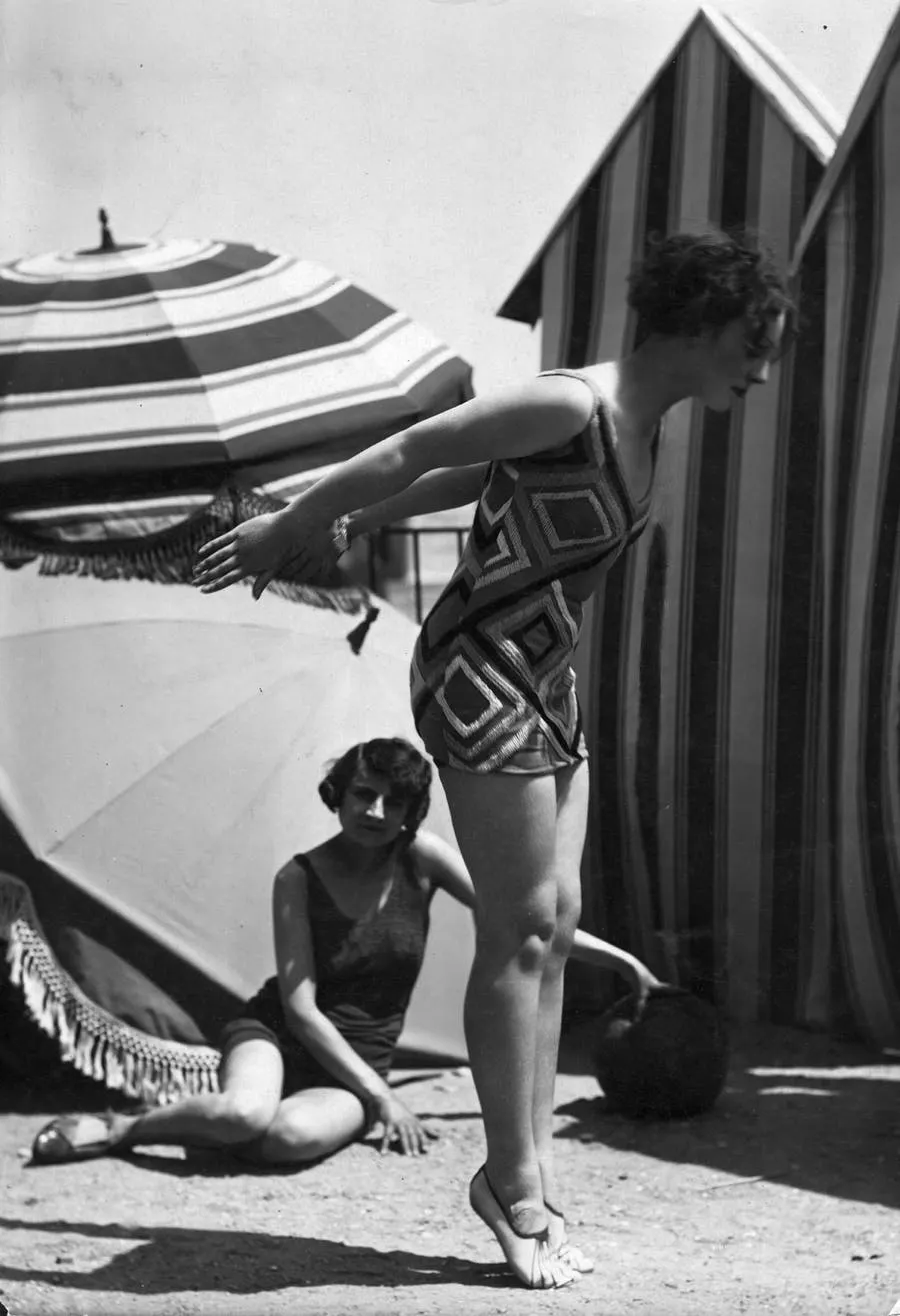
Sonia Delaunay’s textiles and fashion strayed from classically feminine styles and introduced a look that corresponded to the modern concept of an autonomous, mobile woman. In a world shaken by World War I, women’s roles were changing and technology was growing at a rapid rate with the introduction of the motorcar and plane: symbols of movement, control and independence. Sonia's clothes employed the bold use of colour and a more streamlined, boxy style of dress and jacket that suggested the new modern woman, one who was active and independent.
Sonia Delaunay’s design of Cleopatra’s costume for the Ballets Russes exemplifies the modern woman aesthetic. As women enjoyed greater autonomy at this time than in the past, this costume was an an eschewal of traditional feminine roles, with its bright colour, revealing cut and lavish embellishments.
See also: The 14 Most Expensive Female Artists
Upon her return to Paris in 1921, Sonia Delaunay continued her designs, having her colourful and abstract textiles turned into lampshades, hats, umbrellas, pillows and even cars, she introduced the artistic atmosphere of the early 20th century to the public in a material way.
She also created more freedom and awareness for female artists and their unique struggle in the 20th century. She was opposed to the unjust separation of the work of male and female art. Curators often grouped the art of women together in shows or galleries, and she saw this as denigrating to women, as if their art was not considered on par with men's.
See also: The Female Look: 11 Women Who Changed Photography
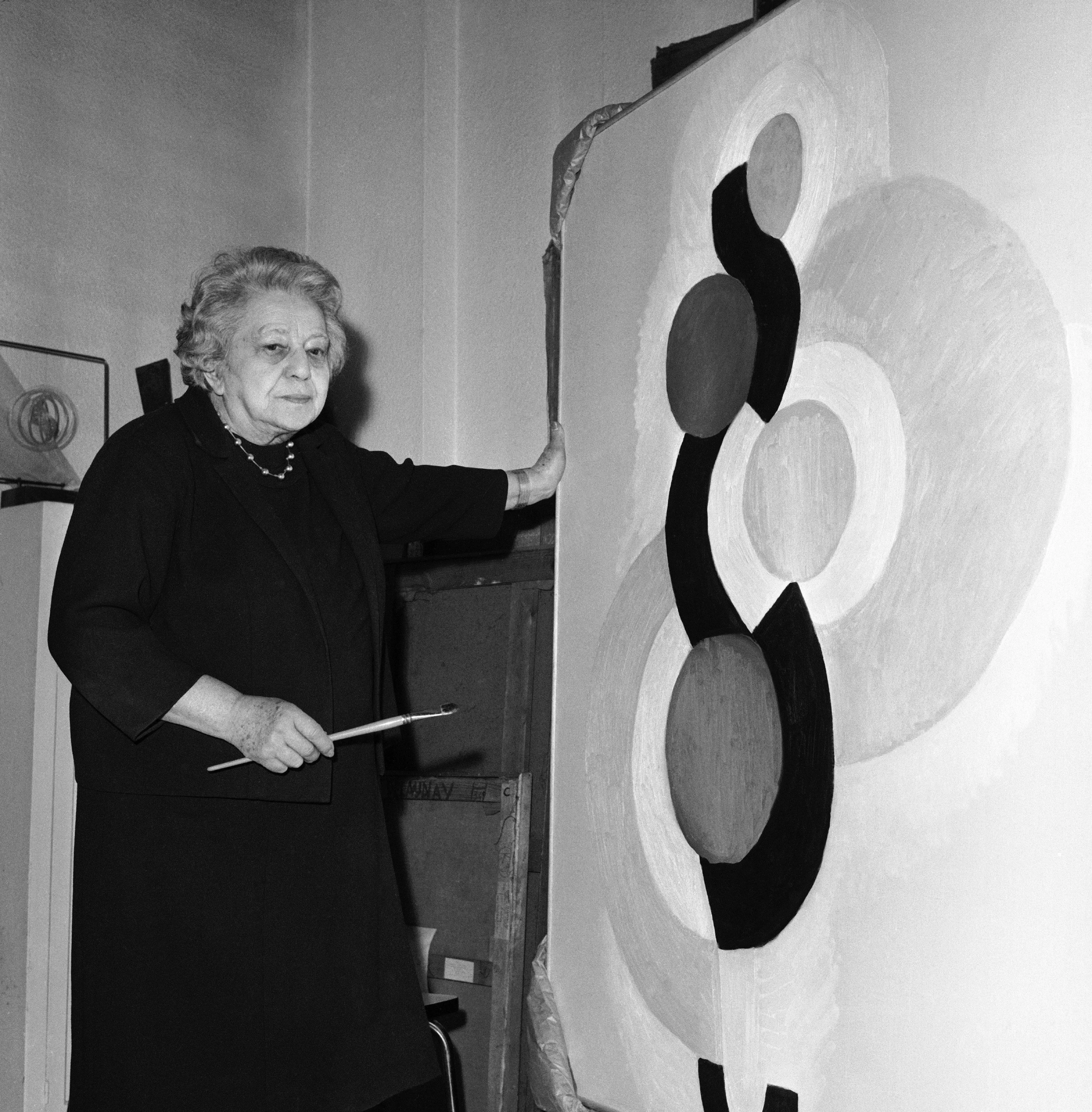
In 1964, Delaunay was the the first woman to be a part of a retrospective show at the Louvre, which honoured both her and her husband Robert. Today, her legacy promotes a focus on abolishing gender differences in art and championing equal technique in both men and women. Delaunay herself showcased the skill and creativity of women in an industry dominated by men.
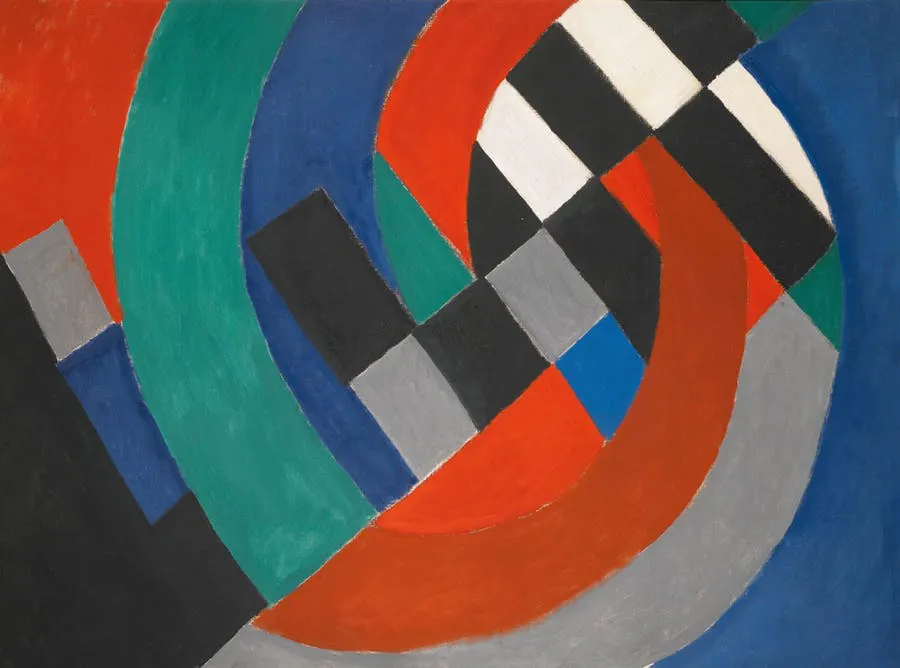
Delaunay in later years focused on smaller works, yet she always retained her love of bright colour and shape. She made stencils called Colour Rhythms, which were blocks of colour placed next to one another, creating a simultaneous image, and later designed fashion sketches for French publisher Jacques Damase's book. She was awarded the French Legion of Honour in 1975, four years before her death at the age of 95 in 1979.
By muddling the separation between high art and craft, her artwork contributed to redefining what art was, and she heralded in the look of the modern woman with her fresh designs that were reminiscent of her paintings. As one of the first renowned female artists among an entirely male cohort of artists in Europe, Delaunay brought an innovative and creative outlook, redefining both modern art, the modern woman and attempting to upend the gender separation of artwork. Today her works frequently sell for six figure sums, and her painting Fleurs sold for £1.8 million at Sotheby's in February 2020.