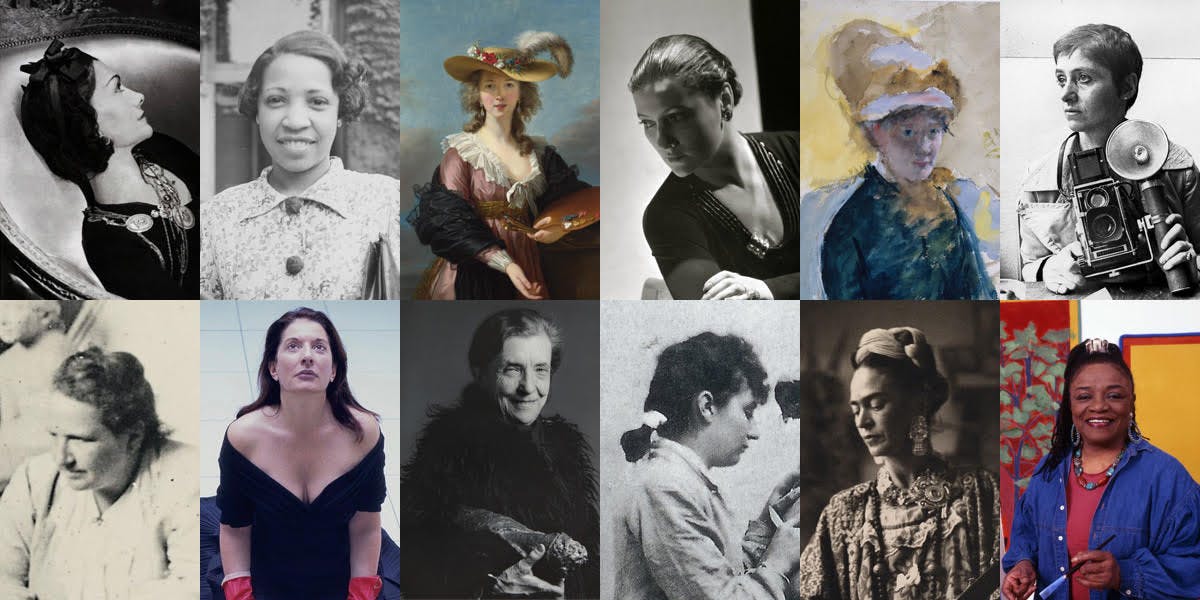
Thanks to the opening of art schools, the assertion of egalitarianism and the emergence of an art market, female artists are finally achieving some of the recognition they deserve. Here, Barnebys puts together a list of twelve women who have played a key role in the history of art.
12. Elisabeth Vigée Le Brun (1755-1842)
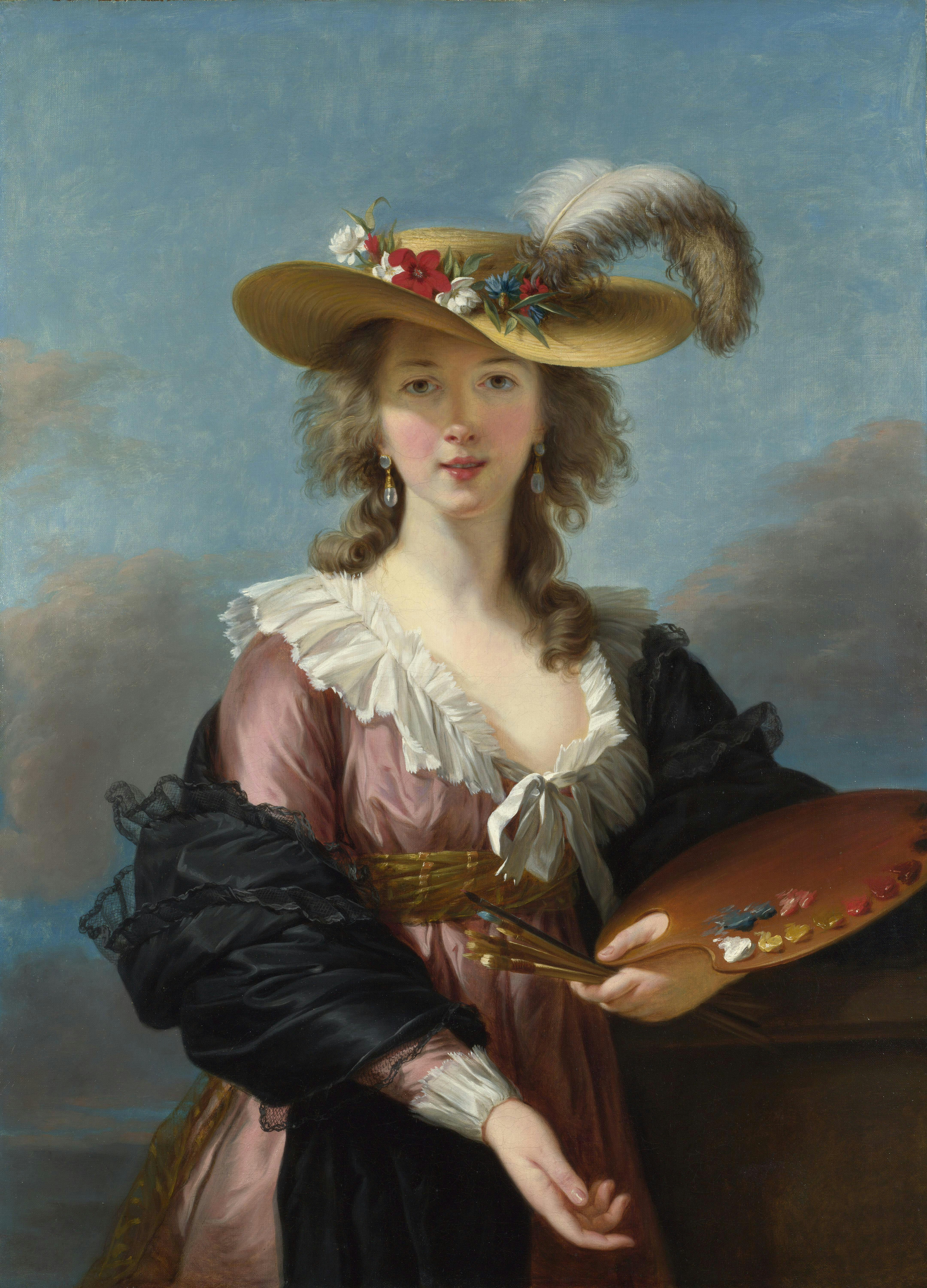
Louise Élisabeth Vigée Le Brun is still considered one of the best portrait painters of her time. As women were just starting to join the Académie (the institution in charge of regulating and teaching painting and sculpture in France during Ancien Régime), Vigée Le Brun was already the favourite painter of Queen Marie Antoinette and her Court in Versailles. Vigée Le Brun was famous around the world and her mansion was the place to be for fashionable Parisians.
See also: 5 Facts About Royal Mistress Madame du Barry
In 1783, she presented Marie-Antoinette with the Rose (Portrait de Marie-Antoinette à la rose) at the Paris Salon. The painting showed Marie Antoinette in muslin cotton, generally used for undergarments. Under pressure, Vigée Le Brun withdrew the painting and replaced it with a portrait of the queen in a more traditional dress.
11. Mary Cassatt (1844-1926)
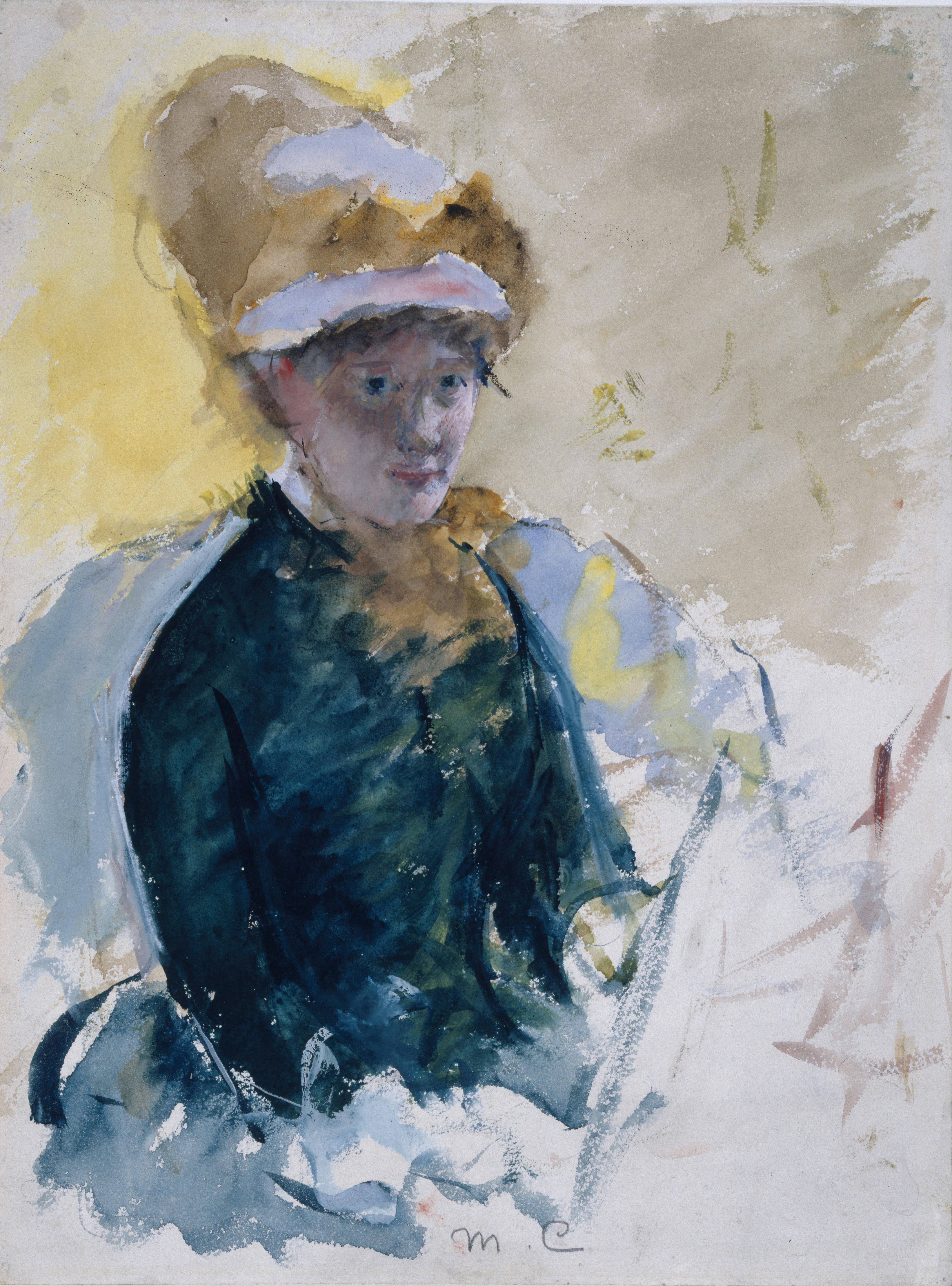
Mary Cassatt was an American painter and printmaker and an important figure of the Impressionist movement. More a portraitist than a landscape painter, she joined Edgar Degas, Camille Pissarro and Berthe Morisot in her taste for outdoor painting, her sense of colour and her search for realism.
In 1882, the death of her sister marked a turning point in her career. Children and mothers then become her favourite subject. In 1890, after visiting an exhibition of Japanese prints, she became fascinated by this style of art. Cassat’s mastery of the technique of aquatint (a type of etching) was admired by her colleagues.
See also: The Art of Motherhood
In 1904, she received the Walter Lippincott Prize for her painting Caresses but refused the award, informing the academy, "I must stick to my principles… no jury, no medals, no awards." She suggested the money be given instead to a young, struggling artist. That same year she was awarded France’s Legion of Honor.
10. Camille Claudel (1864-1943)
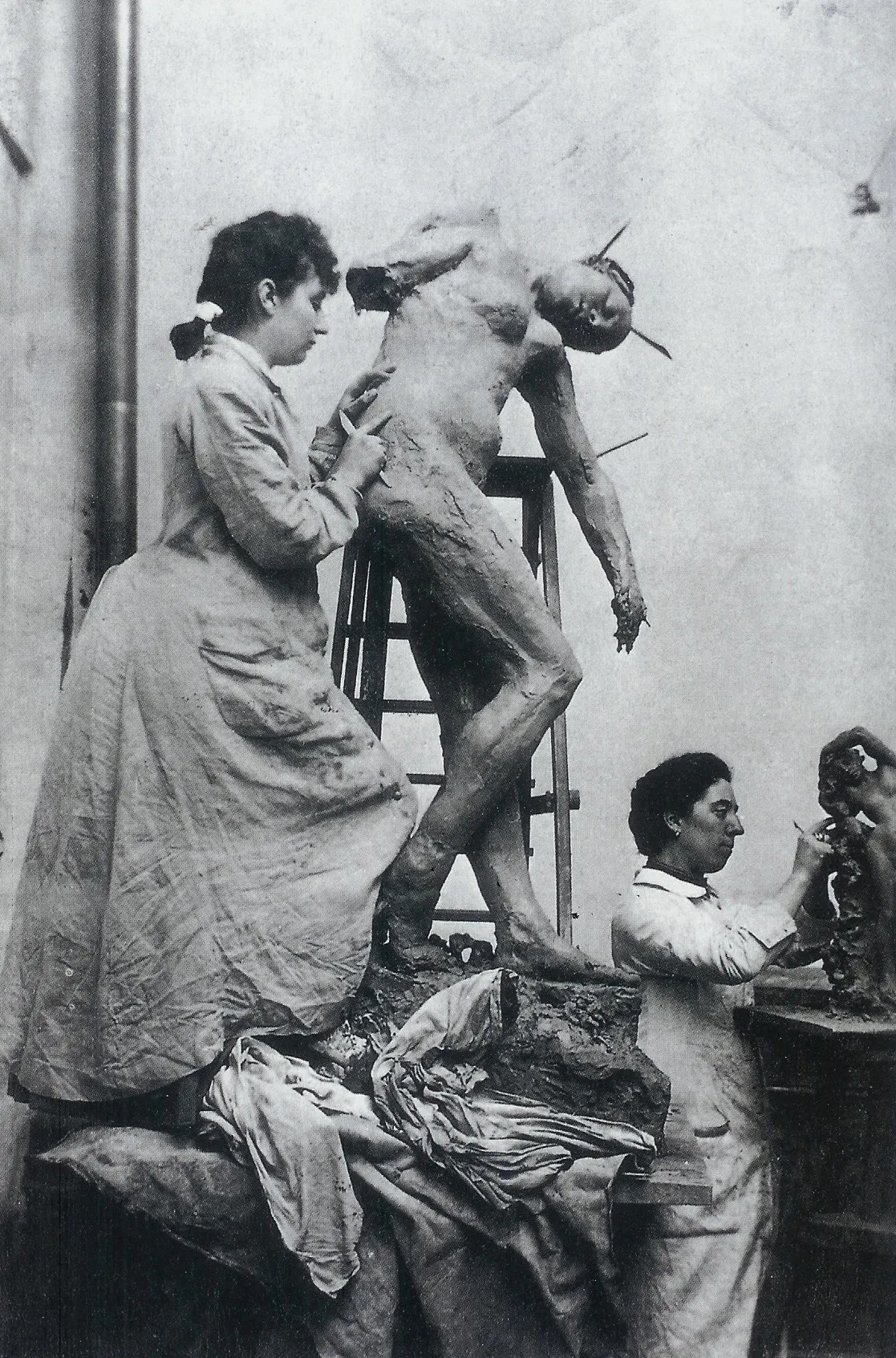
Sculptress Camille Claudel had a turbulent life. For ten years, she had a passionate love affair with sculptor Auguste Rodin (1840-1917). Also partners in art, they created several sculptures together, including Le Baiser (The Kiss) (1886).
See also: The Dinner Party: A Table for the World’s Most Influential Women
Despite their breakup, she inspired Rodin all his life, and Rodin never doubted her artistic genius. Claudel's works were innovative and she grabbed the intensity of the movement like nobody else.
"I have lots of new ideas," she said once to her brother Paul Claudel.
After an illegal abortion in 1892, she gradually suffered a mental breakdown. She died in solitude and isolation in an asylum in Montfavet (Vaucluse, France). Today, she is considered one of the greatest sculptors of the 20th century.
9. Gertrude Stein (1874-1946)
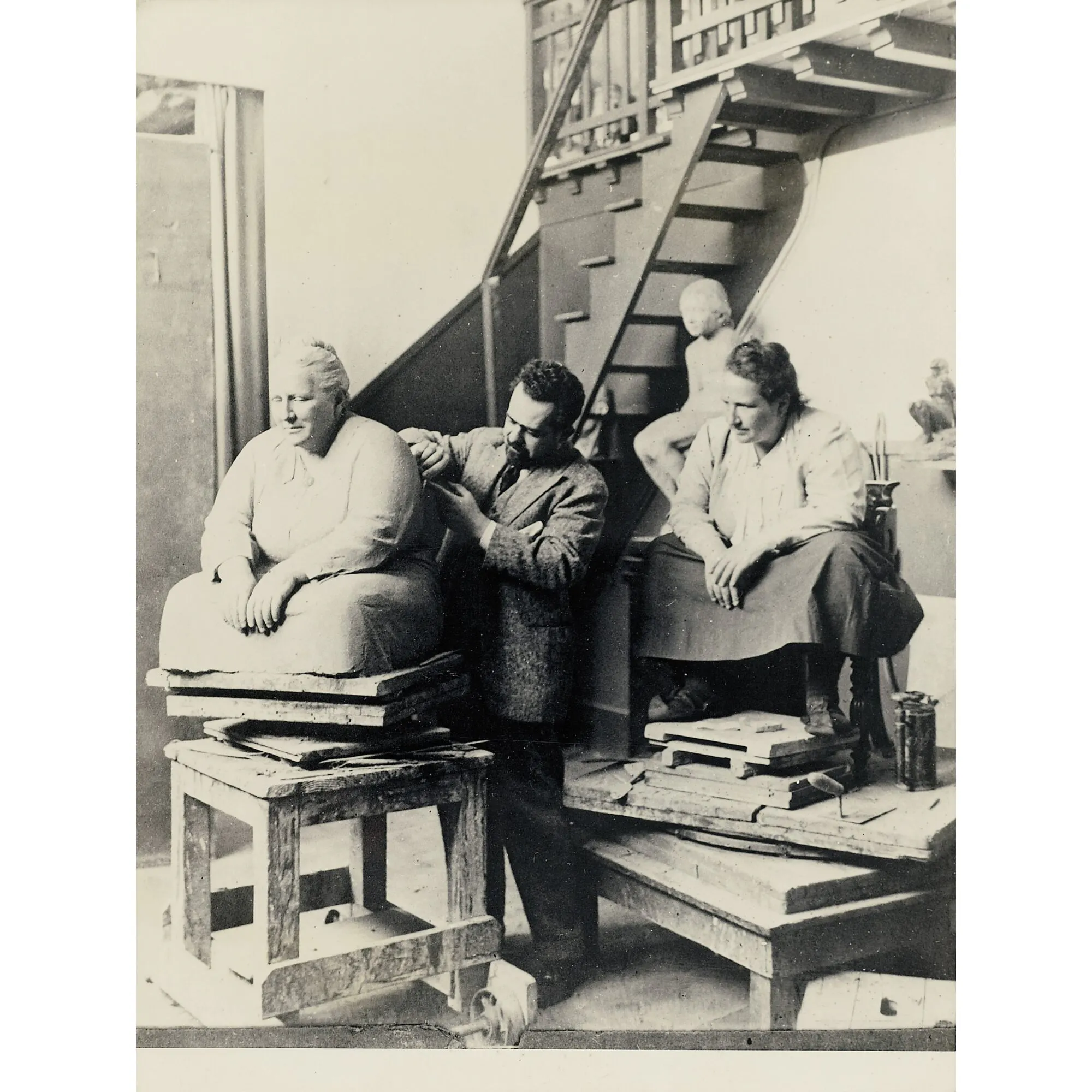
Gertrude Stein was an American writer better known for her art collection than her writing talents. In love with France, Stein lived in Paris and was an ambassador for modern art and artists, including Pablo Picasso and the Cubists.
See also: The 15 Most Expensive Female Artists
She was in a relationship with writer Alice B. Toklas for nearly forty years, during which time Stein became one of the greatest collectors. Her talent for spotting young painters was outstanding. Henri Matisse, Picasso, Francis Picabia and Balthus all had paintings hanging in Gertrude’s apartment: 27 rue de Fleurus, Paris.
8. Coco Chanel (1883-1971)
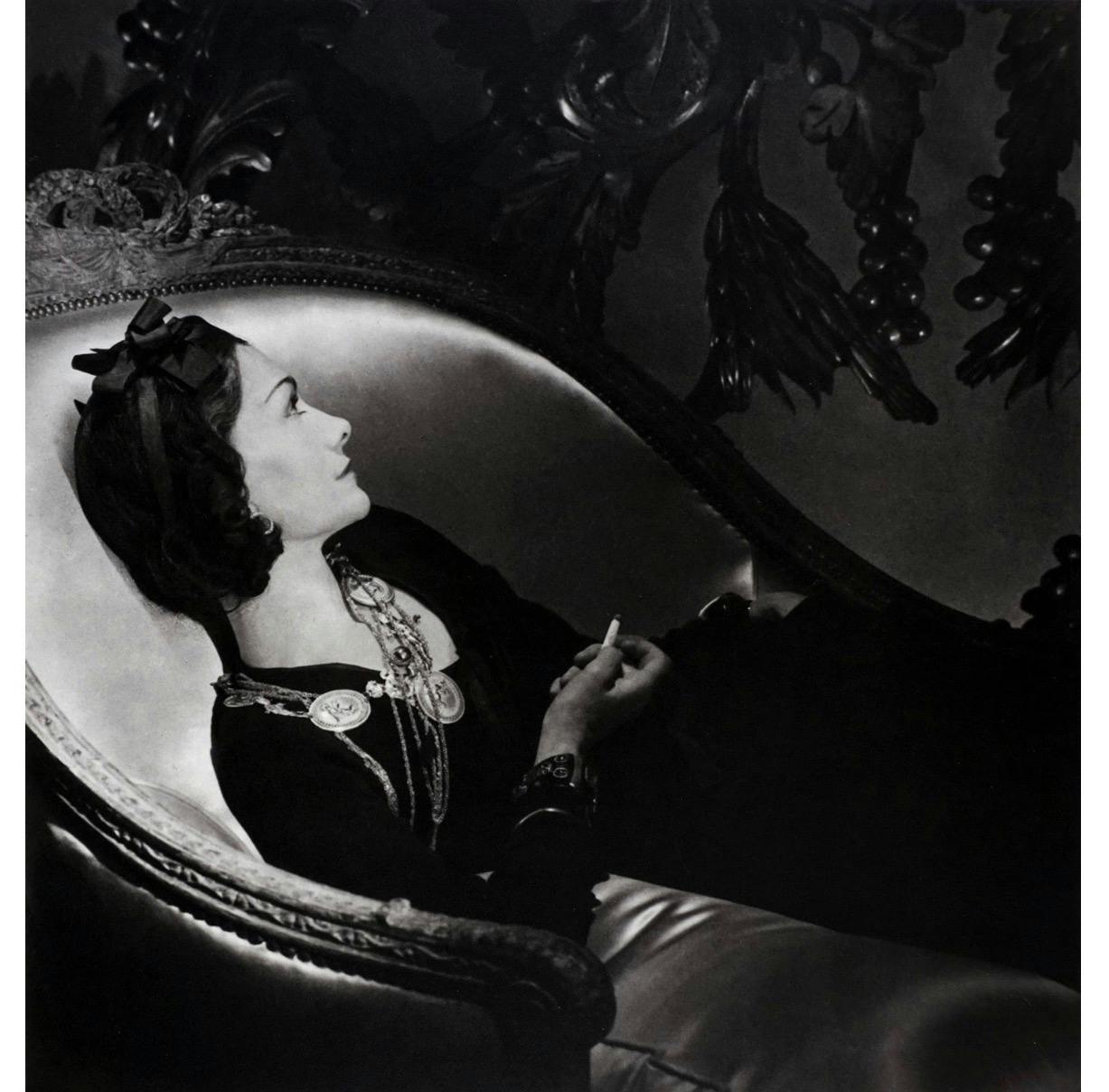
Coco Chanel is a symbol of French elegance. She revolutionised fashion with her monochrome creations.
She began her career in fashion as an atelier in Paris, Deauville and Biarritz. She then went on to create her own clothes that she would wear on public occasions. This quickly had her being noticed, for her talented designs were starkly different from the traditional dresses women wore at the time.
Art keeps us sane.
Playing with feminine and masculine codes, Chanel created comfortable, stylish and practical clothing. She would adorn her simplistic creations with stunning accessories, and today, of course, the design house is known the world over for its classic designs and experimental jewellery and handbags.
7. Suzanne Belperron (1900-1983)
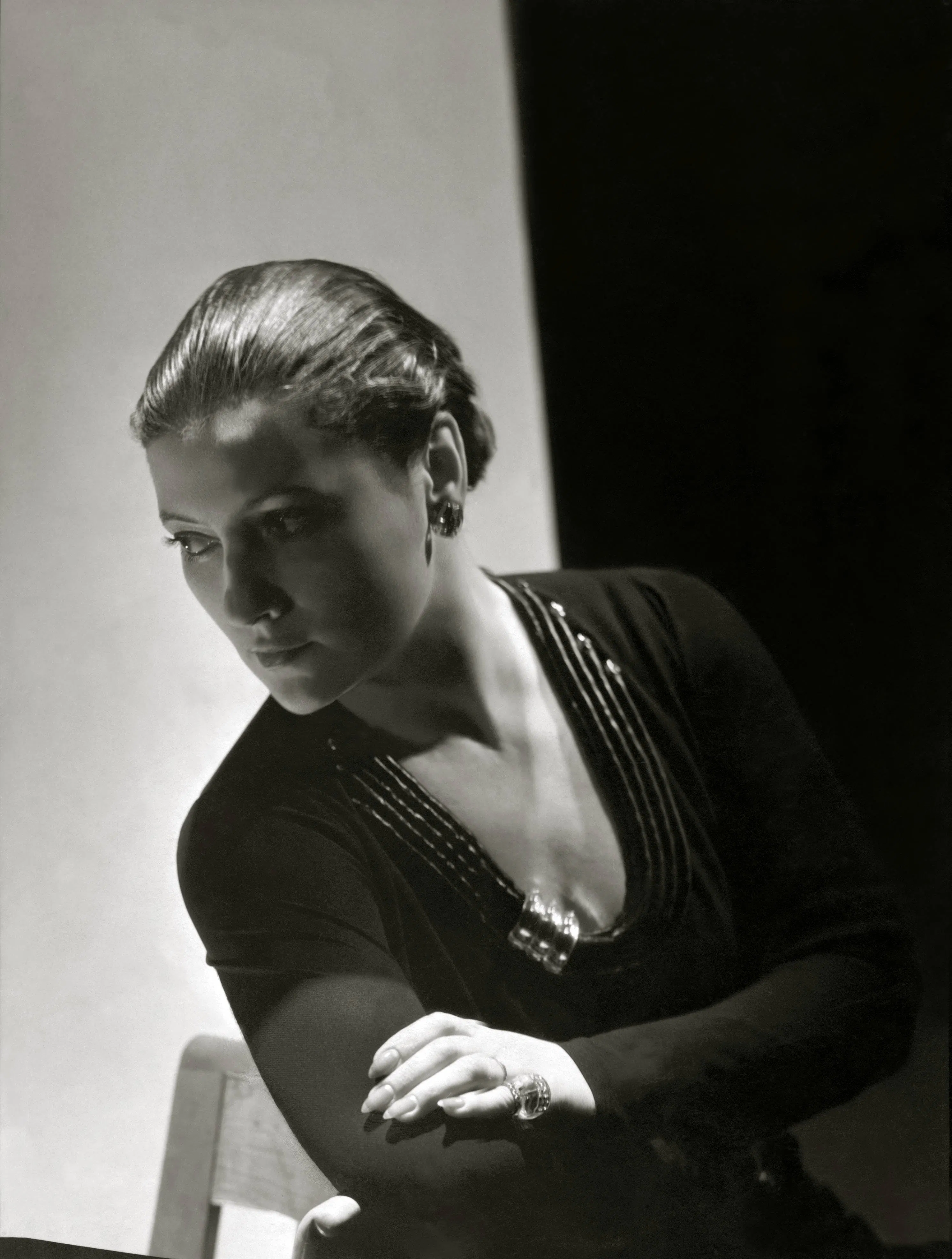
Suzanne Belperron was a jewellery designer and who many argue to be one of the most important figures in the history of French jewellery. A designer for Boivin, she created very feminine and sensual pieces
See also: The 9 Most Popular Jewellery Brands She was fond of gemstones (citrine, peridot, amethyst) and multicoloured jewels. Boivin jewels were rarely signed as Belperron found the act of signature too ordinary. She said: "My style is my signature."
Inspired by nature and foreign cultures, Belperron played with these influences and styles. Her jewellery quickly became the luxurious touch that embellished the outfits of the most famous and fashionable couturiers.
6. Lois Mailou Jones (1905-1998)
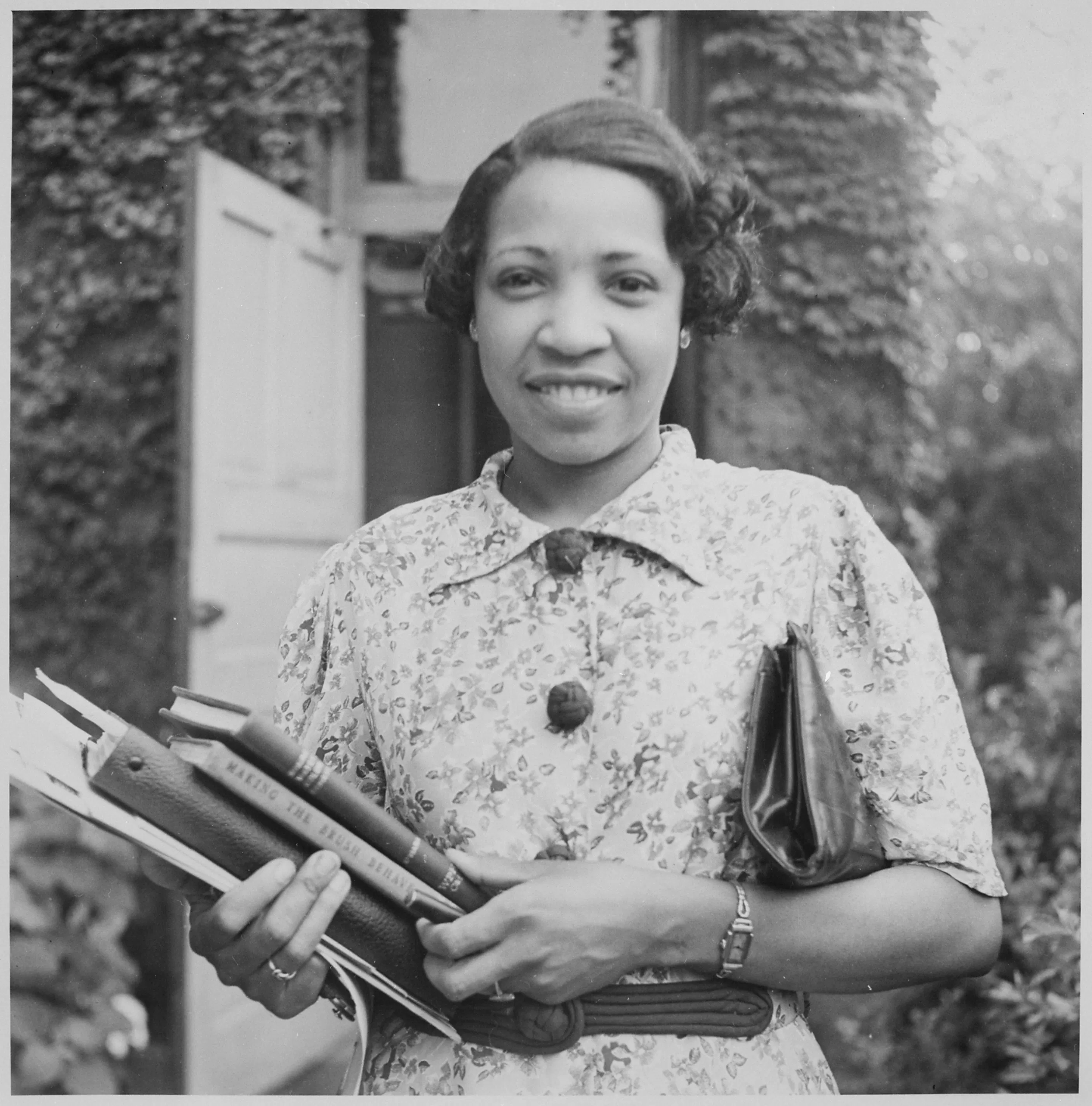
Lois Mailou Jones’ work hangs in numerous important institutions, including the National Gallery, the Smithsonian Museum of Art and The Metropolitan Museum of Art. She believed art held great value for all, which led her to found the art department at Palmer Memorial Institute when she was just 23 years old.
During her childhood years in Martha’s Vineyard, Mailou Jones met personalities such as the composer Harry T. Burleigh and novelist Dorothy West, who was an avid follower and participant of the Harlem Renaissance. When she was just 17, Mailou Jones had her first solo exhibition, and from then on she continued to produce a vast quantity of work. Her main sources of influence were her many travels around the globe to places such as the Caribbean and Africa, which caused her style to change regularly, and also artists from the Harlem Renaissance like Aaron Douglas. Her work focused on landscape and other outdoor scenes, ranging from calm rivers in Paris to marching protests in Washington, and also portrayed her pride in her American and African ancestry.
As well as creating art, Jones took great pride in teaching it. She was a professor of design and watercolour painting at Howard University, Washington, DC (a university nicknamed ‘Black Harvard) and she later so beautifully stated: The wonderful thing about being an artist is that there is no end to creative expression. Painting is my life; my life is painting.
5. Frida Kahlo (1907-1954)
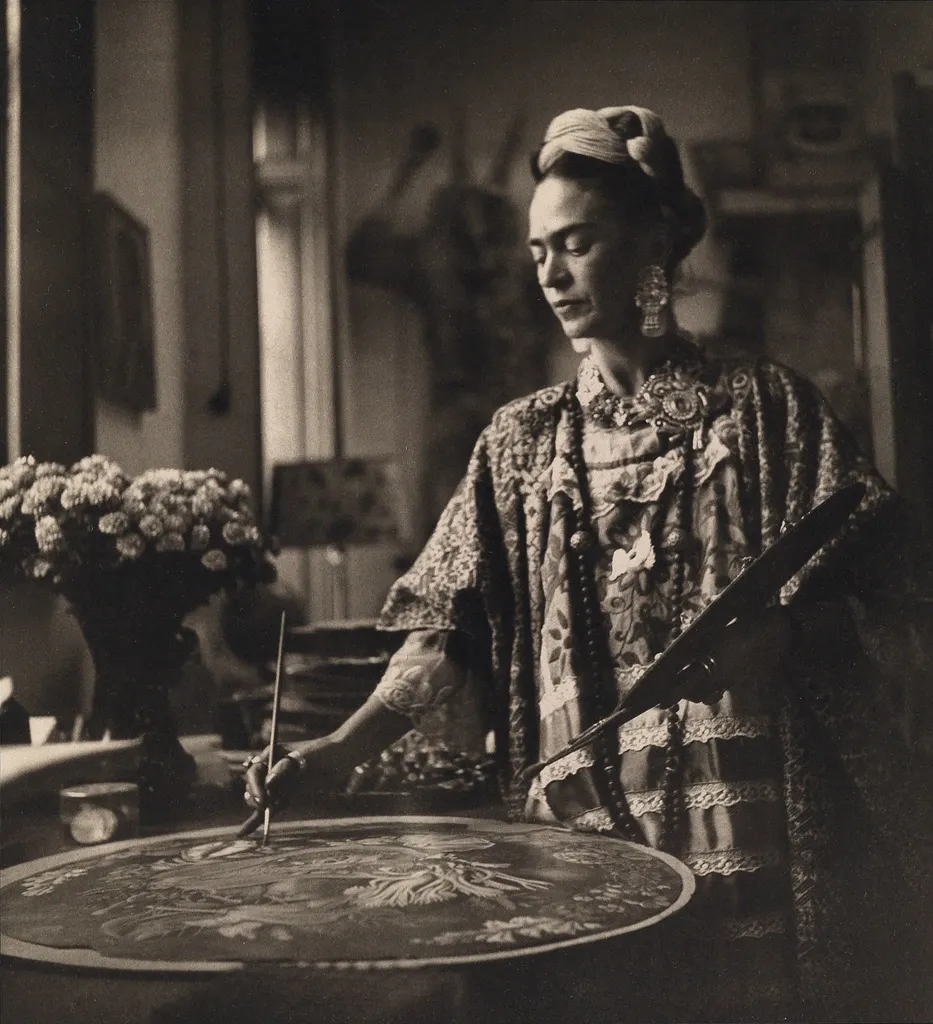
A victim of poliomyelitis at the age of six, Frida Kahlo suffered more than most people throughout her life. Polio left her with one leg shorter than the other, and when she was 18, she was involved in a bus accident where she was impaled by a metal handrail that pierced her pelvis and kept her in bed for months – and so she began to paint a series of self-portraits using a mirror placed over her bed.
See also: The True Story of Frida Kahlo’s Style
Living in Mexico, and part of a patriarchal society, her Surrealist paintings reflected her desire for freedom and travel, but also her frustration at not being able to have children due to the numerous surgeries she underwent after her accident. Kahlo externalised all her sufferings through her paintings, in a fight against the life she was given.
4. Louise Bourgeois (1911-2010)
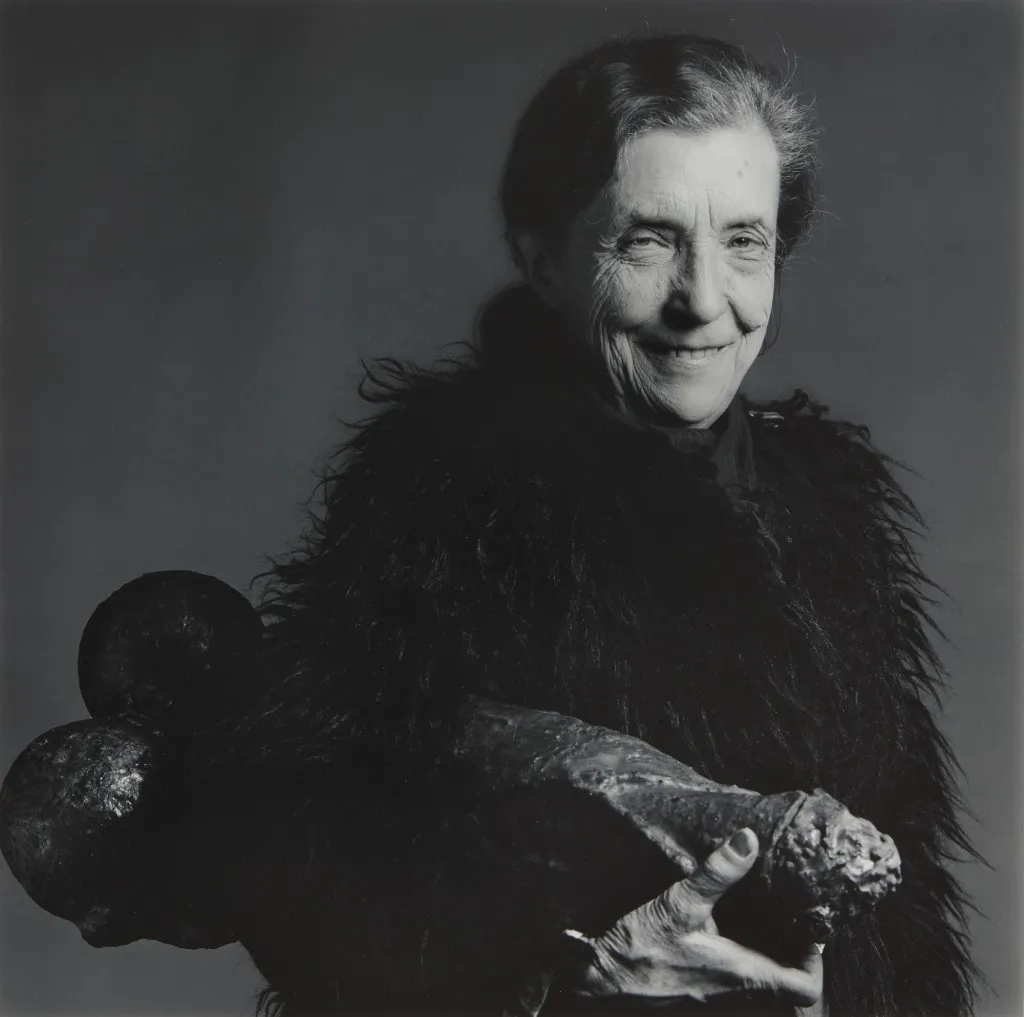
Louise Bourgeois was a French visual artist, recognised for her monumental sculptures. Although not affiliated with a specific movement, she addressed women's issues based on her personal experience. She especially dealt with the concept of the mother-daughter relationship and the role of the father and motherhood.
See also: 5 Feminist Masterpieces
In an almost therapeutic way, Bourgeois reflected her childhood in her works. The phallus represents the father and the spider, the mother.
Her mother died young and her relationship with her father was treacherous; for Bourgeois, creation was vital to survive. "Art keeps us sane," she once said.
3. Diane Arbus (1923-1971)
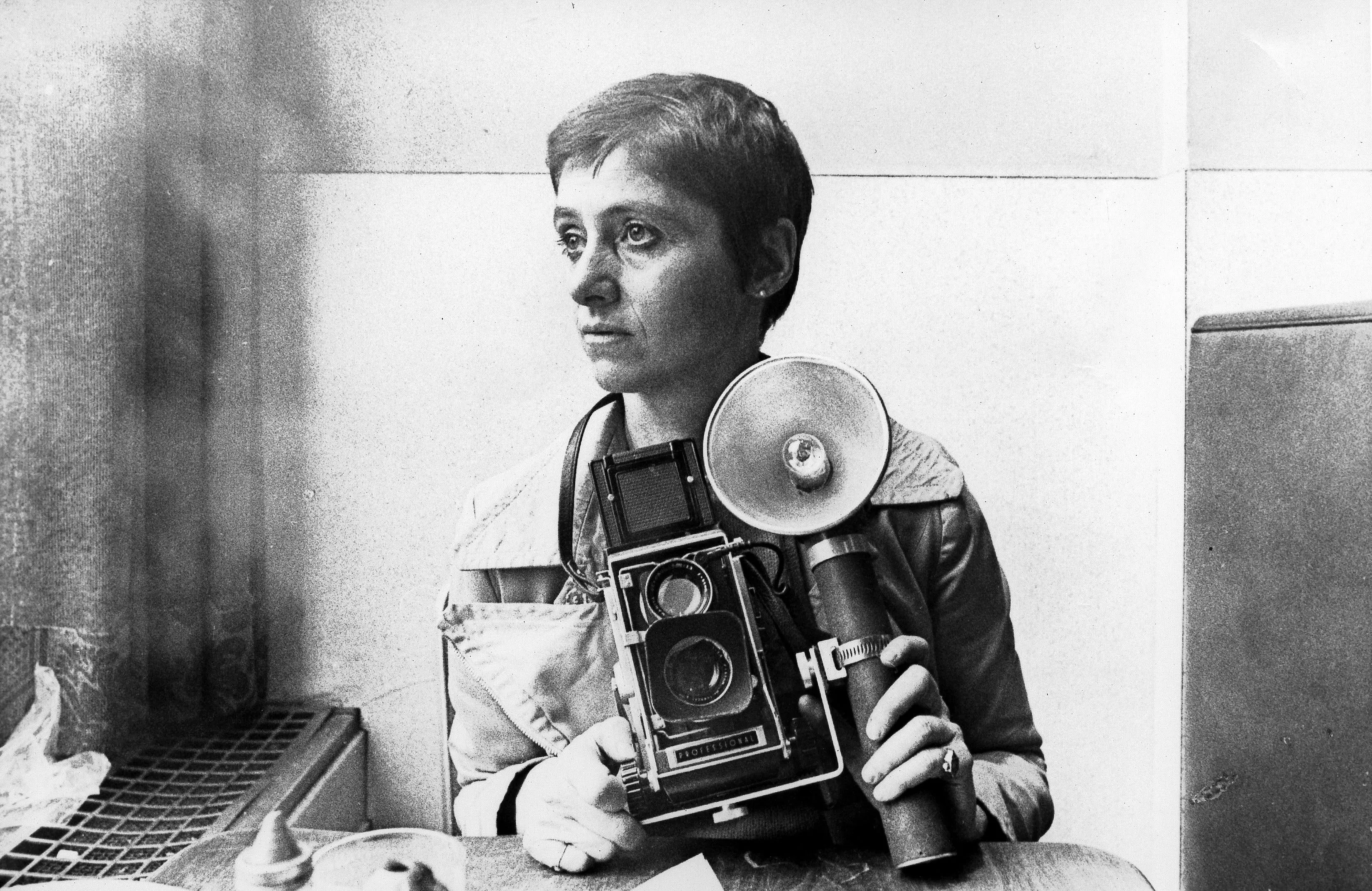
Through her husband, Diane Arbus discovered a medium she could not ignore: photography. She built her own style and began to immortalise those on the margins of society.
See also: Artemisia Gentileschi: 5 Extraordinary Facts
Transgenders, strippers, members of carnivals, nudists... anyone out of the norm interested Arbus. Thanks to her work, people got to discover the diversity of the American population. Both praised and criticised in her lifetime, Arbus left a legacy through her vision of humanity.
2. Faith Ringgold (1930- 2024)

Faith Ringgold was born into a very artistic surrounding. She grew up in Harlem, New York, which became a cultural hub during the 1940s and where she met writers such as Langston Hughes or musicians such as her closest friend Sonny Rollins. Due to her chronic asthma, Ringgold focused on the visual arts and spent a lot of her time experimenting with crayons and fabric.
This introduction into the art world continued to stay with Ringgold. Although she became a teacher for art education, she never ceased to create her own work. Her mediums range from painting and textiles to sculpture and performance art. Through her work, Ringgold tried to underline her personal experiences but also raise more awareness for people suffering from sexism, racism and other discriminations.
1. Marina Abramović (1946-)
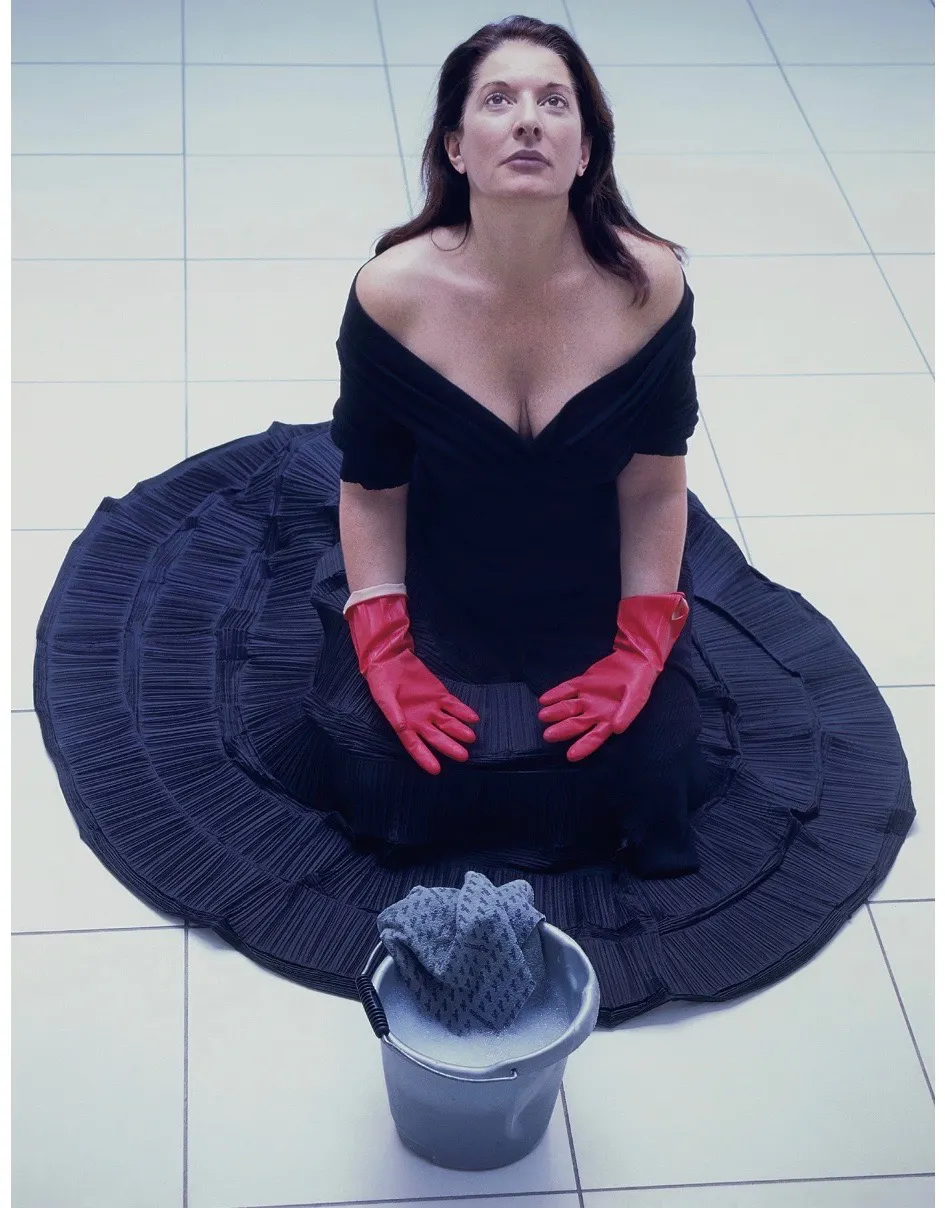
Marina Abramovič is like no other artist. Through performance art, she pushes the boundaries of physicality, using her body as an artistic creation and performance tool to test its limits.
In 2012 at MoMA, she sat for seven hours in a chair for six days a week, staring at each person sitting in the seat opposite to her. This artistic performance, which lasted more than 700 hours, is one of the longest ever conducted. Transcended by experience, Abramovič perceives performance as a means of expression with the outside world.
These ten women have all contributed and shaped art history. As did Nikki de Saint-Phalle, Sonia Delaunay, Claude Cahun, Annette Messager, Sophie Calle, Carrie Mae Weems and many others: the list is endless.
As Goethe summed up in Xeniès (1796), "The eternal feminine draws us ever onward and upward”.