From 2-4 June, Bukowskis will present the biggest auction of the spring: their Important Spring Sale. The catalogues have been filled to the brim with exciting and unusual items, providing the opportunity to bid on everything from classical art and crafts to jewellery and Asian handicrafts. The first day of Bukowskis’ auction offers high quality and interesting items in the form of furniture, silver and arts and crafts with royal provenance and exciting history.
Here are seven short stories about the Swedish and international treasures.
1. The Royal Chandelier
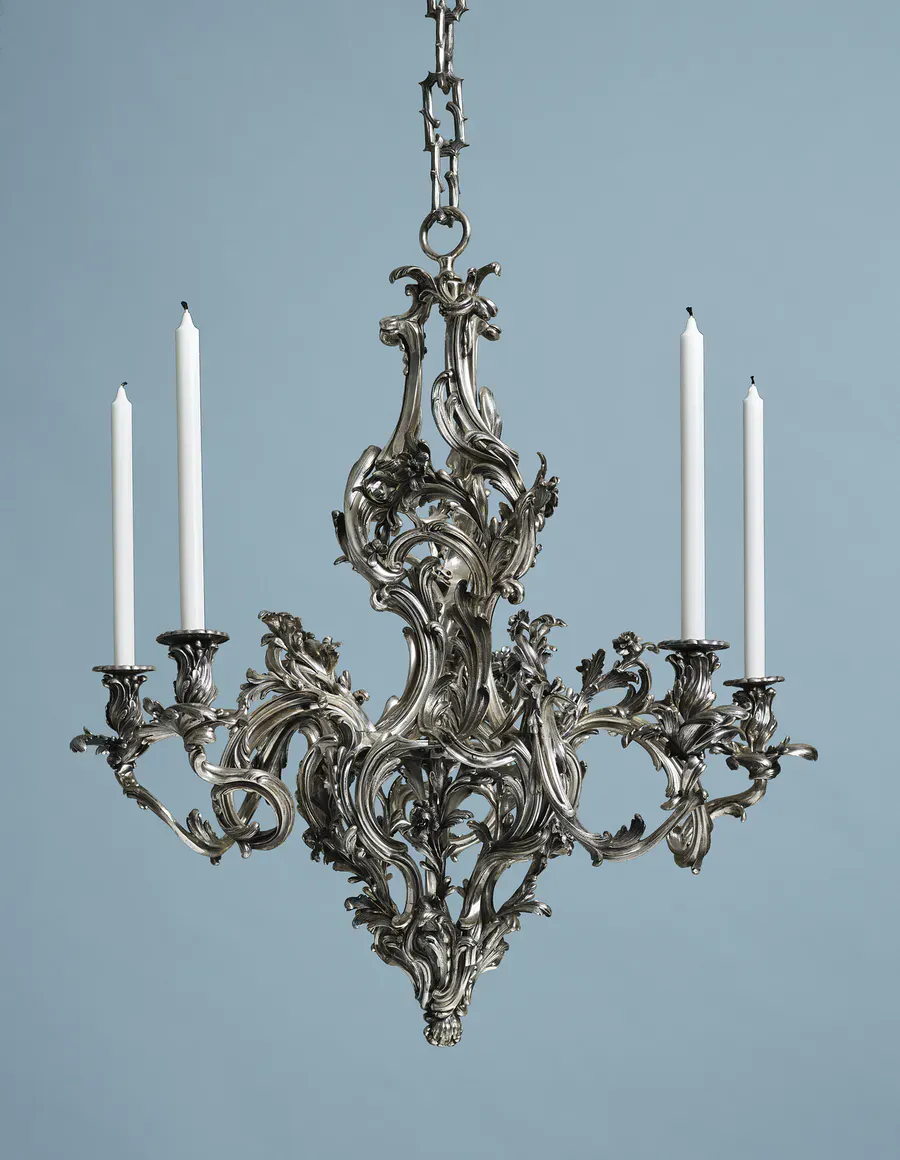
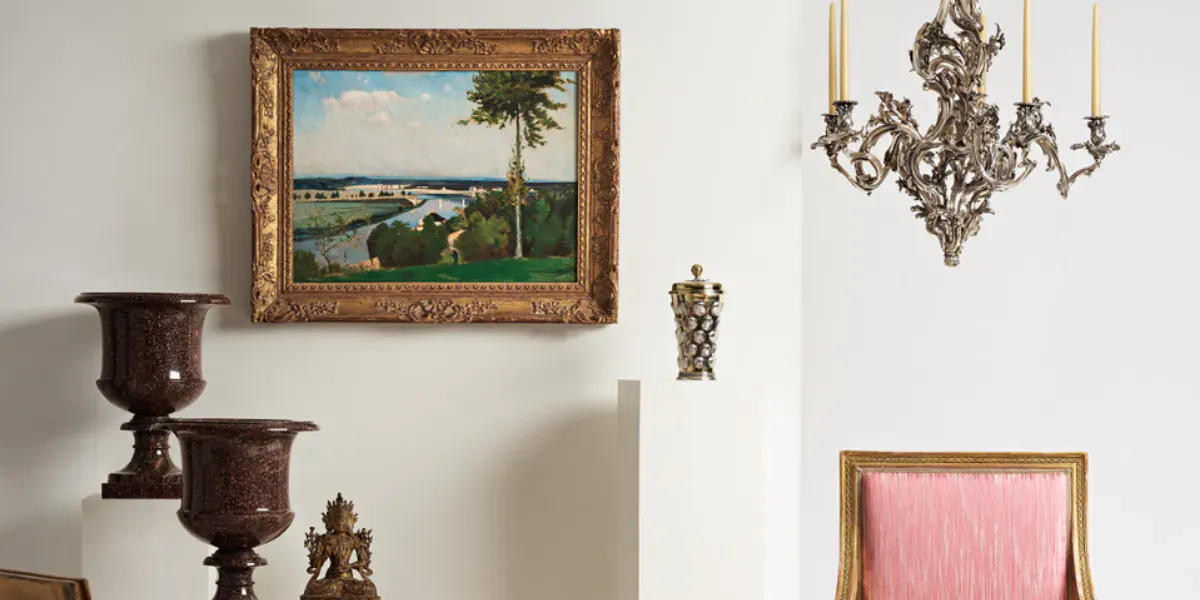
Chandeliers in silvered or gilded brass from the Rococo period are rare. Even rarer is the possibility of identifying a maker, making the auction’s present chandelier an incredibly rare find. It is considered to be a sibling of the crown in the royal collections hanging at Drottningholm Palace. It was the architect Carl Fredrik Adelcrantz who acquired the Drottningholm Crown in Paris in 1754 from the French gilder and chiseller Pierre Boulanger. The crown, along with other silver-plated objects, was commissioned for the move into the completed Stockholm Palace in 1754 and placed in Adolf Fredrik's cabinet. In 1777, Gustav III had the crown moved to the Blue Wardrobe at Drottningholm, where it has hung ever since.
There is thus an exact equivalent to the auction chandelier at Drottningholm Palace. A careful examination of the crowns showed that they are almost identical in design, dimensions, decoration and construction.
2. The hardest material with which to work
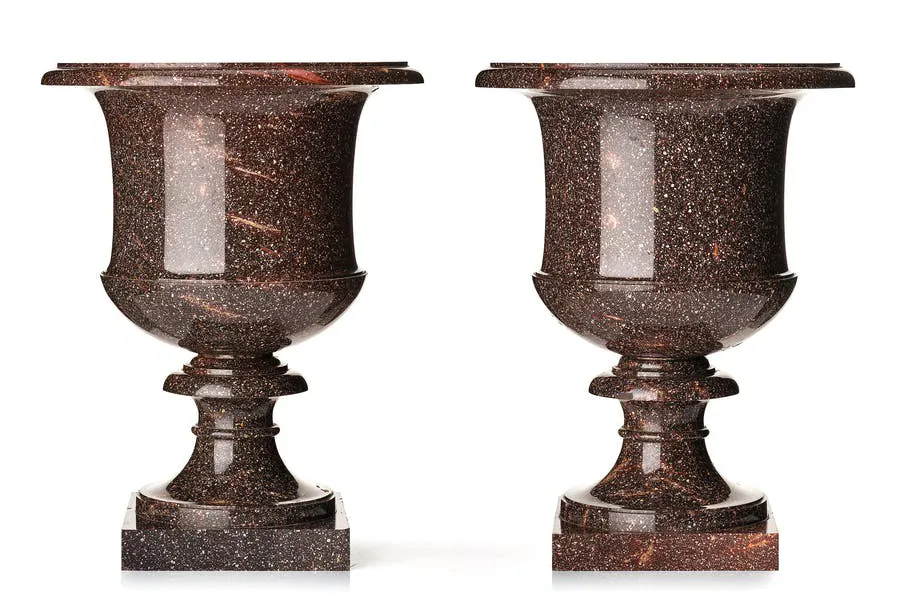
Two Sengustavian lead porphyry urns from Älvdalen in Dalarna, made in the early 19th century, are shown here. Porphyry is an igneous, very hard rock that varies in appearance and colour depending on the presence of mineral grains in the groundmass. Since ancient times, when red porphyry was quarried in Egypt, the stone has been used for ornamental and utilitarian purposes. Quarrying and processing porphyry is time-consuming: sawing a 60-centimetre-thick block into tabletops could take up to a year and a cylindrical butter shovel with a lid required more than 70 hours of work.
Over a hundred different shades and textures have been found in Sweden. For the most exclusive objects, like the urns up for auction, lead mountain porphyry was often used.
3. Wearable lava rock
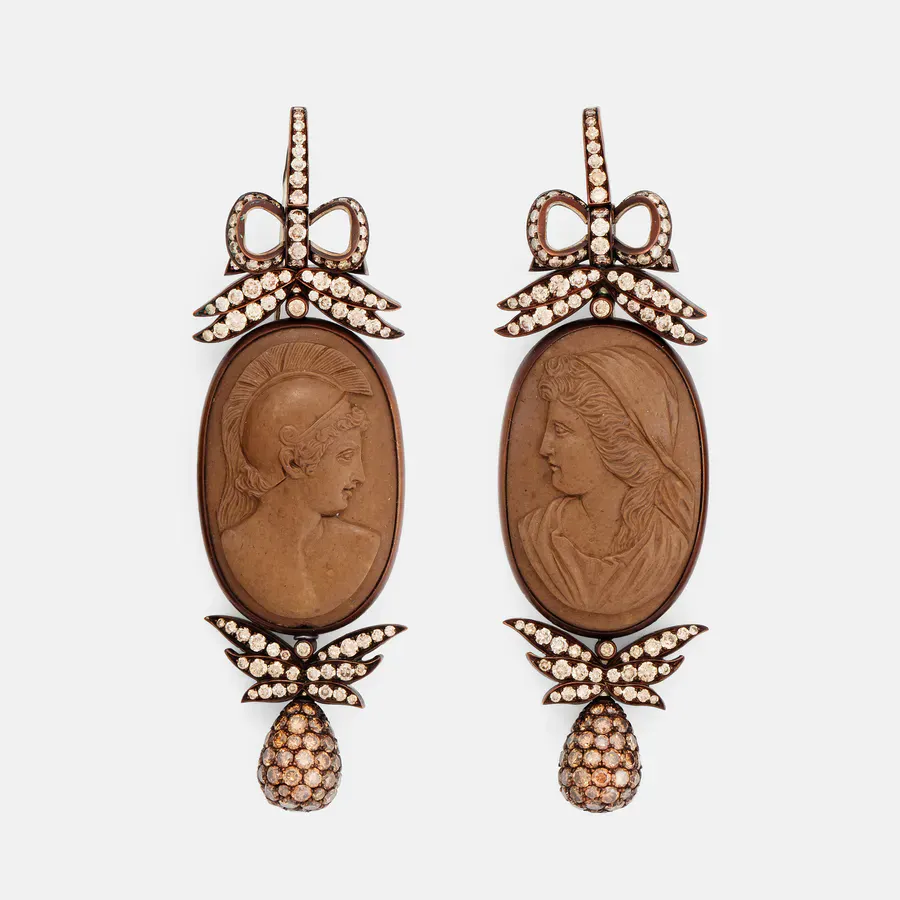
The jewellery department offers a wide selection of jewellery from different time periods. Among the highlights are a pair of earrings from the venerable German firm Hemmerle, with 19th-century lava cameos and antiqued profiles. The frames are made of copper and, together with the brown diamonds and the fine cameos, they create a beautiful piece.
On Thursday 3 June, a number of sought-after paintings by Carl Larsson, Anders Zorn, Bruno Liljefors, Maria Wiik and Ernst Josephson, among others, will be presented. You’ll also find a variety of sculptures by Carl Milles, Jussi Mäntynen, Gudmar Olovson and more.
4. The recluse painter
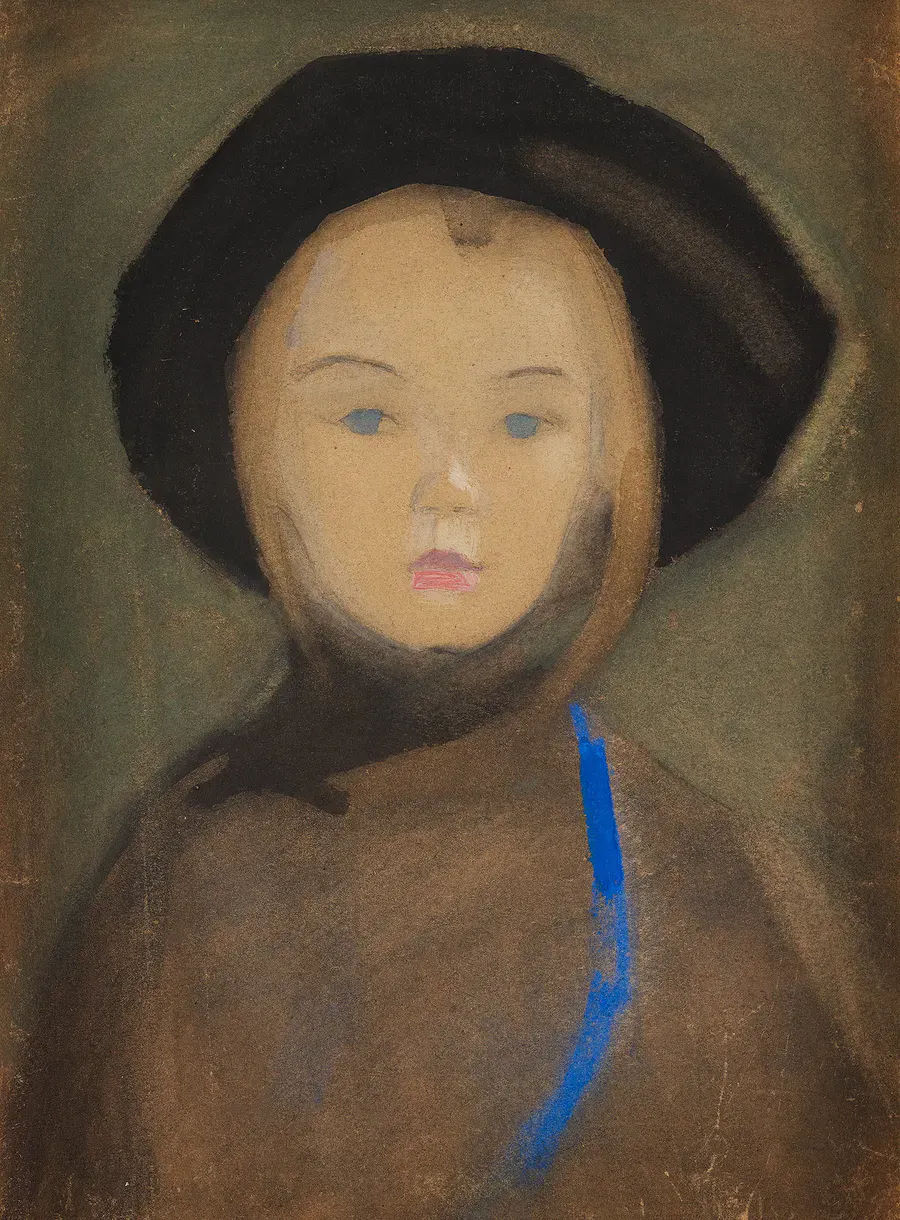
In 1902, Helene Schjerfbeck moved to the town of Hyvinkää, five miles north of Helsinki. For the first fifteen years in Hyvinge, Schjerfbeck refrained from travelling to Helsinki. She sent her works to exhibitions and kept in touch with the outside world through correspondence with friends and subscriptions to international art magazines.
The auction's portrait Girl with a Blue Ribbon (1909) was painted during these years, an important transitional period in her artistic career. In isolation, Schjerfbeck found her own way, and during her years in Hyvinge, her distinctive, simplified idiom developed in a modern direction. The stripped-down, pure painting was partly influenced by the Japanese woodcuts that Schjerfbeck studied in the years around 1908.
5. The pioneering portrait painter
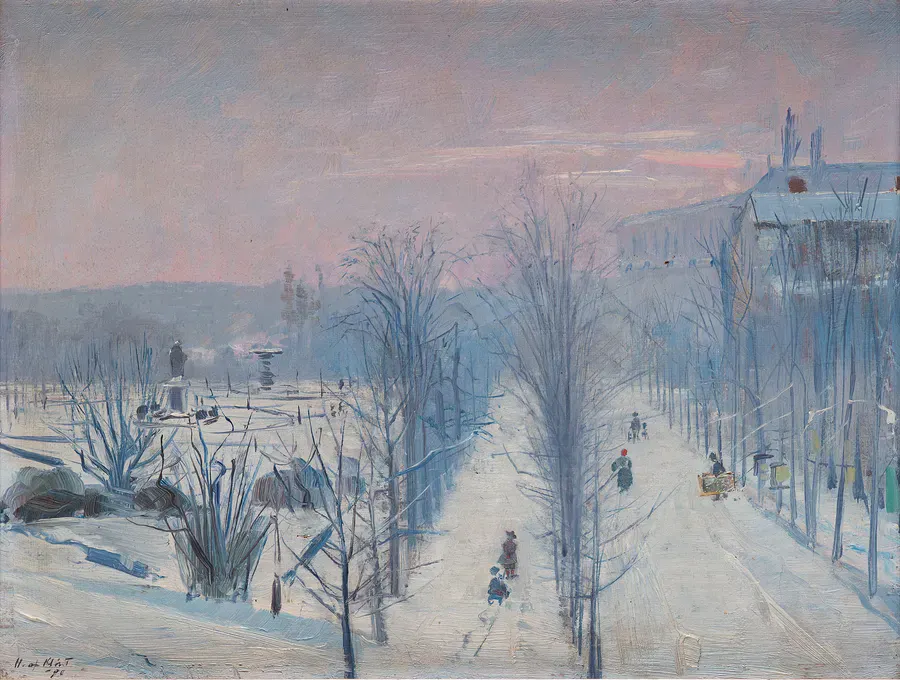
Hilma af Klint showed her artistic talents very early on. In 1880, she began studying at Stockholm University of Arts, Crafts and Design (now Konstfack) and trained in the portrait genre. She continued her studies at the Academy of Fine Arts in Stockholm, although by the end of the 19th century it was unusual for women in Sweden to pursue higher education. The Academy of Fine Arts accepted its first female students in 1849, and the 'Fruntimmersavdelningen' (a pejorative term at the time for the department for women) was opened to 18 female students in 1864.
Hilma graduated with good grades and received a scholarship for a studio in the so-called Ateljé building, located at Hamngatan 5 near Kungsträdgården in Stockholm. It was perhaps around this time that Klint painted the beautiful auction painting entitled Winter View of Kungsträdgården.
6. The Seine as seen by Sweden
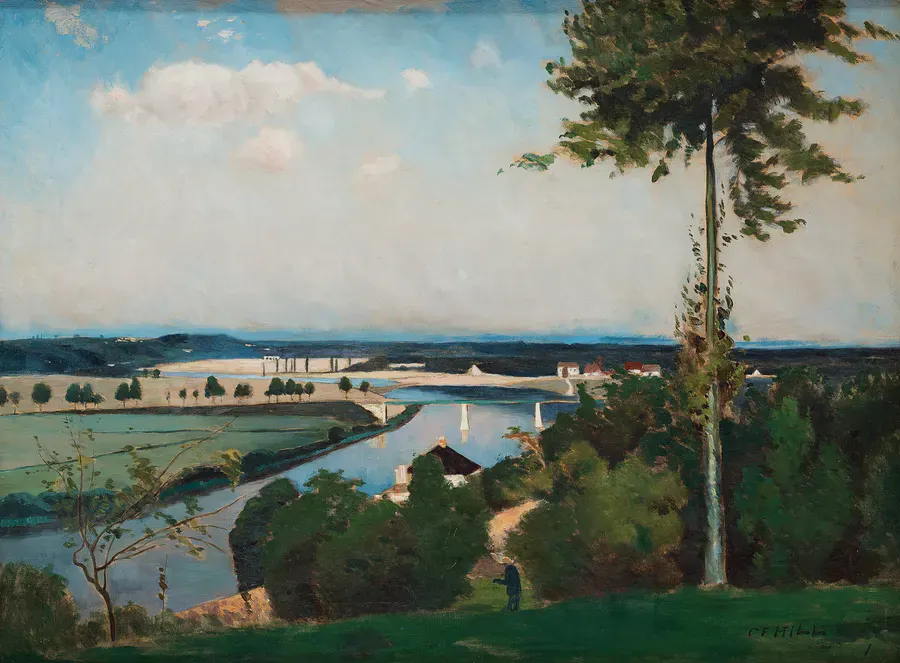
Four versions of the same subject are in museum collections and in December 2019, the larger version of The Tree and the River Bend (1877) was sold at Bukowskis for SEK 12.5 million. This could be the last chance to acquire a masterpiece from Carl Fredrik Hill's outstanding series of depictions of the Seine. The Brolles/Bois-le-Roi River landscape belongs to a collection of paintings that represent the absolute pinnacle of Hill's spectacular output as a landscape painter in France.
The artwork was painted in the summer of 1877, just a few months after Hill had moved to the rural idyll southeast of Paris. It was this area overlooking the Seine that inspired the artist's legendary 1877 series of similar landscape motifs. Like most of Hill's landscapes, the painting is characterised by the artist's palpable sense of light and atmosphere.
7. The origin of the nickname 'Tintoretto'
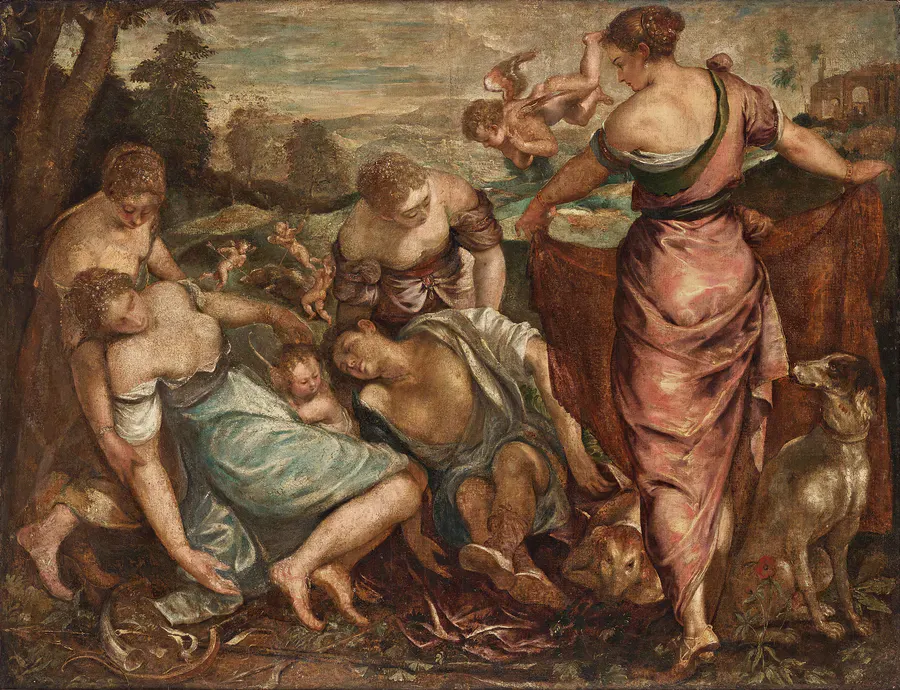
Tintoretto, or Jacopo Robusti, was an Italian painter working in Venice. He was nicknamed Tintoretto (the little colourist) because he was the son of a tintore (colourist). Tintoretto's works are often characterised by strong exaggerations in both composition and colour treatment. The painting in this auction was completed in Tintoretto's studio and depicts Adonis, who, after the goddess of Love Aprhodite fell in love with him, was killed by the war god Ares out of jealousy.
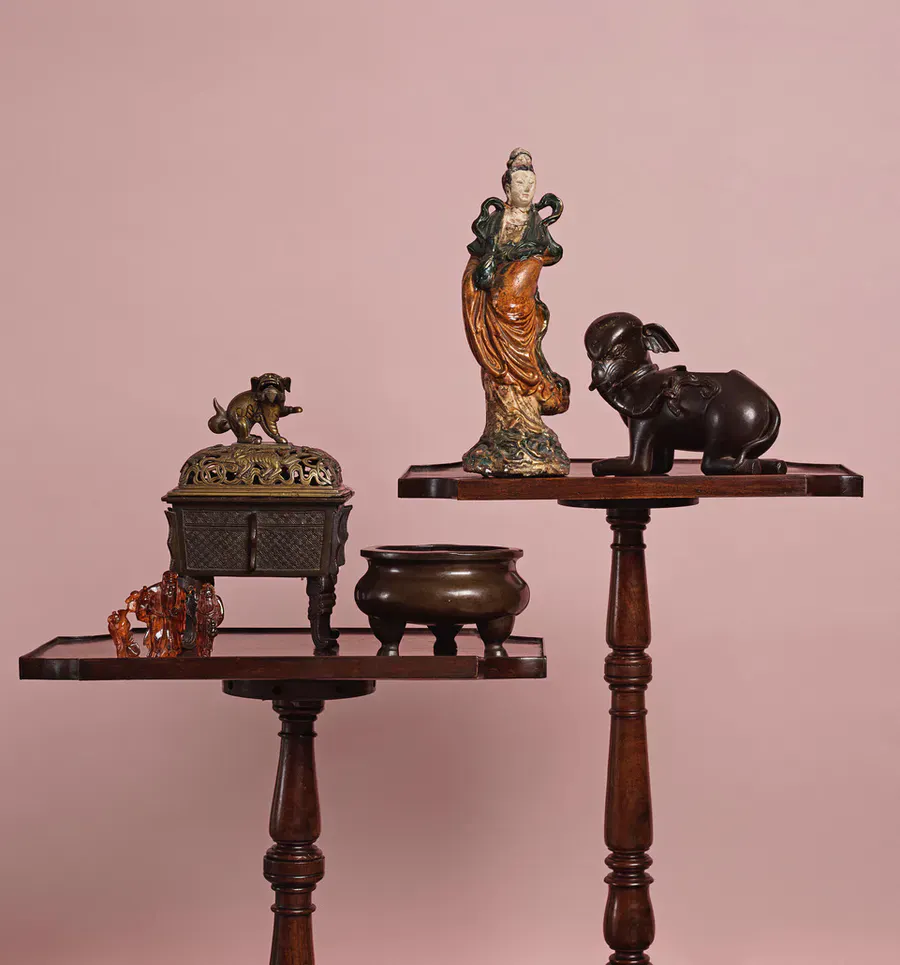
On 4 June you’ll have the chance to bid on the Asian Ceramics & Crafts catalogue, featuring sought-after items from several private collections, several Buddha statues, Japanese screens, pots and urns.