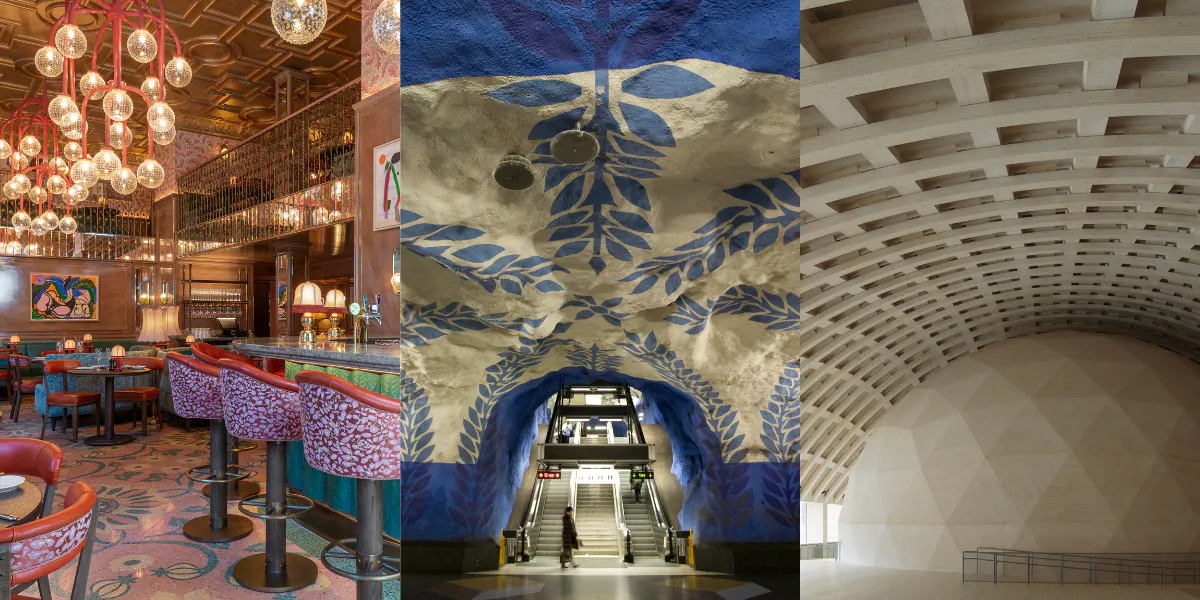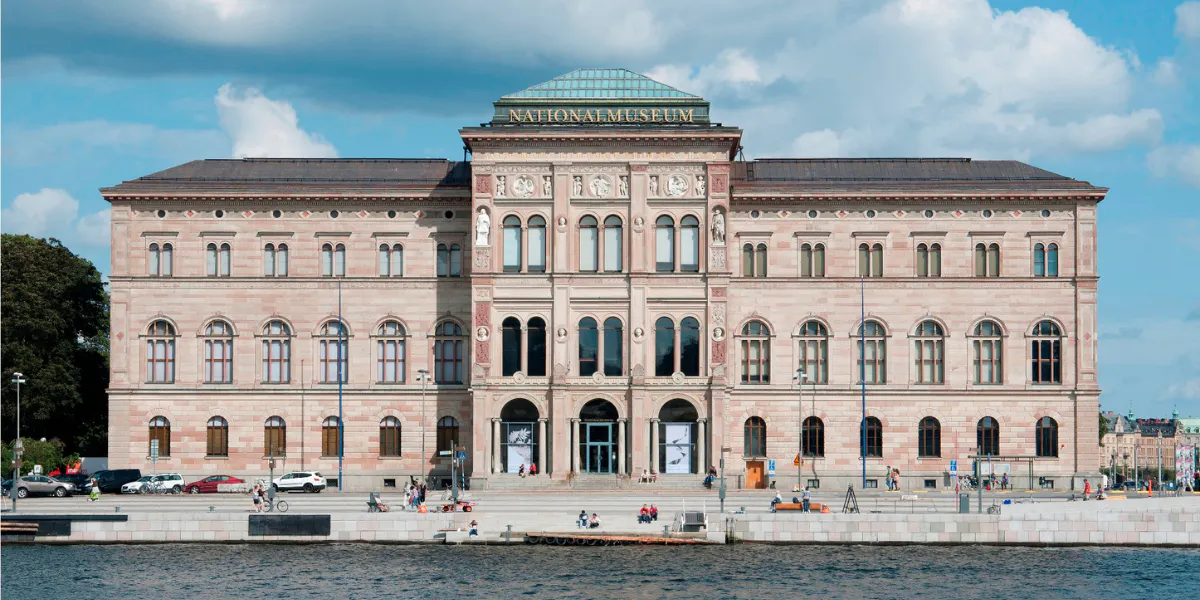
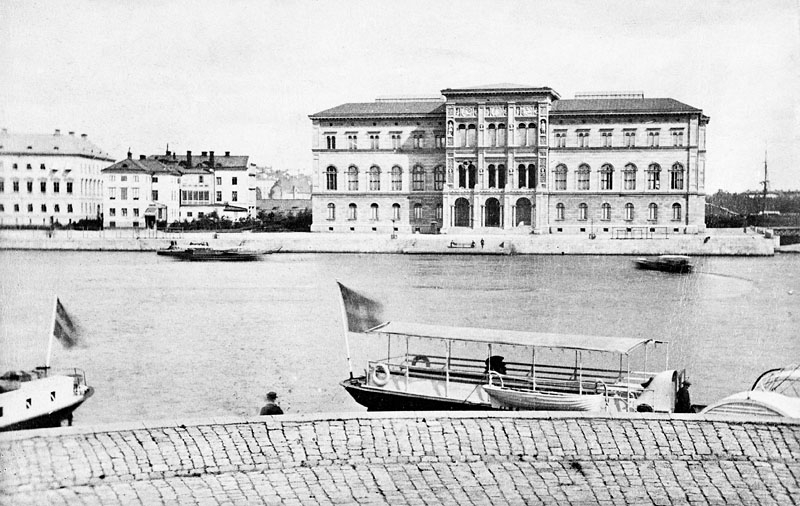
Sweden's Nationalmuseum was inaugurated in 1886, coinciding with the Stockholm Exhibition, following the trend set by several other European countries that had established their national museums in the 19th century. The architect, Friedrich August Stüler, crafted a three-storey museum building with an impressive staircase on Blasieholmen in Stockholm.
Early history and the first collections
The museum's collections primarily stem from numerous generations of royal acquisitions, which have now transitioned into state ownership. Within these collections, we encounter not only domestic artworks but also a substantial amount of international art, elevating the Nationalmuseum to the status of an art institution with global significance.
The older parts of today's collections, tracing back to Gustav Vasa's reign, also feature artworks acquired through war loot, notably the Munich loot of 1632 and the Prague loot of 1648.
See also: 12 Women Who Rocked the Art World
Two influential women have significantly shaped the royal collections. In the 17th century, Queen Christina traveled to the continent to acquire art for the collections. Additionally, Hedvig Eleonora's passion for showcasing the royal family through art resulted in both the import of foreign artifacts and a burgeoning market for Swedish-produced art.
18th century
In the 18th century, when the precursor of the Nationalmuseum was established, acquisitions were primarily carried out by royals such as Adolf Fredrik, Queen Lovisa Ulrika, and Gustav III. Notably, Carl Gustaf Tessin played a crucial role in both that era and the current collection.
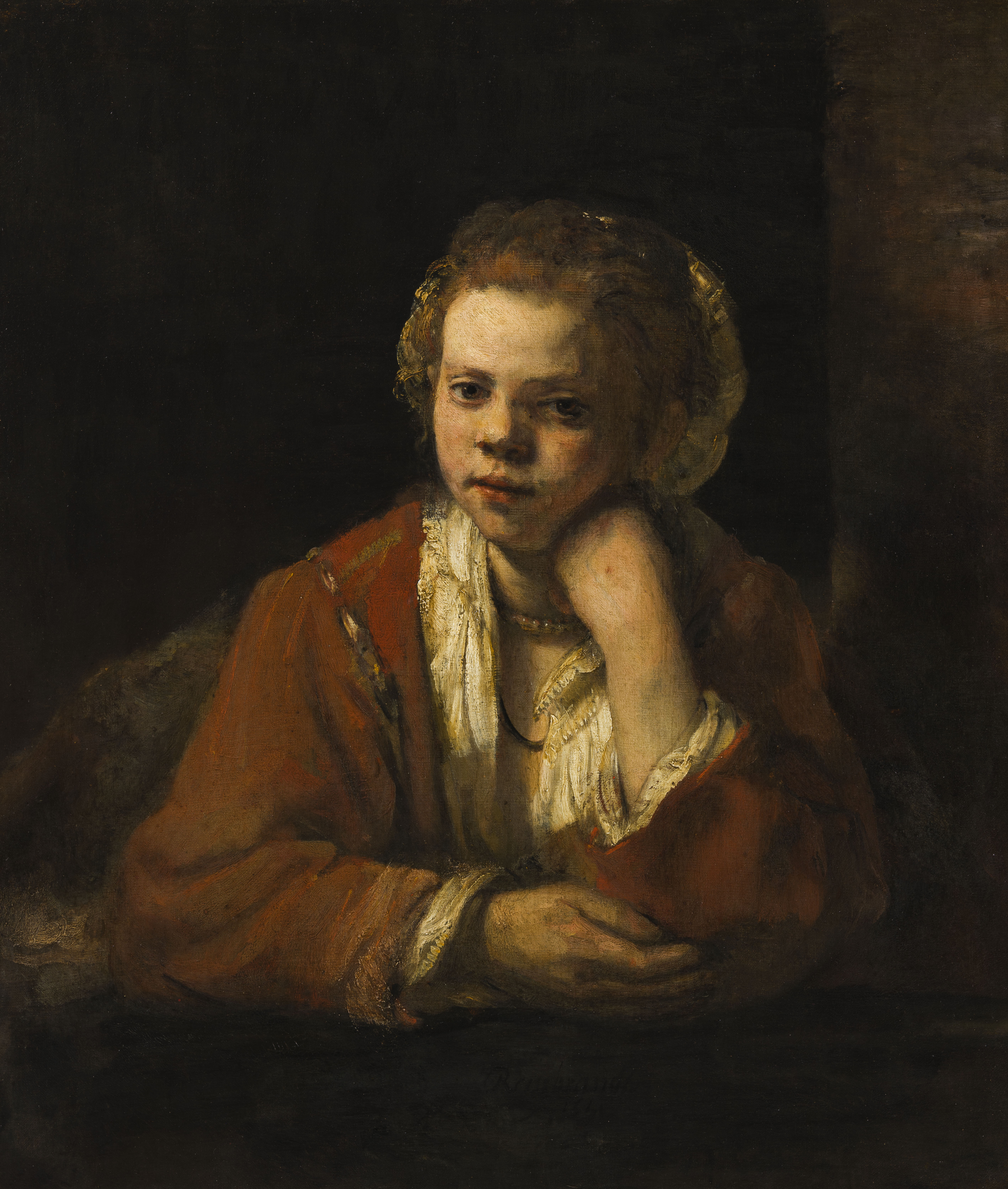
From 1739 to 1742, Tessin, having spent multiple periods in Paris, made substantial purchases of contemporary art on the continent. He acquired works by François Boucher, Jean-Baptiste-Siméon Chardin, Rembrandt, and Constantin Verhout – some of the museum's prized international treasures.
See also: 6 Iconic Dutch Paintings
Tessin played a crucial role in expanding the collections of both Lovisa Ulrika and Adolf Fredrik. An example is Tessin's drawing collection, purchased by Adolf Fredrik in 1755 and later acquired by Gustav III upon his father's passing. Although initially donated to the Royal Library, the collection was later transferred to the Royal Museum in 1794.
The Nationalmuseum's collections encompass a significant portion of Queen Lovisa Ulrika's 18th-century French paintings. They became state-owned when her son, Gustav III, addressed her financial challenges by taking over the collections and Drottningholm Palace to settle her debts.
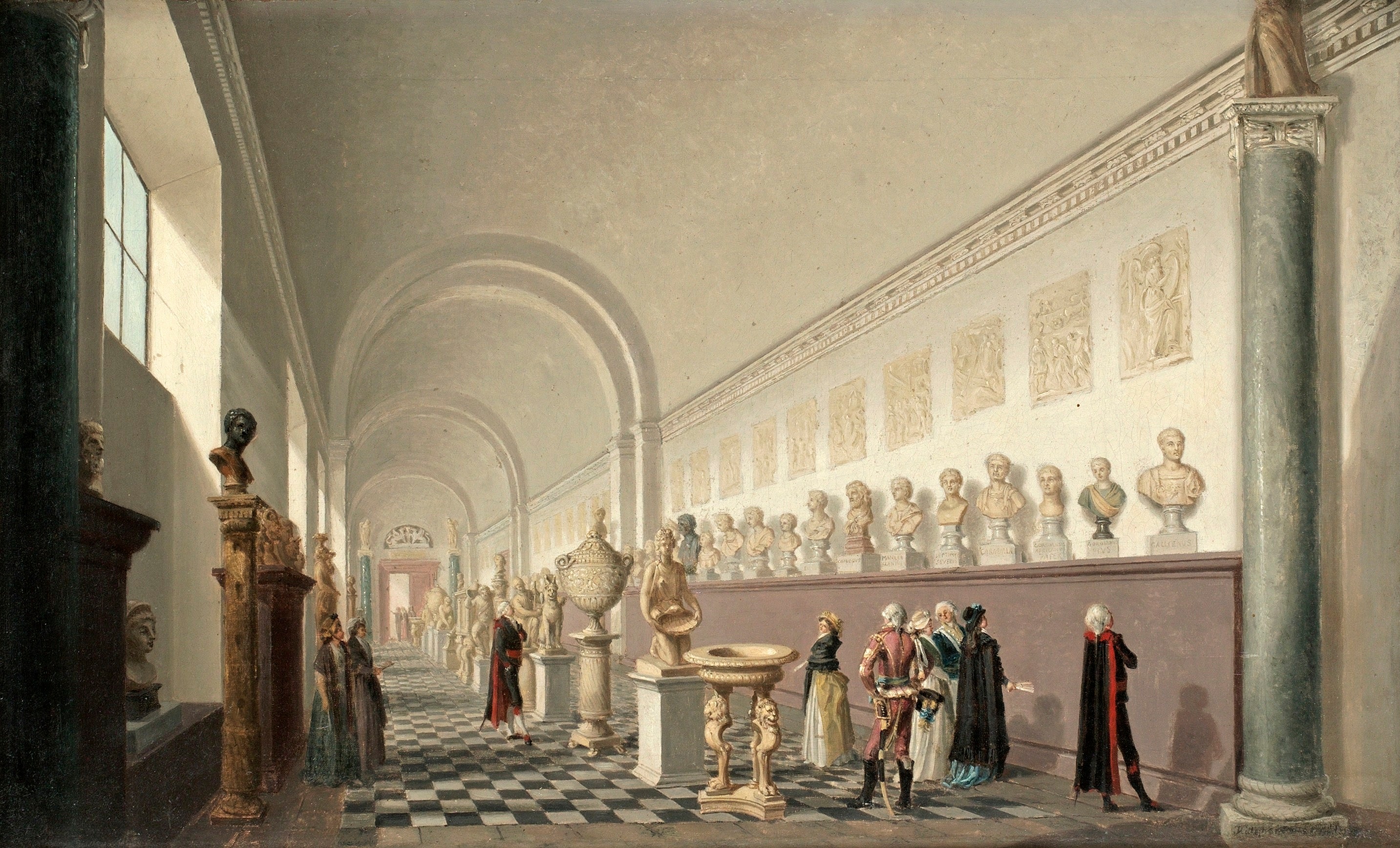
King Gustav III, in 1780, founded the Picture Gallery and, in 1785, the Museum of Antiquities at Stockholm Castle. These institutions collectively set the groundwork for the establishment of the Royal Museum in 1792, the very year the King passed away. The Royal Museum would subsequently serve as a precursor to the Nationalmuseum.
See also: Top 10 Rediscovered Masterpieces
Vitally, for today's Nationalmuseum, Gustav III employed state funds to acquire art, preventing the dispersion of collections through inheritance. Upon the King's passing, his collections became state property, ensuring they were safeguarded as the heritage of the Swedish people.
Fredenheim, the Executive Secretary of the Cabinet for Foreign Correspondence and the late King's art adviser, is another key figure in the Nationalmuseum's history. He was appointed director of the Royal Museum and, consequently, the director of the art collections. Fredenheim played a vital role in the establishment of the Nationalmuseum, actively acquiring art. For instance, he persuaded Gustav IV Adolf to purchase the Martelli Collection in the late 1790s. Most importantly, he secured permission for the museum to be accessible to the public without special authorisation to enter the palace, marking a crucial step toward making the museum more widely known.
19th century
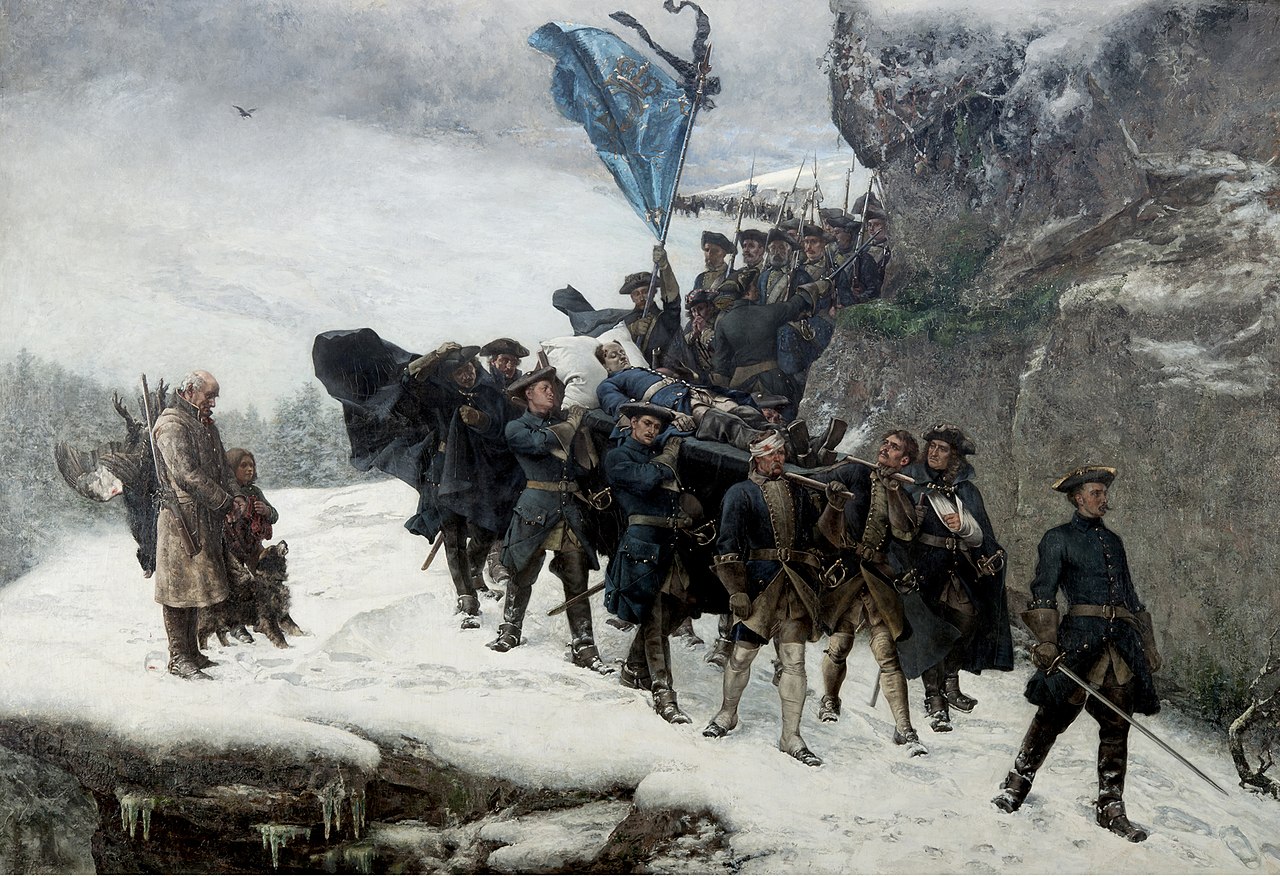
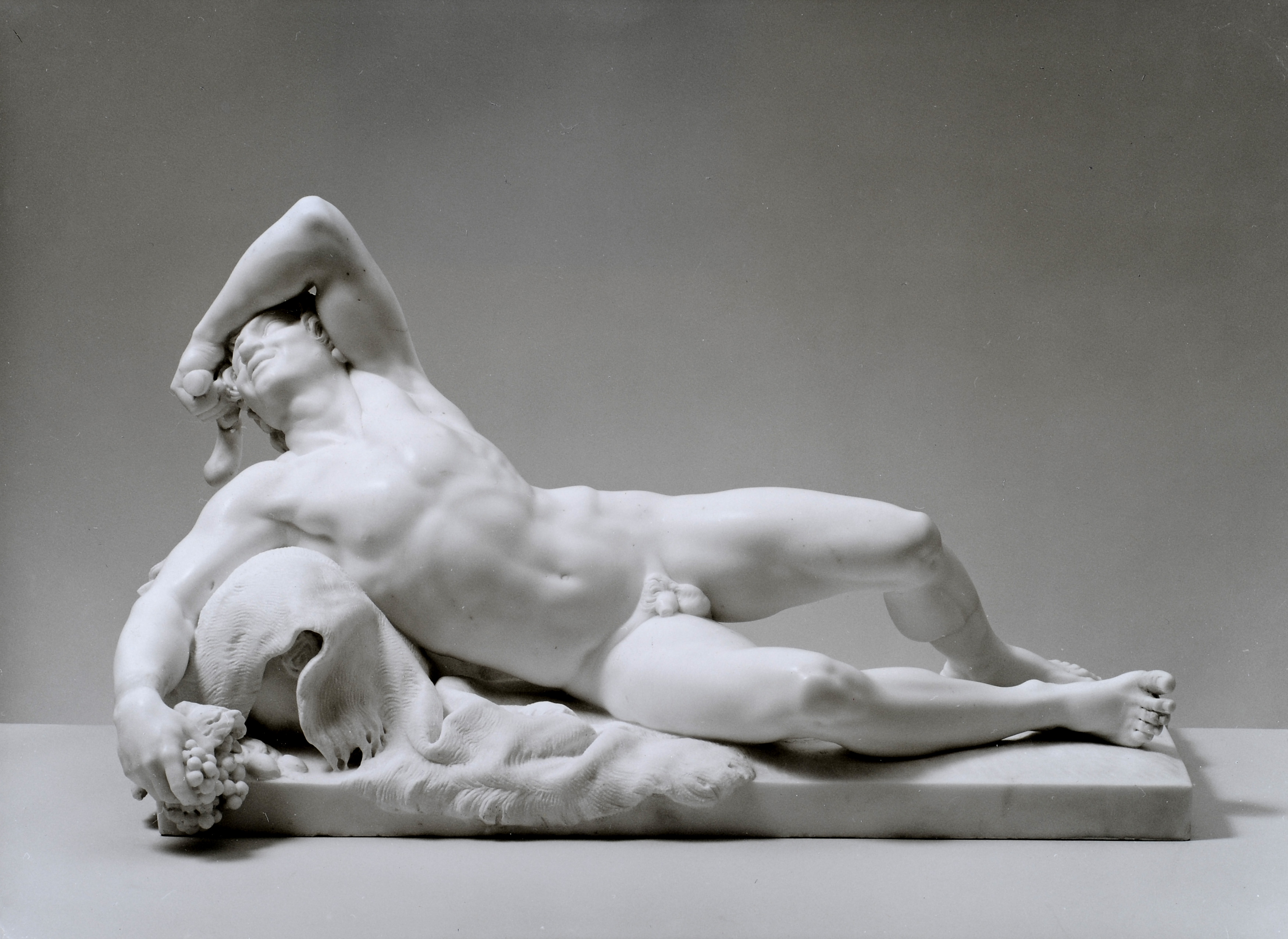
In the early 19th century, the museum encountered challenges due to a lack of interest and limited resources. However, a pivotal moment occurred in 1815 with one of the most significant acquisitions in the museum's history – the purchase of Johan Tobias Sergel's sculptures. This marked a turning point, shifting the focus to classicism and national art. Following this trend in 1818, King Karl XIV Johan commissioned Bengt Erland Fogelberg's sculptures of Odin, Thor, and Balder, embodying the true spirit of national classicism.
Before the completion of the new building that would eventually house the Nationalmuseum, in the early 19th century, the museum started acquiring contemporary art. In 1845, it achieved a milestone by making its first purchase of a work by a living artist, namely Italian Bandits Abducting Some Women by Alexander Lauréus.
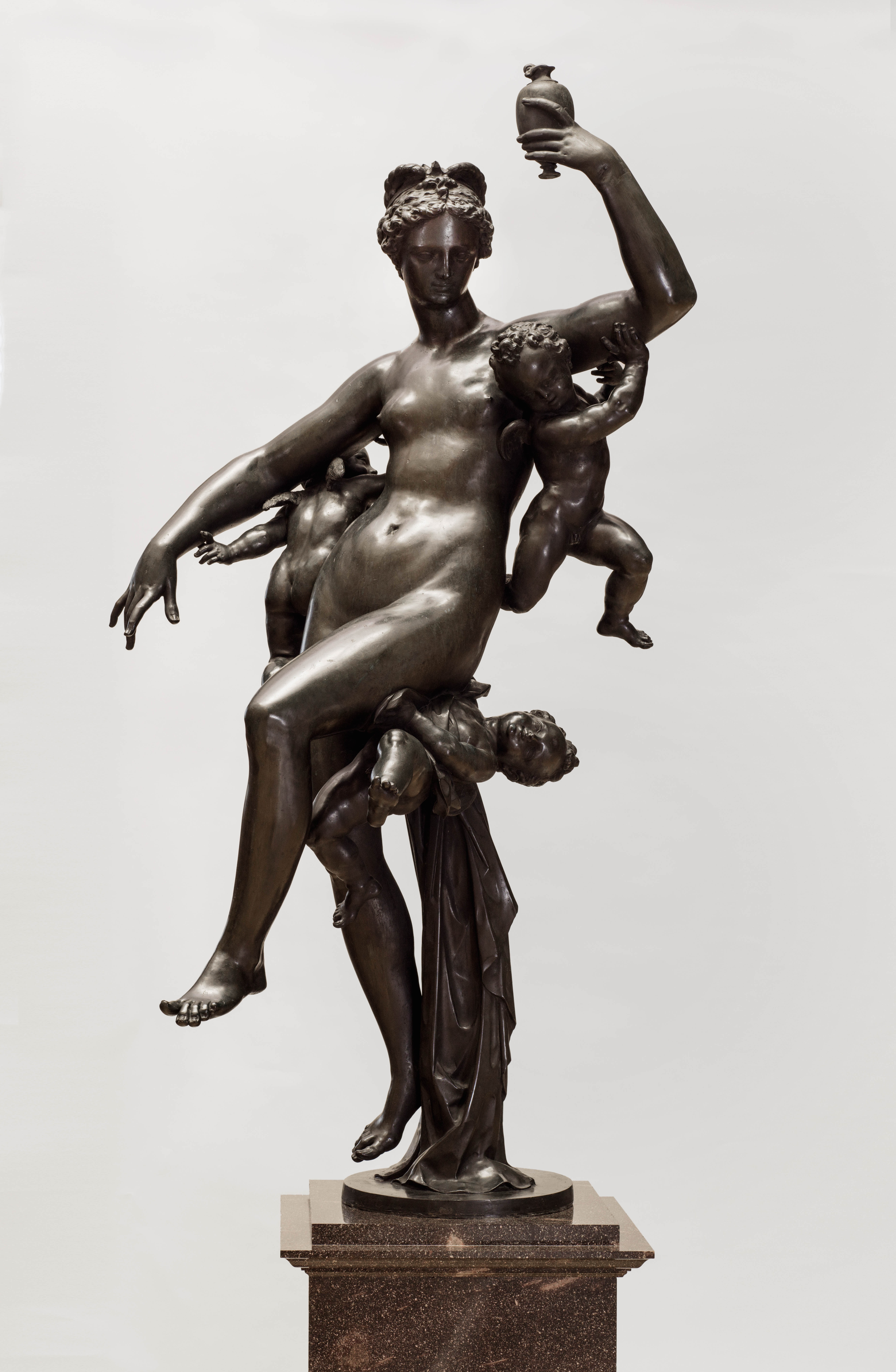
In the 19th century, there was a growing emphasis on acquiring modern Swedish art, and an inventory of the state collections at the royal palaces was conducted. In preparation for the opening of the new building in 1866, significant donations were received, including Martin von Wahrendorff's gift of Adriaen de Vries' Psyche carried by Amoretti, originally from Prague. Additionally, Fogelberg's sculptures and Rembrandt's Oath of Allegiance were transferred to the museum, with the latter being deposited on an open-ended basis.
See also: 10 Famous Sculptures in Art History
The collection of 19th-century Swedish and Nordic paintings owes much to Charles XV, who donated 400 works to the Nationalmuseum. The collection's quality varied, as the king acquired numerous pieces to support young, emerging artists. Primarily, the mentioned collections showcase French, Dutch, and Gustavian Swedish painting.
The building
The idea of constructing a new building for the art collection at Stockholm Palace was initially considered in 1814. However, it took 50 years for the completion of the Nationalmuseum. The matter was first discussed in the Riksdag in 1828, inspired by museums in Copenhagen and Munich. It resurfaced in 1840-41, and in 1844-45, funding was approved for a new museum building.
Before settling on Blasieholmen, various locations were considered for the museum, including Kungsträdgården, Humlegården, Helgeandsholmen, Slottsbacken, and Kungsklippan.
Initially, Fredrik Wilhelm Scholander created the first drawings, but following criticism from consultant and Berliner Friedrich August Stüler, Stüler was ultimately awarded the contract. The project, one of the most ambitious of its time, took twelve years to complete the building, with an additional three years dedicated to the interior.
Stüler's philosophy was that the museum building itself should serve as a work of art, embodying its artistic spirit within its contemporary era. The belief was that architecture, like other creative works, was a form of art and should be harmoniously integrated with other artistic expressions.
Inspiration for the Nationalmuseum was derived from both antiquity and the Italian Renaissance, encompassing elements from both Florentine and Venetian styles. While the building adopts a suitable form akin to Florence, it incorporates facade motifs reminiscent of Venice. The connection to Venice can be attributed to the museum's location, which evoked the atmosphere of the waterbound city.
Nationalmuseum since its foundation
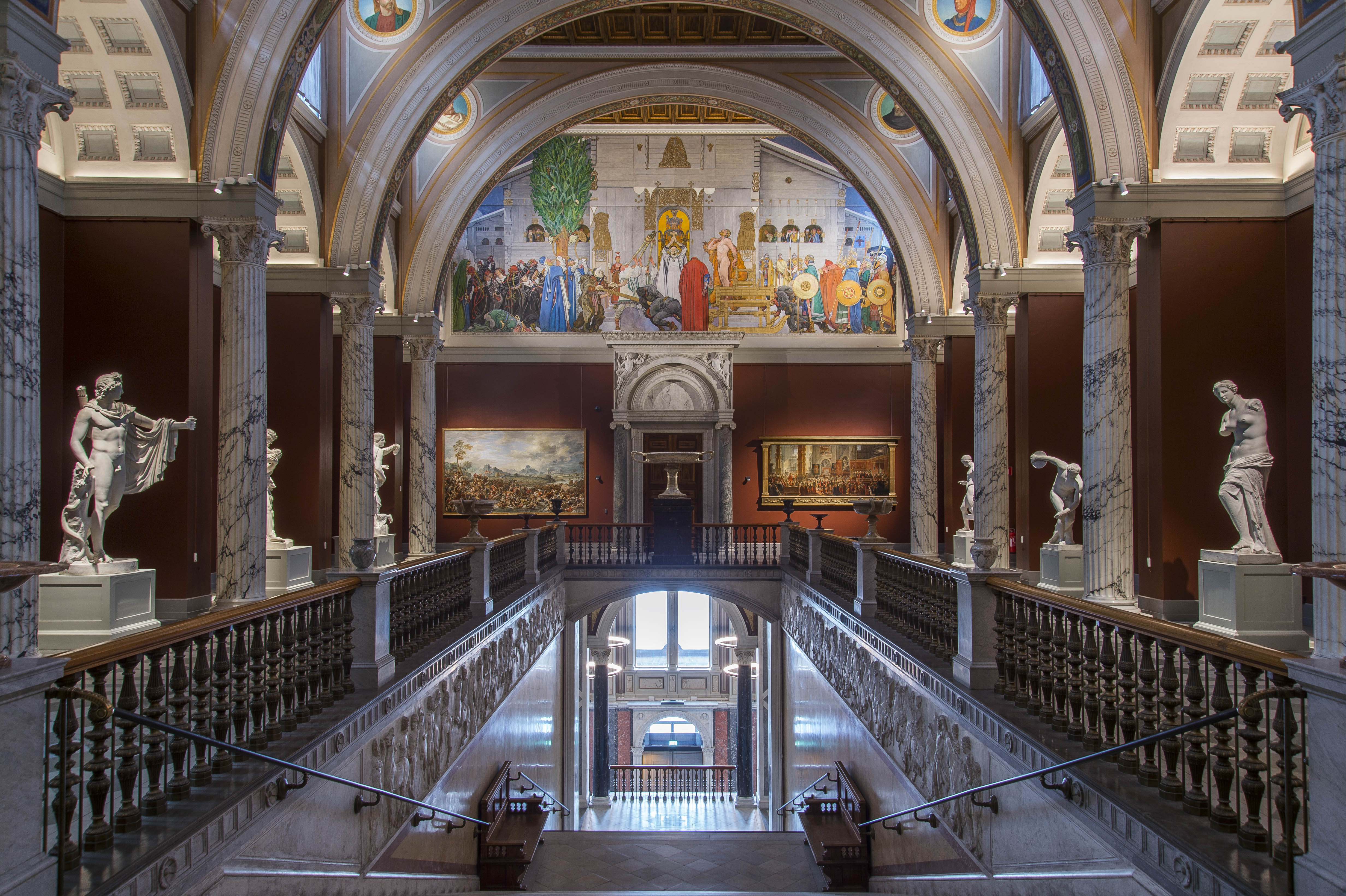
In 1866, the Nationalmuseum was completed and swiftly emerged as a significant influence in Stockholm's cultural scene—a role it continues to play to this day. Since its inauguration on Blasieholmen, the collections have consistently expanded, featuring acquisitions that vary in their level of appreciation.
See also: The 10 Most Famous Works of Art and Where to Find Them
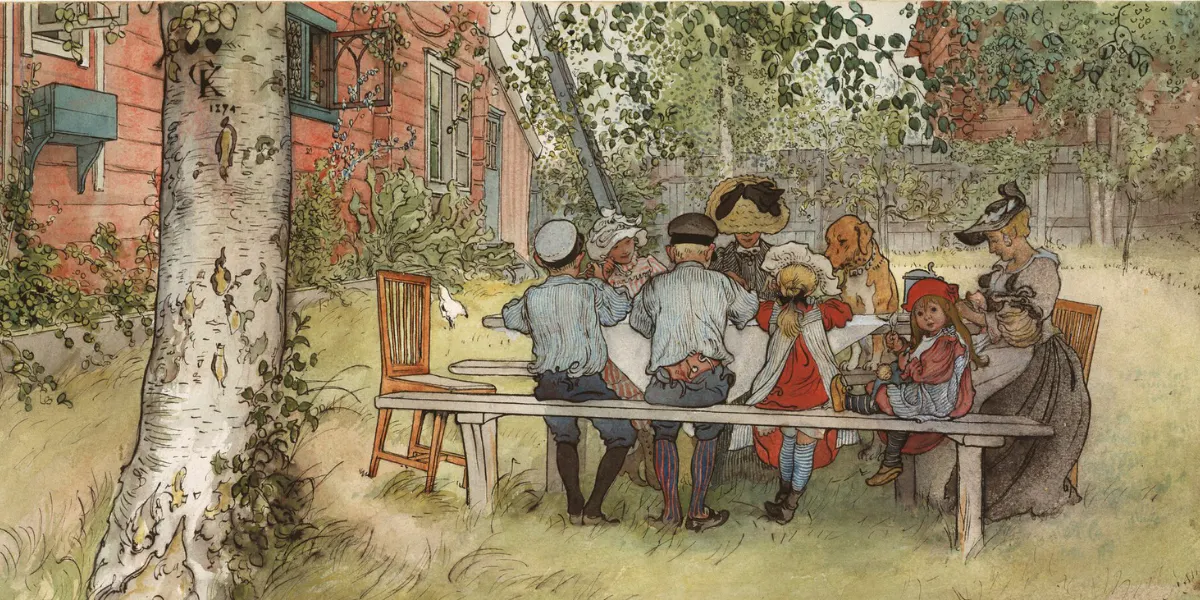
Carl Larsson's frescoes
In 1886, frescoes by Carl Larsson depicting scenes from Swedish history were incorporated, showcasing a mix of rococo pastiche with Art Nouveau influences. Among Carl Larsson's works at the Nationalmuseum, Midvinterblot, displayed in the stairwell, stands out as particularly controversial. Measuring over 13 x 6 meters and featuring ancient historical motifs, the painting faced criticism even in its sketch form. Despite protests, Larsson completed the work, unveiling it in 1915, sparking debates that reached government levels.
After Carl Larsson's death in 1919, Midvinterblot was housed at the Skissernas Museum in Lund. From 1983 to 1984, the painting underwent renovation and was displayed at the Historical Museum in Stockholm. Subsequently, a Swedish art dealer offered the work to the NationalMuseum, which declined the offer. The Historical Museum also refused due to the high price. In 1987, Midvinterblot was sold at auction and bought by a Japanese collector. The painting was lent to the major Carl Larsson exhibition at the National Museum in 1992. Following extensive negotiations and generous financial support from private donors and foundations, the Nationalmuseum finally acquired the painting in 1997.
Arts and crafts
In mid-19th century Sweden, there was a strong appreciation for exhibiting crafts to inspire contemporary figures in the art industry. However, the Nationalmuseum had almost no designated space for this purpose. This lack of emphasis on crafts drew criticism, especially when compared to the Museum of Manufactures (now the Victoria & Albert Museum) in London, which opened in 1851.
See also: A Brief History of Furniture Design
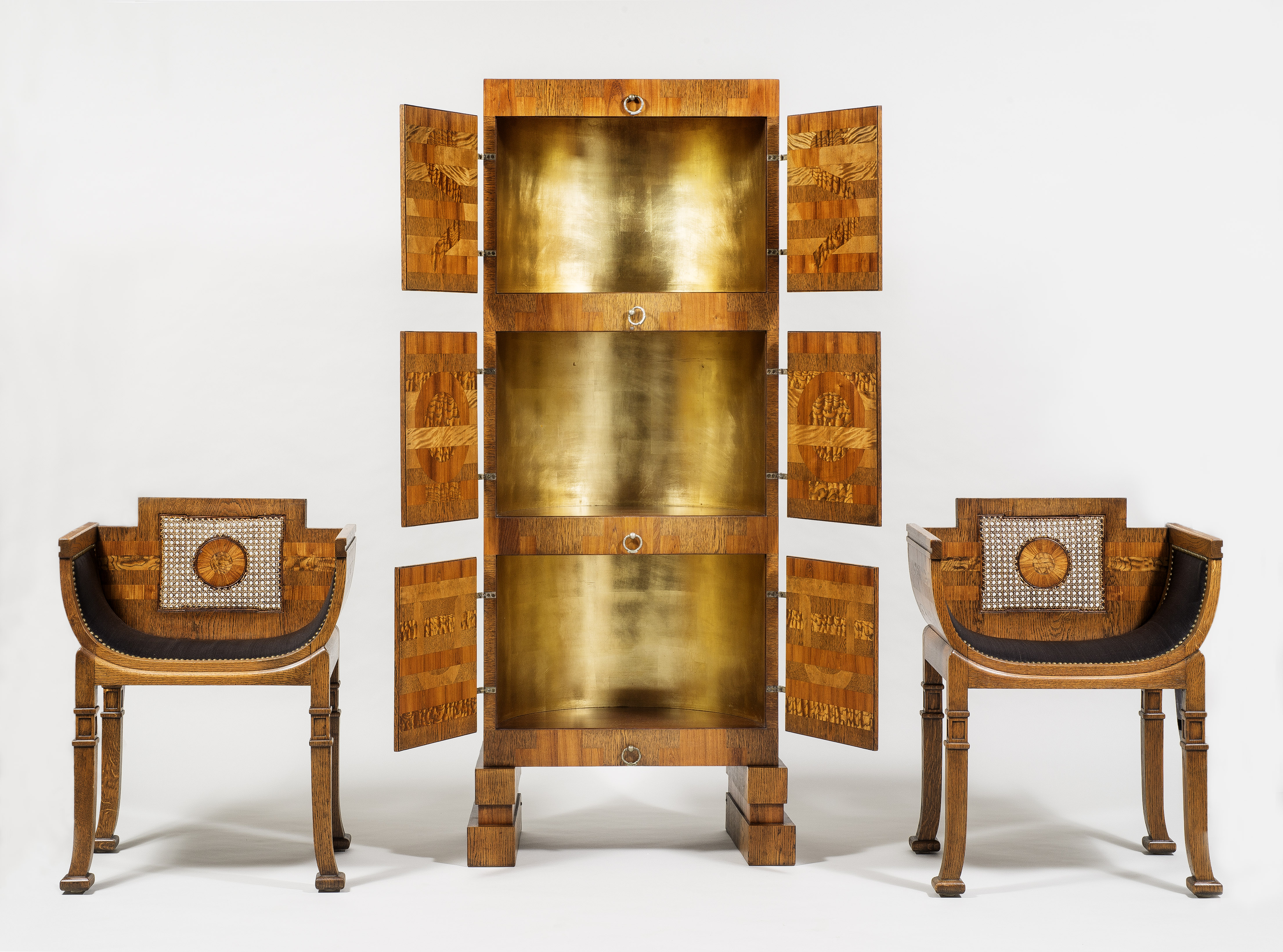
New donations from Karl XV, Axel Bielke, and the Swedish Society of Arts and Crafts elevated the collection, prompting the decision to allocate it a dedicated section at the Nationalmuseum by 1885. Initially displayed on the museum's mezzanine floor in two distinct sections until 2013, one featured works from the early 16th century to the mid-18th century, and the other showcased pieces from 1910 onwards. The older section predominantly houses items of royal origin, while the more contemporary section boasts a diverse array of textiles, ceramics, silver, furniture, lighting, glass, and industrial design, featuring names such as Wilhelm Kåge, Sigurd Lewerentz, Jonas Bohlin, Gunilla Allard, Gunnar Cyrén, and Ingrid Dessau.
The portrait collections
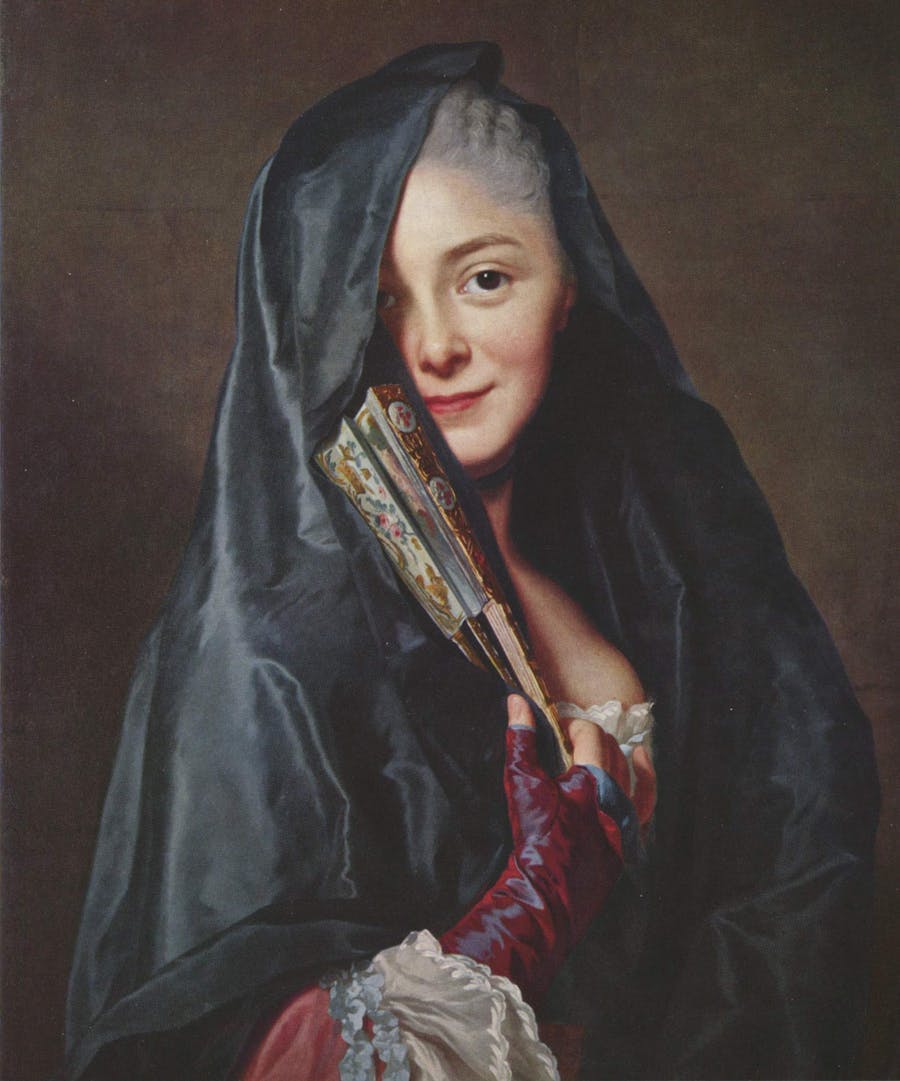
Nationalmuseum oversees the state's portrait collection at Gripsholm Castle, which stands as the world's largest portrait collection. Comprising approximately 4,700 works, the collection spans from the early 15th century to the present day.
The collection is continuously expanding, incorporating both historical and contemporary portraits of individuals who have left their mark on history. Each year, portraits of honour are introduced, with individuals appointed by the Gripsholm Association in collaboration with Nationalmuseum. Presently, the collection features portraits of figures such as Dag Hammarskjöld, Astrid Lindgren, Olof Palme, Ingvar Kamprad, and Hédi Fried.
The older sections of the collection feature works by David Klöcker Ehrenstrahl, Alexander Roslin, Ulrika Fredrika Pasch, Johan Gustaf Sandberg, and Fredric Westin. Transitioning to the turn of the century, the collection showcases pieces by Carl Larsson, Anders Zorn, Carl Wilhelmson, and Einar Nielsen. Early modern artists, including Isaac Grünewald, Nils von Dardel, and Tyra Lundgren, make their appearance, followed by contemporary artists like Birgit Broms, Cecil Beaton, Irving Penn, and Ola Billgren.
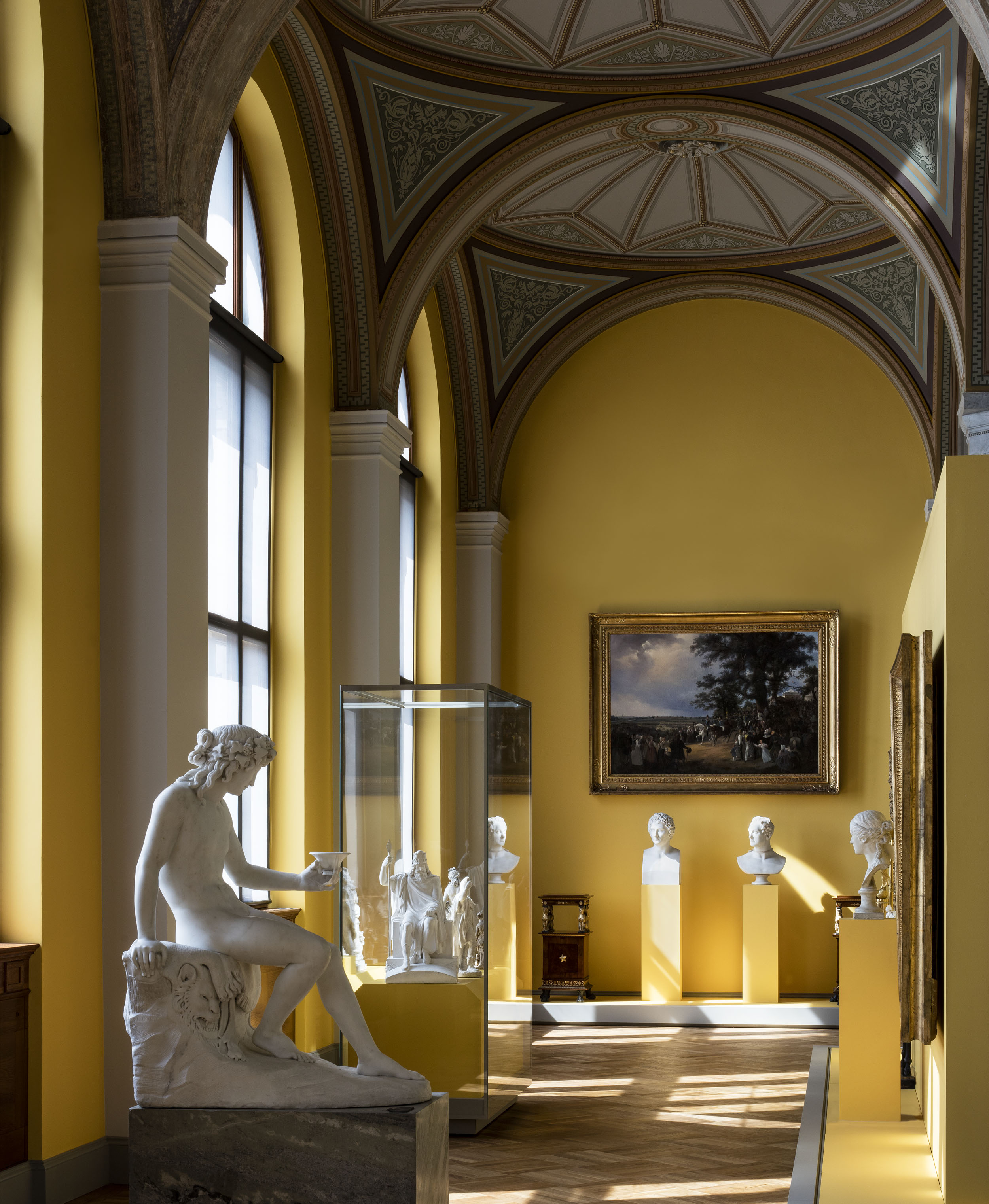
20th century and later
Between 1915 and 1919, a reorganisation took place in alignment with the prevailing modern museum principles dominating Europe. Richard Bergh, the museum's director during this period, expressed dissatisfaction with the absence of Nordic art from the later decades of the 19th century in the museum's collections. In response to competition from other European museums, Bergh initiated an appeal among affluent art enthusiasts to gather both works of art and funds for new acquisitions.
In response to this appeal, works by Carl Fredrik Hill, Ernst Josephson, Nils Kreuger, and Karl Nordström were incorporated into the Nationalmuseum, becoming crucial elements of the collection today. Bergh also expressed interest in acquiring 19th-century French art, successfully securing works by Edgar Degas, Paul Cézanne, Auguste Renoir, and Henri de Toulouse-Lautrec for the museum.
See also: The Scandal Behind Degas' Little Dancer
In 1958, 20th century art was transferred to Moderna Museet, while East Asian art was transferred to the East Asian Museum in 1962.
The initial remodeling occurred in the 1960s under the guidance of architect Per-Olof Olsson. In 1997, a restaurant and café were introduced in the northern courtyard. Subsequently, between 2013 and 2018, the Nationalmuseum underwent extensive renovations. During this period, temporary exhibitions were hosted at Kulturhuset Stadsteatern and the Royal Academy of Fine Arts.
Today, the collections at the Nationalmuseum comprise approximately 700,000 artifacts, spanning from the 16th century to the present day.