
It is because of the Finnish genius Alvar Aalto, who died in 1976, that we have such mythical architectural works as the Finlandia House, the Paimio Sanatorium, the Viipuri Library and the Louis Carré House (Yvelines).
A follower of functionalism and organic architecture, Aalto also produced furniture, textiles and glassware, as well as sculptures and paintings. Aalto never described himself as an artist and moreover considered painting and sculpture as “the branches of the tree whose trunk is architecture”.
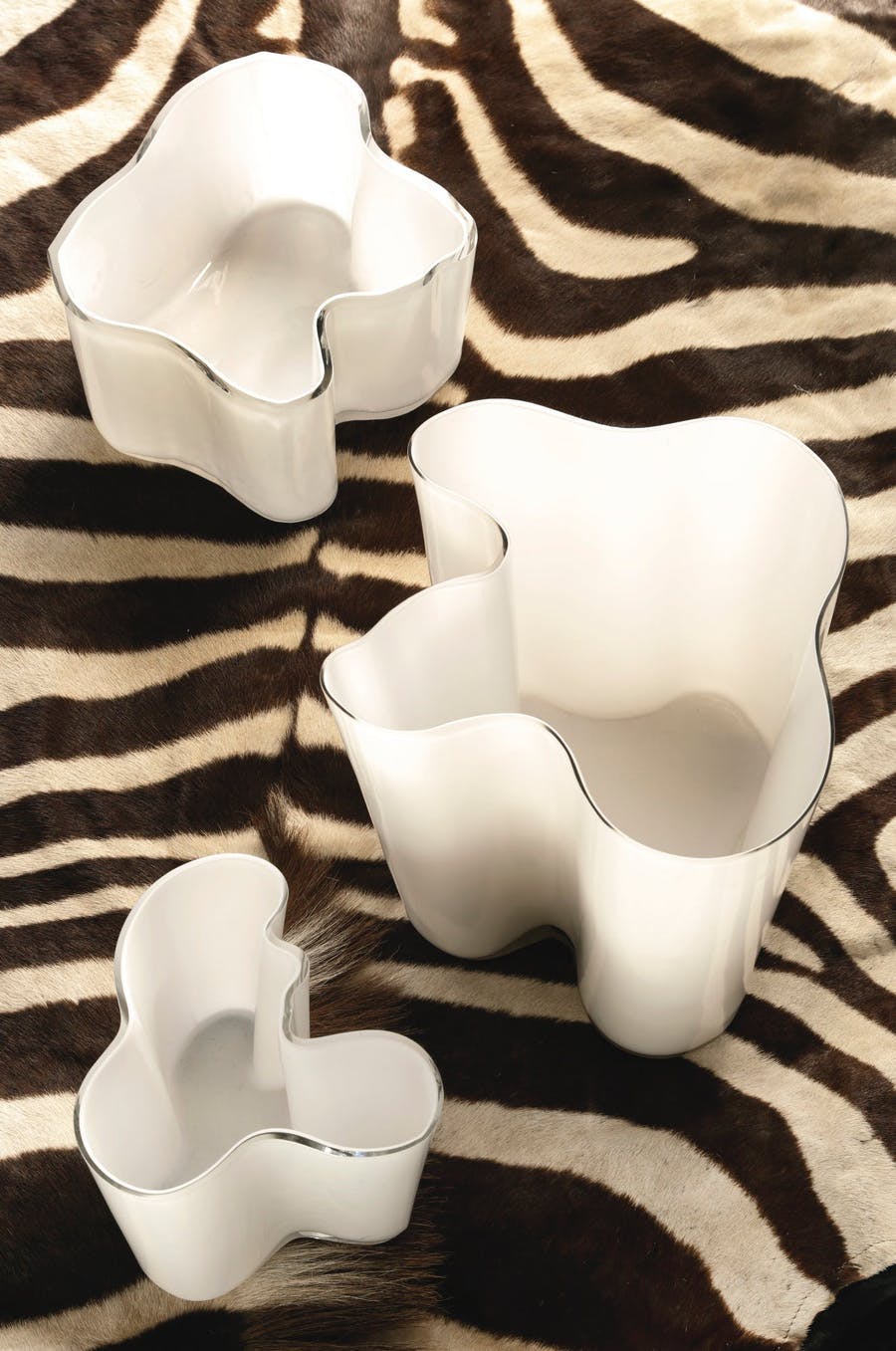
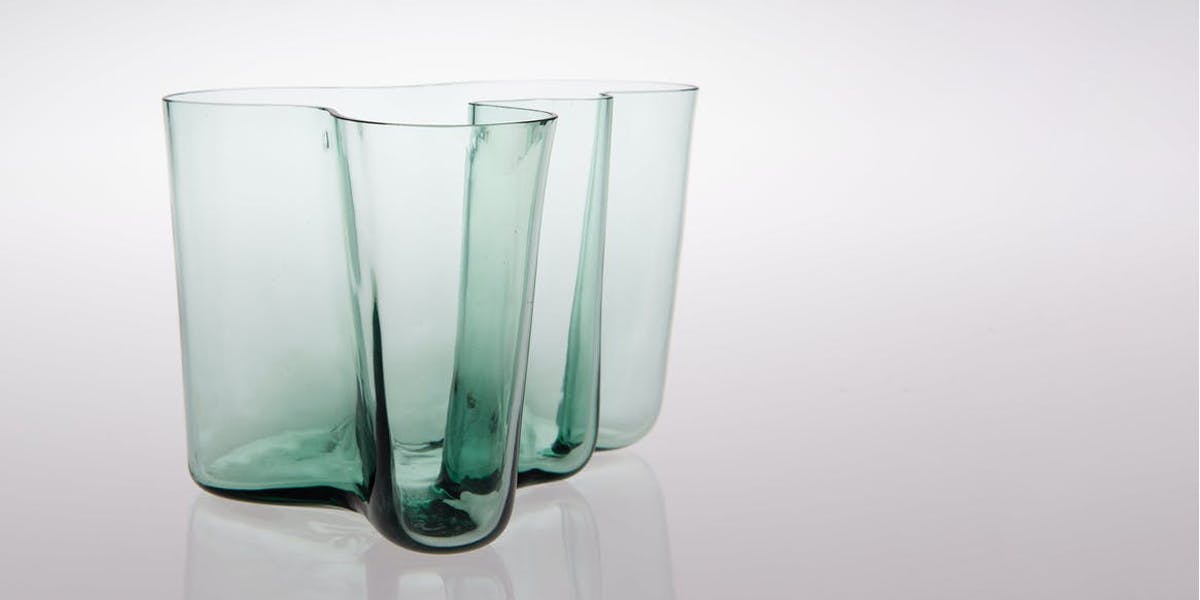
With his warm and fluid forms – which are both functional and attractive – Aalto’s design immediately signalled to the international avant-garde a new path in the field. This language didn’t escape his glass creations, whose organic shapes have made his trademark. Among his most iconic glass works, the Savoy vase, also known as the Aalto vase, is a must-have classic.
See also: The 10 Most Popular Furniture Designers
With sinuous, organic shapes that express the quintessence of nature, this vase alone initiated the lines that characterised post-war Finnish design.

Originally designed to participate in a competitive entrance examination into the Karhula-Iittala glassworks company in 1936, the Savoy vase was inspired by the forms of the dress of Sami women (indigenous people of an area that covers the northern Sweden, Norway and Finland).
See also: Tiffany Glass: Art Nouveau Illuminated
The sketches made by Aalto consisted of a series of drawings on pieces of paper and cardboard. The designer created the initial prototypes by blowing glass through the centre of an arrangement of wooden sticks stuck in the ground. The glass paste, by swelling only in some places, gave rise to undulating shapes. Some believe that the curvy silhouette of the vase is a reference to the surname of its creator, which in Finnish means wave.
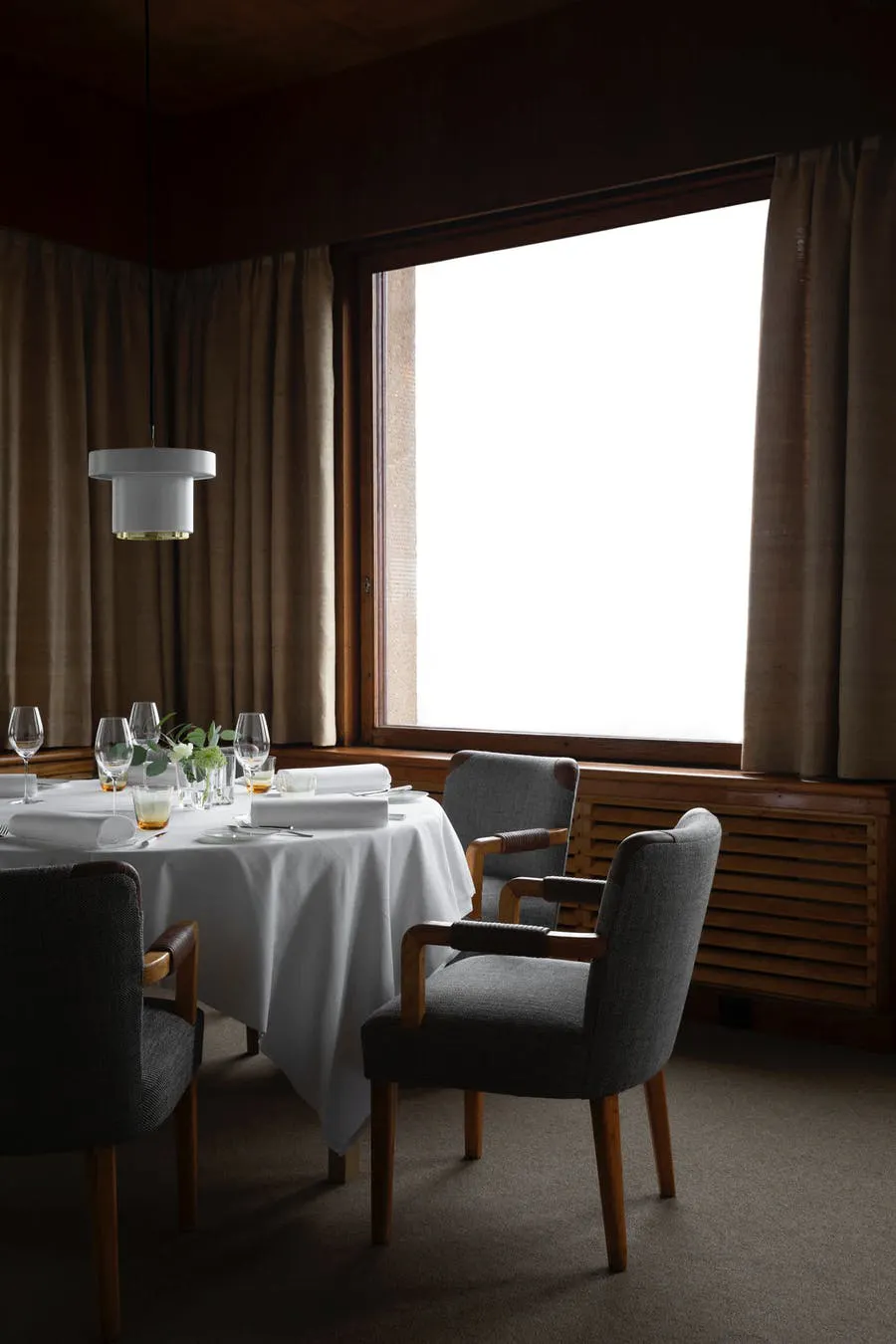
The vase was made public at the International Exhibition of Arts and Techniques in Modern Life in Paris in 1937, for which Aalto designed the Finland pavilion. The vase did not take the name Savoy until later that year, following its acquisition (along with its rights) by the Savoy restaurant in Helsinki, whose interior was designed by Alvar Aalto and his wife Aino. The small glass work is now synonymous and an essential element of the establishment's décor.
See also: Venini: Glass and Light
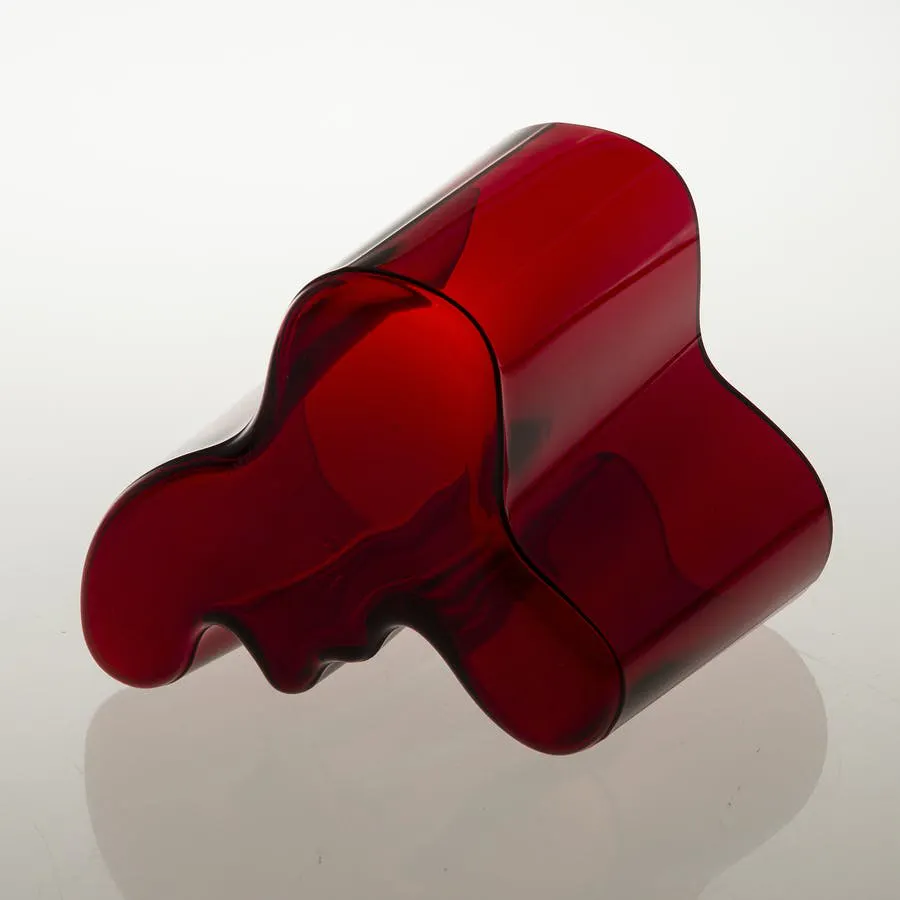
The vase has been produced in a wide range of colours and, still in the 21st century, fits perfectly into contemporary interiors. Smaller versions are still in production by glassmaker Iittala, located in the eponymous town in Finland. Even today, it takes seven skilled craftspeople to produce this vase.
See also: 10 Reasons to Buy Vintage
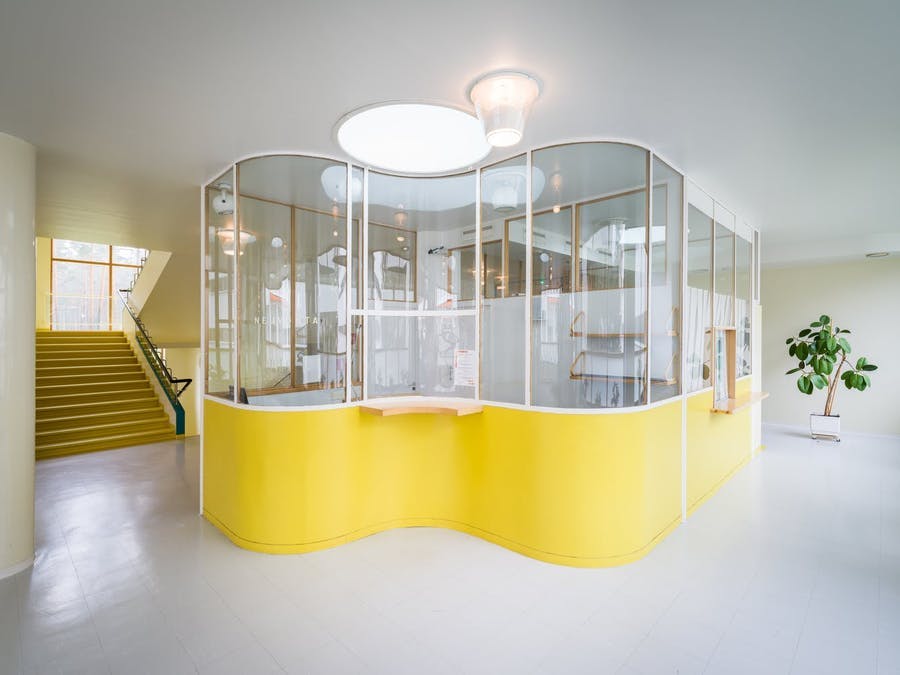
Its characteristic forms are of paramount importance in Aalto's work. We find them, among other things, in his wooden screen designed in 1936 for Artek, and even in his architectural designs, such as the reception of the Sanatorium of Paimio, built between 1929 and 1933. The glazed façades of the small reception unit undulate gracefully and unmistakably recall the silhouette of his vase.
Popular for its simplicity and its historical impact on the world of design, the Savoy vase creates an event with each visit to the auction rooms. Made according to Aalto's globalist and humanist approach, it is one of the classic works from which Finnish design has developed and flourished. Aalto never made any money with this vase, as the design belonged to the factory that held the competition.