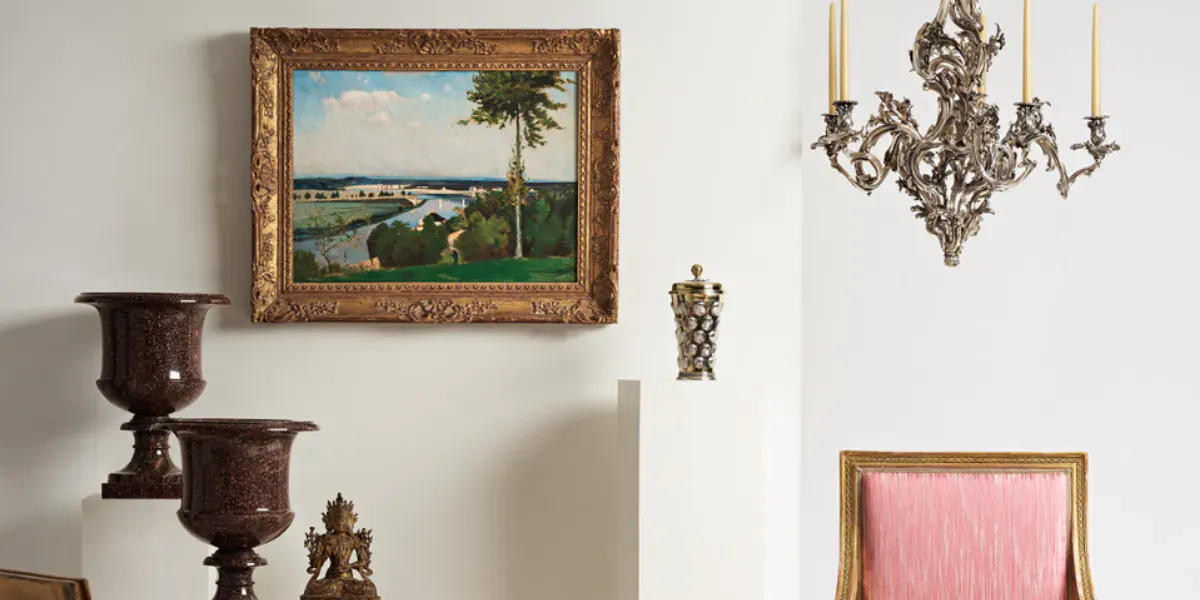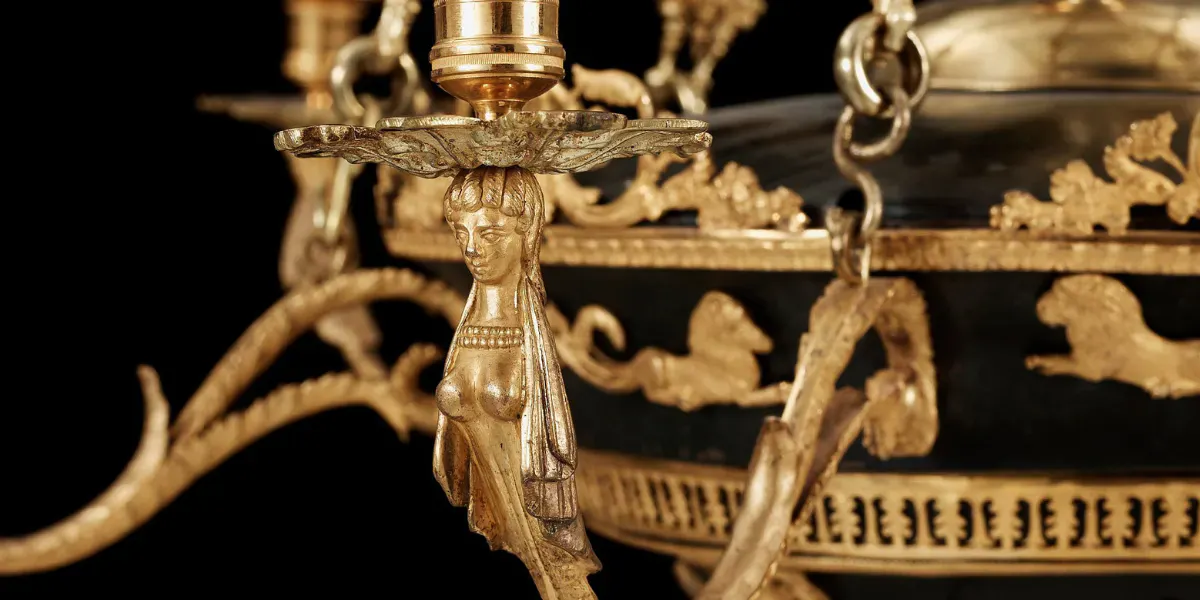
The inspiration for what we call Empire style was drawn from Greek and Roman antiquity. Ancient Egypt was also an important influence, especially during and after Napoleon's campaign against the country in 1798. Two of the most important architects and designers of the time were Charles Percier and Pierre Fontaine, who accompanied Napoleon on the campaign, where artefacts were collected, studied and recorded. During the campaign, these pieces were continuously sent to Paris to provide inspiration for architecture, arts and crafts, furniture, fabrics and more. At this time, France was the starting point for the latest fashion throughout Europe.
See also: Baroque Silver Furniture: A Symbol of Power
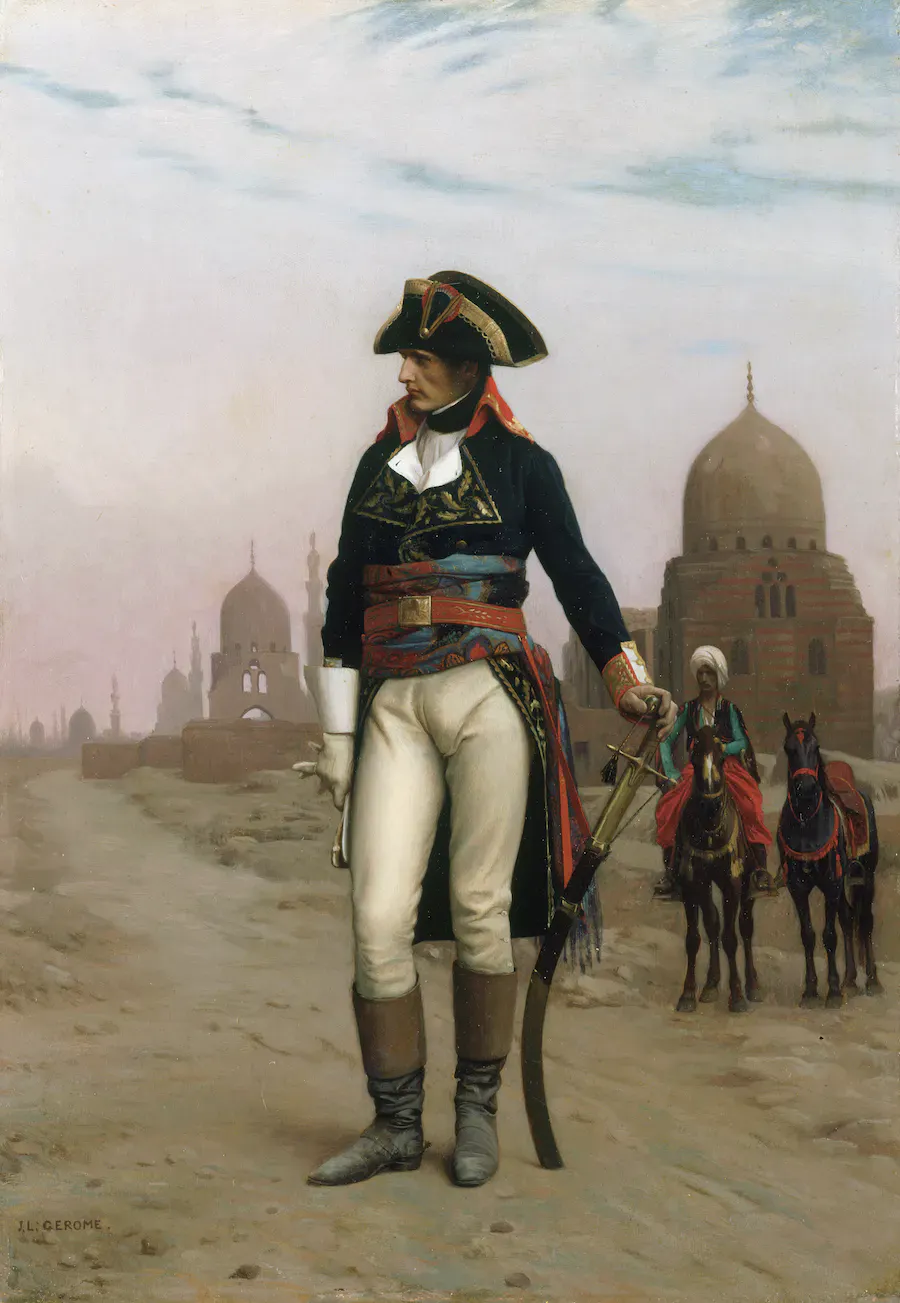
As with all style concepts, it is often difficult to pinpoint the exact timing of the beginning and end of an era. A common theory regarding the French Empire movement is that it arose in the late 1790s after the end of the political and economic chaos of the French Revolution. The word 'empire' means imperial power and derives from Napoleon's ten-year period as French emperor, from 1804-1814. The heyday of the empire lasted until the mid-1820s, which was then followed by the late empire until the 1840s. In France and all of Europe, Empire style gained enormous influence, but after Napoleon and the fall of the empire, style ideals become more bourgeois. But the Parisian model remained the dominant tone at the same time as artisanal manufacturing transitioned into a luxury industry.
See also: The Royal History of the World's Most Expensive Clock
The demand for gilded bronzes during the end of the 18th century and the first half of the 19th century became increasingly greater, and orders now came not only from the nobility and royalty, but also from the growing middle class, so much so the period is sometimes called the Second Bronze Age. A tightly regulated and strict guild system maintained the high standard when it came to the manufacture of bronzes. In the production of an object, several guilds were involved, which often led to conflicts. In 1791, the French guild system was abolished, which meant that all parts could now be carried out in one workshop. The objects produced in the 18th century and the early 19th century were characterised by the high quality of the masters, while during the Empire period, production became more similar to industrial mass production as we know it today. The new customers were the growing middle class who also wanted to decorate their homes with gilded objects. As clients now focused on keepings costs down, quality and the quantity of gildings were sacrificed.
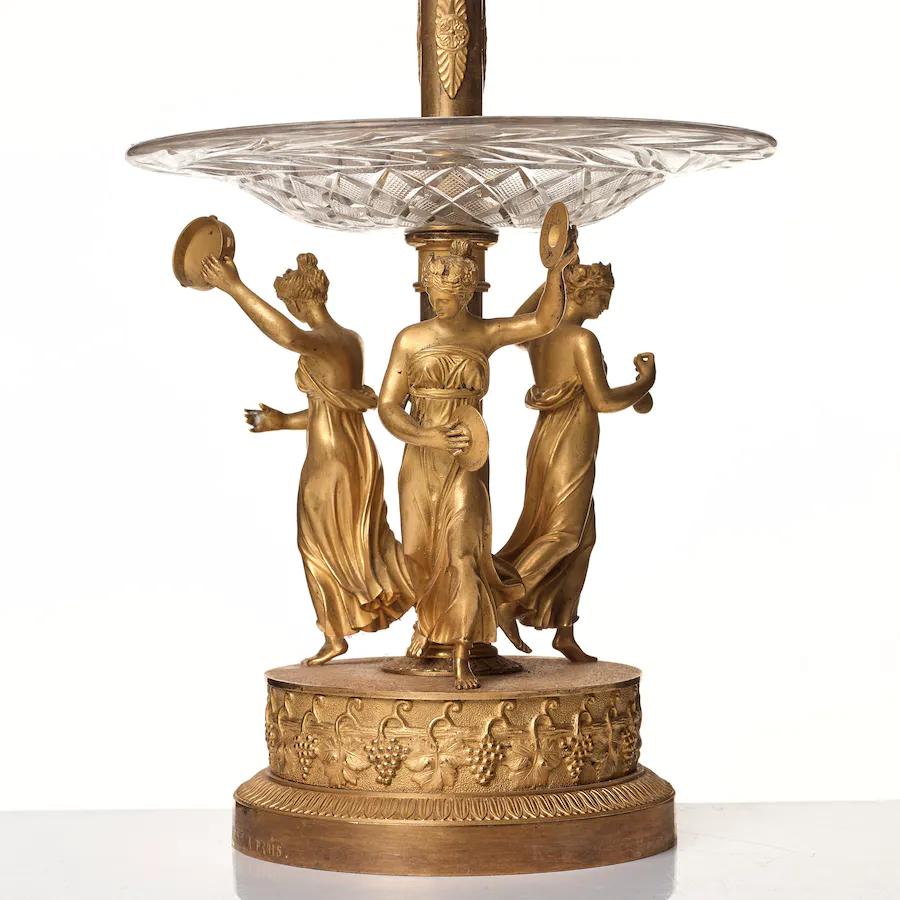
France set the tone for the manufacture and was the country with the most workshops and the largest production, but bronzes were made throughout Europe. Apprentices left their home country and were often abroad for a long time to train in various workshops and then take the knowledge home to start production in their native country. As there was no copyright protection, the journeymen were free to make casts, take parts and bring objects home to their own workshop, which has meant that today it can be difficult to determine exactly where and by whom an object was made.
See also: The Art of Ornamentation: Van Vianen Silver
During the first years of the 19th century, there were around 130 workshops in Paris alone under the direction of various masters. The largest of them all was Pierre-Philippe Thomire's workshop, which had around 800 employees to carry out the various stages of production, to be compared with Claude Galle who had around 300 employees in his workshop.
Bronze was already considered a noble material before the revolution, and it was used for the production of all kinds of decorative objects, such as clocks, chandeliers, appliques, candlesticks, candelabra and more.
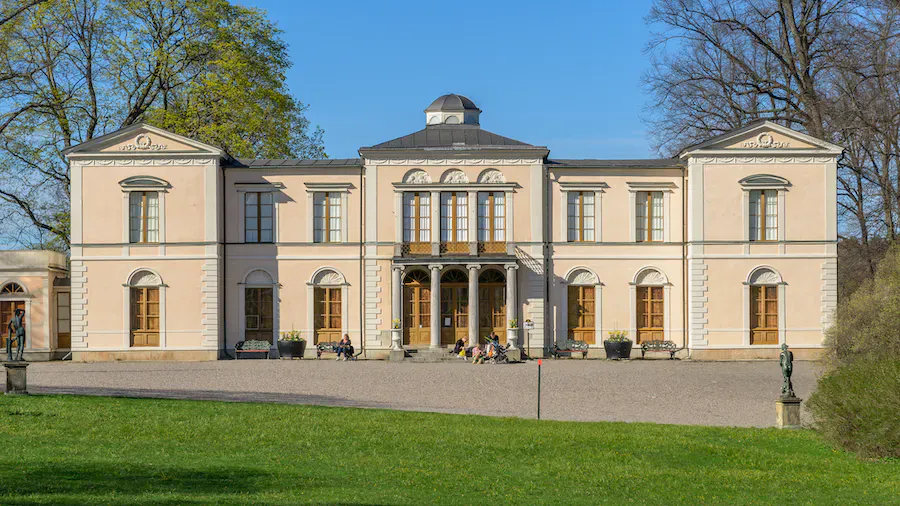
Gilded bronzes also found their way throughout Sweden, as the King Karl Johan wanted to support domestic production. In 1821, through the Swedish envoy in Paris, Gustaf Löwenhielm, he ordered objects of the most modern cut that became models for the production in Stockholm. Interestingly, Karl Johan's wife Queen Desideria, who left Stockholm and stayed in Paris until 1823, followed the style development and provided the Swedish court with sketches, drawings and objects. The Empire style is particularly well represented in Sweden at two of its royal residences, namely the Rosersberg and Rosendal palaces, the latter of which is characterised by a fully implemented Karl Johan style. Both of these palaces are well worth a visit to experience the Swedish Empire.
Related: A Brief History of Furniture Design
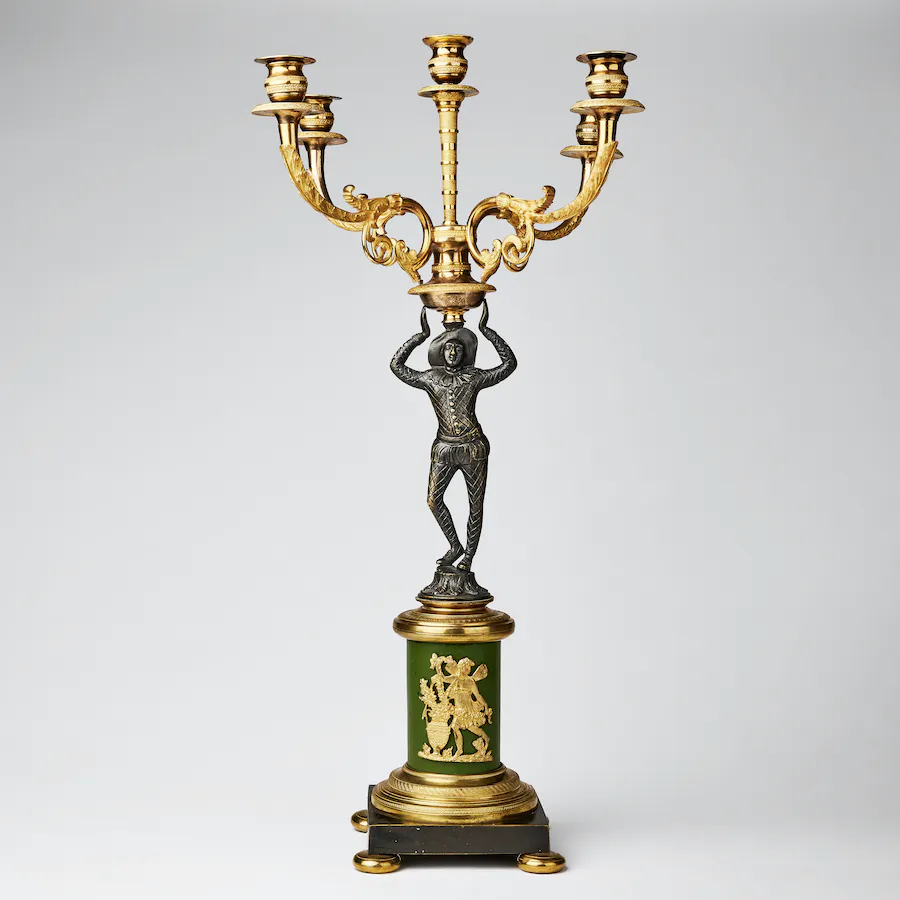
In Russia, Catherine the Great wanted a Russian production comparable to the French and therefore gave foreign gel casters very favourable conditions to run their workshops in St. Petersburg. There were several craftsmen from various European countries gathered in Russia who have left their mark on art history, such as Friedrich Bergenfeldt, Johann Zech, and Andrei Schreiber just to name a few. The exchange between Stockholm and St. Petersburg was great between the artisans. Several Swedish journeymen visited the Russian city during their training on the way to becoming masters in their guild, including Eric Thalén, Johan Ekman and the Lindroth brothers.
The manufacturing
From a two-dimensional drawing, several craftsmen would contribute to a finished product. First, a sculptor would make a three-dimensional model in wood, clay or wax. The mould was then pressed into sand and liquid bronze was poured into it so carefully that all depressions and details would appear clearly. The object was then cooled down, after which the quality of the casting was checked and inaccuracies were cleaned. Then the carver took over and began working the bronze with his tools and instruments, creating polished surfaces and designs according to the drawing. This process was of utmost importance as it gave the object its vitality through contrasts and reflections.
See also: Not Just for Royals: A History of the Tiara
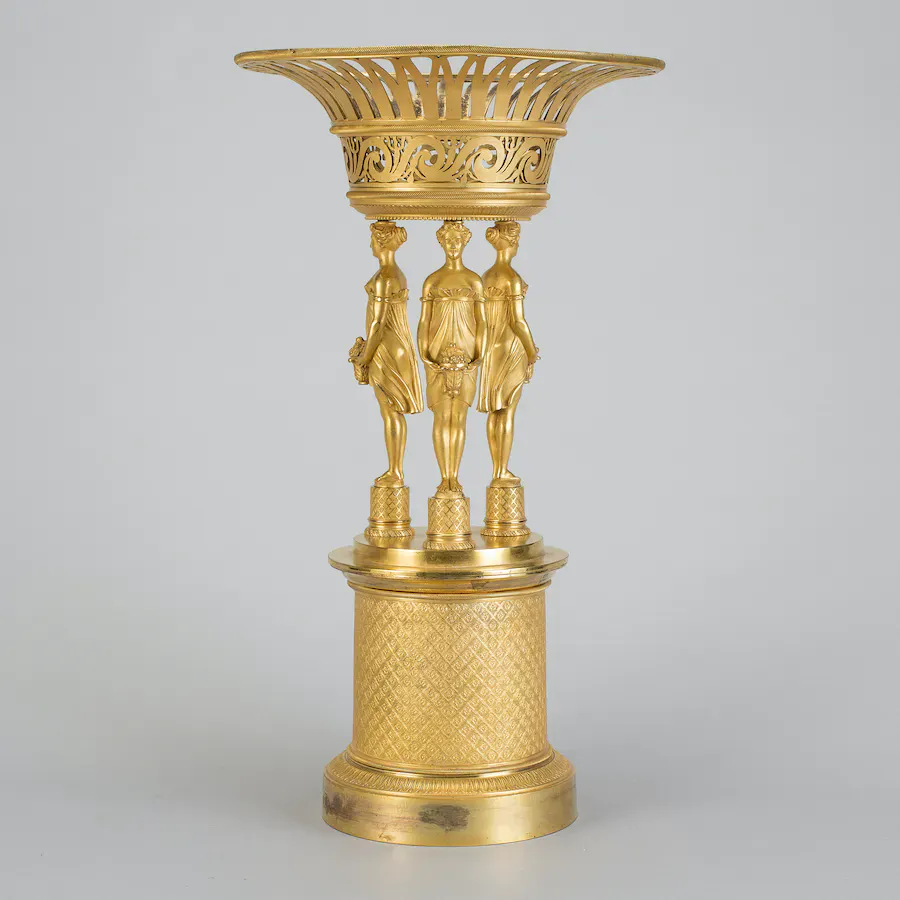
The fire gilding
The last step in the process was the burnishing, which was a large part of the cost in the manufacture. An object in bronze, copper or brass was applied with a mixture of gold and mercury which was then heated to extreme heat. This caused the mercury to evaporate and a gold coating to adhere to the surface. The process was repeated several times until a sufficiently thick layer of gold had been created. During the process, it was important that the object was continuously in motion for a successful result. In Sweden, the technique was called burnt gilding, in France ormolu or bronze doré, and in England gilt bronze. Lastly, some surfaces were polished with bloodstone (a combination of jasper and quartz) to create contrasts.
However, it should be noted that many of the objects that were produced were not burnished, but after casting and processing of details, the object was dipped in acid and then varnished with a clear and yellow varnish, which gave them the appearance of gold.
Want more articles like this straight to your inbox? Subscribe to our newsletter!
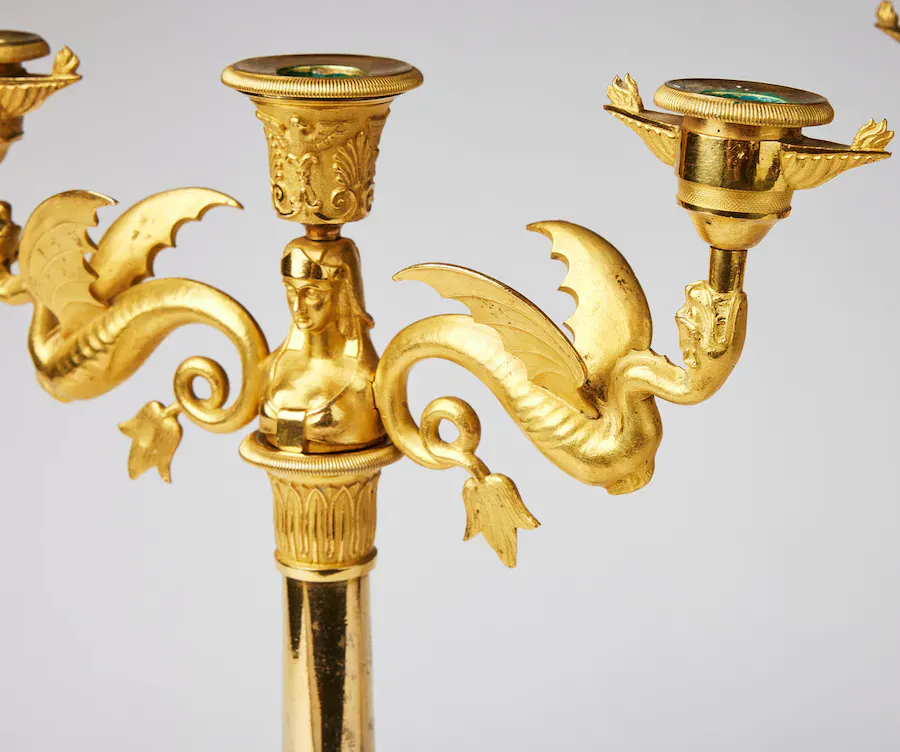
A major problem during the Empire was that the gilding when handling the mercury was extremely dangerous to the gilder's health. The French government decided that life-sentenced prisoners could serve their sentences in gilding workshops instead of being locked in a cell. Working as a gilder was associated with great health hazards and these gilders often died an untimely death. Burnt gilding was banned in France during the 1830s but continued to be done in some places, as there was no alternative that was equivalent in quality. Only eventually did a fume cupboard become the solution, but too many gilders thought that this interfered with freedom of movement during the gilding process, which is why they chose to continue their work as before.
Light sources
It was important to find efficient light sources for ceiling sconces, sconces and tall candelabra. For a long time, wax candles were used in combination with prisms of various kinds, but the candles were expensive and these in combination with prisms did not give a strong enough light. Many experiments were done to get better light and what proved to be the most successful was gas. Unfortunately, that method was both hazardous to health and highly flammable especially as gas lines were placed in and out of walls to reach every room. It was only when electricity began to be used that greater safety was achieved with fewer accidents as a result.
See also: The Art of Lighting: 8 Unique Lamps
Signatures and hallmarks
Although many bronze casters from the period are known, the objects are rarely signed, which means that identification can be difficult. Several models were used extensively and for longer periods, which means that it is also not always easy to determine when the particular item was made or by whom, because models or parts thereof were often copied and exchanged between different workshops. There was no design protection and it was therefore free to copy and change models at will.
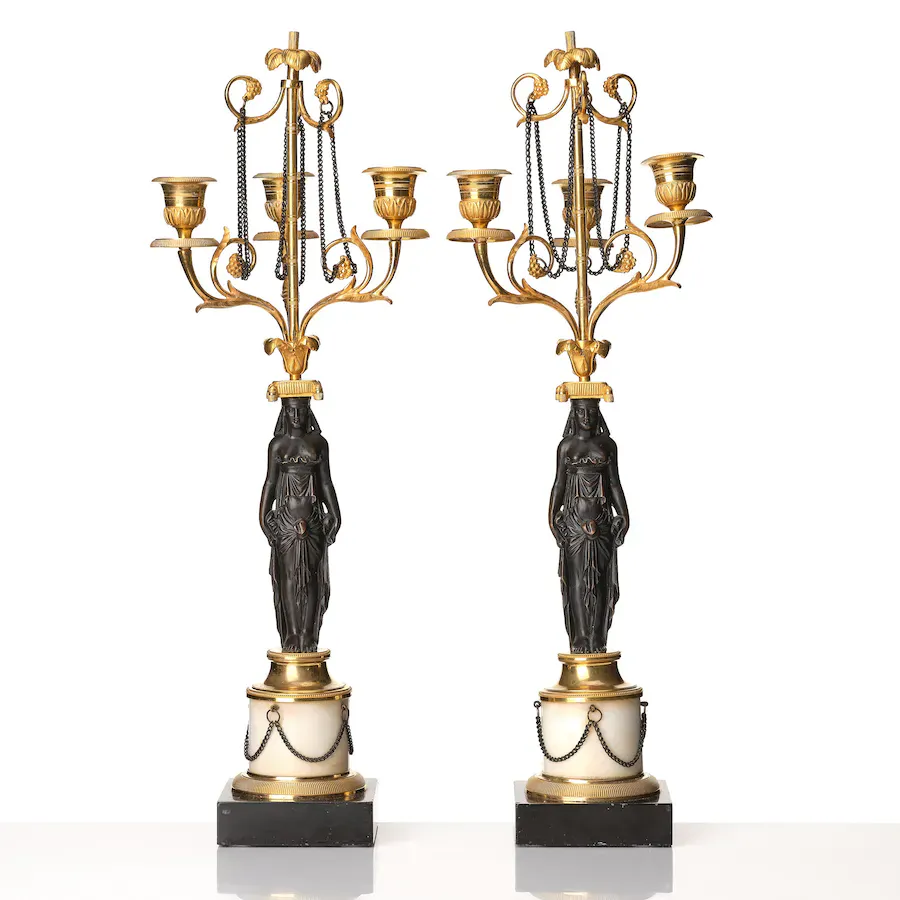
Bronze casters active in Sweden
Information is scarce about the prominent bronze casters in Stockholm during this time but here are some of the most famous names:
Fredric Ludvig Rung
Rung was born in Stockholm in 1758 as the son of Fredric Rung, who was a belt maker. The father's activity as a belt maker meant that he completed metalwork both by casting and gilding, silvering, driving and chiseling. Fredric Ludvig probably received his basic education during the time he spent in his father's workshop as a youth. With the help of his father and the great Jean Eric Rehn he was later appointed court chiseler. Rehn attested that Fredric Ludvig had already acquired good skills in drawing, modelling, chiseling and bronzing, but in order to fulfil the knowledge requirements, he needed to travel abroad. He set off on his journey through Germany and Holland and arrived in Paris in 1782. Burnt-gilt bronzes of the absolute finest quality were produced there at this time. He described it himself that he got "access and the opportunity to pursue my knowledge with the foremost artist in this genre, uninterruptedly for 3 years." During his time in the French capital, Rung received an audience with Gustav III during his visit to Paris in 1784. The king granted a travel pension to give Rung the opportunity to deepen his knowledge.
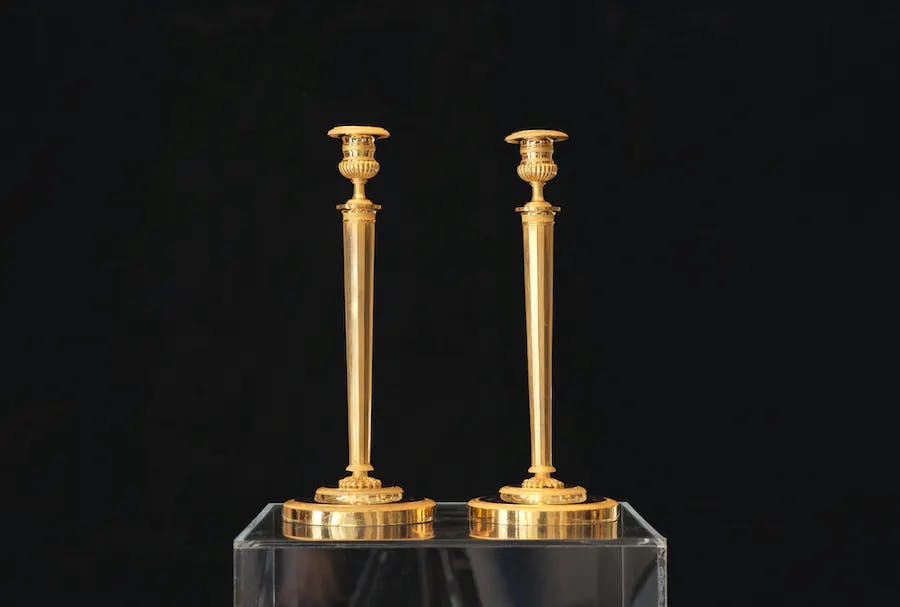
Carl Ludwig Mangeot
The French-born belt maker Carl Ludwig Mangeot was trained by Rung, who had exclusive rights to the manufacture of high-quality bronze mounts. In time, Mangeot started his own workshop and thus competed for the sale of burnt-gilt objects with Rung. His multifaceted production included all kinds of objects such as candelabras, candlesticks, table plates and mounts for porphyry objects. Mangeot had extensive orders from the royal castles from 1826-1830. The quality of Mangeot's work in terms of chiseling and burnishing is of a very high international standard, but objects by him are relatively rare today.
The Lindroth family
The Lindroth family consisted of the father Reinhold Fredric and the sons Reinhold Fredric, and Johan Bernard, Karl Abraham and Erik Abraham and the latter's son Otto Wilhelm. The Lindroth family's workshop was frequently employed by the Swedish court and several high-class works commissioned by Karl Johan originate from that workshop. Father Lindroth is currently considered to be the most skilled gel caster in Stockholm, where he is represented, among other things, with a magnificent chandelier at Stockholm Palace. He and his sons contributed over a long period with works of various kinds to Rosendal's castle, for example several bronze crowns and the decoration of mosaic tables. Works from Lindroth's workshop still appear on the market from time to time.
Discover more articles on Barnebys Magazine
Article written by Anders Hoffman