Creativity is uncontrollable, pure, sincere, uncontaminated. Just like a child's ideas.
One of the hidden treasures of the vintage market is the iconic Toucan Lamp, a 1970s-designed lamp for children in the shape of a toucan and highly coveted by collectors today.
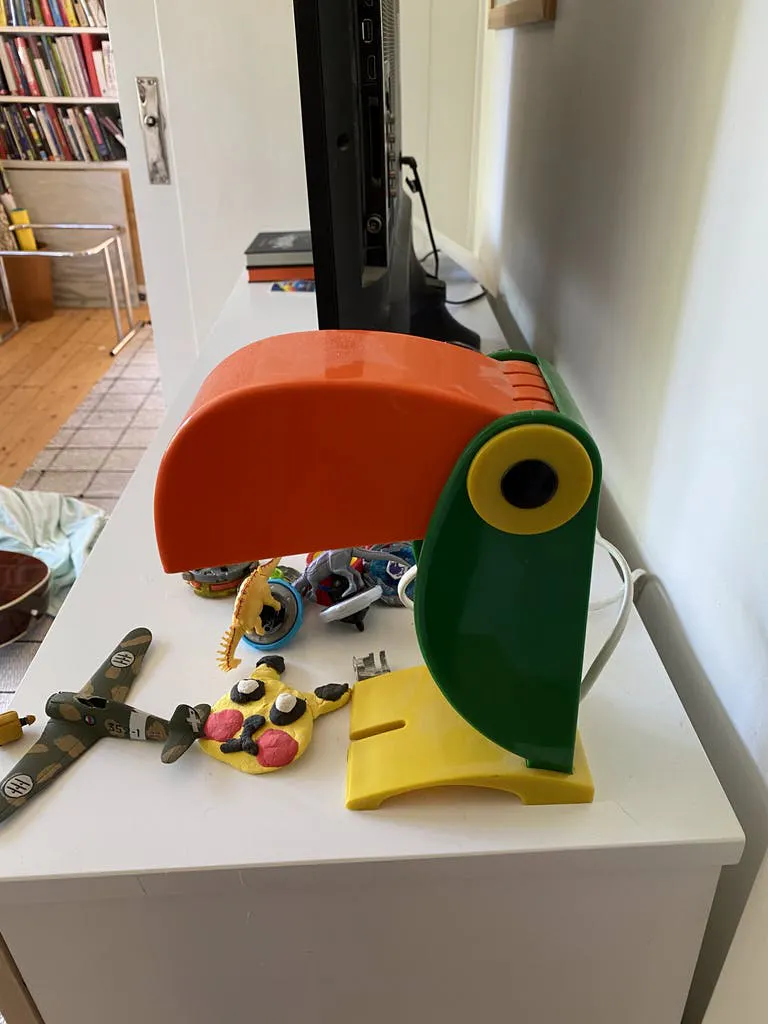
The genesis of this article about the Toucan Lamp comes from Barnebys Editor-in-Chief, who is passionate about Italian design, but found that there is very little information online about the Toucan Lamp – rather paradoxical, considering the wide demand. On the Barnebys price bank, for example, a search for the Toucan Lamp will demonstrate that final prices are always higher than the estimate. However, after speaking to some dealers and collectors, we are now able to share the story of these famed Toucan Lamps.
See also: The Aalto Vase: Small in Size, Big in Impact
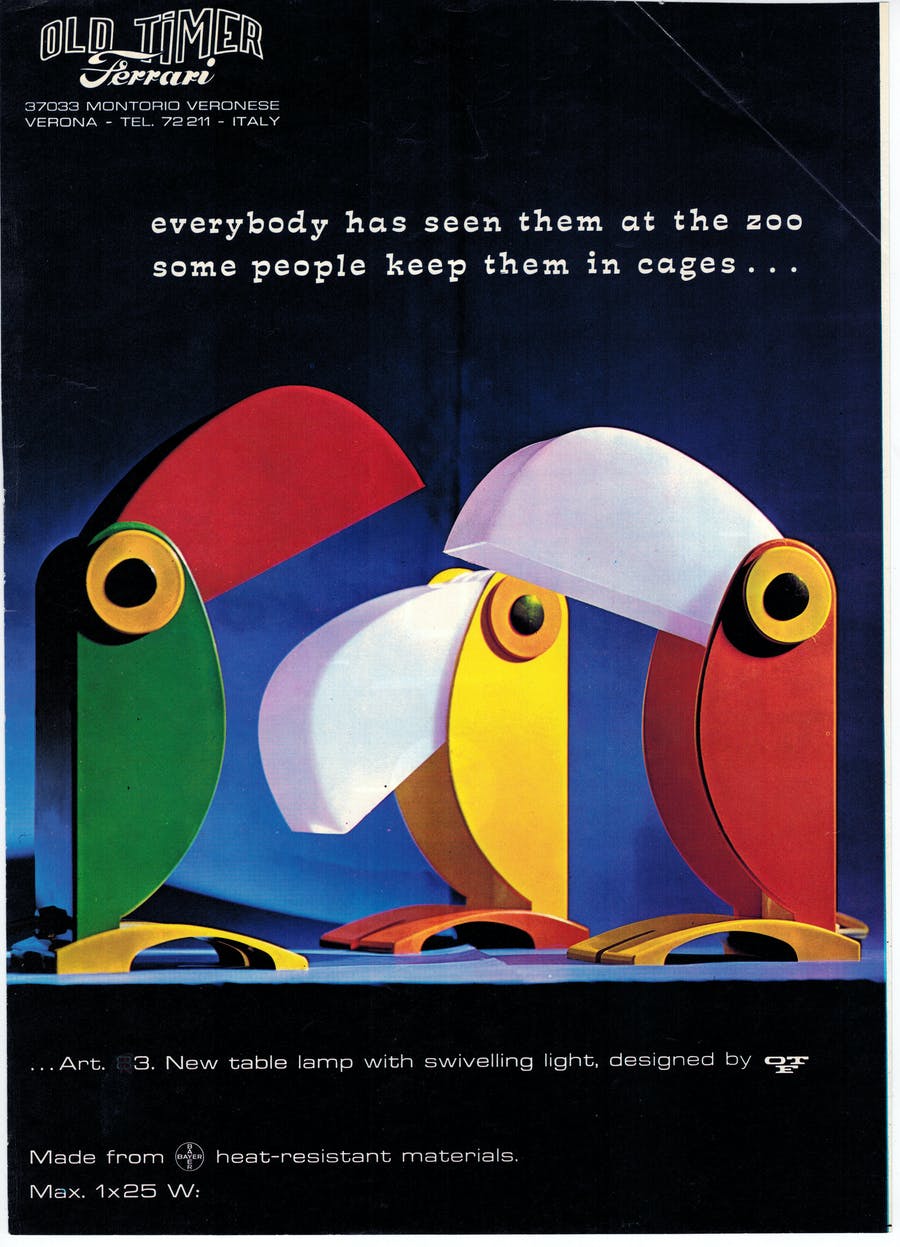
In 1964, Enea Ferrari, a young Veronese designer, founded Old Timer Ferrari, a company specialising in the production of objects, accessories and lighting fixtures. In 1970, he launched the Toucan Lamp, the first children's lamp made of plastic.
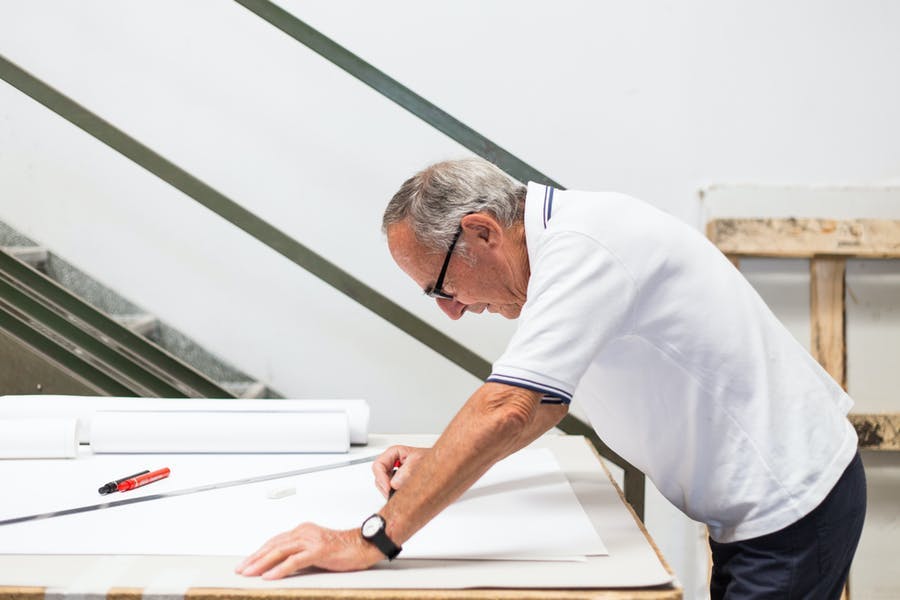
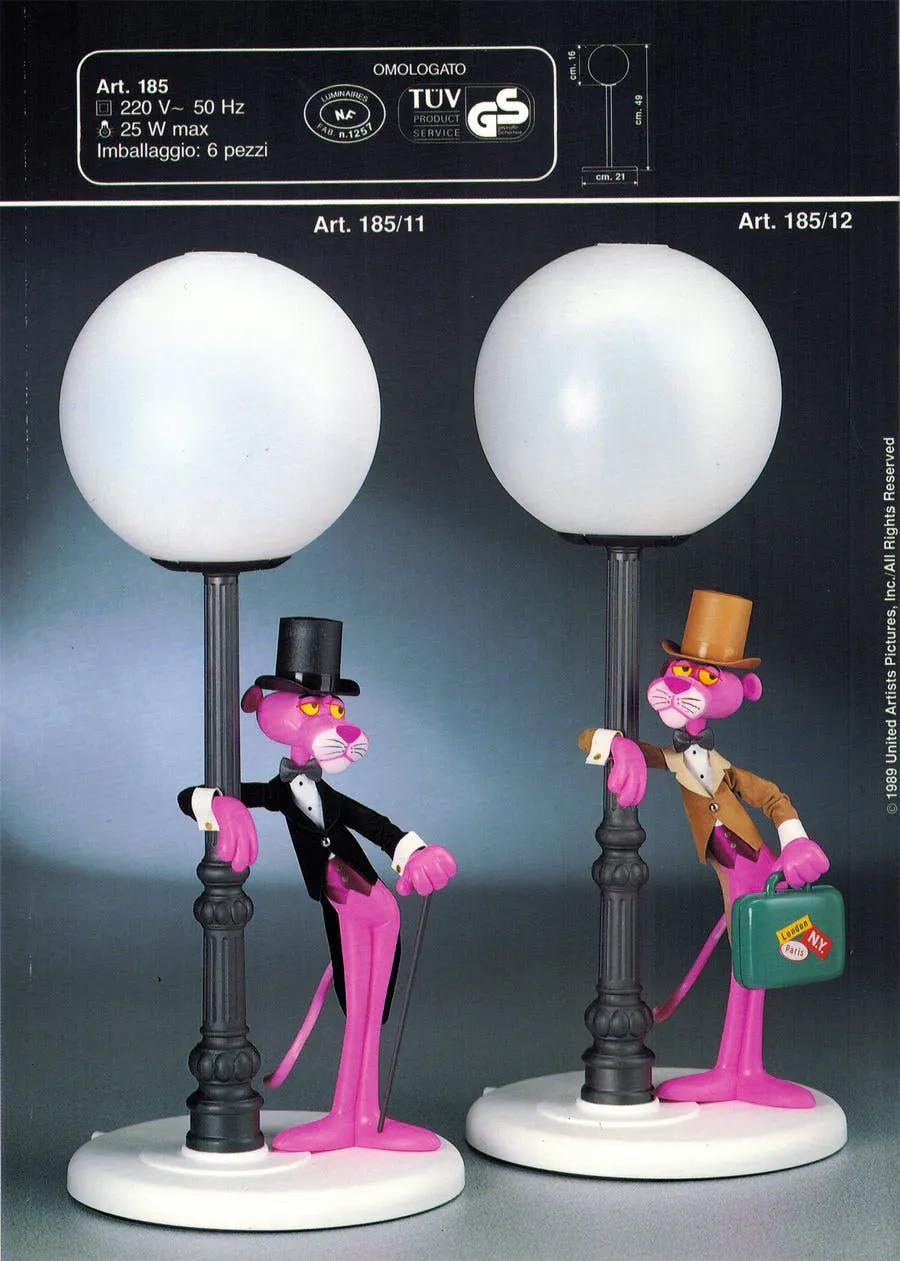
Three years later, Old Timer Ferrari changed its name to Linea Zero. Enea Ferrari continued in the creation of his projects, giving life to other iconic lamps that have become cult objects today (including the Pink Panther, the Biplane, Snoopy, the British Red Phone Box and many others), and also orienting production from the children's sector to contemporary lamps, making Linea Zero a point of reference in the lighting and Made in Italy sector.
Here we speak to Alessandro Zavater, Enea Ferrari's nephew, who has been running Linea Zero since 2013.
The dexterity and the strong artisan aspect have always characterised his creations, he loved spending days with artisan friends, learning the tricks of the trade and making them his own.
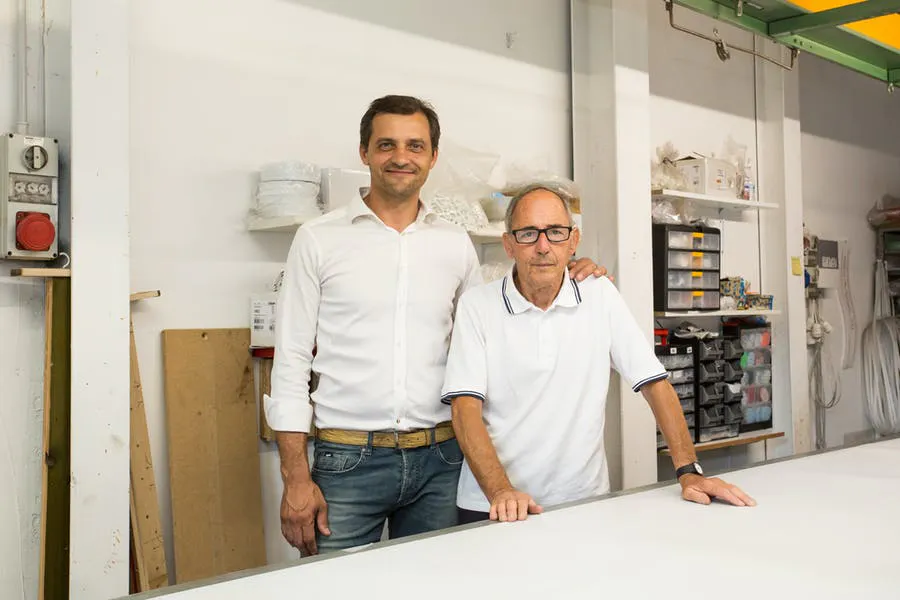
Your uncle, the designer Enea Ferrari, founded OTF in 1964. What can you tell us about your story and Old Timer Ferrari, which later became Linea Zero, of which you are now CEO?
Enea Ferrari always found inspiration from real life to create objects and then lamps. A lover of reading, art, physics and cultural travel, he loved to spend days with artisan friends, learn the tricks of the trade and make them his own. Manual skills and a strong artisan aspect have always characterised his creations. All the products made by Enea were handmade in the prototype phase and then industrialised for the actual production. Metal, sheet metal, and wood were the materials used in the first period and from the Toucan onwards, plastic.
See also: Ingo Maurer: The Art of Illumination
The Toucan Lamp is today one of the most sought-after modern antiques by collectors all over the world. It is also the first plastic lamp made especially for children. What can you tell us about this iconic object?
The desire to experiment with new materials led Enea to try his hand at the then-innovative (ABS) MOPLEN Polypropylene, with which he created the first children's lamp of that kind and material in the world. It was so successful that other designers also created similar products, giving life to a trend that is still sought after today.
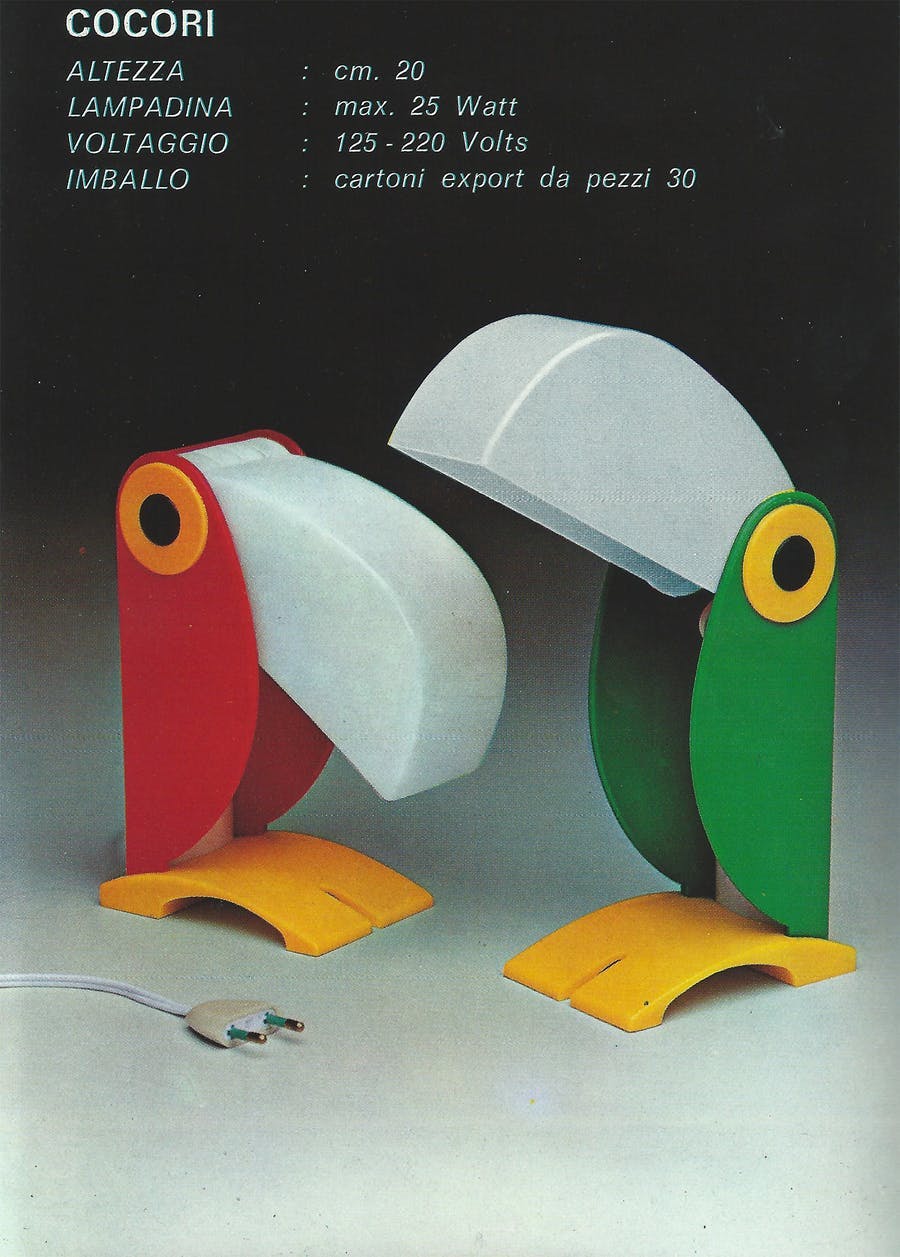
How many years had it been on the market?
For about six years and it was sold in Europe mainly through lighting distributors and wholesalers.
Some models don't have branding on the base, does that mean they're not original? Or were some pieces produced without the brand?
They are all original, those with the 'OTF' brand, without the brand, and with the Linea Zero brand. The important thing is to check that the shape of the body, beak and foot are identical. The reason why there is an unbranded version is purely commercial, some large foreign importers requested and obtained this version.
See also: Venini: Glass and Light
It was so successful that others made other similar products, creating a trend that is still sought after today.
Are there different sizes and colour variations? Both in the body and beak?
As for the size, there are no variants. The measurements are 23 cm in height, 18 cm in length with the beak and 12 cm considering only the base. The colours can change, mainly those of the body.
How many models have been produced as OTF? When did the production end?
Thousands of pieces have been produced for OTF, but in 1973, the production changed from OTF to Linea Zero and the lamps were renamed 'Cocorì'.
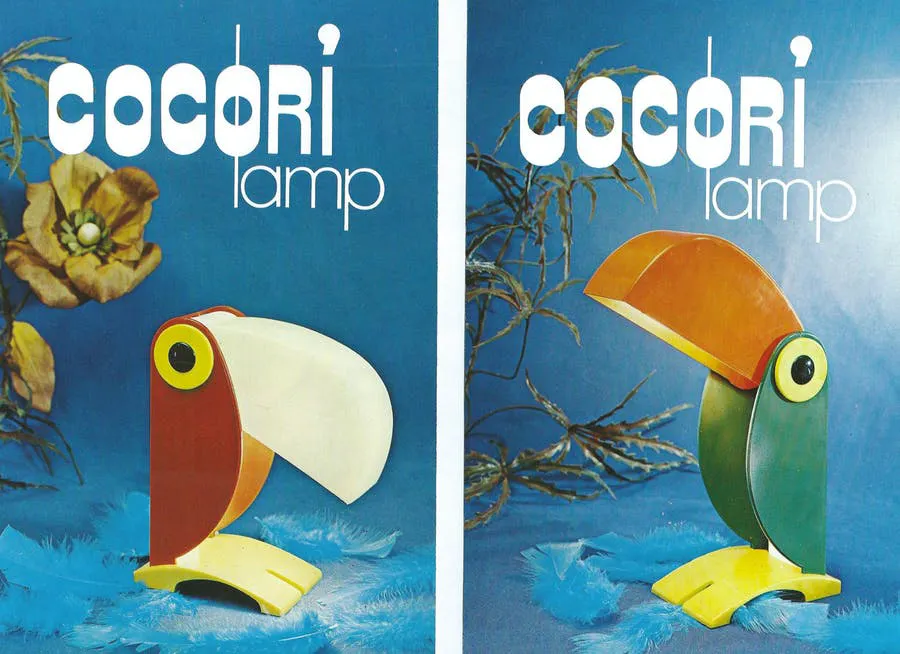
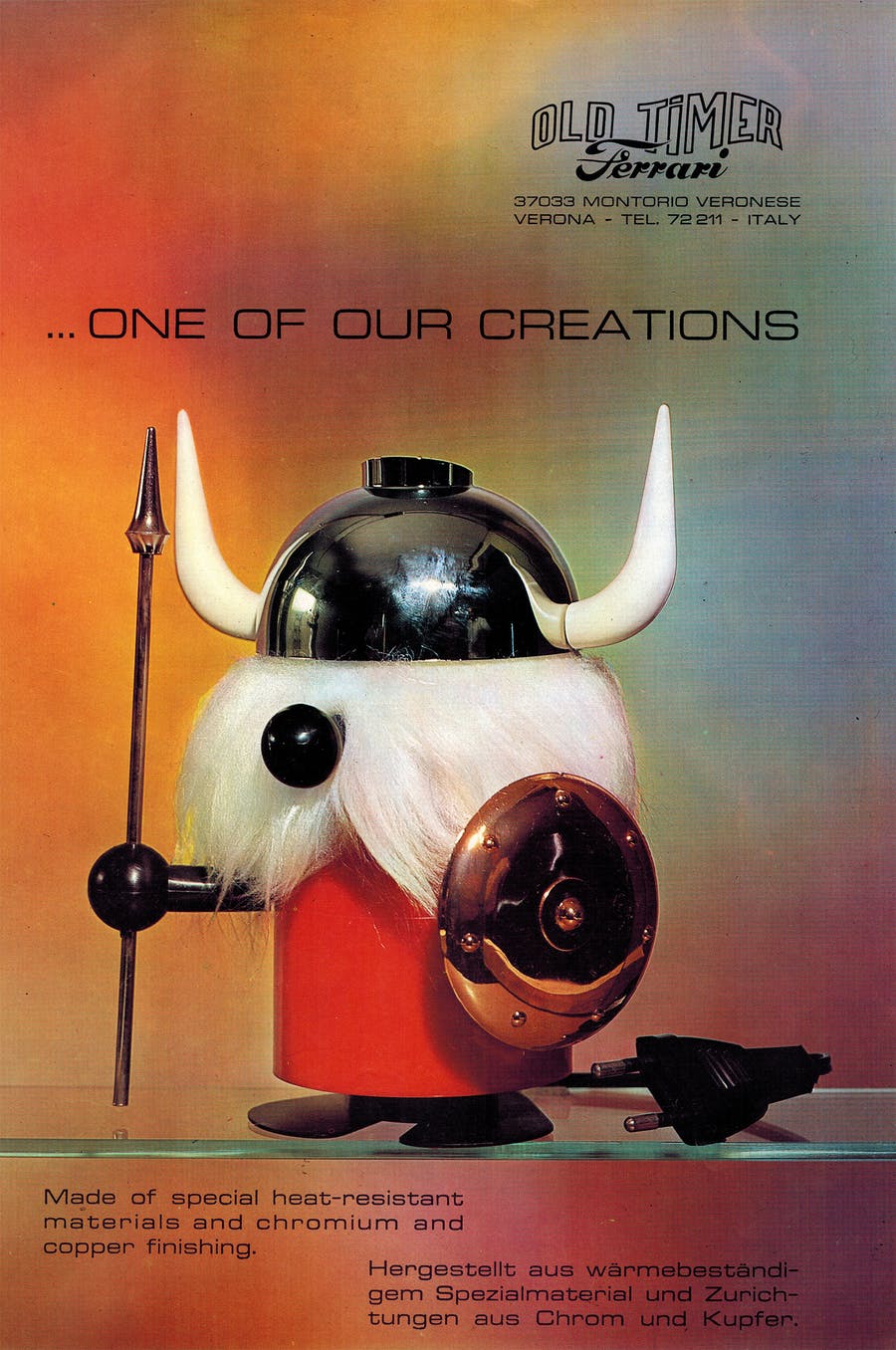
Besides the Toucan Lamp and Olaf The Viking, are there other lamp models designed by Enea Ferrari for OTF?
Yes, for example the Rolls-Royce pen holders. The car design with the use of sheet metal and copper became a successful lamp that allowed us to invest in subsequent projects such as that of the Toucan.
This year you celebrate the 50th anniversary of the creation of the Toucan Lamp. What are your plans in this regard? Do you have any particular ideas in the pipeline?
Before Covid, the plan was to organise an exhibition and invite all known collectors to exhibit their Toucan lamp for a few weeks in Verona, the hometown of Enea Ferrari. We would have liked to start a fundraiser for the restyling of the lamp to put it back on the market in a version faithful to the original but updated (certainly with LED).
How did Enea Ferrari experience the great success of his Toucan lamp?
In reality, he never dwelled on the products he made. Once a project for a new lamp was finished, another one was immediately started. Some of the most successful, such as the Pink Panther lamp (1984), British Red Phone Box (1990) and the first version of the Biplane (1993), were sold in famous stores such as Harrods. In addition, the Toucan in the mid-70s stopped selling commercially, only to become known in recent years as a product sought after by lovers of iconic vintage products.
See also: 10 Reasons to Buy Vintage
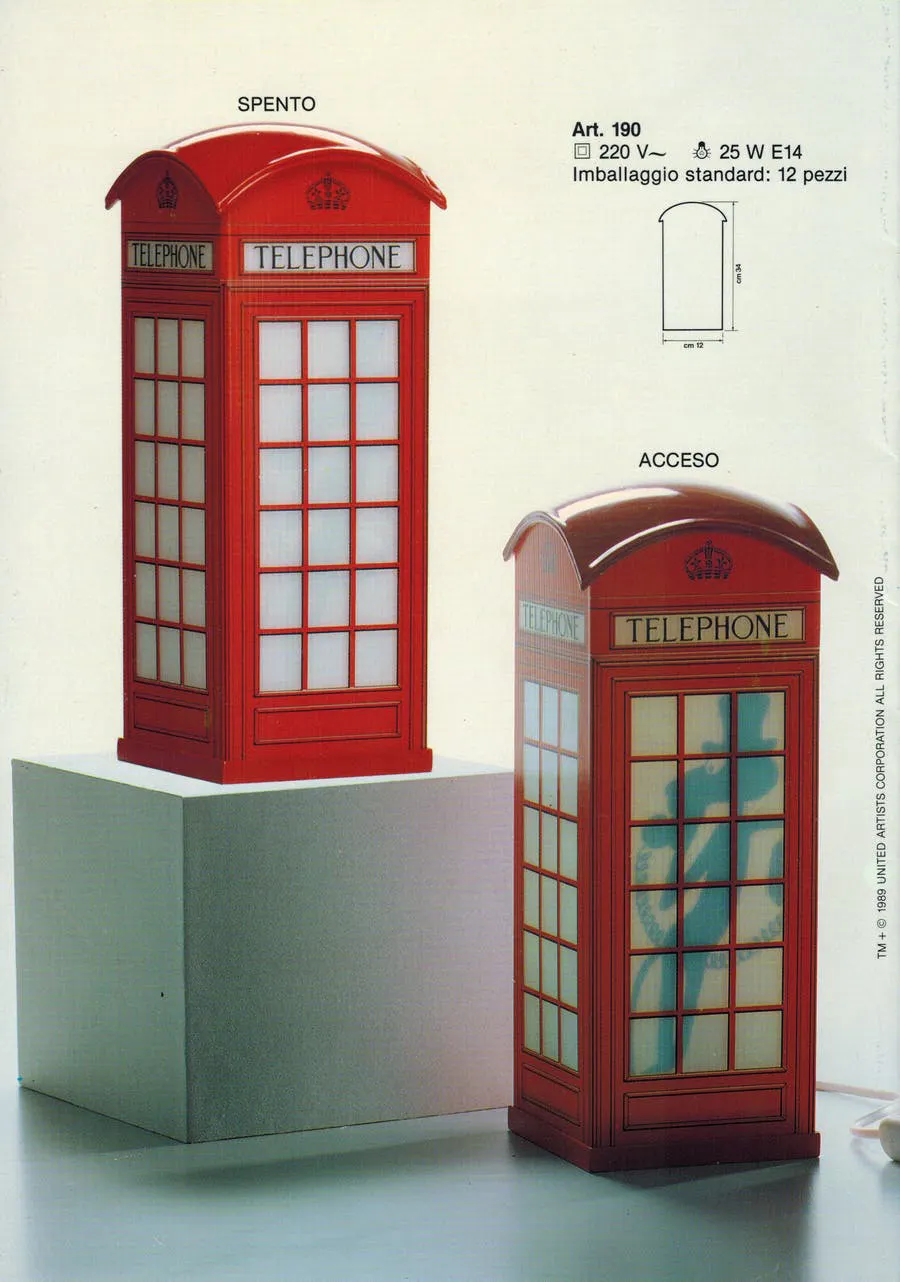
We thank Alessandro Zavater for this information, the Linea Zero team who provided us with the archive images and Enea Ferrari, for his inventiveness and for all the iconic objects created by his brilliant mind. For all updates and other archive photos, follow Linea Zero on Instagram.
Cover photo via @homeunion