Modern and contemporary Indian art has gained sustained international attention since the early 2000s. Behind this visibility is a group of artists whose work reshaped visual language in India and beyond, and whose influence is now reflected in the global auction market.
1. Amrita Sher-Gil (1913-1941)
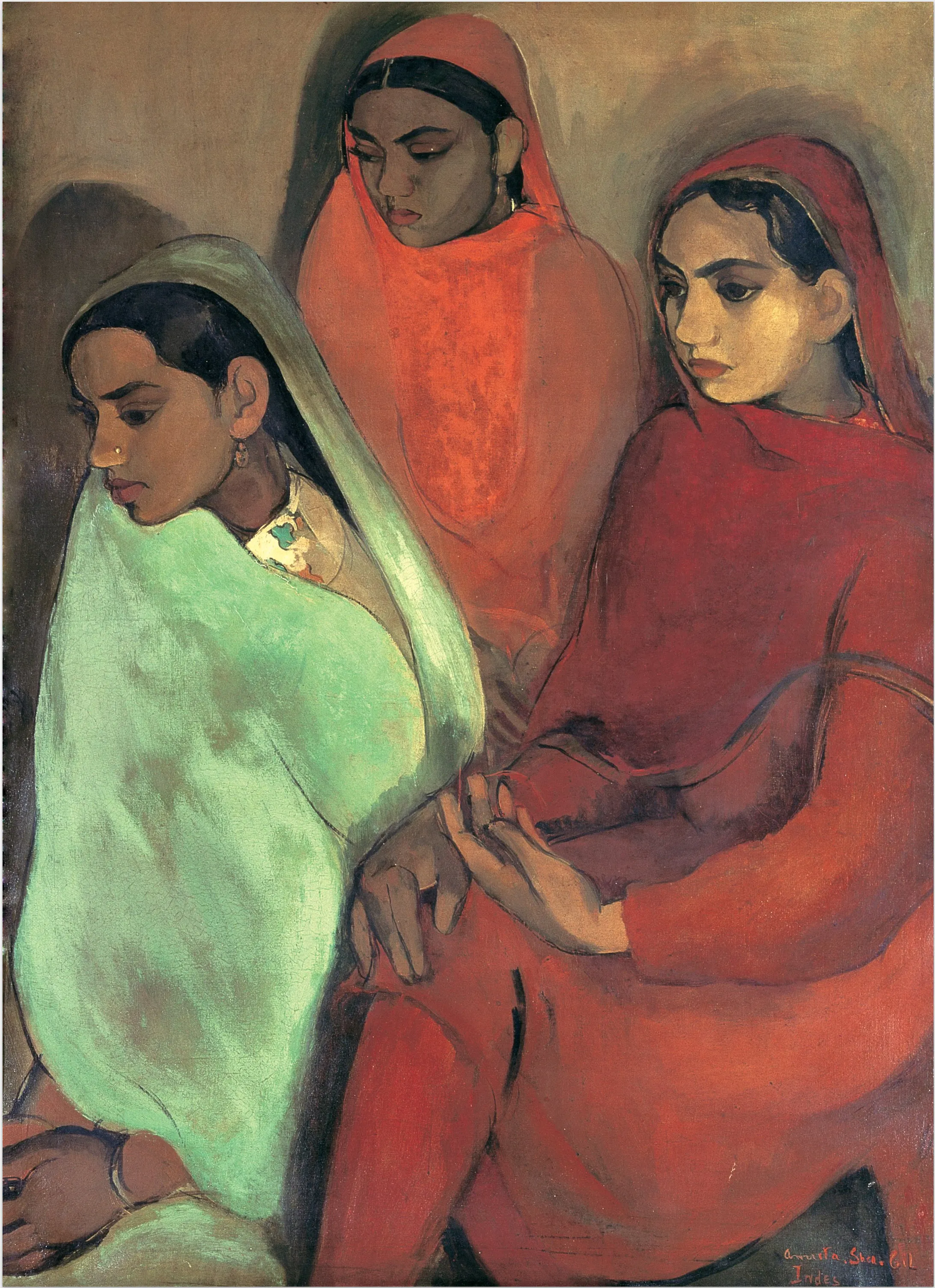
Often regarded as the founder of modern Indian art, Amrita Sher-Gil was born into a cosmopolitan family. Her father was the Indian philosopher Umrao Sher-Gil, her mother the Hungarian-Jewish opera singer Marie Antoinette Gottesmann. She grew up between Budapest and Shimla with her younger sister Indira. At sixteen, she moved to Paris to study art, where her talent quickly drew attention.
Despite early success in Europe, Sher-Gil returned to India in 1929. There, she developed a body of work that focused on the lives and inner worlds of Indian women, treated with empathy and restraint. Her sudden death in 1941, at just twenty-eight, cut her career short. Much of her work was later donated by her family to the Indian state and became the foundation of the National Gallery of Modern Art in Delhi.
In 2023, her painting The Story Teller (1937) sold at SaffronArt in New Delhi for $7.45 million, setting a record for an Indian artist at auction.
See also: Frida Kahlo: Colorful Portraitist and Social Commentator
2. Maqbool Fida Husain (1915-2011)
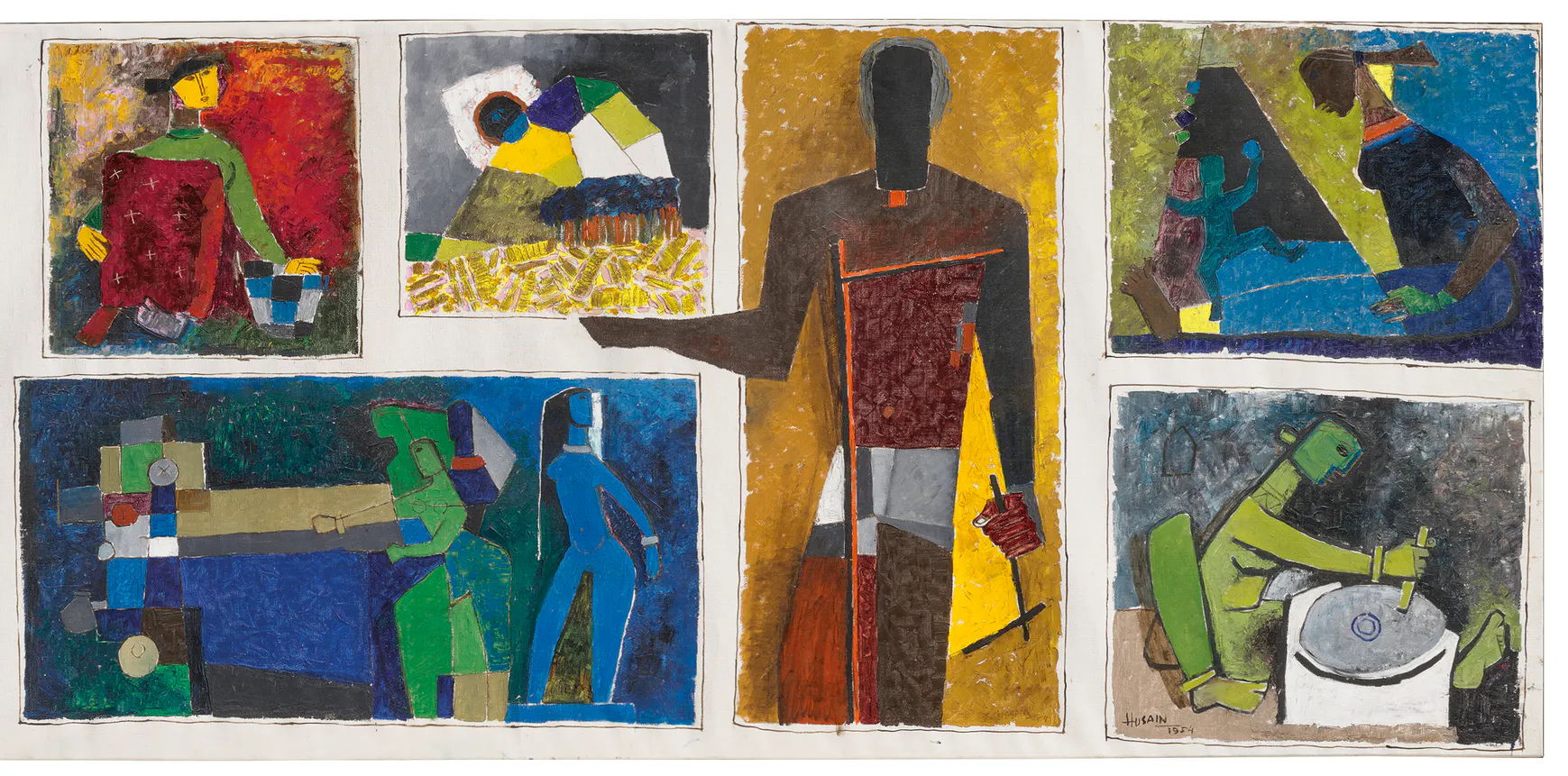
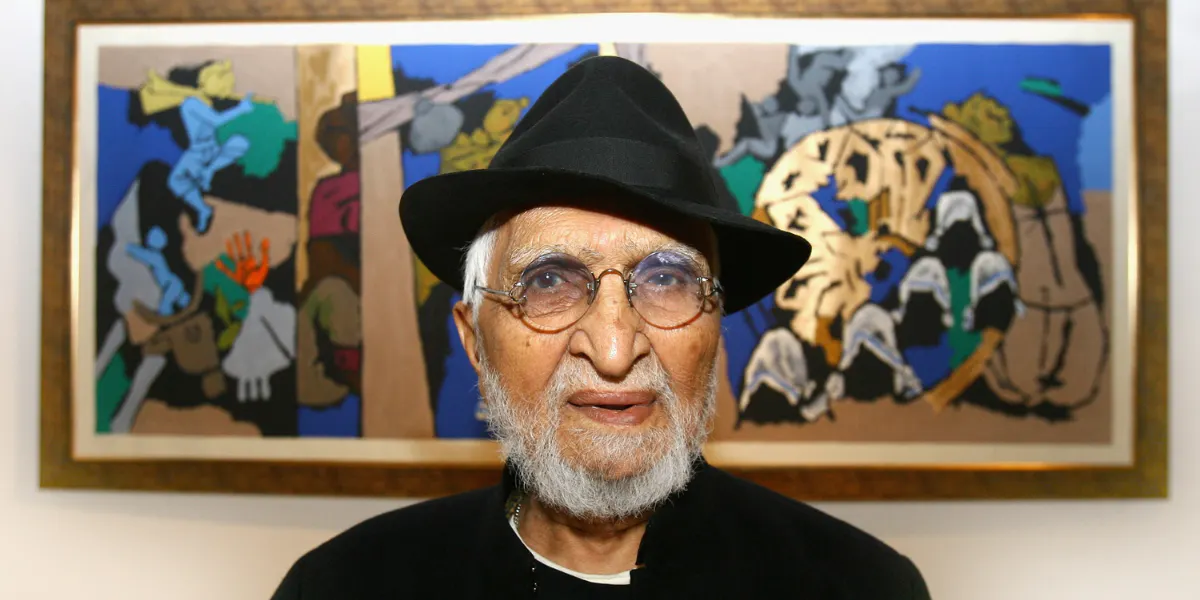
In 1947, the year of Indian independence, a group of young artists formed the Bombay Progressive Artists’ Group in what is now Mumbai. Maqbool Fida Husain was among its founding members. Trained at the Sir J. J. School of Art, he rose to international prominence from the 1950s onward. A meeting with filmmaker Roberto Rossellini later drew him toward cinema as an additional medium.
Husain’s paintings reinterpret Indian history, mythology, and daily life through a modern lens shaped by Cubism, bold colour, and dynamic movement. In the 1990s, depictions of Hindu deities led to legal cases and public protests, forcing him into partial exile. He died in London in 2011.
See also: M.F. Husain’s Rediscovered Masterpiece Becomes Most Expensive Indian Artwork Sold at Auction
In March 2025, Untitled (Gram Yatra) (1954) sold at Christie’s New York for $13.7 million, making Husain the most expensive Indian artist at auction to date.
3. Sayed Haider Raza (1922-2016)
Another founding member of the Progressive Artists’ Group, Sayed Haider Raza discovered his interest in art as a child. After studying in India, he moved to Paris in 1950 on a scholarship and spent most of his life in France. His early work focused on landscapes, but from the 1970s onward he turned to geometric abstraction rooted in Indian philosophy.
Central to this phase was the bindu, a point symbolising the origin of creation in Hindu thought. Raza returned to India late in life and died in New Delhi in 2016.
See also: A New Record for Indian Artist S.H. Raza
His auction record was set in 2024, when Kallisté (1959) sold at Sotheby’s New York for $5.6 million.
4. Francis Newton Souza (1924-2002)
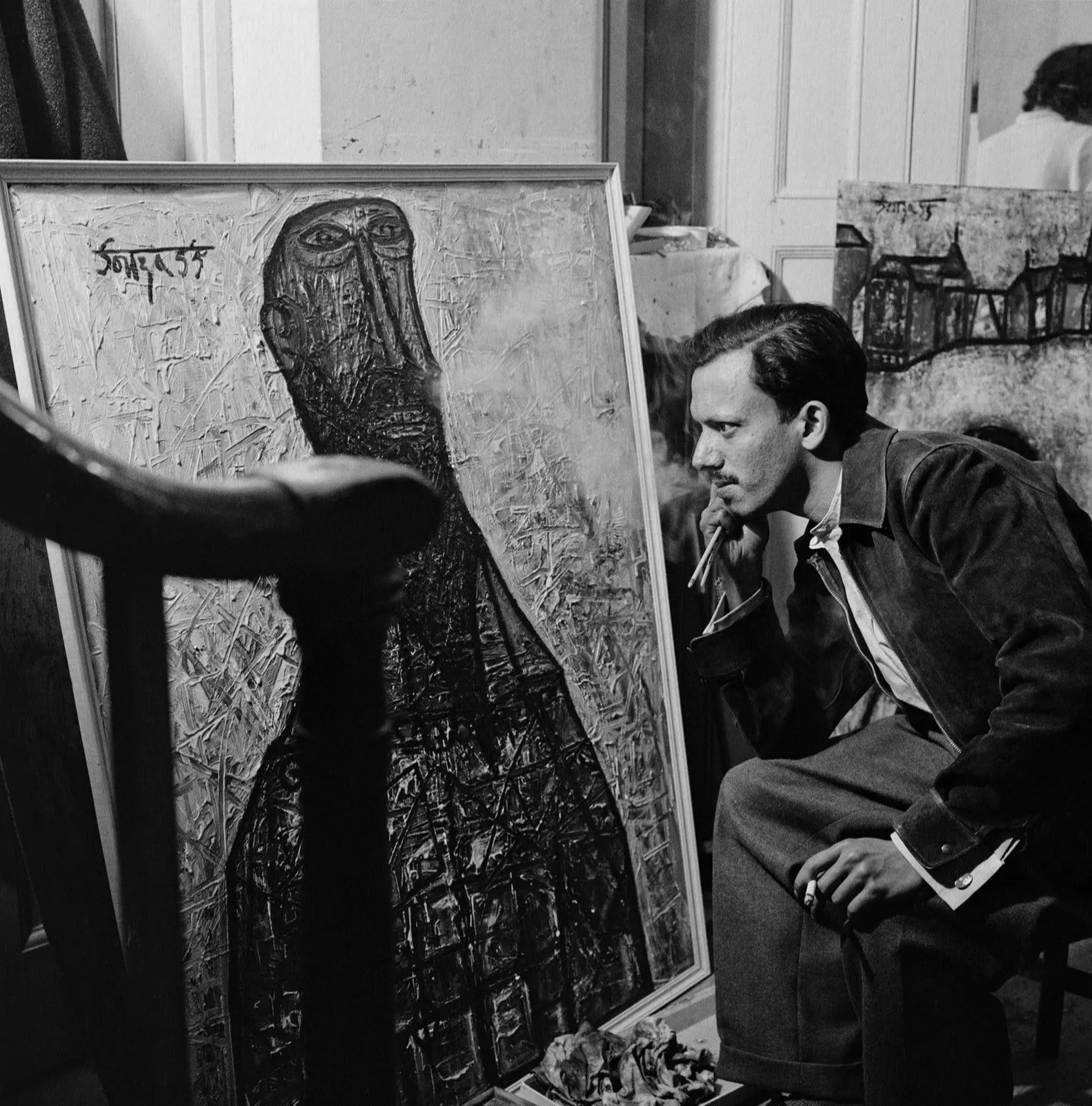
Francis Newton Souza, also a founding member of the Progressive Artists’ Group, grew up in Goa and Bombay and studied at the Sir J. J. School of Art. He moved to London in 1949, where he achieved early success, before relocating to New York in the 1960s.
Souza’s work often draws on Christian iconography, distorted figures, and explicit nudes, rendered in heavy outlines and saturated colour. His style combines Indian visual traditions with Western expressionism and primitivism.
In 2008, Birth (1955) became the first Indian artwork to sell for more than $2 million at auction. His current record was set in 2024, when The Lovers (1960) sold at Christie’s New York for $4.9 million.
5. Vasudeo S. Gaitonde (ca. 1924-2001)
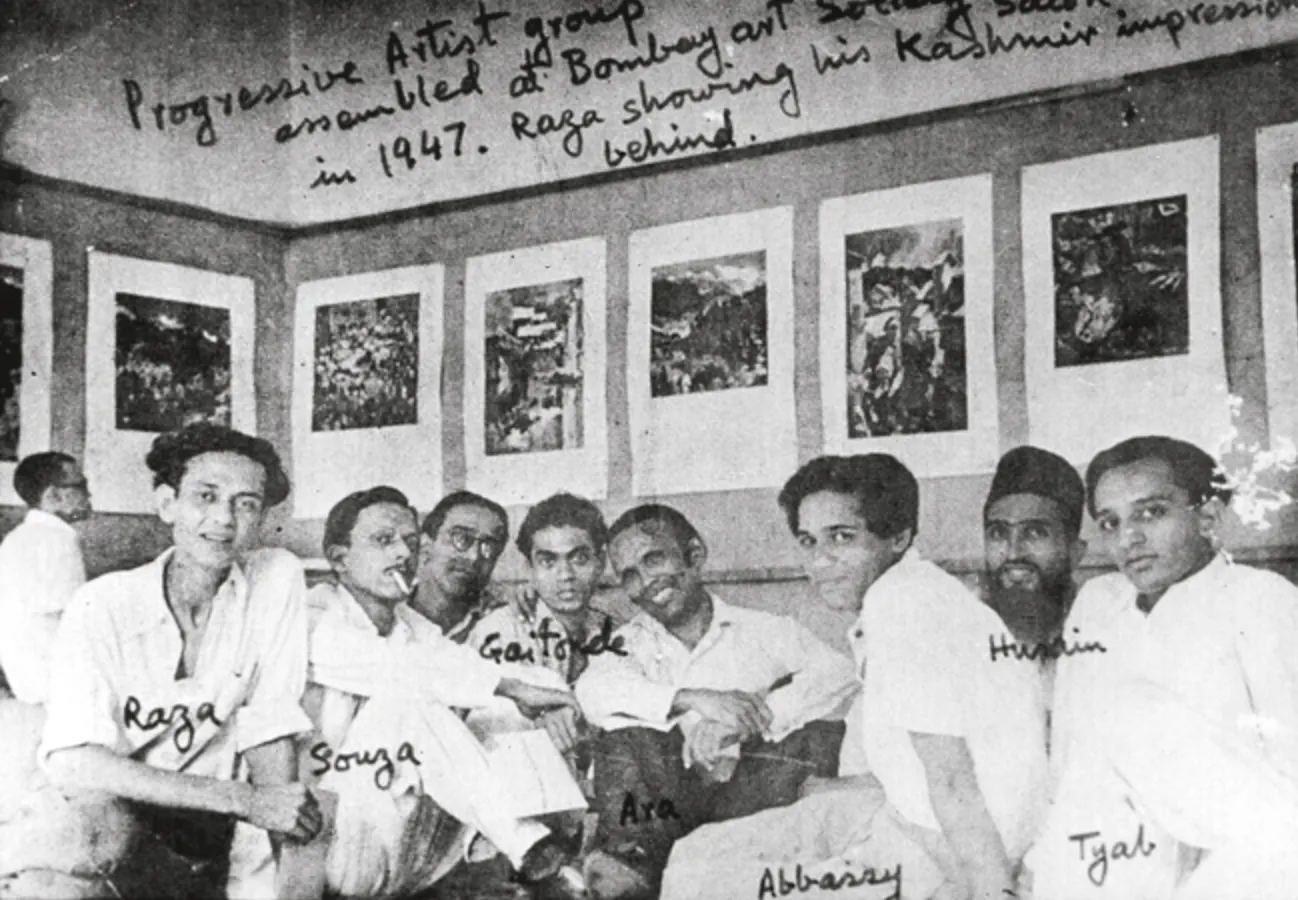
In 2013, Vasudeo S. Gaitonde became the most expensive Indian artist in auction history when Untitled (1979) sold for $3.8 million at Christie’s first auction in India. Born around 1924, Gaitonde studied at the Sir J. J. School of Art and joined the Bombay Progressive Artists’ Group in 1950. His international breakthrough began in the 1950s, and the 1970s marked the peak of his work in non-objective art, where he was a pioneer in India.
After an accident in 1984, Gaitonde was forced to significantly reduce his artistic output, and in 1998 he announced his retirement. His current auction record was set in 2021 at SaffronArt in New Delhi, when Untitled (1961) sold for $5.5 million.
6. Tyeb Mehta (1925-2009)
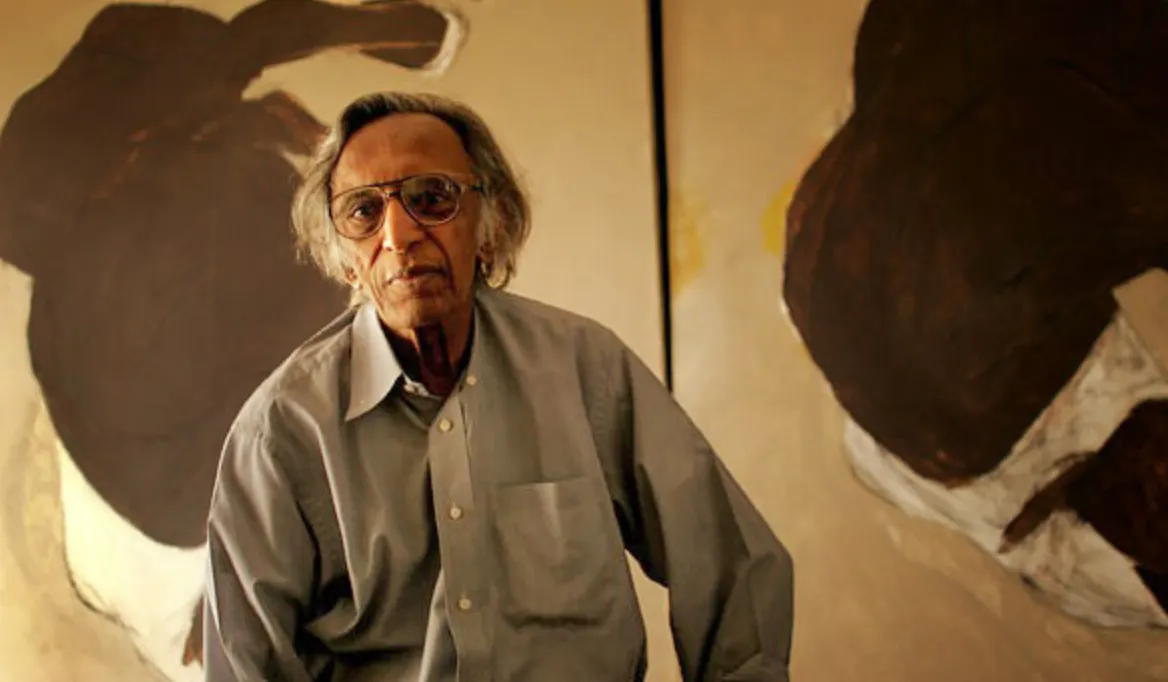
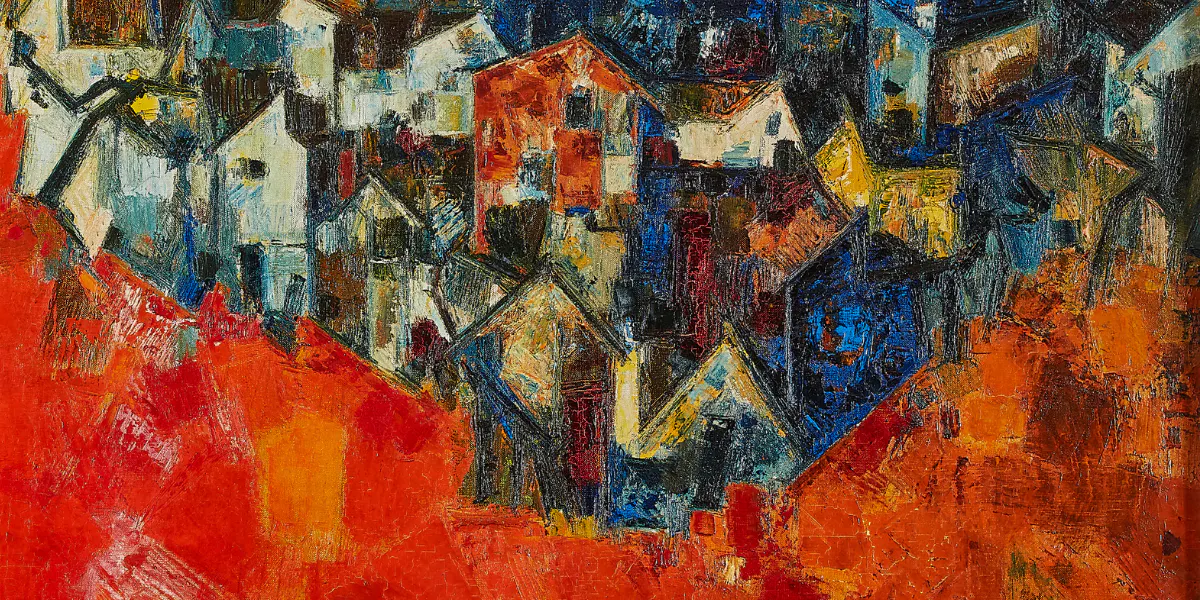
Tyeb Mehta was the first contemporary Indian artist to cross the $1 million mark at auction. His breakthrough came in 2002, when the triptych Celebration (1995) sold at Christie’s.
Marked by fractured figures, strong diagonals, and stark colour contrasts, Mehta’s work reflects the violence he witnessed during the Partition of India in 1947. His time in London and New York further shaped his visual language. A recurring motif in his work is the bull, associated with the demon Mahishasura.
In April 2025, Trussed Bull (1956) sold at SaffronArt in Mumbai for $7.2 million.
See also: Le Corbusier, Pierre Jeanneret and the Silver City
7. Akbar Padamsee (1928-2020)
Akbar Padamsee was one of the most versatile figures in Indian modernism. Alongside painting and printmaking, he worked in photography, film, and early computer art. He trained at the Sir J. J. School of Art and was associated with the Progressive Artists’ Group before moving to Paris, where Fauvism strongly influenced his work.
Padamsee explored the human body, architecture, and landscape with equal intensity, focusing on structure and form. His auction record was set in 2016, when Greek Landscape (1960) sold for $2.9 million at SaffronArt in New Delhi.
See also: Matisse: Master of the Fauves
8. Bhupen Khakhar (1934-2003)
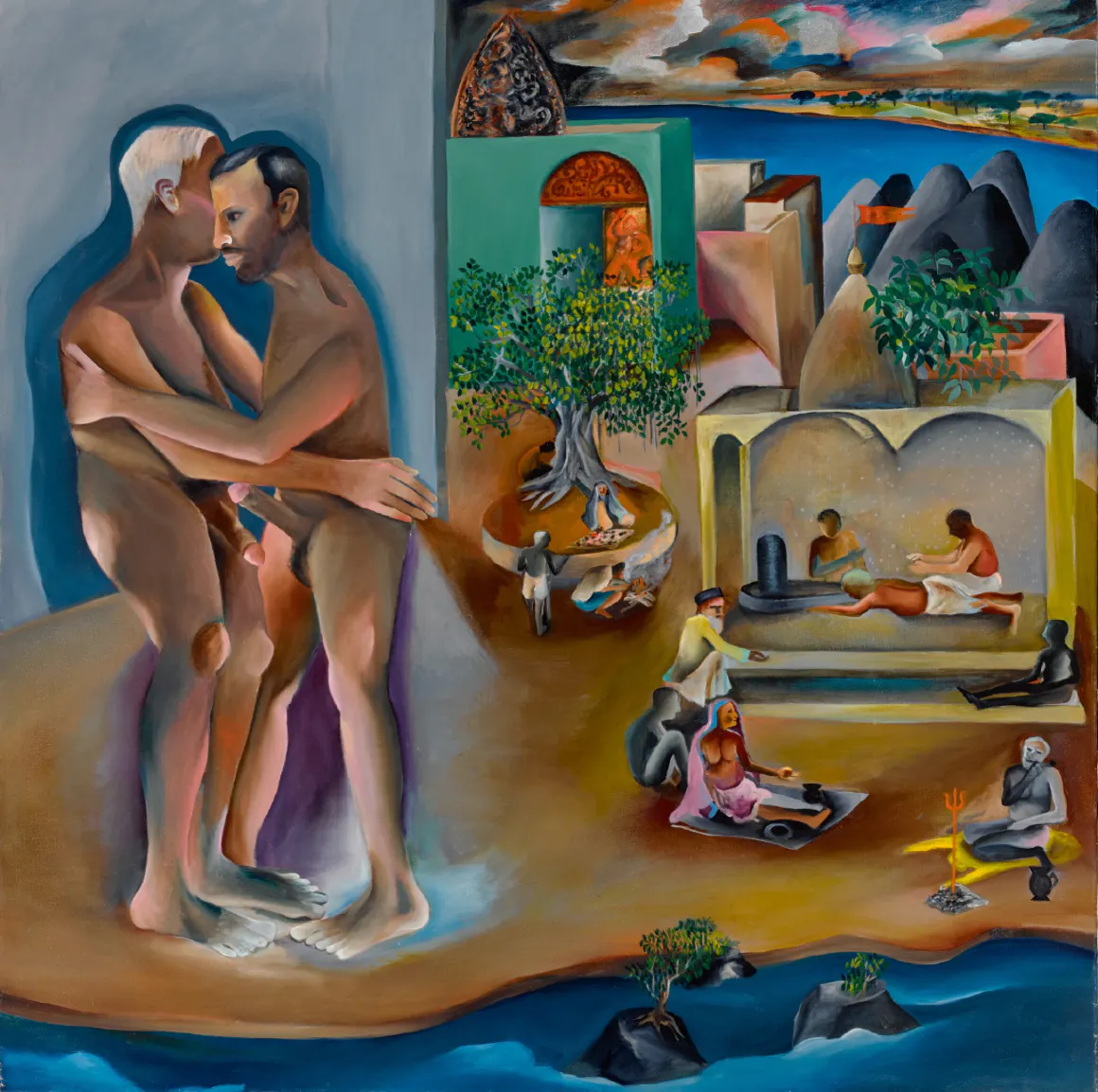
Bhupen Khakhar was the only self-taught artist on this list. Trained as an accountant, he joined the Baroda Group in 1958 while developing his art independently. His paintings and collages depict everyday life with humour and candour, often addressing sexuality and identity. Khakhar was openly gay, a rarity in Indian public life at the time.
Frequently compared to David Hockney, he is considered a pioneer of Indian Pop Art. His work has been exhibited internationally since the 1980s.
His auction record was set in 2019, when Two Men in Benares (1982) sold at Sotheby’s London for $2.54 million.
See also: David Hockney: Star of Contemporary Art
9. Arpita Singh (*1937)
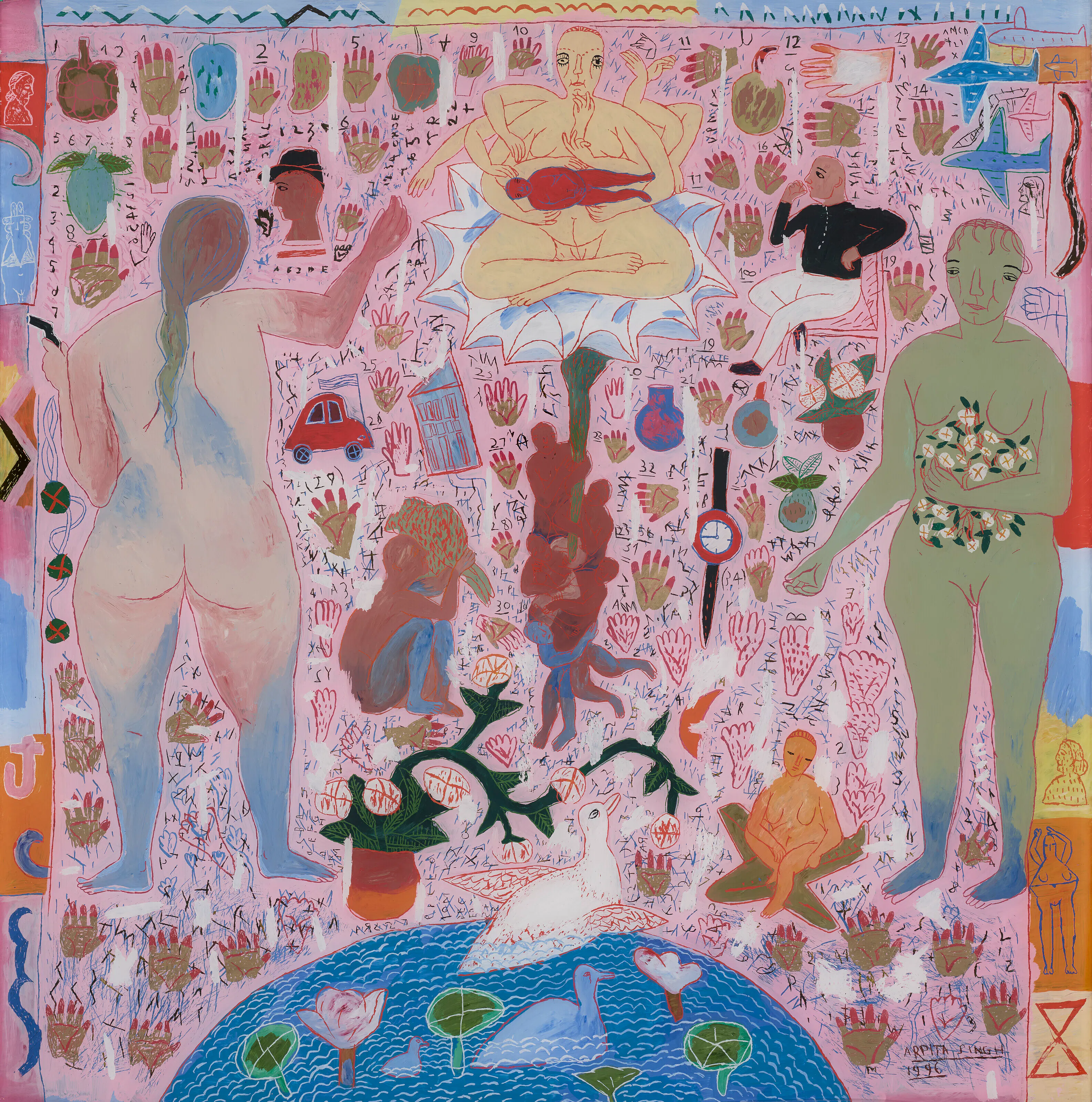
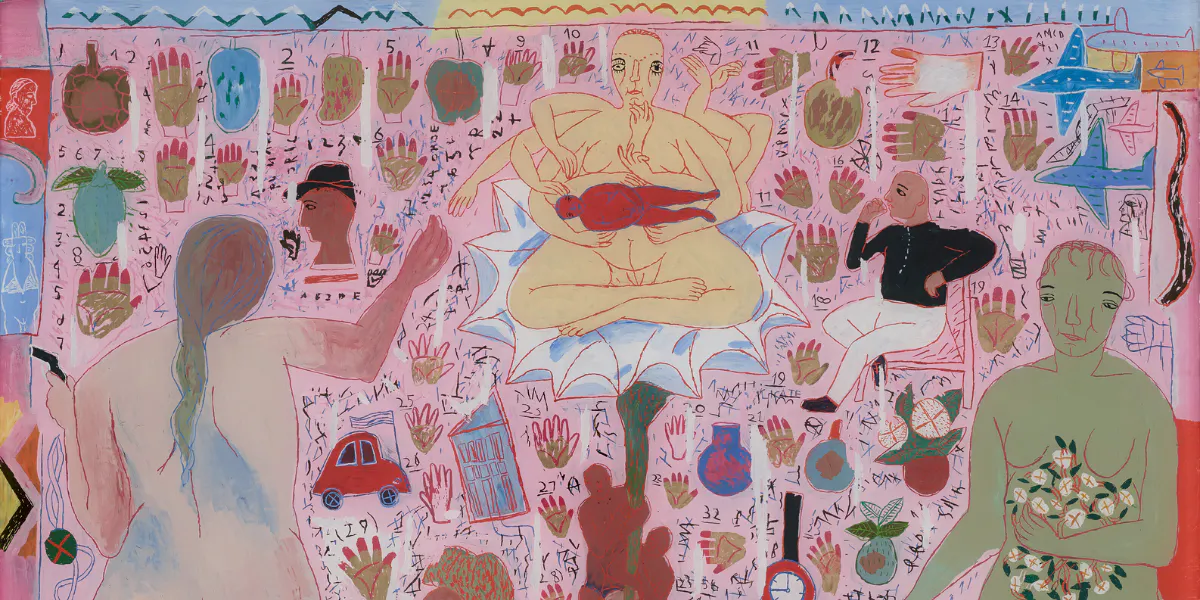
At first glance, Arpita Singh’s paintings can appear deceptively simple. On closer inspection, they reveal dense narratives shaped by personal experience and political history, often centred on the figure of the Indian woman.
After studying at Delhi Polytechnic, Singh worked at a government institution devoted to textile preservation, which influenced her visual language. Early inspiration from German Expressionism, particularly Paul Klee, remains visible in her work.
Her auction record was set in 2023, when Watching sold for $1.3 million at Pundole’s in Mumbai.
See also: Grandma Moses: 5 Facts to Know
10. Nasreen Mohamedi (1937-1990)
At a time when figurative painting dominated Indian art, Nasreen Mohamedi pursued a rigorous form of abstraction built from lines, grids, and subtle tonal shifts. Raised in Karachi and Mumbai, she studied in London and Paris before returning to India, where she became closely associated with artists such as Gaitonde and Mehta.
Influenced by artists including Kandinsky and Malevich, as well as her extensive travels, Mohamedi also worked in photography. She continued to create despite living with Huntington’s disease, which increasingly limited her physical abilities.
Her auction record was set in 2024, when an untitled work sold at Pundole’s in Mumbai for $1.3 million.
11. Manjit Bawa (1941-2008)
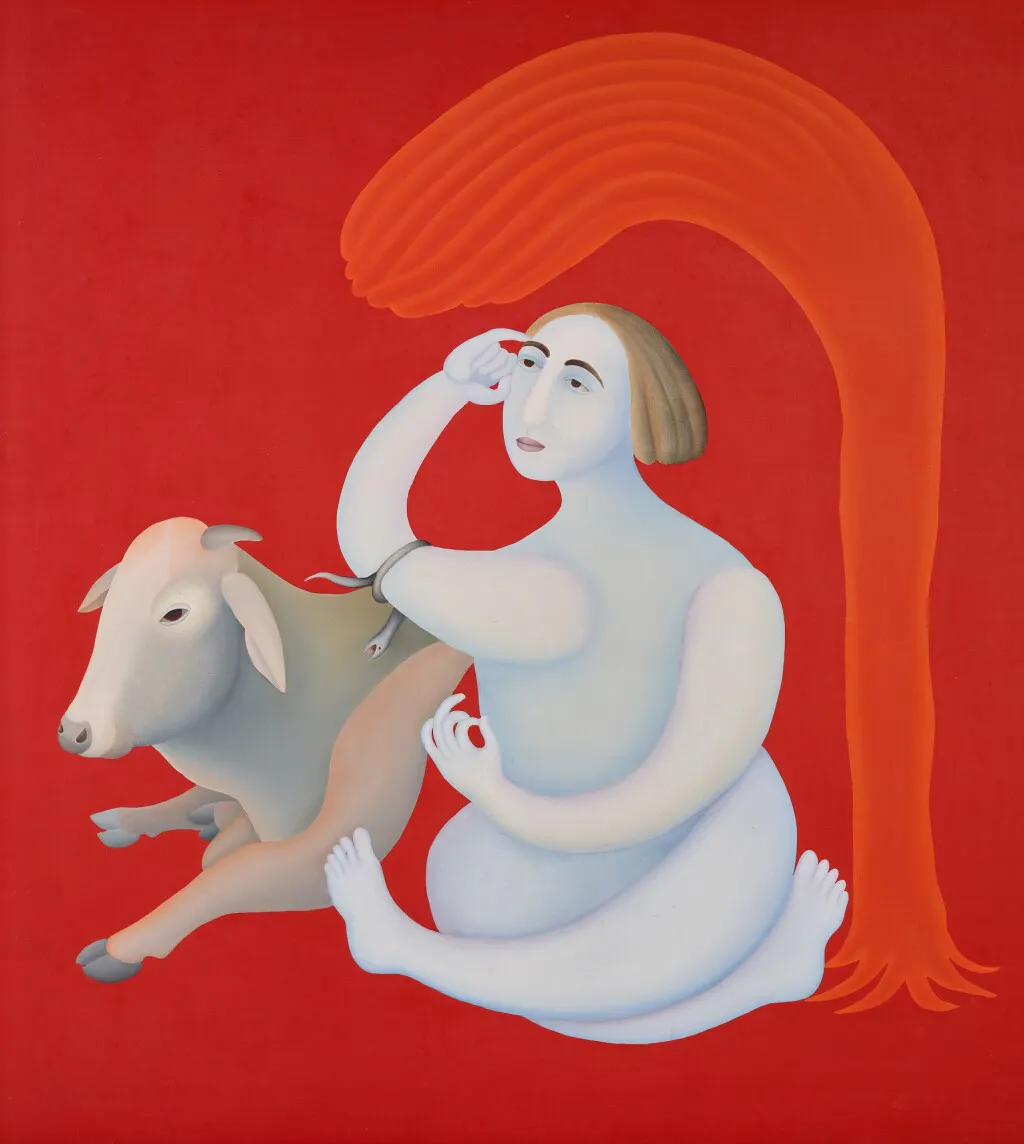
Manjit Bawa’s popularity has led to widespread forgery of his work on the auction market. After studying in New Delhi, he spent several years in London working as a screen printer. His paintings draw heavily on Hindu mythology, presenting gods and figures in vivid colour against spare backgrounds.
His first million-dollar result came in 2022 at Christie’s New York. In 2023, Untitled (Krishna) (1992) sold at AstaGuru for $3.01 million, setting his current record.
Want more articles like this straight to your inbox? Subscribe to our free newsletter!
12. Anish Kapoor (*1954)
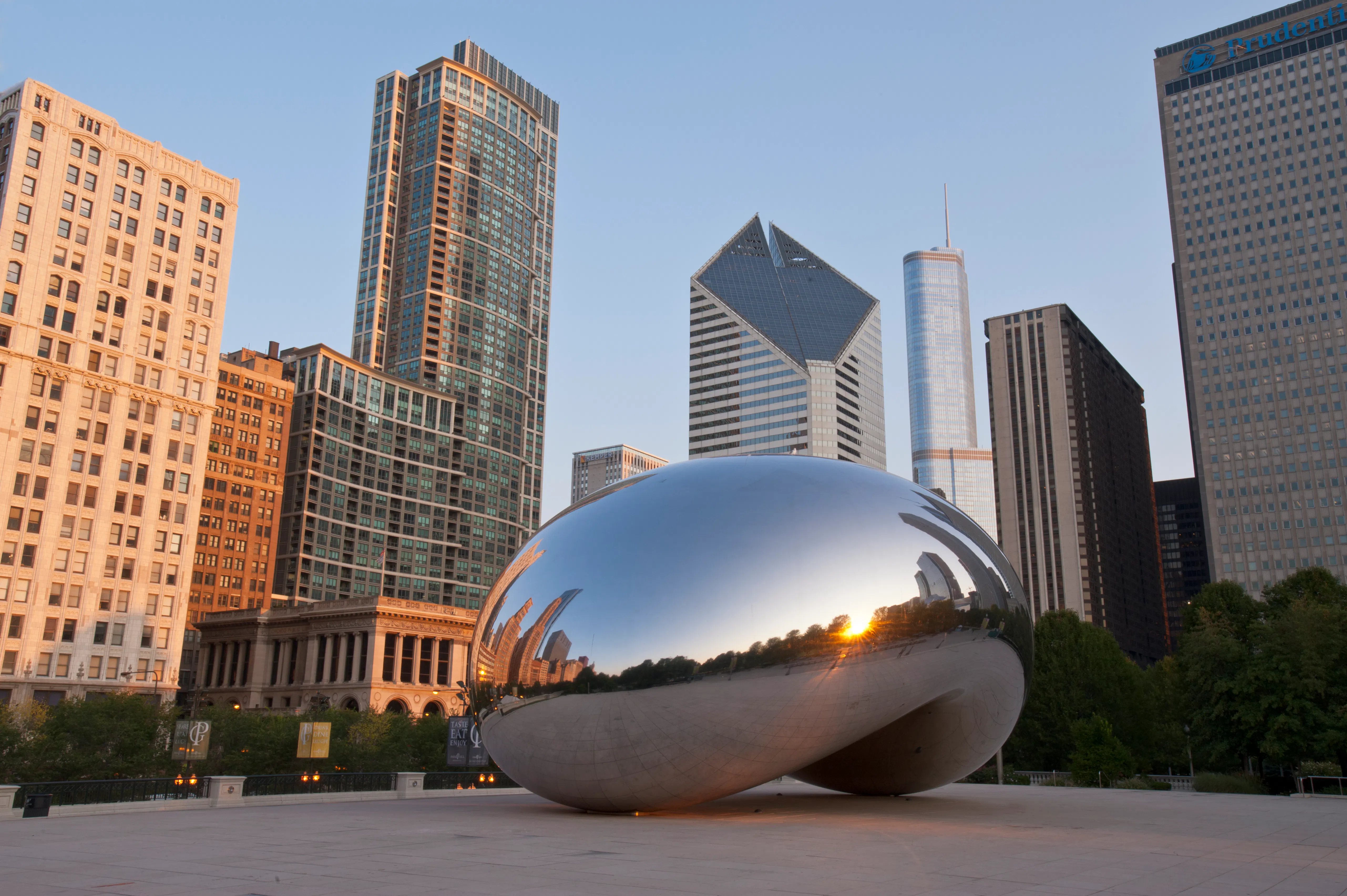
Born in Mumbai and based in London since his student years, Anish Kapoor is among the most internationally recognised contemporary artists. His work spans sculpture, installation, and architecture, with major public commissions worldwide. His best-known piece remains Cloud Gate (2006) in Chicago.
Kapoor’s career has also been marked by controversy, from Dirty Corner (2011) to his acquisition of exclusive artistic rights to the pigment Vantablack in 2016.
See also: The 10 Most Scandalous Artworks
His auction record was set in 2008, when Untitled (2003) sold at Sotheby’s London for $3.9 million.
13. Subodh Gupta (*1964)
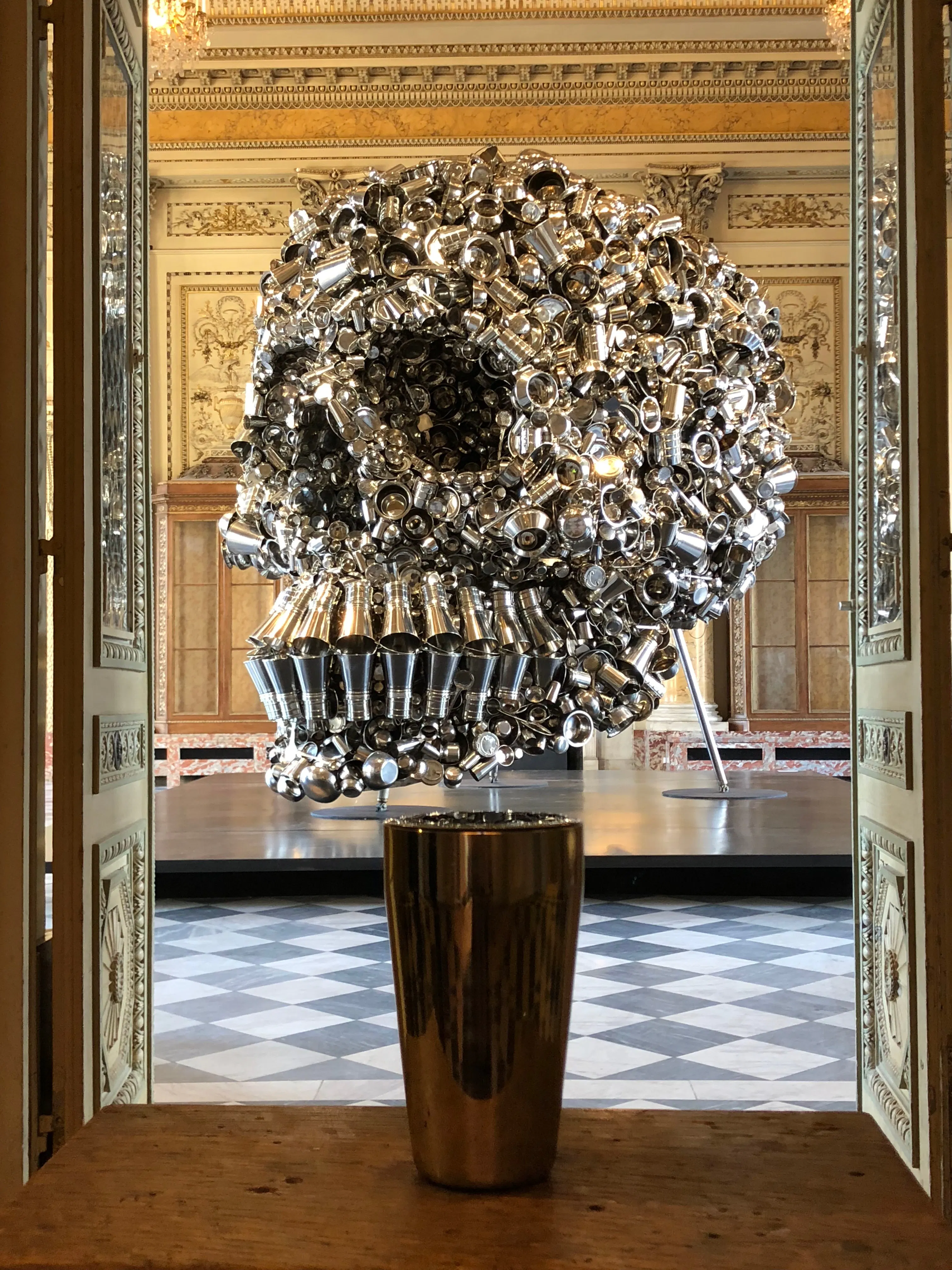
Subodh Gupta’s work examines everyday objects and social symbols associated with India, often through sculpture and large-scale installation. His stainless steel constructions made from domestic utensils are among his most recognisable works and are exhibited globally.
On the auction market, his highest price was achieved in 2008, when Saat Samundar Paar (2003) sold at Christie’s Hong Kong for $1.2 million. Gupta remains one of the most successful living artists from Asia.